Table of Contents

 29 September 2025 (updated)
 Audi A3 engines
Since its introduction in 1996, the Audi A3 has developed into one of the most successful premium compact cars, offering a diverse range of Audi A3 engines across four generations. Each generation has brought new technologies and different strengths and weaknesses, with technological evolution ranging from simple naturally aspirated engines to state-of-the-art mild-hybrid systems.

Audi A3 engines: Historic generations I & II (1996-2012)
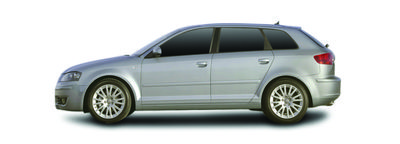
The first two Audi A3 generations laid the foundations for Audi's premium compact cars and were characterized by robust, but not yet technically mature engines. Mileage varied greatly depending on the engine type: while the tried-and-tested TDI diesels easily reached 350,000 to 450,000 kilometers with proper maintenance, the early TFSI petrol engines often required costly repairs to the timing chain or turbocharger between 150,000 and 200,000 kilometers. The first generation (8L, 1996-2003) was still characterized by classic naturally aspirated engines and early TDI variants, while the second generation (8P, 2003-2012) marked the breakthrough of turbo technology. The absolute top engine of the historic generations was the 2.0 TDI with 170 hp from the second generation, which optimally combined power, reliability and economy.
Audi A3 gasoline engines: Historic generations I & II (1996-2012)
The first generation started with classic naturally aspirated engines: 1.6-liter units with 101 hp and 1.8-liter engines with 125 hp characterized the range. The 1.8 T with 150-180 hp was the first turbocharged petrol engine and suffered from typical problems such as coil defects and turbocharger damage. The second generation brought the TFSI revolution: the 1.4 TFSI with 125 hp was available as the entry-level engine, followed by the 1.8 TFSI with 160 hp and the 2.0 TFSI with 200 hp. However, these Audi A3 engines suffered from the well-known problems of the early TFSI generation: timing chain problems, increased oil consumption and turbocharger damage made them the most problematic engines of this era. The most powerful Audi A3 petrol engine was the 2.0 TFSI in the S3 with 265 hp, which, although sporty, was prone to piston ring problems.
Audi A3 diesel engines: Historic generations I & II (1996-2012)
The Audi A3 diesels were initially dominated by the 1.9 TDI with various output levels from 90-130 hp in the first generation. These pump-injector engines proved to be extremely durable, but were loud and soot-prone. The second generation brought the modern 2.0 TDI with common-rail injection in power levels of 140-170 hp. The Audi A3 2.0 TDI with 140 hp developed into the most reliable engine of both generations - especially the variants with particulate filter produced from 2005 onwards proved to be very durable and economical. These Audi A3 TDI engines already met the Euro 4 standard and offered an excellent combination of performance, consumption and reliability.
| Audi A3 engine | Power output | Fuel consumption | Typical weaknesses | Rating |
|---|---|---|---|---|
| 1.6 naturally aspirated engine | 101 HP | 7.2-7.8 l/100km | Weakly motorized, sluggish | Average |
| 1,8 T | 150-180 HP | 7.8-8.5 l/100km | Coil defects, turbocharger damage | Moderate |
| 1.4 TFSI | 125 HP | 6.5-7.2 l/100km | Timing chain, oil consumption | Problematic |
| 1.8/2.0 TFSI | 160-200 HP | 7.1-8.3 l/100km | Piston rings, turbocharger | Problematic |
| 1.9 TDI | 90-130 HP | 5.2-5.8 l/100km | Loud, soot-prone, but durable | Good |
| 2.0 TDI | 140-170 HP | 4.8-5.5 l/100km | Very robust from 2005 | Very good |
Audi A3 engines: Generation III (2012-2020)
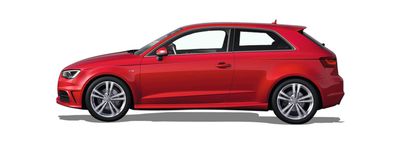
The third Audi A3 generation (8V) marked a significant leap in quality and is considered the most balanced of all generations. Most engines of this generation can easily reach 280,000 to 380,000 kilometers with proper maintenance, whereby the 2.0 TDI diesel with 150 hp is considered to be particularly durable. Major engine failures have become rarer, with only the powerful 2.0 TFSI petrol engines continuing to show weaknesses in terms of oil consumption. The absolute highlight was the 2.0 TDI with 184 hp - a technical masterpiece with bi-turbo charging that offered both power and efficiency. Natural gas technology also made its debut with the 1.4 TFSI g-tron from 2013, which represented an environmentally friendly alternative.
Audi A3 petrol engines: Generation III (2012-2020)
The Audi A3 petrol engine range started with the 1.2 TFSI (110 PS) as the entry-level engine, followed by the tried-and-tested 1.4 TFSI in various power levels from 122-150 PS. These smaller Audi A3 TFSI engines proved to be significantly more reliable than their predecessors, with only occasional problems with valve coking. For sporty drivers, there was the Audi A3 1.8 TFSI with 180 hp and the 2.0 TFSI with outputs from 190 to 400 hp in the RS3. However, the Audi A3 2.0 TFSI (EA888 Gen 3) developed into the most problematic engine of this generation, with frequent reports of increased oil consumption due to wear-prone piston rings and turbocharger damage during sporty driving. The legendary 2.5 TFSI five-cylinder in the RS3 with 367-400 hp was a sound miracle, but prone to timing chain damage.
Audi A3 diesel engines: Generation III (2012-2020)
The Audi A3 2.0 TDI (EA288) was offered in various power levels from 110 to 184 hp. There was also a smaller 1.6 TDI with 110 hp (2012-2018), but this was less common. All Audi A3 diesels had modern common-rail injection with SCR catalytic converter and particulate filter. The Audi A3 2.0 TDI with 150 hp proved to be the most reliable and efficient engine of this generation, with a test consumption of only 4.2-4.8 liters per 100 km and high reliability - ideal for frequent drivers. The Bi-Turbo 2.0 TDI with 184 hp offered sporty performance, but was more susceptible to turbocharger damage.
Audi A3 natural gas drive: Generation III (2012-2020)
From 2013, the Audi A3 Sportback g-tron was offered with a 1.4 TFSI engine that could run on both natural gas and petrol. With 110 hp, it offered an environmentally friendly alternative, but had limitations in terms of filling station infrastructure and reduced trunk capacity due to the gas tanks.
| Audi A3 engine | Power output | Fuel consumption | Typical weaknesses | Rating |
|---|---|---|---|---|
| 1.2 TFSI | 110 HP | 5.3-6.0 l/100km | Weakly motorized | Average |
| 1.4 TFSI | 122-150 HP | 5.8-6.5 l/100km | Occasional valve coking | Good |
| 1.8 TFSI | 180 HP | 6.2-6.9 l/100km | Oil consumption, piston rings | Moderate |
| 2.0 TFSI | 190-400 HP | 6.8-9.2 l/100km | Oil consumption, turbocharger | Problematic |
| 2.5 TFSI | 367-400 HP | 8.8-9.8 l/100km | Timing chain, very expensive | Moderate |
| 1.6 TDI | 110 HP | 4.0-4.5 l/100km | Not very common | Average |
| 2.0 TDI | 150-184 HP | 4.1-5.2 l/100km | Very robust (150 hp variant) | Very good |
| 1.4 g-tron | 110 HP | 3.5 kg/100km | Filling station network, gas tanks | Good |
Audi A3 engines: Generation IV (2020-today)

The current Audi A3 generation (8Y) relies entirely on electrification and represents Audi's vision for the future of combustion engines. All petrol engines are now equipped with mild hybrid technology, and for the first time there is also a plug-in hybrid. As the generation has only been on the market since 2020, there is no long-term experience yet, but the initial tests show promising approaches. The top-of-the-range engine is the 2.0 TFSI in the new RS3 with 400 hp, which is set to become more reliable thanks to improved cooling and oil supply. The mild hybrid technology promises a service life of over 300,000 kilometers, as the electric support relieves the combustion engine.
Audi A3 mild hybrid petrol engine: Generation IV (2020-today)
Three TFSI engines with 48-volt mild hybrid technology form the basis of the Audi A3 engine range. The 1.0 TFSI with 110 PS serves as the entry-level engine, followed by the 1.5 TFSI with 150 PS and the 2.0 TFSI with 190 PS. All Audi A3 engines have a belt starter-alternator and cylinder deactivation. The Audi A3 1.5 TFSI with 150 hp is considered to be particularly successful and is developing into the best engine of this generation - it offers smooth power delivery over a wide engine speed range and has so far been free of major production problems. The 2.0 TFSI shows early signs of the well-known EA888 problems.
Audi A3 plug-in hybrid: Generation IV (2020-today)
The Audi A3 Sportback 40 TFSI e combines a 1.4 TFSI with an electric motor to produce a system output of 204 hp. With an electric range of up to 67 km, it offers a practical alternative for commuters, but is technically complex and expensive to maintain.
Audi A3 diesel engines: Generation IV (2020-today)
Two Audi A3 2.0 TDI engines (EA288 evo) with 116 hp and 150 hp are available, continuing the tradition of reliable Audi A3 diesels. The 150 PS engine features mild hybrid technology and is considered to be particularly efficient.
Audi A3 high-performance engines: Generation IV (2020-today)
The new Audi S3 gets a 2.0 TFSI with 310 hp, while the RS3 continues to use the 2.5 TFSI five-cylinder with 400 hp. Both engines are set to be more reliable than their predecessors thanks to improved technology.
| Audi A3 engine | Power output | Fuel consumption | Typical weaknesses | Rating |
|---|---|---|---|---|
| 1.0 TFSI | 110 HP | 5.4-6.1 l/100km | Weakly motorized | Average |
| 1.5 TFSI | 150 HP | 5.6-6.2 l/100km | No series problems so far | Very good |
| 2.0 TFSI | 190-400 HP | 6.5-9.5 l/100km | Oil consumption still possible | Moderate |
| 2.0 TDI | 116-150 HP | 4.3-5.1 l/100km | Robust, proven | Very good |
| 1.4 TFSI e | 204 HP | 1.2 l/100km + electricity | Complex, expensive | Good |

Conclusion: The best Audi A3 engines of all generations
The development of the Audi A3 engines clearly shows the technological progress over four generations. While the Audi A3 diesel engines have remained reliable across all generations, the powerful TFSI petrol engines have consistently struggled with similar problems. The new fourth-generation mild hybrid technology promises a promising alternative for drivers who value efficiency and reliability.
- Best Audi A3 gasoline engine:
The Audi A3 1.5 TFSI (150 PS, Generation IV) combines modern mild hybrid technology with high efficiency and excellent reliability to date.
- Best Audi A3 diesel engine:
The Audi A3 2.0 TDI (150 PS, Generation III & IV) offers the best combination of reliability, economy and everyday usability across all generations.
- Best Audi A3 hybrid engine:
The Audi A3 Sportback 40 TFSI e (204 hp, Generation IV) with its electric range of up to 67 km and low fuel consumption for short journeys.
For maintenance and spare parts for all Audi A3 generations, AUTODOC offers a comprehensive range of original and quality spare parts with fast delivery.
TOP Products on the topic: