Table of Contents
 29 September 2025 (updated)
 VW Passat engines
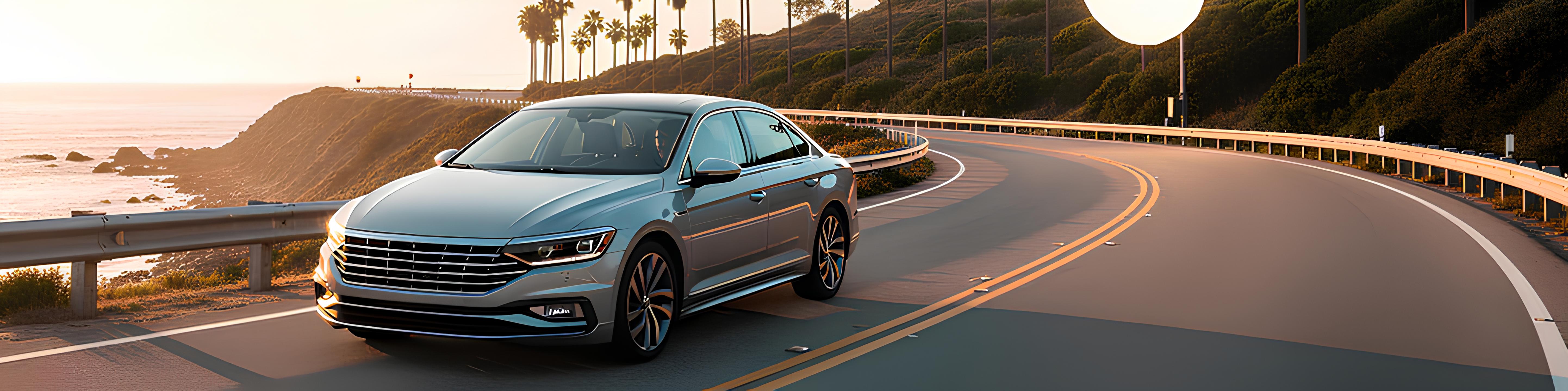
Since its introduction in 1973, the VW Passat has developed into one of the most successful mid-size vehicles, offering an exceptionally diverse range of engines across eight generations. Each generation has brought new technologies and different strengths and weaknesses, with technological evolution ranging from simple naturally aspirated engines to modern hybrid drives.

VW Passat engines: Historic generations I-IV (1973-1996)
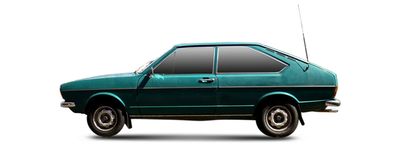
The first four VW Passat generations represent the pioneering era of the model and were characterized by robust but still technically simple engines. Mileage varied greatly depending on the engine type: while the tried-and-tested diesel engines easily reached 400,000 to 500,000 kilometers with proper maintenance, the early petrol engines often required major repairs between 200,000 and 300,000 kilometers. The absolute top engine of this era was the 1.9 TDI with 90 hp from the fourth generation (1988-1996), which optimally combined reliability and economy and is regarded as the cornerstone of VW's diesel success.
VW Passat gasoline engines: Historic generations I-IV (1973-1996)
The early VW Passat petrol engines initially comprised naturally aspirated engines with a displacement of 1.3 to 2.0 liters and outputs between 55 and 136 hp. The first generation (1973-1980) was dominated by 1.5-liter engines with 75-85 hp, which proved to be reliable but not particularly economical. The second generation (1980-1988) brought the first VR6 engine with 2.8 liters and 174 hp, but it was prone to cooling problems. The best petrol engine of this era was the 1.8-liter 90 hp engine from the third generation (1988-1993), which offered a good balance between performance and reliability.
VW Passat diesel engines: Historic generations I-IV (1973-1996)
The success story of the VW Passat diesels began with the 1.5 D (50 hp) in the first generation, followed by the 1.6 D (54 hp) in the second generation. The breakthrough came with the third generation and the 1.9 D (68 PS), which was later developed into the legendary 1.9 TDI (90 PS). These early TDI engines were considered virtually indestructible and regularly achieved mileages of over 500,000 kilometers. The 1.9 TDI developed into the most reliable engine of all historical generations and laid the foundation for VW's diesel reputation.
| VW Passat engine | Power output | Fuel consumption | Typical weaknesses | Rating |
|---|---|---|---|---|
| 1.5 petrol engine | 75-85 HP | 8.5-9.5 l/100km | High consumption, carburetor | Average |
| 1.8 Petrol engine | 90 HP | 7.5-8.5 l/100km | Robust, proven | Good |
| 2.8 VR6 | 174 HP | 10.5-12.0 l/100km | Cooling problems | Moderate |
| 1,5 D | 50 HP | 6.0-7.0 l/100km | Loud, little power | Average |
| 1.9 TDI | 90 HP | 5.5-6.5 l/100km | Practically indestructible | Very good |
VW Passat engines: Generation V (1996-2005)
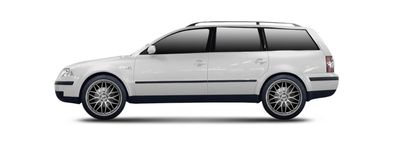
The fifth VW Passat generation marked the transition to modernity and is considered one of the most balanced of all generations. Most engines of this generation can easily reach 300,000 to 400,000 kilometers with proper maintenance, whereby the 1.9 TDI diesel with 130 hp is considered to be particularly durable. Major engine damage is rare, with only the early V6 petrol engines occasionally showing weaknesses in the timing chains. The absolute highlight was the 1.9 TDI with 130 PS - a technical masterpiece with pump-injector injection that offered both power and efficiency. W8 technology was also introduced for the first time with the 4.0 W8 and 275 hp.
VW Passat petrol engines: Generation V (1996-2005)
The VW Passat petrol engine range comprised engines from 1.6 to 4.0 liters displacement. The 1.6-liter engine with 100 hp proved to be a reliable entry-level engine, while the 1.8 T with 150 hp impressed with its turbocharging. The V6 engines with 2.8 liters (193 hp) and the rare 4.0 W8 (275 hp) offered high performance, but were prone to timing chain damage and high oil consumption. The best petrol engine of this generation was the 1.8 T with 150 hp, which offered a good balance between performance, reliability and fuel consumption.
VW Passat diesel engines: Generation V (1996-2005)
The VW Passat 1.9 TDI dominated with various power levels from 90 to 130 hp. The pump-injector technology (PD) made these engines particularly powerful and economical. The VW Passat 1.9 TDI with 130 hp developed into the absolute top engine of this generation - it offered outstanding driving performance with a fuel consumption of only 5.2 liters per 100 km. These VW Passat TDI engines were considered virtually indestructible and regularly achieved mileages of over 500,000 kilometers.
| VW Passat engine | Power output | Fuel consumption | Typical weaknesses | Rating |
|---|---|---|---|---|
| 1.6 petrol engine | 100 HP | 7.8-8.5 l/100km | Little power, but robust | Good |
| 1,8 T | 150 HP | 7.2-8.0 l/100km | Occasional turbocharger damage | Good |
| 2,8 V6 | 193 HP | 9.5-10.5 l/100km | Timing chain, oil consumption | Moderate |
| 4,0 W8 | 275 HP | 12.0-14.0 l/100km | Complex, high consumption | Problematic |
| 1.9 TDI | 90-130 HP | 5.0-6.0 l/100km | Practically indestructible | Very good |
VW Passat engines: Generation VI (2005-2010)
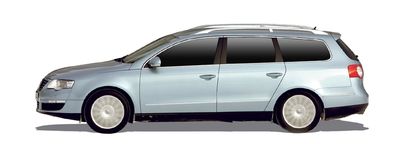
The sixth VW Passat generation brought modern TSI and TDI technology and was characterized by a wide range of engines. However, mileage varied greatly: while the tried-and-tested 2.0 TDI diesels easily reached 350,000 to 450,000 kilometers with proper maintenance, the early TSI petrol engines often required costly repairs to the timing chain or turbocharger between 150,000 and 200,000 kilometers. The absolute top engine of this generation was the 2.0 TDI with 170 hp, which optimally combined power, reliability and economy and is considered one of the best diesels of all time.
VW Passat petrol engines: Generation VI (2005-2010)
The VW Passat petrol engine range included both naturally aspirated engines and the new TSI engines with turbocharging. The 1.6-liter naturally aspirated engine with 102 hp was available as an entry-level engine, while the TSI engines with 1.4 liters (122 hp), 1.8 liters (160 hp) and 2.0 liters (200 hp) formed the top of the range. However, these early VW Passat TSI engines suffered from typical teething troubles: Timing chain problems, increased oil consumption and turbocharger damage made them the most problematic engines of this generation. The most reliable petrol engine was the 1.6-liter naturally aspirated engine, which offered little power but was very robust.
VW Passat diesel engines: Generation VI (2005-2010)
The VW Passat diesels were dominated by the 2.0 TDI with various output levels from 110 to 170 hp. These engines had modern common-rail injection and particulate filters. The VW Passat 2.0 TDI with 140 hp developed into the most reliable engine of the entire generation, while the 170 hp variant offered the best combination of performance and efficiency. These VW Passat TDI engines already met the Euro 4 standard and offered an excellent combination of performance, consumption and reliability.
| VW Passat engine | Power output | Fuel consumption | Typical weaknesses | Rating |
|---|---|---|---|---|
| 1.6 naturally aspirated engine | 102 HP | 7.5-8.2 l/100km | Little power, but robust | Good |
| 1.4 TSI | 122 HP | 6.8-7.5 l/100km | Timing chain, oil consumption | Problematic |
| 1.8 TSI | 160 HP | 7.2-8.0 l/100km | Turbocharger, timing chain | Moderate |
| 2.0 TSI | 200 HP | 8.0-9.0 l/100km | Oil consumption, turbocharger | Problematic |
| 2.0 TDI | 110-170 HP | 5.2-6.0 l/100km | Very robust and economical | Very good |
VW Passat engines: Generation VII (2010-2014)
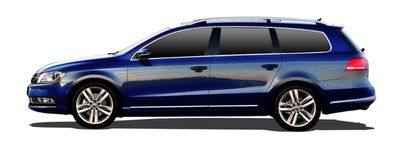
The seventh VW Passat generation marked a transitional period with improved TSI engines and proven TDI engines. Most engines of this generation reach 280,000 to 380,000 kilometers with proper maintenance, whereby the 2.0 TDI diesels continue to be considered particularly durable. The TSI engines were revised and showed fewer problems than their predecessors, but occasional weaknesses in oil consumption remained. The absolute highlight was the 2.0 TDI with 177 hp - an optimized engine with improved efficiency and high reliability.
VW Passat petrol engines: Generation VII (2010-2014)
The VW Passat petrol engine range was revised and included the 1.4 TSI with 122 hp, the 1.8 TSI with 160 hp and the 2.0 TSI with 211 hp. These revised VW Passat TSI engines (EA888 Generation 2) proved to be significantly more reliable than their predecessors, with only occasional timing chain problems. The VW Passat 1.8 TSI emerged as the best petrol engine of this generation, with a good balance between performance, consumption and reliability.
VW Passat diesel engines: Generation VII (2010-2014)
The VW Passat 2.0 TDI was further developed and was available in power levels from 105 to 177 hp. All VW Passat diesels had modern common-rail injection with SCR catalytic converter and particulate filter. The VW Passat 2.0 TDI with 140 hp proved to be the most reliable engine of this generation, while the 177 hp variant offered the best combination of performance and efficiency. These VW Passat TDI engines met the Euro 5 standard and continued to offer excellent reliability.
| VW Passat engine | Power output | Fuel consumption | Typical weaknesses | Rating |
|---|---|---|---|---|
| 1.4 TSI | 122 HP | 6.5-7.2 l/100km | Occasional timing chain | Good |
| 1.8 TSI | 160 HP | 6.8-7.5 l/100km | Very balanced | Very good |
| 2.0 TSI | 211 PS | 7.8-8.5 l/100km | Oil consumption at high power | Good |
| 2.0 TDI | 105-177 HP | 4.9-5.8 l/100km | Proven reliable | Very good |
VW Passat engines: Generation VIII (2014-2023)
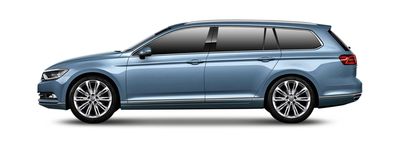
The eighth VW Passat generation represented the pinnacle of combustion engine technology and is considered the most mature of all generations. Most engines of this generation can easily reach 300,000 to 400,000 kilometers with proper maintenance, whereby the 2.0 TDI diesel with 150 hp is considered to be particularly durable. Major engine failures have become very rare, with only the powerful 2.0 TSI petrol engines continuing to show occasional weaknesses in oil consumption. The absolute highlight was the 2.0 TDI with 190 PS - a technical masterpiece with bi-turbo charging that offered both power and efficiency. GTE hybrid technology also made its debut with the 1.4 TSI e-Power from 2015.
VW Passat petrol engines: Generation VIII (2014-2023)
The VW Passat petrol engine range started with the 1.4 TSI (125/150 PS), which was later supplemented by the more modern 1.5 TSI evo (150 PS). These smaller VW Passat TSI engines proved to be significantly more reliable than their predecessors, with only occasional valve coking problems. For sporty drivers, the VW Passat 2.0 TSI was available with outputs from 190 to 280 hp. However, the VW Passat 2.0 TSI (EA888 Gen 3) developed into the most problematic engine of this generation, with frequent reports of increased oil consumption due to wear-prone piston rings.
VW Passat diesel engines: Generation VIII (2014-2023)
The VW Passat 2.0 TDI (EA288) was offered in various power levels from 120 to 240 hp. All VW Passat diesels had modern common-rail injection with SCR catalytic converter and particulate filter. The VW Passat 2.0 TDI with 150 hp proved to be the most reliable and efficient engine of this generation, with a test consumption of only 4.2-4.8 liters per 100 km and high reliability - ideal for frequent drivers. The bi-turbo version with 240 hp offered sporty driving performance with surprisingly moderate fuel consumption.
VW Passat hybrid drive: Generation VIII (2014-2023)
From 2015, the VW Passat GTE was offered as a plug-in hybrid with a system output of 218 PS. This combined a 1.4 TSI with a 115 PS electric motor and offered solid performance with an electric range of up to 50 km. The GTE proved to be reliable, but with limitations in terms of trunk space and occasionally sluggish DSG gearshift.
| VW Passat engine | Power output | Fuel consumption | Typical weaknesses | Rating |
|---|---|---|---|---|
| 1.4 TSI | 125-150 HP | 5.8-6.5 l/100km | Occasional valve coking | Good |
| 1.5 TSI | 150 HP | 5.5-6.2 l/100km | Very modern and efficient | Very good |
| 2.0 TSI | 190-280 HP | 6.8-8.2 l/100km | Oil consumption, piston rings | Problematic |
| 2.0 TDI | 120-240 HP | 4.2-5.5 l/100km | Very robust (150 hp variant) | Very good |
| 1.4 GTE | 218 HP | 1.4 l/100km | Sluggish DSG, small trunk | Good |

Conclusion: The best VW Passat engines of all generations
The development of VW Passat engines over five decades shows an impressive technological evolution. While the VW Passat diesel engines remained reliable across all generations and established themselves as long-distance champions, the powerful VW Passat TSI petrol engines consistently struggled with similar problems such as oil consumption and turbocharger damage. Eighth-generation hybrid technology offered a promising alternative for environmentally conscious drivers.
- Best VW Passat gasoline engine:
The VW Passat 1.5 TSI (150 PS, Generation VIII) combines modern technology with high efficiency and excellent reliability with low fuel consumption.
- Best VW Passat diesel engine:
The VW Passat 2.0 TDI (150 PS, Generation VIII) offers the best combination of reliability, economy and everyday usability across all generations.
- Best VW Passat hybrid engine:
The VW Passat GTE (218 PS, Generation VIII) with its electric range of up to 50 km and low fuel consumption for commuters and environmentally conscious drivers.
For maintenance and spare parts for all VW Passat generations, AUTODOC offers a comprehensive range of original and quality spare parts with fast delivery and expert advice.
TOP Products on the topic: