
Table of Contents

 2 July 2025 (updated)
 BMW E39 VANOS Problems and Variable Valve Timing System Failures
The BMW E39 variable valve timing system, known as VANOS (Variable Nockenwellen Steuerung), represents sophisticated German engineering designed to optimise engine performance across different driving conditions. However, this complex system frequently develops faults that manifest as distinctive rattling noises and compromised engine performance, particularly in higher-mileage vehicles equipped with M52TU, M54, and S62 engines.
Understanding these VANOS system failures helps BMW E39 owners recognise symptoms early and address problems before they escalate into costly repairs requiring complete engine rebuilds.
Understanding BMW E39 VANOS System Operation
BMW E39 VANOS problems typically stem from the system's reliance on precise oil pressure control to adjust camshaft timing. The VANOS unit uses helical gears and hydraulic pistons to continuously vary valve timing, advancing or retarding the opening and closing of intake and exhaust valves based on engine speed, load, and driving conditions.
Early BMW E39 models featured Single VANOS affecting only the intake camshaft, whilst later variants incorporated Double VANOS controlling both intake and exhaust timing. This system allows engines to produce strong low-end torque whilst maintaining high-rpm power delivery, significantly improving both performance and fuel efficiency when functioning correctly.
Sold by AUTODOC Sold by AUTODOC Sold by AUTODOC Sold by AUTODOC Sold by AUTODOC
 RIDEX Camshaft adjustment valve
Intake Side
Article number: 3826C0047
£40.99price incl. 20% VAT, excl. delivery costs
RIDEX Camshaft adjustment valve
Intake Side
Article number: 3826C0047
£40.99price incl. 20% VAT, excl. delivery costs
 Article number: 175323
£78.49price incl. 20% VAT, excl. delivery costs
Article number: 175323
£78.49price incl. 20% VAT, excl. delivery costs
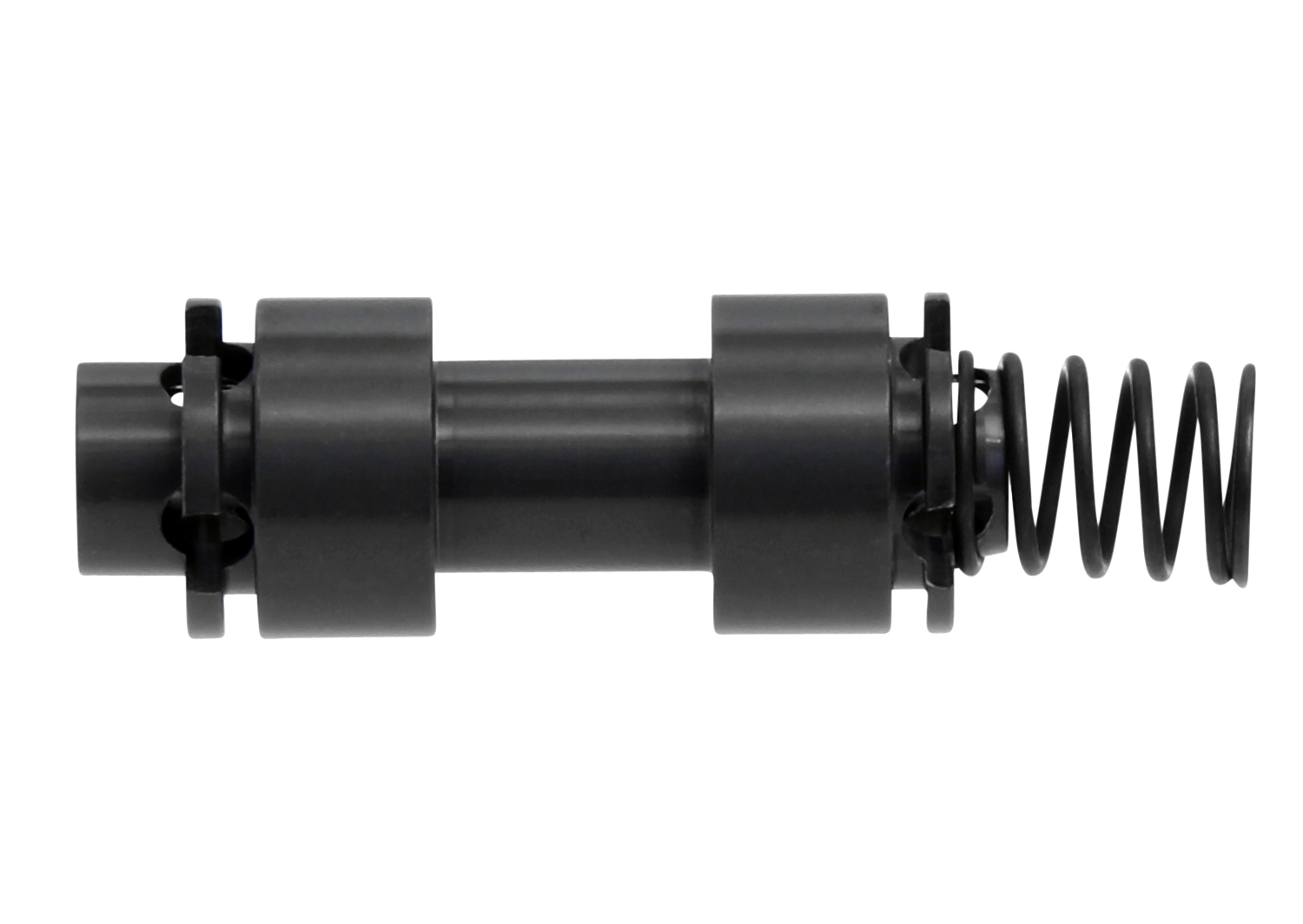 GATES Camshaft adjustment valve
Article number: VVS301
£32.99price incl. 20% VAT, excl. delivery costs
-10%
GATES Camshaft adjustment valve
Article number: VVS301
£32.99price incl. 20% VAT, excl. delivery costs
-10%
 Article number: EFR-BM-004
compared to
RRP
£45.23
£40.49price incl. 20% VAT, excl. delivery costs
-35%
Article number: EFR-BM-004
compared to
RRP
£45.23
£40.49price incl. 20% VAT, excl. delivery costs
-35%
 Article number: PTA127-0250
compared to
RRP
£345.47
£223.00price incl. 20% VAT, free delivery
Article number: PTA127-0250
compared to
RRP
£345.47
£223.00price incl. 20% VAT, free delivery

Common Symptoms of E39 VANOS Failure
Loss of power at low RPMs represents the most noticeable symptom of VANOS system deterioration. Drivers typically experience sluggish acceleration from standstill, particularly when pulling away from traffic lights or joining motorways. This occurs because the system cannot properly advance valve timing to optimise cylinder filling at lower engine speeds.
Poor fuel economy and increased consumption develops as the engine computer compensates for suboptimal valve timing by enriching the fuel mixture. Many owners report fuel consumption increases of 10-15% when VANOS problems occur, making regular journeys noticeably more expensive.
Rough idle and engine misfires manifest as irregular engine rhythm, particularly when the vehicle is stationary. The engine may feel unsteady through the steering wheel and gear lever, accompanied by occasional misfiring that can damage spark plugs and catalytic converters if left untreated.
Cold start difficulties and stalling become increasingly problematic as VANOS components wear. The system struggles to provide appropriate valve timing during engine warm-up, leading to extended cranking times and potential stalling in cold weather conditions.
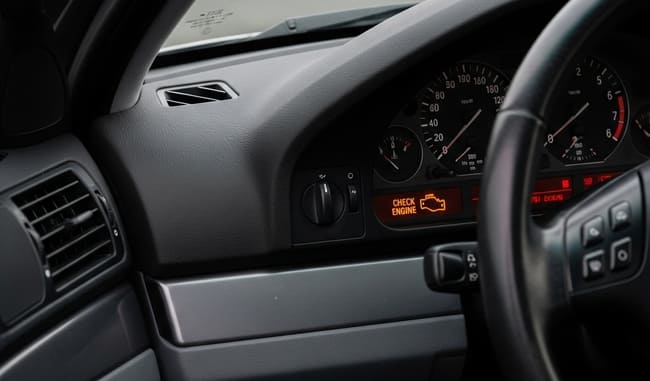
Check engine light illumination typically accompanies these symptoms, with diagnostic codes P1520, P1523, P1397, 2A82, and 2A87 commonly appearing during professional diagnosis.

Root Causes of BMW E39 VANOS Failures
O-ring and seal deterioration represents the primary cause of VANOS system failure in BMW E39 vehicles. The rubber seals surrounding VANOS pistons degrade due to constant exposure to hot engine oil, high pressure, and chemical contamination. Failed seals allow hydraulic pressure to escape, preventing the system from adjusting camshaft timing effectively.
Solenoid failure or clogging occurs when the electromagnetic valves controlling oil flow within the VANOS system become contaminated with metallic particles or oil sludge. These common VANOS issues develop gradually as service intervals are extended or inferior oil grades are used, causing solenoids to stick in incorrect positions.
Oil contamination and degradation accelerates VANOS component wear by introducing abrasive particles into the system's narrow oil passages. Dirty oil starves components of proper lubrication whilst simultaneously acting as an abrasive medium that damages precision-machined surfaces within the VANOS unit.
Internal component wear affects the helical gears and bearings within the VANOS mechanism, particularly in vehicles exceeding 100,000 miles (160,000 kilometres). As these components develop excessive clearances, they allow unwanted movement that degrades timing accuracy and generates characteristic rattling noises.

The Distinctive VANOS Rattle Explained
Helical gear wear and camshaft lash creates the distinctive VANOS rattle that many BMW E39 owners recognise. As helical gears within the timing mechanism wear, they develop play that allows the camshaft to move axially during operation. At specific engine speeds, typically between 1,500-2,500 RPM, this movement resonates through the engine, creating a sound often described as "marbles rattling in a tin can".
Piston bearing play contributes significantly to rattling intensity as worn bearings allow increased movement within the VANOS unit. This axial play becomes more pronounced under load, explaining why the rattle often intensifies during acceleration or when climbing hills.
Performance camshaft complications make VANOS rattle more severe in modified engines. Aftermarket camshafts with higher lift profiles or aggressive timing characteristics increase forces acting on VANOS components, accelerating wear and intensifying rattling noises.
The rattle typically occurs without immediate performance loss, but indicates internal wear that will progressively worsen without intervention. Addressing the underlying causes prevents complete system failure and expensive engine damage.
Sold by AUTODOC Sold by AUTODOC Sold by AUTODOC Sold by AUTODOC Sold by AUTODOC
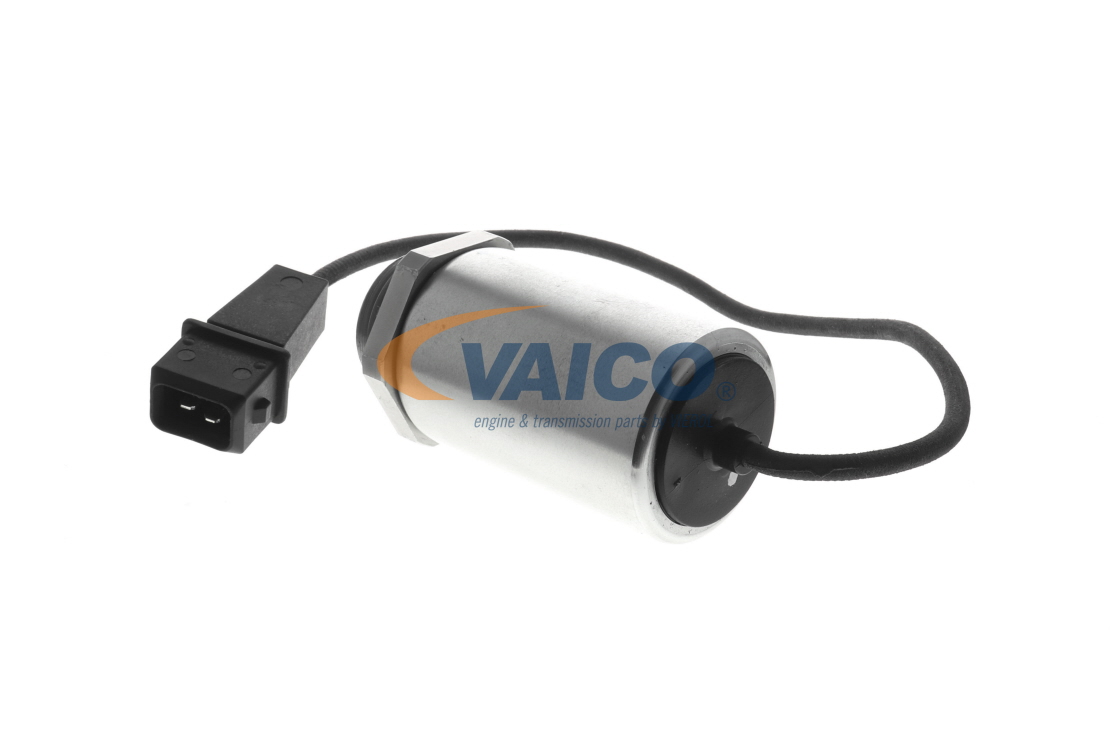 VAICO Camshaft adjustment valve
Intake Side
Article number: V20-2242
£79.99price incl. 20% VAT, excl. delivery costs
VAICO Camshaft adjustment valve
Intake Side
Article number: V20-2242
£79.99price incl. 20% VAT, excl. delivery costs
 Article number: 27-3529
£50.49price incl. 20% VAT, excl. delivery costs
Article number: 27-3529
£50.49price incl. 20% VAT, excl. delivery costs
 Article number: at11521
£87.49price incl. 20% VAT, excl. delivery costs
Article number: at11521
£87.49price incl. 20% VAT, excl. delivery costs
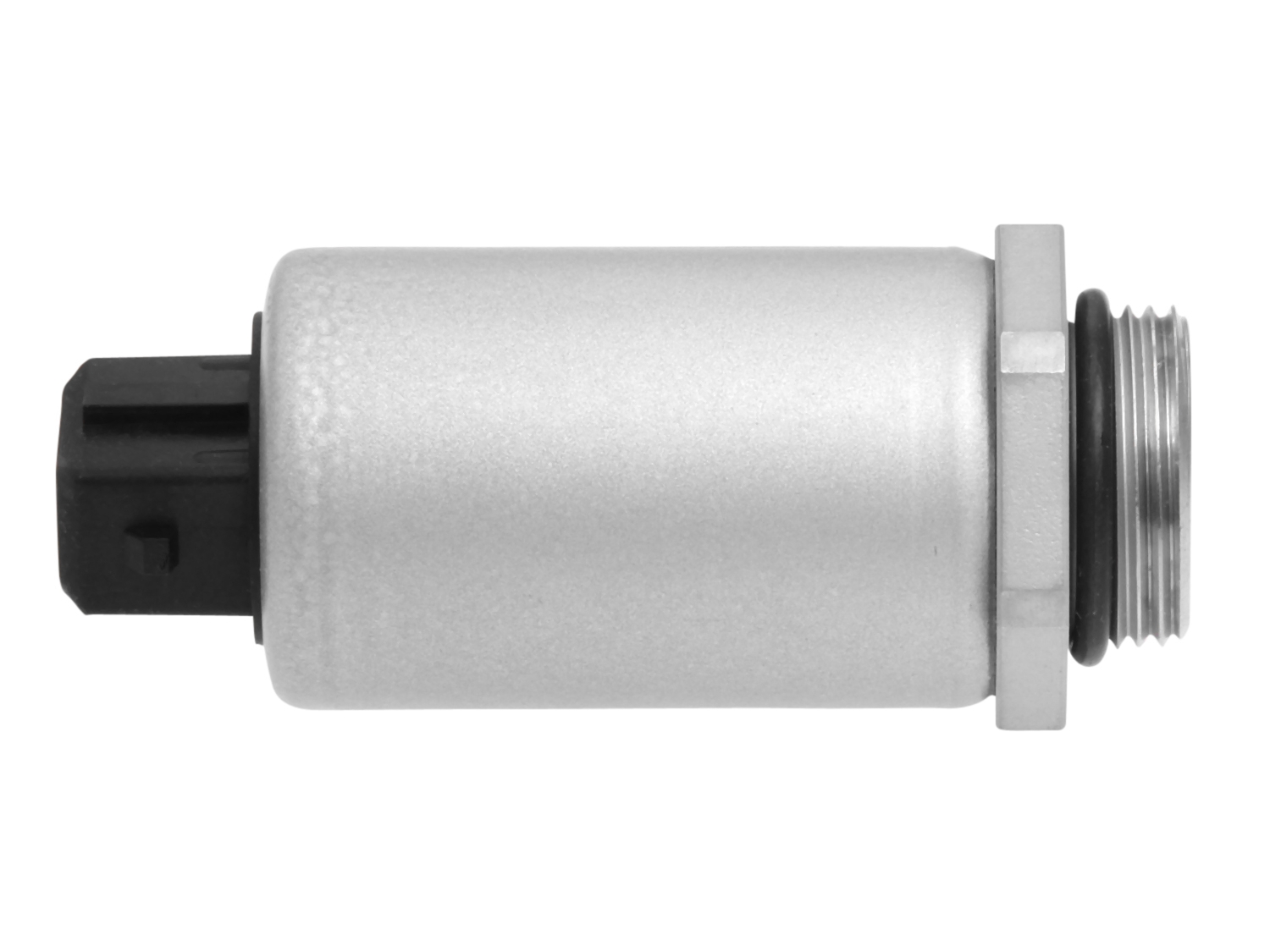 GATES Camshaft adjustment valve
Article number: VVS215
£310.50price incl. 20% VAT, free delivery
GATES Camshaft adjustment valve
Article number: VVS215
£310.50price incl. 20% VAT, free delivery
 Article number: 33 10 2829
£78.99price incl. 20% VAT, excl. delivery costs
Article number: 33 10 2829
£78.99price incl. 20% VAT, excl. delivery costs
Diagnosis and Repair Solutions
Professional diagnostic scanning should be the first step when VANOS problems are suspected. Modern diagnostic equipment can identify specific fault codes, measure actual vs expected valve timing, and pinpoint failing components before they cause secondary damage.
Oil quality inspection remains crucial for VANOS system health. Regular oil changes using manufacturer-specified grades prevent contamination-related failures, whilst oil analysis can identify metallic particles indicating component wear before symptoms become apparent.
VANOS rebuild kits offer comprehensive solutions for problems with the VANOS system by replacing worn seals, o-rings, and anti-rattle components. These kits address both performance issues and noise concerns, typically costing significantly less than complete VANOS unit replacement.
Component replacement may be necessary for severely damaged systems. Solenoid valves, pistons, and helical gears can be individually replaced, though this requires specialised knowledge and precision tools. When sourcing replacement parts, the experts from Autodoc have appropriate valves and components designed specifically for BMW E39 applications.
Prevention and Maintenance Strategies
Regular oil changes using high-quality synthetic oil remain the most effective prevention against VANOS problems. Service intervals should not exceed 6,000 miles (9,600 kilometres) or six months, whichever occurs first, particularly in vehicles approaching 80,000 miles (128,000 kilometres).
Quality oil filter replacement ensures contaminants are removed before they reach VANOS components. Premium filters with superior filtration characteristics provide additional protection for the system's narrow oil passages and precision components.
Avoiding short journey patterns helps prevent oil contamination by allowing engines to reach full operating temperature. Frequent short trips prevent complete oil warm-up, leading to moisture accumulation and accelerated component degradation.
Regular monitoring of engine performance characteristics allows early detection of developing problems before they require expensive repairs or cause secondary engine damage.
Conclusion
BMW E39 VANOS system problems typically develop gradually through normal wear and inadequate maintenance, manifesting as rattling noises, reduced performance, and poor fuel economy. Understanding the root causes of o-ring deterioration, solenoid failure, oil contamination, and internal wear helps owners maintain these sophisticated systems effectively.
Early diagnosis through professional scanning, combined with preventive maintenance using quality oils and filters, significantly extends VANOS system life. When problems do occur, rebuild kits and component replacement offer cost-effective solutions that restore original performance and eliminate troublesome rattling noises.
Proactive maintenance and prompt attention to developing symptoms prevent minor VANOS issues from escalating into major engine problems, ensuring BMW E39 vehicles continue delivering the smooth, responsive performance they were designed to provide.


