If you own a BMW F20 1 Series and find yourself constantly topping up engine oil, you're not alone. This issue has become one of the most documented problems affecting thousands of BMW F20 owners worldwide, particularly those with N13 and N20 turbocharged engines produced between 2011 and 2019.
The problem is so widespread that BMW forums are filled with frustrated owners reporting oil consumption rates well beyond what most drivers expect from a modern engine. Many owners report consuming 1 litre of oil every 1,000 to 1,800 kilometres, requiring frequent top-ups between service intervals.
What Makes This Problem So Concerning
BMW F20 high oil consumption isn't just an inconvenience—it's a serious issue that can lead to catastrophic engine damage if left untreated. The most troubling aspect is that excessive consumption often occurs without typical warning signs such as visible exhaust smoke or external oil leaks, making early detection challenging.
AUTODOC specialists suggest that whilst BMW does allow for higher oil consumption in turbocharged engines compared to naturally aspirated ones, the levels experienced by many F20 owners create genuine reliability concerns and ongoing maintenance costs.
The affected models include primarily the N13 engine variants (116i, 118i from 2011-2015) and N20 engines found in various BMW models. The N13, developed as a joint venture between BMW and PSA (Peugeot-Citroën), has proven particularly problematic.
Primary Root Causes Behind the Oil Loss
Understanding why your F20 is consuming oil requires examining the engine's sealing systems and internal components that prevent oil from entering the combustion chambers.
Worn Valve Stem Seals - The Primary Culprit
The most common cause of excessive oil consumption in BMW F20 engines is deteriorated valve stem seals. These small rubber seals prevent oil from leaking past the valve guides into the combustion chamber. When they harden and crack due to heat cycles and age, oil seeps down the valve stems and burns during combustion.
This type of oil consumption often produces no visible exhaust smoke, particularly when the engine is warm, making diagnosis challenging. The seals typically deteriorate gradually, leading to progressively worsening consumption over time.
When replacement becomes necessary, BMW F20 valve stem seals are available from various manufacturers, though professional installation is typically required due to the complexity of accessing these components.
Piston Ring and Cylinder Bore Wear
Worn piston rings or glazed cylinder bores represent another significant cause of oil consumption. When piston rings lose their sealing ability or cylinder walls become glazed, oil can pass into the combustion chamber during the compression stroke. This issue becomes more prevalent in higher-mileage engines or those with inadequate maintenance histories.
PCV System Failures
The Positive Crankcase Ventilation (PCV) system maintains proper pressure within the engine crankcase. When PCV components fail, excessive crankcase pressure can force oil past seals and into areas where it shouldn't be. A failing PCV diaphragm or blocked ventilation passages can significantly contribute to oil consumption issues.
Turbocharger oil seals operate under extreme conditions and can deteriorate over time. Failed turbo seals allow oil to enter either the intake or exhaust system, contributing to overall consumption. Additionally, bearing wear within the turbocharger can lead to increased oil passage and consumption.
Recognising the Symptoms Early
BMW F20 high oil consumption presents several distinctive symptoms that owners should monitor:
Symptom
Description
Severity
Frequent oil top-ups
Requiring oil additions between service intervals
High
Oil residue on rear bumper
Thin oil film appearing on boot and rear bumper
Medium
Burning oil smell
Noticeable when engine reaches operating temperature
Medium
Normal engine operation
No DTCs, power loss, or external leaks visible
Deceptive
Oil warning lights
Low oil level warnings appearing regularly
High
The most concerning aspect is that engines often run normally despite consuming excessive oil. There's typically no blue or white exhaust smoke, no diagnostic trouble codes, and no apparent power loss—making the problem easy to overlook until serious damage occurs.
When This Problem Typically Emerges
According to AUTODOC experts, BMW F20 oil consumption issues typically manifest between 60,000 and 120,000 kilometres, though some vehicles experience problems earlier or later. The timing varies depending on several factors:
Maintenance history - vehicles with extended oil change intervals develop problems sooner
Driving patterns - frequent short journeys and excessive idling accelerate component wear
Oil quality - using incorrect specifications or low-quality oil hastens seal deterioration
Production year - earlier models (2011-2015) are more severely affected
Solutions and Repair Options
Addressing BMW F20 high oil consumption requires identifying the specific cause, as different root causes demand different solutions.
Professional Repairs
Major repairs typically require professional service due to the complexity involved:
Repair Type
Estimated Cost Range
Complexity
Effectiveness
Valve stem seal replacement
£400-£800
High
Very effective
Piston ring replacement
£1,500-£3,000
Very high
Very effective
PCV system overhaul
£200-£500
Medium
Effective for PCV-related issues
Turbocharger replacement
£1,500-£4,000
High
Situation dependent
Note: Repair costs are estimates and can vary significantly based on labour rates, parts availability, and specific vehicle conditions.
DIY-Friendly Repairs
Some contributing factors can be addressed by competent DIY mechanics:
PCV valve replacement - relatively straightforward and inexpensive
Valve cover gasket replacement - moderate difficulty but manageable
Oil filter housing gasket - accessible repair that can stop external leaks
Regular oil changes - using BMW-approved synthetic oil can slow problem progression
However, the primary causes of oil consumption (valve stem seals, piston rings) typically require professional intervention due to the need for specialised tools and engine disassembly.
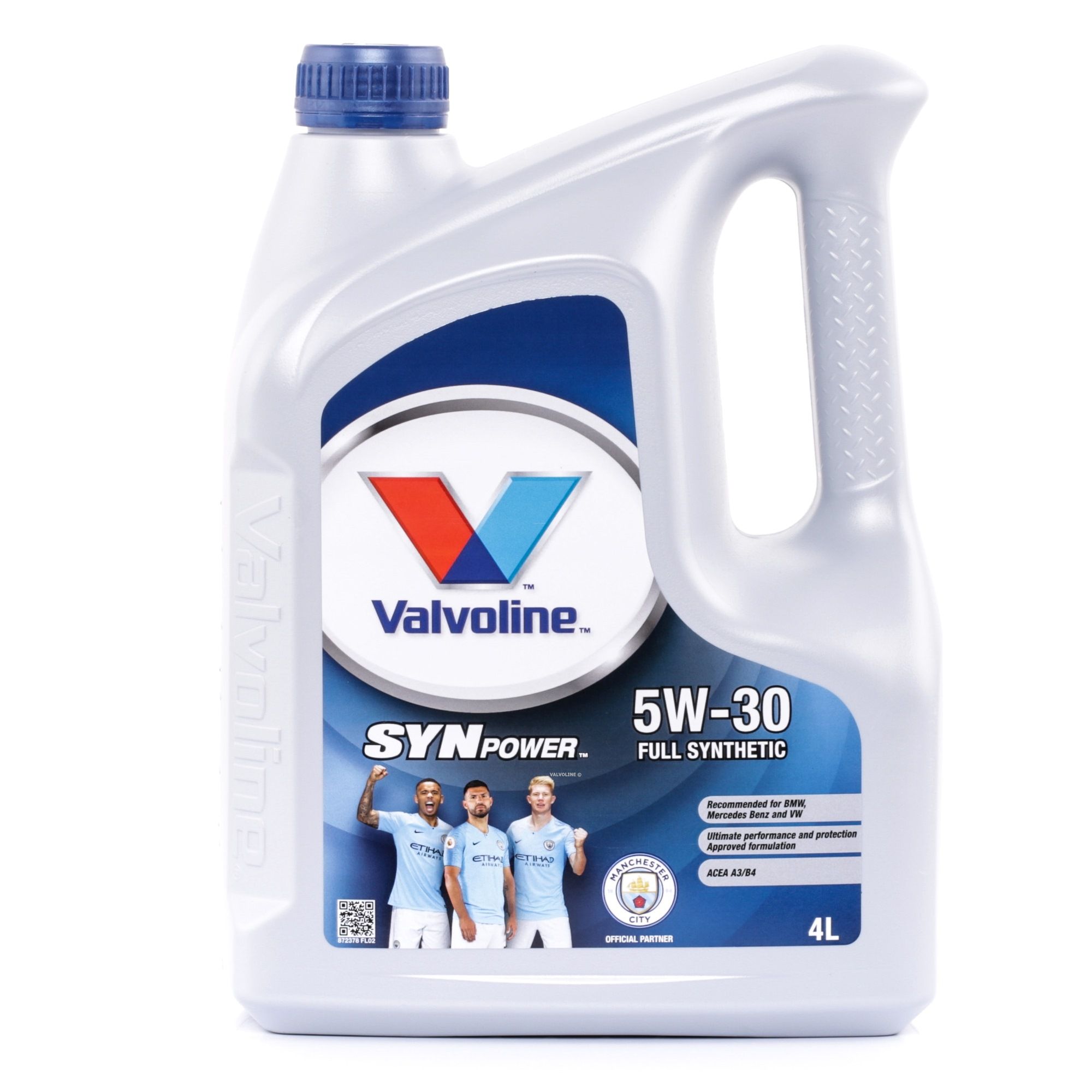
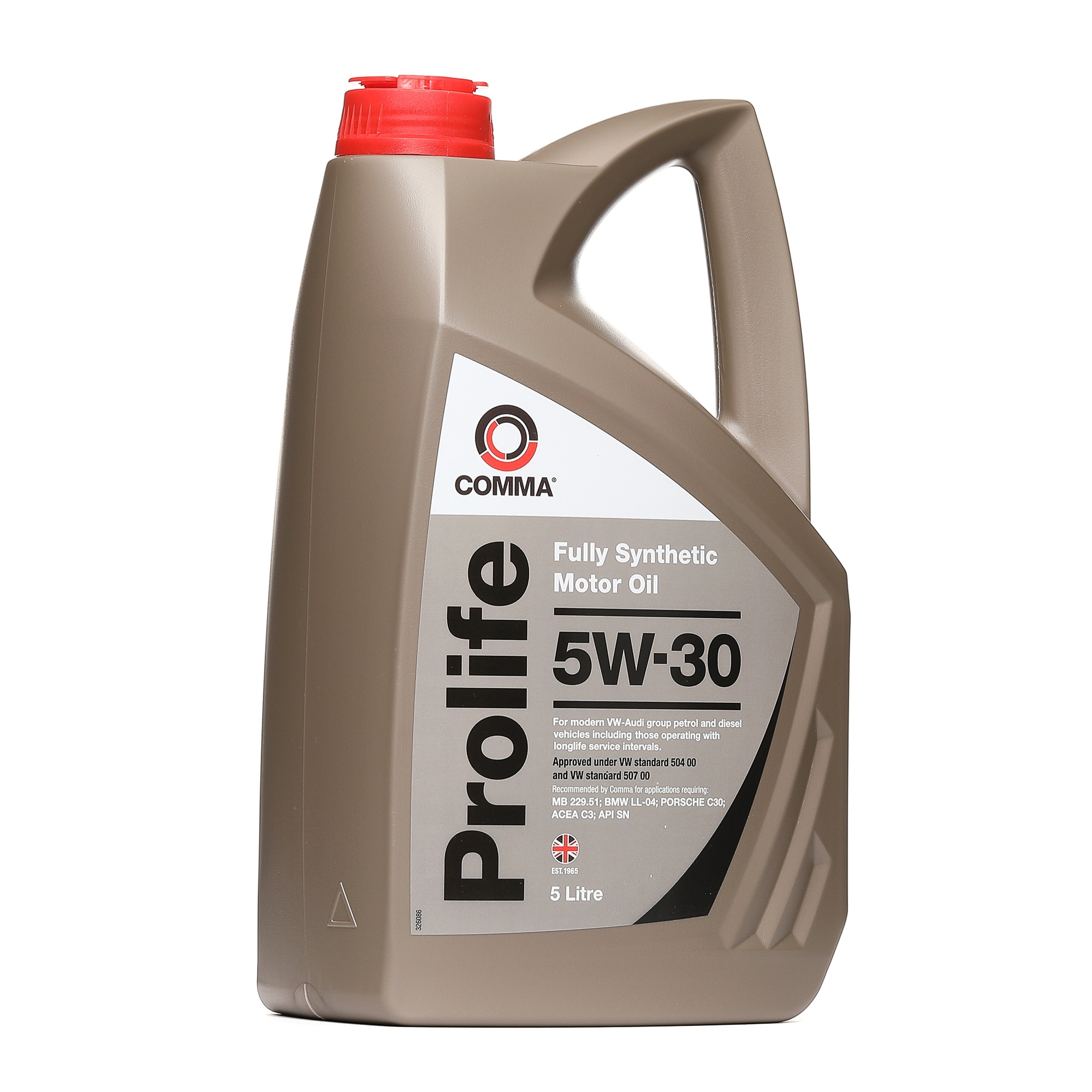
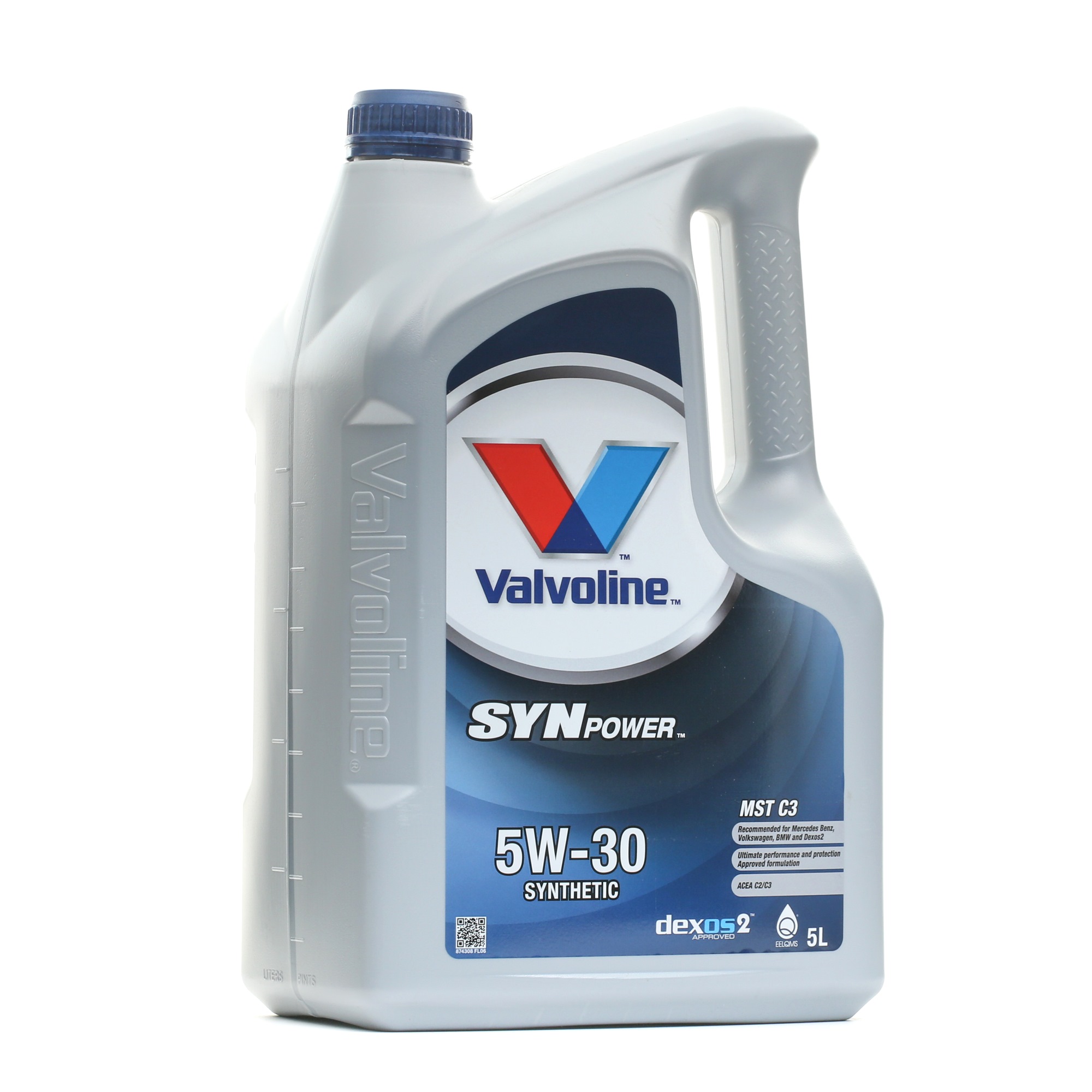
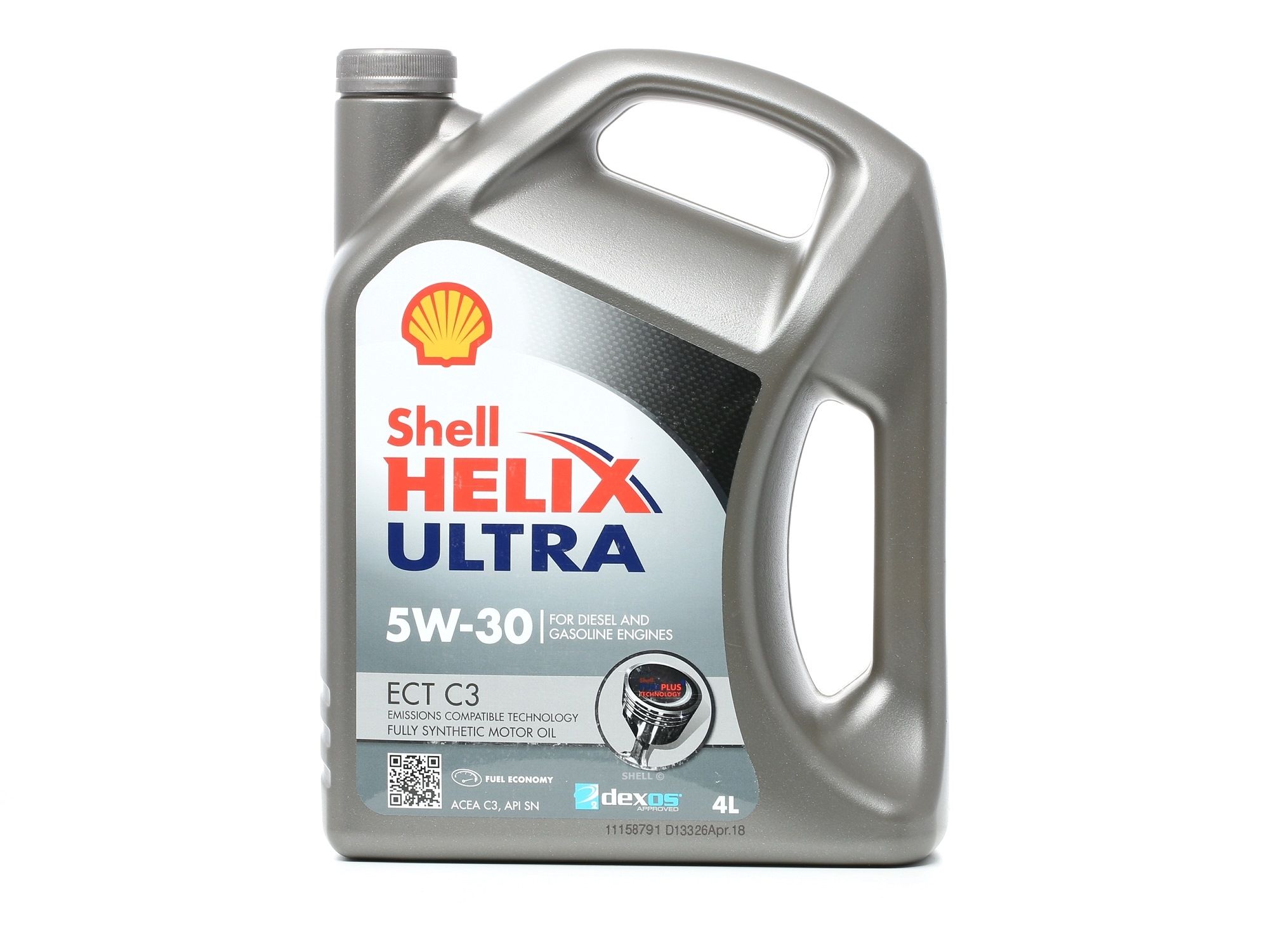
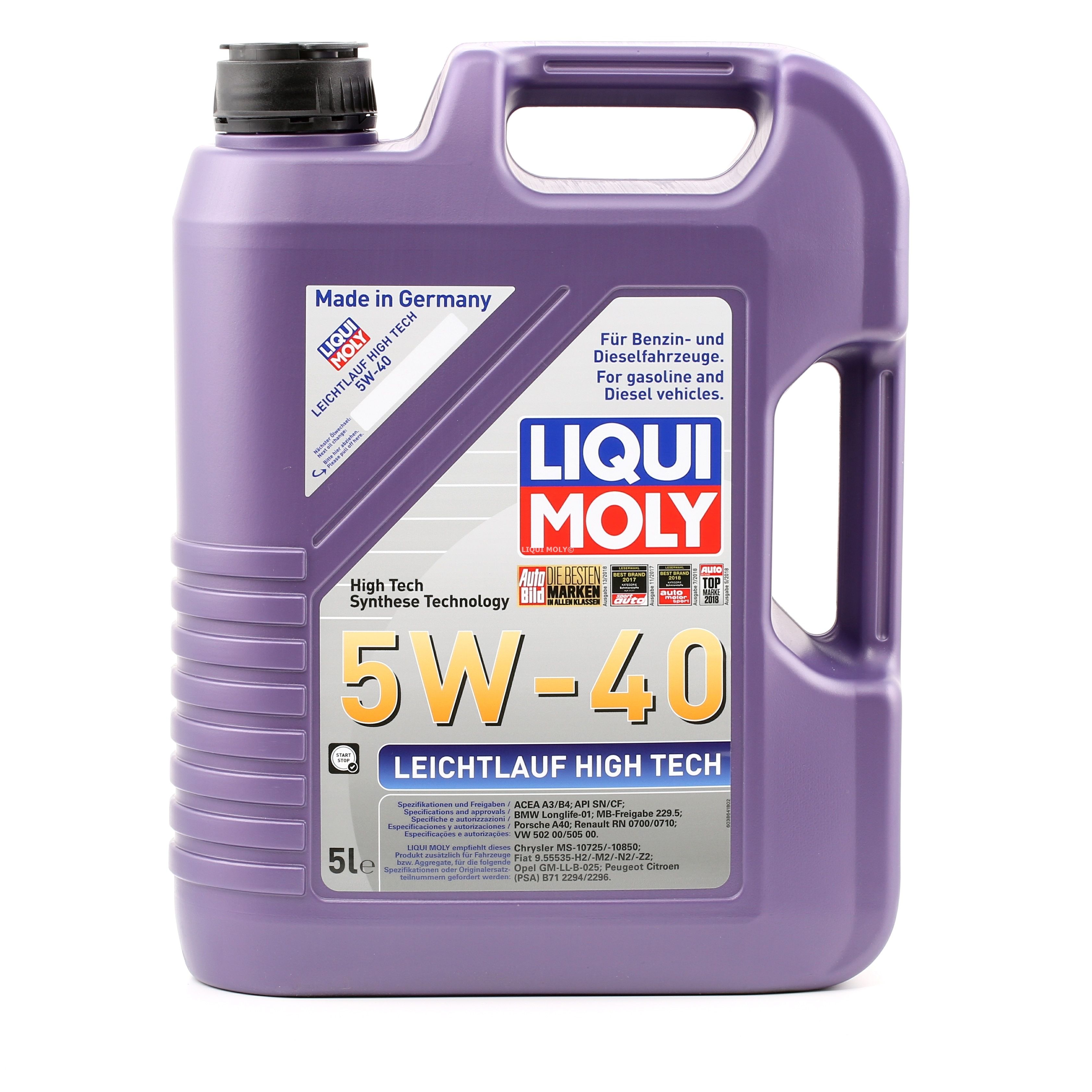
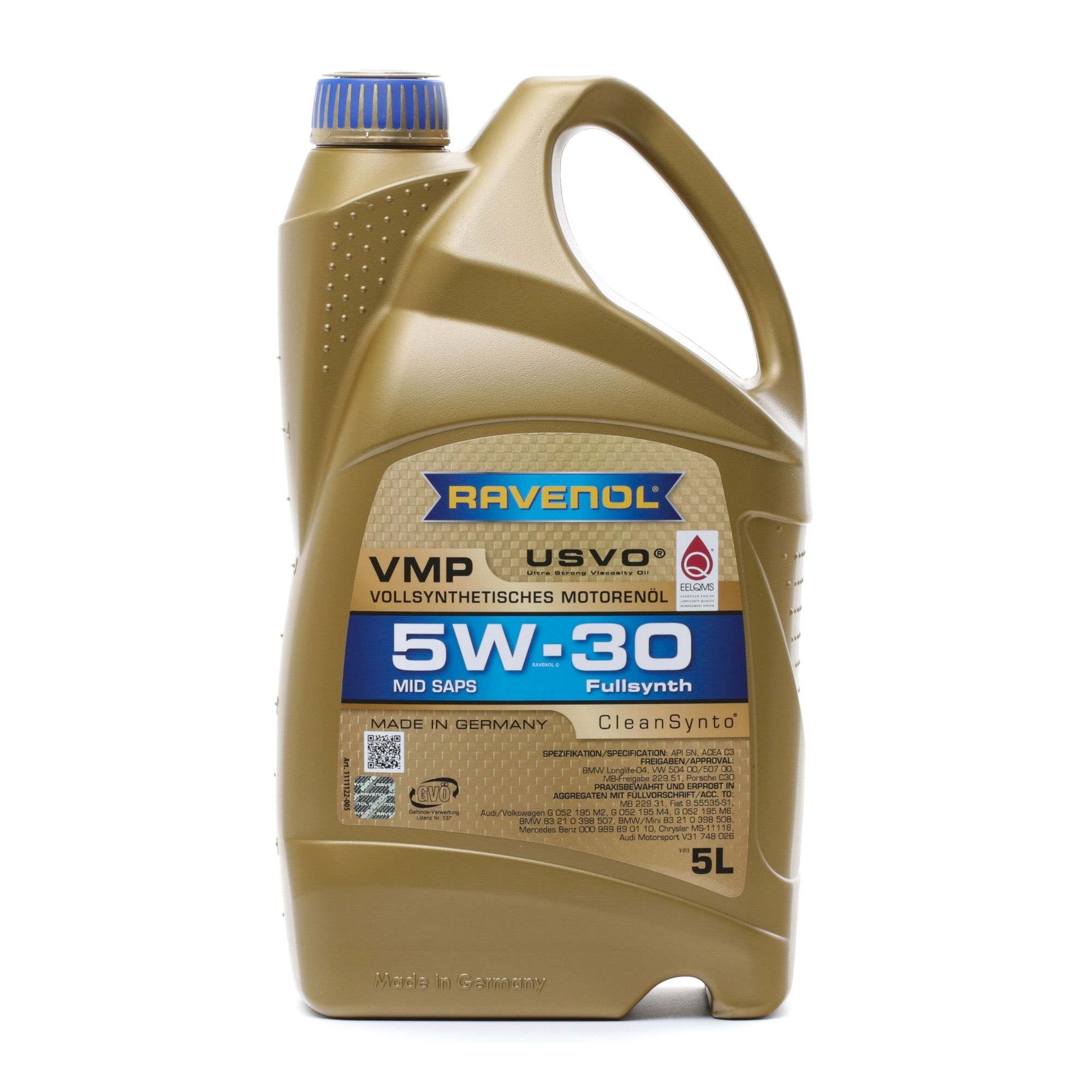
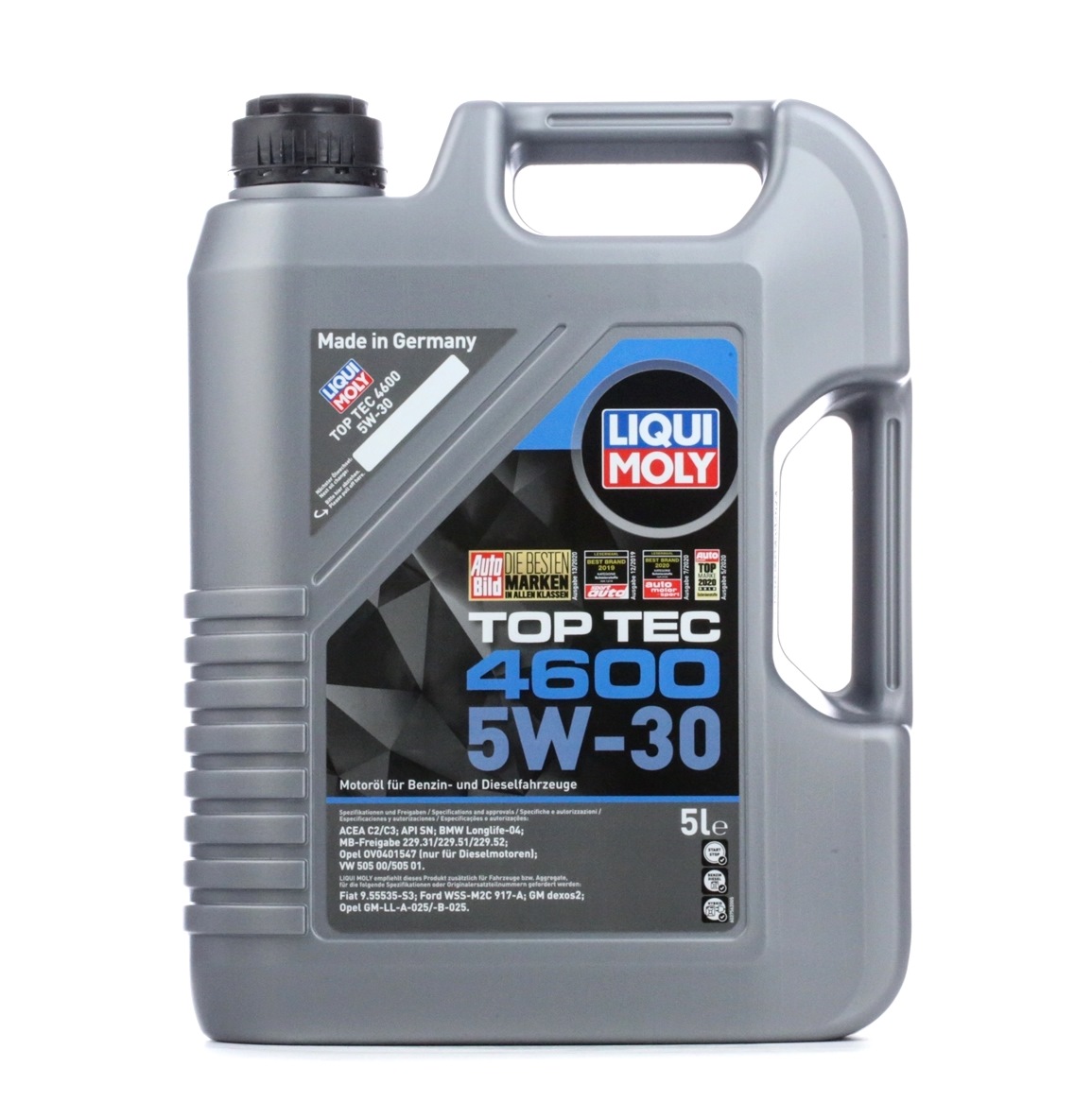
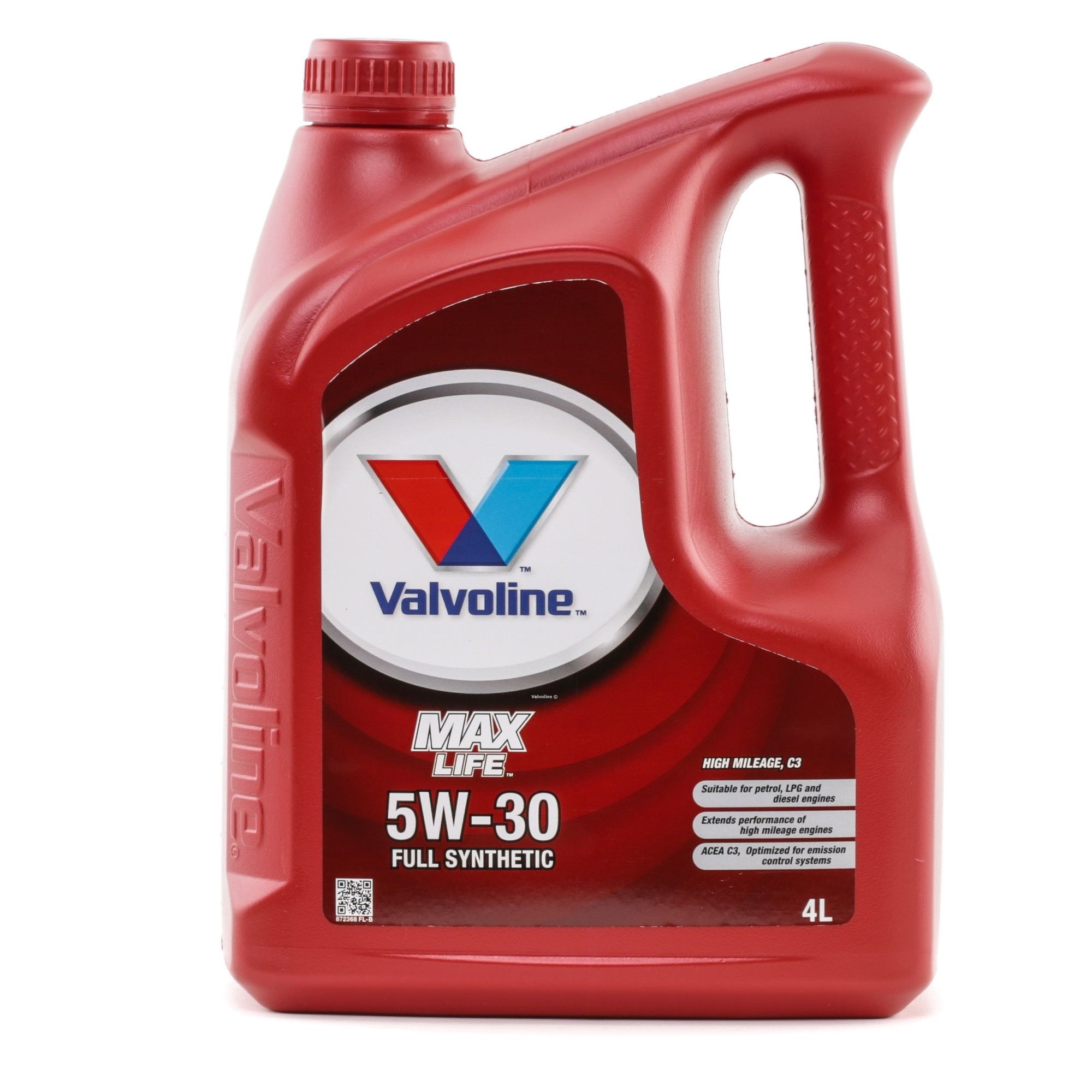
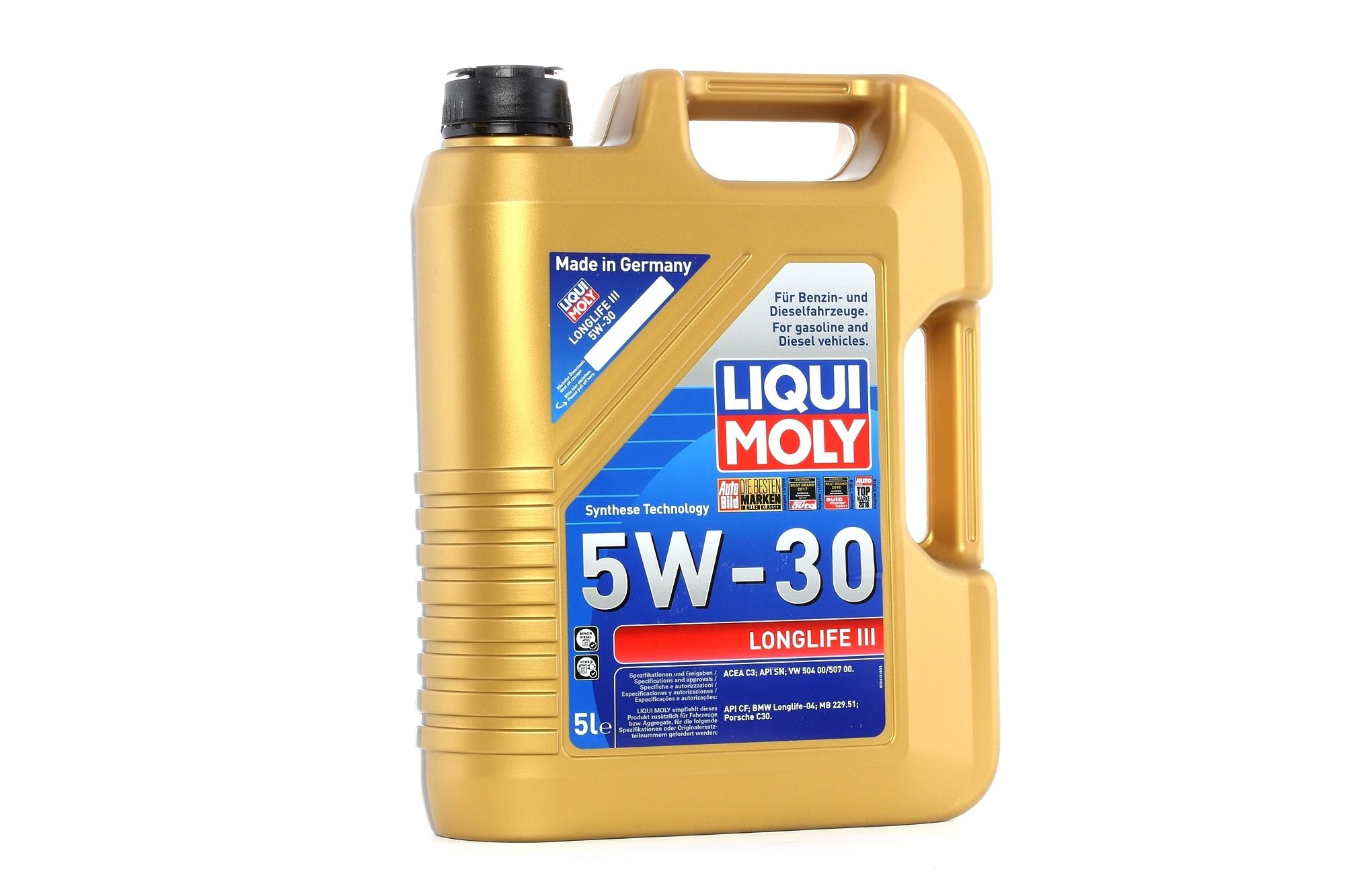
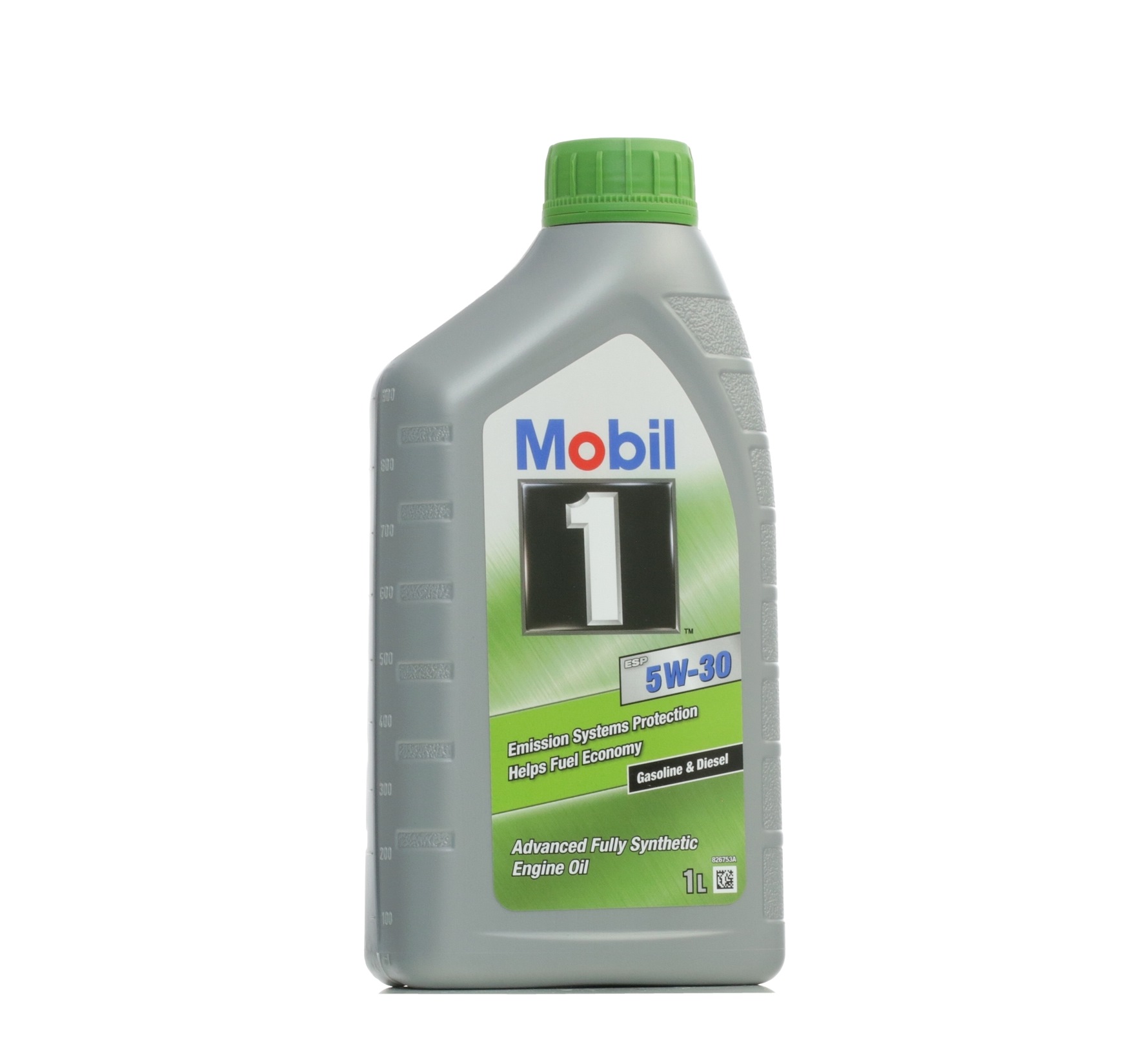
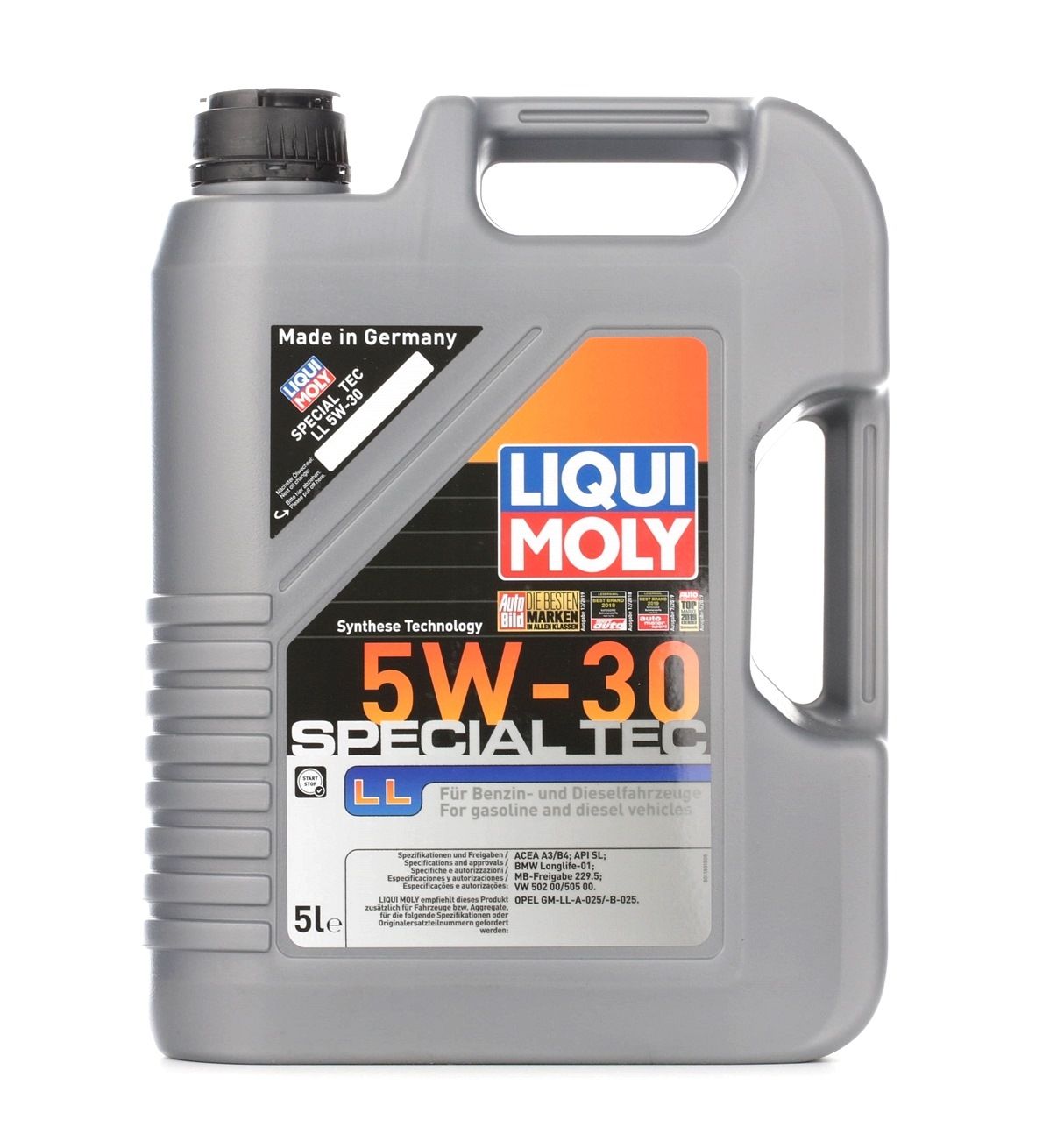
Maintaining proper oil levels with the correct BMW F20-approved engine oil remains crucial whilst addressing the underlying causes of consumption.
Cascading Problems from Unchecked Oil Consumption
Ignoring high oil consumption creates a domino effect of serious problems. Running the engine with insufficient oil leads to increased friction and heat, accelerating wear on all internal components. The oil pump works harder to circulate what little oil remains, potentially leading to pump failure.
Carbon deposits accumulate more rapidly when oil burns in the combustion chambers, affecting valve operation and combustion efficiency. Over time, this can cause misfires, reduced performance, and increased emissions.
Most seriously, complete oil starvation can result in catastrophic engine seizure, requiring full engine replacement—a repair that often exceeds the vehicle's value.
Conclusion
BMW F20 high oil consumption represents a well-documented problem affecting thousands of vehicles worldwide. While the issue stems primarily from worn valve stem seals and related internal components, early detection and appropriate intervention can prevent catastrophic damage. Understanding the symptoms and root causes enables owners to make informed decisions about repairs and maintenance.
The key is not to ignore the problem. Regular monitoring of oil levels, prompt attention to consumption issues, and professional diagnosis can save thousands in repair costs whilst maintaining your F20's performance and reliability.
Reviews - 21
Parts Details
Capacity [litre]: 5
SAE viscosity grade: 5W-30
ACEA:
ACEA C3
Manufacturer recommendations: MB 229.31, MB 229.51, BMW Longlife-04
Manufacturer recommendations: BMW Longlife-01, MB 229.5, PSA B71 2296, Porsche A40, Renault RN0700, Renault RN0710, VW 502 00, VW 505 00, Chrysler MS-10725, Chrysler MS-10850, Fiat 9.55535-H2, Fiat 9.55535-M2, Fiat 9.55535-N2, Fiat 9.55535-Z2, GM LL-B-025, PSA B71 2294
How much oil consumption is considered normal for a BMW F20 turbocharged engine?
BMW officially allows up to 1 litre per 1,000 kilometres for turbocharged engines. However, many F20 owners experience consumption rates requiring frequent top-ups between service intervals, which creates practical concerns regardless of official specifications.
Can I continue driving my F20 if it's consuming oil excessively?
You should not continue driving without addressing the issue. Whilst the engine may appear to run normally, excessive oil consumption can lead to catastrophic engine damage. Always maintain proper oil levels and seek professional diagnosis promptly.
Are valve stem seals the only cause of oil consumption in F20 engines?
No, oil consumption can result from multiple causes including worn piston rings, PCV system failures, or turbocharger problems. Proper diagnosis is essential to identify the specific cause before determining the appropriate repair strategy.
Are there any preventive measures to reduce oil consumption?
Yes, regular oil changes using BMW-approved synthetic oil, proper engine warm-up procedures, avoiding excessive idling, and maintaining the PCV system can help minimise oil consumption issues and extend component life.
Does this problem affect the vehicle's MOT test?
Excessive oil consumption itself doesn't directly cause MOT failure, but related issues such as oil leaks, exhaust smoke, or engine performance problems could result in failure. Additionally, running with insufficient oil could cause emissions-related failures.


 22 August 2025