Table of Contents
 15 December 2025 (updated)
 Car timing belt: What you need to know, replacement costs and change intervals
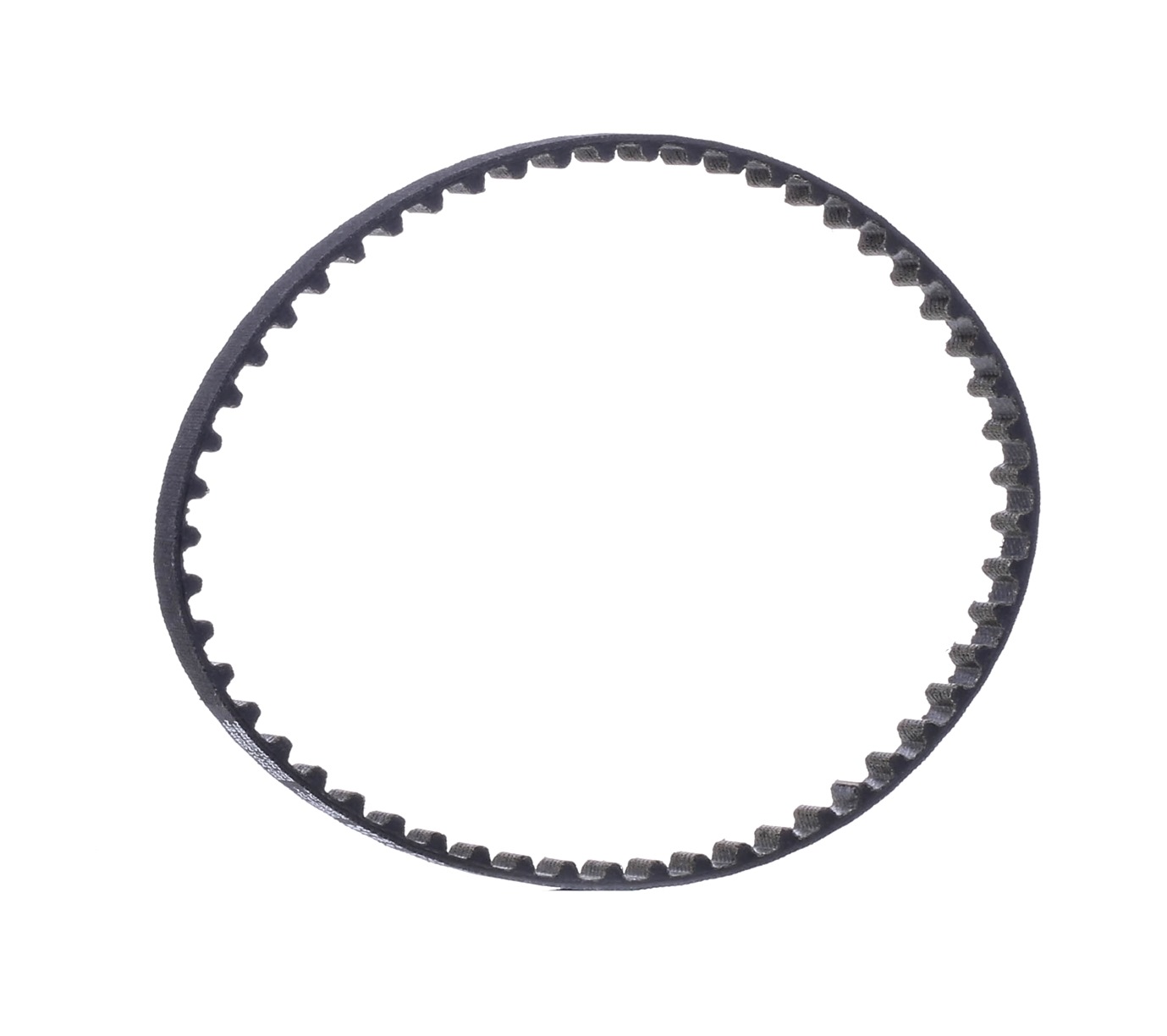
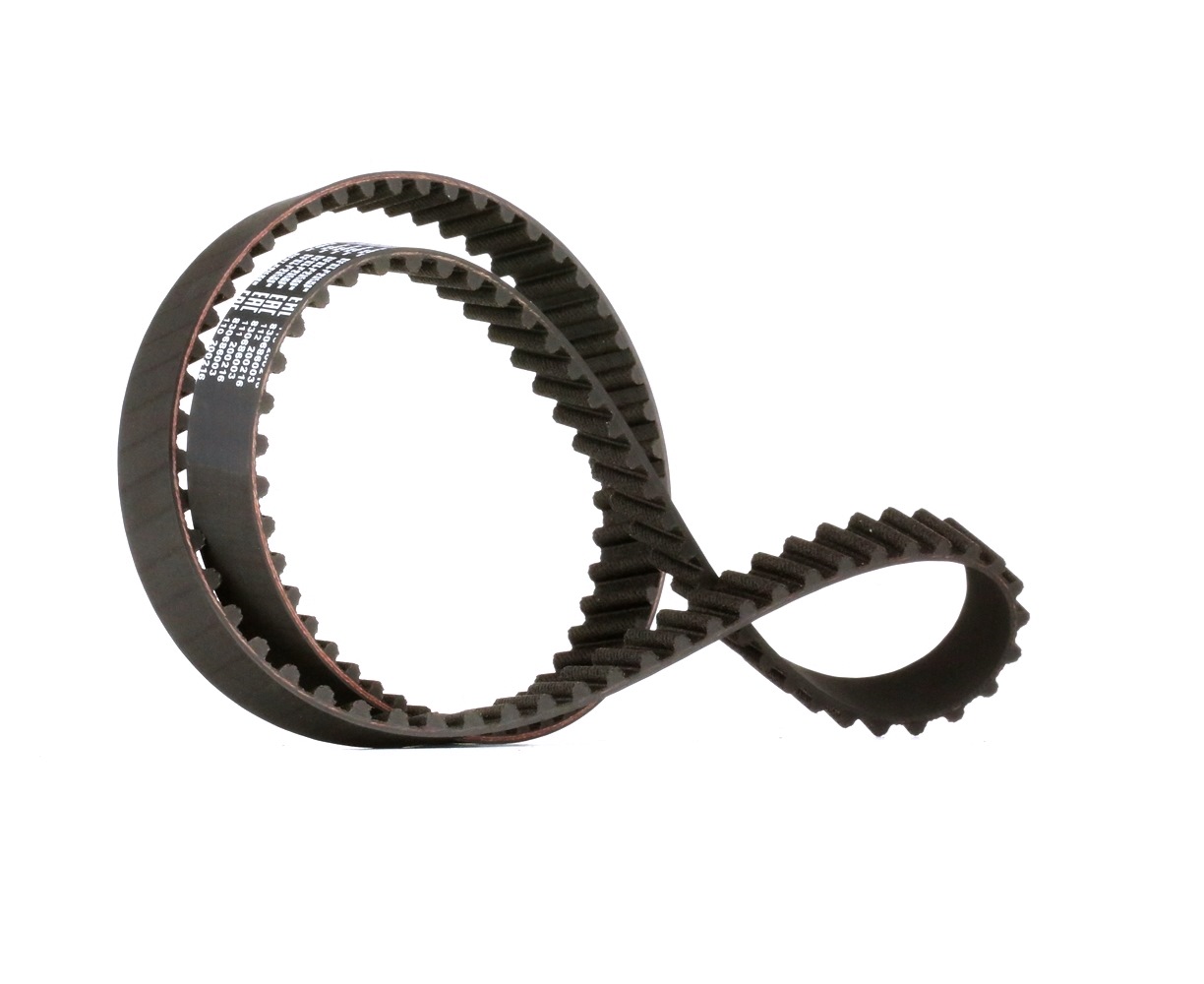
Picture this: your car suddenly lurches, loses power, and grinds to a halt. The likely culprit is a snapped timing belt (also known as a cambelt or drive belt). The part synchronises the movement of the crankshaft and camshaft, ensuring the engine runs smoothly. If it breaks or slips, it can lead to catastrophic engine damage.
To avoid a costly breakdown, you should replace the timing belt at regular intervals, even if there are no obvious signs of wear. Here's everything you need to know about timing belt replacement, change intervals, costs, and warning signs.
Sold by AUTODOC Sold by AUTODOC Sold by AUTODOC Sold by AUTODOC Sold by AUTODOC
-65%
 Article number: CT1208
compared to
RRP
£424.76
£146.99price incl. 20% VAT, free delivery
Article number: CT1208
compared to
RRP
£424.76
£146.99price incl. 20% VAT, free delivery
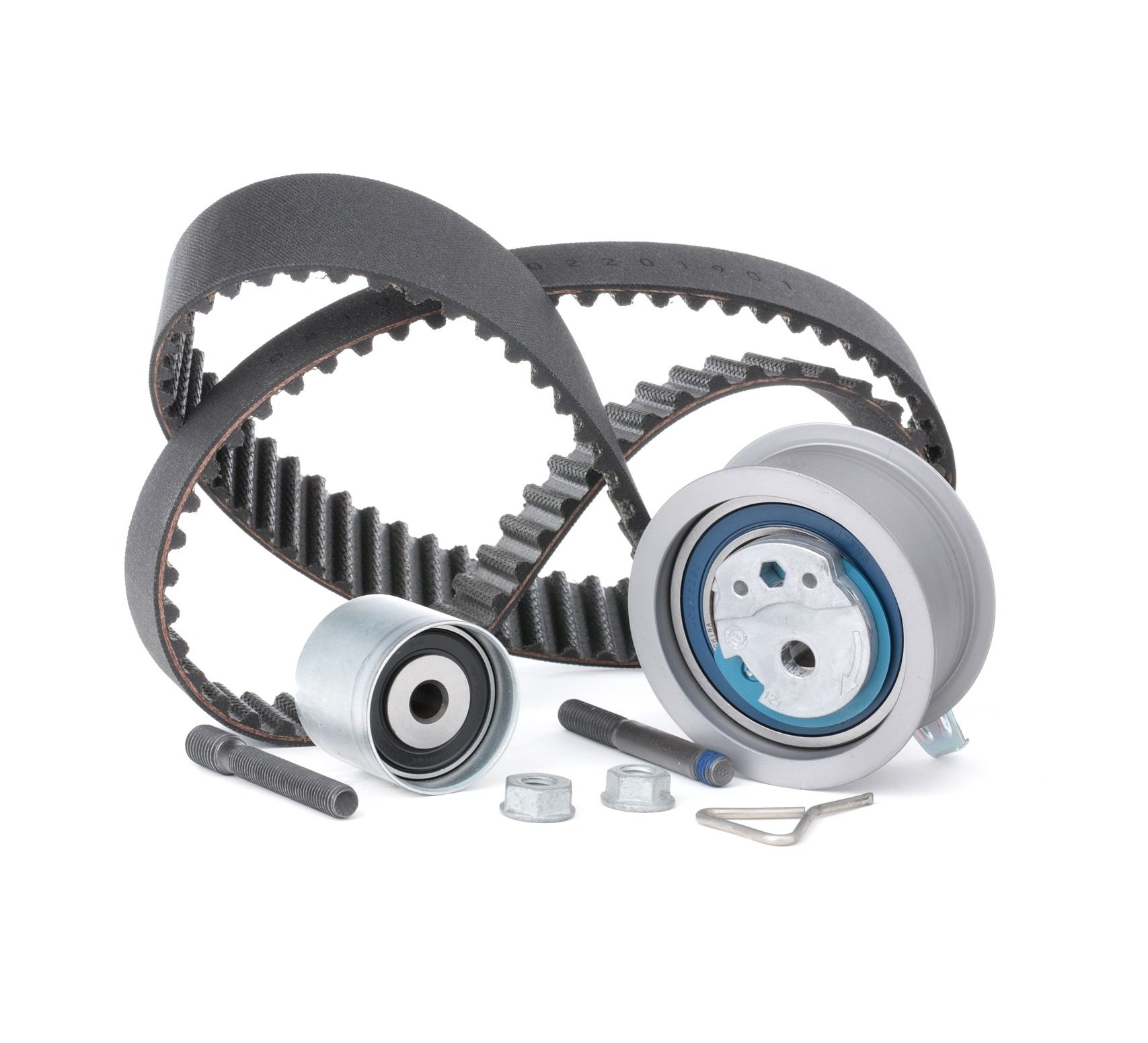 INA Timing belt kit
Number of Teeth 1: 120
Article number: 530 0201 10
£73.99price incl. 20% VAT, excl. delivery costs
-36%
INA Timing belt kit
Number of Teeth 1: 120
Article number: 530 0201 10
£73.99price incl. 20% VAT, excl. delivery costs
-36%
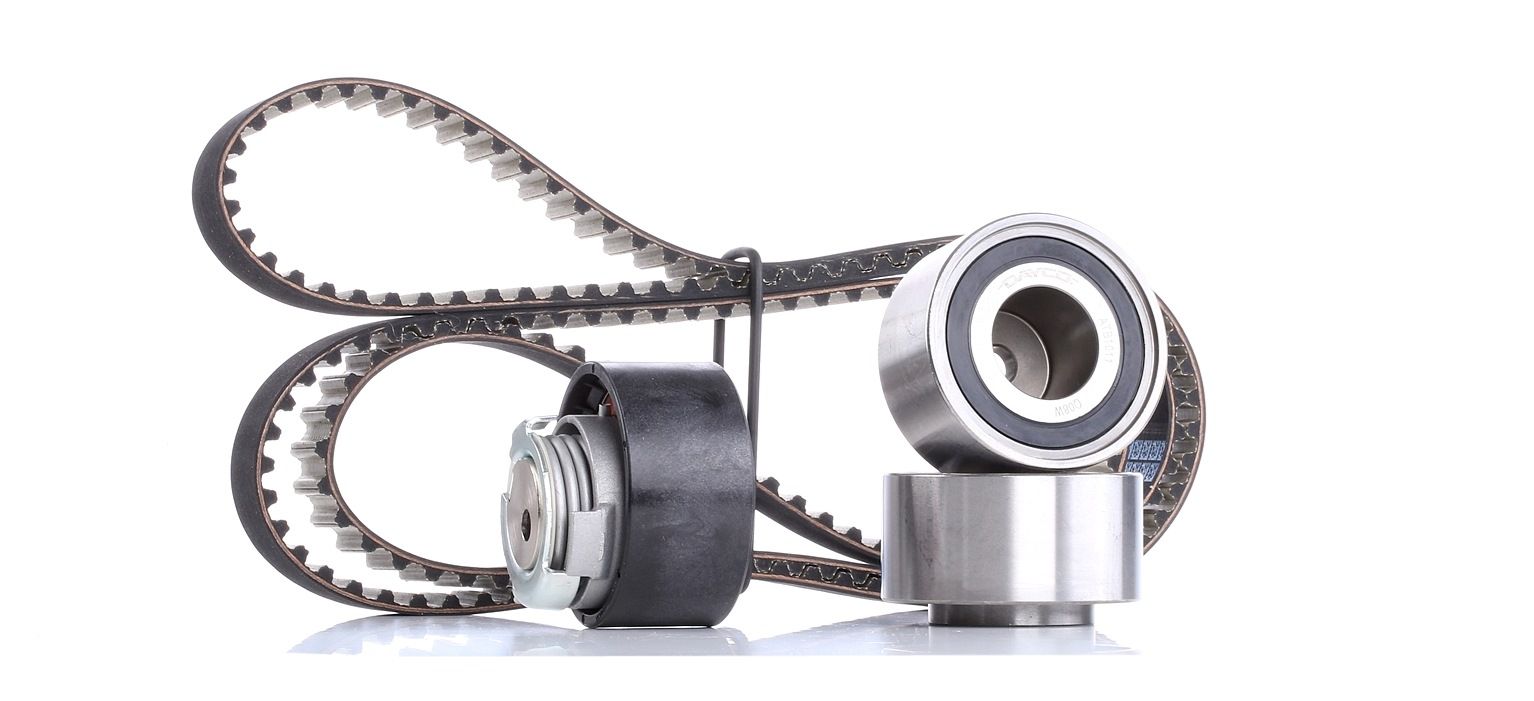 DAYCO Timing belt kit
Article number: KTB399
compared to
RRP
£189.76
£119.99price incl. 20% VAT, excl. delivery costs
DAYCO Timing belt kit
Article number: KTB399
compared to
RRP
£189.76
£119.99price incl. 20% VAT, excl. delivery costs
 Article number: 530 0592 11
£52.49price incl. 20% VAT, excl. delivery costs
Article number: 530 0592 11
£52.49price incl. 20% VAT, excl. delivery costs
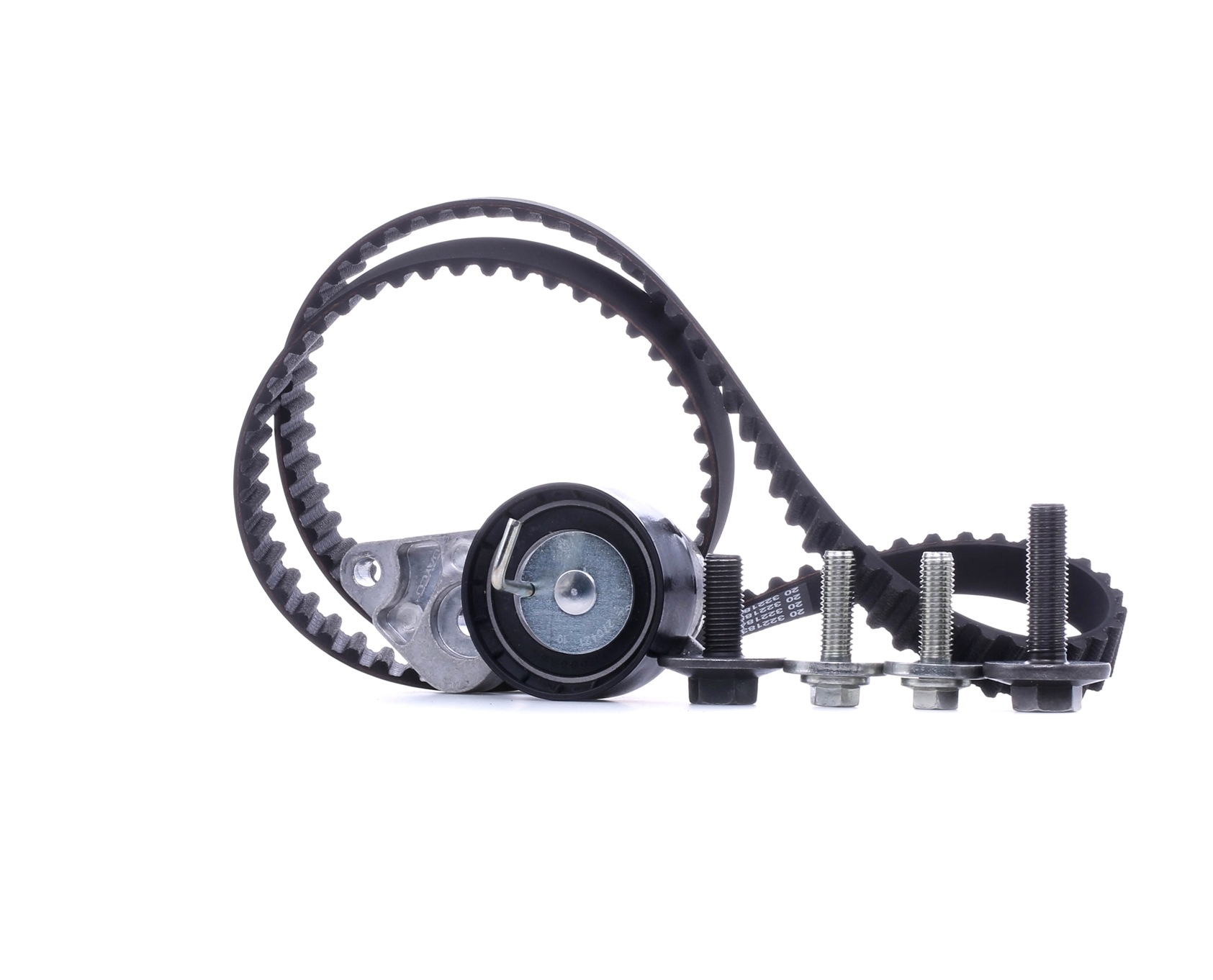 BOSCH Timing belt kit
Number of Teeth: 117
Article number: 1 987 948 914
£53.49price incl. 20% VAT, excl. delivery costs
BOSCH Timing belt kit
Number of Teeth: 117
Article number: 1 987 948 914
£53.49price incl. 20% VAT, excl. delivery costs
What is a timing belt and why is it important?
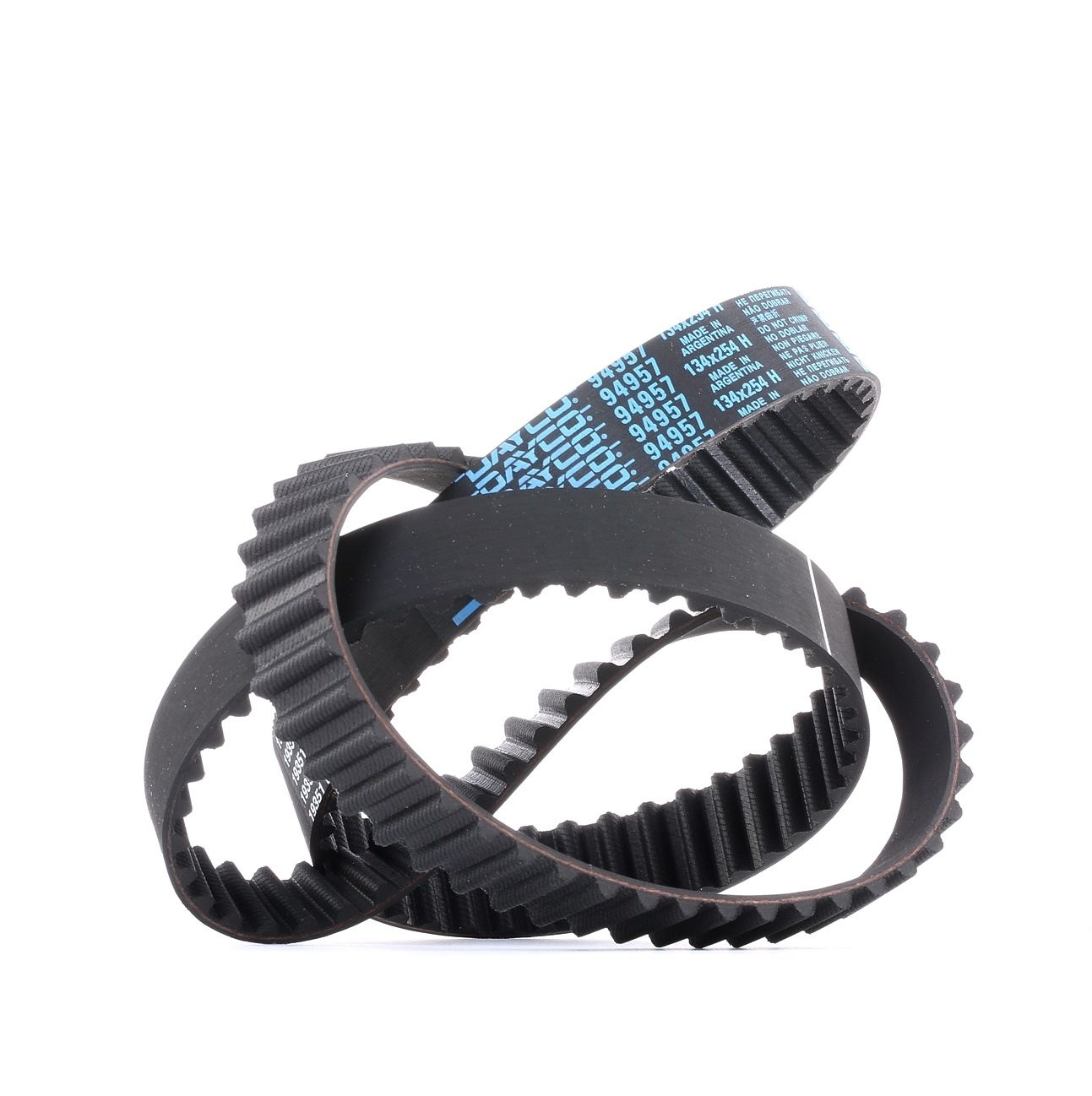
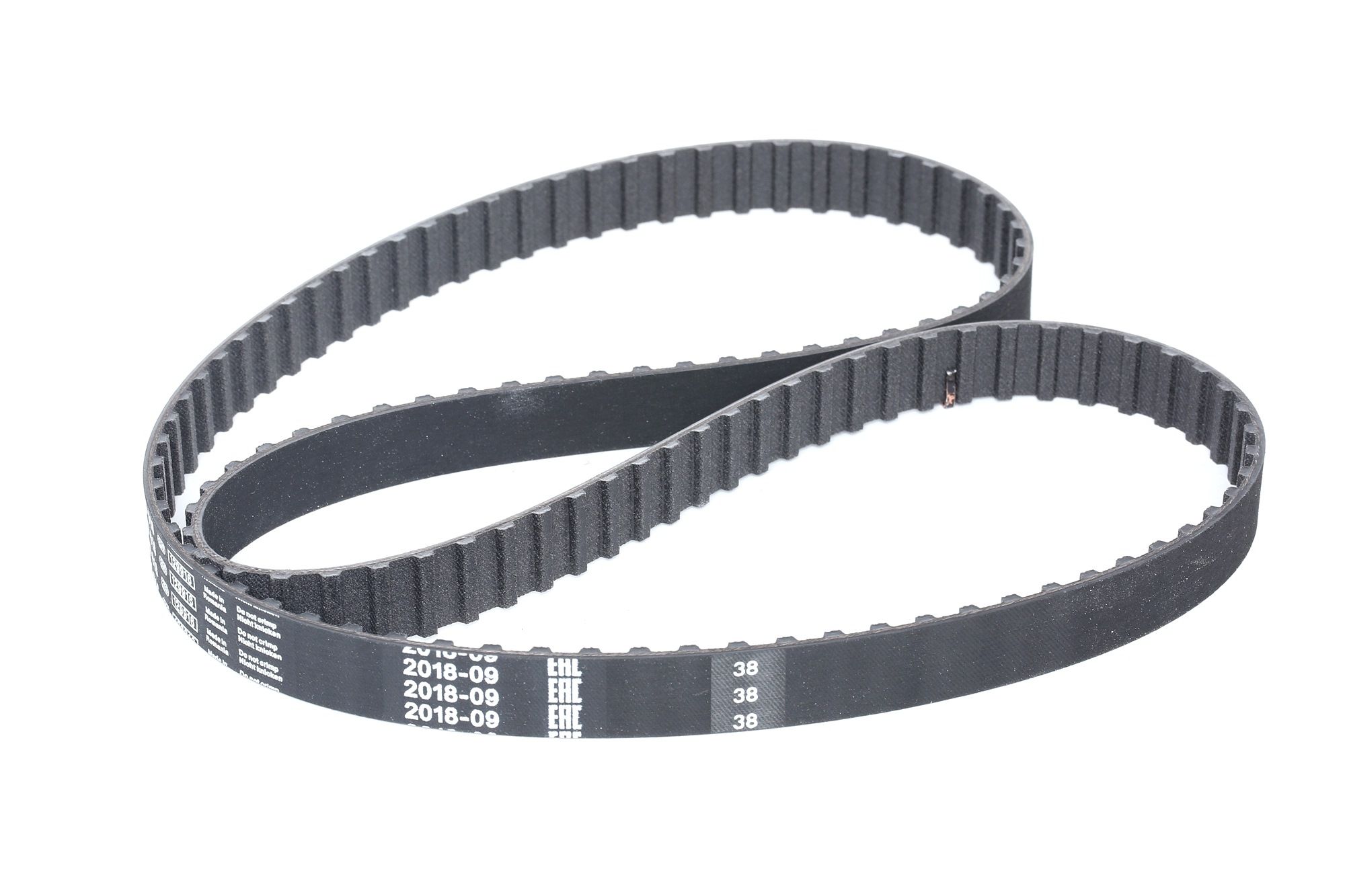
A timing belt is a reinforced rubber belt that keeps your engine's internal parts working in sync. It controls the timing of the engine’s valves, ensuring that the pistons and valves move in harmony. In interference engines, a broken timing belt can cause the valves to collide with the pistons, destroying the engine in the process.
The rubber and fibre materials used will naturally wear out over time. Heat, friction, and age contribute to belt deterioration, making it critical to replace it before it fails.
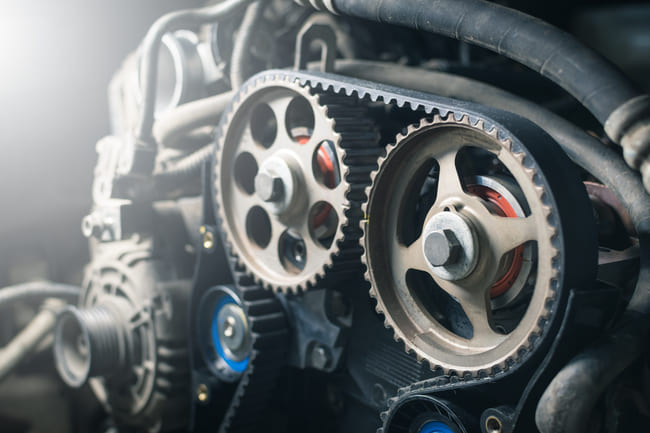
When should you replace a timing belt?
Most manufacturers typically recommend changing the timing belt between 60,000 and 100,000 miles (or every 5–7 years), but this can vary from model to model. Always refer to your vehicle’s owner’s manual for the correct interval.
In addition to mileage, the age and condition matter. Rubber becomes brittle over time, even if the car isn’t driven much. Cracks, fraying, or glazing indicate it’s time for a replacement.
During routine servicing, workshops often perform visual checks for wear. If signs of damage are found, the belt should be replaced immediately.
Signs of a worn timing belt
Visible symptoms:
- A stretched timing belt
- Oil leaks from under the cover
- Visible damage, i.e. tears, cracks, splits
- Incorrect timing belt position/looseness
Other signs
- Loud ticking or clicking noises from the engine
- Engine misfires or stalls
- Difficulty starting the engine
These symptoms might point to belt wear or tension issues. Ignoring them could result in total engine failure, a death sentence for your car.
How much does it cost to replace a timing belt in the UK?
Timing belt replacement costs vary widely depending on the vehicle. Labour makes up most of the expense, as accessing the belt can require removing several engine components. The belt itself is often affordable – a quality cambelt for a car can cost just £40–£100, but the replacement can take as long as 2 to 5 hours.
Average timing belt replacement cost:
| Car model | Estimated cost |
|---|---|
| Audi A3 | £300 |
| VW Golf | £370 |
| VW Polo | £310 |
| BMW | £665 |
| Seat | £420 |
| Peugeot | £500 |
| Mercedes | £665 |
| Land Rover | £560 |
| Vauxhall Corsa | £420 |
| Volvo | £480 |
Note: these are just averages; always get a quote for your specific model.
Can you change the timing belt yourself?
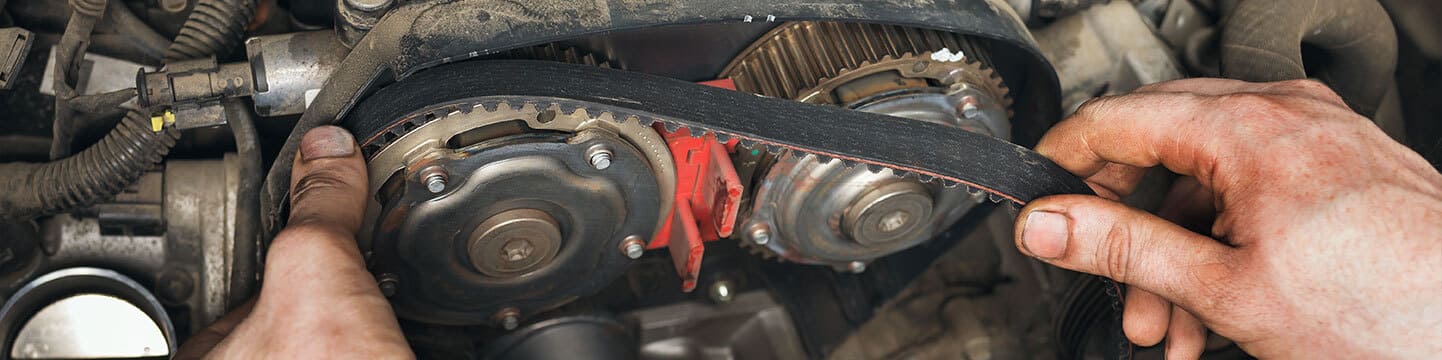
Unless you’re highly experienced and have access to the right tools, a DIY replacement is not recommended. The process can be complex and differs depending on the engine layout (transverse or longitudinal).
According to AUTODOC mechanics, key steps include:
- Removing engine accessories (e.g., alternator, compressor)
- Locking the camshaft and crankshaft in place
- Replacing the belt, tensioner, and often the water pump
- Reassembling the parts and testing the timing accuracy
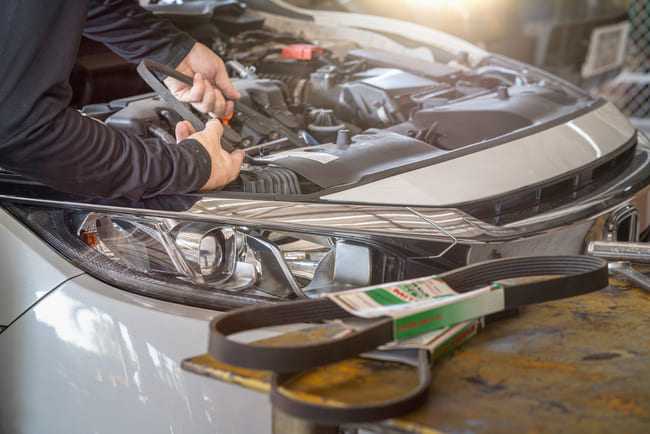
Errors can cause major engine damage. For most drivers, it’s safer to leave the job to a qualified mechanic.
How to save on a timing belt replacement
If your car is out of warranty, consider using an independent garage rather than a dealership. These workshops often offer lower hourly rates than dealerships and garage chains without compromising on quality.
When comparing quotes:
- Ask if the water pump is included (often replaced at the same time)
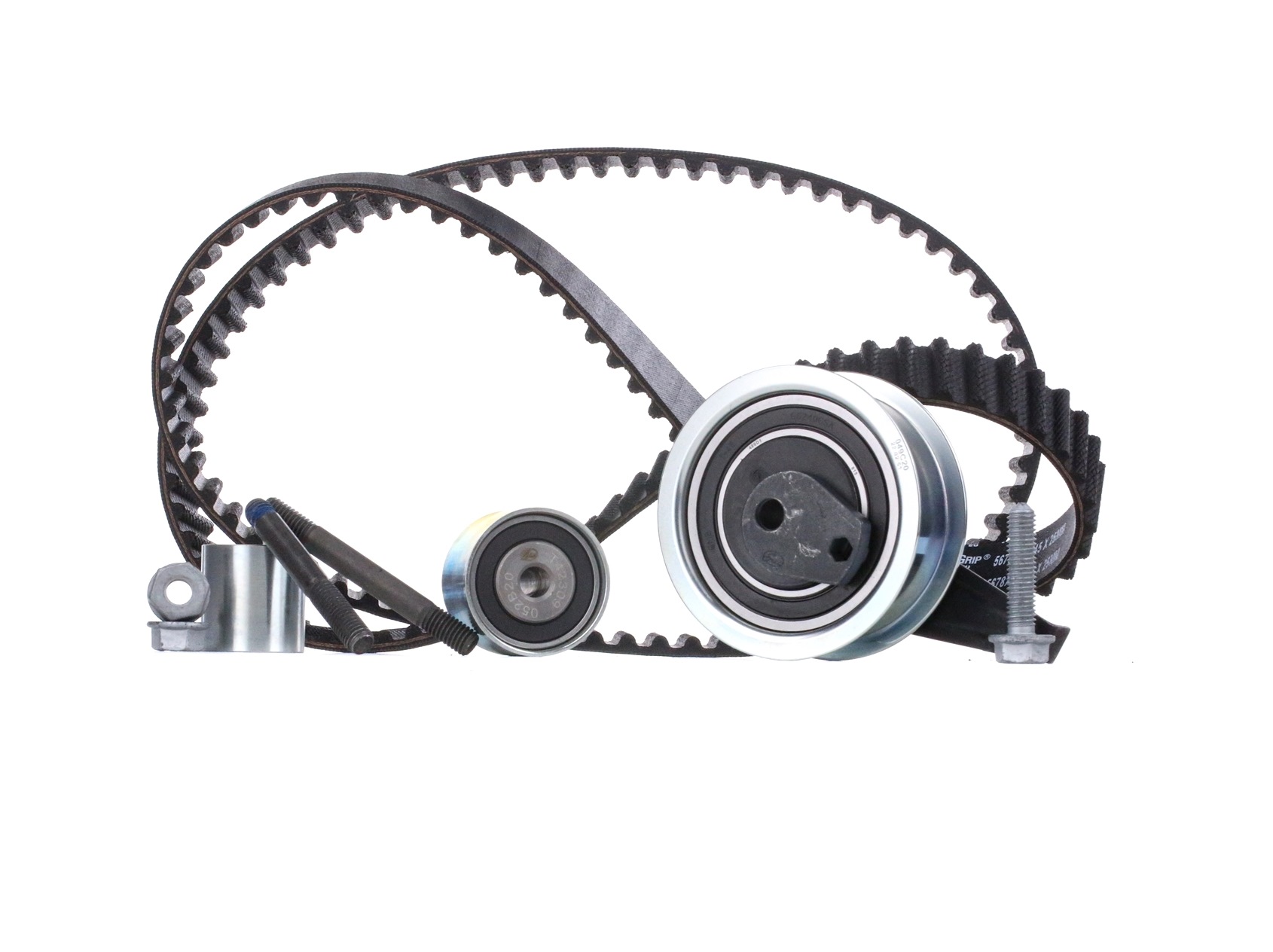
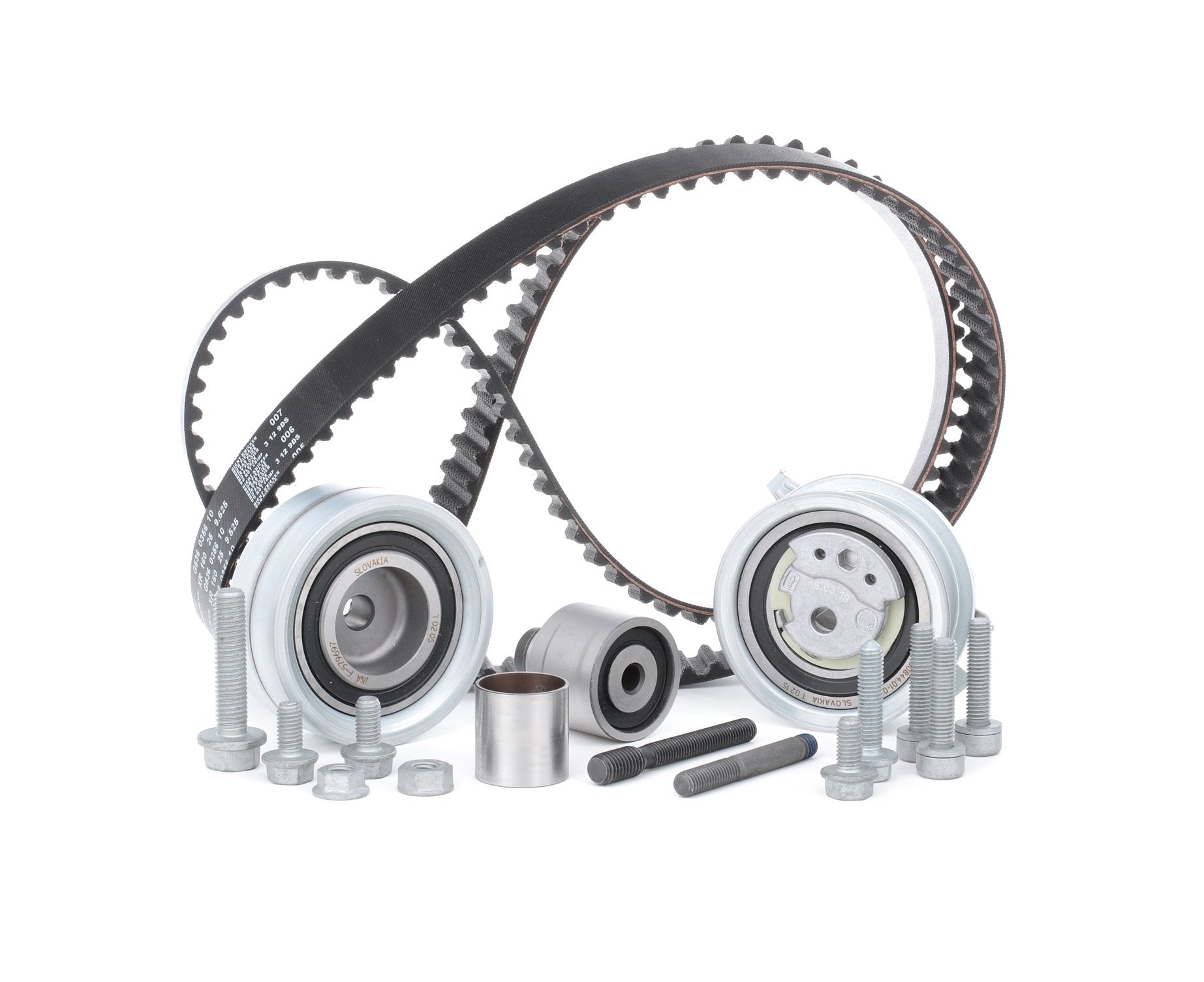
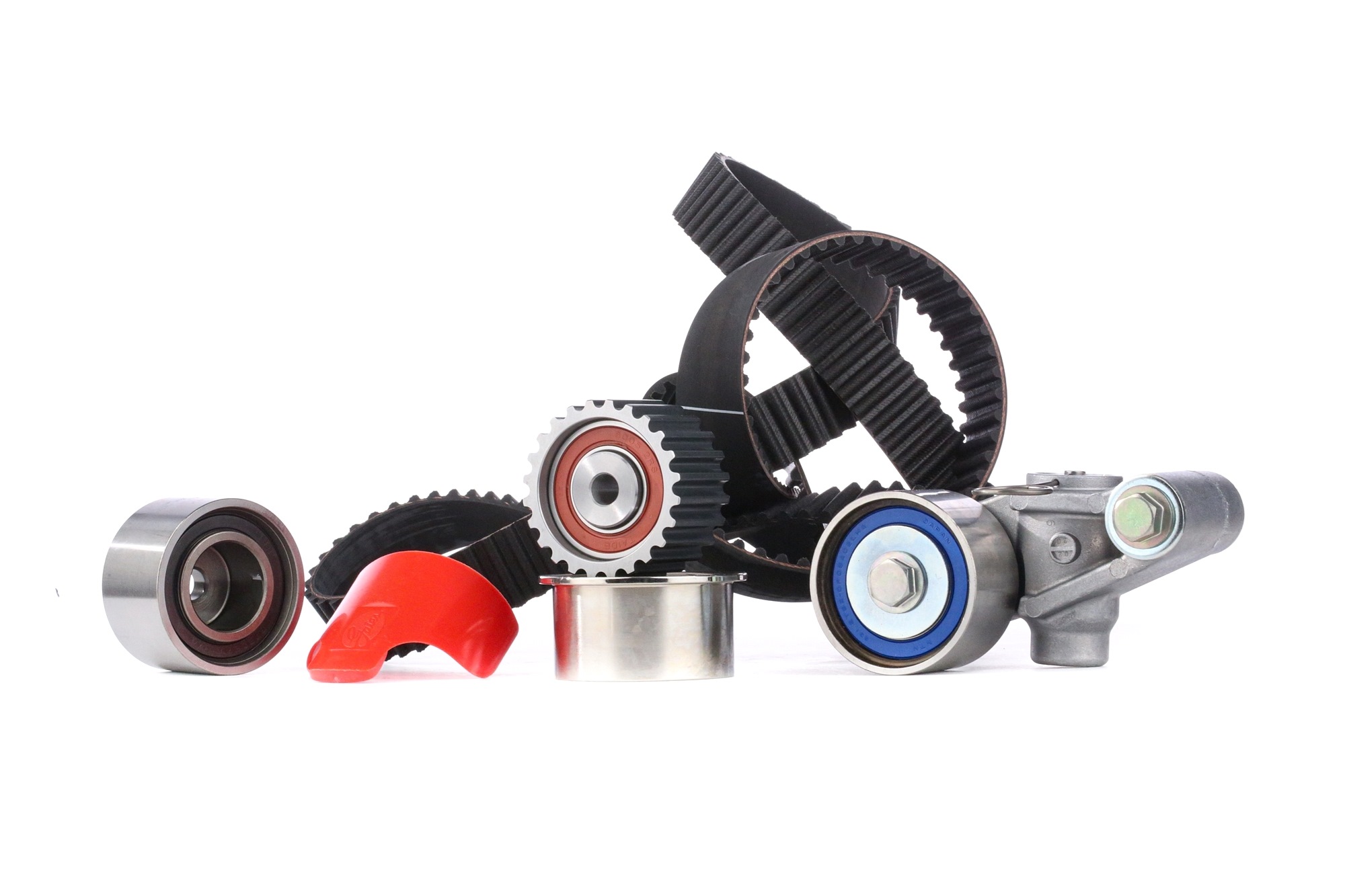
- Request a full timing belt kit with tensioners and pulleys
- Confirm whether they use original or high-quality aftermarket parts
Some parts, such as an aftermarket timing belt for the Peugeot 207, are relatively inexpensive; it's the labour that adds up.
Sold by AUTODOC Sold by AUTODOC Sold by AUTODOC Sold by AUTODOC Sold by AUTODOC
-66%
 Article number: CT1158
compared to
RRP
£402.92
£133.99price incl. 20% VAT, excl. delivery costs
Article number: CT1158
compared to
RRP
£402.92
£133.99price incl. 20% VAT, excl. delivery costs
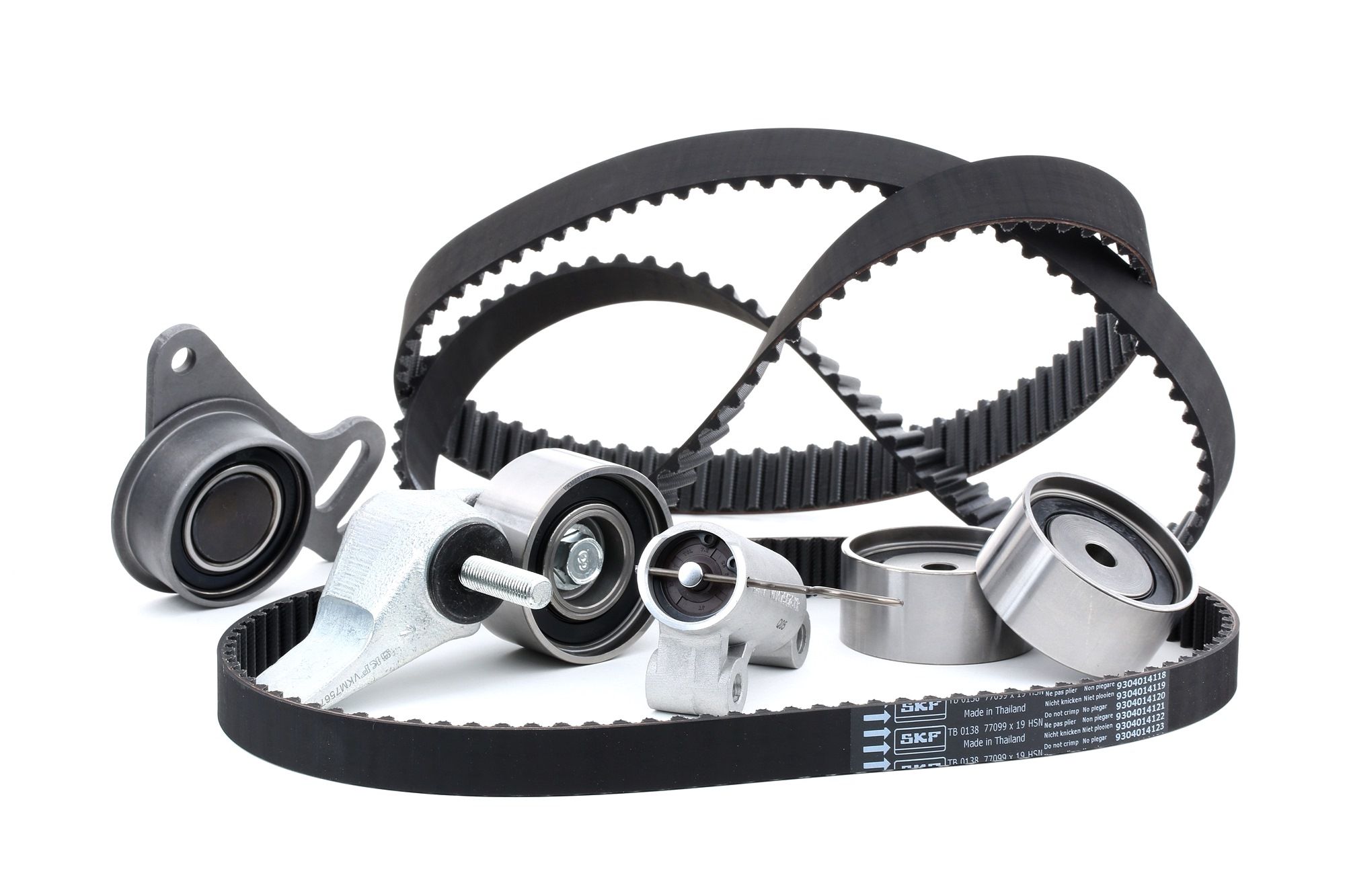 SKF Timing belt kit
Number of Teeth 1: 154, with tensioner pulley damper, with rounded tooth profile
Article number: VKMA 95976
£162.49price incl. 20% VAT, free delivery
SKF Timing belt kit
Number of Teeth 1: 154, with tensioner pulley damper, with rounded tooth profile
Article number: VKMA 95976
£162.49price incl. 20% VAT, free delivery
 Article number: T275
£15.99price incl. 20% VAT, excl. delivery costs
Article number: T275
£15.99price incl. 20% VAT, excl. delivery costs
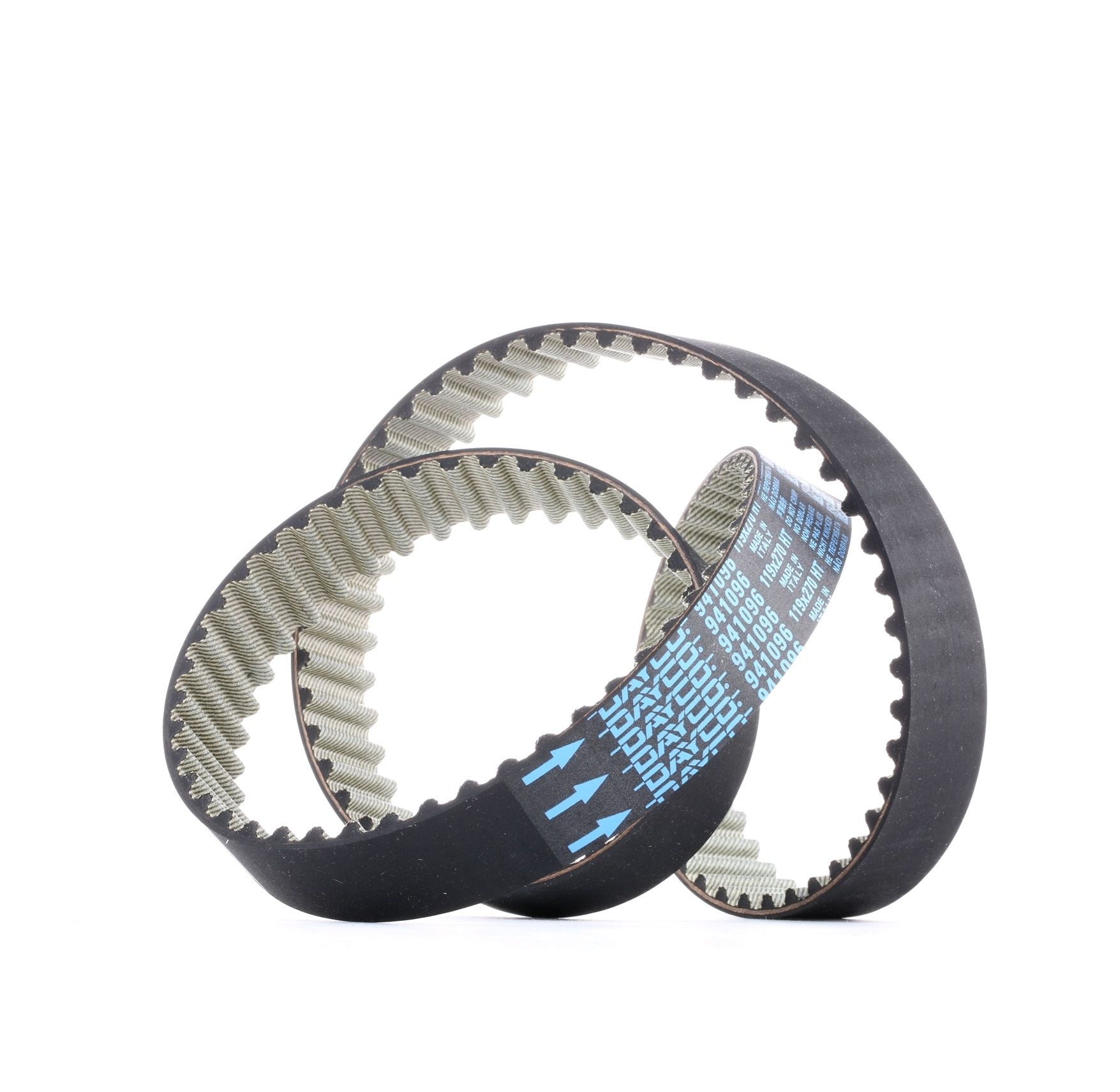 DAYCO Timing Belt
Number of Teeth: 119 27,0mm
Article number: 941096
£26.99price incl. 20% VAT, excl. delivery costs
DAYCO Timing Belt
Number of Teeth: 119 27,0mm
Article number: 941096
£26.99price incl. 20% VAT, excl. delivery costs
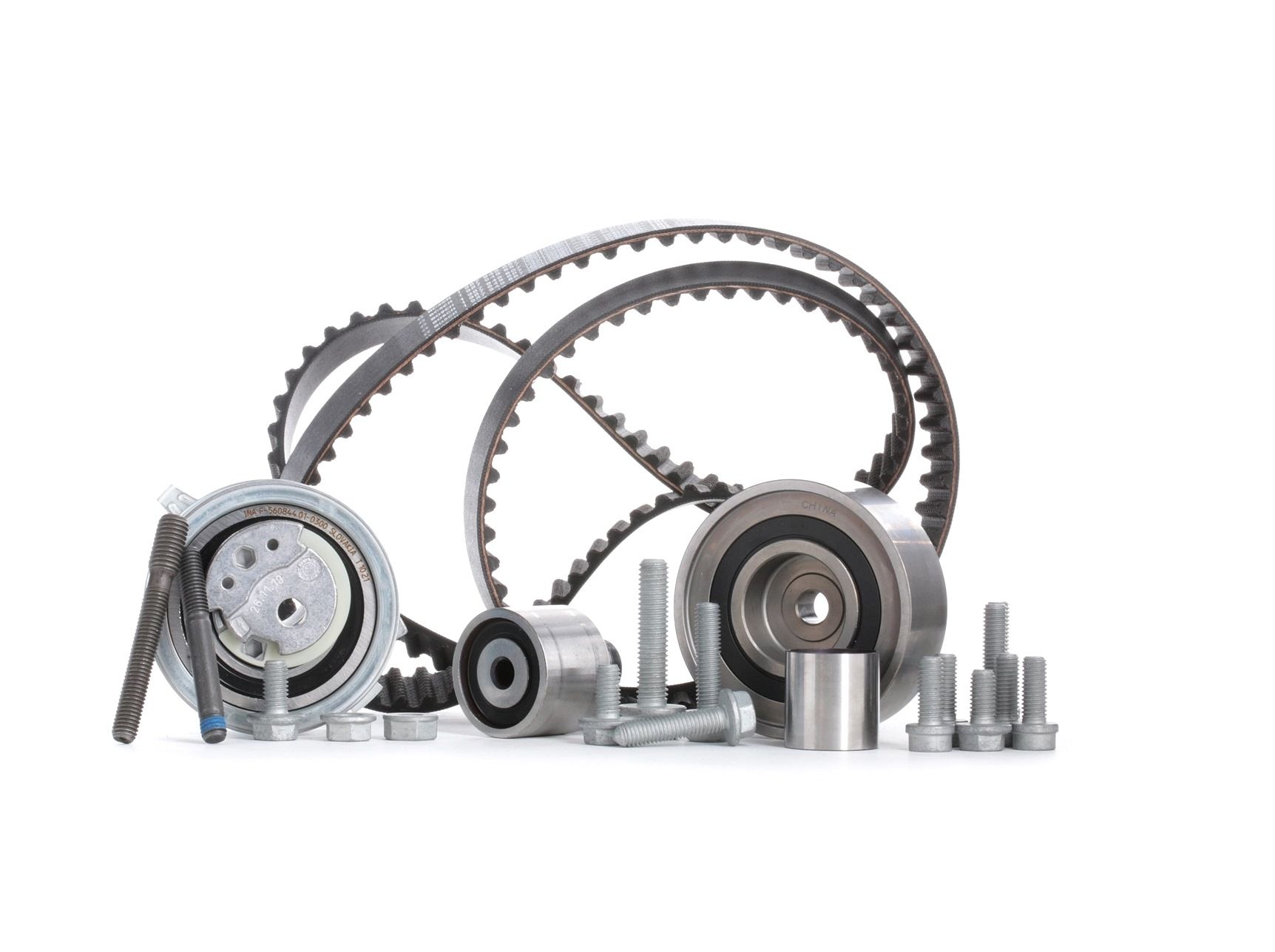 BOSCH Timing belt kit
Number of Teeth: 160
Article number: 1 987 946 582
£108.99price incl. 20% VAT, excl. delivery costs
BOSCH Timing belt kit
Number of Teeth: 160
Article number: 1 987 946 582
£108.99price incl. 20% VAT, excl. delivery costs
Don’t forget…
When replacing the belt, it's a good opportunity to inspect or replace other car engine parts. This may include:
- Water pump
- Idler pulleys
- Belt tensioner
- Camshaft or crankshaft seals
Bundling this work can save time and money in the long run.
Final tips
- Always follow your car manufacturer’s recommended intervals for belt replacement.
- Don’t delay if your car is approaching or past the recommended interval.
- Invest in a quality belt and professional installation to avoid engine damage.
- Keep a record of the belt replacement because it helps preserve the car’s resale value.
Conclusion
Your timing belt may not seem like a priority, until it fails. Replacing it on time is much more cost effective. Whether you drive a compact Peugeot or a rugged Land Rover, timely maintenance will save you stress and money in the future. Don’t wait until it’s too late!