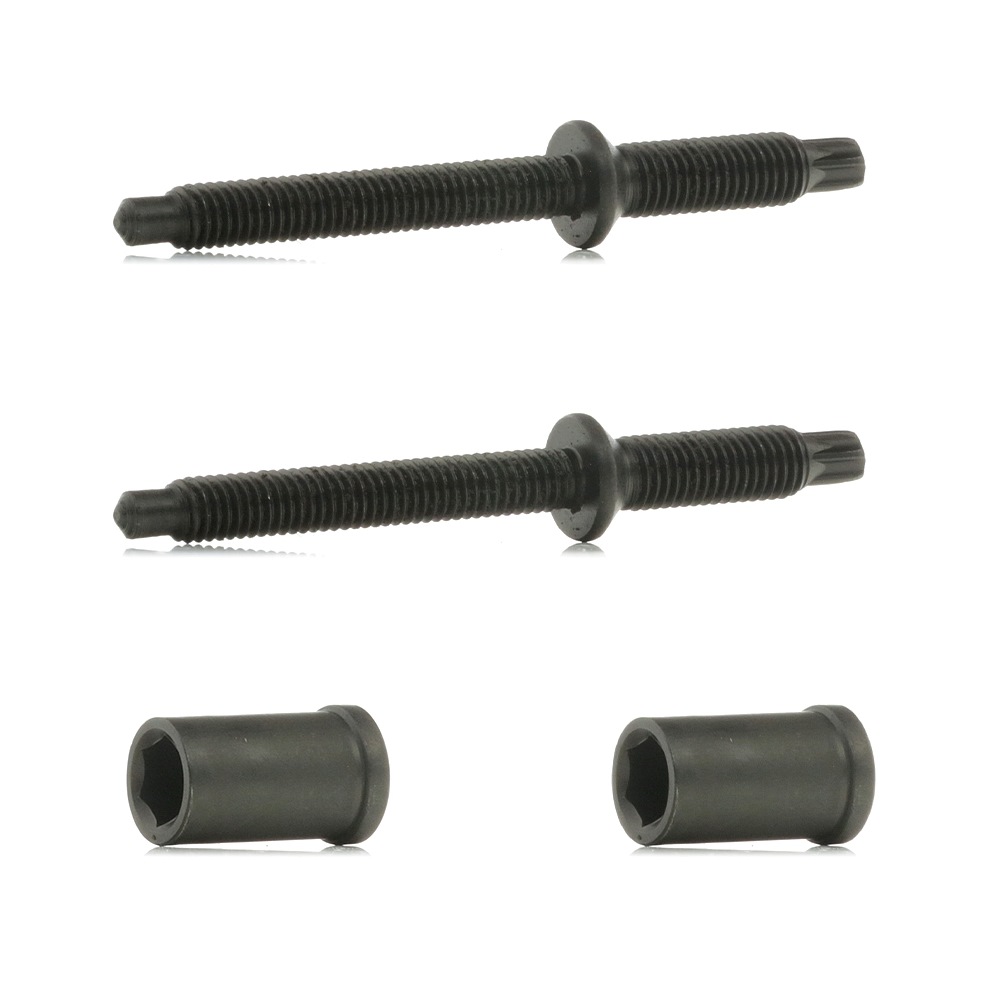
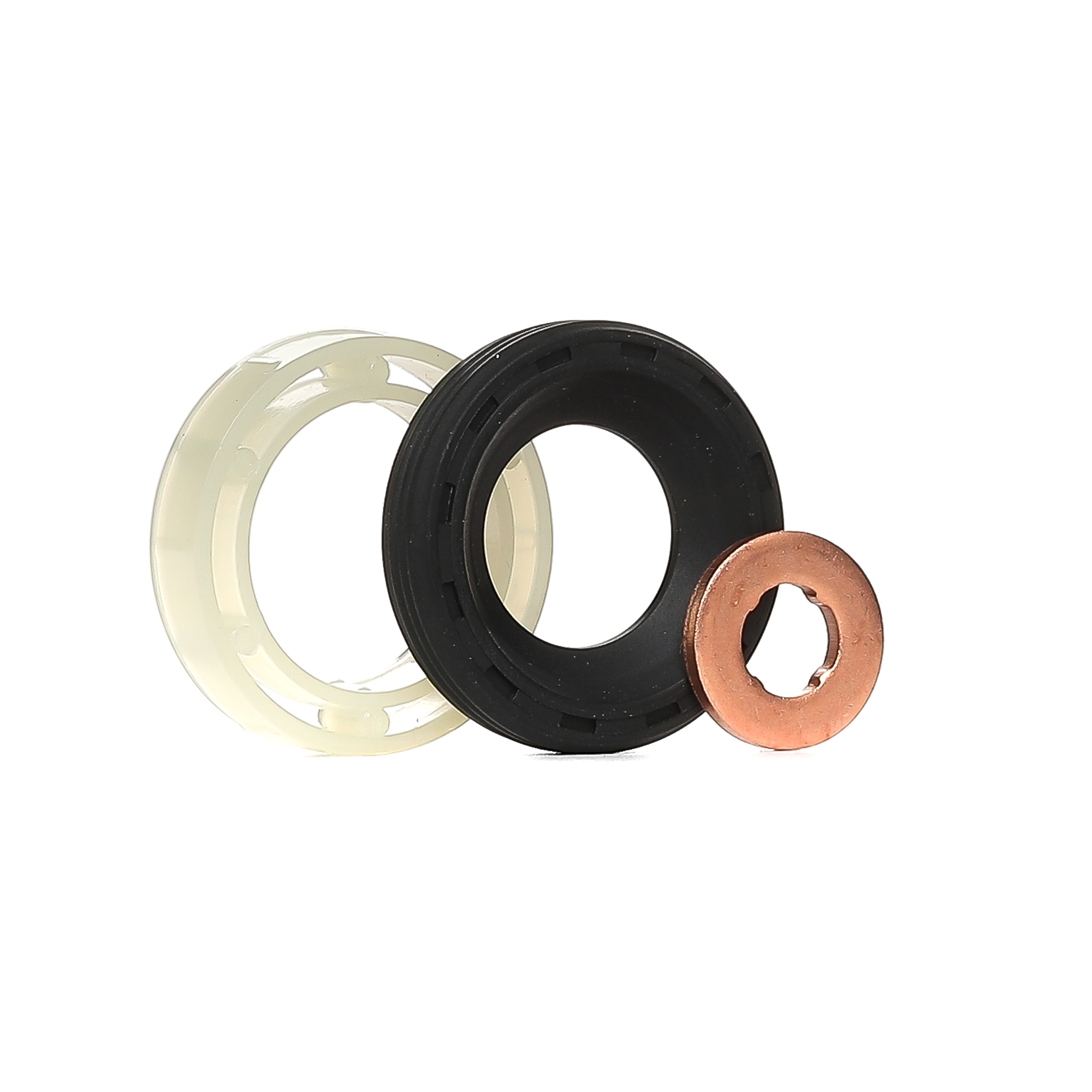
Injector seal failures are a common issue on Ford Fiesta Mk6 diesel engines, particularly the 1.4 TDCi and 1.6 TDCi variants
Symptoms include black smoke, diesel smell, power loss, and tar-like deposits around injectors
Failed copper or brass sealing washers at the injector base are the primary cause
Prompt replacement of injector seals prevents further engine damage and restores performance
The Ford Fiesta Mk6 diesel models have earned a reputation for reliability, but one recurring issue affects many owners: injector seal failures. This problem particularly impacts the 1.4 TDCi and 1.6 TDCi engines, causing symptoms ranging from black smoke to poor engine performance. Understanding the causes and solutions can help owners address this issue before it leads to costly repairs.
What causes injector seal failure on Ford Fiesta Mk6 diesel engines?
Injector seals are small copper or brass washers that sit at the base of each diesel injector on Ford Fiesta Mk6. These seals prevent combustion gases and diesel fuel from escaping the combustion chamber. In Ford Fiesta Mk6 diesel engines, these seals are subject to extreme heat and pressure cycles, which gradually degrade their effectiveness.
The failure occurs when the sealing washers become loose, crack, or lose their ability to create a proper seal. This degradation allows combustion gases and diesel to leak from the injector ports, creating the characteristic symptoms that alert owners to the problem.
The copper or brass sealing washers at each injector base deteriorate through repeated heating and cooling cycles. These washers must withstand combustion chamber pressures exceeding 200 bar whilst maintaining a perfect seal against the injector port.
How do you recognise injector seal failure symptoms?
Black smoke from the engine bay or exhaust represents the most obvious sign of injector seal failure. This smoke typically appears during startup or under load, when the engine demands more fuel. The smoke results from unburned diesel escaping through the failed seals.
Chugging, misfiring, and power loss occur as the engine struggles to maintain proper fuel delivery. The engine may run rough, hesitate during acceleration, or enter limp mode to prevent further damage. These symptoms worsen as the seal degradation progresses.
Diesel smell in the cabin or around the vehicle indicates fuel vapours are escaping from the engine bay. This smell often accompanies visible signs of leakage around the injector area.
Sticky tar-like deposits form on the engine surface near the injectors. These deposits result from leaking diesel and combustion gases that bake onto hot engine components, creating a distinctive black, tarry substance that's difficult to remove.
What happens when injector seals fail completely?
O-rings on diesel return pipes can also contribute to the problem. When these O-rings fail, they allow additional fuel leakage and air ingress, compounding the symptoms caused by the main injector seals.
Carbon buildup around the injectors results from the leaked fuel and combustion gases. This buildup makes injector removal more difficult and can cause the seals to seat improperly, leading to repeat failures if not thoroughly cleaned during repair.
Reduced compression occurs when combustion gases escape through the failed seals, reducing the engine's ability to generate power efficiently. This compression loss explains why affected engines often feel sluggish and consume more fuel.
Visual inspection often reveals the problem immediately. Look for black deposits or tar-like substances around the injector area. These deposits typically concentrate around the base of the injectors where the seals have failed.
Check for signs of fuel staining on the engine block or visible vapour around the injectors when the engine is running. A strong diesel smell during or after driving also indicates potential seal failure.
Monitor engine performance for irregular idling, hesitation during acceleration, or unusual exhaust smoke. These symptoms, combined with visual evidence, confirm injector seal failure.
What is the correct procedure for replacing injector seals?
Replacing injector seals requires removing each injector and thoroughly cleaning the injector ports. This process involves disconnecting fuel lines, removing the injectors, and carefully cleaning all sealing surfaces.
Injector seat cleaning kits are essential for proper repair. These specialized tools ensure the injector ports are perfectly clean and free from carbon deposits that could prevent proper sealing.
What steps are needed after replacing injector seals?
Bleeding the fuel system may be necessary after seal replacement to remove air that entered during the repair process. This step ensures proper fuel delivery and prevents starting difficulties.
Some owners experience hard starting after seal replacement due to air in the fuel system. Following proper bleeding procedures or performing diagnostic resets resolves these issues.
How can you prevent injector seal failure?
Regular visual inspections can identify seal problems before they worsen. Check the injector area every few months for signs of deposits or fuel staining.
Monitor engine performance and address any symptoms immediately. Early intervention prevents the carbon buildup that makes repairs more difficult and expensive.
Using quality diesel additives and high-quality diesel fuel can help reduce the stress on injector seals. Regular servicing ensures the fuel system remains clean and operates within design parameters.
Replace all seals simultaneously rather than addressing individual failures. This approach prevents the inconvenience of repeated repairs and ensures consistent performance across all cylinders.
Injector seal leaks represent a well-documented issue affecting Ford Fiesta Mk6 diesel engines. The problem stems from the degradation of copper or brass sealing washers under extreme operating conditions. Recognition of symptoms such as black smoke, diesel smell, and power loss enables prompt diagnosis and repair.
Proper repair involves thorough cleaning of injector ports, replacement of all seals, and careful reassembly following manufacturer specifications. Regular inspection and prompt attention to symptoms prevent the carbon buildup and compression loss that characterize advanced seal failure.
With appropriate maintenance and timely repairs, Ford Fiesta Mk6 diesel owners can effectively manage this common issue and maintain reliable engine performance.


 8 August 2025