The alternator plays a key role in turning engine power into electricity for everything from your headlights to the battery. Knowing how it works helps you spot problems early and avoid getting stranded with a flat battery.
What is an alternator in a car?
An alternator is your vehicle's central electrical component, responsible for converting mechanical energy from the engine into electrical current. It provides essential power to all of your car's electrical systems, including the headlights, infotainment, fuel injection, and ignition systems. At the same time, it continuously recharges the battery to ensure reliable performance. You can think of it as your car's dedicated energy source, operating whenever the engine is running to keep everything functioning smoothly.
What does an alternator look like?
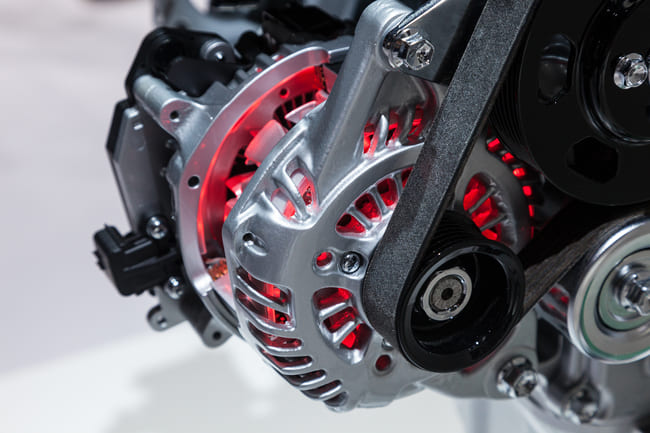
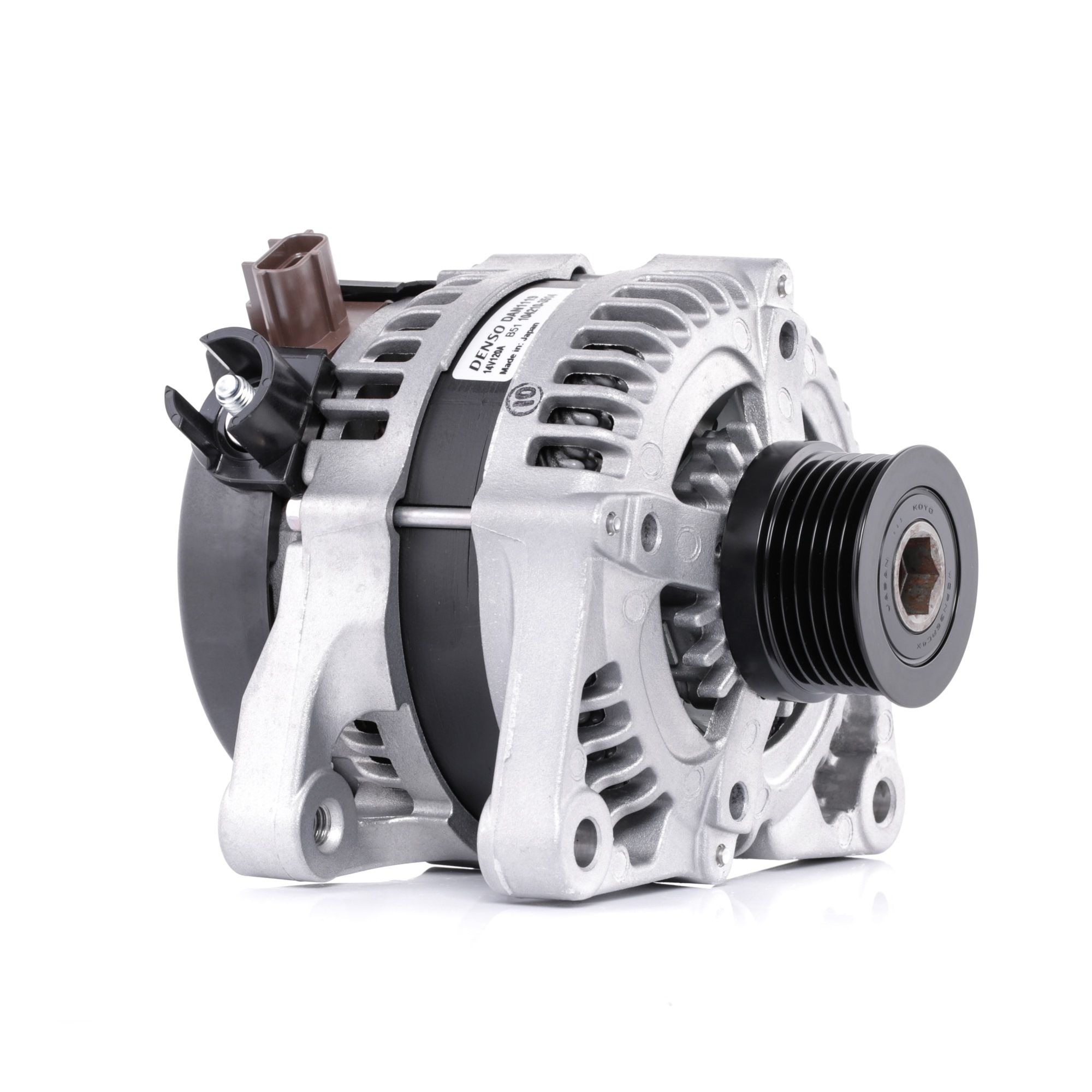
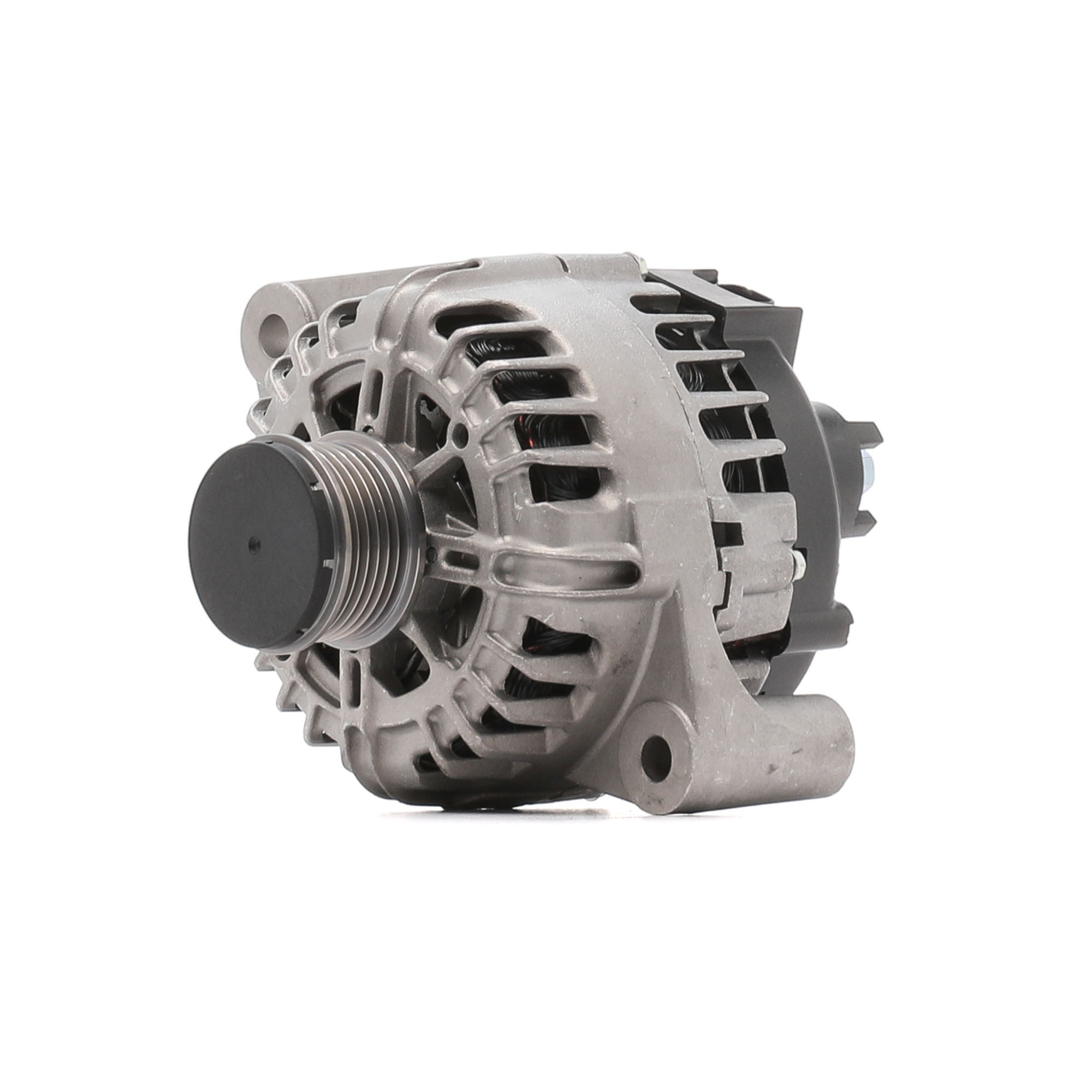
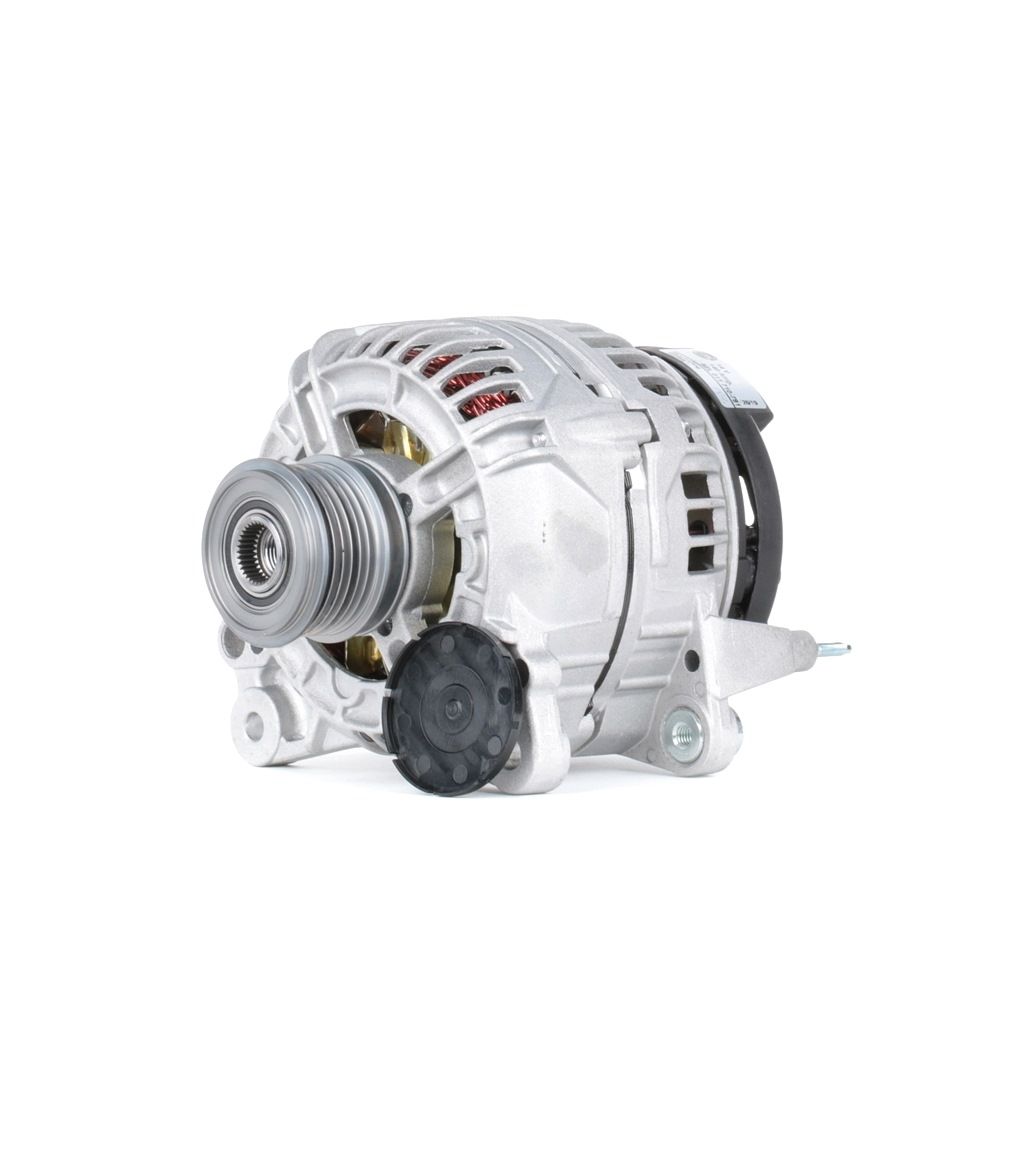
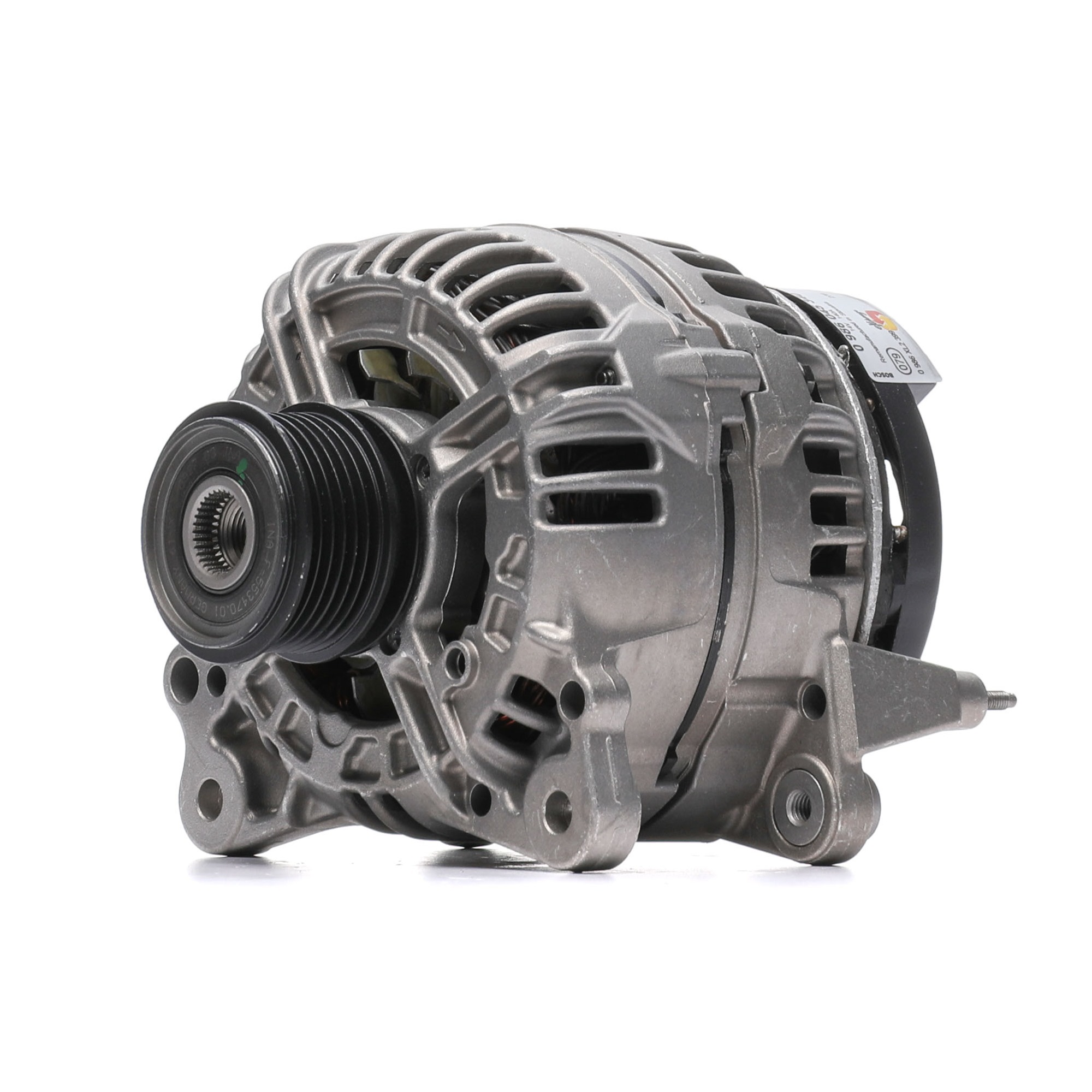
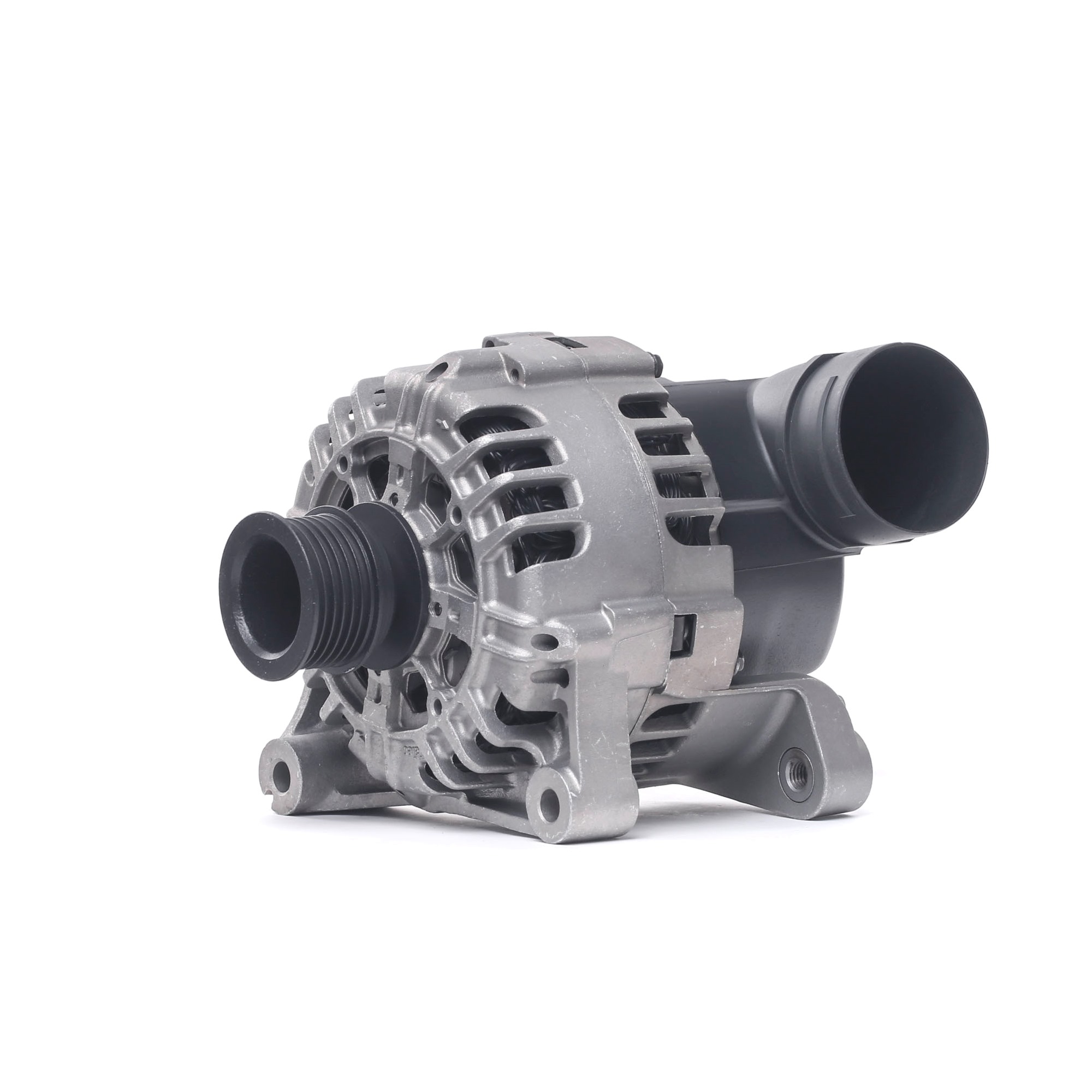
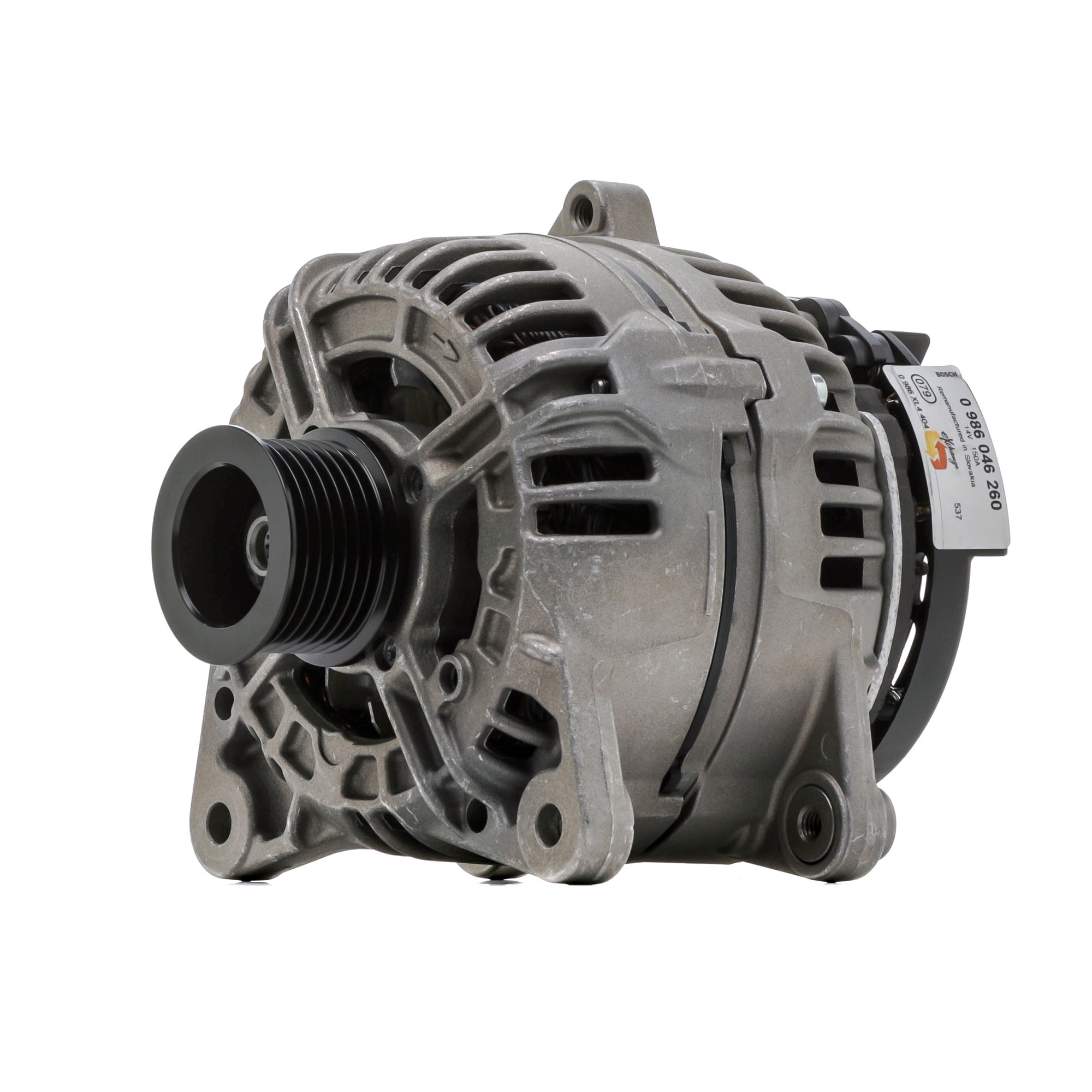
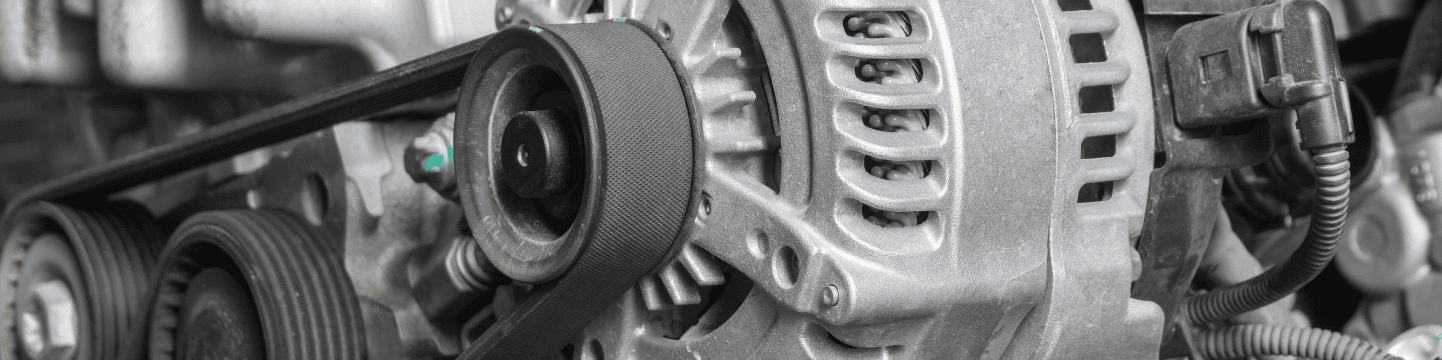
The car’s generator is a compact, cylindrical component typically made of silver or grey aluminium. It is usually mounted near the front of the engine and is easily identified by its pulley wheel, which is connected to the serpentine belt. Around its housing, you'll notice cooling fins or vents, along with several electrical connectors extending from one end. The aluminium casing plays a critical role in dissipating the heat produced during operation, while the generator's durable construction allows it to endure the demanding conditions of the engine bay.
What does a car alternator do?
Your car's generator is its electrical lifeline, providing the power needed to keep all your vehicle's electrical systems running and your battery charged. As the engine turns, the alternator converts that motion into electrical energy. This ensures your headlights stay bright, your dashboard displays remain active, and your engine control systems function properly. If the generator fails, your battery will quickly drain, leaving you unable to start the engine or use critical features like lights and indicators.
What is the function of the alternator?
The generator serves as your car's dedicated source of electrical power, delivering a continuous current to operate all electronic systems and keep the battery properly charged throughout your drive.
How does an alternator charge a battery?
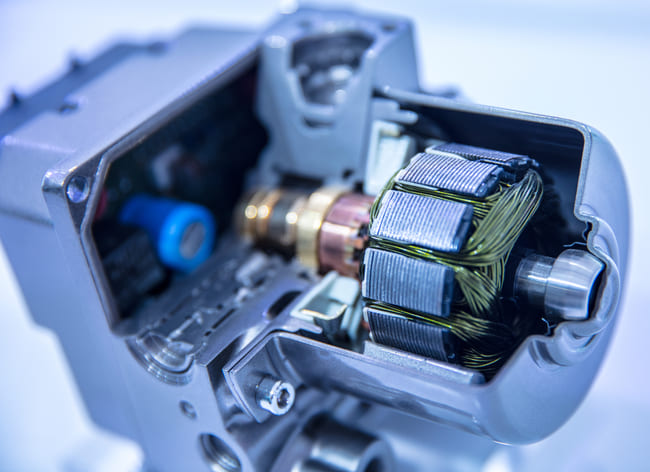
An alternator charges your car battery through a sophisticated energy conversion process that transforms mechanical rotation into electrical power. The spinning rotor creates a magnetic field that induces alternating current in the stator windings, which built-in diodes then convert to direct current suitable for your car's electrical systems.
A car voltage regulator ensures the charging current remains within safe parameters, preventing overcharging whilst maintaining optimal battery condition for reliable engine starting and electronic system operation.
Reviews - 2
Parts Details
Alternator Charging Current [A]: 70
Voltage [V]: 14
Pulleys: with multi-belt pulley
Belt Pulley Ø [mm]: 55
Number of ribs: 6
Plug Type ID:
0230
Vehicle Main Current:
for vehicles with 12V main current
You'll find the generator prominently located in your vehicle's engine bay, usually mounted to the side of the engine block and driven by the serpentine belt system. Depending on your car's design and engine layout, it may be positioned on either the left or right side. Its placement is generally accessible for routine inspection or replacement, although in tighter engine bays, other components may partially obstruct the view. To identify it, look for the round pulley connected to the belt and a set of electrical wires leading into the unit.
What are the components of an alternator?
A generator comprises several precision-engineered components that work harmoniously to generate electrical power for your vehicle. The key components include:
Rotor – creates a rotating magnetic field that induces electrical current in the surrounding stator windings
Stator – contains stationary wire coils that generate alternating current when the rotor spins
Rectifier assembly – houses diodes that convert alternating current into direct current suitable for your car's electrical systems
Voltage regulator – maintains optimal charging levels and prevents overcharging or undercharging
Bearings – ensure smooth rotation of the rotor within the alternator housing
Drive pulley – connects to your engine's belt system to transfer mechanical power
Cooling vents or fan – prevent overheating during operation by dissipating heat
Each component plays a vital part in maintaining your vehicle's electrical supply – from the rotor's magnetic field generation to the voltage regulator's precise control of charging output.
How long does an alternator last?
A generator typically lasts between 80,000–150,000 miles, translating to approximately 7–10 years of normal driving conditions. However, your alternator's lifespan depends significantly on your driving habits, maintenance routine, and the electrical demands you place on your vehicle's systems.
What alternator fits my car?
The correct generator for your vehicle depends on your car's specific year, make, model, and engine variant. Check your owner's manual or the existing alternator's part number for exact specifications, or use online parts catalogues by entering your vehicle details. Consider any electrical modifications you've made – aftermarket sound systems, additional lighting, or other accessories may require a higher-output generator than the original equipment specification to handle the increased electrical load effectively.
-45%
Reviews - 22
Parts Details
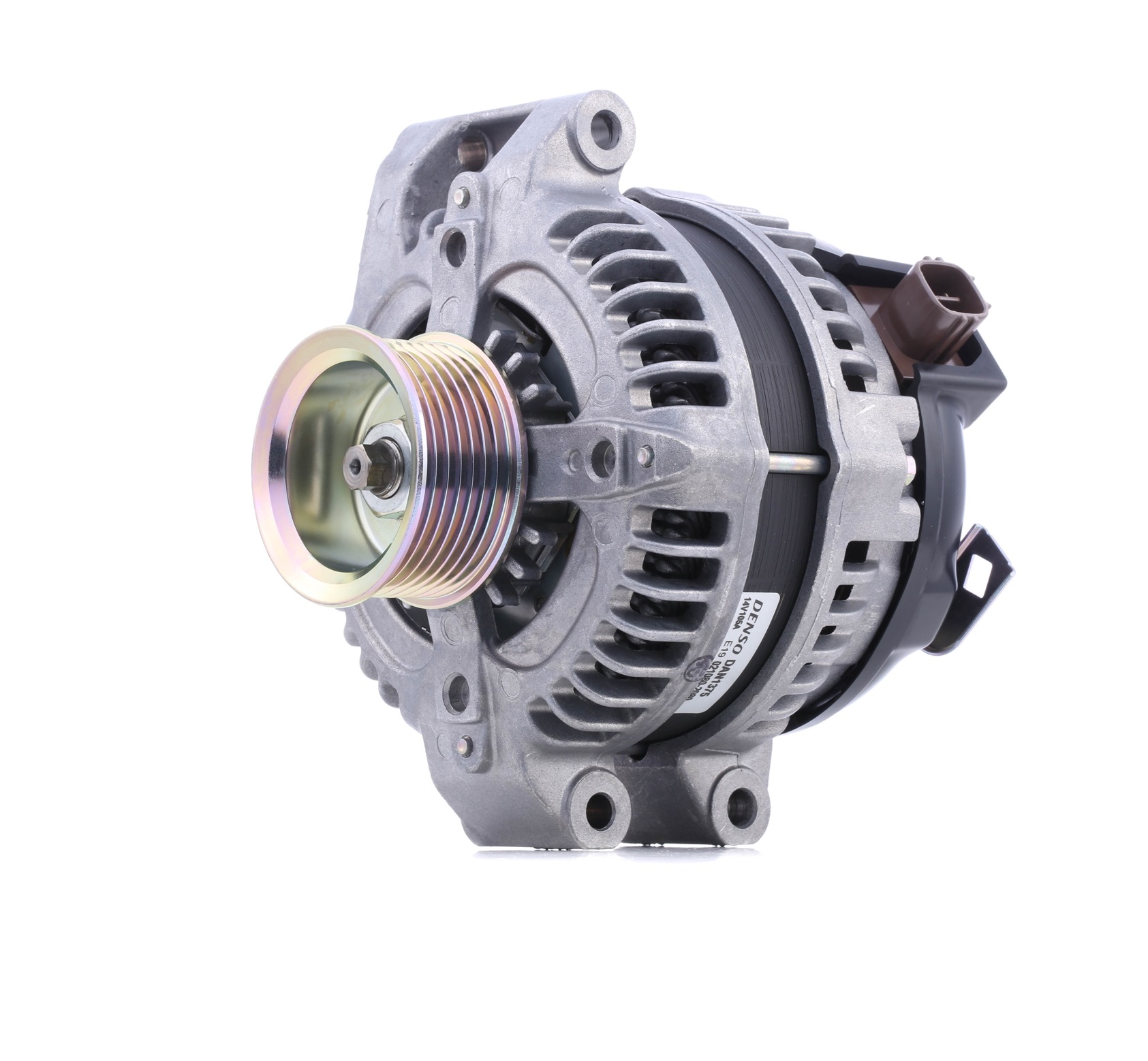
Alternator Charging Current [A]: 105
Voltage [V]: 14
Pulleys: with multi-belt pulley
Belt Pulley Ø [mm]: 60
Number of ribs: 7
Vehicle Main Current:
for vehicles with 12V main current

 7 August 2025 (updated)