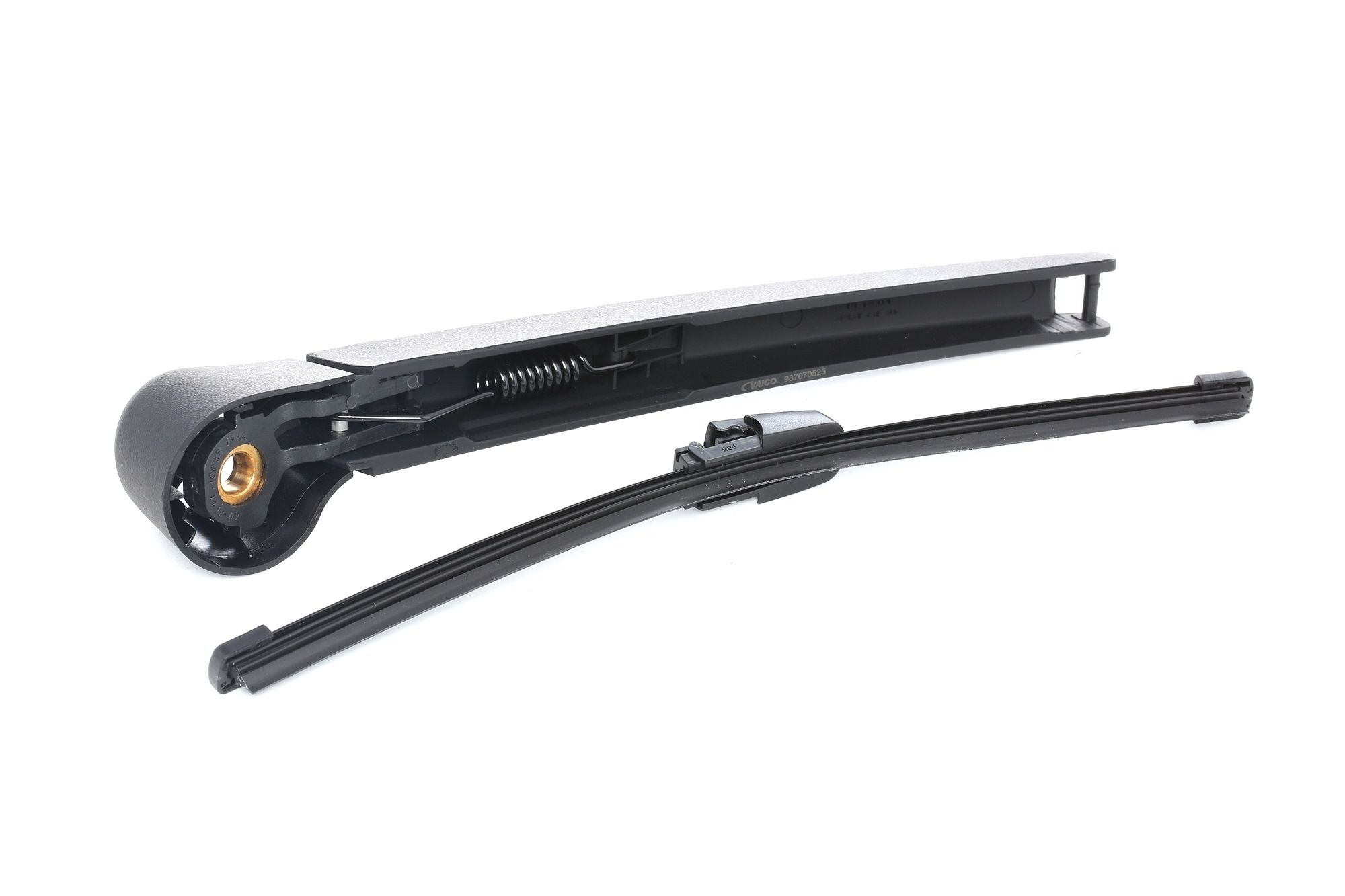
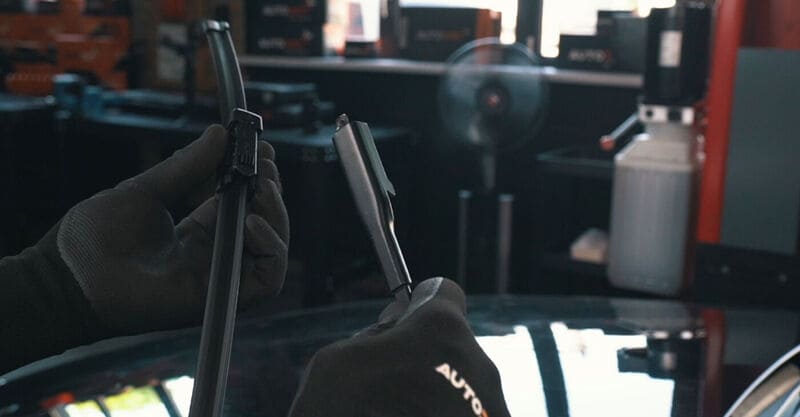
Changing wiper blades is a straightforward DIY task that takes just 10-15 minutes and requires no special tools. UK drivers should replace windscreen wiper blades every 6-12 months or when they begin to streak, squeak, or skip across the windshield. With the right blade sizes for your vehicle and proper technique, you can easily replace windshield wipers yourself, saving money while ensuring clear visibility during Britain's frequent rainfall.
According to the DVSA (Driver and Vehicle Standards Agency), defective wipers that fail to clear the windscreen adequately can result in an MOT failure, making regular maintenance essential for UK motorists.
If you'd rather watch than read, we cover some of the key findings in this video.
Preparing for Windshield Wiper Installation
Before you begin fitting windscreen wiper blades, proper preparation ensures a smooth installation process. Clean your windscreen thoroughly to remove dirt and debris that might interfere with the new wiper blades' performance. Position your vehicle in a shaded area if possible, as direct sunlight can make rubber components more difficult to handle.
Place a towel or cloth on the windscreen where you'll be working. This protective barrier prevents the spring loaded wiper arm from accidentally striking the glass if it snaps back during the replacement process. The metal arm carries significant force and can crack your windscreen if it drops without the old blade to cushion the impact.
Tools and Materials Required
Most wiper blade installations require minimal equipment, making this an accessible DIY project for any UK driver. Here's what you'll need:
Professional Tip: Our AUTODOC mechanics recommend having spare washer fluid on hand when fitting new wiper blades. Fresh blades often work more effectively with clean washer fluid, and the installation process is an ideal time to top up your reservoir.
Selecting the Correct Wipers
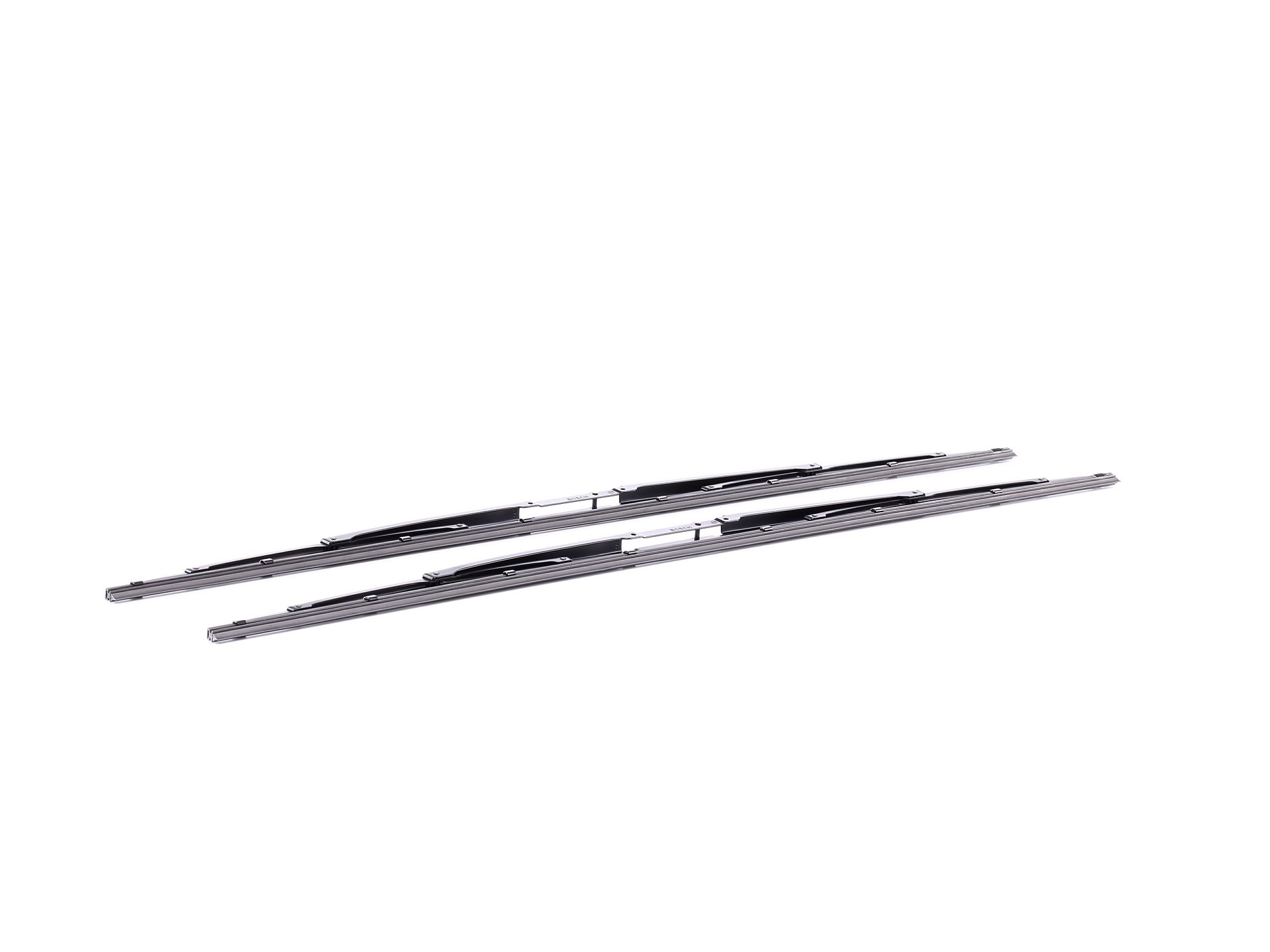
Finding the right blade sizes is crucial for proper windscreen coverage and performance. Most cars use different lengths for the driver and passenger side wipers. The driver's side typically requires a longer blade (18-26 inches), while the passenger side uses a shorter one (16-24 inches).
Check your owner's manual for the correct size specifications, or measure your old wiper blades before removal. Many online retailers provide vehicle lookup tools where you enter your registration number to find compatible products. Also examine the article about best window wiper blades.
Removing old wiper blades requires careful handling to prevent damage to your windscreen or wiper mechanism. The process varies slightly depending on your vehicle's design, but most follow similar principles for safe removal.
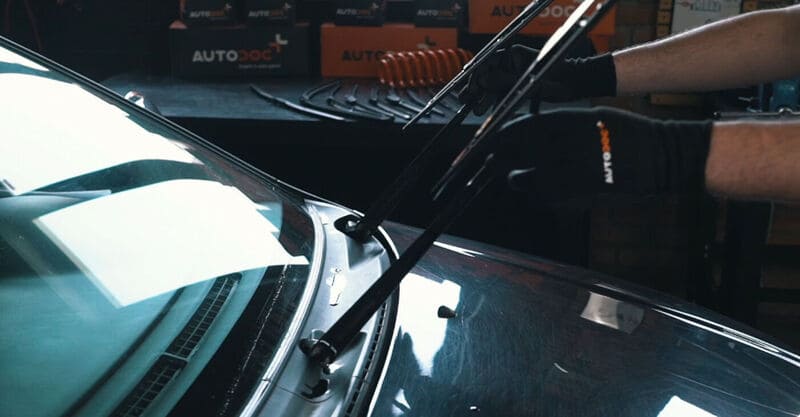
1. Lift the wiper arm off the windshield
Gently pull the wiper arm away from the windscreen until it locks in the upright position. The arm should stay in place without support once fully extended. If the arm doesn't lock automatically, hold it carefully to prevent it from snapping back against the glass.
2. Depending on the vehicle type, you may need to do the following: turn the ignition on and off and activate the wipers
Some modern vehicles require specific procedures to access the wiper blades safely. Turn your ignition to the "on" position (without starting the engine), then activate the wipers. When the blades reach the center of the windscreen, turn off the ignition immediately. This positions the wipers for easier access and prevents the motor from trying to return them to the parked position.
3. Or use the onboard computer's service menu
Many contemporary vehicles include a service mode in their onboard computer system. Navigate to the vehicle settings menu and look for "wiper service position" or similar terminology. This feature automatically moves the wipers to the optimal position for maintenance work.
4. Or simply lift the wiper arms by hand
For most traditional vehicles, you can simply lift the wiper arms manually. Start with the driver's side, gently pulling the arm away from the windscreen until it remains in the raised position. Repeat the process for the passenger side wiper.
5. Unlock the wiper blade's retaining mechanism
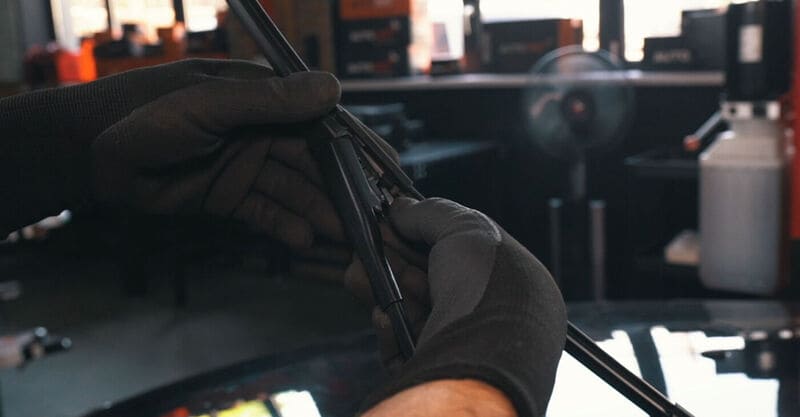
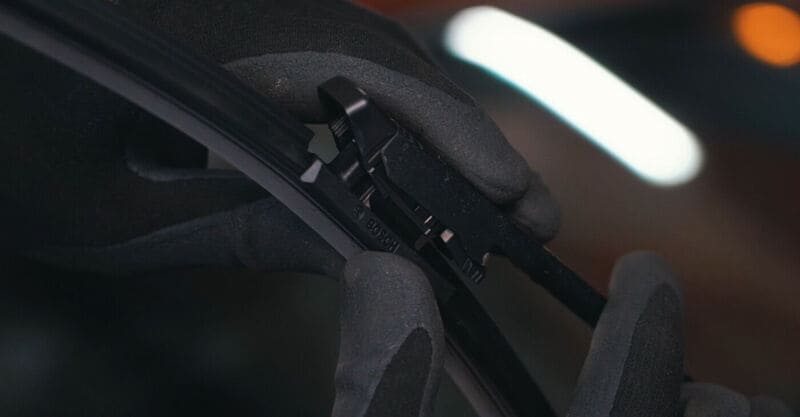
Locate the connection point where the blade meets the wiper arm. Most systems use a hook-style connector with a release tab or locking button. Press this release mechanism while examining how the old blade connects to the arm. Different manufacturers use various attachment methods, including hooks, pins, or clips.
6. Pull the wiper blade out of its retaining mechanism
With the locking mechanism disengaged, slide the old blade away from the wiper arm. The blade should separate easily once the release tab is properly activated. If you encounter resistance, double-check that you've fully pressed the release mechanism before applying more force.
How to Fit New Wiper Blades
Installing new wiper blades follows the reverse process of removal, with attention to proper alignment and secure attachment. Take time to examine the new blades before installation, ensuring you have the correct sizes and that any plastic protective covers are removed from the rubber elements.
7. Place a soft cloth under the arm and carefully fold it down
Before attaching the new blade, position protective cloth under the wiper arm's path. This prevents accidental contact with the windscreen during installation. Some installers prefer to keep the arm upright throughout the process, but placing cloth provides additional safety if the arm slips from your grasp.
8. Alternatively, you can hold the arm with one hand and attach the new wiper blade with the other
Grasp the wiper arm firmly with your non-dominant hand while using your other hand to attach the new blade. This technique provides better control during installation and reduces the risk of dropping the arm. Align the new blade's connector with the arm's attachment point, ensuring proper orientation before engaging the locking mechanism.
9. Relock the retaining mechanism
Push the new blade into the wiper arm's connector until you hear or feel a distinct click. This confirms that the locking mechanism has properly engaged. Gently tug on the blade to verify secure attachment before proceeding. A properly installed blade should not separate from the arm under moderate pulling force.
10. Carefully lower the arm back onto the windshield
Lower the wiper arm slowly, allowing the new blade to make gentle contact with the windscreen. Avoid letting the arm snap down forcefully, as this can damage both the new blade and your windscreen. Repeat the entire process for the other blade if you're replacing both wipers.
11. Check afterward. Check whether the windshield wipers are working properly after replacing them
Test your new wipers by activating the windscreen wash function or using the wiper controls. The blades should move smoothly across the windscreen without skipping, chattering, or leaving streaks. If you notice any issues, turn off the wipers immediately and check that both blades are properly seated in their connections.
Special Features of Wipers with Spoilers
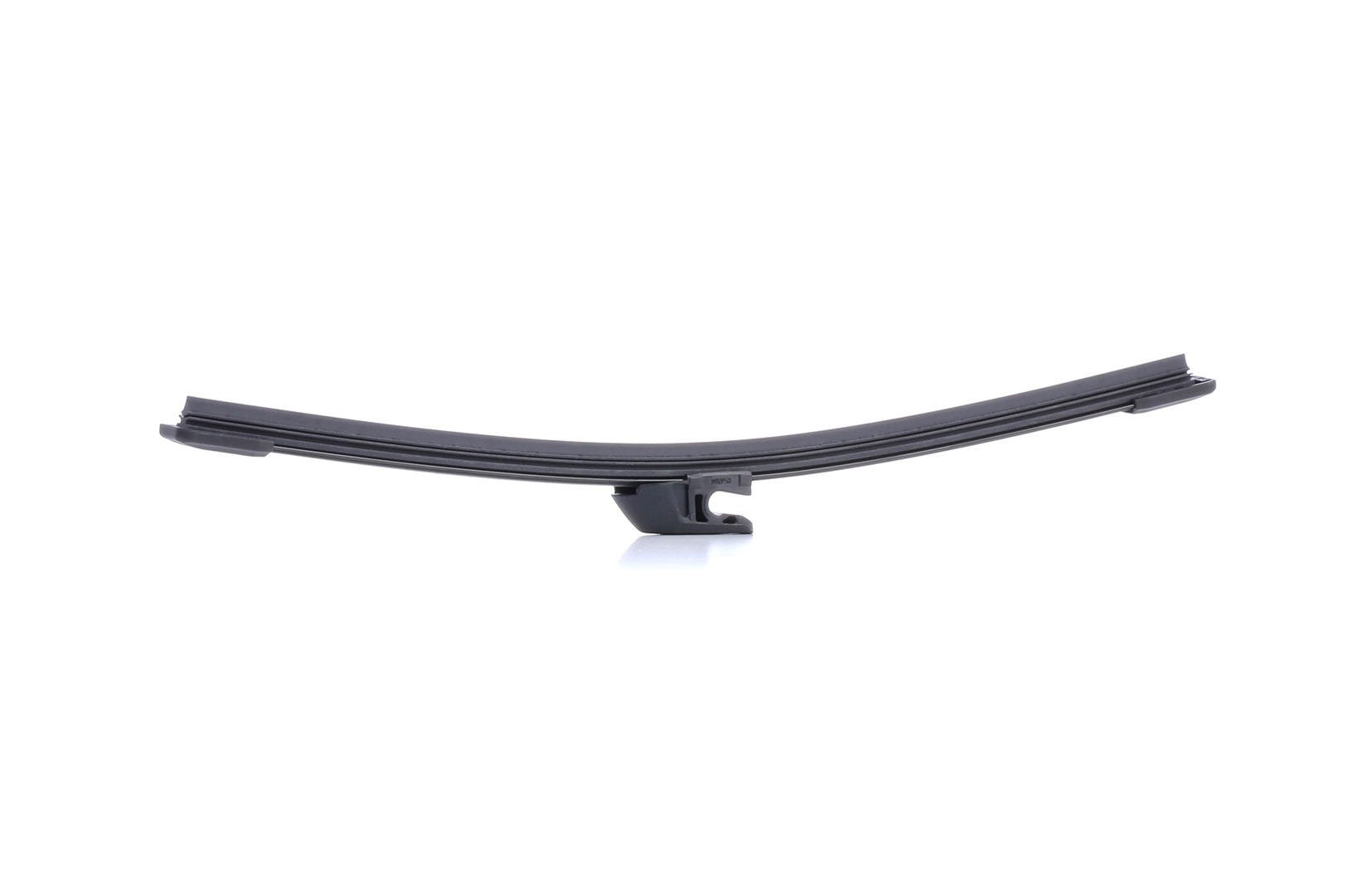
Wiper blades with integrated spoilers require special consideration during installation due to their aerodynamic design elements. These spoilers improve high-speed performance by maintaining downforce on the blade, but they also create additional complexity during fitting.
Spoiler-equipped blades often use different attachment mechanisms compared to standard wipers. Some feature multiple connection points or require specific orientation to function correctly. When fitting universal wiper blades with spoilers, ensure the aerodynamic elements face the correct direction for your vehicle's airflow patterns.
The aerodynamic benefits of spoiler wipers become most apparent during motorway driving, where wind lift can cause standard blades to lose contact with the windscreen. According to automotive engineering studies, spoiler wipers maintain up to 30% better windscreen contact at speeds above 60 mph compared to conventional designs.
Expert Insight: Our AUTODOC specialists have observed that spoiler wipers particularly benefit UK drivers who frequently use motorways during wet weather. The improved downforce prevents blade flutter that can occur during high-speed driving in crosswinds, a common condition on exposed stretches of British highways.
Here's a comparison table showing the key differences between standard and spoiler wiper blades:
Recognizing how often should you change wiper blades prevents the gradual decline in visibility that many drivers inadvertently accept. Replace windscreen wiper blades when they exhibit any of these warning signs:
Streaking: Lines of water remain after wiping
Skipping: Blades jump across the windscreen surface
Squeaking: Noise during operation indicates worn rubber
Splitting: Visible cracks or tears in the blade rubber
Bent frame: Physical damage to the blade structure
The table below shows typical replacement intervals based on UK driving conditions:
Driving Environment
Replacement Frequency
Contributing Factors
Urban/City
Every 12 months
Stop-start traffic, pollution
Motorway/Highway
Every 8-10 months
High-speed wind exposure
Coastal areas
Every 6-8 months
Salt air corrosion
Rural/Country
Every 10-12 months
Dust, agricultural debris
Conclusion
Successfully changing wiper blades requires attention to detail and proper technique, but the process remains accessible to most UK drivers. Regular replacement ensures clear visibility during Britain's challenging weather conditions while avoiding potential MOT failures due to inadequate windscreen clearing.
Whether you choose standard blades for basic functionality or invest in premium spoiler designs for enhanced performance, proper installation techniques ensure optimal results. Remember to replace both driver and passenger blades simultaneously when signs of wear appear, and don't hesitate to seek professional assistance if your vehicle features complex wiper systems.
Frequently Asked Questions
Can you change wiper blades yourself?
Yes, you can easily change your wiper blades yourself with basic tools and the correct blades for your vehicle model. Most drivers complete this DIY task in 10-15 minutes using our step by step guide.
How do I unclip a window wiper?
Lift the wiper arm, locate the release tab on the connector, and press it while sliding the blade away. Different clips require varying techniques, so examine your specific attachment mechanism before proceeding.
How to change wiper blades with hooks?
Hook-style wipers require lifting the arm, pressing the release tab, and sliding the old blade downward out of the hook. Install the new blade by reversing this process until you hear a click.


 12 November 2025 (updated)