Wiper Blades: The Complete Guide to Choosing and Maintaining Windscreen Wipers
Wiper blades are rubber or silicone components mounted on metal arms that sweep across your vehicle's windscreen to clear away water, snow, ice, dirt, and debris for safe driving visibility.
These essential safety devices work through a motor-driven linkage system, with most cars requiring replacement wiper blades every 12 months to maintain optimal performance and pass MOT inspections. Quality windscreen wiper blades from trusted brands prevent streaking, squeaking, and ensure a clear line of sight in all weather conditions.
Understanding how wiper blades work
The wiper system consists of several interconnected components working together to keep your windscreen clear. Understanding these elements will help you maintain your vehicle properly and identify problems early.
Firstly, the wiper motor powers the entire system by converting electrical energy into rotational motion. This motion travels through the wiper linkage, which connects to the wiper arms that apply consistent pressure to the glass surface.
When you activate your wipers, the windscreen washer pump delivers fluid from the windscreen washer reservoir, which is sprayed onto the glass by washer jets. The blades then sweep across, clearing away water, grime, salt, dead insects, and other debris. The contact pressure and angle of contact between the blade and windscreen determine how effectively they clean.
Modern vehicles often feature automatic wipers that detect rain using sensors and adjust the speed automatically. The wiper relay controls the intermittent function, allowing drivers to set the interval between wipes based on weather conditions. Learn more about how to use windscreen wipers effectively in different driving situations in our blog.
Types of wiper blades available
There are three main types of windscreen wiper blades on the market, each offering different benefits for drivers. Choosing between conventional, flat beam, and hybrid designs depends on your specific vehicle, budget, and driving conditions.
Conventional wiper blades
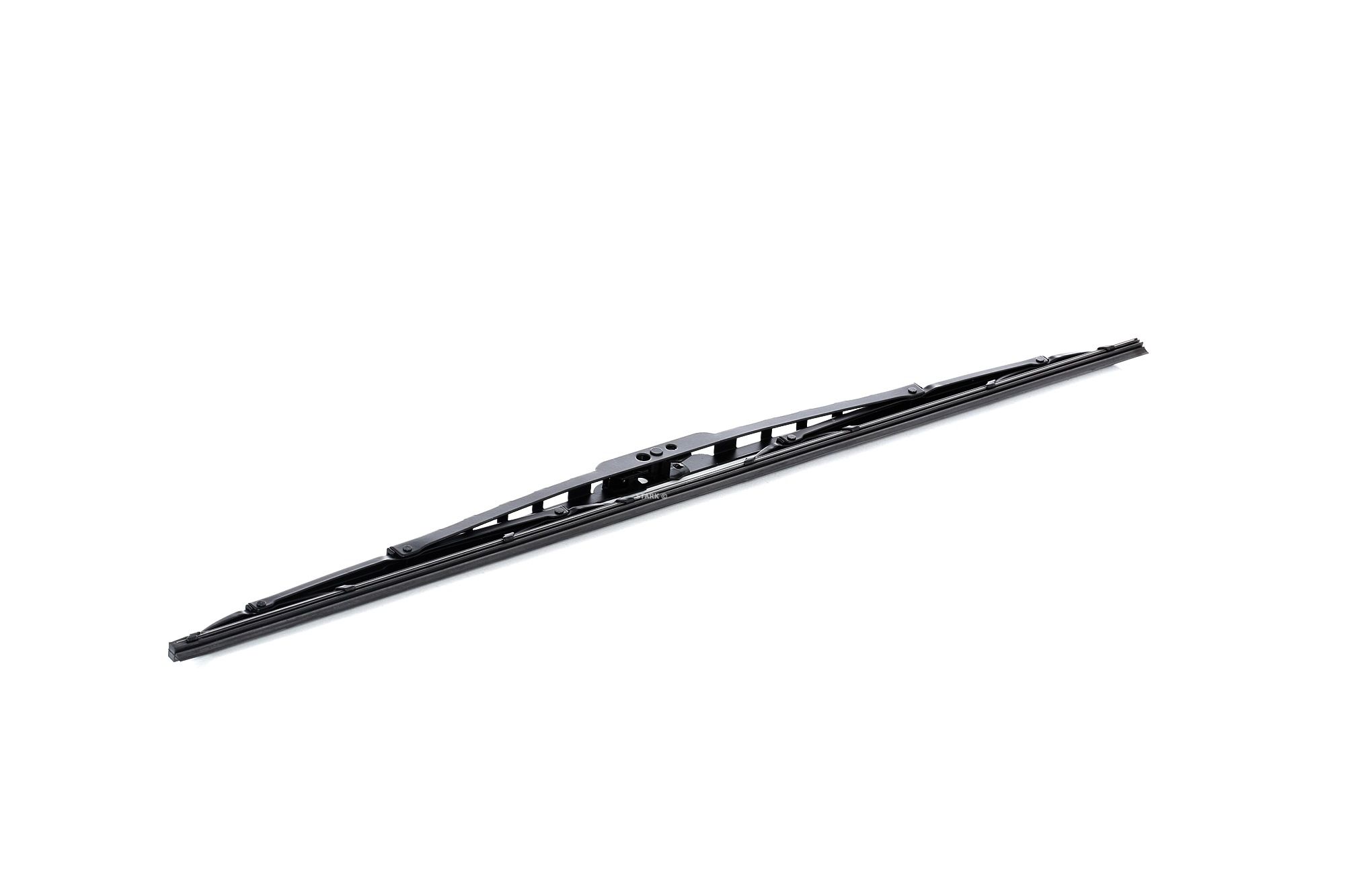
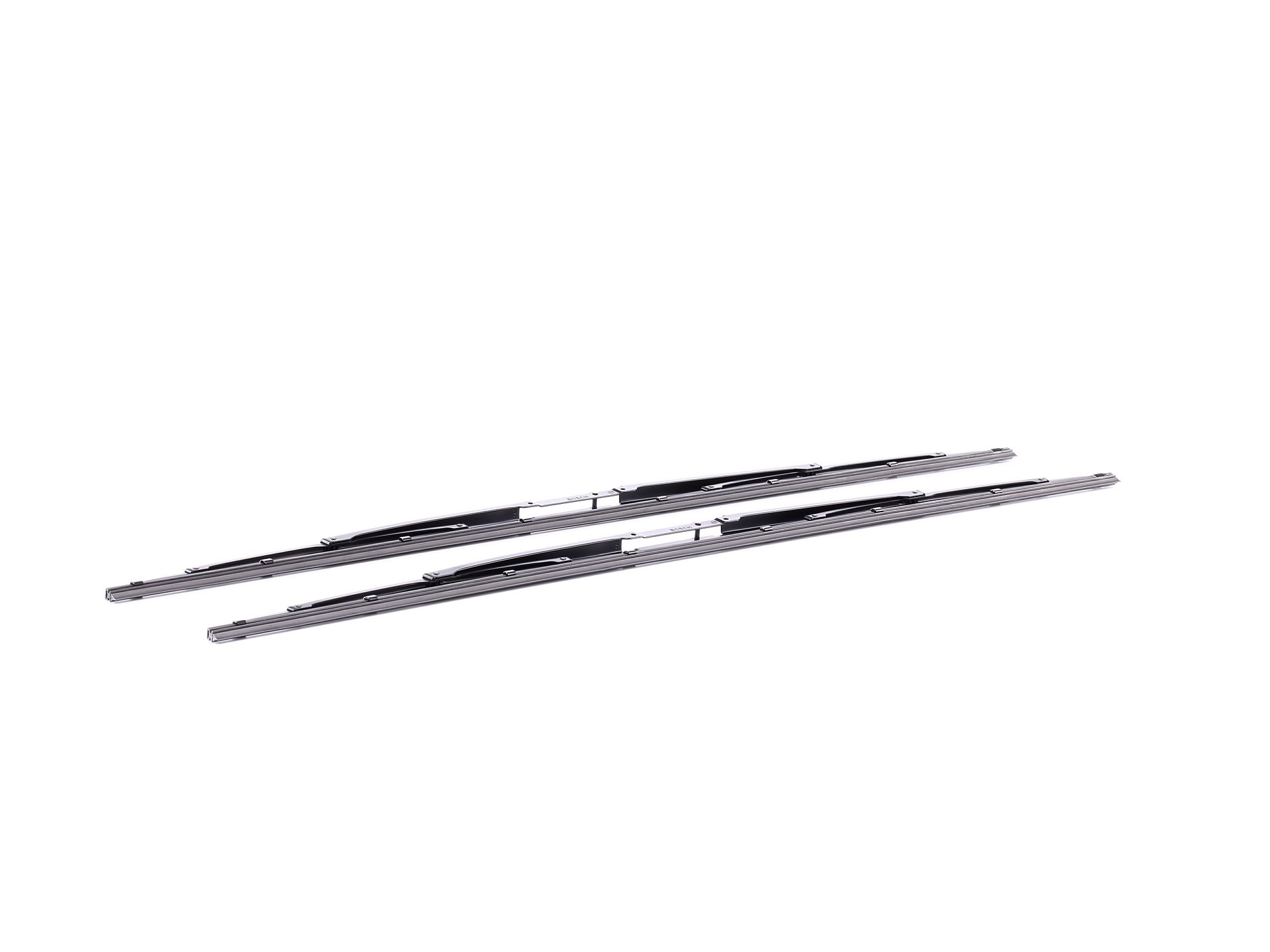
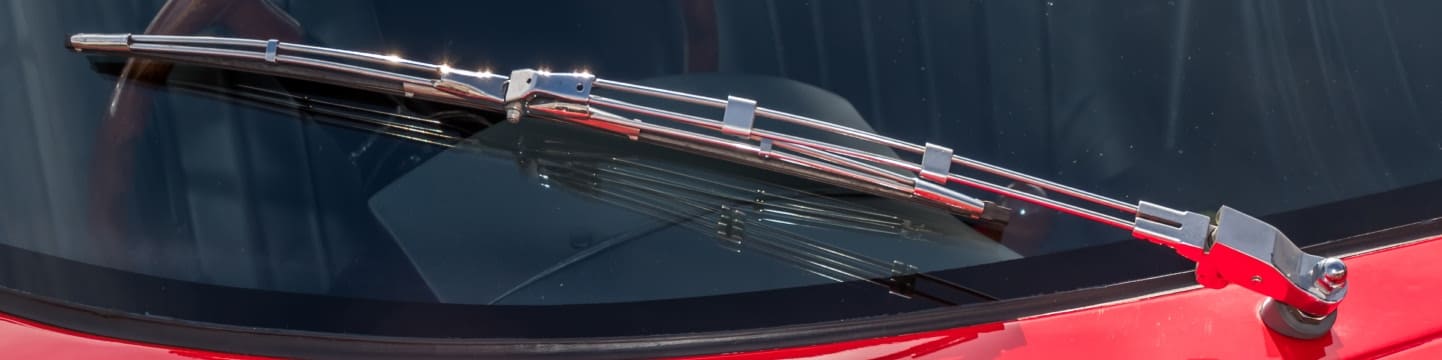
Conventional blades have an articulated metal frame with multiple pressure points. These are typically found on older vehicles and are the most low-budget option. The metal frame distributes pressure across the blade, though exposure to the elements can cause the frame to corrode over time. When properly maintained, they wipe the surface clean without leaving streaks of oil or grime.
Flat beam wiper blades
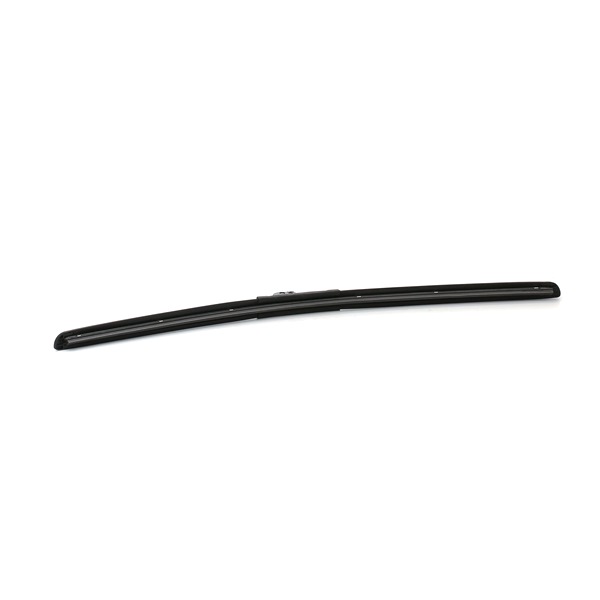
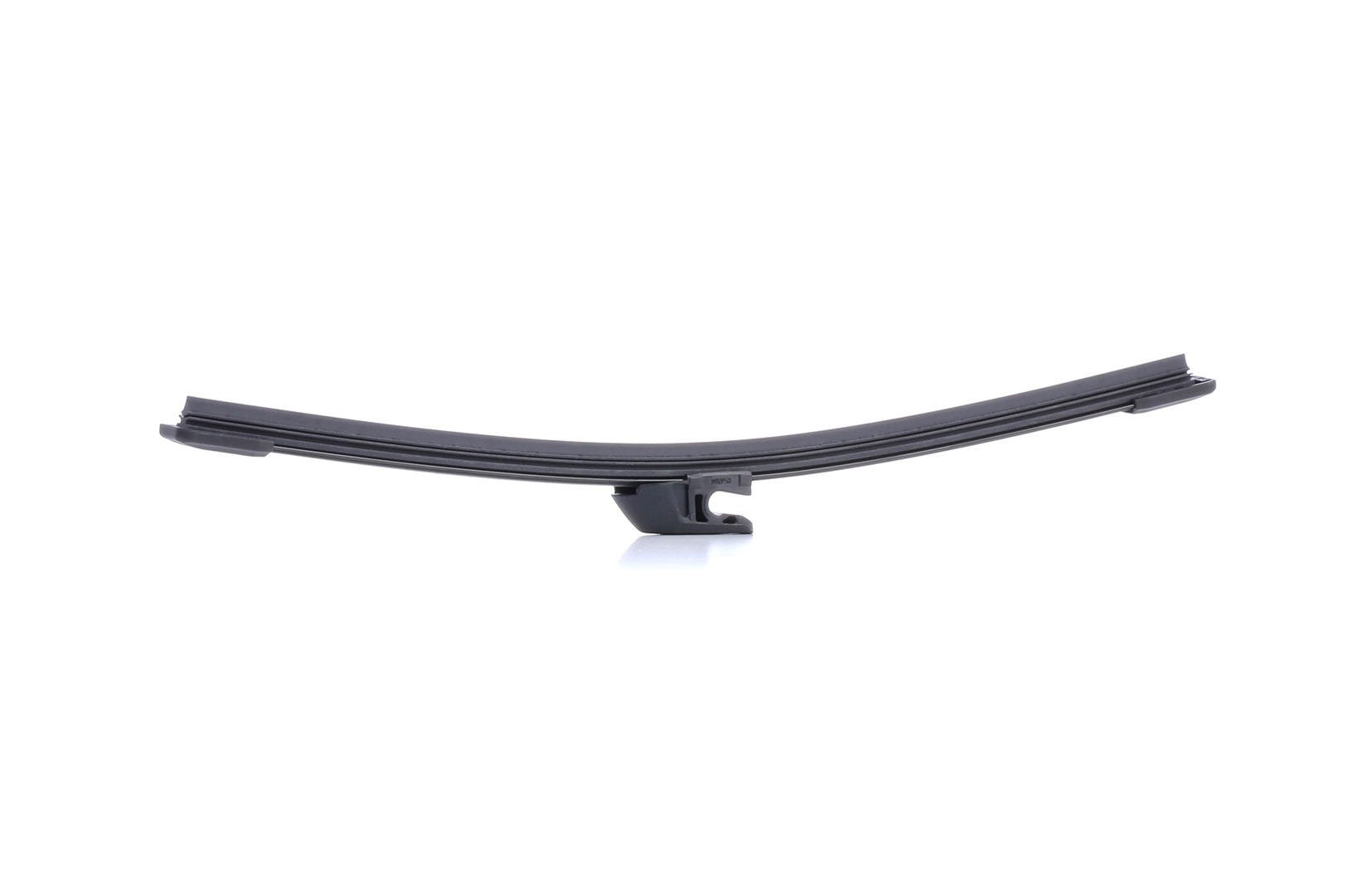
Flat beam blades feature a modern, frameless design with a single piece of rubber. They provide even contact with the glass and offer superior performance compared to conventional blades. These components handle curved windscreens better and reduce wind lift at higher speeds, making them ideal for motorway driving.
Hybrid wiper blades
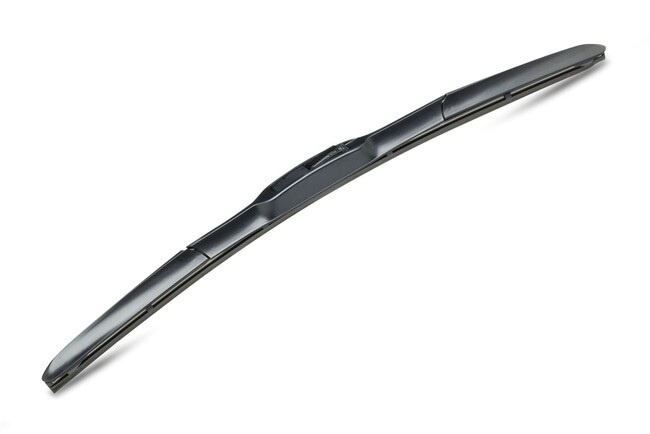
Hybrid blades combine the benefits of conventional and flat blades, featuring an aerodynamic spoiler covering. Modern beam-style wiper blades may feature an integrated spoiler that uses airflow to maintain contact with the windscreen at high speeds, making them excellent for winter and summer months alike. These hybrid wiper blades offer the best of both worlds.
Learn more about the differences in our detailed guide on the types of wiper blades to make an informed decision for your vehicle. Refer to your car owner’s manual for vehicle-specific details.
Choosing the right wiper blades for your vehicle
Selecting perfect wiper blades requires knowing the specifications of your vehicle and understanding compatibility requirements. Not all blades fit all cars as sizes vary significantly between models.
The easiest way to find compatible products is to enter your vehicle registration into the search tool on our website. Simply enter your vehicle details, and our system will show the right wiper blades for your specific model. This registration look up tool eliminates guesswork and helps ensure compliance with the vehicle manufacturer’s specifications.
Materials
Rubber blades are generally the best for streak-free cleaning, offering fantastic value. On the other hand, silicone wiper blades last longer and resist wear better than traditional rubber, though they cost more. Read our in-depth discussion on whether silicone wiper blades are better than rubber ones to understand the trade-offs.
Sizing your blades
Are wiper blades universal? No, they vary significantly between vehicle models. Measure your existing blades or check your vehicle manufacturer specifications in the manual. The driver's side blade is sometimes longer than the passenger side. Our guide explains what size wiper blades to get and how to measure them correctly. The Bosch wiper blades size chart also provides comprehensive sizing information for its popular brand.
Top wiper blade brands and quality comparison
The aftermarket offers an extensive range of high quality windscreen wipers from a number of manufacturers. Choosing the right brand ensures excellent service life, quiet operation, and reliable performance in all weather conditions.
| Brand |
Quality level |
Best for |
Key features |
| Bosch |
Premium |
All-round performance |
Aerotwin technology, quiet operation |
| Valeo |
Premium |
Advanced features |
AquaBlade system, excellent durability |
| Michelin |
Premium |
Long-lasting |
Tyre technology adapted for wipers |
| Denso |
High |
OEM quality |
Japanese engineering standards |
| Continental |
High |
Value performance |
Reliable brand quality |
| Hella |
High |
Winter conditions |
Robust design |
Premium brand comparisons
Learn more about the differences between top brands to find blades for your car that match both your needs and budget. Each manufacturer brings its own unique technology and design philosophy to their products.
Bosch offers high-quality windscreen wipers with an extensive range covering most vehicles. Their blades provide quiet, streak-free cleaning and excellent service life. Check our detailed Bosch wiper blades comparison to understand the differences between Aerotwin, Twin, and Spoiler models.
Both Valeo and Bosch offer fantastic quality at a great price. Our Valeo vs Bosch comparison highlights the innovative features of Valeo wiper blades, while our separate Valeo wiper blades review examines their performance in UK weather conditions.
Michelin brings tyre technology expertise to their wiper blade range. The Michelin vs Bosch article shows how Michelin wiper blades compete with the market leader.
Japanese precision is pitted against German engineering in our Denso vs Bosch forum discussion. Both Denso wiper blades and Bosch deliver effective wiping but with different approaches.
Other quality brands
Beyond the premium segment, several other manufacturers offer great price points and reliable performance. SWF serves as an OEM supplier of wiper blades for many vehicle manufacturers, ensuring that they meet high industry standards. Alca wiper blades provide a budget-friendly option without sacrificing too much quality. Heyner wiper blades offer a good middle-ground choice for drivers seeking value for money.
Continental wiper blades and Hella wiper blades are also very popular choices that complete the wide product range. Need help deciding? Read our comprehensive guide on the best wiper blades for UK drivers.
Vehicle-specific wiper blade options
Finding blades for your car is easy with our catalogue organised by brand. Each vehicle manufacturer usually has specific requirements for blade attachment and sizing.
Our extensive range includes options for the top makes:
Drivers of Japanese vehicles can also find quality Nissan and Toyota wiper blades in stock. Simply enter your vehicle details using our registration search tool to discover the perfect match.
How to change wiper blades
Replacing wiper blades is easy and takes just a few minutes with the right approach. New wiper blades can sometimes be awkward and fiddly to fit, but following these tips should make the installation simple and safe.
Front wiper blade installation
The basic process is similar for most vehicles, though some models may have specific attachment mechanisms:
First, carefully lift the wiper arm away from the windscreen to avoid it snapping back. Press the release tab(s) and slide the old blade off the arm. Align the new blade with the arm hook, then slide the new blade into place until it clicks in securely. Lower the arm gently back into place.
Watch our video guide on how to change wiper blades for detailed visual instructions. For specific brands, check out the articles on how to fit Bosch wiper blades or how to install Michelin wiper blades, for example.
Fitting rear wiper blades
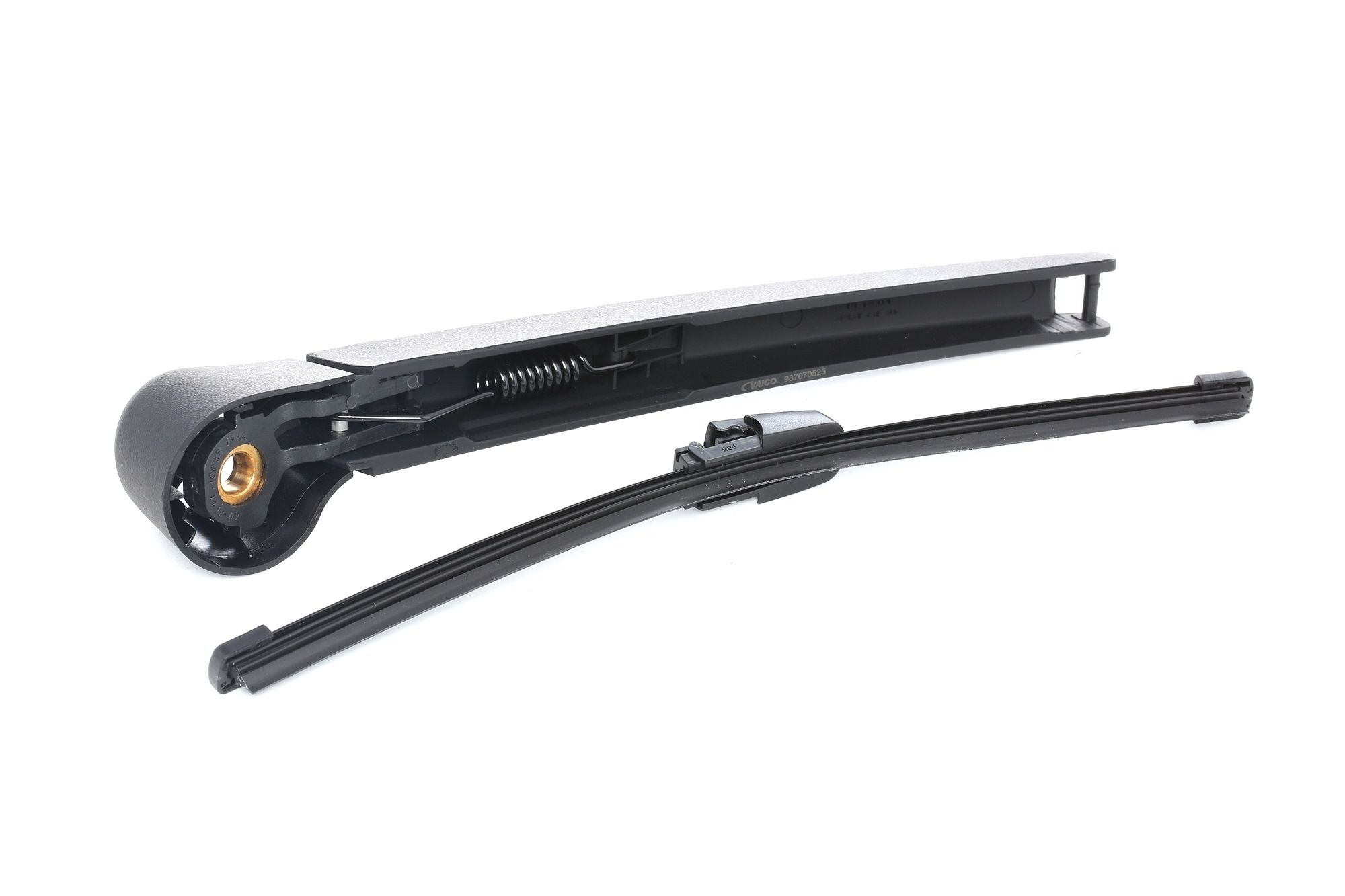
Rear windscreen wipers often use different attachment mechanisms than front blades. The rear components on hatchbacks and SUVs typically feature a pinch tab connection or other specialised fitting. Our guide on how to fit rear wiper blades covers these variations. Learning how pinch tab wiper blades work will allow you to install them correctly the first time.
Replacing just the rubber
You can sometimes get away with just replacing the rubber insert instead of the entire blade assembly. This saves money and reduces waste, though it requires more patience to install correctly. Our guide on how to replace wiper blade rubber explains this process.
For instructions for carrying out a complete wiper replacement, check out our written tutorial, which includes removing old blades and fitting new ones safely.
Wiper blade maintenance and care

Proper maintenance extends the service life of the parts, ensuring safety when driving in rain and stormy conditions. Regular care prevents premature wear and keeps your windscreen clear in all seasons.
Regular cleaning
Dirt on the blades themselves can cause streaks and lead to inefficient cleaning. Our guide explains how to clean wiper blades properly to prevent premature wear. In short, you need to wipe the blades with a damp cloth to remove dirt and grime regularly. Regular cleaning debris from building up and causing annoying streaks and squeaking, ensuring optimal contact with the glass.
When to replace your blades
Most vehicles require a replacement every 12 months for optimal performance according to industry recommendations. However, wiper blades deteriorate faster in harsh conditions. You should check your front and rear wipers at least once a year to keep them working optimally.
Squeaking, smearing, or sticking during use indicate failure. Visible cracks or tears in the rubber mean an immediate replacement is required. Streaks left on the windscreen after wiping usually signal wear. Chattering or juddering when operating suggests the blade is no longer elastic. Incomplete clearing, leaving lines or patches, compromises your visibility and safety. Find detailed guidance on replacement intervals in our article: how often should you change your wiper blades?
Seasonal considerations
Winter months demand extra attention to your wiping system. If you get harsh winters, winter wiper blades are recommended as they are reinforced to handle heavy snow and ice. Use a quality screenwash with strong antifreeze properties to prevent freezing and smooth operation even in sub-zero temperatures.
The summer months bring their own challenges: UV exposure and heat cause rubber to deteriorate faster, especially during extended periods of dry weather. Keep blades clean and consider how to soften the wiper blades if they become stiff or dry out.
Troubleshooting common wiper blade problems
Understanding common issues helps you maintain effective windscreen wipers and address problems before they become safety hazards. Many problems have simple solutions that don't require professional help.
| Problem |
Cause |
Solution |
| Squeaking |
Dirty blades or windscreen |
Clean both surfaces thoroughly |
| Juddering |
Incorrect installation or worn blades |
Check fitting and replace if needed |
| Streaking |
Worn rubber or contamination |
Replace blades or clean them |
| Skipping |
Wrong size or damaged arm |
Check the size and the arm pressure |
| Not moving |
Motor or linkage failure |
Inspect motor and linkage components |
Squeaking wipers
Squeaking typically results from dirt buildup, worn rubber, or an incorrect blade angle. Our guide ‘why do my windscreen wipers squeak?’ explains the causes and solutions. Cleaning the blades and car often resolves the issue immediately. If squeaking persists with new blades, the wiper arms may need an adjustment or replacement.
Juddering wiper blades
New wiper blades that judder is frustrating for many drivers who expect smooth operation after installation. Juddering can result from the parts not being properly fitted, a contaminated windscreen, or an incompatible blade design. Check that components are properly seated and the screen is completely clean before concluding the blades are faulty.
Fixing smearing
Smearing indicates worn rubber or contamination on the windscreen. Our article on how to fix wiper blades covers this and other common problems. Try cleaning both the blades and glass first using specialised cleaning products. If problems persist, replace the blades. Ineffective windscreen wipers can result in an MOT failure, so address issues promptly to maintain road safety.
Resetting the position
Sometimes wipers stop in the wrong position after being manually moved or after a battery replacement. This wiper reset procedure puts them back into the proper parking position without requiring a garage visit. Excessive strain or age can cause wiper blades to malfunction, but a reset often solves positioning issues.
MOT testing and legal requirements
Knowing the legal requirements for windscreen wipers is essential to avoid MOT failures and maintain safe driving conditions. Due to the fact that wipers are a key safety feature, inspectors must assess their condition and performance closely during the test.
MOT failure and wiper blades
Faulty or failing wiper blades can be dangerous while driving and will fail your MOT inspection. The question as to whether a car can fail the MOT for wiper blades is common among UK drivers. Yes, ineffective windscreen wipers that leave streaks, miss sections, or don't clear the screen properly are a safety issue that causes MOT failure.
If they are not cleaning effectively, a professional check-up is required before your MOT appointment. You should check the parts at least once a year, ideally before your appointment.
MOT failures occur when blades don't clear the screen effectively, leaving the driver with reduced visibility. Missing or damaged blades automatically fail the test. Broken or seized wiper arms prevent proper operation. A faulty wiper motor stops the system working entirely. Defective washer jets mean you can't clean the windscreen properly as there won’t be any cleaning fluid.
Special features and advanced systems
Modern vehicles incorporate advanced technologies that improve wiper performance and driver safety. Learn more about these special features and how to maintain them properly to get the best performance.
Headlight cleaning systems
Some vehicles include headlight washer systems for improved nighttime visibility. These use dedicated water pumps to spray high-pressure fluid, removing dirt that reduces headlight effectiveness. This system is mandatory for some high-intensity discharge headlamps.
Rain-sensing technology
Many modern cars feature automatic rain sensors that adjust the wiper speed based on rainfall intensity. This technology improves safety by allowing drivers to focus on the road rather than adjusting wiper controls manually. The sensors detect water on the windscreen and activate the wipers automatically.
Winter-specific features
Some replacement windscreen systems include heated elements that prevent ice buildup on the glass. These work in conjunction with heated glass to maintain visibility in extreme weather. The heating elements can also warm the wiper blades themselves, preventing them from freezing to the glass surface.
Environmental responsibility
Proper disposal of old wiper blades protects the environment and complies with waste regulations. You should always dispose of worn blades responsibly in line with local regulations.
Recycling wiper blades
Can you recycle wiper blades? The answer to this important question is yes, but not through standard household recycling. The rubber and metal components need separating at specialised facilities. Many auto parts shops accept old blades for proper disposal, ensuring the materials are processed correctly. Contact your local recycling facility for advice on how to dispose of old wipers responsibly.
When you order new blades from us, we can provide tips on disposal in the packaging. It's important to dispose of worn blades correctly to protect the environment for customers and drivers alike. Some manufacturers now offer recycling programmes where you can return old blades when purchasing new ones.
The history of windscreen wipers
Understanding the history of wiper technology shows how far this essential safety feature has developed. Innovation continues today with better materials and smarter systems.
The history behind windscreen wipers is an interesting one. American inventor Mary Anderson received the first patent for an effective windscreen cleaning device in 1903. Her design featured a lever-operated blade that cleared rain and snow from outside the vehicle, operated by the driver from inside.
The intermittent wiper was later developed by Robert Kearns in 1963, mimicking the human eye's blinking pattern. This innovation made driving in light rain safer and more comfortable, though Kearns fought a lengthy patent battle with vehicle manufacturers who adopted his technology early on.
Today's wiper technology continues advancing with better materials, quieter operation, and integrated sensors that make driving safer in all weather conditions. Wipers are an essential component of our vehicles, keeping us safe on the roads in any weather.
How to know which windscreen wipers to buy
Our extensive range includes high-quality windscreen wipers from all major brands at great prices. Browse our range of wiper blades to discover options for your specific vehicle model.
Why choose AUTODOC?
We offer fantastic value pricing across our complete range with excellent customer service. Fast delivery to customers ensures you get your blades quickly. Our easy registration search tool helps you find the right ones for your car more easily. All items in stock are ready for quick dispatch from our warehouse. VAT is included in all displayed prices, so there are no surprises at the checkout. Our secure basket and easy order process make shopping simple.
Anonymous browsing is available if you prefer privacy. We provide video guides and advice for fitting your new blades. Quality is guaranteed from trusted brands in our range. Whether you need standard replacement blades or premium options, our extensive selection covers most vehicles on UK roads.
Complete system components
Beyond blades, we stock everything required for a fully functioning wiper system. Our range includes wiper motors, for example, as well as wiper linkage repair kits to fix mechanical issues, and washer pumps to deliver cleaning fluid effectively.
Our catalogue also includes the following
Everything is available for delivery, ready to add to your basket for a quick order.
Key maintenance schedule
Regular maintenance prevents unexpected failures and ensures your wiper system works when you need it most. Follow this schedule for safety all year round.
| Maintenance task |
Frequency |
Importance |
| Check blade condition |
Monthly |
Prevents sudden failure |
| Clean blades and windscreen |
Weekly |
Reduces wear and streaks |
| Replace wiper blades |
Every 12 months |
Essential for safety and MOT |
| Top up washer fluid |
As needed |
Ensures effective cleaning |
| Inspect entire wiper system |
Annually |
Catches problems early |
Failure to maintain wiper blades can result in decreased visibility during driving, putting you and other road users at risk. Without them, you won’t be able to clear away dirt, salt, dead insects, and grime from the vehicle screen. This seriously reduces your line of sight.
Remember: your vehicle's safety systems work together for optimal performance. A fully charged battery powers your wiper motor reliably. Clean washer jets deliver fluid where needed. Keep all the elements in good condition for the best results, especially during winter months when the weather demands more from your wipers.
It's essential to follow the installation instructions to ensure that the blades are fitted properly, whether you fit them yourself or use professional help. The end result should be quiet, efficient operation that gives you confidence in any conditions from light rain to heavy downpour.
Frequently Asked Questions
Is it worth buying expensive wiper blades?
Premium wiper blades often last longer, perform quieter, and clear more effectively than budget options. Brands like
Bosch,
Valeo, and
Michelin justify their prices through the use of superior materials and engineering.
Is it illegal to drive without wipers in the UK?
Absolutely, driving without functional wipers is illegal and dangerous. Your vehicle will fail its MOT if wipers don't work properly. Check our article on
MOT failures for further details.
How do I know which windscreen wipers to buy?
Use our registration search tool by entering your vehicle details. Our wiper blade locator shows compatible designs for your specific model, ensuring the right fit without guesswork. Our
sizing guide explains different measuring methods and provides the
Bosch size chart for reference.
What is the best brand of wiper blades?
What is the best brand of wiper blades?
Bosch, Valeo, and Michelin lead the market in terms of quality. Read our
best wiper blades guide and brand comparisons or customer reviews to inform your decision.
How much do windscreen wiper blades cost?
Prices range from £5 for budget options to £35+ for premium brands. Quality blades from
Bosch,
Valeo, or
Denso typically cost £15-25 per blade.

 29 October 2025 (updated)