How to Use Windscreen Wipers: A Complete Guide for UK Motorists
Learning how to use windscreen wipers properly is essential for every UK driver's safety and legal compliance. Windscreen wipers are your primary defence against rain, snow, and road debris, ensuring clear visibility in all weather conditions. Modern vehicles feature various wiper systems, from basic manual controls to advanced rain sensing windshield wipers that automatically adjust to changing conditions. This comprehensive guide covers everything from basic operation to troubleshooting common issues, helping you master your vehicle's wiper system and maintain optimal road safety.
Understanding Your Windscreen Wiper Controls
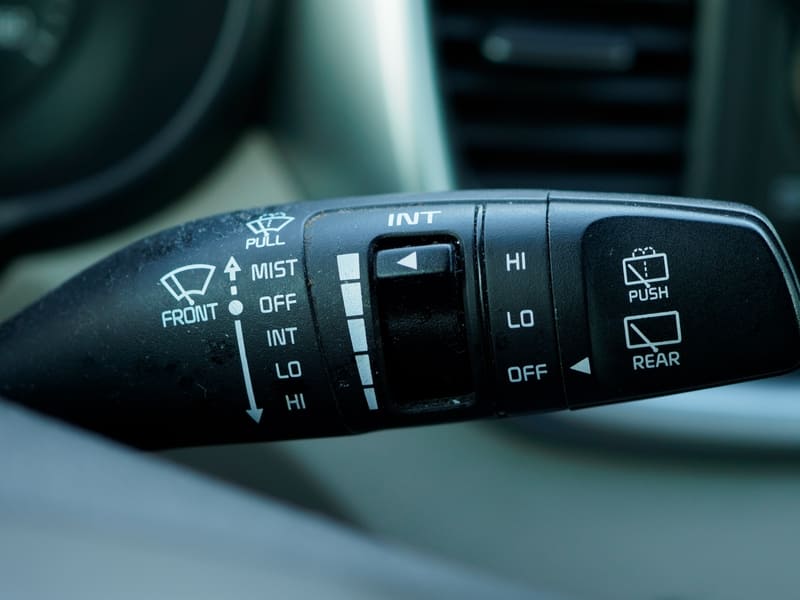
Most cars position the windshield wipers control lever to the right of the steering wheel, making it easily accessible for the driver during operation. To turn on windshield wipers in most cars, find the control lever to the right of the steering wheel and pull it down toward you. The system typically features multiple positions that activate different wiper speeds and modes.
Basic Wiper Speed Settings
Your vehicle's wiper system offers several speed options to match varying weather conditions:
- Intermittent Mode: Pushing the control stalk down once will turn on 'intermittent' wipers, which run every few seconds
- Slow Continuous: Pushing the stalk down again activates 'slow continuous' mode for the windshield wipers
- Fast Continuous: Pushing the stalk down once more activates 'fast continuous' mode for the windshield wipers
- Mist Function: Most cars have a 'mist' mode that lets the wipers run for 1-2 wipes
Control the speed of windshield wipers by turning the dial on the lever up or down. To increase wiper speed, rotate the dial towards you, while to reduce wiper speed, rotate the dial away from you. This adjustment feature allows precise control based on current weather conditions.
Quality windscreen wiper blades are crucial for optimal performance across all speed settings.
How Rain Sensing Windshield Wipers Work
Advanced technology has introduced rain sensing wipers that detect moisture automatically. Automatic sensors for windshield wipers operate by detecting the amount of moisture on the windshield using infrared technology. The infrared sensors emit a beam that reflects differently based on water coverage on the glass surface.
Rain-sensing windshield wipers adjust automatically to changing weather conditions, providing seamless operation without manual intervention. These systems speed up as rain increases and slow down when the rain lightens, ensuring optimal visibility throughout varying weather conditions.
Professional Tip: According to AUTODOC's automotive specialists, rain sensing systems work best when the windscreen is clean. Regular cleaning prevents false readings that can cause erratic wiper behaviour, especially during light drizzle or when road spray contains oils that scatter the infrared beam differently than pure water.
Rain Sensor Technology Benefits
Rain-sensing windshield wipers enhance driving safety and convenience by ensuring the windshield remains clear without constant manual adjustment. Mercedes-Benz vehicles use advanced technology in their rain-sensing windshield wipers for enhanced safety and comfort, with sensors that activate as rain starts to ensure clear visibility.
| Feature |
Manual Wipers |
Rain Sensing Wipers |
| Adjustment |
Manual control required |
Automatic adjustment |
| Response Time |
Driver dependent |
Instant detection |
| Convenience |
Requires attention |
Hands-free operation |
| Weather Adaptation |
Manual changes needed |
Seamless response |
Operating Your Windscreen Washer System
The windscreen washer system works alongside your wipers to maintain a clean windshield. Hold the lever for a few seconds to release wiper fluid, then let go to clean the windshield effectively. This process combines washer fluid with wiper blade action to remove dirt, grime, and road debris.
Washer Fluid Management
Check washer fluid levels regularly to ensure adequate cleaning of the windshield. Replace windshield washer fluid when the indicator light signals low fluid or if no fluid comes out when activated. Using winter washer fluid prevents freezing and aids in clearing ice and grime from the windshield during cold months.
The washer fluid reservoir is typically mounted in the engine bay and marked with a windscreen symbol. Choose the appropriate fluid type:
- Summer Formula: Standard cleaning for warm weather
- Winter Formula: Anti-freeze properties for cold conditions
- All-Season: Versatile option for year-round use
For optimal results, learn best ways to clean windscreen wiper blades to keep your system functioning effectively.

How to turn on back windshield wipers?
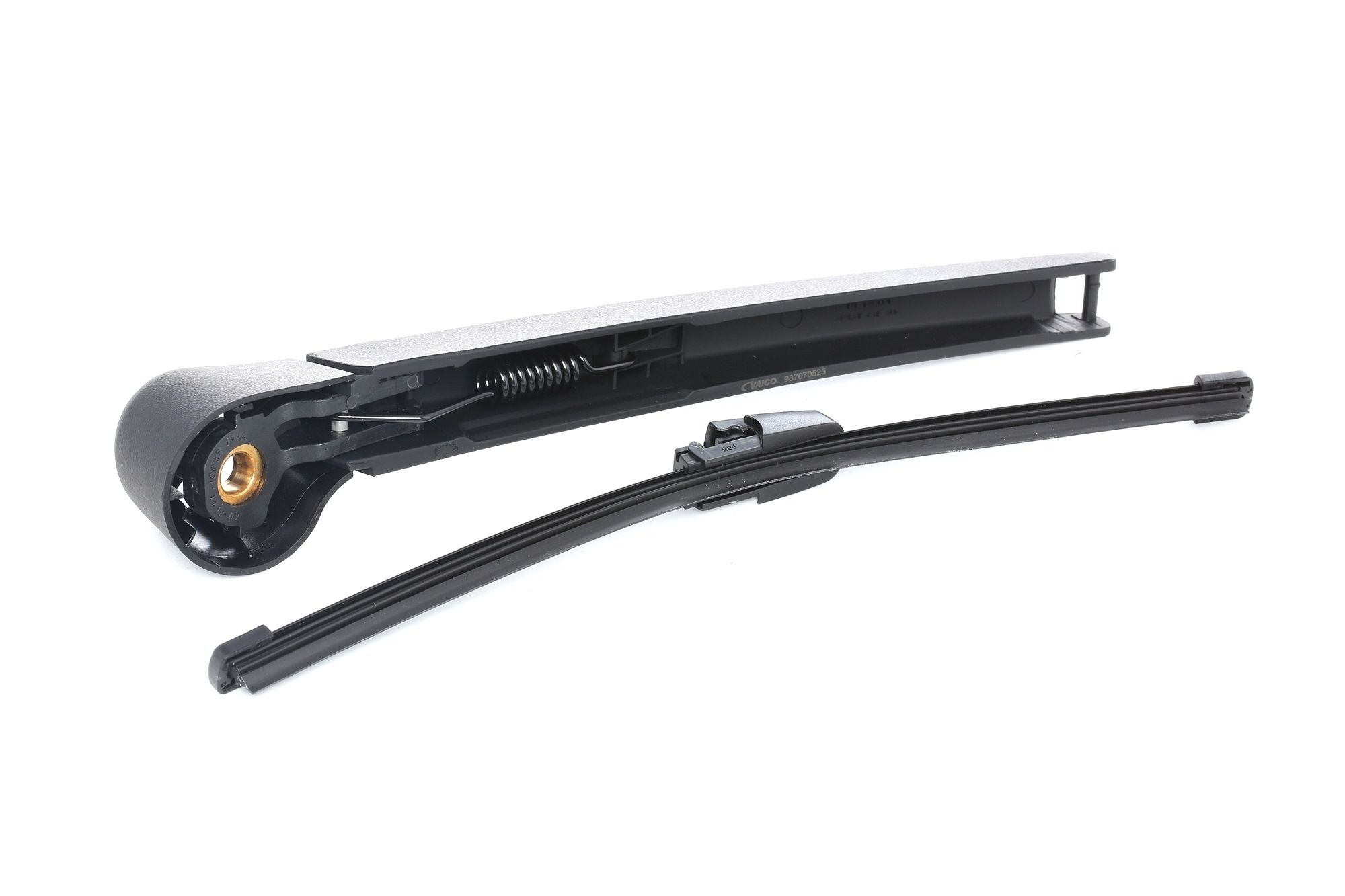
To turn on the rear windshield wipers, align the symbol on the dial with the 'on' label or push the button. To turn them off, align the symbol on the dial with the 'off' label or push the button again.
Rear windshield wipers are particularly important for hatchbacks and SUVs where rear visibility can be compromised by road spray and weather conditions.
Rear wipers on many vehicles, including SUVs and hatchbacks, are manually controlled, as they do not require the same automatic functionality as front windshield wipers. These systems typically feature separate controls, often located on the same stalk as front wipers or as a dedicated switch.
Troubleshooting Common Wiper Issues
When windshield wipers malfunction, quick troubleshooting can prevent safety hazards. Here are common problems and solutions:
Emergency Procedures for Wiper Failure
If your wipers stop working during heavy rain, follow these steps:
- Safely pull over when visibility becomes dangerous
- Check fuses in the vehicle's fuse box
- Inspect wiper blades for visible damage or obstruction
- Test washer fluid to ensure system functionality
Safety Reminder: Never attempt repairs while driving. If wipers fail completely during heavy rain, find the nearest safe location to stop and assess the situation. Driving with compromised visibility endangers yourself and other road users.
For persistent problems, consult our guide on how to fix wiper blades for comprehensive repair solutions.
Wiper Speed Selection for Different Conditions
Using the correct wiper speed setting adapts to varying weather conditions and maintains visibility while preventing wiper damage. Cat wipers allow for varying speed settings including intermittent, low, and high, providing flexibility for all driving situations.
| Weather Condition |
Recommended Setting |
Frequency |
| Light drizzle |
Intermittent |
Every 3-6 seconds |
| Heavy rain |
Fast continuous |
Constant operation |
| Snow/sleet |
Slow continuous |
Steady clearing |
| Mist/fog |
Mist function |
Single wipes as needed |
Maintenance and Replacement Guidelines
Regular maintenance ensures optimal wiper performance and extends blade life. Signs that indicate replacement needs include:
- Streaking or smearing across the windshield
- Chattering or skipping motion
- Visible wear or cracking on rubber blades
- Reduced cleaning effectiveness
Check our comprehensive guide on how often should you change wiper blades to understand proper replacement timing.
MOT Requirements and Legal Compliance
UK law requires functional windscreen wipers for vehicle roadworthiness. The DVLA mandates that wipers must effectively clear the windshield within the driver's field of vision. Learn about MOT wiper blade requirements to ensure compliance.
Selecting the Right Wiper Blades
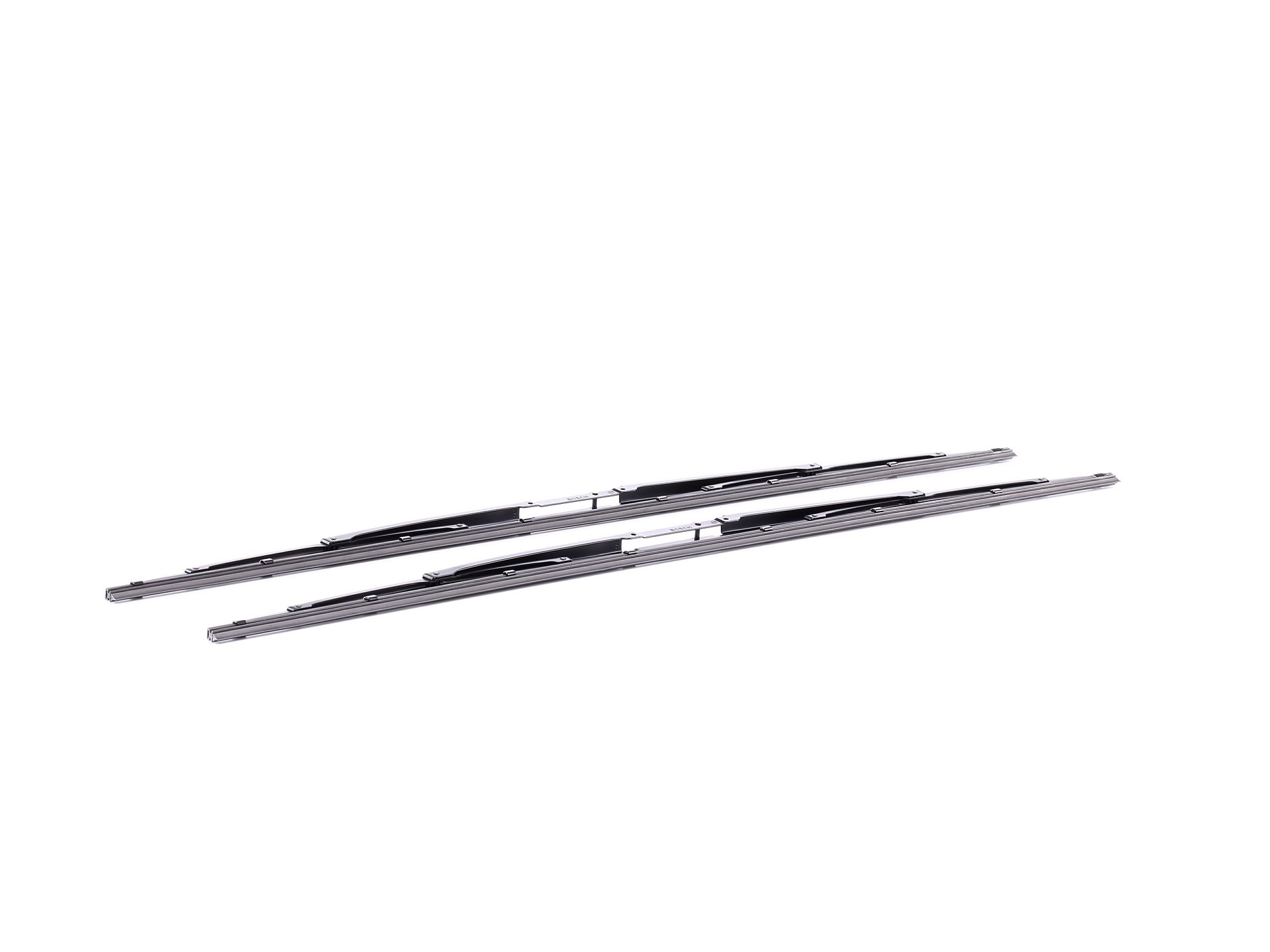
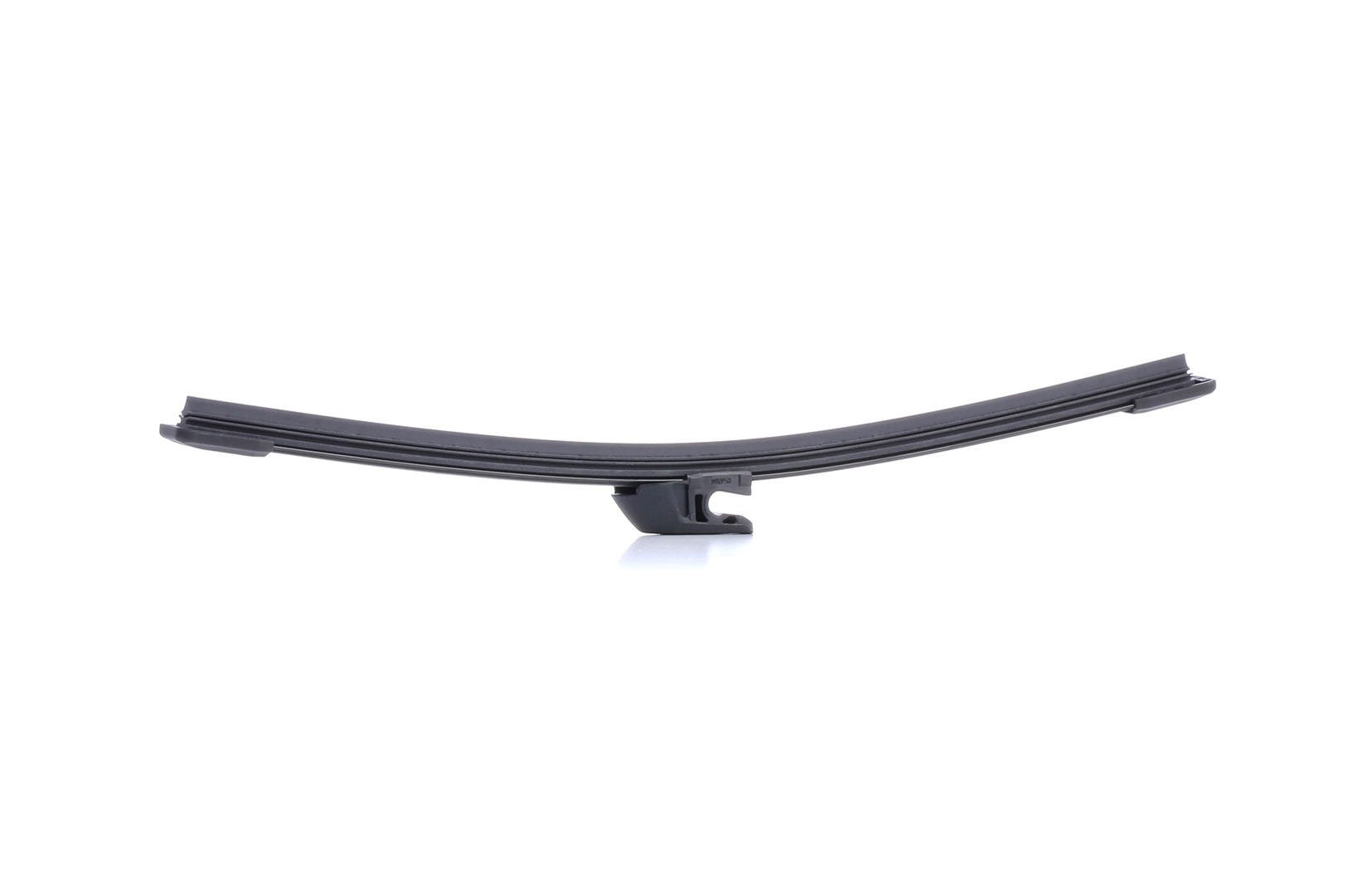
Choosing appropriate replacement blades affects performance significantly. Consider these factors:
- Blade type: Traditional, beam, or hybrid designs
- Size compatibility: Match your vehicle's specifications
- Weather conditions: Standard or winter-specific blades
- Quality standards: Premium materials for longer life
Explore our selection of best windshield wiper blades to find the perfect match for your vehicle.
Advanced Wiper Features
Modern vehicles increasingly feature sophisticated wiper systems with additional conveniences:
- Variable intermittent settings for precise timing control
- Speed-sensitive operation that adjusts with vehicle velocity
- Heated wiper parks to prevent ice buildup
- Integrated washer nozzles for targeted cleaning
Winter Considerations for UK Drivers
British weather demands special attention to wiper performance during winter months. Ice, snow, and freezing temperatures can significantly impact wiper effectiveness. Ensure your washer fluid contains anti-freeze properties and consider upgrading to winter wiper blades for enhanced cold-weather performance.
Regular blade inspection becomes crucial during winter, as ice can damage rubber components. If you notice persistent noise issues, our guide on stopping wiper blade squeaking provides effective solutions.
Conclusion
Mastering windscreen wiper operation ensures safe driving in all weather conditions while maintaining legal compliance. From basic manual controls to advanced rain sensing systems, proper understanding and maintenance of your wiper system protects you and other road users. Regular inspection, appropriate fluid selection, and timely blade replacement are essential for optimal performance. When replacement time comes, choose quality replacement wiper blades to maintain clear visibility and driving safety throughout the year.
Frequently Asked Questions
Is it illegal to drive without windshield wipers?
Yes, driving without functional windshield wipers is illegal in the UK. The Road Traffic Act requires adequate visibility, and faulty wipers can result in MOT failure and potential fines during roadside inspections.
Why do new cars not have rear windshield wipers?
Modern sedans rely on aerodynamics to keep rear windows clean through airflow. SUVs and hatchbacks still need rear wipers due to their boxy design creating turbulence that deposits dirt on rear glass surfaces.
Is it a legal requirement to have a rear windscreen wiper in the UK?
No specific law mandates rear wipers, but if your vehicle came with one originally, it must function properly for MOT testing. Check your owner's manual for further details about your model requirements.
Why do people flip their windshield wipers up when it snows?
Lifting wipers prevents ice from bonding blades to the windshield. This convenient method means easier removal of snow and ice, protecting blade rubber from damage when temperatures drop below freezing overnight.
What are the disadvantages of automatic rain sensing wipers?
Rain sensors can malfunction in certain conditions, activating unnecessarily during car washes or failing to detect light mist. Repair fees can be higher, and software updates may be required for optimal performance.
How does the car know it's raining?
Cars use infrared sensors that emit a light beam through the windshield. When raindrops hit the glass, they change how light reflects back to the sensor, triggering automatic wiper activation based on moisture detection.
Why do new cars not have rear wipers?
Sedan aerodynamics naturally keep rear windows clean through air flow patterns. Only vehicles with disrupted airflow like SUVs, hatchbacks, and estate cars require rear wipers to maintain a windshield clear of debris and water.


 12 November 2025 (updated)