Table of Contents

 27 October 2023
 Mitsubishi Outlander: throttle body, suspension problems, and common faults
The Mitsubishi Outlander is a popular crossover SUV manufactured by Mitsubishi Motors. It has been in production since 2001 and has gone through several generations of updates and redesigns. Despite its popularity, there are a number of problems reported by Outlander owners. Here we look at some of the most common ones.
Defective ignition coils/spark plugs/ignition leads
Look for engine hesitation when accelerating or a noticeable loss of power. Rough idle, frequent misfires and increased fuel consumption could also indicate faulty ignition coils. Also, look out for the check engine light on your dashboard. In more serious cases, if the ignition coils are significantly damaged, you may have problems starting the engine or it may not start at all.
Dirty/clogged fuel filter
A possible indication that your Mitsubishi Outlander DPF filter may be failing is when it restricts fuel flow, resulting in insufficient fuel supply to maintain engine performance at high load or high speed. You may notice these turbo problems when driving uphill or accelerating, as the engine may feel underpowered or lacking in power. This lack of power can be attributed to a compromised Mitsubishi Outlander fuel filter.
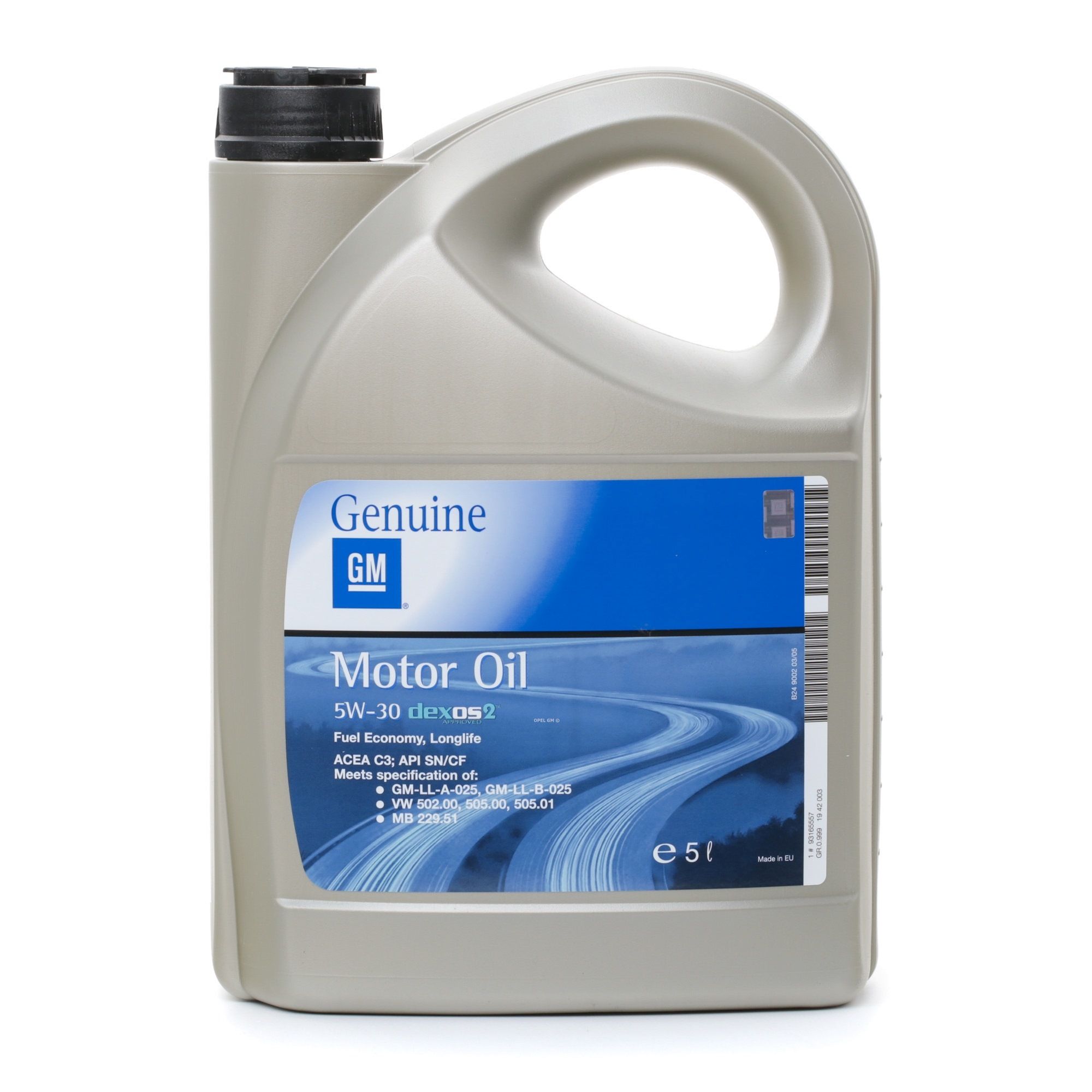 OPEL GM Engine oil
5W-30, 5l, Synthetic Oil
Article number: 19 42 003
£ 37,37
£ 7,47 for 1 litre
price incl. 20% VAT, excl. delivery costs
OPEL GM Engine oil
5W-30, 5l, Synthetic Oil
Article number: 19 42 003
£ 37,37
£ 7,47 for 1 litre
price incl. 20% VAT, excl. delivery costs
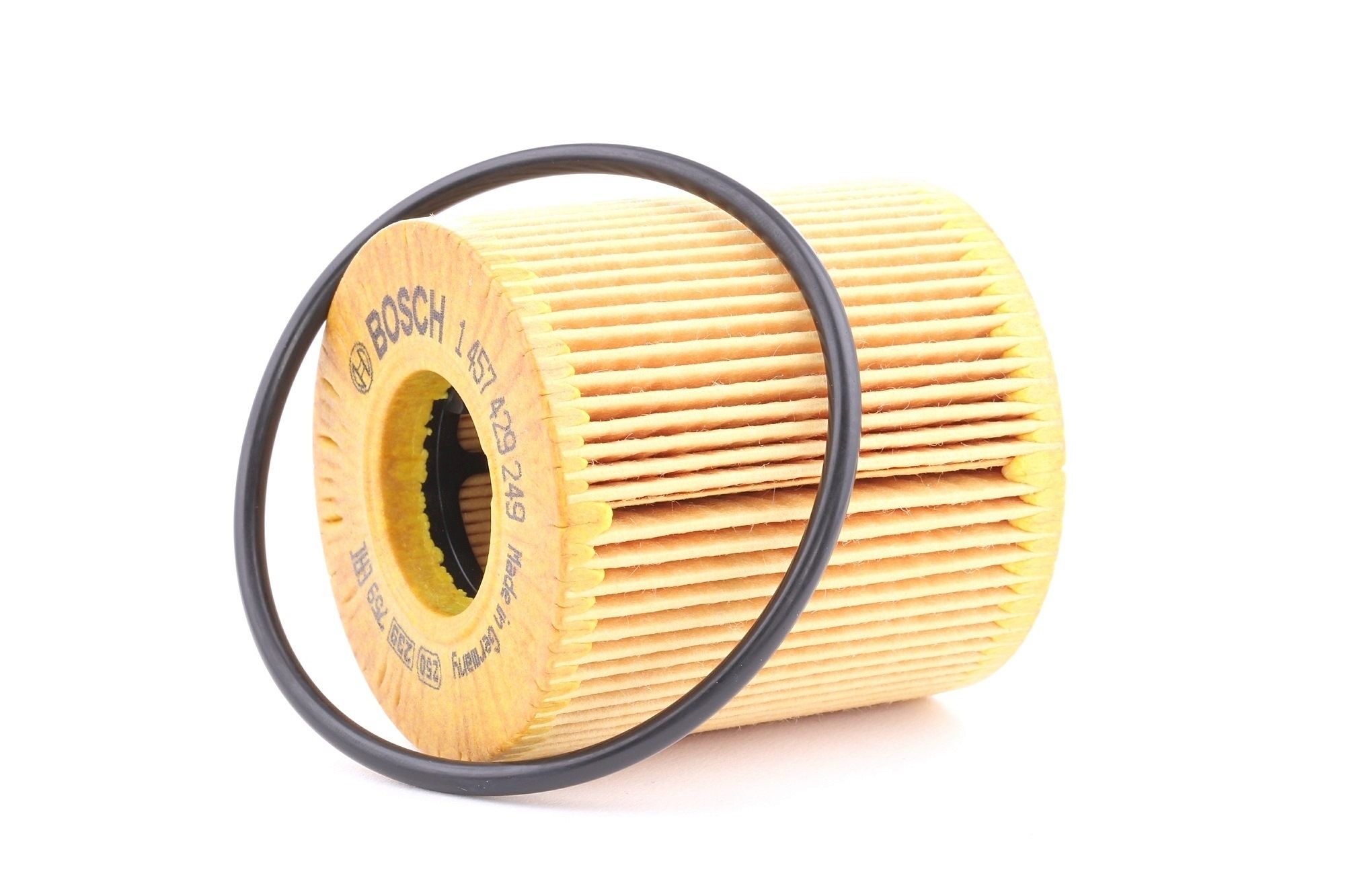 BOSCH Oil filter
Filter Insert
Article number: 1 457 429 249
£ 7,09
price incl. 20% VAT, excl. delivery costs
-20%
BOSCH Oil filter
Filter Insert
Article number: 1 457 429 249
£ 7,09
price incl. 20% VAT, excl. delivery costs
-20%
 Article number: 1496
compared to
RRP
£ 23,65
£ 18,73
Price per item
price incl. 20% VAT, excl. delivery costs
Article number: 1496
compared to
RRP
£ 23,65
£ 18,73
Price per item
price incl. 20% VAT, excl. delivery costs
 Article number: 08880-80845
£ 60,96
£ 12,19 for 1 litre
price incl. 20% VAT, excl. delivery costs
-16%
Article number: 08880-80845
£ 60,96
£ 12,19 for 1 litre
price incl. 20% VAT, excl. delivery costs
-16%
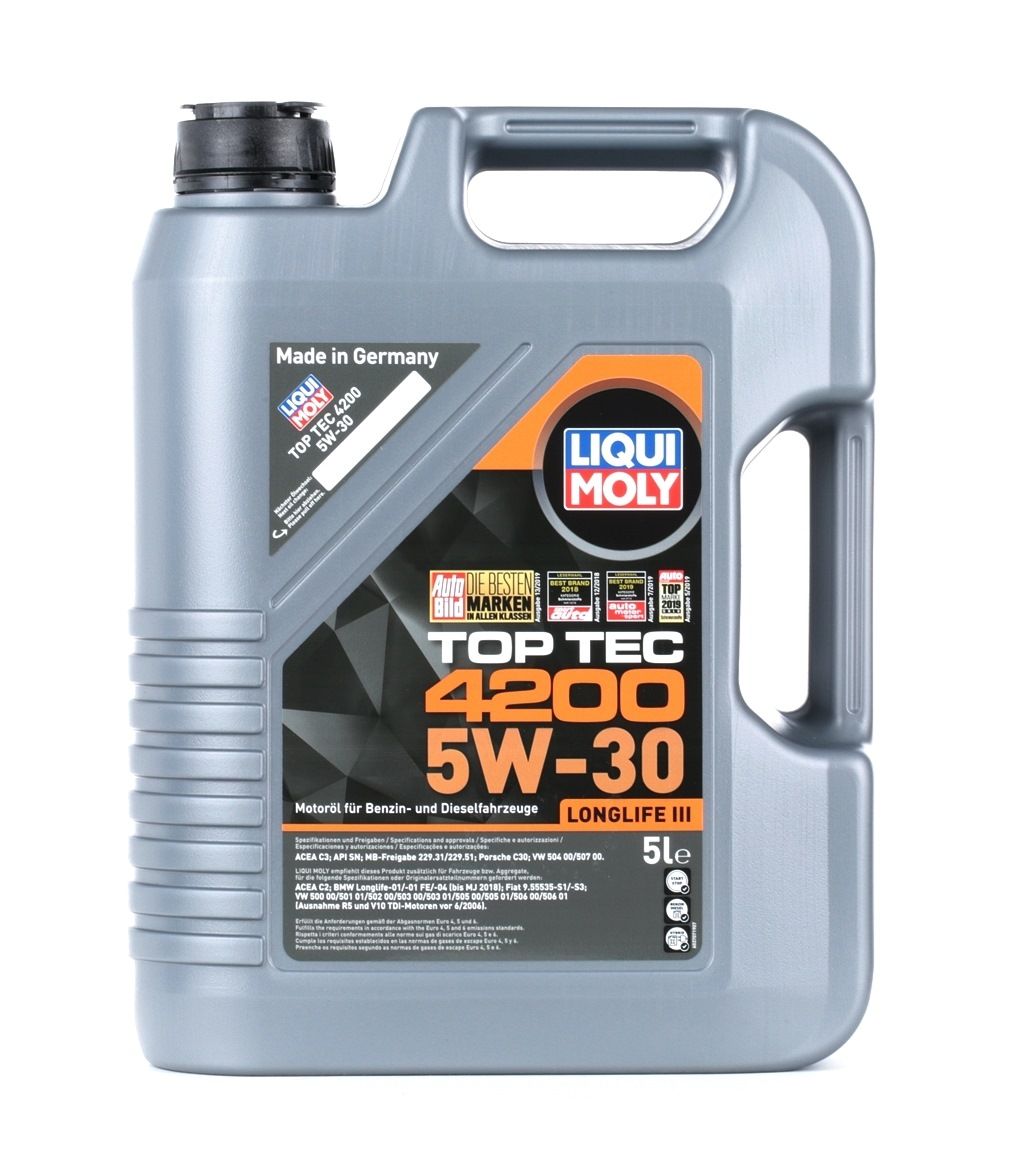 LIQUI MOLY Engine oil
5W-30, 5l
Article number: 3707
compared to
RRP
£ 71,35
£ 59,23
Price per item
£ 11,85 for 1 litre
price incl. 20% VAT, excl. delivery costs
LIQUI MOLY Engine oil
5W-30, 5l
Article number: 3707
compared to
RRP
£ 71,35
£ 59,23
Price per item
£ 11,85 for 1 litre
price incl. 20% VAT, excl. delivery costs
Throttle body problems
If you find that your engine's idle speed is rough or unstable, this could be a sign of problems with your Outlander throttle body. A dirty or clogged throttle body can disrupt airflow and affect engine performance. The presence of dirt, grime or carbon deposits in the throttle body housing can obstruct the proper flow of air and fuel, resulting in erratic engine operation. In more severe situations, the engine may even stall at idle or exhibit sporadic high revs.
Clogged / dirty fuel injectors
The Mitsubishi Outlander diesel and petrol injectors can malfunction in one of two ways. Firstly, they can become clogged, dirty or unresponsive, resulting in insufficient fuel reaching the combustion chamber. This can lead to reduced engine performance. Secondly, injectors can develop leaks, which can be more problematic. Leaking injectors can cause damage and require immediate attention to prevent further complications.
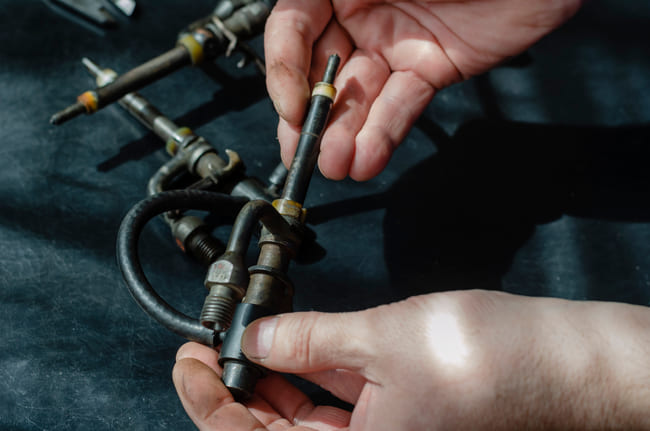
Charging problems
Like any other electric or plug-in hybrid vehicle, the Outlander relies on a charging system to recharge the battery – and batteries sometimes go flat. Make sure to keep the battery and its terminals clean and free from corrosion and ensure that the battery connections are tight and secure.
Suspension problems
One of the most common problems encountered by Mitsubishi Outlander owners is difficulty in steering the vehicle, which can be attributed to various suspension problems. These problems are often caused by broken tie rods, springs or control arms. Another notable symptom is that the suspension becomes increasingly noisy over time. Keep an eye on these problems as they have the potential to become significant safety issues if the suspension fails completely while driving.
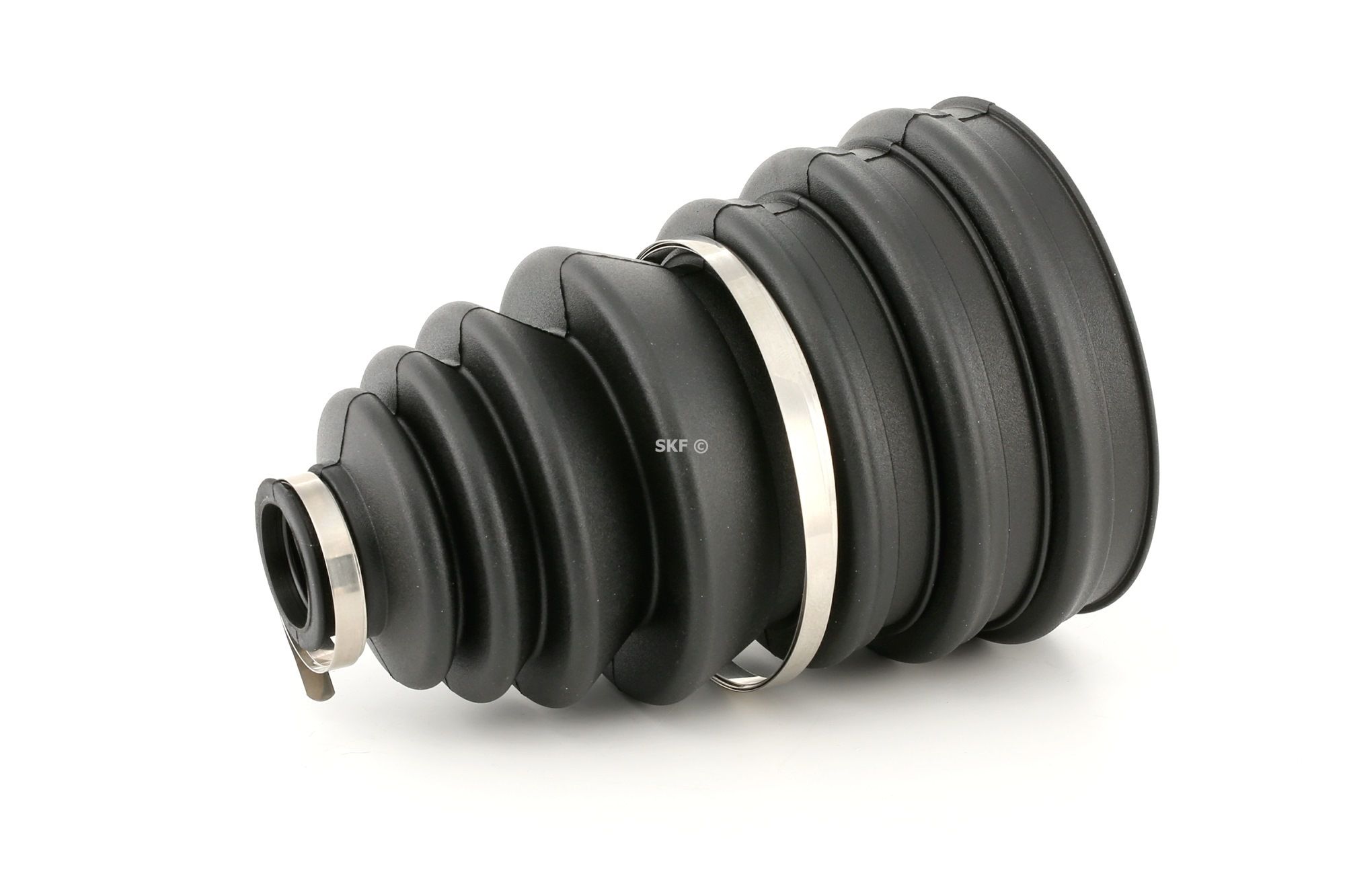 SKF Bellow Set, drive shaft
146 mm, with clamps
Article number: VKJP 01001
£ 11,38
price incl. 20% VAT, excl. delivery costs
SKF Bellow Set, drive shaft
146 mm, with clamps
Article number: VKJP 01001
£ 11,38
price incl. 20% VAT, excl. delivery costs
 Article number: MN8207-4
More
£ 21,53
£ 5,38 for 1 litre
price incl. 20% VAT, excl. delivery costs
Article number: MN8207-4
More
£ 21,53
£ 5,38 for 1 litre
price incl. 20% VAT, excl. delivery costs
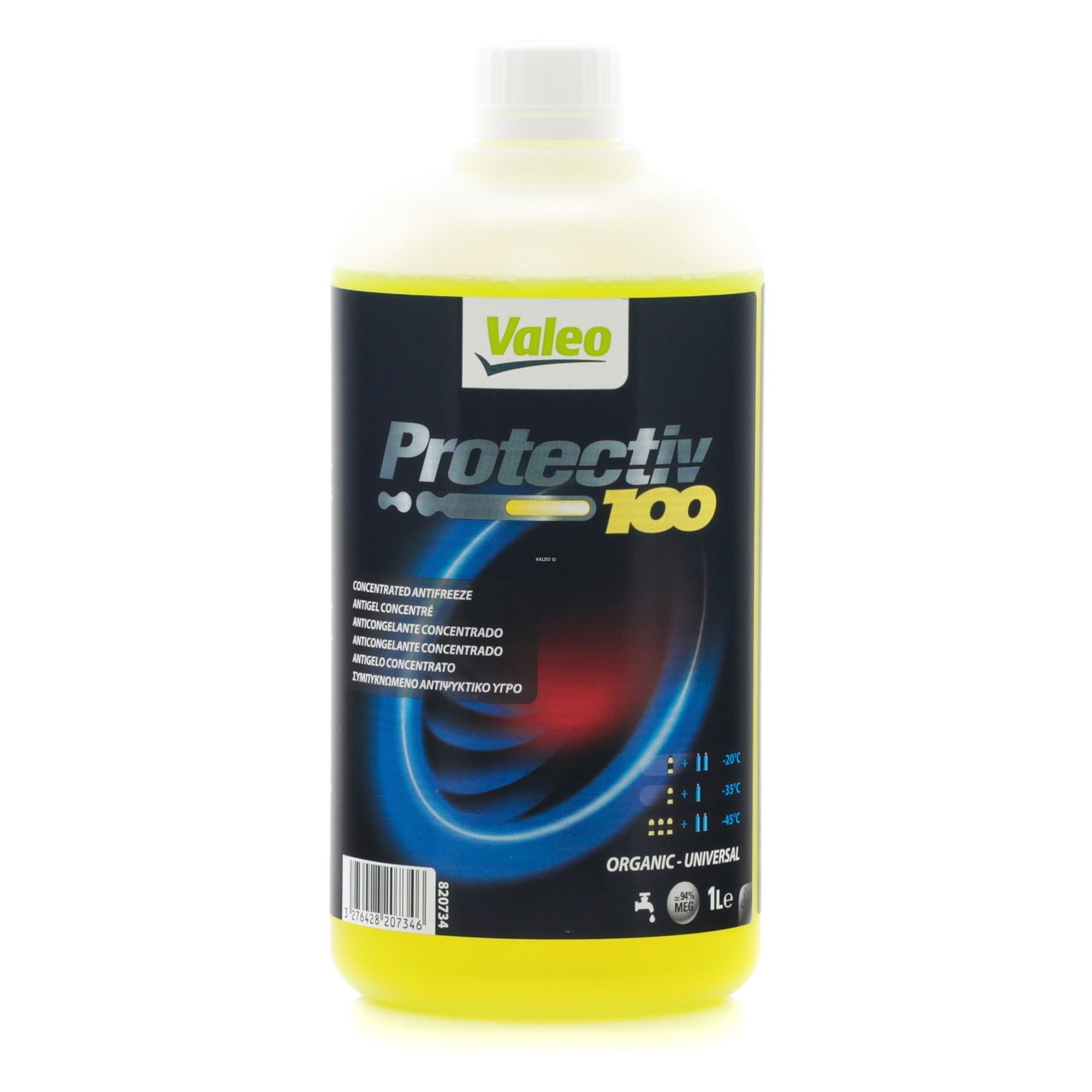 VALEO Antifreeze
G12, yellow, 1l, Concentrate, Amine free-Phosphate free
Article number: 820734
More
£ 7,47
£ 7,47 for 1 litre
price incl. 20% VAT, excl. delivery costs
-34%
VALEO Antifreeze
G12, yellow, 1l, Concentrate, Amine free-Phosphate free
Article number: 820734
More
£ 7,47
£ 7,47 for 1 litre
price incl. 20% VAT, excl. delivery costs
-34%
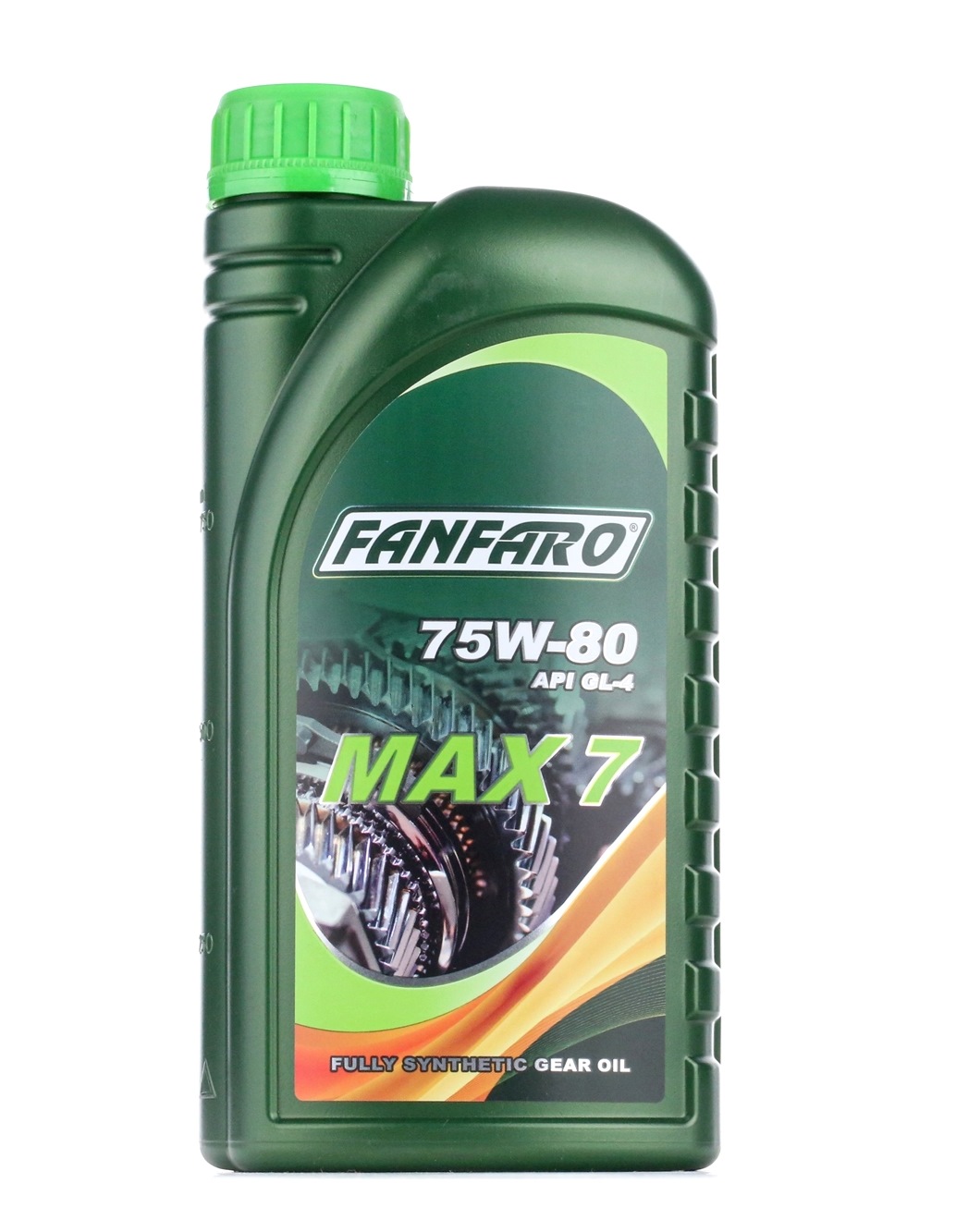 FANFARO Transmission fluid
75W-80, Capacity: 1l
Article number: FF8710-1
More
compared to
RRP
£ 11,22
£ 7,34
£ 7,34 for 1 litre
price incl. 20% VAT, excl. delivery costs
FANFARO Transmission fluid
75W-80, Capacity: 1l
Article number: FF8710-1
More
compared to
RRP
£ 11,22
£ 7,34
£ 7,34 for 1 litre
price incl. 20% VAT, excl. delivery costs
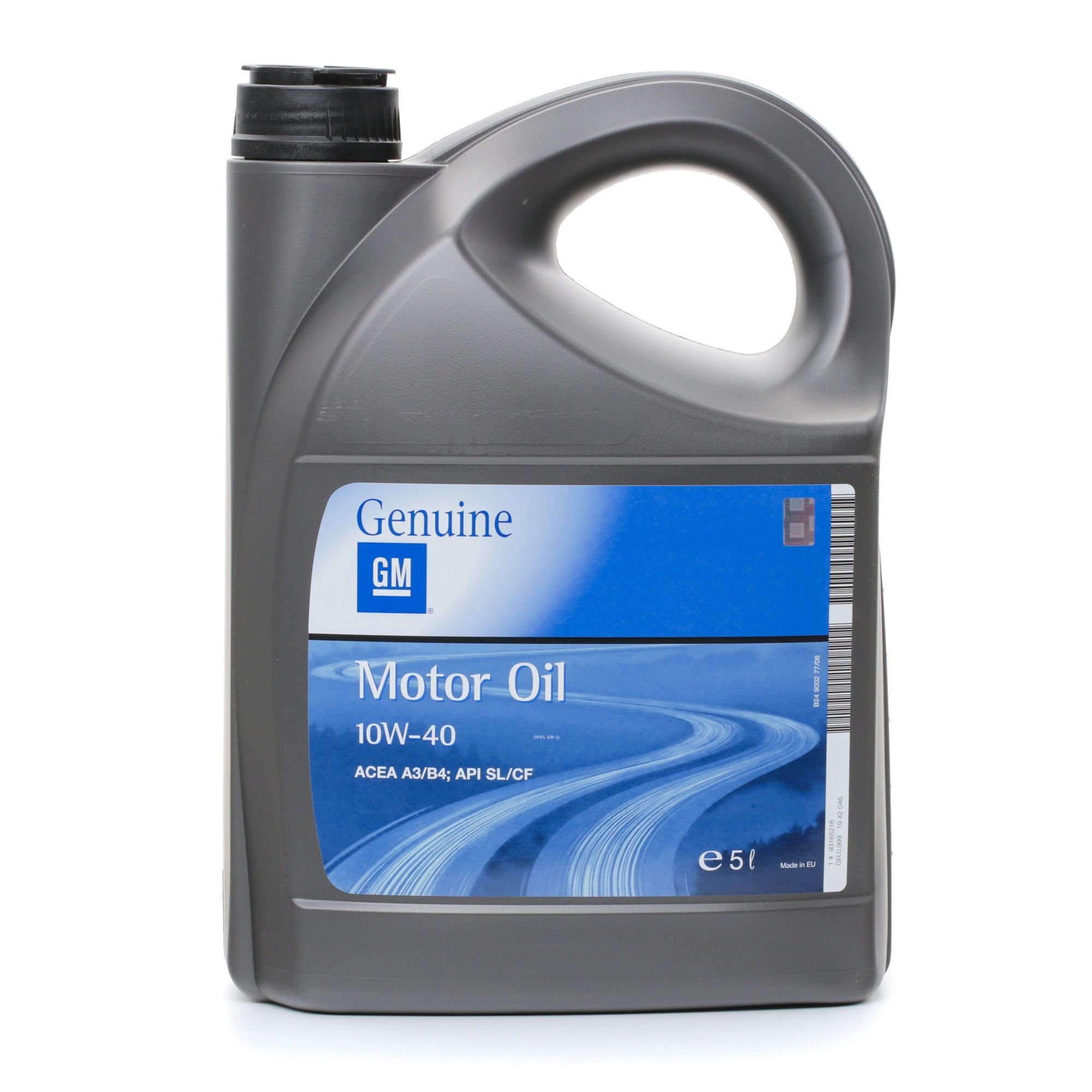 OPEL GM Engine oil
10W-40, 5l, Part Synthetic Oil
Article number: 19 42 046
£ 28,84
£ 5,77 for 1 litre
price incl. 20% VAT, excl. delivery costs
OPEL GM Engine oil
10W-40, 5l, Part Synthetic Oil
Article number: 19 42 046
£ 28,84
£ 5,77 for 1 litre
price incl. 20% VAT, excl. delivery costs
Diesel problems
Not every Outlander has experienced diesel problems. It is important to note that the occurrence of diesel problems may vary depending on the specific model, year and individual circumstances. While some models with diesel engines may have had problems, this does not necessarily apply to all vehicles in the range or all diesel engines used by Mitsubishi.
Accessories and spare parts
Mitsubishi Outlander accessories and spare parts are specifically designed and engineered to fit the make, model and specifications of your vehicle. Using the right parts ensures optimum performance and functionality as they are manufactured to the required standards and rigorously tested to ensure compatibility and reliability. Properly functioning parts contribute to the overall performance, safety and longevity of your vehicle. Potential buyers or dealers prefer vehicles with quality parts because they have confidence in the standard and integrity of the parts. This can translate into a higher resale price or better trade-in offers.
Top products related to this topic: