Reliability VW Golf 7: common problems, issues symptoms and faults
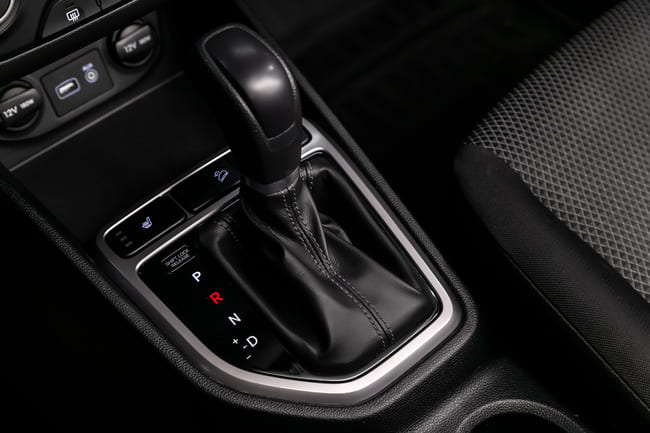
DSG-gearbox problems: The DSG-gearbox often shows symptoms such as jerky gear changes or loss of power, especially in the 1.2 TSI and 1.4 TSI-engines. These problems often occur between 60,000-80,000 km and can be remedied by software updates or clutch replacement.
Timing chain problems in TSI-engines: The 1.4 TSI 125 PS and 1.4 TSI 140 PS engines suffer from premature timing chain wear, which can occur as early as 40,000 km. Typical symptoms are rattling noises during cold starts and engine warning lights.
Air conditioning not cooling properly: This problem often occurs after 50,000-70,000 km, especially in GTI and GTD models. The causes range from defective compressors to leaking refrigerant lines.
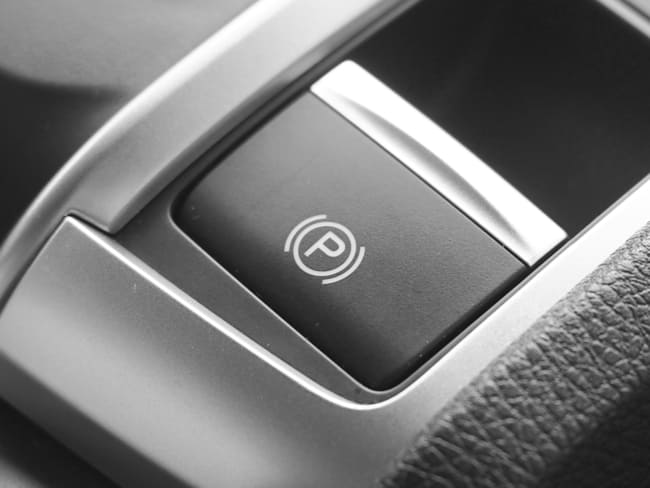
Electronic parking brake malfunctions: The electric parking brake can cause problems after just 30,000 km, especially if used frequently in urban areas. Symptoms include error messages in the display or mechanical failure of the brake.
The DSG-gearbox of the VW Golf 7 frequently exhibits complaints such as jerky gear changes, loss of power or complete failure of the automatic gearshift. These faults occur particularly in the 1.2 TSI 86 PS, 1.2 TSI 105 PS and 1.4 TSI 122 PS variants. The symptoms often manifest themselves in the form of delayed gear changes, unusual noises or error messages in the instrument cluster. The reliability of the DSG-system is particularly critical between 60,000-80,000 km, although earlier failures at 30,000-40,000 km have also been documented. The service life of the clutch is strongly influenced by driving style and maintenance intervals.
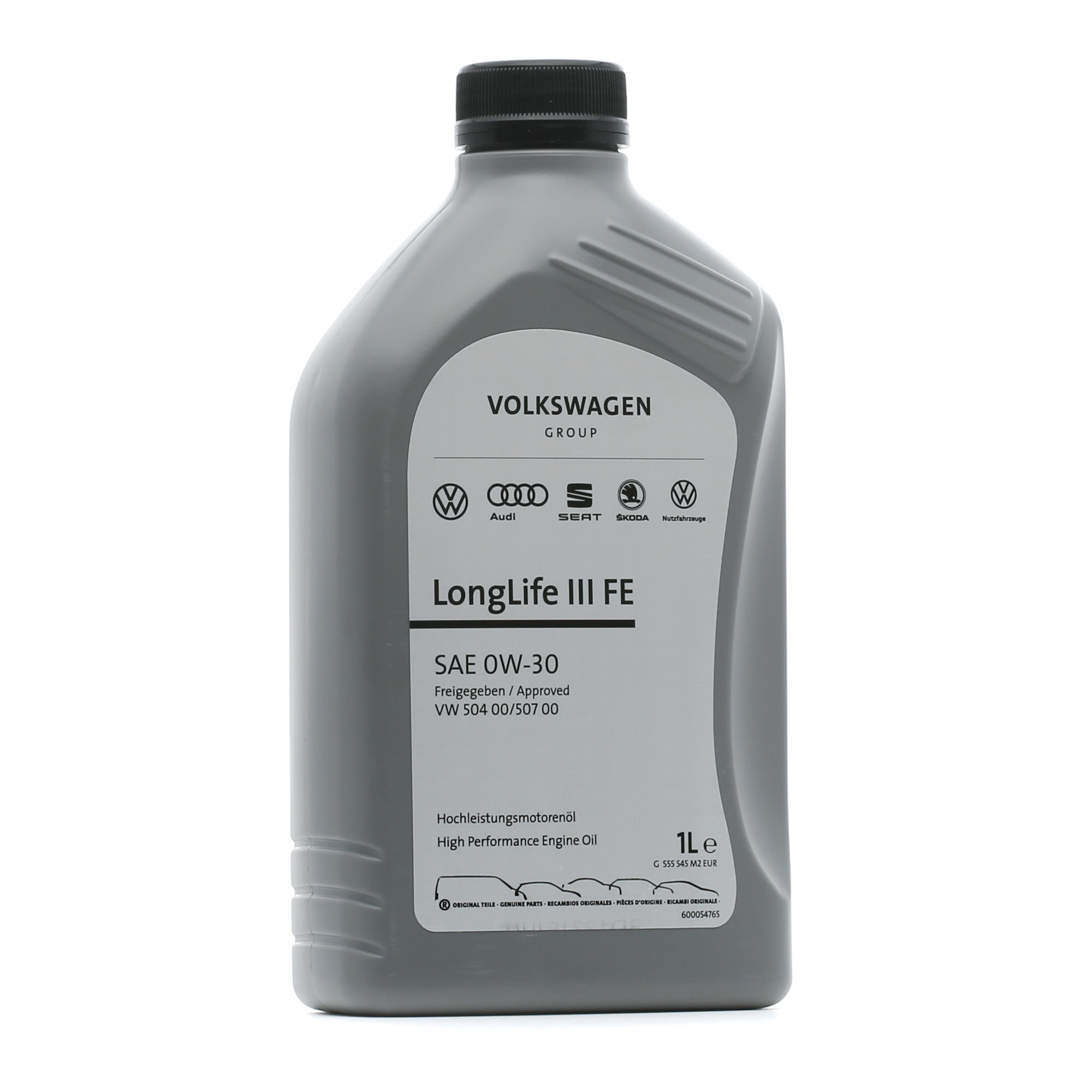
Regular maintenance is crucial for the longevity of the transmission system. The sensitive Golf 7 DSG-gearboxes require an oil change with special DSG oil every 40,000 km and regular software updates. At the first signs of shifting problems, a diagnosis should be carried out using VCDS or VAS tester to read out error codes and check the clutch adaptation. Preventive measures such as a gentle driving style and avoiding stop-and-go traffic can significantly extend the service life.
VW Golf 7: Problems with the timing chain in TSI-engines
The timing chain of the 1.4 TSI-engines, particularly in the 1.4 TSI 125 PS, 1.4 TSI 140 PS and 1.4 TSI 150 PS variants, shows premature wear and can cause problems from as little as 40,000 km. Typical symptoms are metallic rattling noises at cold start, especially in the first 10-15 seconds after starting. These noises are caused by elongated timing chains or worn chain tensioners. The check engine light may illuminate if the timing is no longer correct. Advanced wear can lead to engine damage if the chain jumps or breaks.
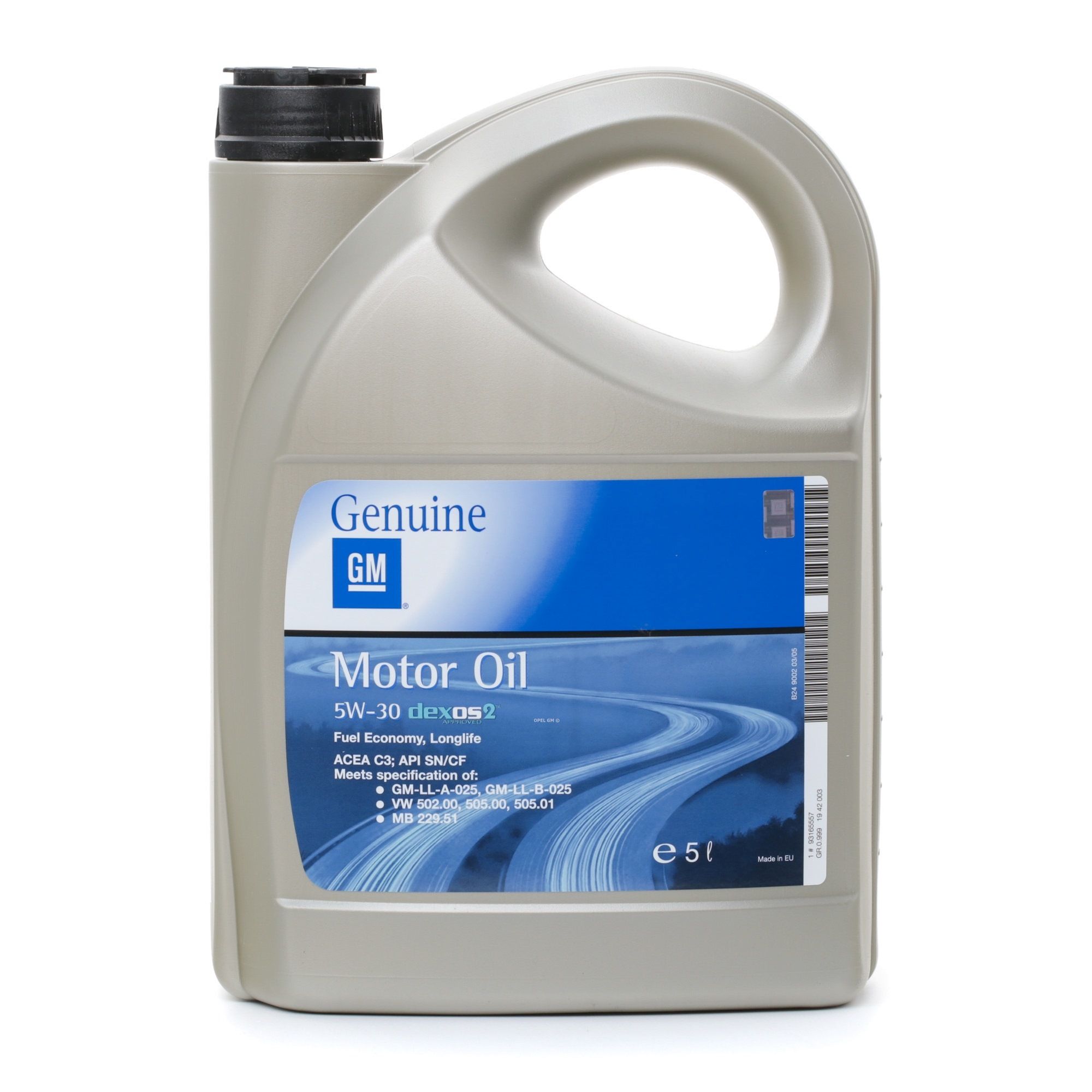
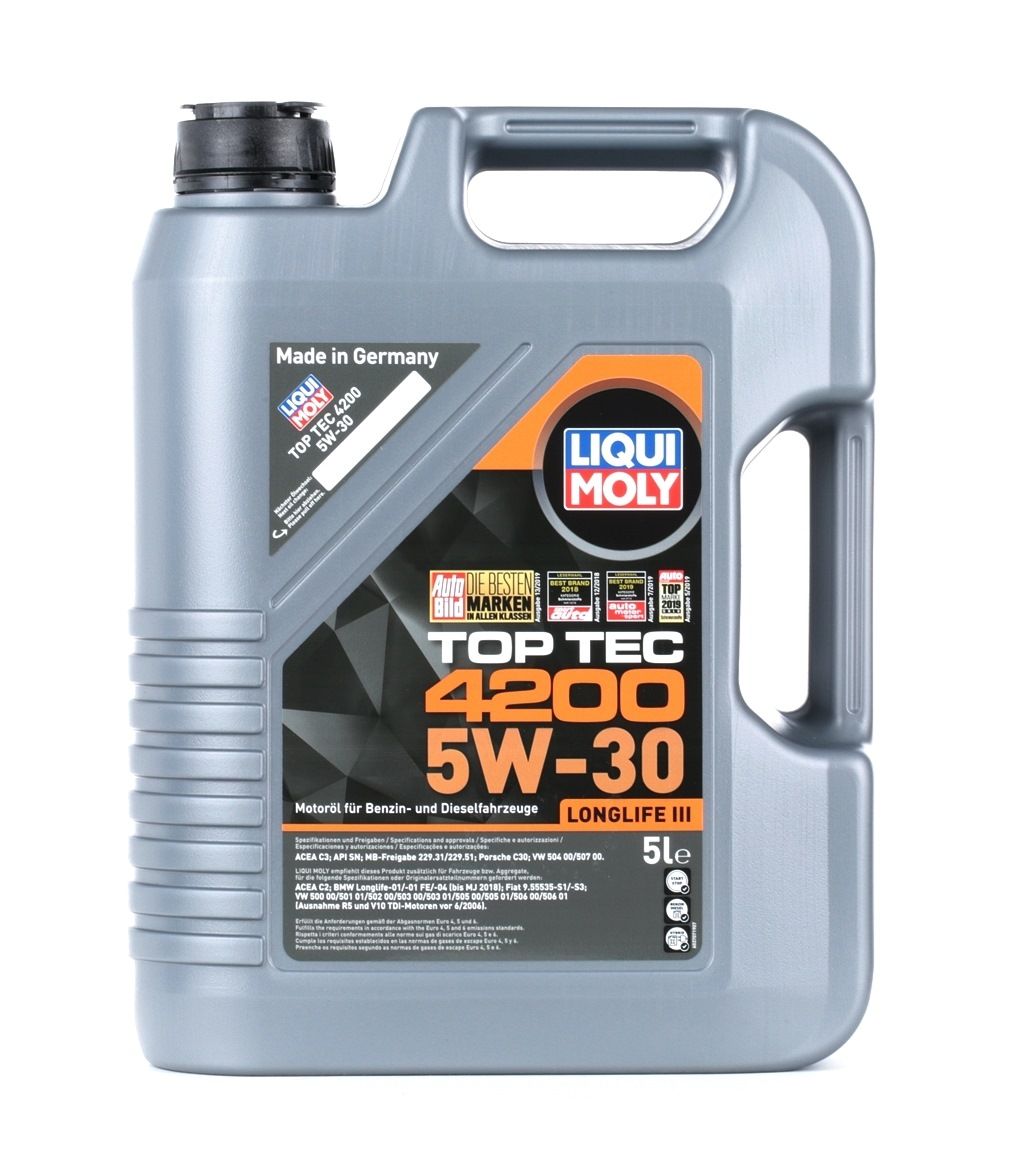
A professional inspection is essential at the first sign of chain noise. The problematic VW Golf 7 timing chains require a precise diagnosis using an endoscope and measurements of the chain elongation every 20,000-30,000 km. Replacing the complete timing chain including tensioner and guide rails is often the only permanent solution. Regular oil changes every 10,000 km with high-quality 5W-30 oil can extend the service life of the timing chain and prevent premature wear.
Volkswagen Golf 7: Problems with the air conditioning system
The air conditioning system does not cool sufficiently or fails completely, which is particularly common in GTI, GTD and GTE models. These malfunctions are manifested by warm air from the air vents, unusual noises from the compressor or complete failure of the cooling system. Common causes are defective compressors, leaking refrigerant lines or worn expansion valves. In powerful engines such as the GTI 220 PS, GTI 230 PS and GTI 245 PS, the air conditioning system is particularly stressed. The problems typically occur between 50,000-70,000 km, but can also occur earlier with intensive use.
A systematic check is required to correctly diagnose the air conditioning problems. The complex VW Golf 7 air conditioning systems require regular maintenance every 2 years with refrigerant checks and system cleaning. Diagnosis is carried out by means of pressure measurements, leakage testing with UV contrast agent and functional testing of all components. Preventive measures such as regular operation even in winter and annual pollen filter replacement can significantly extend the service life of the system.
VW Golf 7: Problems with the electric parking brake
The electric parking brake shows malfunctions such as error messages in the display, mechanical failure or complete locking of the rear wheels. These complaints frequently occur with all engine variants, from the smaller 1.0 TSI 110 PS to the more powerful 2.0 TDI 150 PS and 2.0 TDI 184 PS engines. Typical symptoms are warning messages such as "Parking brake! Please contact workshop", grinding noises or the inability to release or activate the brake. The problems are often caused by worn brake pads, defective servomotors or corrosion on the brake callipers. The period between 30,000-60,000 km is particularly critical, although earlier failures can also occur with intensive urban use.
Professional maintenance is crucial for the reliable functioning of the brake system. The sensitive VW Golf 7 parking brake systems require a check of the brake pads and servomotors every 20,000 km as well as regular calibration using a diagnostic device. In the event of problems, a basic adjustment of the parking brake is often necessary, which can only be carried out with special software. Regular use of the parking brake and avoidance of salt water can prevent corrosion and maintain functionality.
Volkswagen Golf 7: Problems with the heating and interior comfort
The heating does not get warm or the radio does not come on, resulting in a considerable loss of comfort. These malfunctions affect various engine variants such as the 1.6 TDI 110 PS, 1.6 TDI 116 PS and the TSI-engines in equal measure. Common symptoms are cold air from the heating nozzles, defective blower motors or complete failure of the interior lighting. In addition, problems can occur with the key if the key LED does not light up or the key does not work after a battery change. The central locking system does not work reliably and the fuel filler cap does not open. These breakdowns often occur between 40,000-80,000 km and can be caused by defective control units or broken cables.
Regular maintenance is essential to ensure the functionality of the electrical systems. The complex Golf 7 comfort systems require regular software updates and checks of all plug connections every 30,000 km. If there are heating problems, the coolant level, thermostat and heating radiator should be checked. Key problems can often be solved by reprogramming or changing the battery, while radio problems are usually caused by fuse faults or coding errors. Preventive measures such as regular system checks can prevent major failures.
VW Golf 7: Problems with assistance systems and electronics
Front Assist is not available, the reversing camera does not retract and various electronic systems show errors. These complaints affect all engine variants from the 1.0 TSI 116 PS to the 2.0 TDI 4Motion and are manifested by warning messages in the display or complete system failure. The cruise control does not work correctly, Start-Stop does not start and the display does not work properly. Mechanical problems may also occur: the tailgate does not open, the trunk does not open and the driver's door does not open. Reverse gear does not engage and the automatic window regulator no longer works. These faults typically occur between 50,000-100,000 km, but can also occur earlier with intensive use of the electronics.
A systematic check is required to diagnose the complex electronics problems. The sensitive VW Golf 7 assistance systems require regular calibration and software updates every 2 years to function properly. Sensor problems can often be rectified by cleaning or recalibration, while mechanical defects usually require replacement of the affected components. Diagnosis is carried out using a VAS tester or VCDS for error code evaluation. Preventive maintenance and regular system checks can prevent most electronic failures and ensure the reliability of the assistance systems.
Additional common faults of the VW Golf 7
Based on the experiences of Golf 7 drivers, the following additional problems occur:
Oil pressure switch defects: Often occur in TDI engines between 80,000-120,000 km, cause engine warning lights and can lead to engine damage.
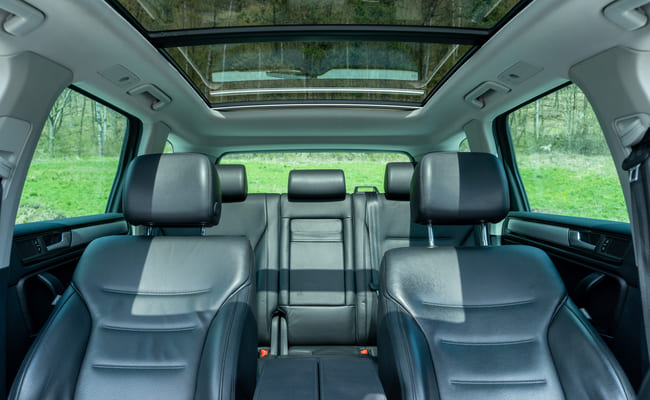
Panoramic roof problems: Mechanical defects or leaking seals often occur after 60,000-80,000 km, especially with frequent use.
Cigarette lighter does not work: Electrical problems with the 12V socket occur between 40,000-70,000 km, usually due to fuse defects or contact problems.
Battery status is not displayed: Defective battery sensors or ECU problems manifest between 50,000-90,000 km.
Interior lighting does not go out: Door contact switch or ECU defects often occur after 30,000-60,000 km.
Manual transmission problems: Sluggish shifting or transmission oil leaks in manual transmissions between 100,000-150,000 km.
Based on feedback from vehicle owners, these additional weaknesses occur regularly and require preventive maintenance to avoid major damage.
Volkswagen Golf 7 problems: weaknesses and strengths
Strengths
Weak points
Modern TSI and TDI engines
DSG-gearbox problems
Good chassis tuning
Timing chain wear
High-quality workmanship
Air conditioning failures
Extensive safety equipment
Electronic parking brake defects
Good space
Assistance system faults
Low fuel consumption
Heating and comfort problems
Powerful engine variants (GTI, GTD, GTE)
Electronics failures
Solid body
Key and locking system defects
The Golf 7 is a technically advanced vehicle with modern engines and extensive equipment. The most common weak points concern the DSG-gearbox, the timing chain in TSI-engines and various electronic systems. Regular maintenance and preventive measures can prevent most problems and significantly extend the service life of the vehicle. Despite the known defects, the Golf 7 remains a popular and fundamentally reliable vehicle in its segment.
Useful videos on this topic:
How to change pollen filter on VW GOLF 7
How to change oil filter and engine oil on VW GOLF 7


 15 August 2025 (updated)