Problems with the Audi A5
Experiences Audi A5: Frequent defects, typical problems and weak points of the model
- Engine oil consumption in 2.0 TFSI engines: Excessive oil consumption often occurs in models built between 2008-2012, especially between 80,000-120,000 km. The causes are often Audi A5 piston rings or defective valve guides.
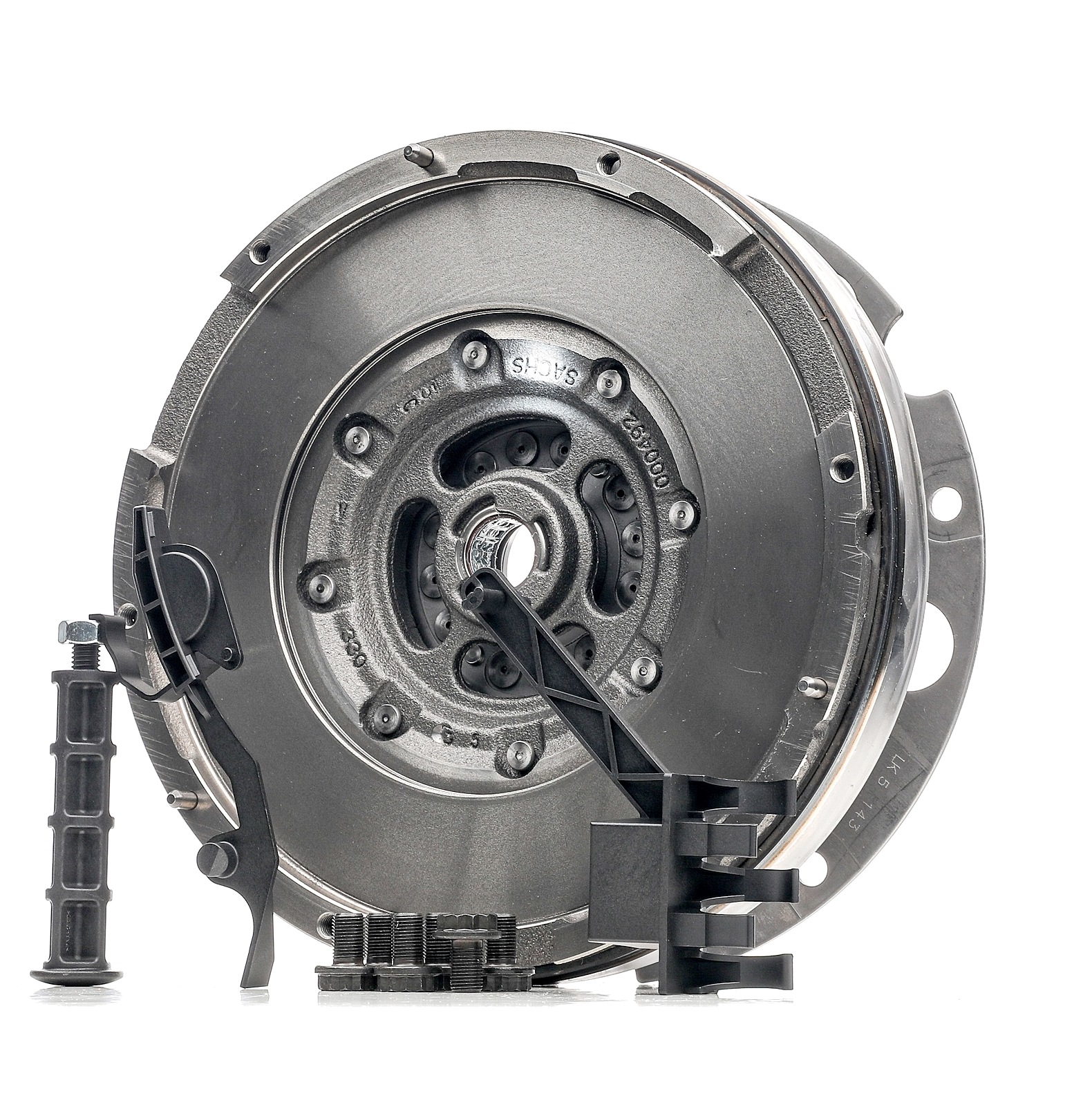
- Problems with the automatic transmission (8-speed Tiptronic): Jerking or delayed shifting mainly affects vehicles with the 3.0 TDI or 45 TFSI from 100,000 km. Software updates or the replacement of mechatronic components are often necessary.
- Defective parking brake: In convertible and Sportback variants (2010-2015), the electric parking brake fails from 50,000-80,000 km due to corroded cables or defective control modules.
- Air conditioning not cooling: Especially in the 3.2 FSI and 40 TDI models, cooling loss often occurs from 60,000-100,000 km due to leaking condensers or defective compressors.
Audi A5: Problems with engine oil consumption (2.0 TFSI)
Excessive oil consumption in Audi A5s with a 2.0 TFSI engine is one of the most common complaints. First-generation models (2008-2012) are particularly affected, with the oil level dropping noticeably after just 1,000-2,000 km. Technical analyses show that worn piston rings or coked valve guides are the main causes. Specific error codes such as P052E (oil pressure too low) or smoke formation during cold starts are typical symptoms.
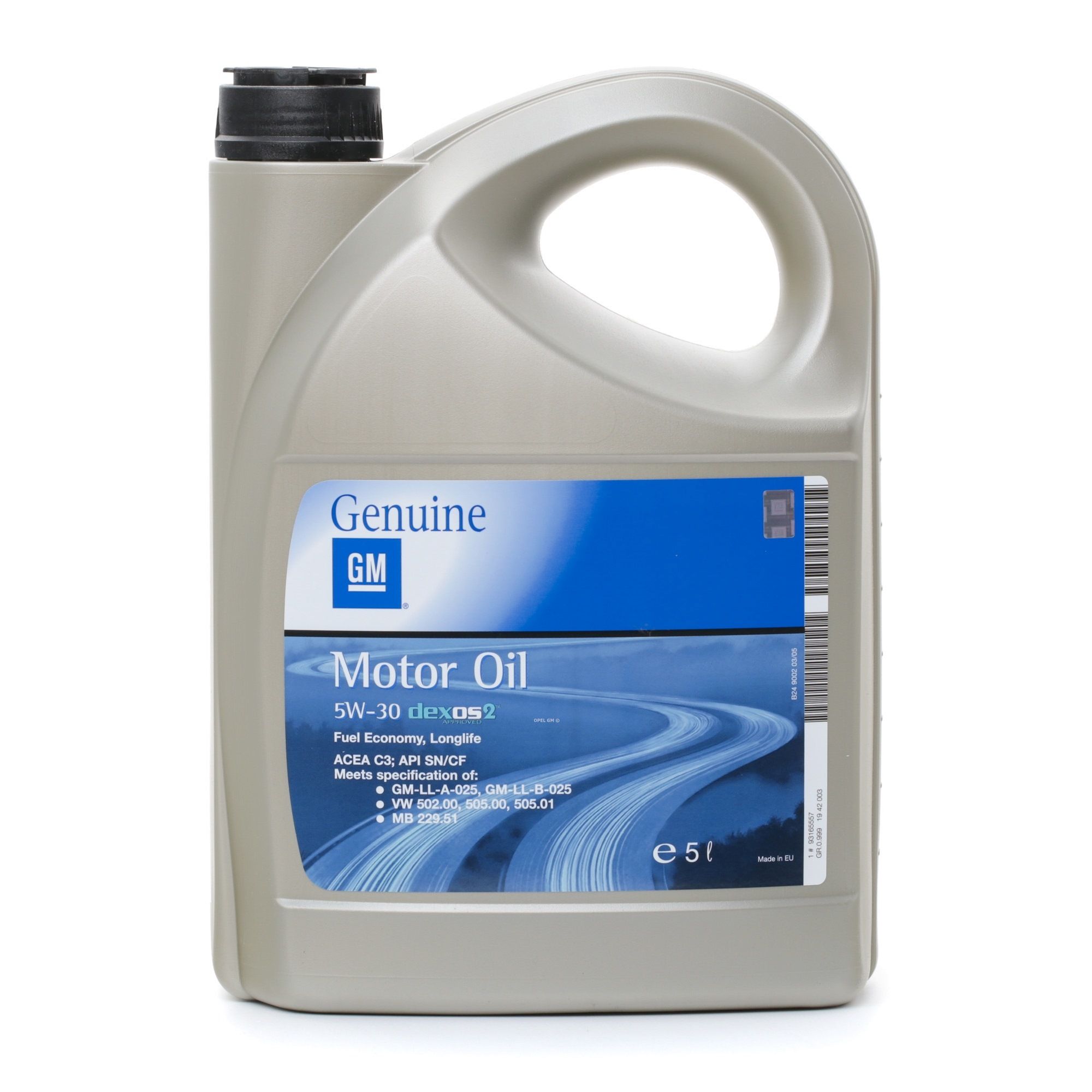
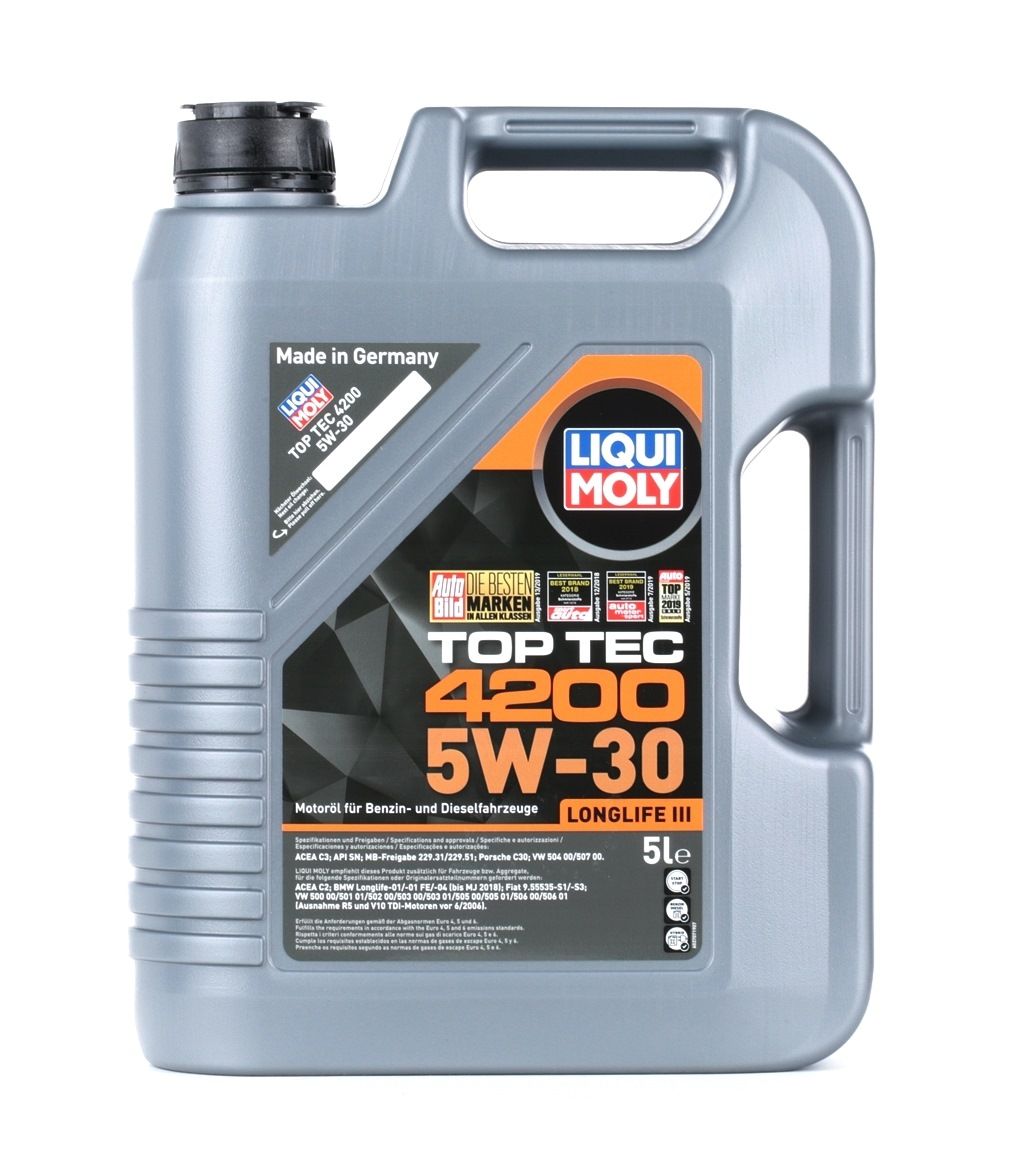
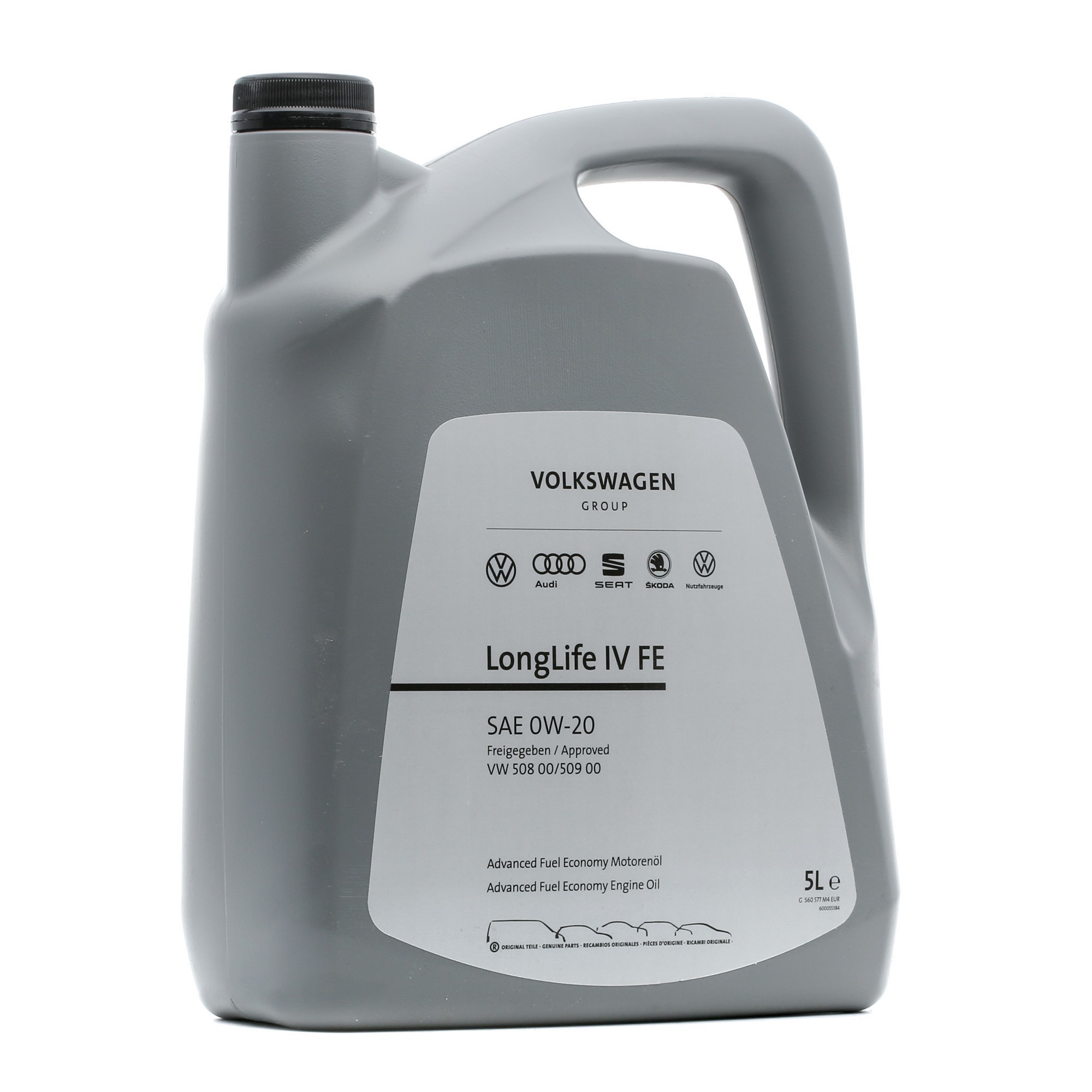
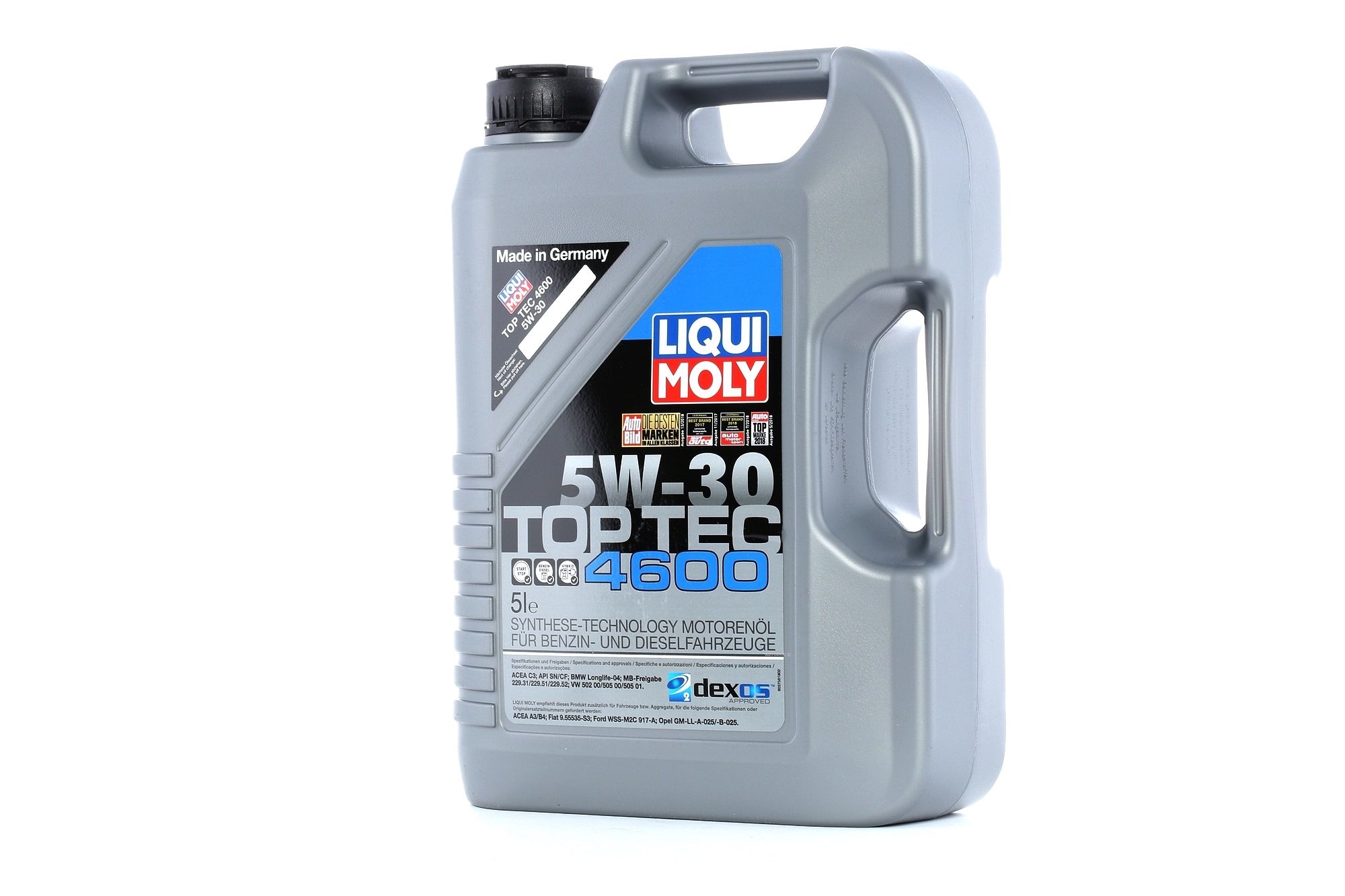
A systematic check is crucial to prevent engine damage. The complex Audi A5 2.0 TFSI engines require regular oil level checks and an oil change every 15,000 km with specific VW 502 00-certified oils. According to the manufacturer, an oil consumption of up to 0.5 l/1,000 km is considered "normal", but many owners report values of over 1 l/1,000 km. Replacing the piston rings or valve stem seals can reduce consumption in the long term.

Audi A5: Automatic transmission problems (8-speed Tiptronic)
The 8-speed automatic transmission in Audi A5 models with 3.0 TDI 245 PS or 45 TFSI tends to jerk, shift delays or unintentional reverse rolling from around 100,000 km. This is often caused by defective mechatronic units or worn transmission bearings. In rare cases, software errors lead to imprecise gear selection, especially in Sportback variants with all-wheel drive.
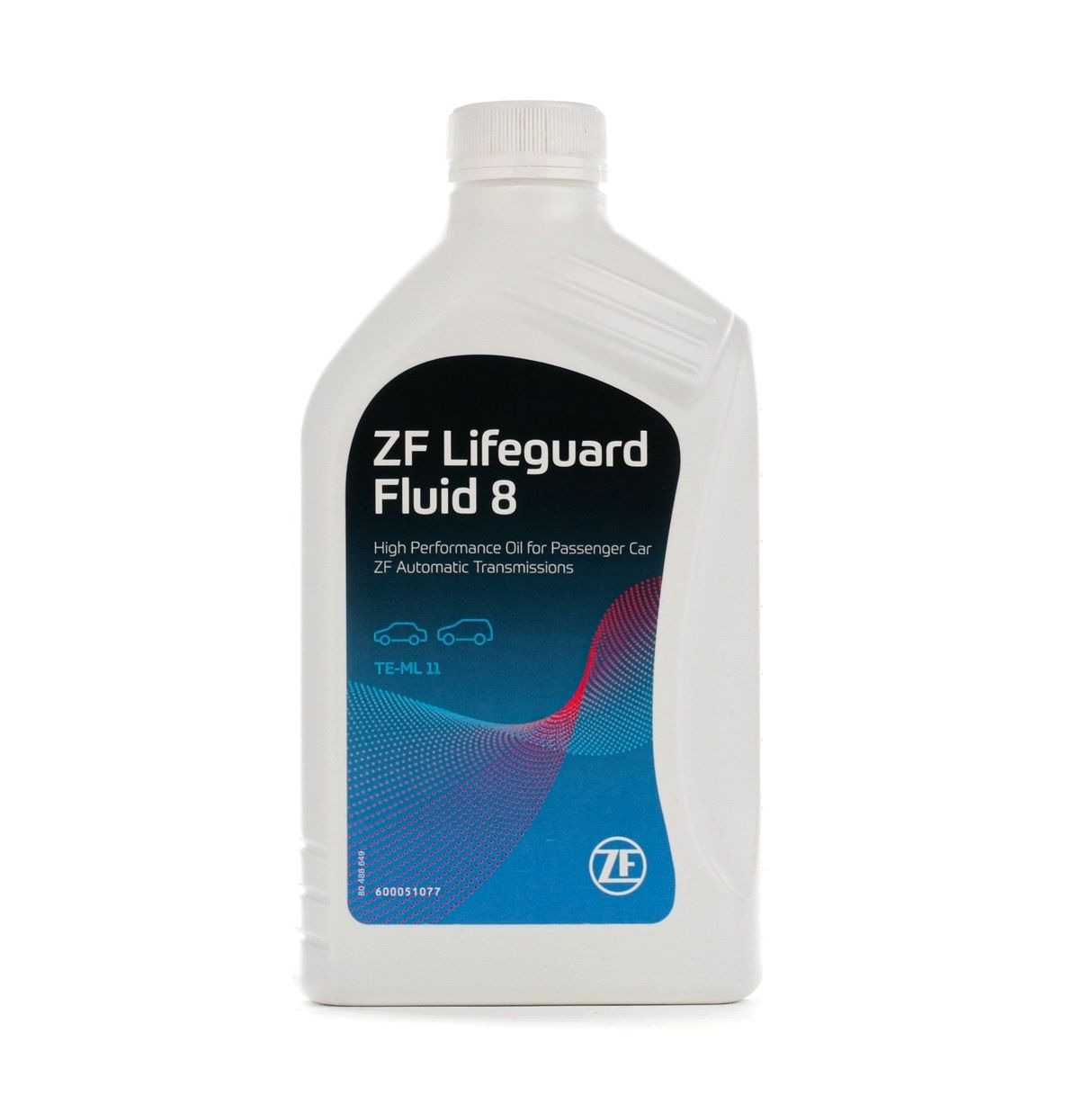
Professional maintenance is essential for the service life of the transmission. The sensitive Audi A5 automatic transmission control units require an oil change and an adaptation of the shift parameters every 60,000-80,000 km. Diagnostic tools such as VCDS often show error codes such as P17BF (torque converter) or P2711 (shift actuator defective). A software update or replacement of the mechatronic components will solve most problems.
Audi A5: Airbag problems
The airbag problems in the Audi A5 are mainly due to a problem with the seat heating cable, which can deactivate the front passenger airbag. This problem has led to a recall for the 2018-2020 models.
A systematic check is necessary to ensure that the airbags are working properly. The Audi A5 airbags require regular checks and, if necessary, replacement of defective components to ensure the safety of the vehicle. Professional maintenance can help to detect and rectify such problems at an early stage before they lead to major damage.
Audi A5: Parking brake not working
In Audi A5 Cabrio and Sportback models (model years 2010-2015), the electric parking brake often fails. Affected drivers report warning messages such as "Parking brake: malfunction" or a blocked system from 50,000-80,000 km. The causes are corroded wiring harnesses in the wheel arches or defective control modules (part number 8K0 907 801).
A thorough diagnosis is the first step towards a solution. The susceptible Audi A5 parking brake components require cleaning of the contacts and calibration via the diagnostic device every 2 years. Tips from workshops: If error code C110E (force too low) occurs, it is worth replacing the brake motors prematurely. As a preventive measure, we recommend avoiding contact with salt water in winter.
Audi A5: Air conditioning does not cool
Owners of Audi A5 3.2 FSI and 4.0 TDI models complain about failing air conditioning systems, especially after 60,000-100,000 km. Typical symptoms are reduced cooling flow or loud whirring of the compressor. Measurements often show a drop in pressure in the refrigerant circuit due to leaking condensers (often in the front bumper area) or defective expansion valves.
Regular maintenance keeps the system intact. The Audi A5 air conditioning components require a check of the refrigerant level every 2 years (target value: 450-550 g R134a or 525-625 g R1234yf). If error code B10AD 29 (pressure too low) occurs, a leak check is essential. Workshops recommend the installation of OEM compressors to ensure a service life of at least 150,000 km.

Audi A5: Infotainment system problems
The infotainment system in the Audi A5 is prone to problems such as the MMI screen freezing or not starting. These problems can lead to driver frustration and are often caused by software errors.
A professional inspection is required to diagnose these problems. The Audi A5 infotainment systems require regular software updates and, if necessary, the replacement of defective components to ensure optimal function. Professional maintenance can help to identify and rectify such problems at an early stage before they lead to major damage.
Audi A5: Fuel filler cap does not open
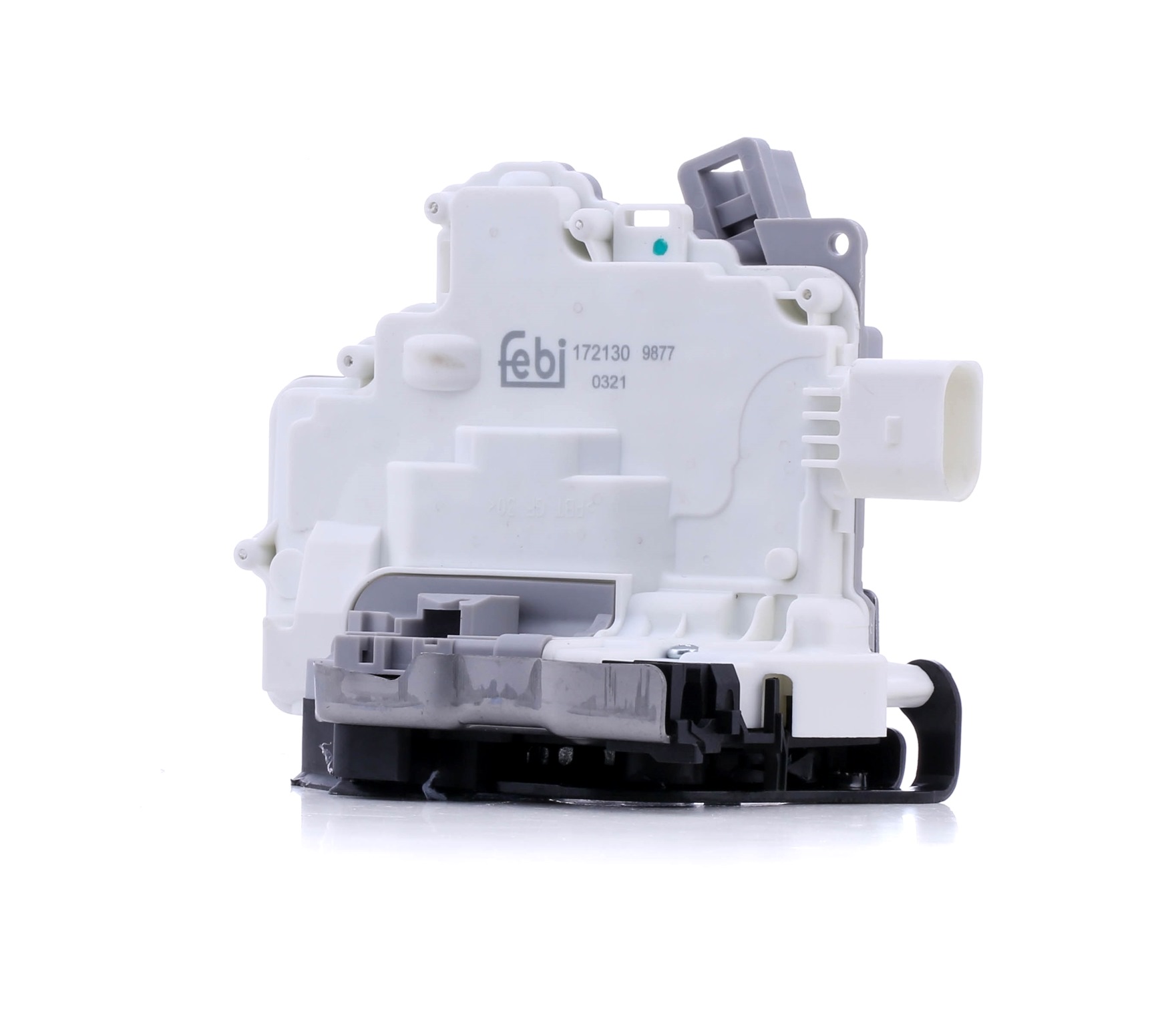
A jammed fuel filler cap is particularly common in Audi A5 Sportback and Convertible models (2010-2016). Mechanical causes are often broken levers in the lock or a defective actuator (part number 8T0 862 257 C). Electronic failures are indicated by error messages in the instrument cluster.
A professional inspection will clarify the cause. The mechanical Audi A5 fuel filler cap components require lubrication of the hinges every 30,000 km. With error code 02126 (fuel filler flap - signal too high), the servomotor in the lock is usually defective. An emergency opening cable under the rear side panel allows access to the tank in an emergency.
Additional common faults Audi A5
Based on feedback from Audi A5 owners, the following problems can occur:
- Heating does not get warm (1.8 TFSI 170 PS): Often from 70,000 km due to blocked radiators or defective Audi A5 thermostats.
- Emergency call function (eCall) activates spontaneously: Affects models from 2017 onwards, caused by faulty control units (SOS button).
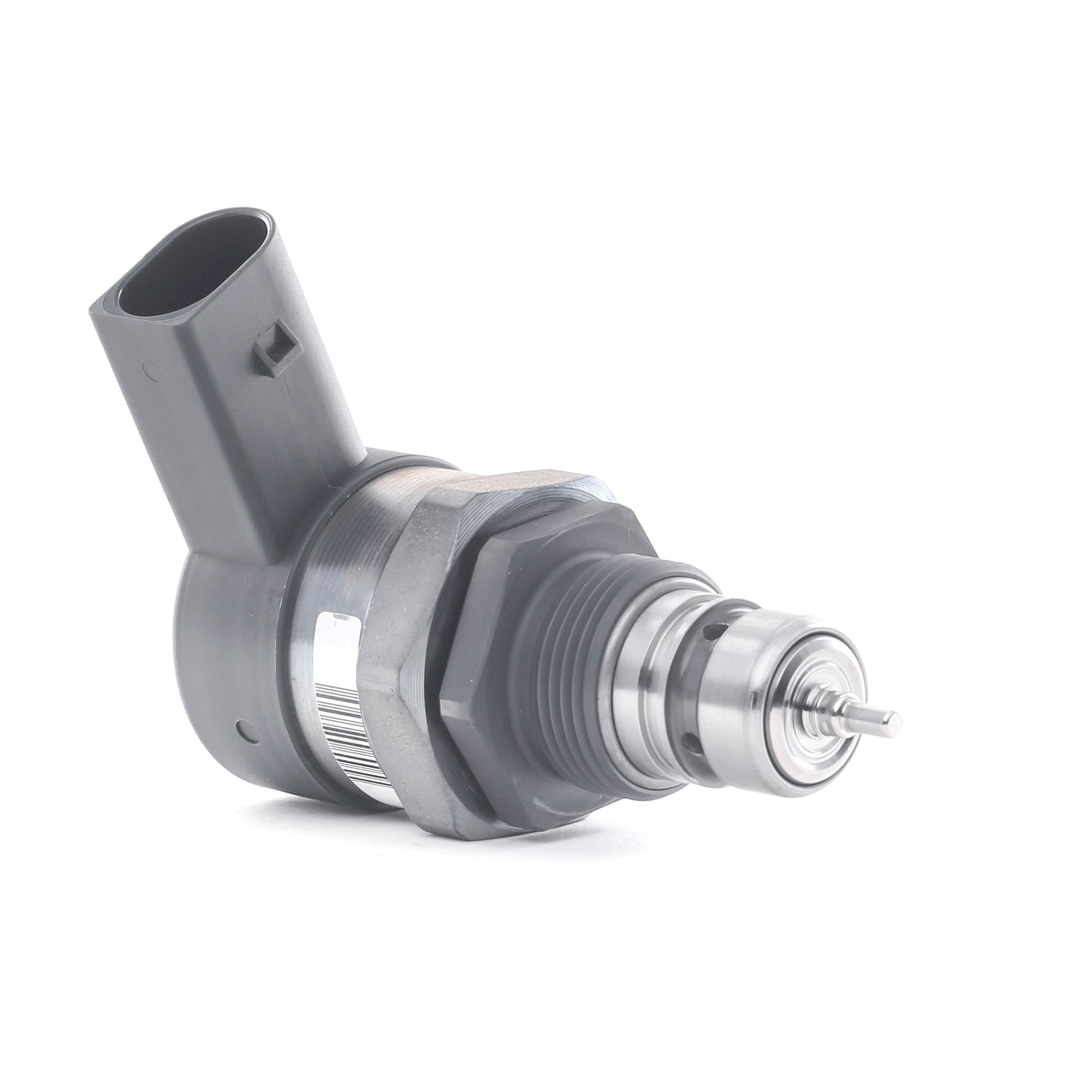
- Injector failures in 2.7 TDI: Occur from 120,000-150,000 km, recognizable by jerking when idling.
- Turbocharger wear (3.0 TDI 245 PS): Service life usually 180,000-220,000 km, often accompanied by error code P0299 (low pressure).
- Defective light sensors (G-Tron models): Incorrect brightness detection from 40,000-60,000 km.
Audi A5: weaknesses and strengths
| Strengths |
Weak points |
| Elegant coupé design |
High oil consumption with 2.0 TFSI |
| Precise chassis tuning |
Susceptible automatic transmission control unit |
| Long-lasting TDI engines (up to 300,000 km) |
Electronic parking brake prone to defects |
| High-quality interior finish |
Air conditioning compressors with limited durability |
| Good crash safety |
Tank cap mechanism often susceptible to repair |
| Efficient 40 TDI/40 TFSI engines |
Software problems with emergency call function |
The Audi A5 impresses with its design and handling, but requires increased attention when it comes to high-performance engines and electronic systems. Regular inspections of critical components such as the transmission, parking brake and cooling circuits are crucial to avoid high repair costs. Owners should pay particular attention to the maintenance intervals of the components concerned in order to ensure long-term reliability.


 27 March 2025