Problems with the Škoda Scala
Škoda Scala reliability: common problems, issues symptoms and faults
- Infotainment system and screens: Malfunctions can occur within the first 10,000 km, often caused by software errors or defective hardware components.
- Emergency call system: Problems with the emergency call system, particularly in vehicles between 10 July 2019 and 7 February 2020, require a software update or the replacement of the online connectivity unit (OCU).
- Air conditioning and seat heating: Problems with the Škoda Scala air conditioning not cooling and the seat heating only being selectable in two stages and falling back to the lowest level after 10 minutes.
- Gearbox and clutch: Jerking when pulling away and manoeuvring in reverse, especially in vehicles with a 1.6 TDI and a 6-speed manual gearbox, can be caused by the single-mass flywheel or clutch problems.
Škoda Scala: Problems with the Android Auto system
The main problems with Android Auto in the Škoda Scala relate in particular to compatibility with newer smartphones. The connection problems occur despite a functioning Bluetooth connection and manifest themselves through error messages when attempting to connect. Vehicles with the Bolero infotainment system are particularly affected.
A systematic check is necessary to resolve these issues. The sensitive Škoda Scala car multimedia units often require the replacement or installation of a wireless adapter. This solution not only resolves the compatibility issues, but also offers the advantage of a wireless connection. Regularly updating the software and checking the connection parameters can have a preventive effect and unlock new features.

Škoda Scala 1.5 TSI: Engine control unit issues
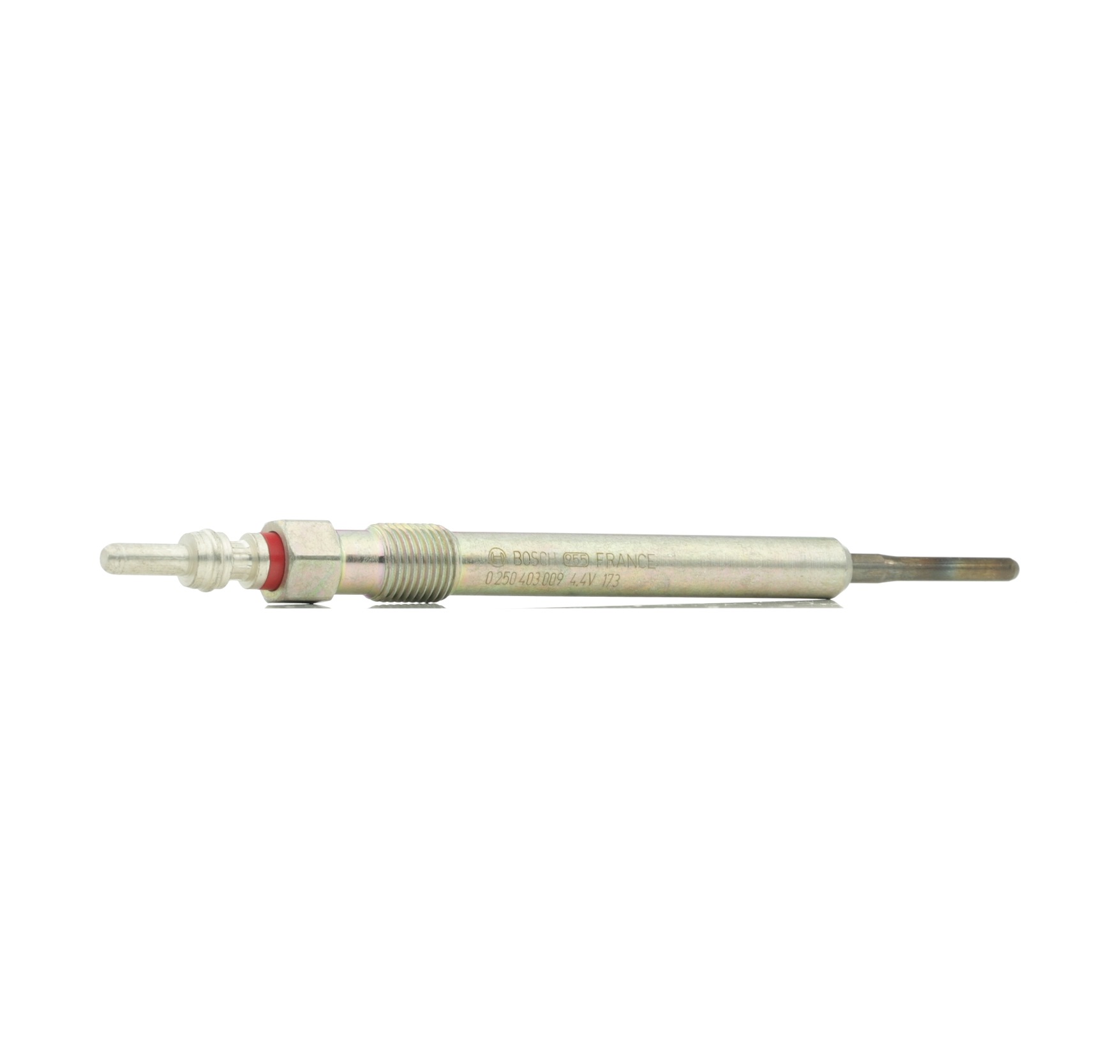
The 1.5 TSI engine struggles with specific problems of petrol direct injection. Mainly, coked injectors and carbon deposits in the intake system occur, which can lead to loss of power and increased consumption. These problems typically develop over the lifetime of the vehicle, especially after about 50,000 km.
Regular maintenance is essential for the longevity of the engine. In particular, the Škoda Scala injectors require special attention and regular cleaning with appropriate additives. This preventive treatment prevents major damage and ensures optimal engine performance. Experts recommend cleaning the injectors every 30,000 km and regularly checking the intake system.
Škoda Scala 1.6 TDI: Problems with the DSG automatic transmission
The 1.6 TDI variant shows specific problems when moving off and manoeuvring. A jerking motion when moving off and when driving forwards and backwards at idle speed is particularly noticeable. These problems can occur at low mileage, often between 10,000 and 20,000 km.
A thorough diagnosis is the first step to solving the problem. The most common repairs concern DSG transmissions, which often require a complete clutch replacement in Škoda Scala. Experts also recommend checking the Škoda Scala dual-mass flywheel, which can exacerbate these symptoms. Regular transmission and clutch checks can provide early warning of wear and prevent more extensive damage.
Škoda Scala: software problems and electronics
The electronic systems show various weaknesses, especially in the software. The most common problems include crashing infotainment systems and malfunctions of the eCall system. These problems occur particularly in models from the first years of production, especially between 2019 and 2020.
The fault diagnosis begins with a comprehensive system check. In many cases, the Škoda Scala control unit needs to be reprogrammed or replaced. Regularly updating the vehicle software can have a preventive effect and unlock new functions. A professional inspection of the electronic components is essential to identify potential problems at an early stage and rectify them.
Škoda Scala: air conditioning system issues
The Scala's air conditioning system often malfunctions, which manifests itself in uneven temperature distribution and reduced cooling performance. These problems occur more frequently in models with more than 30,000 kilometres on the clock and significantly impair driving comfort.
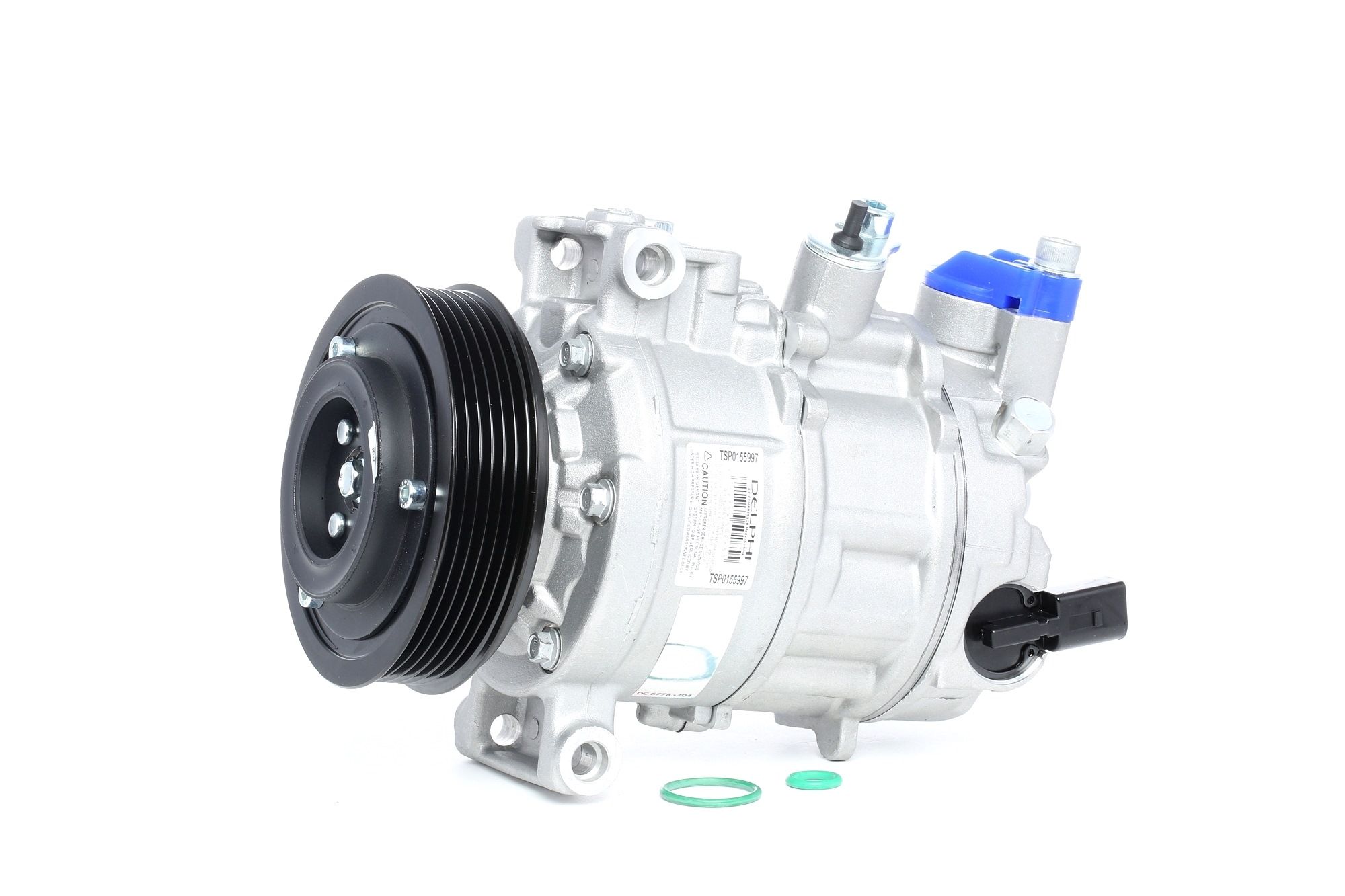
Professional maintenance is crucial for proper functioning. The Škoda Scala air conditioning compressors show the first signs of wear after about 40,000 kilometres and then need to be thoroughly inspected. Regular maintenance intervals and timely inspection of the refrigerant can prevent major damage. Experts recommend checking the refrigerant every 50,000 km and refilling if necessary.

Škoda Scala: Problems with the brakes
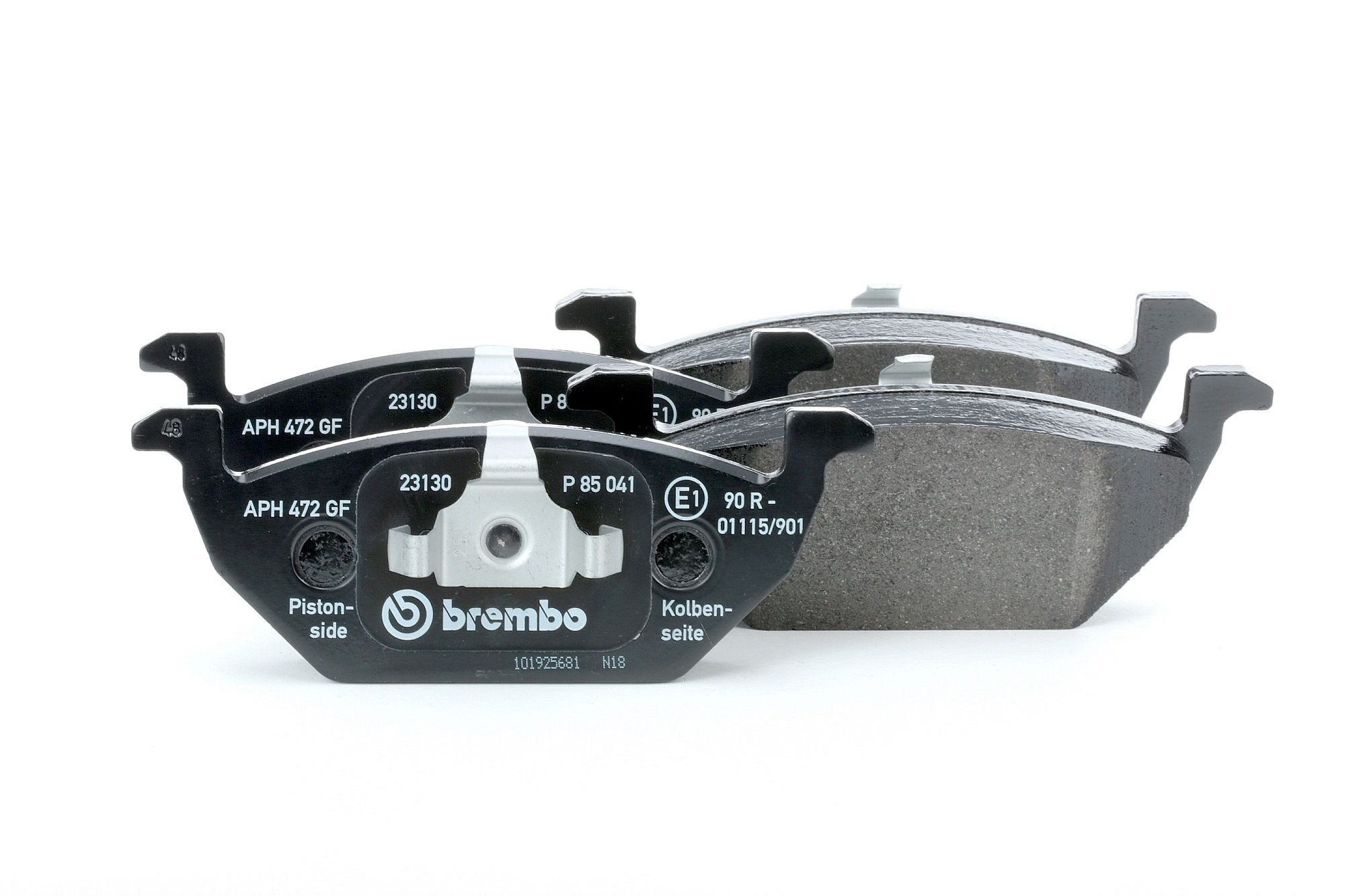
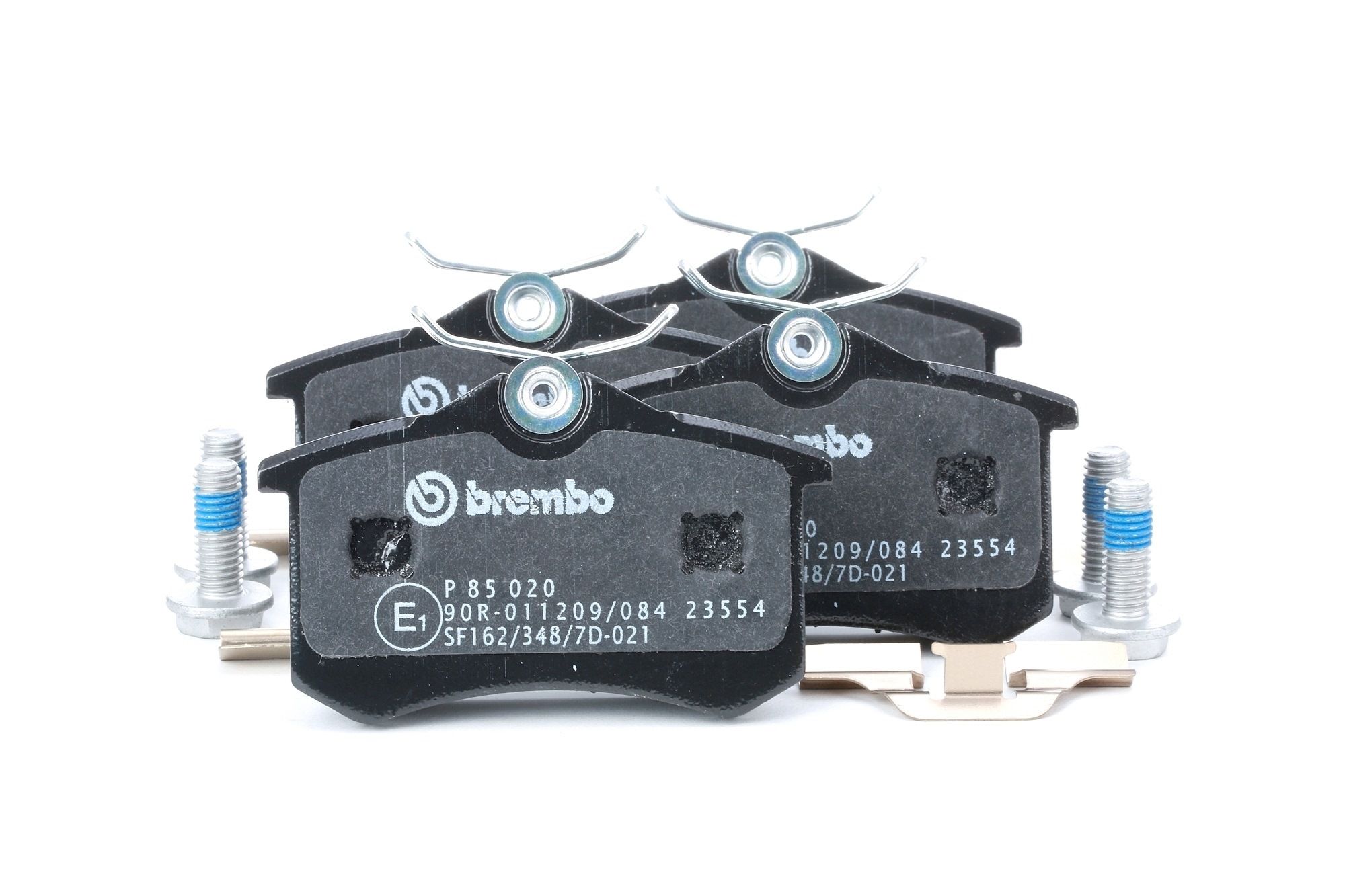
The Scala's brake system shows above-average wear, especially on the front brake discs. The first signs, such as squealing or vibrations when braking, often occur after just 25,000 kilometres. The durability of the brake pads is well below the segment average.
Regular inspections are essential for safety. The Škoda Scala brake discs often need to be replaced after just 40,000 kilometres, at which point it is also recommended to change the brake pads. Aggressive driving can also accelerate wear. Professional maintenance of the braking system is necessary to ensure the safety of the vehicle.
Škoda Scala: Steering Problems
The Scala's electric power steering can suffer from various malfunctions. Typical symptoms include stiff steering at low speeds or unusual noises when turning. These problems often manifest themselves after 50,000 kilometres.
Troubleshooting begins with an electronic diagnosis. Škoda Scala steering boxes often require recalibration or replacement of the steering sensors after 60,000 kilometres. Regular inspection of the Škoda Scala steering components can provide early warning of wear. A professional steering system inspection is essential to ensure the vehicle's ability to steer.
Škoda Scala: battery problems
The Scala's starter battery often shows weaknesses, especially in models with a start-stop system. The first problems usually occur after 3-4 years and are manifested by delayed starting behaviour or failures of the start-stop system. Extreme temperatures further exacerbate these problems.
A professional diagnosis is the first step in solving the problem. The Škoda Scala car battery should be thoroughly checked after about 60,000 kilometres or after four years at the latest. Preventive replacement can prevent costly consequential damage to the on-board electronics. Regular checking of the battery and the start-stop system is necessary to ensure the reliability of the vehicle.
Additional common faults of the Škoda Scala
Based on the experience of Škoda Scala drivers and owners, we present an overview of additional possible weak points:
- Malfunctioning parking sensors: Typically occur after 20-40,000 km, often caused by sensor failures or incorrect calibrations.
- Uneven tyre wear: premature wear of the rear tyres of the Škoda Scala is not uncommon, often after just 30-50,000 km.
- Defective lambda probes: can cause complications after just 60-80,000 km, especially in petrol engines.
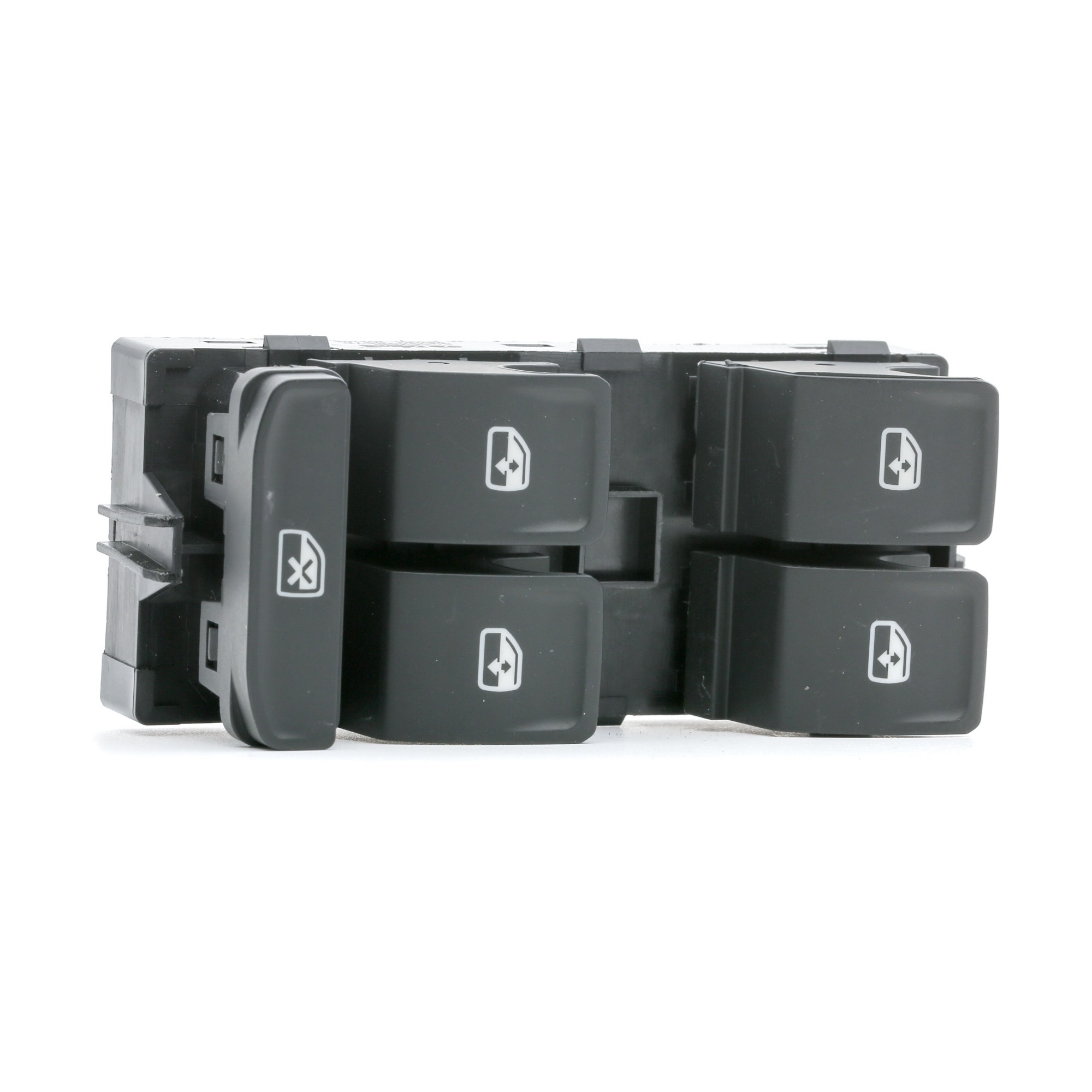
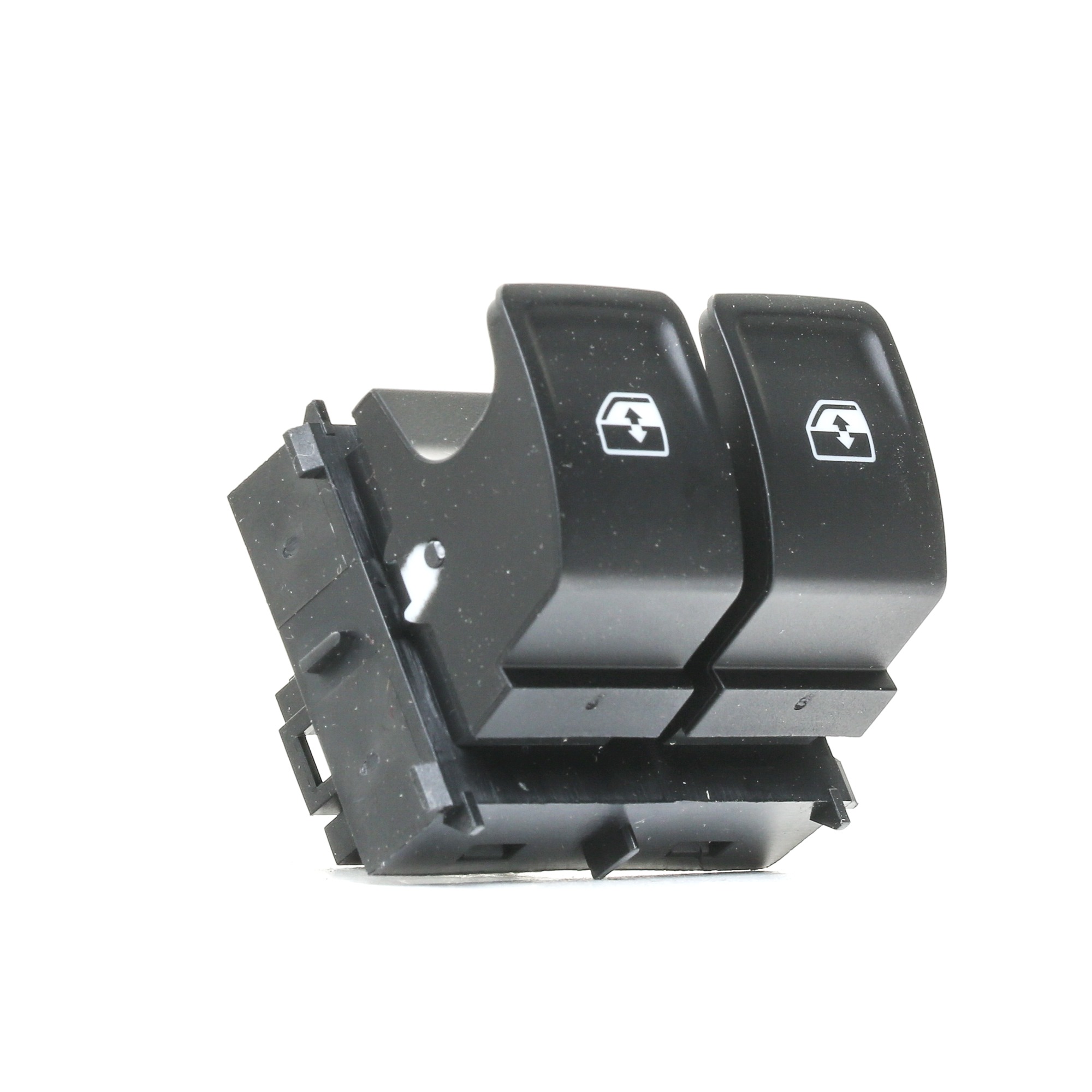
- Malfunctioning electric windows: These usually occur after 70-90,000 km, particularly in the rear doors.
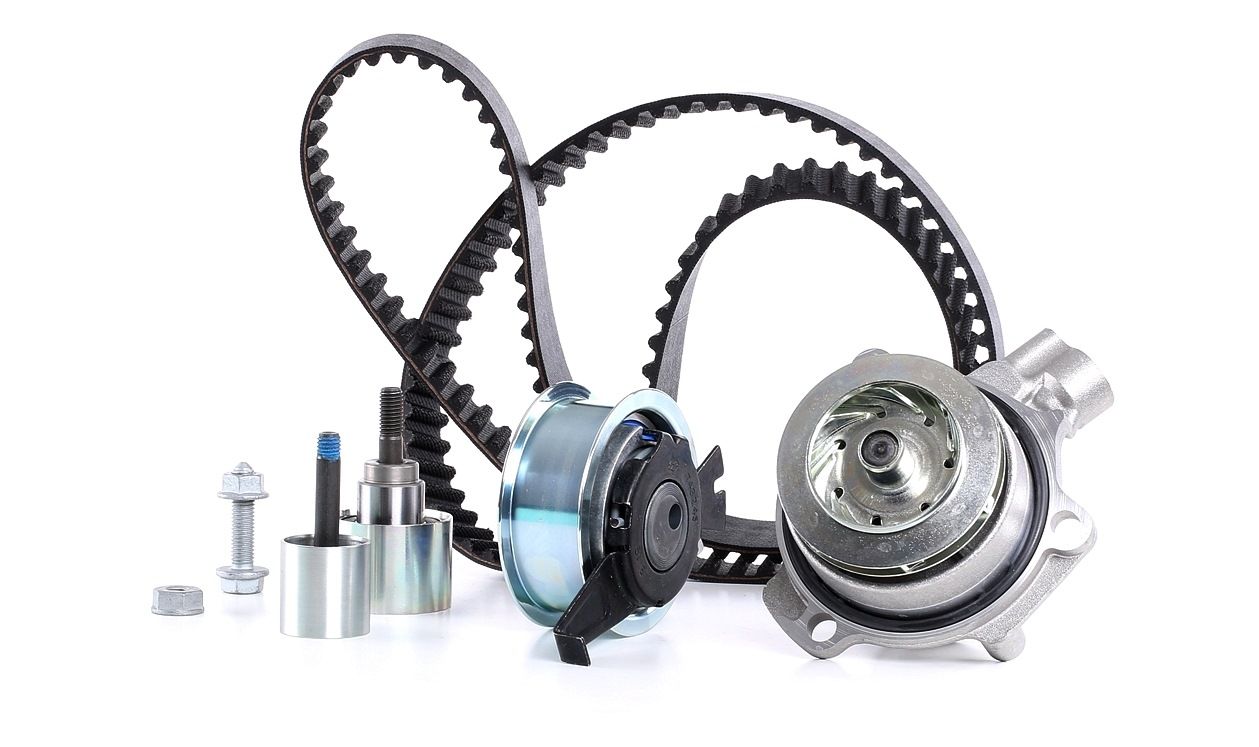
- Leaking water cooler: These often occur after 80-100,000 km, especially in older models.
- Central locking system failures: Can occur as early as 50-70,000 km, often due to defective door locks or control units.
- Problems with the turbocharger in petrol engines: Typically occur after 100-120,000 km.
Škoda Scala: strengths and weaknesses
|
Strengths
|
Weaknesses
|
|
High driving comfort
|
Air conditioning problems
|
|
Modern driver assistance systems
|
Brake wear
|
|
Generous boot capacity
|
Battery problems
|
|
Good value for money
|
Electronic faults
|
|
Low maintenance costs
|
Transmission faults
|
The Škoda Scala is fundamentally a solid vehicle, but it does require regular maintenance and attention. Most problems can be avoided by preventive measures and timely intervention. In particular, electronic components and wear parts require regular checks to ensure the longevity of the vehicle. Professional maintenance and regular inspections can help to maintain the reliability and comfort of the vehicle.


 20 February 2025