Reliability VW Golf Sportsvan: common problems, issues symptoms and faults
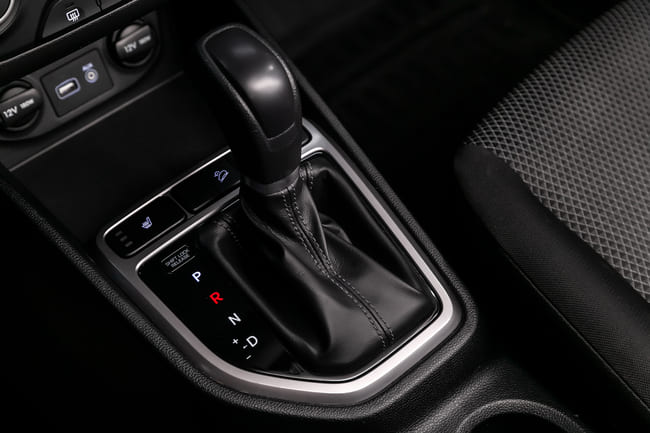
DSG automatic transmission jerks: The DSG automatic gearbox often exhibits jerking when starting off and uneven gear changes, especially at low speeds. These problems often occur after 30,000-50,000 km and can be remedied by software updates or clutch replacement.
1.4 TSI 125 PS timing chain problem: The 1.4 TSI engine with 125 PS shows weak points in the timing chain, which can occur as early as 60,000-80,000 km. Typical symptoms are rattling noises when starting from cold and engine unsteadiness, which result in costly repairs.
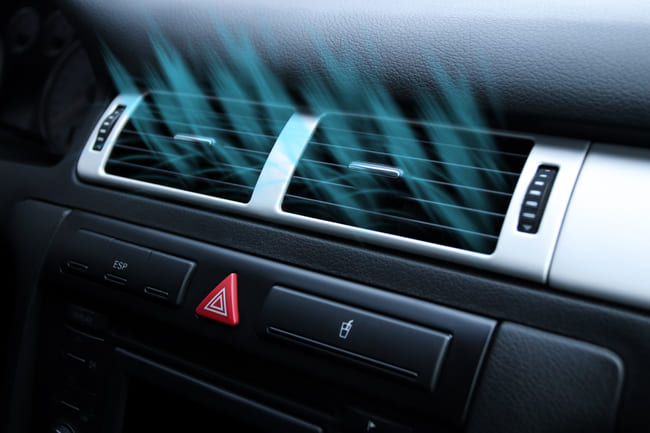
Air conditioning not cooling: The air conditioning system often loses its cooling capacity due to defective compressors or leaking pipes. These breakdowns usually manifest themselves after 40,000-70,000 km and require a professional diagnosis of the refrigerant system.
Water in the trunk: Leaks lead to water accumulating in the trunk, especially in the early years of production. These complaints often occur after just a few thousand kilometers and can be caused by defective seals on the rear lights or tailgate.
-40%
Reviews - 20
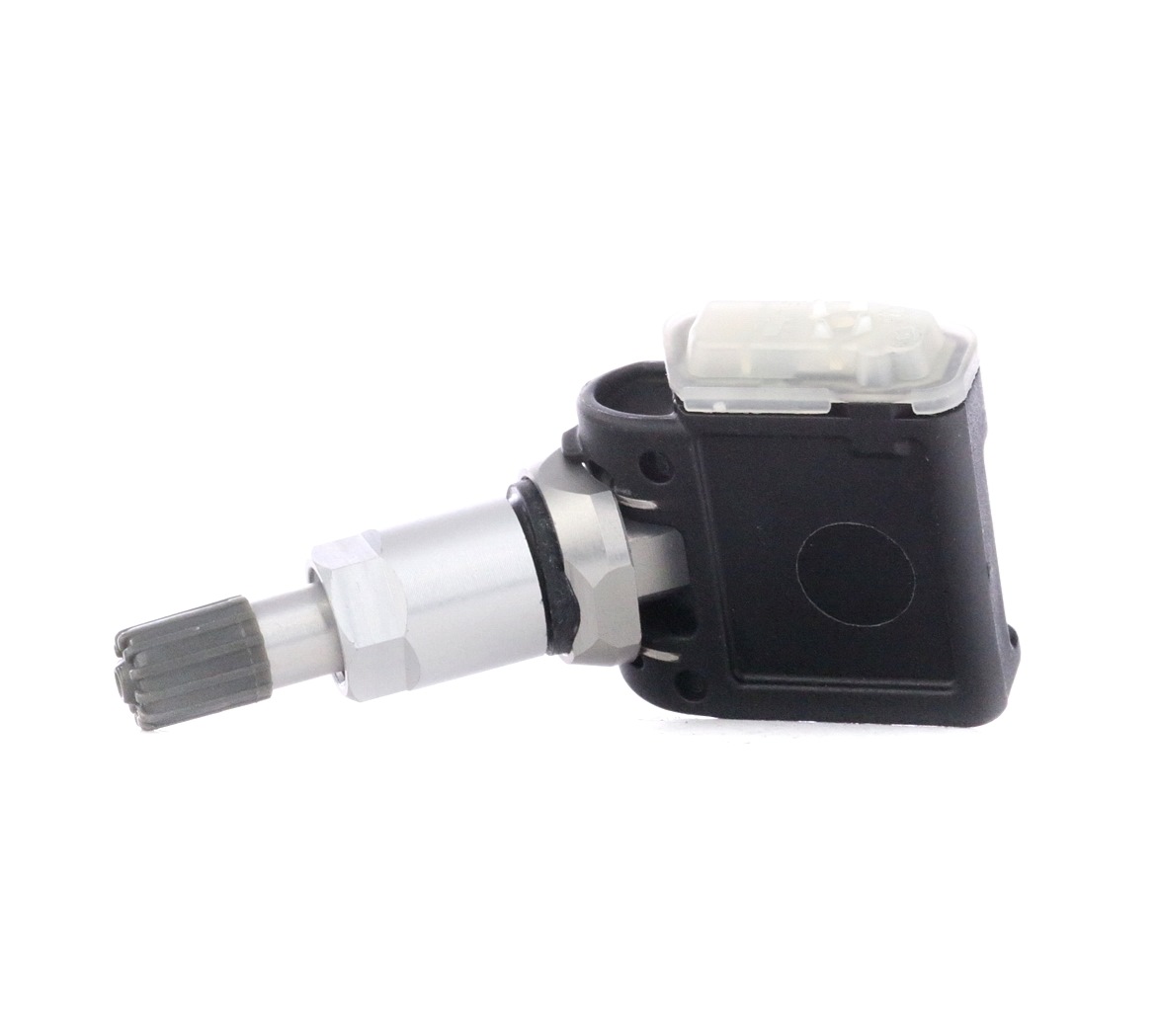
Parts Details
Supplementary Article / Supplementary Info Info 2:
with groove, with valves
Permissible maximum speed [km / h]:
250
Housing Colour:
black
Frequency Range [MHz]:
433
Valve stem material:
Aluminium
Code Letter:
3057
Tightening Torque [Nm]:
8
Mounting Type:
Bolted
Vehicle Equipment:
for vehicles with tyre-pressure monitoring system
VW Golf Sportsvan: Problems with the DSG automatic gearbox
The DSG automatic transmission of the Volkswagen Golf Sportsvan often shows characteristic symptoms such as jerking when starting off, delayed shift reactions and uneven gear changes. These faults occur particularly in stop-and-go traffic and at low speeds, with the first signs often appearing after just 30,000-50,000 km. The reliability of the system is impaired by worn clutches, defective actuators or software problems, which leads to a reduced service life of the automatic transmission.
Regular maintenance is crucial for the longevity of the transmission system. The sensitive VW Golf Sportsvan DSG gearboxes require special attention to oil change intervals and regular software updates at the authorized dealer. Preventive treatment through alignment drives and professional diagnosis can prevent major damage and ensure optimum transmission performance.
Volkswagen Golf Sportsvan: Problems with the 1.4 TSI engine
The 1.4 TSI engine with 125 PS and 150 PS shows typical weak points in the timing chain, which are noticeable through characteristic rattling noises when starting cold. These complaints often occur between 60,000-80,000 km and can lead to serious engine damage if not detected in time. Symptoms include uneven engine running, loss of power and metallic noises from the engine compartment, which occur particularly in cold temperatures.
A systematic check is essential for early detection of timing chain problems. The precise Volkswagen Golf Sportsvan TSI engines require regular inspections of the timing chain and tensioner every 60,000 km to avoid costly consequential damage. Professional maintenance with genuine parts and adherence to the service intervals can significantly extend the service life of the engine.
VW Golf Sportsvan: Problems with the air conditioning system
The air conditioning system of the VW Golf Sportsvan frequently shows defects in the form of reduced cooling performance or complete malfunctions. These breakdowns typically manifest after 40,000-70,000 km due to defective compressors, leaking condensers or clogged expansion valves. Symptoms include warm air coming out of the nozzles, unusual noises when the air conditioning is switched on and fogged windows, which indicate a loss of refrigerant.
Professional servicing is required to properly diagnose air conditioning problems. The complex VW Golf Sportsvan air conditioning systems require specialized diagnostic equipment and regular refrigerant checks every two years to ensure optimal functionality. A preventive inspection of the seals and filters can prevent expensive repairs and ensure comfort in the vehicle.
Volkswagen Golf Sportsvan: Problems with water ingress in the trunk
Water in the trunk is a well-known problem in early VW Golf Sportsvan models, caused by inadequate seals in various places. These leaks often occur within the first 10,000-20,000 km and can be caused by defective seals on the rear lights, tailgate or antenna feed-through. The moisture leads to mold growth, corrosion and unpleasant odors inside the vehicle, which impairs reliability and value retention.
A professional inspection is necessary to locate the source of the leak. The VW Golf Sportsvan sealing systems require regular inspections of all rubber seals and professional sealing of the identified problem areas. A systematic inspection after rainfall and the timely replacement of worn seals can effectively prevent water damage.
VW Golf Sportsvan: Problems with the heating and electronic components
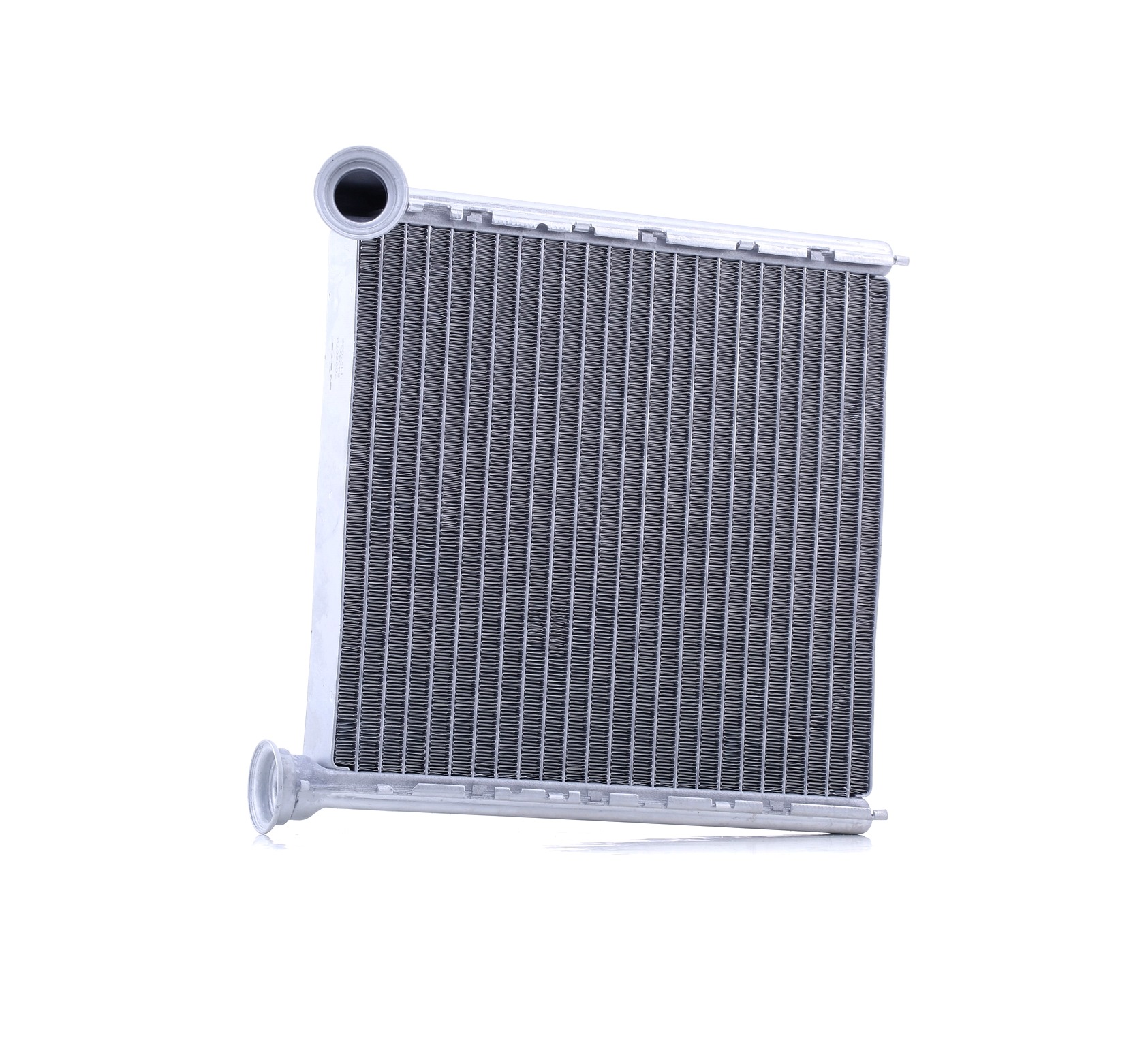
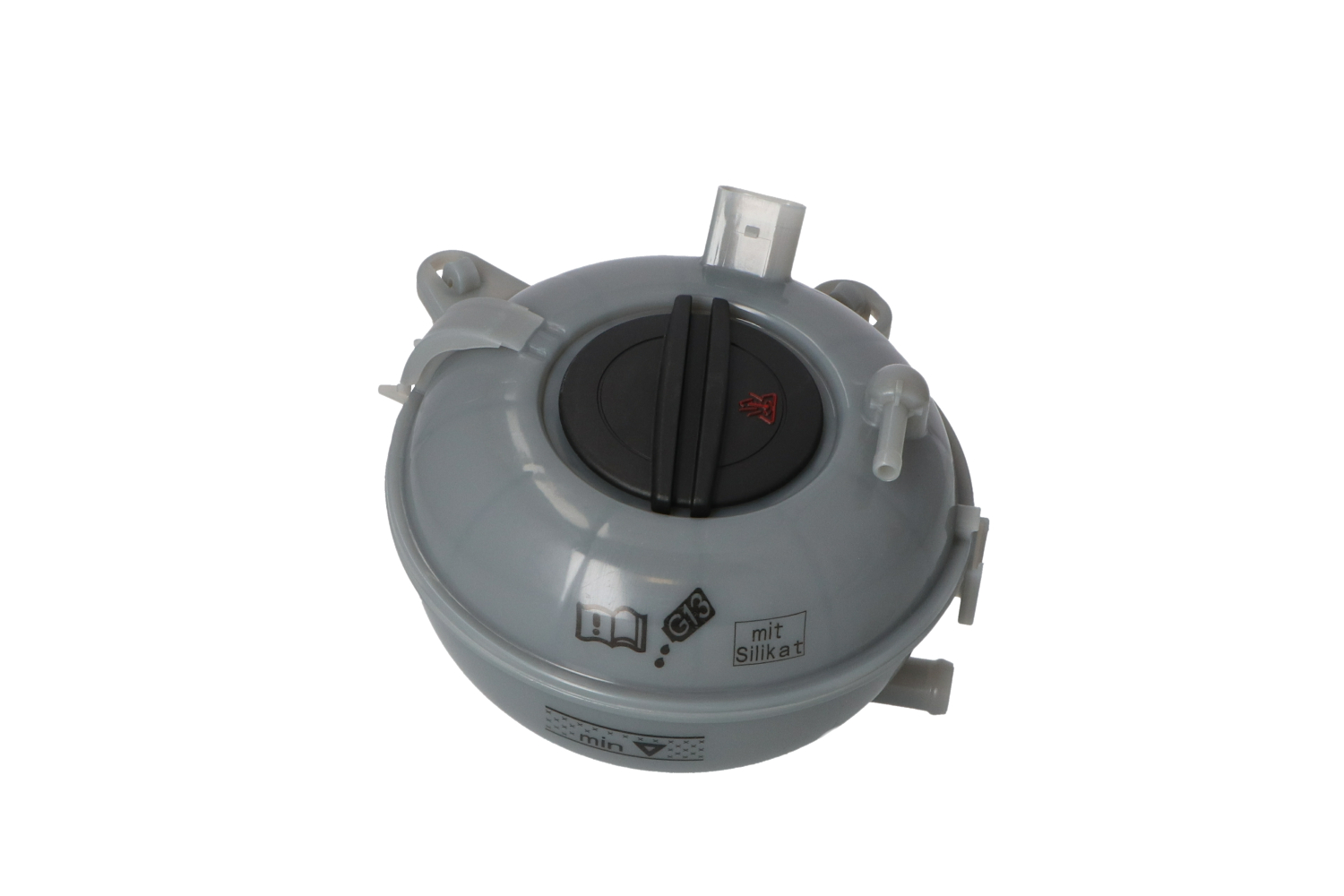
The heating does not get warm in many Golf Sportsvan models, which is caused by defective thermostats, clogged heater cores or air bubbles in the cooling system. These faults often occur after 50,000-80,000 km and are manifested by cold air coming out of the heating nozzles despite the engine running warm. In addition, the key often no longer works properly, which can be attributed to defective batteries in the remote control or problems with the immobilizer.
Regular maintenance is essential for the proper functioning of the heating and electronic components. The sensitive VW Golf Sportsvan heating systems require regular cooling system flushes and thermostat checks every 60,000 km to ensure optimum thermal performance. Preventive treatment of electronic components through battery replacement and system diagnostics can prevent sudden failures.
Volkswagen Golf Sportsvan: Problems with fuel filler cap and mechanical components
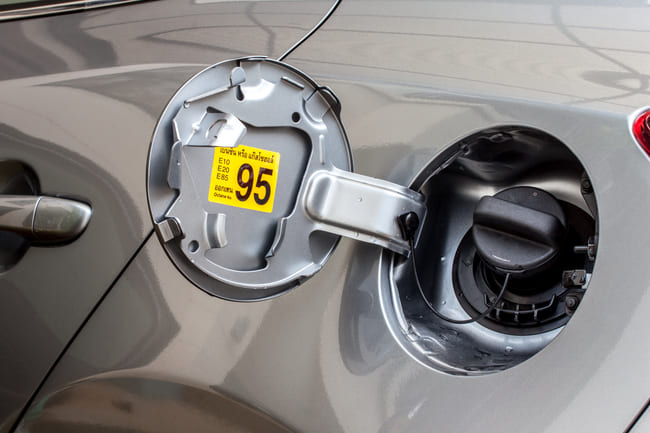
The fuel filler cap does not open in many vehicles due to faulty release mechanisms or frozen Bowden cables. These mechanical faults occur particularly in older models after 60,000-100,000 km and can be caused by wear on the actuating elements or corrosion. The fuel filler flap also no longer opens reliably, which is often related to the same mechanical causes and makes manual emergency opening necessary.
A systematic check is required to maintain mechanical wear parts. The VW Golf Sportsvan fuel filler flap mechanisms require regular lubrication and functional checks every 30,000 km to ensure proper operation. Professional maintenance of the Bowden cables and release levers can avoid costly emergency repairs and ensure the reliability of the system.
Additional common faults of the Golf Sportsvan
Based on the experiences of VW Golf Sportsvan drivers, the following additional problems occur:
1.2 TSI oil consumption: increased oil consumption often occurs after 80,000-120,000 km, caused by worn piston rings or valve stem seals.
2.0 TDI particulate filter problems: The diesel particulate filter often becomes clogged after 60,000-100,000 km in predominantly urban driving.
1.6 TDI injector coking: Coking of the injectors typically occurs after 100,000-150,000 km and leads to loss of power.
1.0 TSI cylinder head gasket: Defective cylinder head gaskets can occur after 40,000-80,000 km, especially in early production years.
1.5 TSI engine oil dilution: Fuel dilution in the engine oil occurs after 20,000-40,000 km on short journeys.
Electronic parking brake malfunctions: Electronic parking brake malfunctions often occur after 70,000-90,000 km.
Reversing camera failures: The reversing camera no longer starts, typically after 50,000-80,000 km due to moisture damage.
Navigation system problems: The infotainment system no longer turns on or displays error messages after 30,000-60,000 km.
Reviews - 12
Parts Details
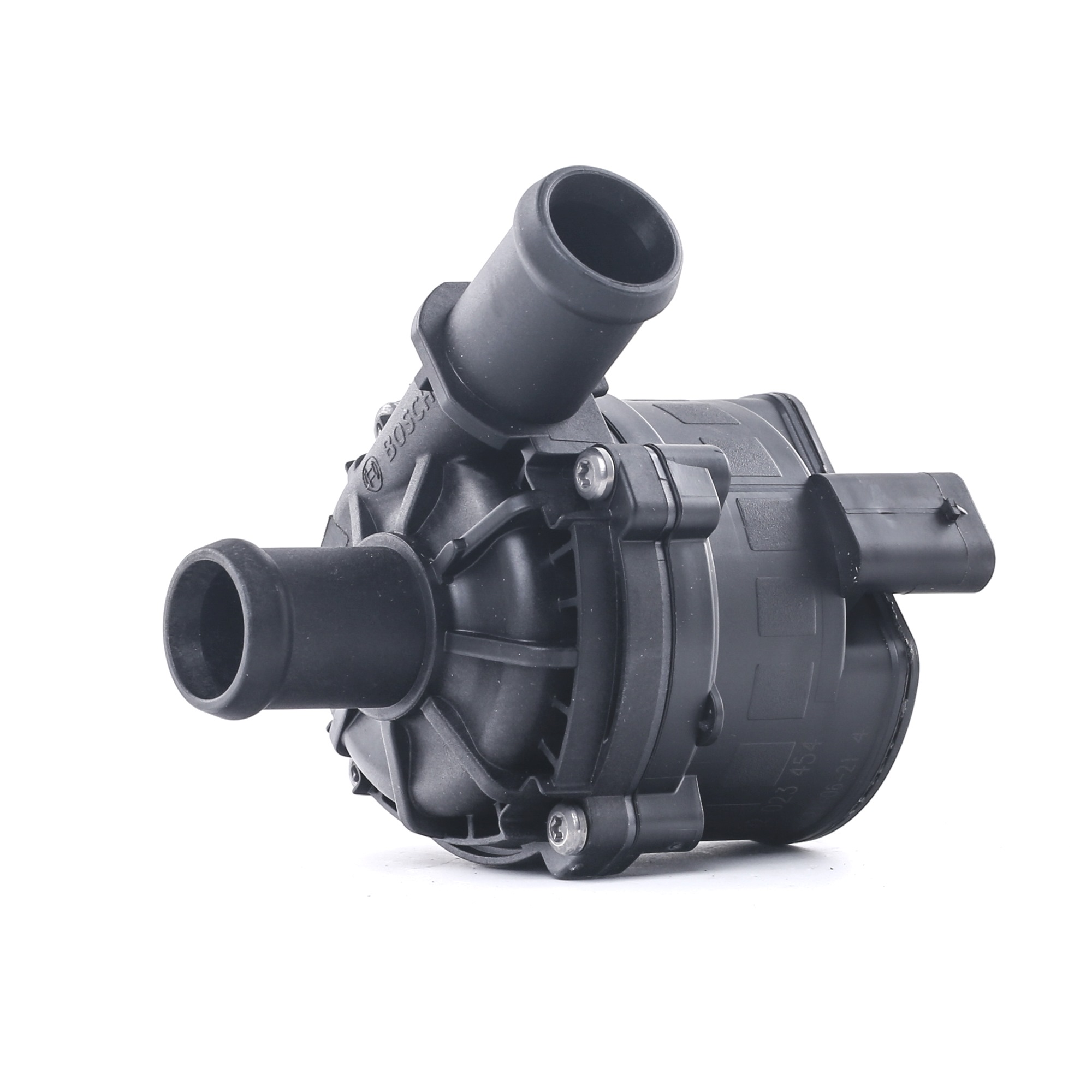
Construction Year to:
07 / 2018
Operating Mode:
Electric
Voltage [V]:
12
Pressure [bar]:
0,2
Flow rate [l / h]:
500
Supplementary Article / Supplementary Info:
without holder
The Golf Sportsvan proves to be a practical family car with some typical weak points, most of which are avoidable with regular maintenance and preventive measures. The most common complaints concern the DSG gearbox and the TSI engines, while the TDI variants are generally more reliable. Careful model selection and consistent maintenance can significantly extend the service life and prevent most breakdowns.
AUTODOC Bestsellers: parts at a good price
Reviews - 86
Parts Details
Fitting Position: Front Axle, Wheel Side
Height [mm]: 146
Inner Diameter 2 [mm]: 22, 86
Joint Type:
Universal Joint
Supplementary Article / Supplementary Info Info 2:
with clamps


 5 August 2025 (updated)