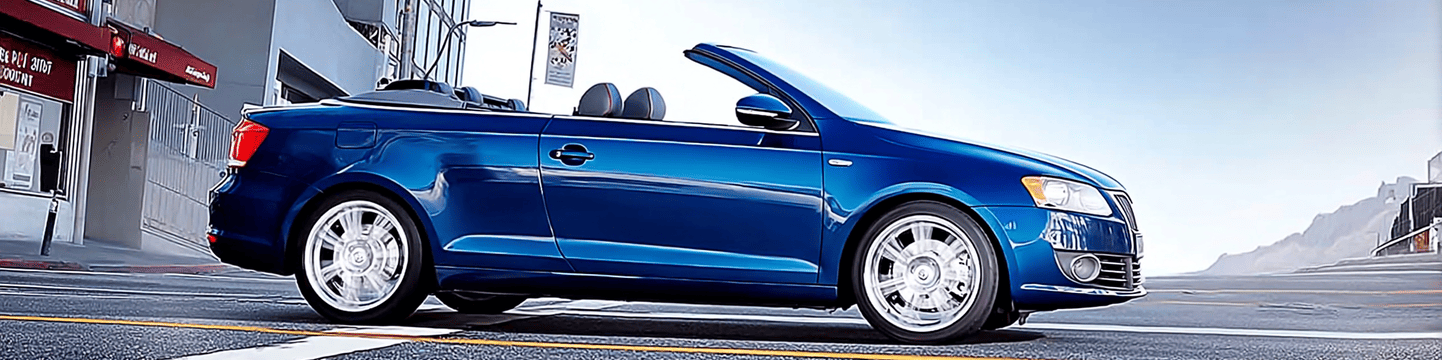
VW EOS experiences: common problems, issues symptoms and faults of the model
Water ingress in the trunk: Frequent problem from 60,000 km due to defective seals on the soft top, which can lead to rust formation and electronic issues.
Cabriolet mechanism faults: From 80,000 km, problems with the soft top mechanism often occur, manifested by faltering movements or complete standstill.
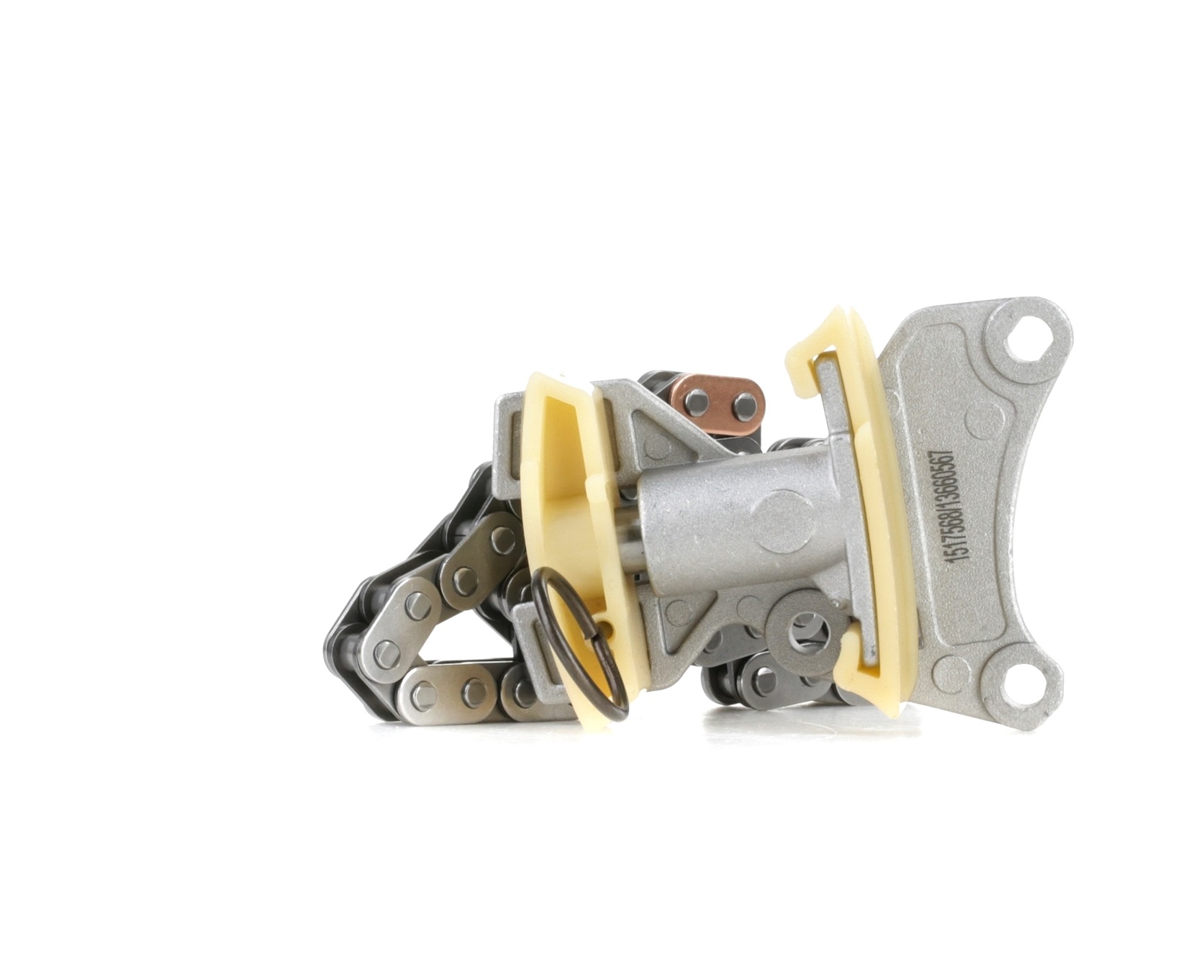
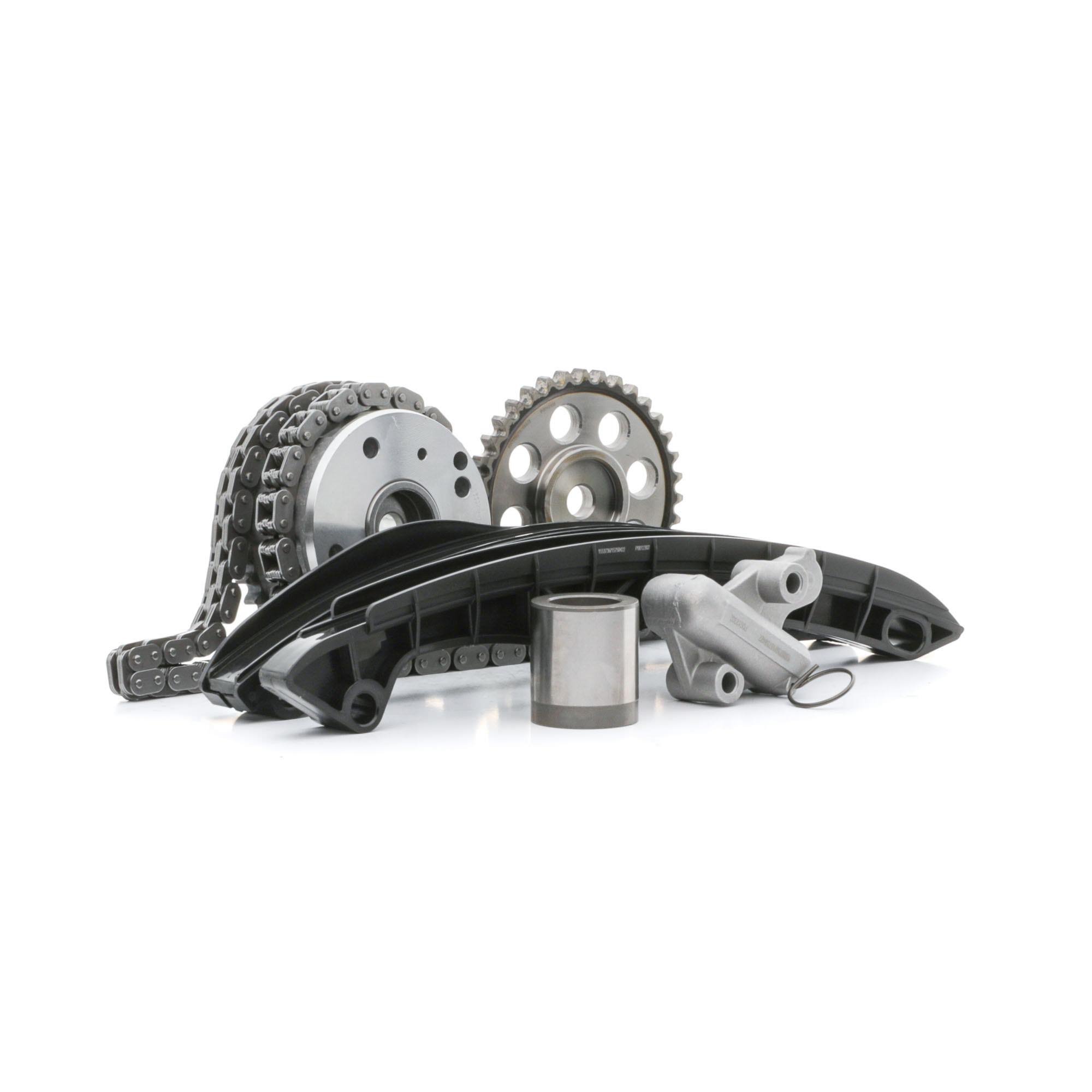
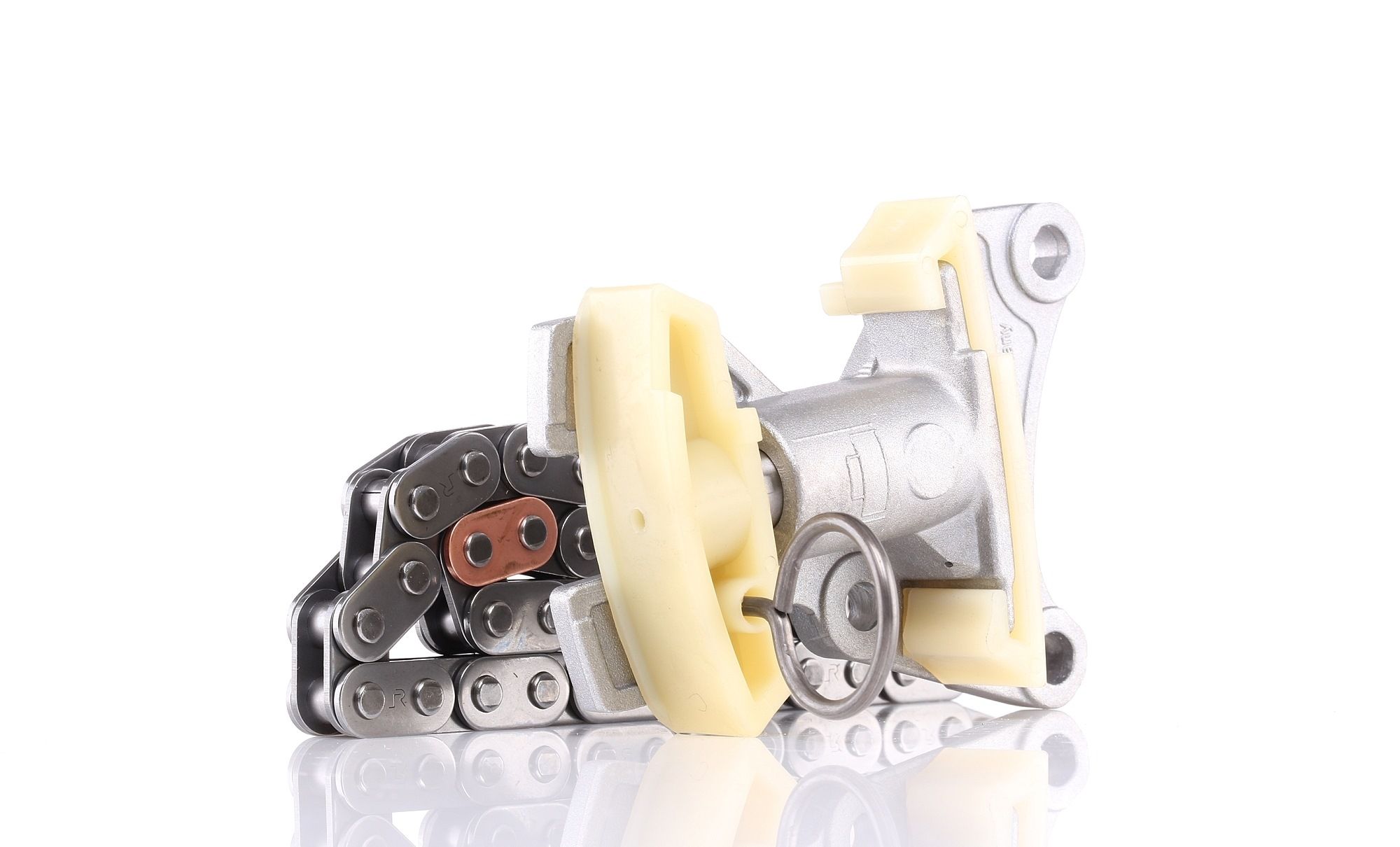
Engine timing chain faults: With 1.4 TSI engines, issues with the timing chain can occur from 90,000 km, recognizable by rattling noises.
Transmission shifting problems: DSG gearboxes often show signs of wear from 100,000 km, which can be noticed by jerky shifting or the feeling that the gearbox sometimes doesn't shift at all.
Weak points of the VW EOS 2.0 TDI engine
The 2.0 TDI engine with 140 hp and 150 hp often shows problems with the injection system and the turbocharger. These weak points typically occur between 120,000 and 150,000 kilometers. The most common symptoms are loss of power, increased fuel consumption and irregular engine running or that the engine sometimes does not start at all. In early models, faults can also occur with the high-pressure pump.
A systematic check is essential for the longevity of the engine. The sensitive VW EOS injection valves require thorough cleaning and maintenance every 60,000 km. Regular oil changes every 15,000 km and the use of high-quality fuels can prevent many problems.
Reviews - 5
Parts Details
Number of chain links:
42
Supplementary Article / Supplementary Info Info 2:
for camshaft
The 1.6-liter engine in the VW EOS is solid overall, but also has some specific weak points. From around 100,000 kilometers, problems can occur with the ignition system or the oil pump drive, which become noticeable through rough engine running or warning messages in the cockpit. Some owners also report increased oil consumption with higher mileage. Regular maintenance is crucial for the reliability of the 1.6 engine.
VW EOS: Breakdowns and problems with the 1.4 TSI engine
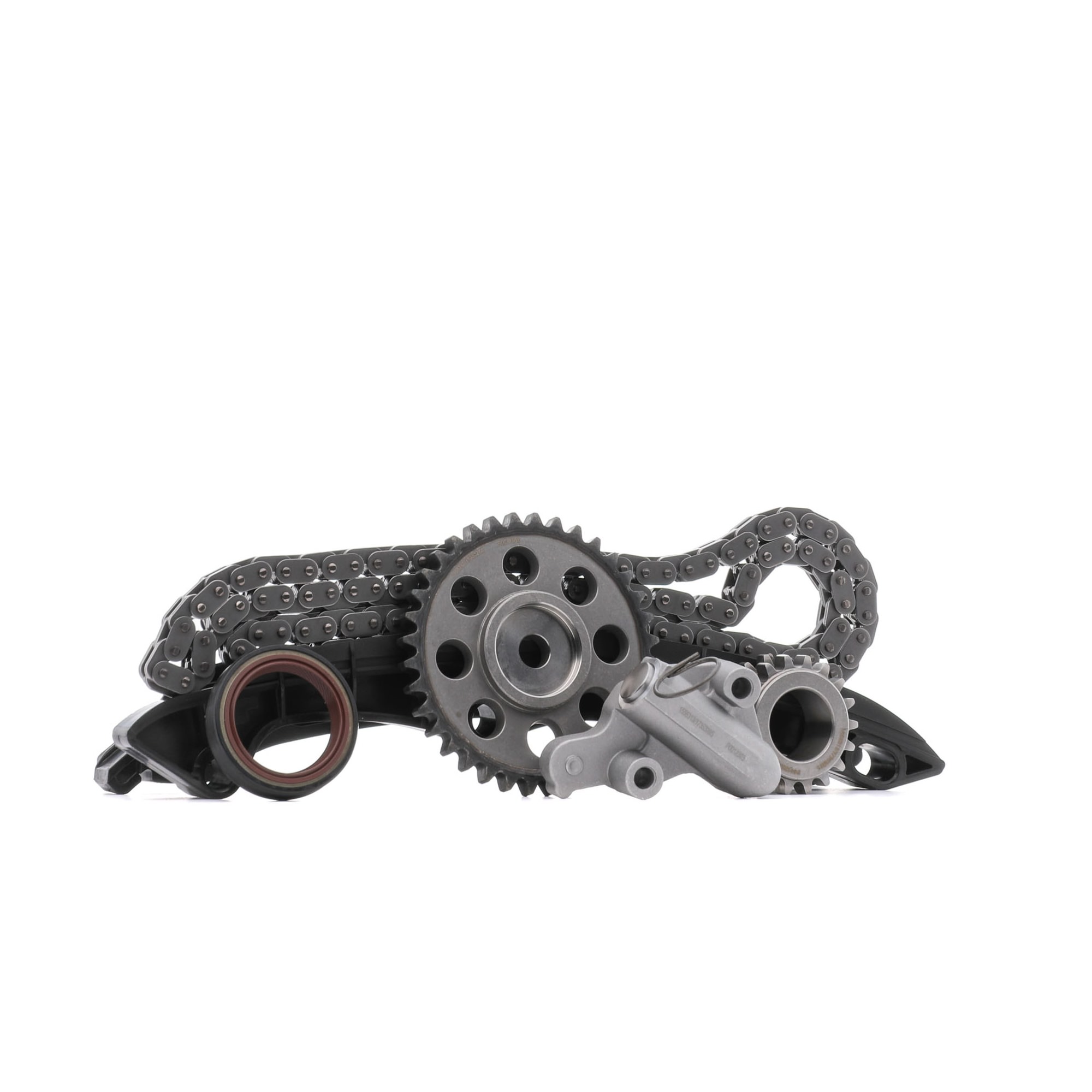
The 1.4 TSI engine has specific common faults, particularly in the timing chain and turbocharger. From around 80,000 kilometers, chain rattling and increased oil consumption can occur. The reliability of the engine is also affected by frequent issues with the camshaft phasing and the crankcase ventilation system.
A professional inspection is urgently required at the first sign of chain rattling. The VW EOS timing chains, which are prone to failure, should be replaced at 120,000 km at the latest. Regular checks of the oil level and the use of the prescribed oil quality are essential.
Weaknesses of the FSI engines in the VW EOS
The FSI engines in the VW EOS can have various common faults, in particular issues with direct injection and valve deposits. These often occur after 90,000 kilometers and manifest themselves in rough engine running, increased fuel consumption or errors in the on-board computer.
Professional maintenance is particularly important for FSI engines. The complex VW EOS injection systems require regular cleaning and maintenance every 60,000 km. The use of premium fuel and regular valve cleaning can significantly extend the service life.
VW EOS: Problems with the power windows
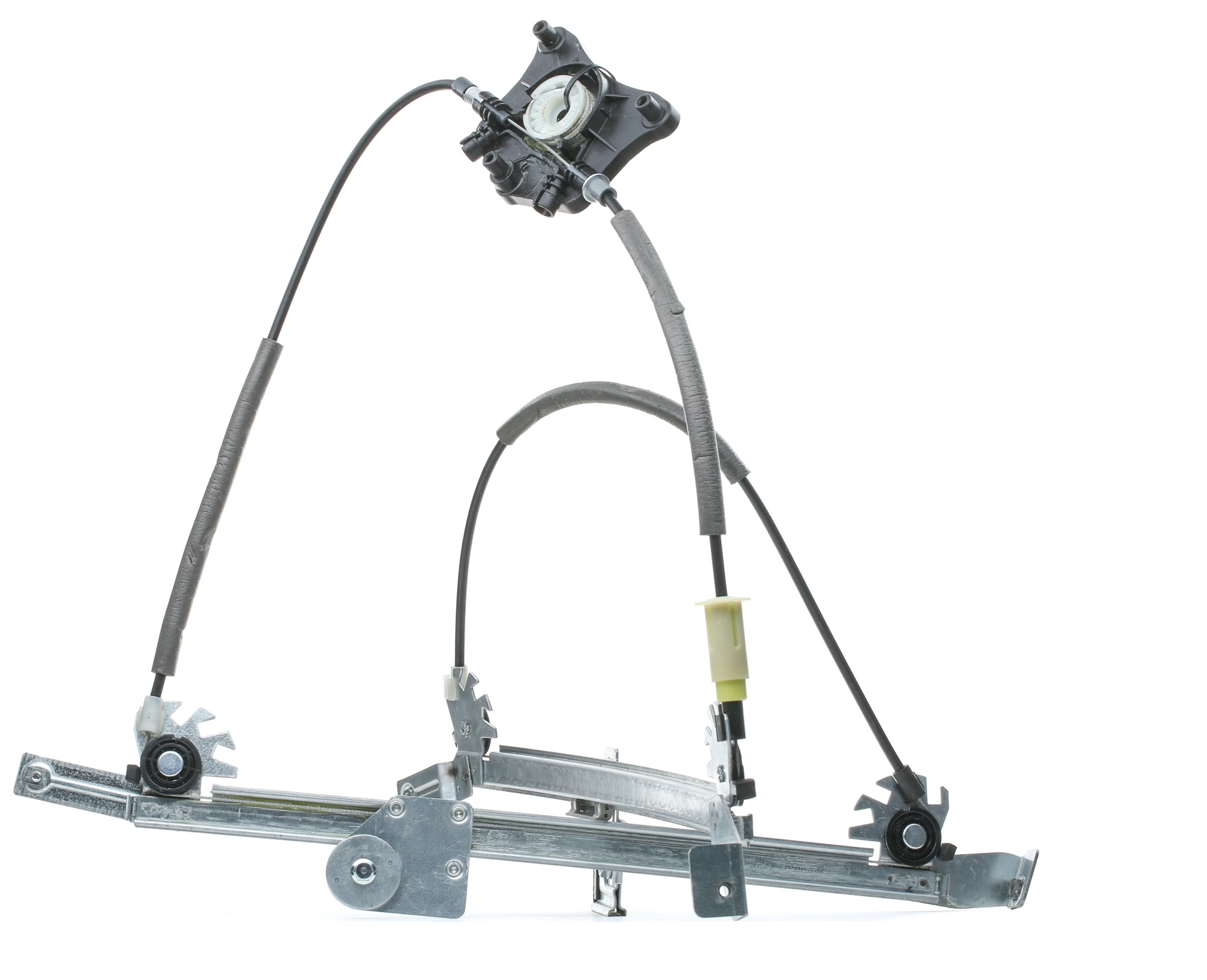
The electric windows of the VW EOS often show malfunctions, especially in connection with the soft top mechanism. These problems manifest themselves through stagnant movements or complete failure of the window regulators, so that the system does not work in part. The average service life of the window regulator motors is 100,000 km.
Regular maintenance is important for the functionality of the window regulators. The sensitive VW EOS window regulator mechanisms require regular lubrication and cleaning. The electrical contacts and sensors should be checked every 30,000 km.
Classic problems with water ingress and leaks in the VW EOS
Water ingress is a common problem in the VW EOS, especially in higher mileage models. The seals of the soft top can become porous after around 100,000 km and lose their sealing effect. Water then often penetrates in the area of the A-pillars or at the transitions between the soft top parts. This can lead to damage to the electronics and the formation of mold.
-31%
Reviews - 28
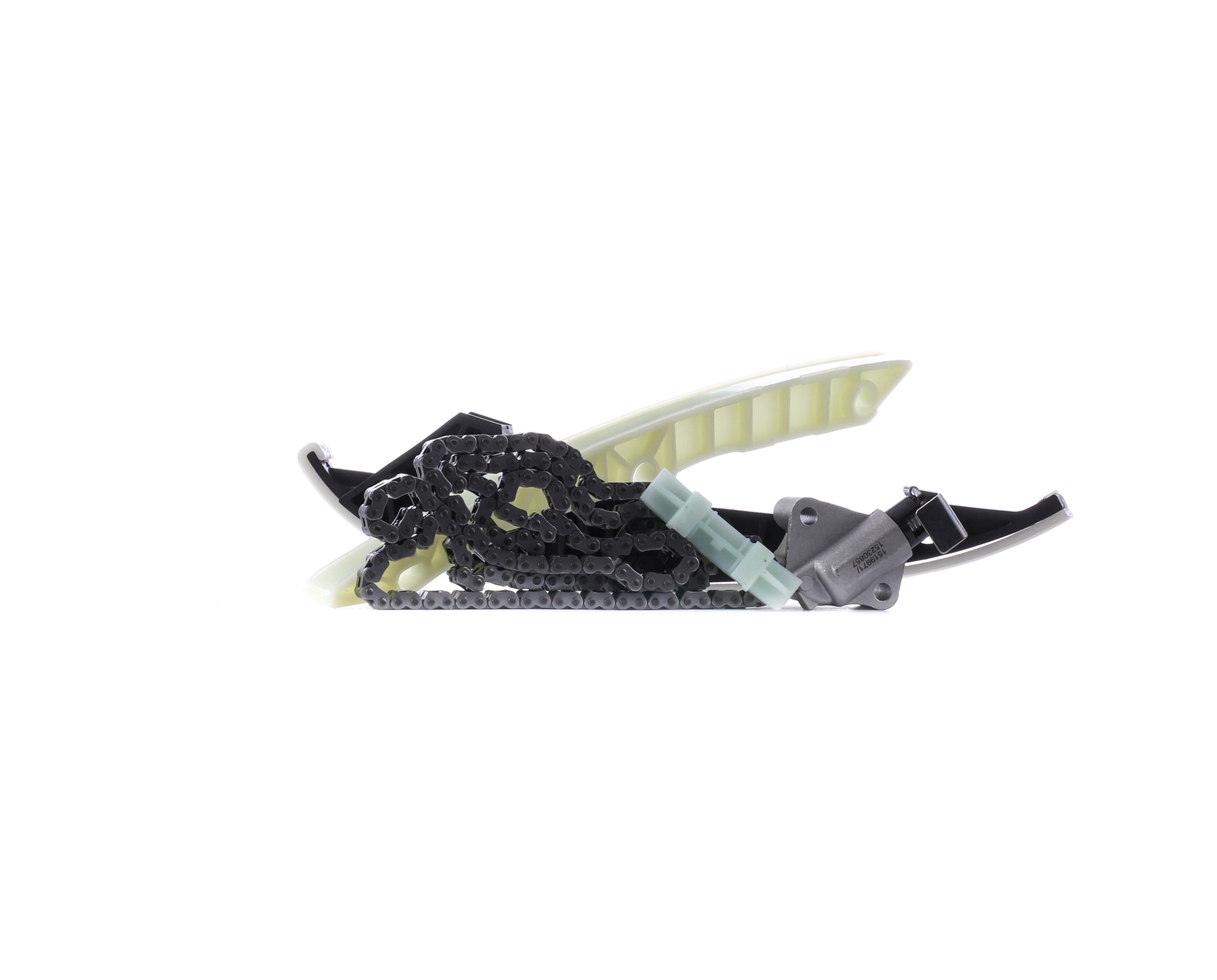
Parts Details
Number of chain links:
130
Observe service information
Chain Type:
Silent Chain, Closed chain
Supplementary Article / Supplementary Info:
with chain tensioner, with slide rails
The soft top of the VW EOS is one of the most common weak points of the model. The complex mechanism of the five-part folding roof can exhibit various faults, especially at higher mileages of 60,000 km or more. Frequent symptoms are hesitant movements during the opening or closing process, leaks in the rubber seals and malfunctions of the hydraulic pump. The reliability of the system decreases significantly with increasing age.
Transmission and DSG problems in the VW EOS - common faults
The 6-speed DSG gearbox of the VW EOS can exhibit various problems after around 120,000 km. Typical symptoms are jerky shifting, delayed reactions when starting off and unusual noises. These problems occur more frequently in the 1.4 TSI and 2.0 TDI models with 140 PS.
Additional common VW EOS faults
Based on the experiences of VW EOS owners and their complaints, the following additional issues occur:
Hood sensor malfunctions: Often occur after 50,000 km and can lead to opening/closing problems.
Air conditioning system defects: Usually show up after 70,000 km due to diminishing cooling performance.
Door seal problems: Wind noise can occur after 40,000 km
Battery discharge: Common defect after 3-4 years due to high power consumption of the soft top system.
Brake disk problems: Premature wear possible after just 30,000 km.
These defects should definitely be taken into account during maintenance. If you pay attention to these known weak points in good time and act early, you can avoid expensive repairs and extend the service life of your EOS.
Strengths and weaknesses of the VW EOS
Strengths
Weak points
Innovative folding roof system
Vulnerable soft top system
Good workmanship
High maintenance costs
Wide range of engines
Water ingress issues
High driving comfort
Weight due to roof construction
Good road holding
Complex electronics
Stable value
Expensive repairs
Sporty design
Limited trunk space
The VW EOS is a fascinating coupé convertible which, despite its innovative technology, has some typical weak points. Regular maintenance and proper care are essential to ensure the longevity of the vehicle.
Przydatny filmik na ten temat:
Slow Power Window? Learn Why It Happens and How to Fix the Issue!

 9 July 2025 (updated)