Table of Contents
 4 July 2025 (updated)
 BMW E46 Cooling System Issues
The BMW E46 3 Series, produced between 1999 and 2006, represents one of BMW's most beloved generations. However, beneath its acclaimed driving dynamics lies a critical vulnerability that has plagued owners for decades: cooling system deterioration caused by plastic component failures. This inherent design flaw transforms routine maintenance into a race against time to prevent catastrophic engine damage.
Understanding BMW E46 Cooling System Vulnerability
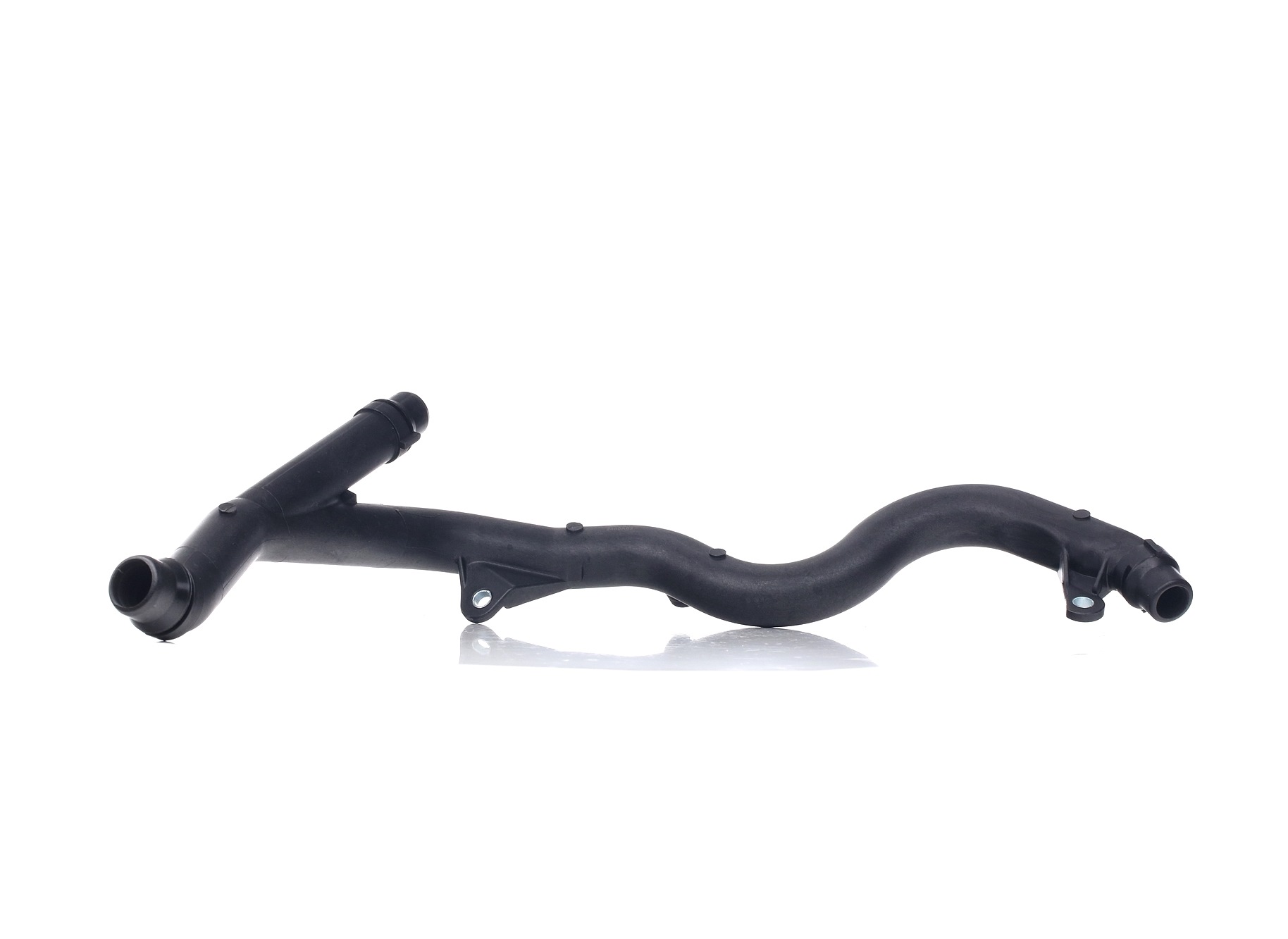
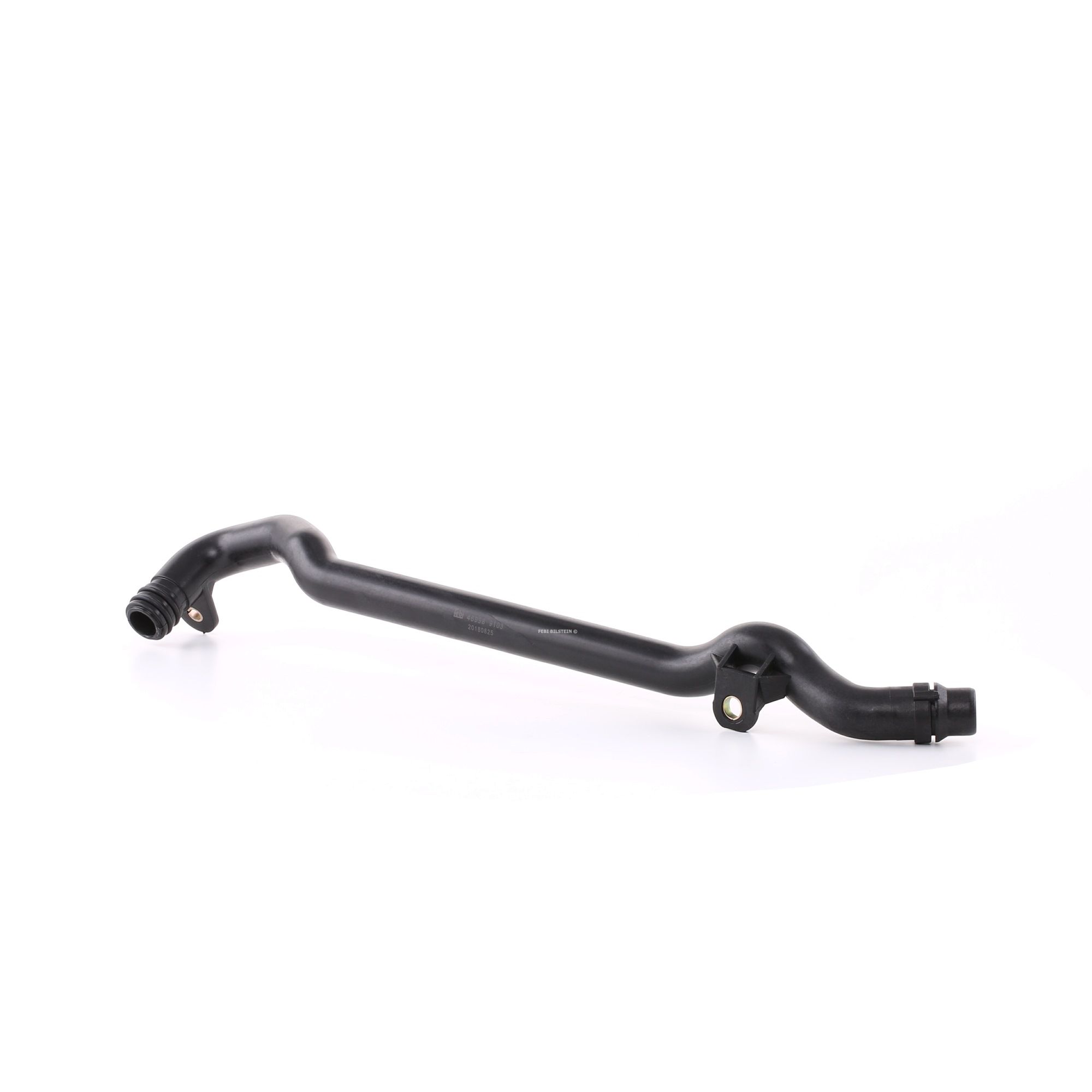
BMW E46 cooling system deterioration occurs primarily due to the extensive use of plastic components throughout the cooling circuit. Unlike earlier BMW generations that relied more heavily on metal components, the E46's cooling system incorporates plastic materials in critical areas including the expansion tank, radiator neck, thermostat housing, and various connecting points.
The fundamental issue stems from heat cycling—the repeated expansion and contraction of plastic materials as the engine warms up and cools down. Over approximately 40,000 to 60,000 miles, these plastic components gradually weaken, developing hairline cracks that eventually lead to catastrophic failure. When plastic components fail in the E46's cooling system, the consequences extend far beyond a simple coolant leak.
Primary Plastic Components Prone to Failure
The BMW E46's cooling system contains several plastic components that represent significant failure points, each with distinct characteristics and typical failure patterns.
Expansion Tank Deterioration
The expansion tank failure represents the most common cooling system issue in E46 models. Manufactured from lower-grade plastic, this component typically fails between 37,000 and 50,000 miles. The tank develops stress cracks along the seams or mounting points, initially causing minor seepage that rapidly progresses to complete failure.
When the expansion tank fails, coolant loss occurs rapidly—often within minutes of the initial crack appearing. This sudden coolant loss leaves the engine without adequate cooling capacity, creating conditions for immediate overheating and potential engine destruction.
Sold by AUTODOC Sold by AUTODOC Sold by AUTODOC Sold by AUTODOC Sold by AUTODOC
 Article number: 21149
More
£10. 49
£10.49
for 1 litre
price incl. 20% VAT, excl. delivery costs
-59%
Article number: 21149
More
£10. 49
£10.49
for 1 litre
price incl. 20% VAT, excl. delivery costs
-59%
 Article number: 6PK2080K1
compared to
RRP
£261.95
£105. 99price incl. 20% VAT, excl. delivery costs
-51%
Article number: 6PK2080K1
compared to
RRP
£261.95
£105. 99price incl. 20% VAT, excl. delivery costs
-51%
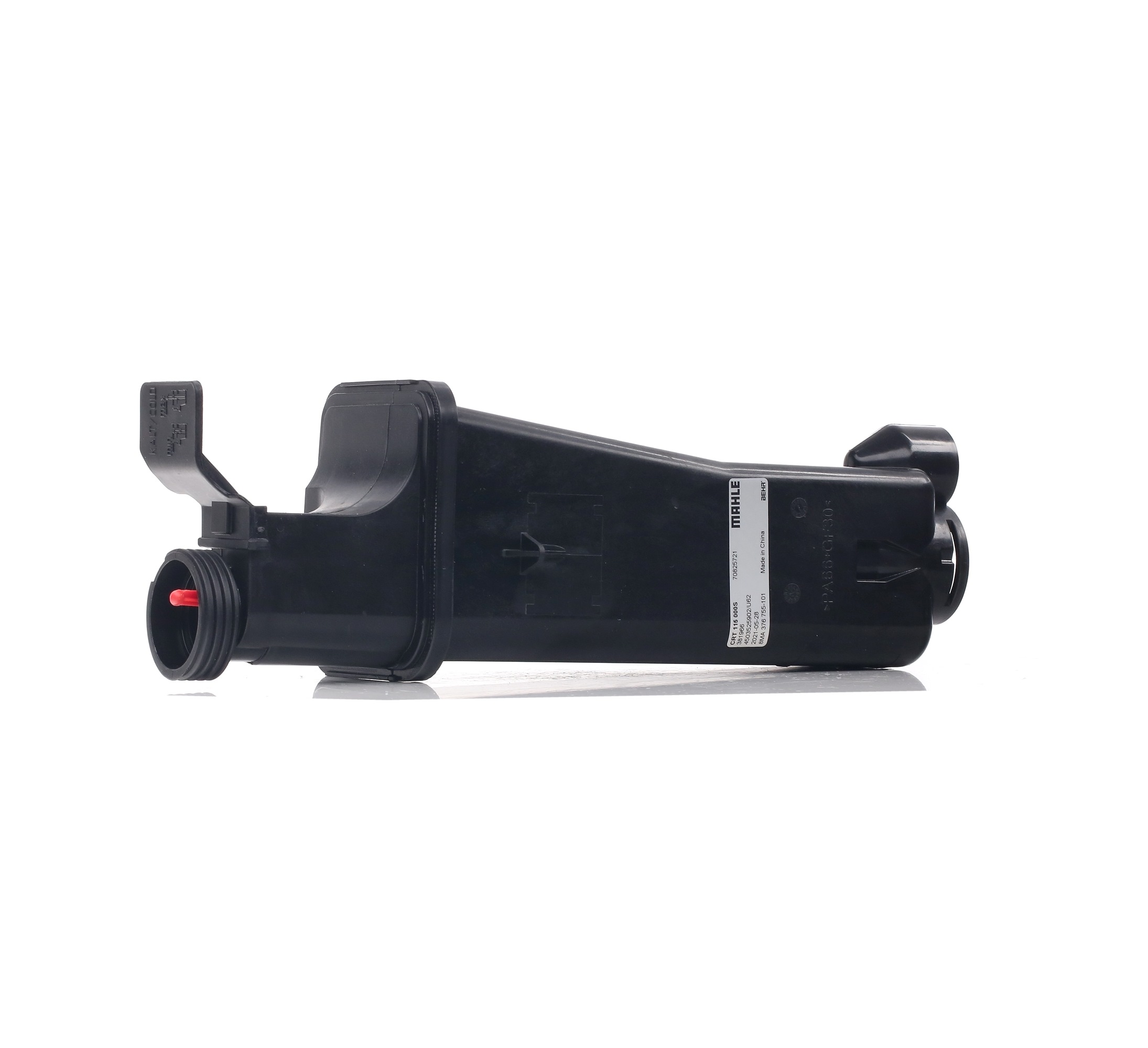 MAHLE Coolant expansion tank
without coolant level sensor, without lid
Article number: CRT 115 000S
compared to
RRP
£80.82
£39. 49price incl. 20% VAT, excl. delivery costs
-43%
MAHLE Coolant expansion tank
without coolant level sensor, without lid
Article number: CRT 115 000S
compared to
RRP
£80.82
£39. 49price incl. 20% VAT, excl. delivery costs
-43%
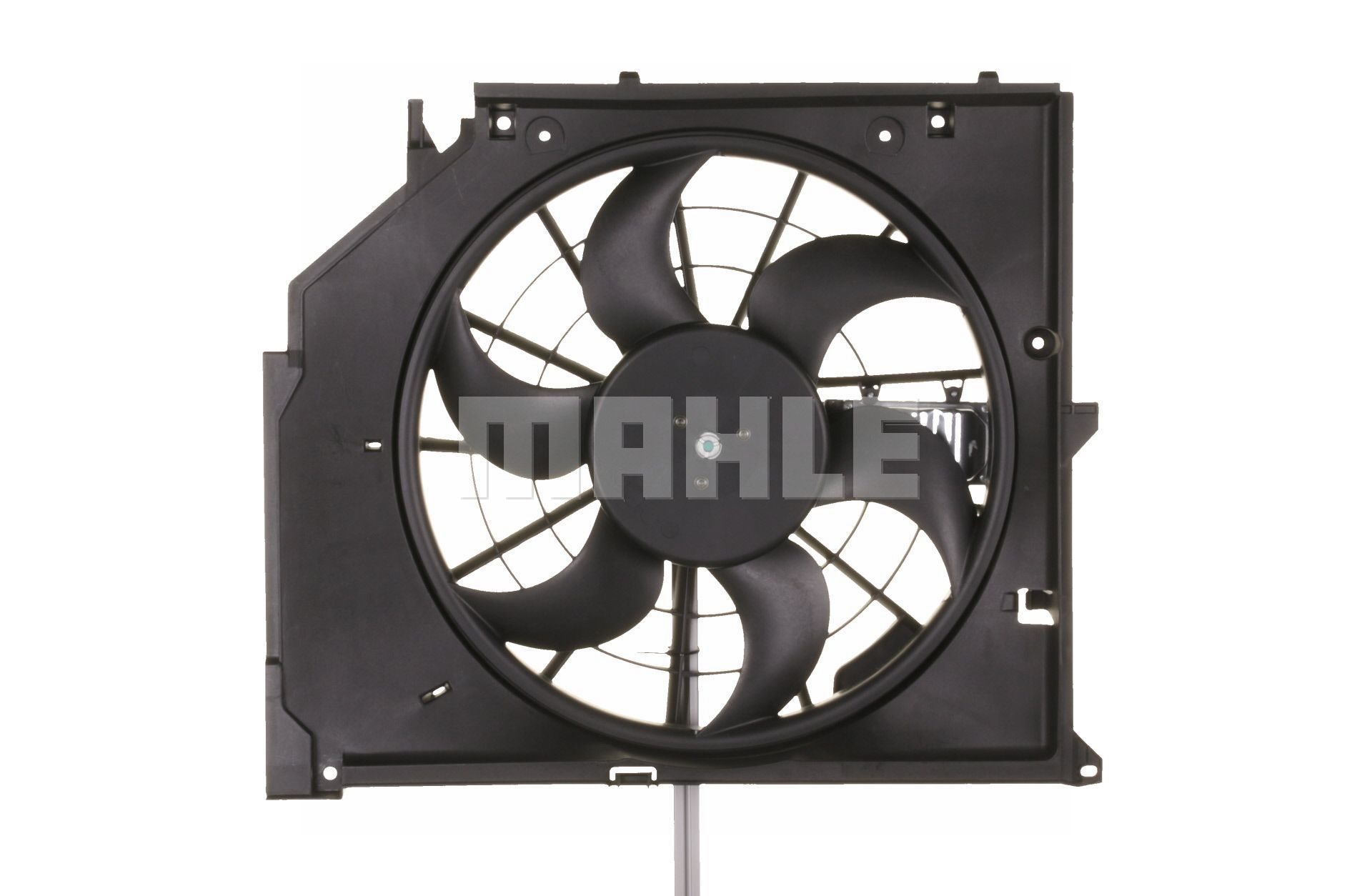 MAHLE Fan, radiator
Ø: 421 mm, 12V, 390W, Electric, with radiator fan shroud
Article number: CFF 137 000S
compared to
RRP
£304.69
£170. 99price incl. 20% VAT, excl. delivery costs
-40%
MAHLE Fan, radiator
Ø: 421 mm, 12V, 390W, Electric, with radiator fan shroud
Article number: CFF 137 000S
compared to
RRP
£304.69
£170. 99price incl. 20% VAT, excl. delivery costs
-40%
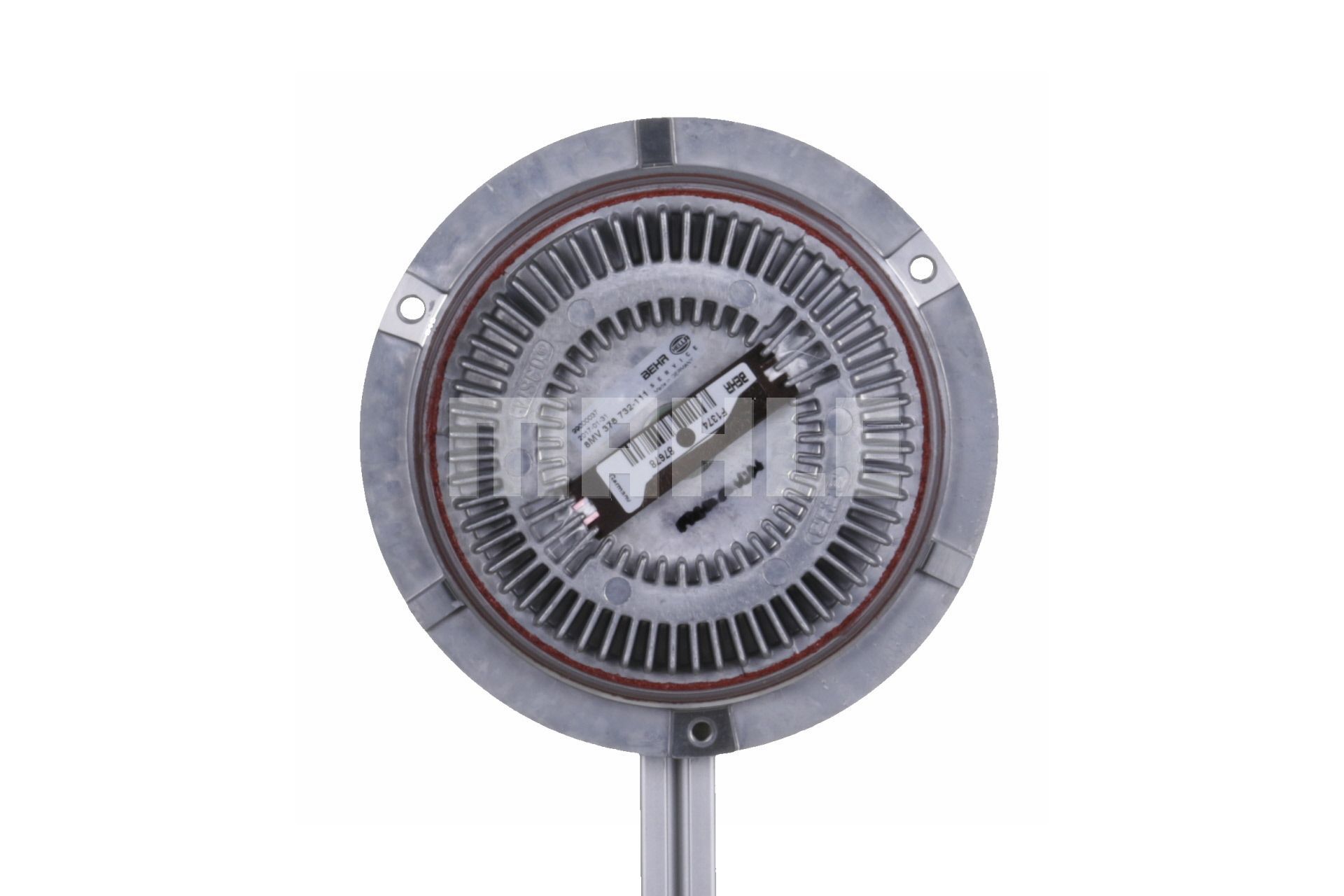 MAHLE Fan clutch
Article number: CFC 58 000P
compared to
RRP
£164.90
£98. 49price incl. 20% VAT, excl. delivery costs
MAHLE Fan clutch
Article number: CFC 58 000P
compared to
RRP
£164.90
£98. 49price incl. 20% VAT, excl. delivery costs
Water Pump Housing Complications
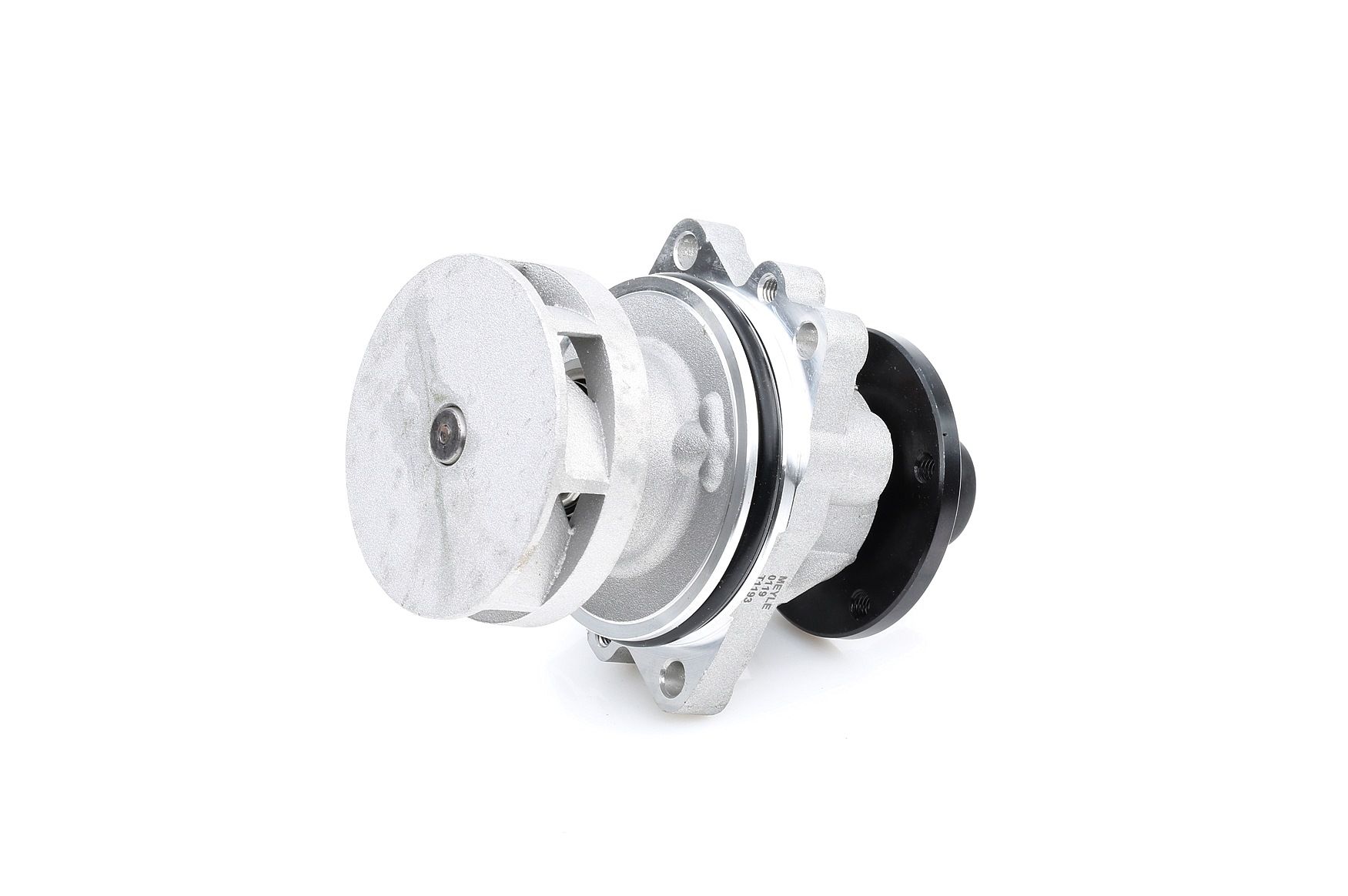
The water pump plastic housing typically fails earlier than the expansion tank, with most failures occurring around 22,000 to 28,000 miles. The plastic impeller and housing assembly cannot withstand the constant pressure and temperature fluctuations, leading to internal component breakdown.
Water pump failure symptoms include metallic grinding noises, coolant leaks from the pump area, and erratic temperature readings. Unlike expansion tank failure, water pump deterioration often provides warning signs before complete failure occurs.
Thermostat Housing Weakness
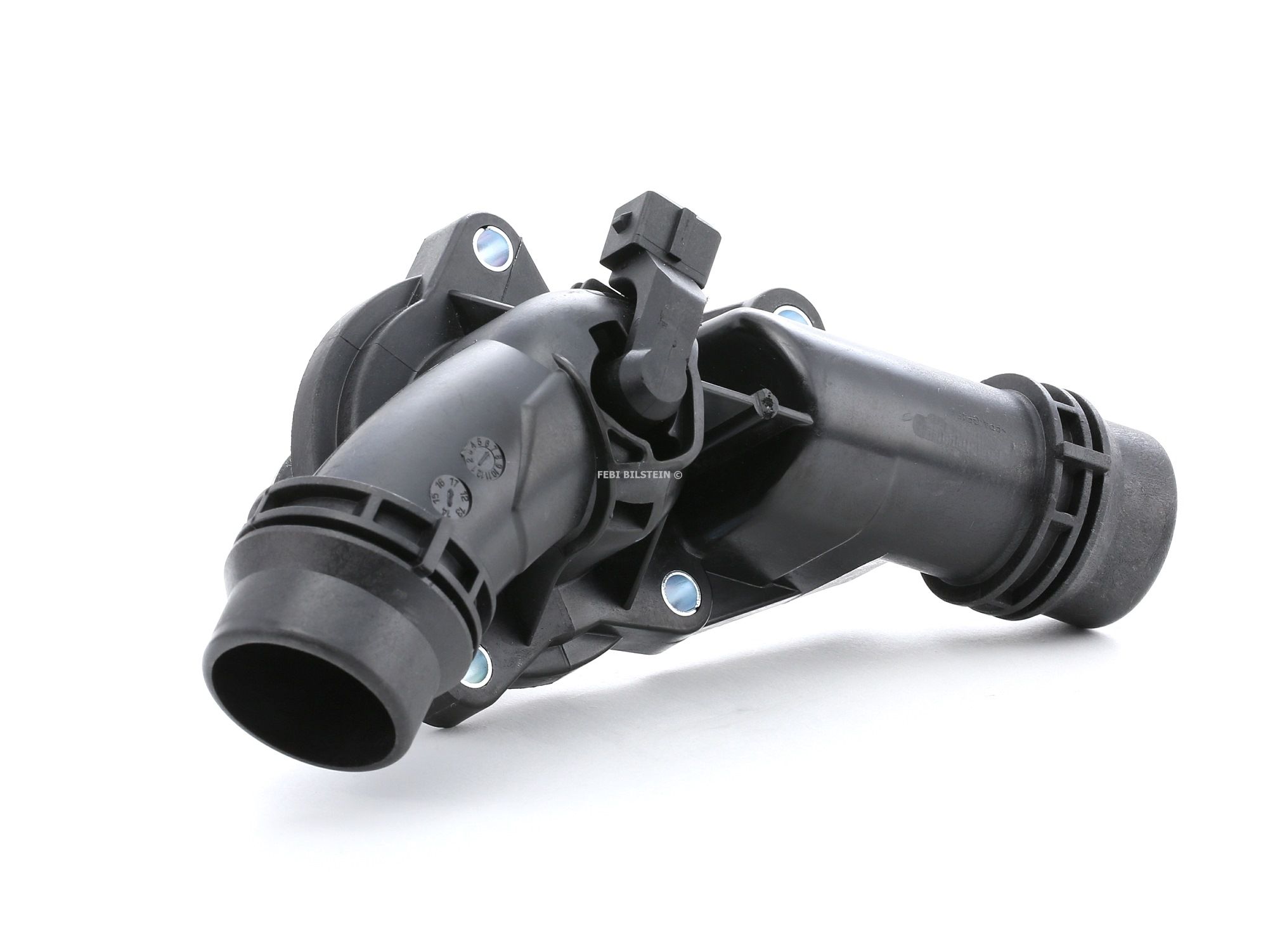
Thermostat housing cracking affects the plastic housing surrounding the thermostat mechanism. This component failure typically manifests as coolant seepage around the thermostat area, gradually worsening until significant coolant loss occurs.
Recognising BMW E46 Cooling System Failure Symptoms
Early detection of cooling system deterioration can prevent engine damage, but E46 owners must understand the warning signs that indicate impending component failure.
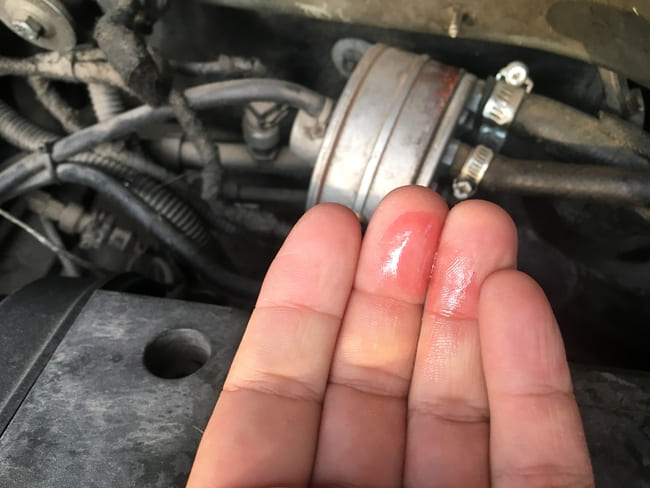
Primary symptoms include temperature gauge readings consistently above normal operating range, visible coolant puddles beneath the vehicle after parking, and unusual noises from the engine bay during operation. The cooling system may also exhibit intermittent overheating, particularly during stop-and-go traffic or extended idling periods.
Advanced warning signs encompass steam visible from the engine bay, rapid coolant loss requiring frequent top-ups, and temperature gauge fluctuations during normal driving conditions. These symptoms indicate that plastic component failure has progressed beyond the early stages.
Consequences of Cooling System Failure
BMW E46 engine damage from overheating represents one of the most expensive automotive repair scenarios owners can encounter. The aluminium engines fitted to E46 models demonstrate particular intolerance to overheating conditions, with damage occurring within minutes of inadequate cooling.
When cooling system failure leads to overheating, several critical engine components suffer immediate damage. The aluminium cylinder head can warp, requiring complete replacement or extensive machining. Head gasket failure often accompanies overheating, allowing coolant to enter the combustion chambers and oil passages.
In severe cases, overheating can cause piston seizure, connecting rod damage, or complete engine block failure. These failures typically require complete engine replacement, with costs often exceeding the vehicle's market value.
Preventive Maintenance Strategies
Preventing BMW E46 cooling system failure requires proactive replacement of plastic components before failure occurs. Rather than waiting for symptoms to appear, successful E46 ownership demands scheduled replacement of vulnerable components.
Most automotive professionals recommend replacing the expansion tank every 37,000 to 50,000 miles, regardless of apparent condition. The water pump should be replaced every 22,000 to 35,000 miles, particularly if any cooling system work is performed. When replacing coolant hoses, following proper techniques is crucial - the experts from Autodoc demonstrate professional coolant hose replacement methods that help prevent future leaks. Consider upgrading to improved materials where possible during any cooling system work.
Complete system overhaul represents the most effective approach for high-mileage E46 models. This process involves replacing all plastic cooling system components simultaneously, including the expansion tank, water pump, thermostat housing, radiator, and all connecting hoses.
Sold by AUTODOC Sold by AUTODOC Sold by AUTODOC Sold by AUTODOC Sold by AUTODOC
-12%
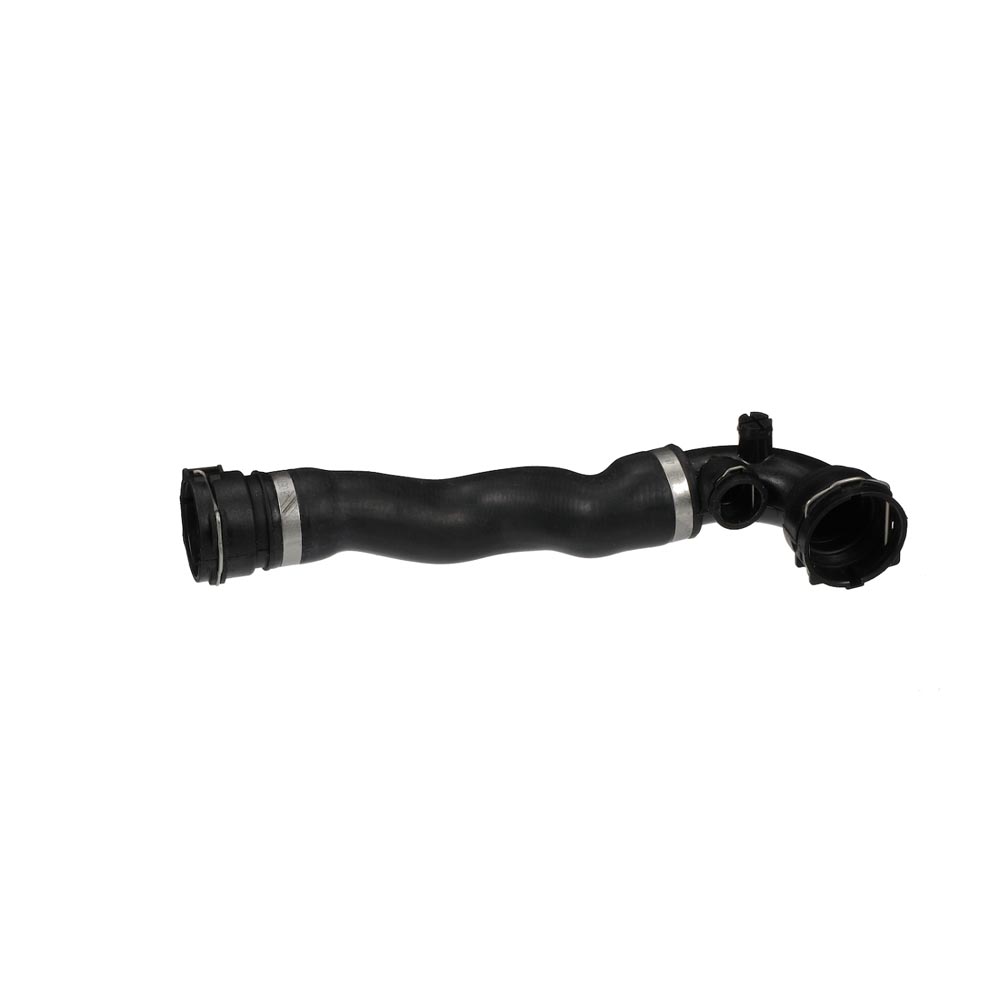
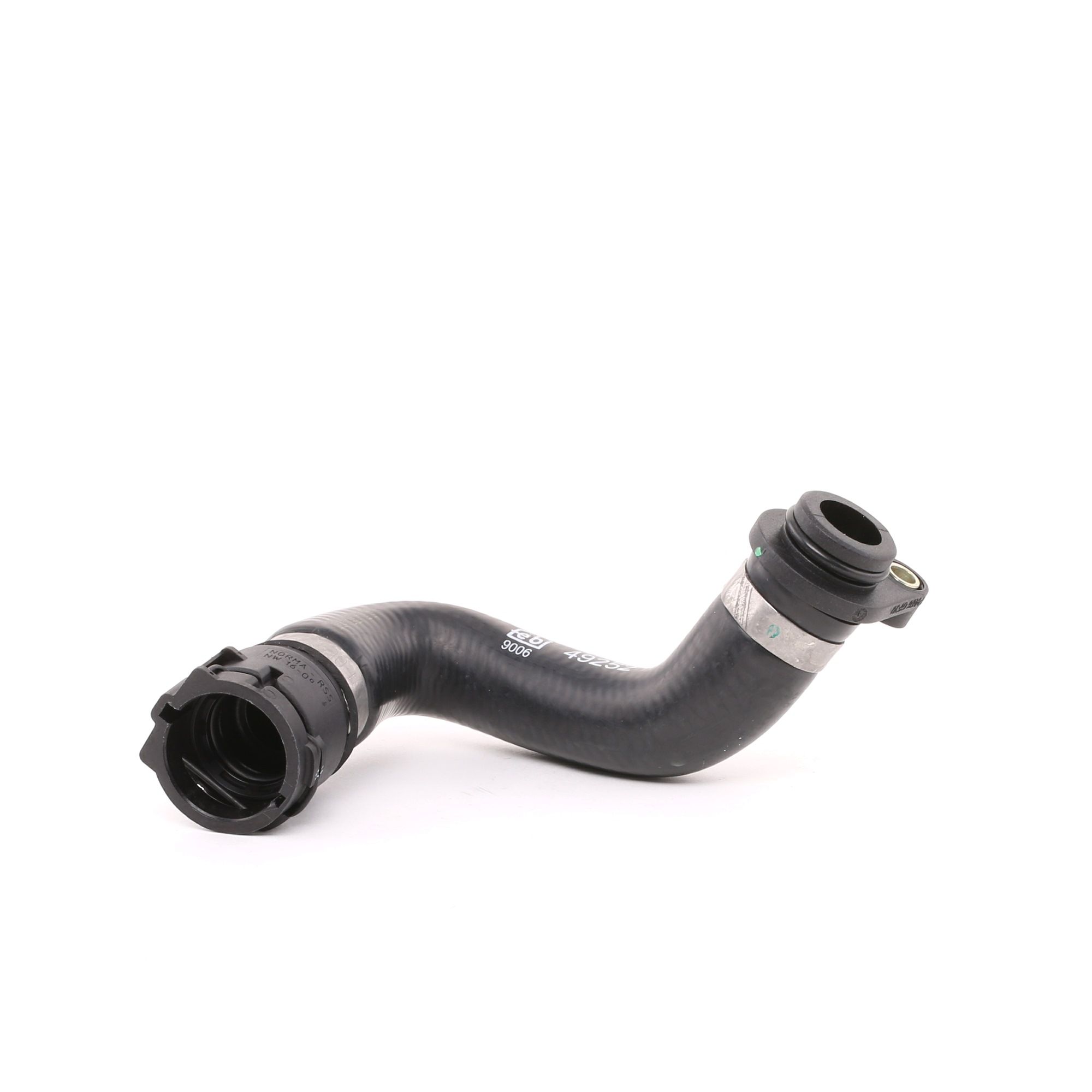 FEBI BILSTEIN Radiator hose
EPDM (ethylene propylene diene Monomer (M-class) rubber), Plastic, with quick couplers
Article number: 49252
compared to
RRP
£24.99
£21. 99price incl. 20% VAT, excl. delivery costs
-43%
FEBI BILSTEIN Radiator hose
EPDM (ethylene propylene diene Monomer (M-class) rubber), Plastic, with quick couplers
Article number: 49252
compared to
RRP
£24.99
£21. 99price incl. 20% VAT, excl. delivery costs
-43%
 Article number: 60782A
compared to
RRP
£154.00
£87. 49price incl. 20% VAT, excl. delivery costs
Article number: 60782A
compared to
RRP
£154.00
£87. 49price incl. 20% VAT, excl. delivery costs
 Article number: 23750
£0. 99
Price per item
price incl. 20% VAT, excl. delivery costs
-9%
Article number: 23750
£0. 99
Price per item
price incl. 20% VAT, excl. delivery costs
-9%
 Article number: 45284
compared to
RRP
£26.99
£24. 49price incl. 20% VAT, excl. delivery costs
-23%
Article number: 45284
compared to
RRP
£26.99
£24. 49price incl. 20% VAT, excl. delivery costs
-23%
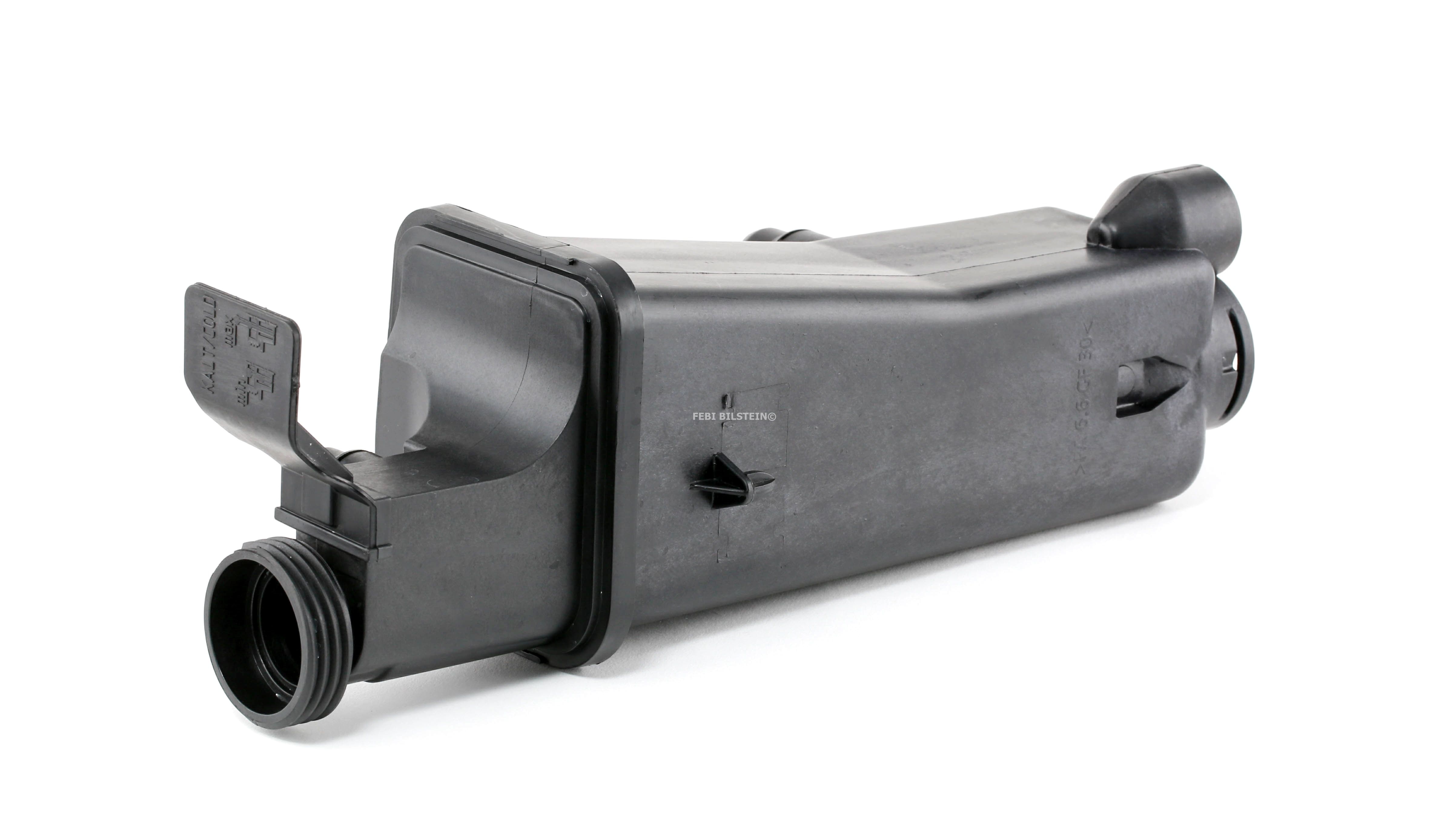 FEBI BILSTEIN Coolant expansion tank
without lid
Article number: 33550
compared to
RRP
£52.99
£40. 49price incl. 20% VAT, excl. delivery costs
FEBI BILSTEIN Coolant expansion tank
without lid
Article number: 33550
compared to
RRP
£52.99
£40. 49price incl. 20% VAT, excl. delivery costs
Component Upgrade Options
Many E46 owners choose upgraded components to improve cooling system reliability beyond original specifications. Aluminium expansion tanks eliminate the plastic failure mode entirely, whilst upgraded water pumps with metal impellers provide increased durability.
Silicone cooling hoses offer superior heat resistance compared to standard rubber hoses, maintaining flexibility across wider temperature ranges. These upgrades, whilst more expensive initially, can significantly extend cooling system service life.
Conclusion
BMW E46 cooling system deterioration represents an inevitable consequence of the model's design philosophy rather than a manufacturing defect. The extensive use of plastic components creates multiple failure points that will eventually require attention regardless of maintenance quality.
Successful E46 ownership requires understanding that cooling system maintenance represents an ongoing commitment rather than occasional attention. Proactive replacement of plastic components before failure occurs remains the only reliable method for preventing catastrophic engine damage.
The key to long-term E46 ownership lies in treating cooling system maintenance as preventive rather than reactive. By replacing vulnerable components on a scheduled basis and monitoring system performance closely, owners can enjoy the E46's exceptional driving characteristics whilst avoiding the financial devastation of cooling system-related engine failure.
A useful video on this topic: