Problems with the VW T-Cross

Reliability VW T-Cross: common problems, issues symptoms and faults
- DSG gearbox jerking and shift delays: The 7-speed DSG gearbox exhibits juddering when starting off and delayed shift reactions from 15,000-25,000 km. These symptoms are particularly pronounced at low speeds and in stop-and-go traffic.
- Start-Stop system malfunctions: The Start-Stop system does not function reliably and can fail completely after just 10,000-20,000 km. The most common causes are defective battery sensors or problems with the engine control unit.
- 1.0 TSI problems with timing chain: The 1.0 TSI engine develops characteristic rattling noises between 40,000-60,000 km due to timing chain stretching. This can lead to costly engine damage if not rectified in time.
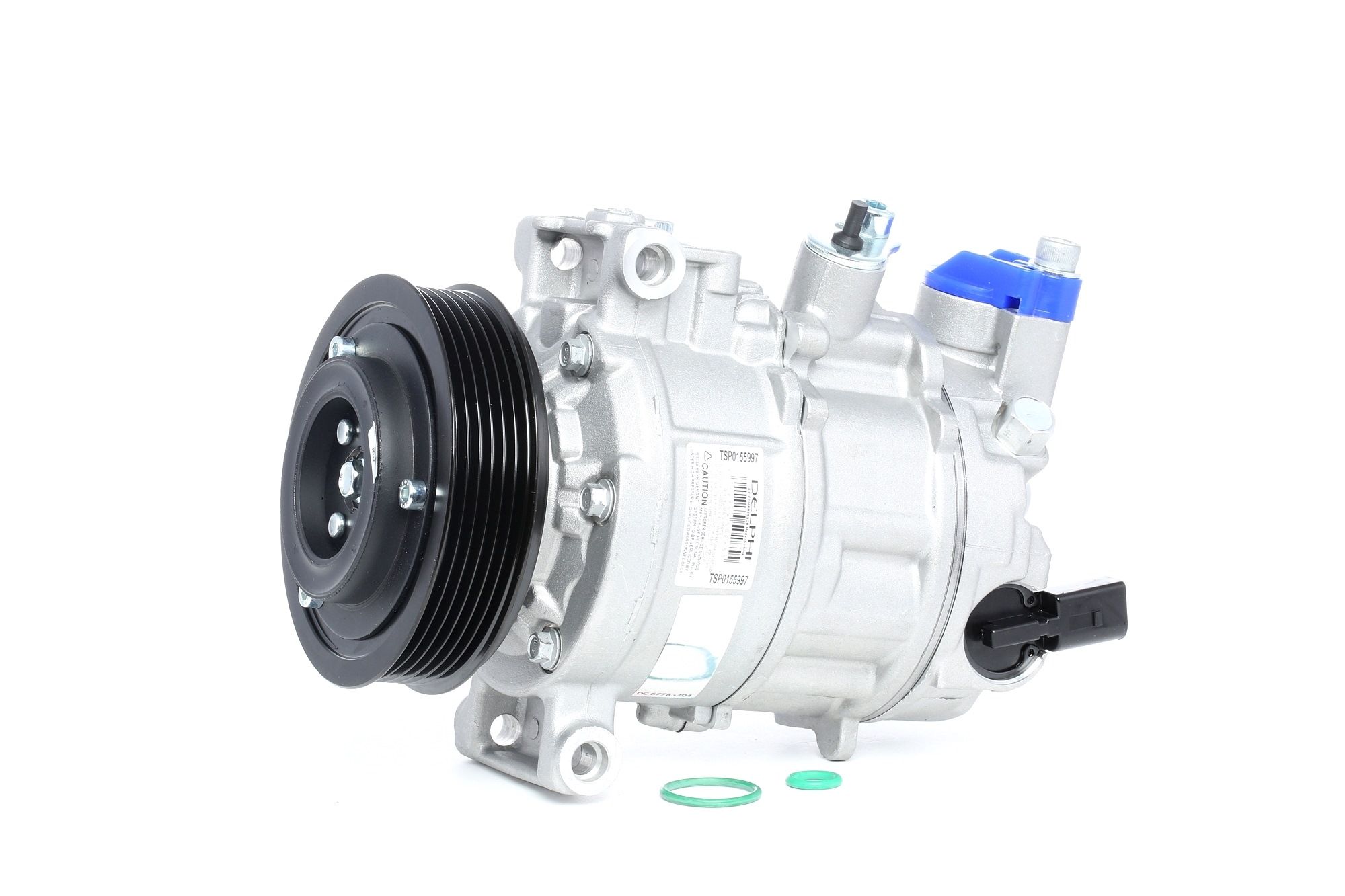
- Loss of cooling capacity: The air conditioning system noticeably loses cooling capacity after just 20,000-30,000 km, often caused by leaking condensers or defective compressors.
VW T-Cross: Problems with the DSG gearbox
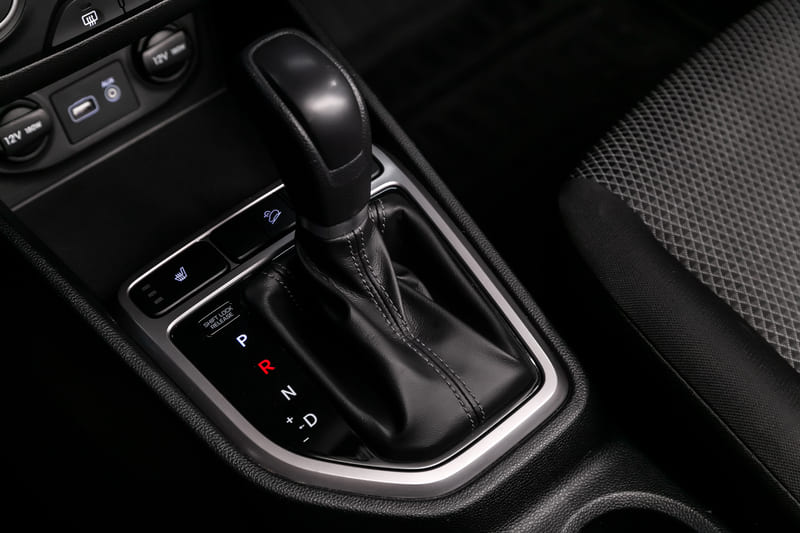
The DSG gearbox in the Volkswagen T-Cross already shows characteristic weak points in the first few years of operation, which are manifested by jerking when starting off, delayed shift reactions and unsteady idling. These symptoms occur particularly frequently at low speeds and can impair driving safety. The automatic system often reacts sluggishly to acceleration commands, which can be problematic in city traffic. Many drivers report unpredictable gear changes that occur between 15,000 and 25,000 kilometers. The reliability of the system suffers from these recurring breakdowns, which are often accompanied by error codes in the control unit.
Regular maintenance is crucial for the longevity of the transmission system. The precise VW T-Cross DSG clutches require special attention and regular oil changes every 60,000 kilometers according to the manufacturer's specifications. Software updates at the authorized dealer can resolve many of the early complaints, while more serious mechanical problems may require replacement of the clutch unit. Preventive maintenance prevents major damage and ensures optimum transmission performance over the entire service life.
VW T-Cross: Start-Stop system not working
The Start-Stop system in the Volkswagen T-Cross develops characteristic malfunctions after just a few months of operation, which manifest themselves through complete system failure or irregular operation. The most common symptoms include failure of the automatic engine cut-off at traffic lights, spontaneous restarts for no apparent reason and warning messages in the instrument cluster. These problems typically occur between 10,000 and 20,000 kilometers and can significantly affect fuel efficiency. The fault does not always start immediately, but develops gradually over several weeks. The service life of the system appears to be well below expectations, which leads to recurring visits to the workshop.
A systematic check is essential to identify the source of the fault. The sensitive Volkswagen T-Cross battery sensors require regular calibration and can send faulty signals in the event of voltage fluctuations. Replacing the battery sensor or reprogramming the engine control unit solves most problems. Expert diagnosis with VW-specific diagnostic equipment is required to differentiate between sensor, software and mechanical problems.
VW T-Cross: 1.0 TSI problems with timing chain
The 1.0 TSI engine in the Volkswagen T-Cross develops characteristic problems with the timing chain between 40,000 and 60,000 kilometers, which are manifested by metallic rattling at cold start and unsteady idling. These weak points lead to increased wear of the chain tensioner and can result in serious engine damage if ignored. The problem occurs in two waves: the first signs appear as early as 25,000 kilometers due to tensioner wear and critical chain stretching between 40,000-60,000 kilometers. The reliability of the entire drive suffers from these design flaws. Drivers report sudden loss of power and irregular engine smoothness, indicating timing chain problems.
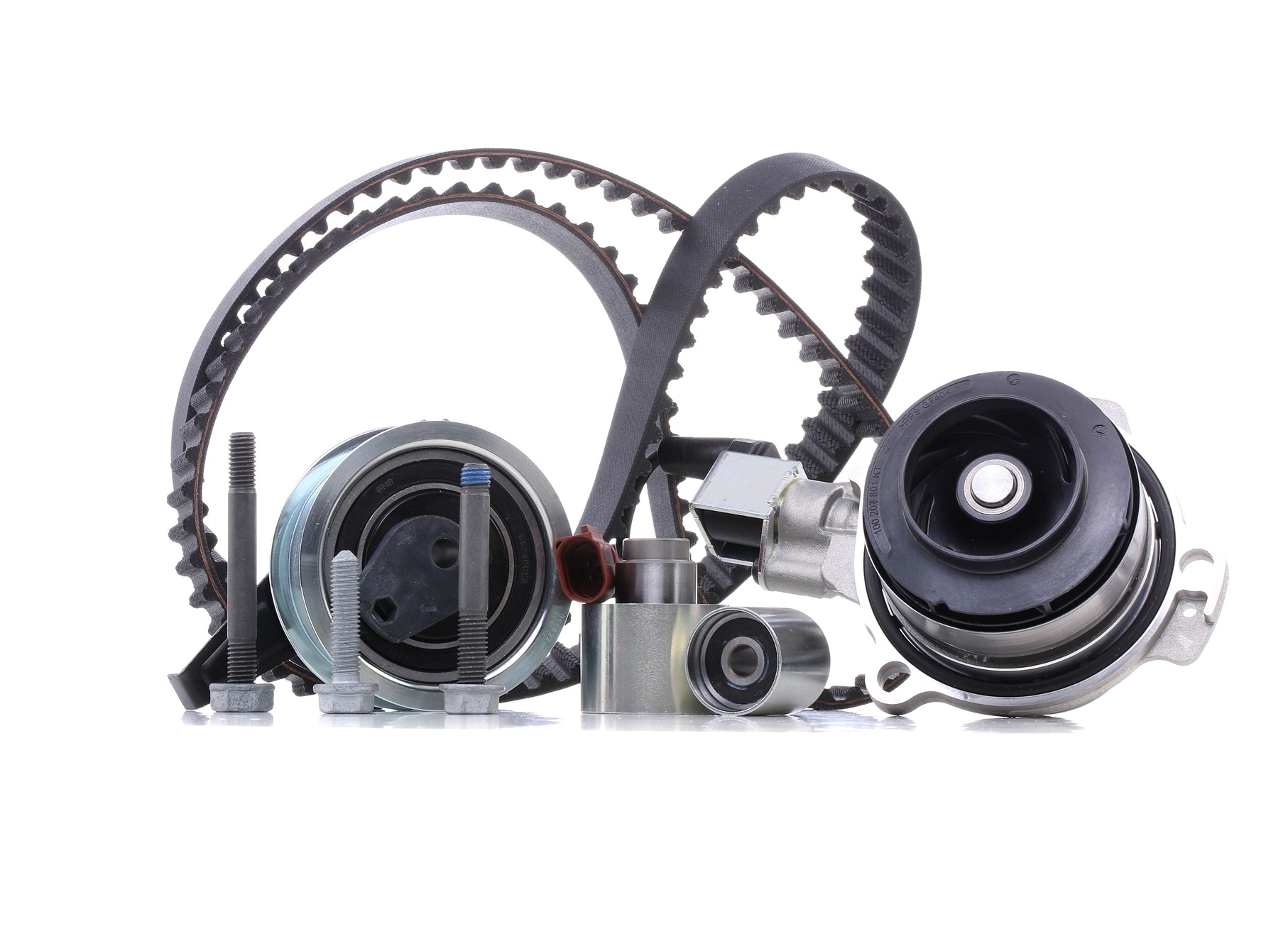
Professional maintenance is critical for early detection of these problems. The complex VW T-Cross 1.0 TSI timing chain systems require regular inspections every 15,000 kilometers and immediate replacement at the first sign of stretching. Preventive replacement of the timing chain including tensioners between 50,000-70,000 kilometers prevents consequential damage to the engine. Engine oil with the correct viscosity and regular oil changes every 10,000 kilometers can extend the service life of the timing chain.
VW T-Cross: Air conditioning not working properly
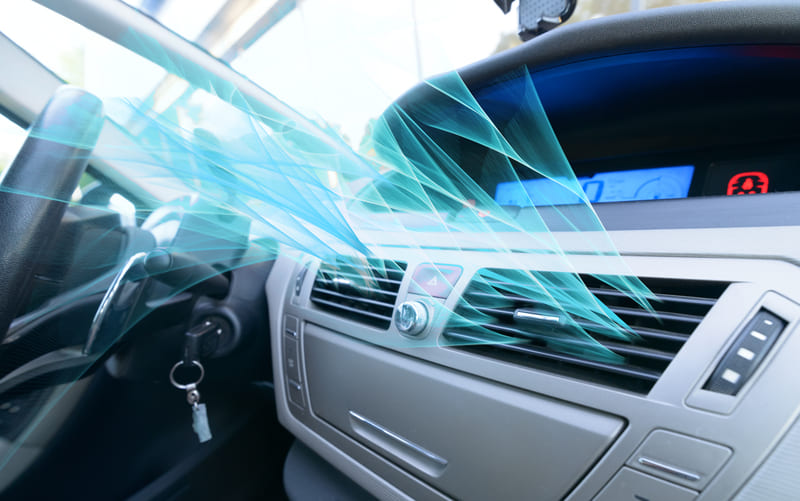
The air conditioning system in the VW T-Cross shows significant performance losses even after relatively low mileage, which are manifested by weak cooling, uneven temperature distribution and complete failure of the cooling system. These problems typically occur between 20,000 and 30,000 kilometers, with the condenser being particularly susceptible to stone chips and corrosion. The system does not switch properly between the different modes and shows symptoms such as warm air despite maximum cooling. The most common complaints concern refrigerant loss due to leaking lines and defective seals. In addition, electronic control units can fail, leading to complete system breakdowns.
A professional inspection is required for systematic fault diagnosis. The sensitive Volkswagen T-Cross air conditioning condensers require regular visual inspections for damage and professional leak tests every 24 months. Replacement of the condenser or repair of leaks by specialist companies restores full functionality. Regular maintenance with refrigerant checks and filter replacement prevents major damage and maintains optimum cooling performance for years to come.
VW T-Cross: Cruise control not working reliably
The cruise control system in the VW T-Cross develops various malfunctions, which manifest themselves in irregular activation, spontaneous speed changes and complete system failure. These problems occur in two characteristic phases: early software problems as early as 5,000 kilometers and sensor errors between 30,000-45,000 kilometers. The system does not respond to inputs via the steering wheel buttons or does not maintain the set speed. The cruise control behaves unpredictably, especially on uphill or downhill gradients. Reliability suffers from recurring faults, which are often accompanied by warning messages in the instrument cluster. Drivers report safety concerns due to unexpected acceleration or deceleration.
Regular maintenance is essential for the assistance systems to function correctly. The precise Volkswagen T-Cross speed sensors require regular calibration and can send faulty signals due to dirt or electronic faults. Software updates at the dealer will fix many of the early glitches, while sensor cleaning or replacement will be required for mechanical problems. Preventive maintenance of the electronic systems ensures reliable operation over the entire service life of the vehicle.
VW T-Cross: 1.5 TSI problems with cylinder deactivation
The 1.5 TSI engine with cylinder deactivation in the VW T-Cross exhibits specific problems, which manifest themselves in rough idling, loss of power and increased oil consumption. The Active Cylinder Technology (ACT) system does not always function properly and can lead to engine problems between 25,000-40,000 kilometers. Drivers report noticeable vibrations when switching between 2- and 4-cylinder operation as well as uneven engine smoothness. The cylinder deactivation does not start correctly or does not deactivate in time, which leads to a loss of comfort. In addition, the injection valves can suffer increased wear due to the frequent change of operating mode.
A systematic check is critical for diagnosing these complex engine problems. The sophisticated Volkswagen T-Cross 1.5 TSI cylinder deactivation systems require special diagnostic procedures and regular software updates to optimize the shift logic. Engine oil changes with high-quality specifications every 10,000 kilometers and the use of fuel additives to clean the injection valves can extend the life of the system. Professional maintenance by VW specialist workshops guarantees the optimum function of the cylinder deactivation system.
Additional common VW T-Cross faults
Based on the experience of Volkswagen T-Cross owners, the following additional problems occur:
- Electronic parking brake malfunctions: Often occur after 35,000-50,000 km, frequently caused by software problems or defective actuators.
- Infotainment system freezing: Can occur as early as 8,000-15,000 km, often caused by software errors or system overheating.
- Gearbox synchronizer ring wear: Typically occurs after 80,000-100,000 km, especially in 2nd and 3rd gear due to increased wear.
- LED headlight condensation: Premature fogging of the headlights is possible after 12,000-25,000 km, often due to leaking housings.
- Door handle sensor problems: Often occur after 20,000-35,000 km, especially in cold temperatures due to electronic faults.
- Fuel pump noise: Noticeable noises as early as 30,000-45,000 km, often caused by wear or fuel quality.

VW T-Cross problems: weak points and strengths
| Strengths |
Weak points |
| Compact dimensions for city traffic |
DSG gearbox jerks |
| Good overview and all-round visibility |
Start-Stop system failures |
| Modern assistance systems |
1.0 TSI timing chain problem |
| Flexible interior |
Air conditioning Cooling power loss |
| Solid workmanship |
Cruise control unreliability |
| Attractive design |
1.5 TSI cylinder deactivation |
| Good price-performance ratio |
Electronic parking brake error |
The Volkswagen T-Cross is a fundamentally well thought-out compact SUV with modern technologies, but it suffers from various teething problems. Most of the problems can be solved by regular maintenance and timely software updates. The electronic systems and the DSG gearbox in particular require increased attention to ensure the longevity and reliability of the vehicle.


 9 September 2025 (updated)