Reliability Citroën Berlingo: common problems, issues symptoms and faults
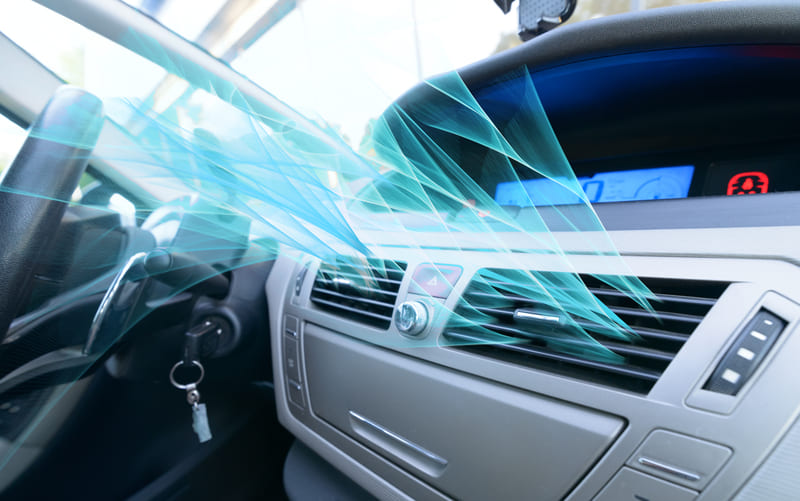
Air conditioning not cooling and fan not working: The air conditioning often fails after 40,000-60,000 km, especially in the Berlingo 2 and Berlingo 3. The fan may fail completely or only work at certain levels, resulting in insufficient cooling.
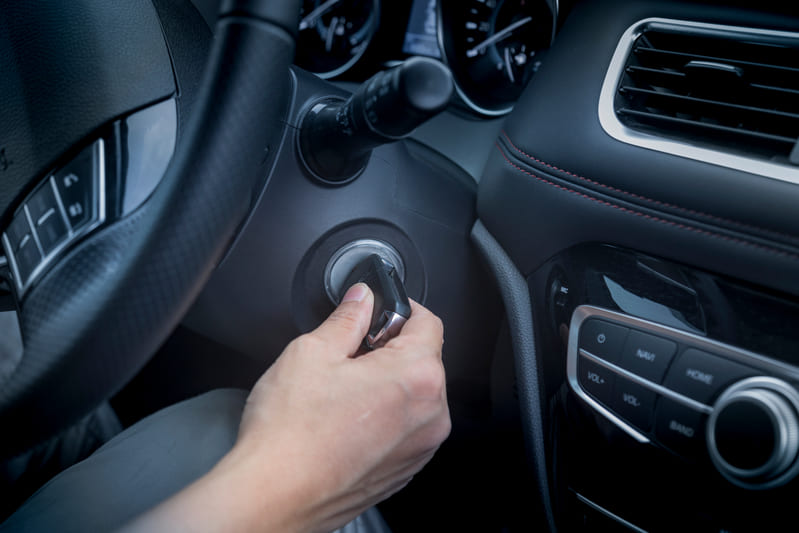
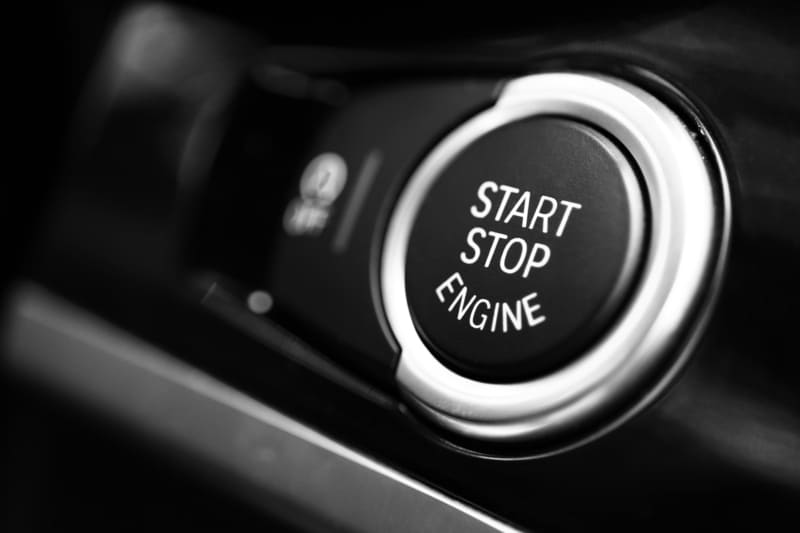
Engine does not start and does not start: The 1.6 HDI and 2.0 HDI frequently exhibit starting problems from 80,000 km. The engine does not start, especially in cold temperatures, which is often caused by defective glow plugs or fuel pump problems.
Start-Stop does not work: The Start-Stop system often fails in the Berlingo 3 with 1.5 BlueHDI 130 from 30,000 km. The system does not switch off automatically or does not restart the engine, which impairs fuel efficiency.
Clutch pedal does not return: This problem occurs particularly in the 1.6 HDI from 70,000 km. The clutch pedal gets stuck in the depressed position or is slow to return, making shifting difficult and posing safety risks.
Citroën Berlingo: Problems with the air conditioning and fan
The air conditioning does not cool and the fan does not work - these frequent faults occur particularly in the Berlingo 2 and Berlingo 3. The fan often fails completely or only works at certain levels, resulting in insufficient ventilation and cooling. The symptoms usually manifest themselves in a low air volume, warm air despite the air conditioning system being switched on or complete failure of the ventilation. These breakdowns can occur as early as 40,000 km and deteriorate progressively. The reliability of the air conditioning system is a known weak point of the model. The 1.6 16V and VTI 95 are particularly susceptible to these problems.
A systematic check is essential to diagnose these complex problems. The sensitive Citroën Berlingo air conditioning components require regular checks of the refrigerant level, compressor performance and electrical connections. The blower motor should be checked for carbon brush wear, while the air conditioning compressor must be tested for leaks and proper operation. The solution often involves replacing the blower motor (costs vary depending on the workshop), recharging the refrigerant or repairing leaks in the system.
Reviews - 11
Parts Details
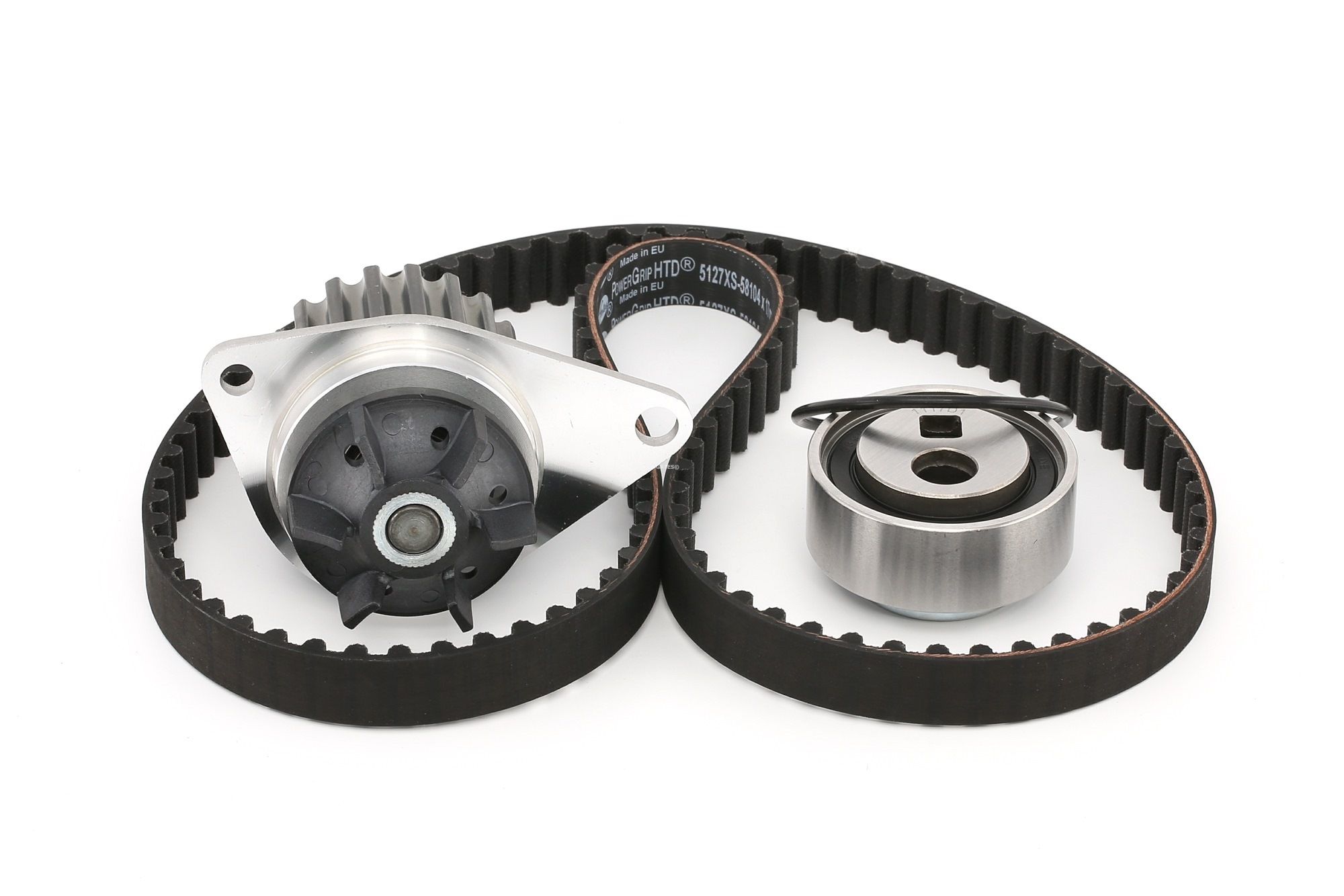
Supplementary Article / Supplementary Info: with water pump
Product line:
PowerGrip
Supplementary Info:
G-Force Redline™
Article number of the recommended special tool:
STT-1
Citroën Berlingo: Problems with starting the engine in diesel versions
The engine won't start and won't start - these critical faults mainly affect the 1.6 HDI and 2.0 HDI diesel engines. The Multispace will not start, especially at low temperatures, causing significant mobility problems. Symptoms include prolonged cranking without ignition, erratic starting behavior or complete failure to start. These failures typically occur after 80,000 km, but can appear earlier if not properly maintained. The service life of the starting components is influenced by the quality of the fuel and maintenance intervals. The 1.5 diesel in particular shows similar weak points in the starting logic.
A professional inspection is required to accurately diagnose the starting problems. The complex Citroën Berlingo diesel injection systems require special diagnostic equipment to check the glow plugs, fuel pump and injectors. The fuel pressure should be measured (normal: 1350-1400 bar for common rail systems), the glow plugs tested for continuity (resistance: 0.5-2 ohms) and the battery voltage checked (at least 12.4V). The repair may require the replacement of glow plugs, fuel filters or the high-pressure pump, with preventive maintenance recommended every 15,000 km.
Citroën Berlingo: Problems with the Start-Stop system
The Start-Stop does not work - this modern technology often fails in the Berlingo 3, especially in models with 1.5 BlueHDI 130 and VTI 120. The system does not switch off automatically or does not restart the engine, which significantly impairs fuel efficiency. The symptoms are manifested by the engine constantly running when stationary, error messages on the display or unexpected shutdown while driving. These malfunctions can occur as early as 30,000 km and are often weather-dependent. The reliability of the system depends heavily on the battery capacity and the sensors. Both petrol and automatic variants are affected by these faults.
Professional maintenance is crucial for the functionality of the Start-Stop system. The sensitive Citroën Berlingo Start-Stop components require regular checks of the battery voltage (at least 12.6V), engine temperature sensors and air conditioning status. The battery should be tested every 50,000 km, as a low battery (below 70% capacity) will deactivate the system. The solution often involves replacing the starter battery, calibrating the sensors or updating the software, although the battery life may be reduced to 3-4 years with frequent Start-Stop use.
Citroën Berlingo: Problems with the clutch system
The clutch pedal does not return - these mechanical problems occur particularly with manual gearboxes of the 1.6 HDI. The pedal gets stuck in the depressed position or is slow to return, making shifting considerably more difficult and posing safety risks. Symptoms include sluggish pedal, incomplete return to the starting position or complete sticking. These breakdowns typically manifest themselves after 70,000 km and progressively worsen due to wear. The service life of the clutch components is normally 120,000-150,000 km, but can be significantly reduced with frequent urban traffic. Both the Berlingo 2 and newer models show these weak points.
Reviews - 6
Parts Details
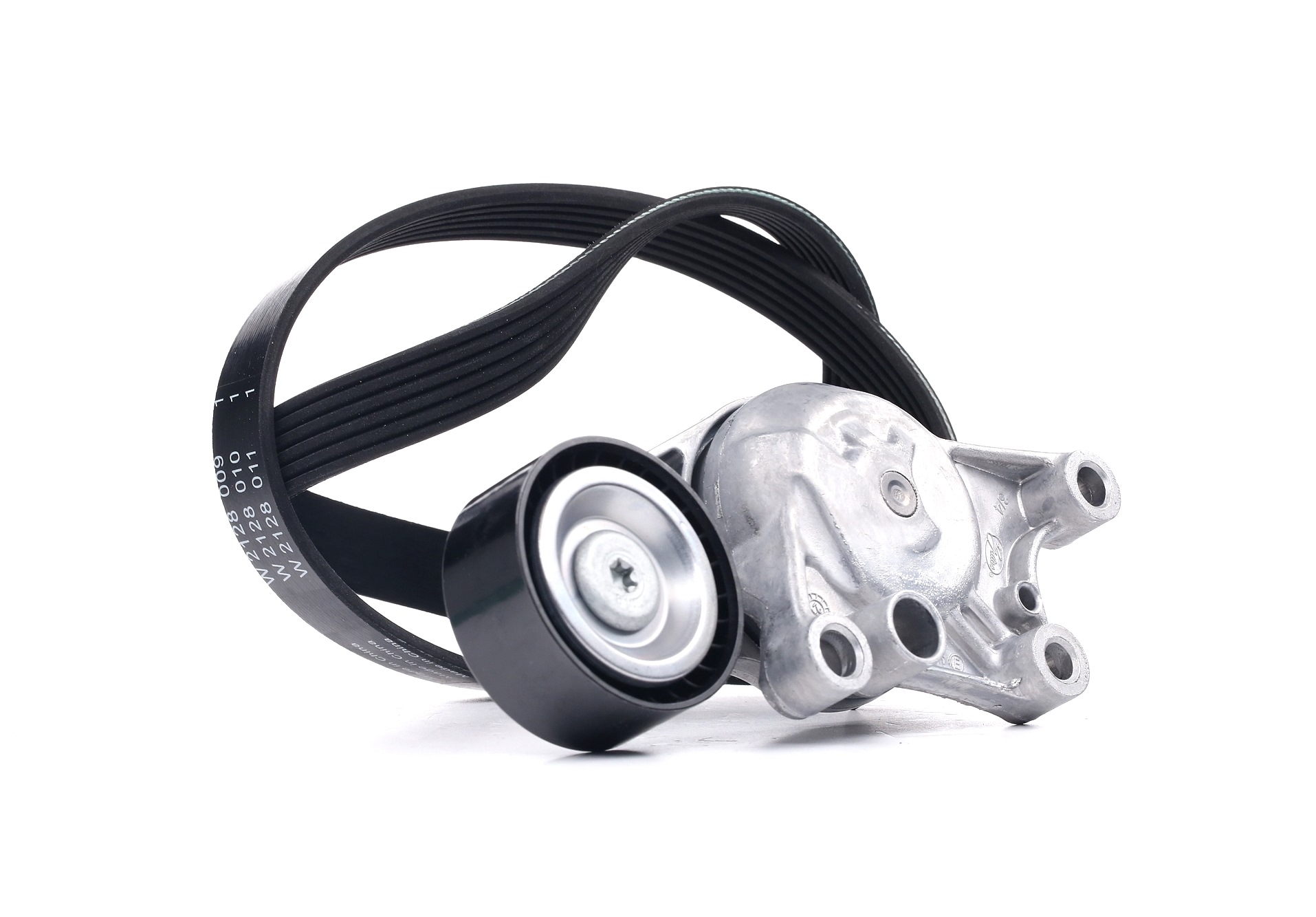
Alternator Charging Current [A]: 70
Voltage [V]: 12
Belt Pulley Ø [mm]: 63
Number of ribs: 6
Plug Type ID:
0230
Vehicle Main Current:
for vehicles with 12V main current
Regular maintenance is essential for the longevity of the clutch system. The precise Citroën Berlingo clutch components require regular checks of the hydraulic fluid, the master cylinder and the pedal mechanism. The hydraulic pressure should be kept at 15-20 bar, the brake fluid should be changed every 2 years and the clutch disk should be checked for wear (minimum thickness: 7mm). Repair may require replacement of the master cylinder, the clutch disk or the entire clutch unit, with preventive checks recommended every 30,000 km.
Citroën Berlingo: Heating and ventilation problems
The heating doesn't get warm and the ventilation doesn't work - these comfort problems particularly affect older Berlingo models with 60,000 km or more. The system fails due to defective heating valves, clogged heat exchangers or failed fan motors. The symptoms are manifested by cold air despite the heating being switched on, uneven temperature distribution or complete failure of the ventilation. These complaints occur more frequently in the cold season and can impair driving safety due to misted-up windows. The reliability of the heating system is a known weak point that has affected several model generations. Vehicles with a high mileage of over 100,000 km are particularly affected.
A systematic check is required to diagnose the heating and ventilation problems. The complex Citroën Berlingo heating systems require regular checks of the coolant level, the thermostat function and the heating valves. The coolant level should be between minimum and maximum, the operating temperature should reach 90°C and the heating valves should open fully. The solution often involves flushing the heating system, replacing the thermostat or repairing the fan motors, with regular maintenance every 40,000 km significantly extending the service life.
Additional common faults of the Citroën Berlingo
Based on the experience of Citroën Berlingo drivers, the following additional problems occur:
Windshield wipers not working: occurs frequently after 50,000 km, often caused by defective wiper motors or worn linkages.
Horn not working: Typically fails after 60,000-80,000 km due to corrosion of the contacts or defective horn switches.
Electric window lift problems: Occur after 40,000 km, especially on the rear doors due to motor wear.
Defective door locks: Can occur from 30,000 km, often due to wear of the locking mechanisms.
Problems with the power steering: Typically occur after 90,000 km, often due to leaking lines or defective pumps.
Exhaust system problems: Particularly in diesel models after 80,000 km due to soot particle filter blockage.
Battery problems: Frequently after 3-4 years, increased in vehicles with Start-Stop system.
Brake problems: Premature wear of the brake pads from 40,000 km, especially in urban traffic.
Citroën Berlingo: weaknesses and strengths
Strengths
Weak points
Large load space and variability
Air conditioning does not cool
Robust diesel engines
Blower does not work
Good price-performance ratio
Engine does not start
High payload
Start-Stop does not work
Easy maintenance
Clutch pedal does not return
Low maintenance costs
Heater does not get warm
Practical design
Electronic problems
Reliable basic technology
Ventilation does not work
The Citroën Berlingo proves to be a practical commercial vehicle with a solid basic design, but one that requires regular attention to its electronic components. The most frequent problems concern comfort systems such as the air conditioning and heating, while the mechanical components generally function reliably. Consistent maintenance according to the manufacturer's instructions can prevent most breakdowns and significantly extend the service life.
Useful videos on this topic:
How to change pollen filter on CITROËN BERLINGO M
How to change oil filter and engine oil on CITROËN BERLINGO M
AUTODOC Bestsellers: parts at a good price
Reviews - 63
Parts Details
Capacity [litre]:
4
SAE viscosity grade:
ATF VI
Manufacturer recommendations:
JASO M315 1A-LV, Aisin ATF-0T4, Aisin ATF-0WS, Saturn Z 000169756, ALLISON C4, Bentley PY112995PA, Ford Mercon LV, Hyundai SP-IV, Hyundai SP4-M1, Hyundai SPH-IV, Hyundai SP-IV-RR, Hyundai WS, Hyundai NWS-9638, Toyota ATF FZ, Toyota ATF T-IV, Toyota ATF WS, MB 236.14, MB 236.15, MB 236.2, MB 236.41, MB 236.5, Nissan Matic D, Nissan Matic J, Nissan Matic K, Nissan Matic S, Nissan Matic W, VW G 052 533, VW G 053 001, VW G 055 005, VW G 055 162, VW G 055 540, VW G 060 162, BMW ATF 3+, BMW ATF 4, BMW ATF 6, Chrysler ATF+2, Chrysler ATF+3, Chrysler ATF+4, Honda ATF DW-1, Honda ATF 3.1, Honda ATF Z1, Isuzu ATF II, Isuzu ATF III, Isuzu SCS, LR TYK500050, Land Rover AW-1, LR LR0022460, LR LR023288, LR LR023289, Jaguar JLM 20238, Jaguar JLM 20292, Jaguar JLM 21044, MAN 339 A, MAN 339 D, MAN 339 F, Maserati 231603, Mazda ATF-FZ, Mazda ATF N-1, Mazda ATF S-1, Mazda ATF M-5, Mitsubishi ATF-J3, Mitsubishi ATF-MA1, Mitsubishi ATF-PA, Mitsubishi SP-IV, 000.043.205.28, 000.043.204.63, 000.043.304.00, 000.043.205.09, PSA 9730 AE, PSA B71 2340, Renault DP-0, Renault Matic D2, Saab 93 160 393, Saab 93 165 147, Ssangyong DSIH 5M-52, Ssangyong DSIH 5M-66, Subaru ATF HP, Subaru ATF WS, Suzuki ATF 2326, Suzuki ATF 2384K, Suzuki ATF 3314, Suzuki ATF 3317, Suzuki Matic D, Suzuki Matic J, Suzuki Matic S, Volvo 1161521, Volvo 1161621, Volvo 1161640, Volvo 1161540, Volvo 97340, Volvo 97341, ZF TE-ML 11, ZF TE-ML 21L
Product line:
Dexron VI
Packing Type:
Canister
Transmission Type:
for automatic transmission, not for CVT automatic transmission (stepless)


 23 September 2025 (updated)