Problems with the Audi Q5

Reliability Audi Q5: common problems, issues symptoms and faults
- 2.0 TDI engine problems: The 2.0 TDI engine frequently exhibits problems with the turbocharger and fuel injection system. These symptoms often occur between 80,000-120,000 km and are manifested by loss of power and increased fuel consumption.
- Air suspension defects: The Audi Q5's air suspension is prone to leaks and compressor failures. These breakdowns typically occur after 60,000-100,000 km and result in uneven vehicle ride height and loss of comfort.
- Automatic transmission faults: The automatic transmission does not shift properly or does not jump into all gears. These complaints often manifest themselves between 100,000-150,000 km and significantly impair driving dynamics.
- Fuel filler cap mechanism: The fuel filler cap does not function correctly and is difficult to open or close. These faults occur from 40,000-60,000 km and can lead to problems when refuelling.
Audi Q5: Problems with the 2.0 TDI engine
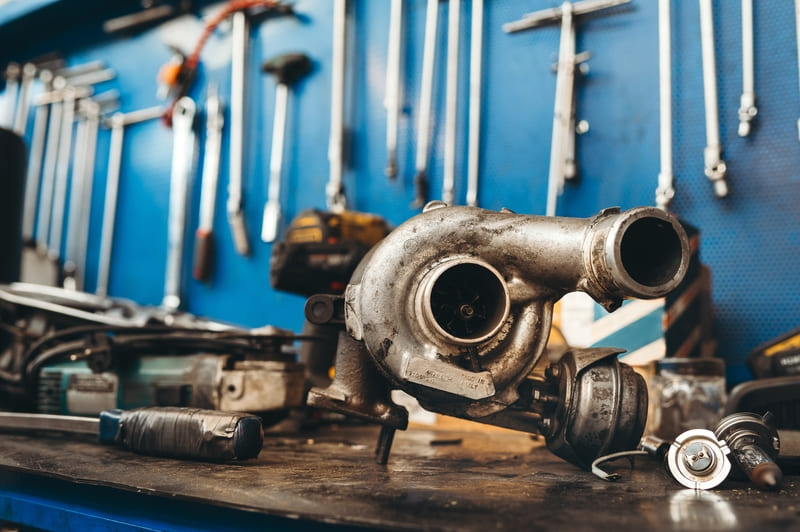
The most common problems with the 2.0 TDI engine of the Audi Q5 concern the turbocharger, the injection system and the exhaust gas recirculation. The turbocharger often shows signs of wear between 80,000-120,000 km, which leads to a significant loss of power and increased fuel consumption. The injection nozzles can become coked from as little as 60,000 km, which results in uneven idling and poor startability. In addition, the exhaust gas recirculation system is prone to blockages, which can cause the engine to run in emergency mode. In hybrid variants, these problems are exacerbated by the complex interaction between the combustion engine and electric motor, which further impairs reliability.
A systematic check is essential for the early detection of engine problems. The sensitive Audi Q5 turbochargers require regular oil changes every 15,000 km and the use of high-quality, low-viscosity engine oil. Preventive measures such as regular cleaning runs on the motorway and the use of fuel additives can significantly extend the life of the engine and avoid costly repairs.
Audi Q5: Problems with the air suspension
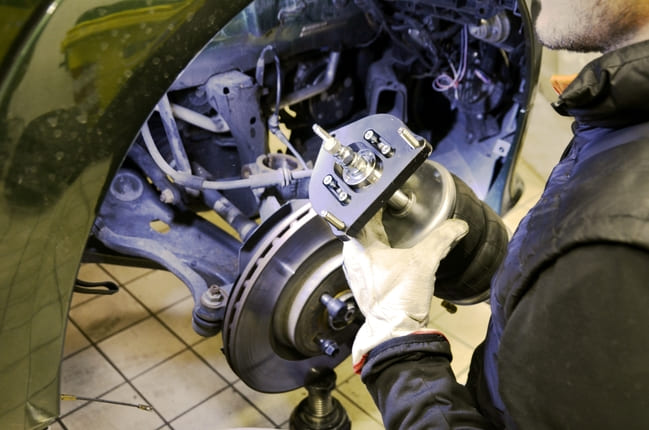
The air suspension of the Audi Q5 is considered one of the most common weak points of the vehicle. Typical symptoms are the lowering of one or more corners of the vehicle, especially after long periods of inactivity. The air suspension compressor works excessively often and loudly, which indicates leaks in the system. These breakdowns occur more frequently between 60,000-100,000 km, but can also occur earlier with intensive use. The air bellows tend to crack due to ageing of the rubber membranes, while the air lines can be damaged by stone chips or corrosion. A second problem cycle often occurs around 150,000-180,000 km, when the compressor has also reached its service life.
Regular maintenance is crucial for the longevity of the air suspension. The complex Audi Q5 air suspension systems require a thorough inspection of all components, including the air bellows, lines and compressor, every 60,000 km. Preventive measures such as regularly cleaning the air bellows to remove dirt and salt and checking the air pressure can significantly extend the service life and avoid expensive repairs.
Audi Q5: Problems with the automatic transmission

The automatic transmission of the Audi Q5 exhibits various characteristic faults that can impair driving safety. Common complaints include jerky gear changes, delayed gear engagement or complete failure to engage certain gears. The transmission does not shift smoothly between gears, especially when changing from Park to Drive or in reverse. These symptoms occur more frequently between 100,000-150,000 km, but can also occur earlier if the vehicle is not properly maintained. The 3.0 TDI engine puts additional strain on the transmission due to its high torque, which can lead to premature wear of the clutches and valves. A second problem cycle often manifests itself around 200,000 km, when the electronic control components also lose their reliability.
An expert inspection is required to detect transmission damage at an early stage. The precise Audi Q5 automatic transmissions require an oil change with special ATF oil and an adjustment of the electronic control unit every 60,000 km. Regular flushing of the transmission and checking the solenoid valves can significantly extend the service life and prevent costly total damage.
Audi Q5: Problems with the fuel filler cap mechanism
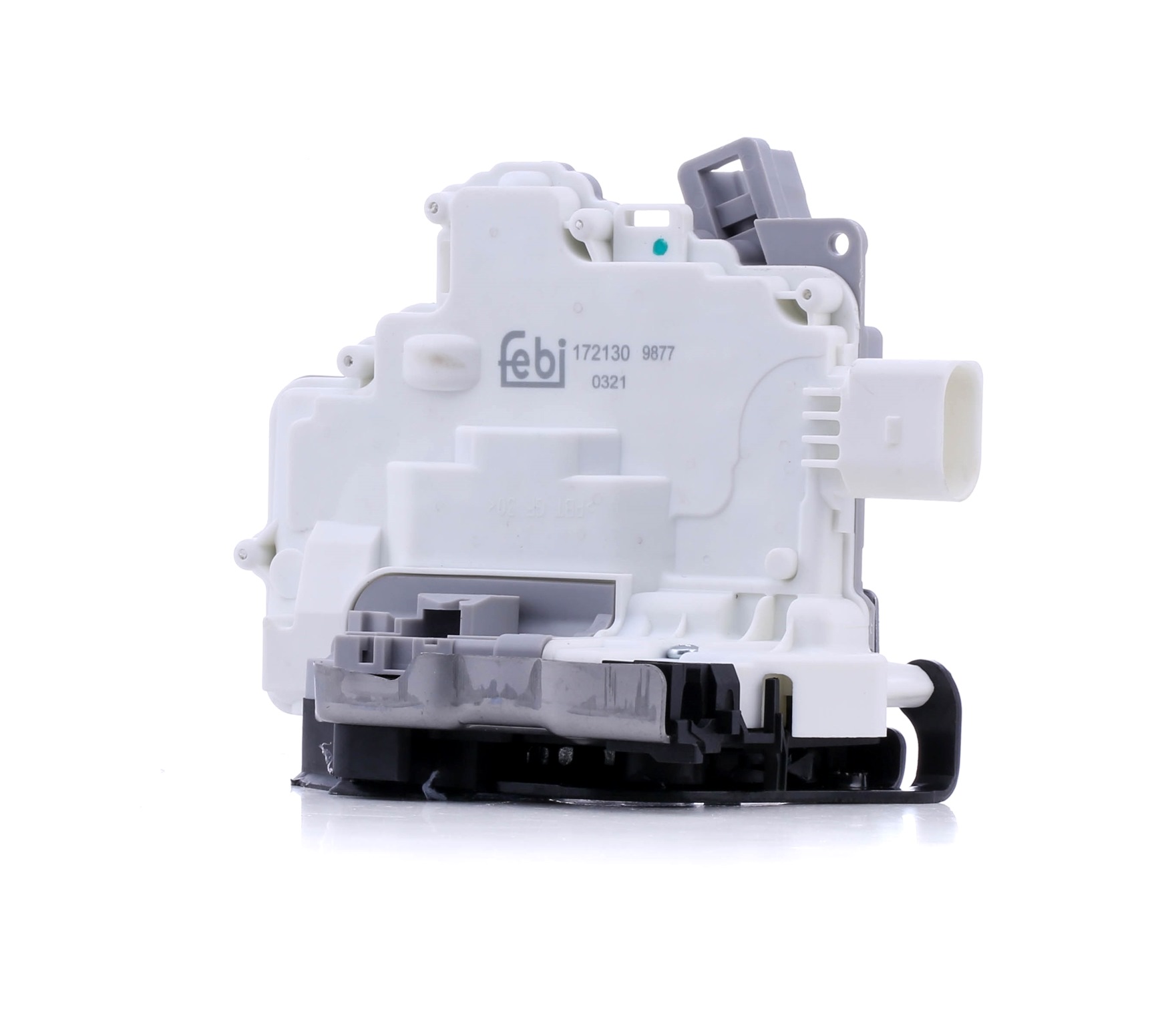
The fuel filler cap of the Audi Q5 causes problems for many owners due to a defective opening mechanism. The fuel filler cap does not work properly and either cannot be opened at all or can only be opened with considerable effort. These faults often manifest themselves between 40,000-60,000 kilometres and are caused by dirt, corrosion or defective Bowden cables. Particularly in cold weather, the mechanism does not start reliably, which leads to frustrating situations at the petrol station. The electronic unlocking mechanism can fail due to moisture or defective contacts, while the mechanical emergency opener often becomes stiff. A second problem area appears around 80,000-100,000 km, when the fuel filler cap seals also lose their elasticity.
Professional maintenance is necessary to ensure proper functioning. The mechanical Audi Q5 fuel filler cap components require regular cleaning and lubrication every 20,000 km to prevent corrosion and wear. Preventive treatment with contact spray and checking the Bowden cables can prevent most problems and ensure the reliability of the system.
Audi Q5: Problems with the electronics and control units
The complex electronics of the Audi Q5 are prone to various faults, which manifest themselves in the form of error messages, failed comfort functions or sporadic system failures. Common symptoms are defective sensors that deliver incorrect readings or control units that lose communication with each other. These breakdowns often occur between 70,000-120,000 km and particularly affect the MMI system, the automatic climate control and various driver assistance systems. In hybrid models, these problems are exacerbated by the additional complexity of the battery and engine control systems. The reliability of electronic components decreases with age, with humidity and temperature fluctuations being the main causes of failure.
A systematic check is essential to diagnose electronic problems. The sensitive Audi Q5 control units require regular software updates and the inspection of all electrical connections every 40,000 kilometres. Preventative measures such as moisture protection and regular battery maintenance can significantly extend the life of the electronic systems and minimise unexpected failures.
Additional common faults of the Audi Q5

Based on the experiences of Audi Q5 owners, the following additional problems occur:
- Thermostat defects: Often occur between 80,000-120,000 km, leading to overheating or insufficient engine warming.
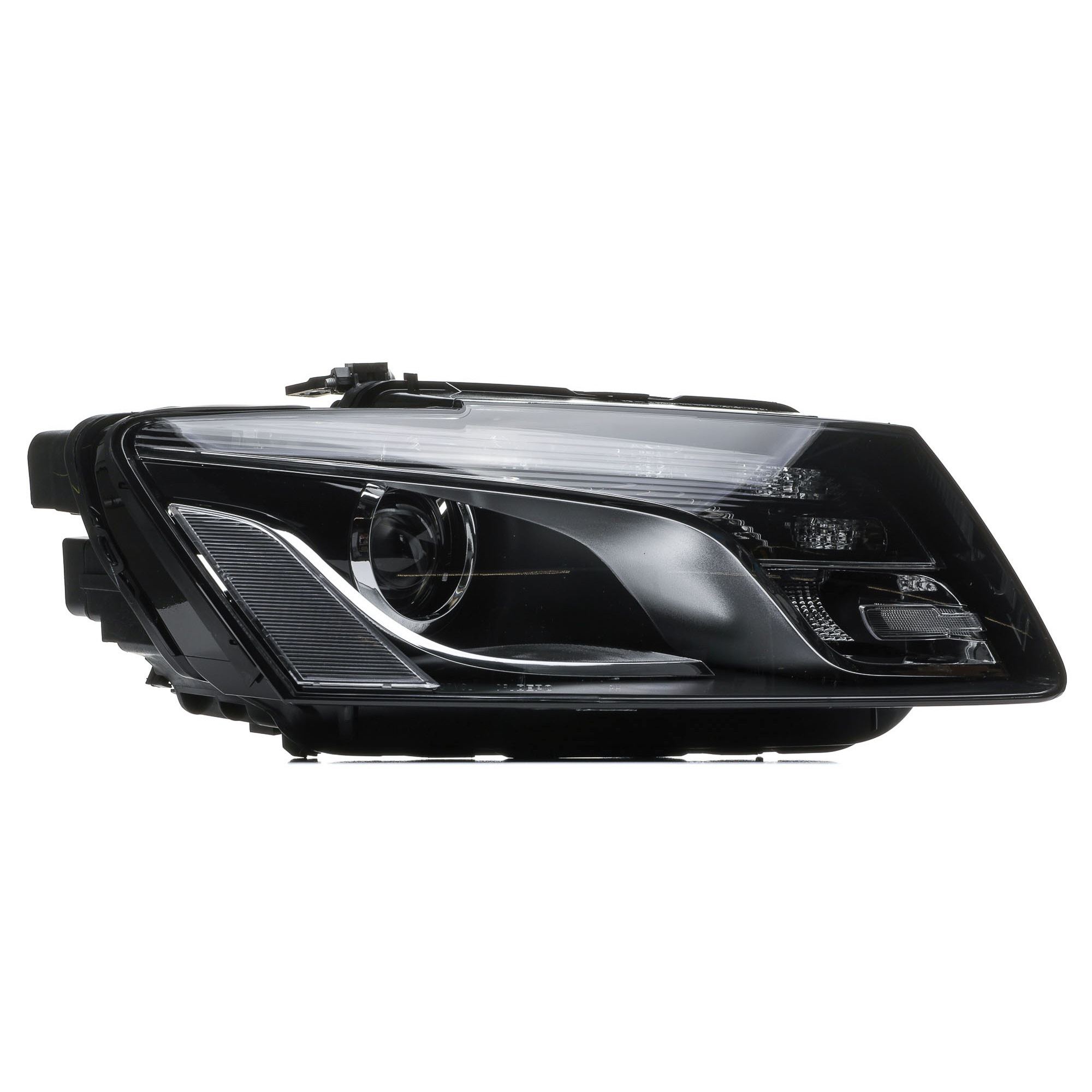
- Xenon headlight failures: Often manifest after 60,000-80,000 km due to defective ballasts or burners.
- Air conditioning compressor problems: Typically manifest between 100,000-140,000 km due to leaks or mechanical defects.
- Parking sensor faults: Occur as early as 50,000 km, often due to dirt or damage to the sensors.
- Fuel pump failures: Manifest between 120,000-160,000 km and lead to starting problems or loss of power.
- Premature brake pad wear: Necessary after 30,000-50,000 km, especially with sports suspensions.
- Turbocharger leaks: Often occur in the 3.0 TDI between 150,000-200,000 km and require a complete overhaul.

Audi Q5: weaknesses and strengths
| Strengths |
Weak points |
| High-quality interior |
Air suspension Leaks |
| Strong engine range |
2.0 TDI turbocharger problems |
| Good workmanship |
Automatic gearshift problems |
| Comfortable ride quality |
Electronic faults |
| Solid body |
Fuel filler cap mechanism |
| Good off-road capability |
High repair costs |
| Comprehensive safety package |
Complex diagnostics |
The Audi Q5 proves to be a fundamentally high-quality vehicle with some characteristic weak points. Most problems can be avoided or at least limited in their effects through consistent maintenance and timely intervention. The air suspension and automatic transmission in particular require special attention to ensure the longevity and reliability of the vehicle.


 5 December 2025 (updated)