Reliability BMW E39: common problems, issues symptoms and faults
Windscreen washer system not working: The windscreen washer system often fails in BMW E39 models, especially in 520i and 525i variants. Defective pumps or clogged nozzles occur after only 60,000-80,000 km and can lead to safety problems.
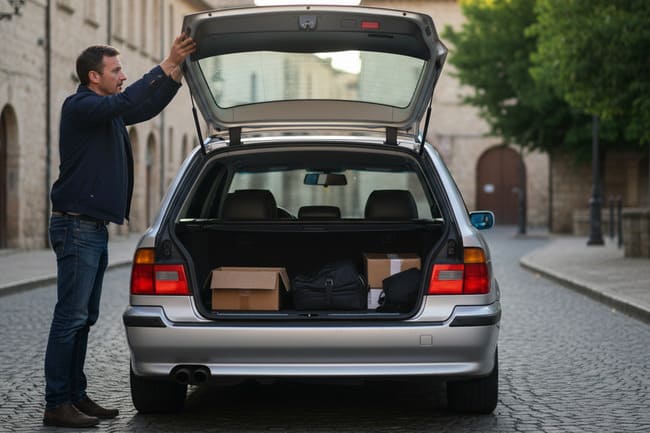
Tailgate does not open: The electric tailgate often shows malfunctions after 100,000 km. The 530d and 535i models are particularly affected by this problem, with defective actuators or microswitches being the main causes.
Handbrake does not engage correctly: The handbrake can show signs of wear from 80,000-120,000 km. This manifests itself in incomplete release or a lack of braking effect, which harbours considerable safety risks.
Sunroof breakdowns: The electric sunroof is prone to malfunctions, especially in models with high mileage over 150,000 km. Blocked drains or defective motors lead to costly repairs.
BMW E39: Problems with the windscreen washer system
The windscreen washer system in the BMW E39 frequently malfunctions, which manifests itself in a lack of cleaning fluid on the windscreen. The 520i and 525i models are particularly affected, with the windscreen washer system showing its first weak points after just 60,000-80,000 kilometres. The most common symptoms are a lack of spray pattern or weak water pressure, which can significantly impair visibility. Blocked spray nozzles, defective hoses or a failed pump are the typical complaints that lead to this fault. The reliability of the system decreases significantly with age, with frost and limescale deposits further shortening the service life.
Regular maintenance is crucial for the functionality of the windscreen washer system. The sensitive BMW E39 spray nozzles require regular cleaning with a thin needle or compressed air to prevent blockages. If the pump is defective, the fuse should be checked first before replacing it. The preventive use of antifreeze and regular inspection of the hoses for cracks will considerably extend the service life of the system.
BMW E39: Problems with the tailgate
The electric tailgate of the BMW E39 develops typical faults that manifest themselves in incomplete opening or complete failure. The 530d and 535i models in particular show these weak points from a mileage of 100,000 km. The tailgate no longer opens automatically or stops during the opening process, which indicates defective servomotors, worn microswitches or problems with the gas strut. Corrosion on the electrical contacts further exacerbates these problems. The symptoms progressively worsen and can lead to a complete system failure, which means that the tailgate can only be operated manually.
A systematic check is essential for diagnosing tailgate problems. The complex BMW E39 tailgate mechanisms require a thorough inspection of the electrical connections and mechanical components every 50,000 km. Replacement of defective actuators or repair of the gas struts should only be carried out by specialised personnel. Regular lubrication of the moving parts and cleaning of the contacts can prevent premature failures.
-40%
Reviews - 21
Parts Details
Supplementary Article / Supplementary Info Info 2:
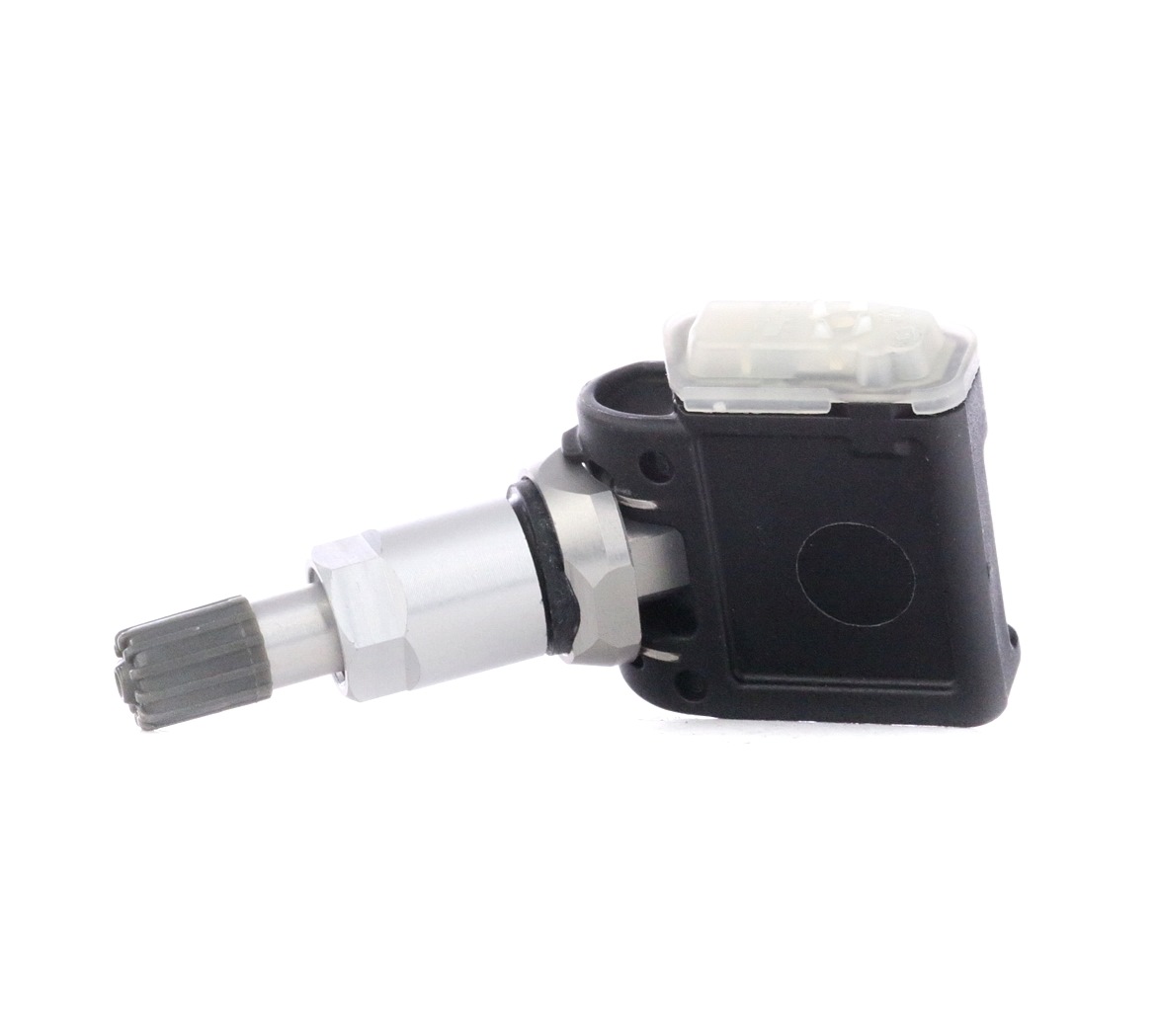
with groove, with valves
Permissible maximum speed [km / h]:
250
Housing Colour:
black
Frequency Range [MHz]:
433
Valve stem material:
Aluminium
Code Letter:
3057
Tightening Torque [Nm]:
8
Mounting Type:
Bolted
Vehicle Equipment:
for vehicles with tyre-pressure monitoring system
The handbrake of the BMW E39 shows characteristic signs of wear, which manifest themselves in a lack of braking effect or incomplete release. These faults typically occur between 80,000-120,000 km and affect all engine variants equally. The handbrake does not engage or disengage correctly, which can lead to dangerous situations. Common complaints are excessive handbrake lever travel, dragging brake pads even when the handbrake is released or insufficient holding power on hills. The causes usually lie in worn brake pads, stretched cables or defective actuating mechanisms. Corrosion on the brake callipers exacerbates these problems.
Professional maintenance is necessary for the handbrake to function properly. The BMW E39 handbrake systems require adjustment every 40,000-60,000 km and regular replacement of the brake pads. The cables should be checked for corrosion and proper tension. Correct adjustment of the handbrake ensures both safety and the longevity of the entire brake system.
BMW E39: Problems with indicators and high beam
The lighting system of the BMW E39 has specific weak points, which are particularly evident in the indicators and main beam. These malfunctions often occur after 120,000-150,000 km and are characterised by intermittent operation or complete failure. The indicator does not work constantly or switches off automatically, while the main beam does not come on or flickers irregularly. Defective relays, worn switches on the steering column or problems with the light control are the most common causes. Additional problems with the ballasts occur particularly in models with xenon light. The reliability of the lighting decreases with age, which harbours safety risks.
A professional inspection is necessary to diagnose lighting problems. The BMW E39 lighting systems require regular checks of all electrical connections and the timely replacement of defective components. The fuses and relays should be checked at the first sign of malfunction. Preventive maintenance of the lighting system every 50,000 kilometres can prevent costly repairs and ensure road safety.
Reviews - 1
Parts Details
Capacity [litre]:
1
Version:
Power Steering
Packing Type:
Bottle
Vehicle type:
Car
Vehicle Equipment:
for vehicles with hydraulic system, for vehicles with hydraulic power steering
Manufacturer recommendations:
GM B 040 0070, MAN M 3289, Volvo 1161529, VW G 002 000, VW G 004 000 M2
The mirror heater in the BMW E39 develops typical faults which manifest themselves in the form of uneven heating or complete failure. These problems occur particularly in the cold season and affect vehicles with a mileage of 100,000 kilometres or more. The mirror heater no longer works properly, causing the exterior mirrors to mist up and impair visibility. Frequent symptoms are partially or completely defrosted mirror surfaces, which leads to safety problems, especially in frosty conditions. The causes usually lie in defective heating elements within the mirror glass, interrupted electrical circuits or problems with the control system. Corrosion on the electrical connections further exacerbates these faults.
Regular maintenance is important for the mirror heating system to function properly. The BMW E39 mirror heating systems require a check of the electrical connections and, if necessary, replacement of the heating elements. Diagnosis is carried out by measuring the power consumption and visually inspecting the connections. A professional repair ensures road safety and prevents fogged mirrors in unfavourable weather conditions.
Additional common defects of the BMW E39
Based on the experience of BMW E39 drivers, the following additional problems occur:
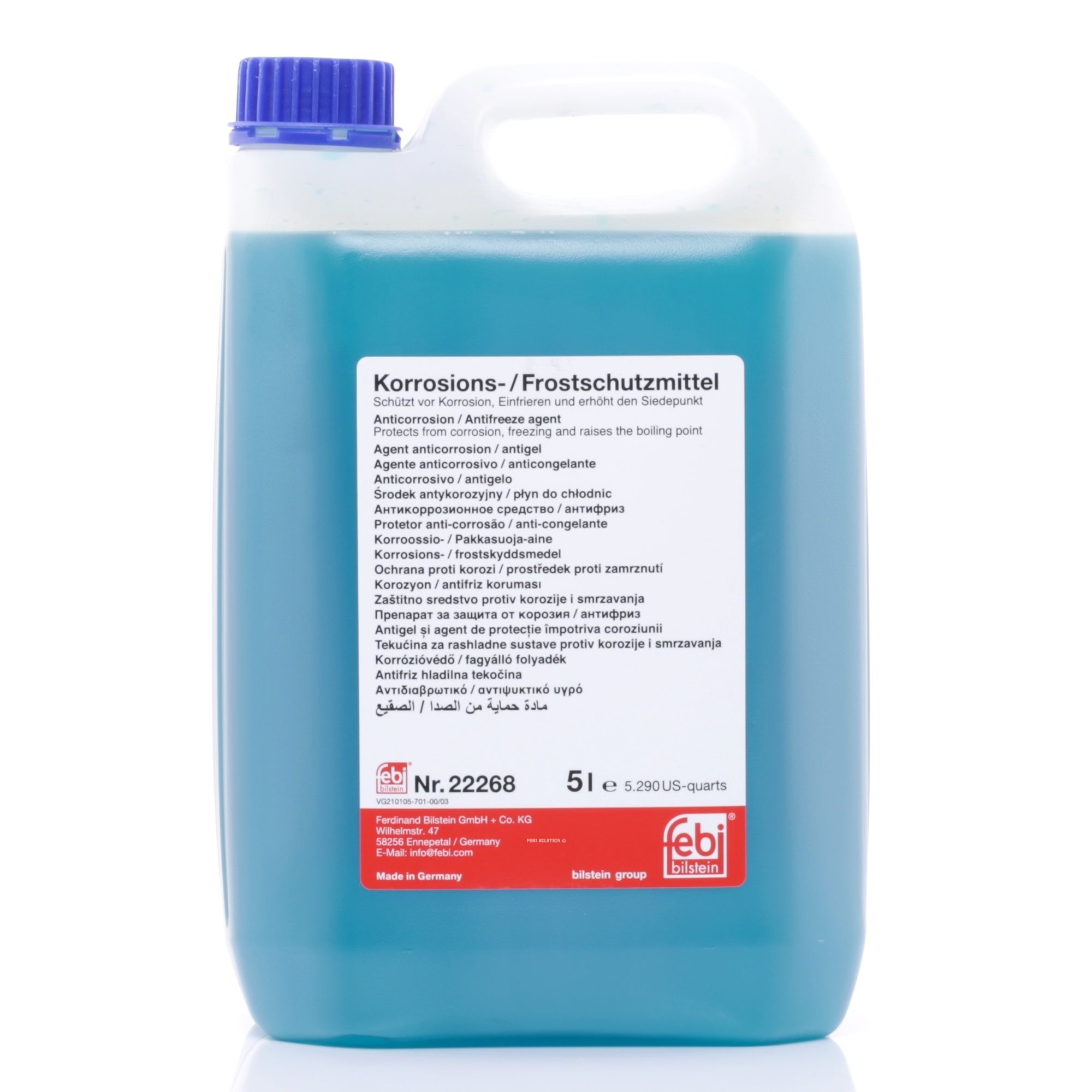
Cooling system leaks: Typically occur after 120,000-150,000 km, especially in 525i and 530d models due to worn gaskets and hoses.
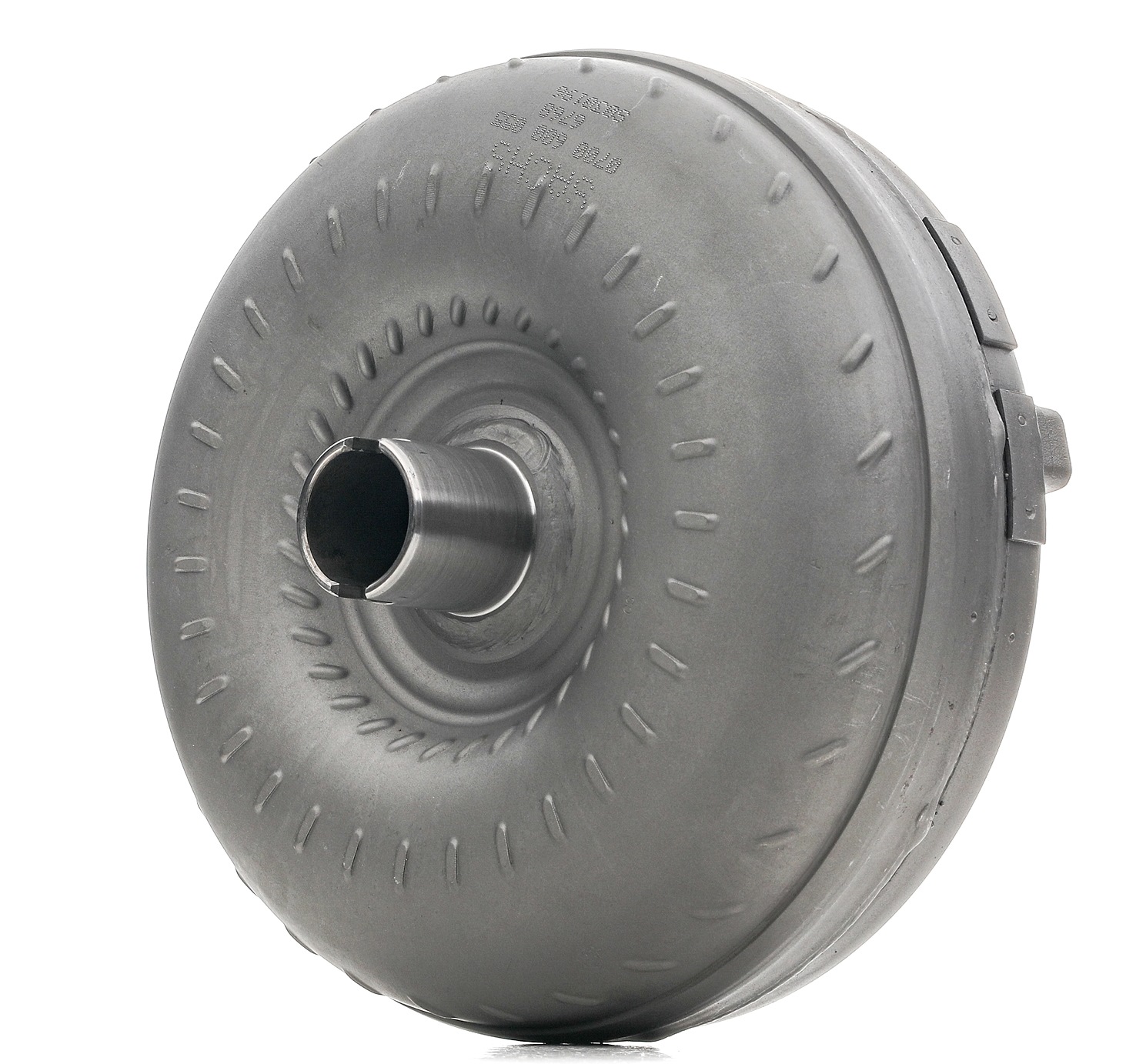
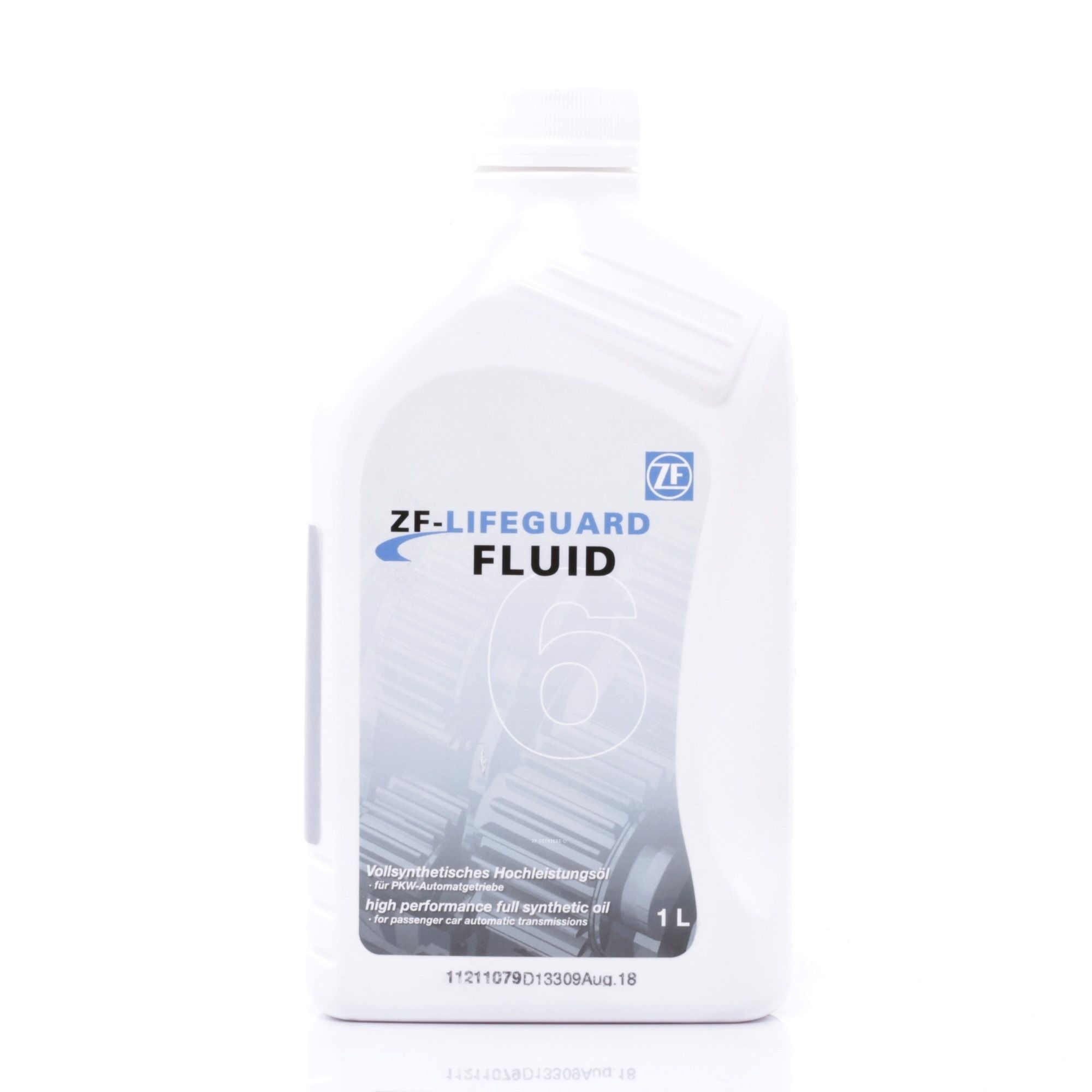
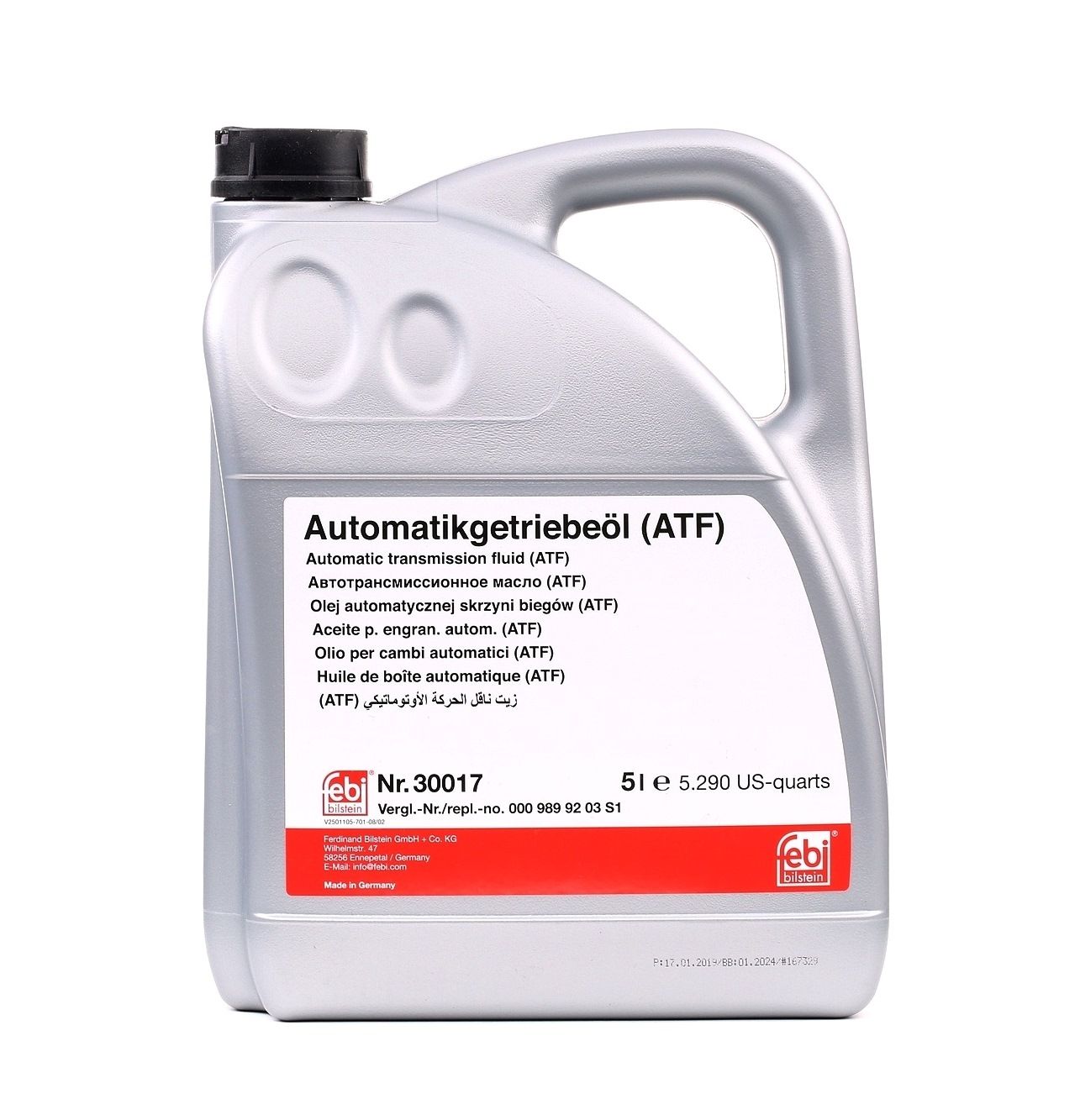
Automatic transmission juddering: Manifests itself from 150,000-200,000 km due to hard shifting or slippage, mainly in 535i variants.
Window regulator defects: Can occur after as little as 80,000-100,000 km, with the rear windows being affected more frequently than the front ones.
ABS sensor problems: Often show up between 100,000-130,000 km due to error messages and impaired brake function.
Air conditioning compressor failure: Usually occurs after 120,000-160,000 km, especially with intensive use of the air conditioning system.
Fuel pump defects: Affects mainly vehicles over 180,000 km and manifests itself in starting problems or loss of power.
Xenon bulb failure: Occurs after 80,000-120,000 km and requires costly replacement of the bulbs or ballasts.
BMW E39: weaknesses and strengths
Strengths
Weak points
High-quality workmanship
Windscreen washer system problems
Balanced driving behaviour
Tailgate defects
Comfortable suspension
Handbrake wear
Spacious interior
Lighting defects
Solid engine technology
Mirror heater failures
Timeless design
Cooling system leaks
Good long distance capability
Electronic faults
The BMW E39 is considered one of the most reliable vehicles in its class, but requires consistent maintenance and care. Most common faults can be avoided or rectified at an early stage through preventive measures and regular inspections. The electrical components and wearing parts in particular require attention in order to maintain the characteristic longevity and reliability of the model.
Manufacturer recommendations:
Suffix A, MAN 339 Z1, MB 236.6, MB 236.2, Ford WSS-M2C186-A, MB 236.7, MB 236.1, MB 236.5, Ford WSS-M2C166-H, MAN 339 V1, Allison C4, Dexron II D, Ford WSS-M2C185-A, Ford WSS-M2C138-CJ, Allison C3
Observe service information
Packing Type:
Canister
Transmission Type:
for automatic transmission, Converter Automatic Transmission


 26 November 2025 (updated)