Reliability Volvo V40: common problems, issues symptoms and faults
Automatic transmission problems with PowerShift: The dual-clutch transmission shows frequent faults such as jerky gear changes and overheating from 30,000-50,000 km. Models with the 1.6 diesel and 2.0T petrol engines are particularly affected.
Air conditioning not working: The air conditioning often fails between 40,000-80,000 km due to defective compressors or leaking lines. Symptoms are warm air despite cooling being switched on and unusual noises.
Rear door does not open: Mechanical defects in the rear door locks often occur after 60,000-100,000 km. The lock does not switch or does not spring open, which can lead to considerable safety problems.
D2/D3 diesel engine problems: The 1.9 D and newer D4 units show typical weaknesses in the particulate filter and injection system. Breakdowns often occur between 80,000-120,000 km when the engine fails to start or runs unevenly.
Volvo V40: Problems with the PowerShift automatic transmission
The PowerShift dual-clutch transmission of the Volvo V40 already shows considerable weaknesses in early operating phases, which manifest themselves in jerky gear changes, overheating warnings and complete failures. Vehicles with the 1.6 diesel and 2.0T petrol engines are particularly affected, with complaints often occurring between 30,000 and 50,000 kilometers. The most common symptoms are delayed gear changes, jerking when starting off and error messages in the display indicating that the transmission is overheating. The reliability of the system is significantly reduced as the complex electronics and hydraulics are susceptible to faults. Many drivers report repeated visits to the workshop and costly repairs, which can significantly reduce the service life of the vehicle.
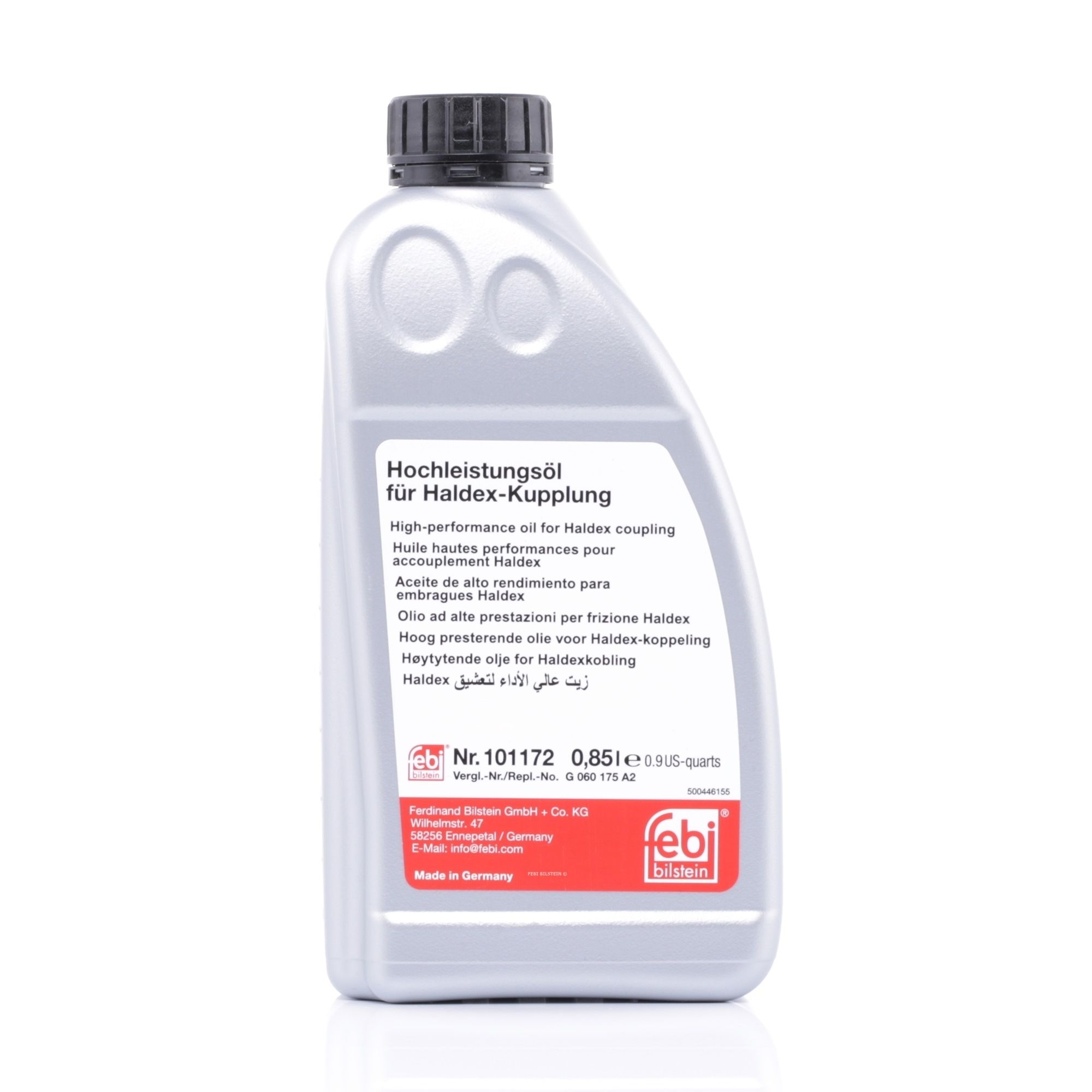
A systematic check is essential for the early detection of transmission problems. The sensitive Volvo V40 automatic transmissions require regular oil changes every 60,000 km and careful monitoring of the operating temperature by specialized diagnostic equipment. Professional maintenance with genuine gearbox oil and avoiding stop-and-go traffic can significantly extend the service life and prevent costly repairs.
Volvo V40: Problems with the air conditioning system
The Volvo V40's air conditioning system has significant weaknesses that typically manifest themselves between 40,000 and 80,000 kilometers and can lead to costly repairs. The most common faults concern the compressor, which fails due to wear or overload, as well as leaking refrigerant lines and defective expansion valves. Symptoms include warm air despite the cooling system being switched on, unusual noises when the system is running and visible refrigerant leaks under the vehicle. Particularly problematic is the fact that the air conditioning system no longer works reliably once the compressor is defective, as this often leads to consequential damage to the entire system. Breakdowns occur more frequently in the summer months, when the system is working at full load and the weak points become particularly apparent.
Regular maintenance is crucial for the longevity of the air conditioning system. The complex Volvo V40 air conditioning systems require annual inspections with refrigerant pressure tests and compressor oil checks in order to detect signs of wear at an early stage. Preventive treatment with regular disinfection and replacement of the cabin filter every 15,000 km prevents major damage and ensures optimum cooling performance.
Volvo V40: Problems with the rear door
The rear doors of the Volvo V40 develop characteristic mechanical defects that mainly manifest themselves between 60,000 and 100,000 kilometers and can pose significant safety risks. The main problem lies in the door lock mechanisms, which fail due to wear and corrosion, resulting in the rear door no longer opening or closing properly. Typical symptoms are a lock that no longer operates properly, a handle that does not spring back or complete blockages where the door cannot be opened from the inside or outside. These weak points not only lead to a loss of comfort, but can also become life-threatening in emergencies if passengers are unable to leave the vehicle. Complaints are particularly common in vehicles that are frequently used by families with children, as the rear doors are subject to more intensive use.
A professional inspection is required to check the complex closing mechanisms. The precise Volvo V40 door lock systems require regular lubrication every 20,000 km and careful inspection of the Bowden cables and locking mechanisms. Professional maintenance with special lubricants and timely adjustment of the strike plates can prevent costly repairs and ensure safety.
Manufacturer recommendations:
VW G 009 317, VW G 052 171, VW G 052 178, VW G 052 512, VW G 052 532, VW G 052 527, VW G 052 726, VW G 052 798, VW G 055 726, BMW MTF LT-1, BMW MTF LT-2, BMW MTF LT-3, BMW MTF LT-4, Ford WSS-M2C200-D2, MB 235.10, Nissan 999MP-MTF20P, Nissan KE91699932R, Mitsubishi MZ312644, PSA 9730 A2, PSA 9730 A8, PSA B71 2330, Toyota JWS 227
The diesel engines of the Volvo V40, especially the D2, D3 and D4 units as well as the older 1.9 D, show typical weak points that mainly manifest themselves between 80,000 and 120,000 kilometers. The most common problems concern the injection system, the particulate filter and the exhaust gas recirculation, which can lead to significant power losses and costly repairs. Characteristic symptoms are an engine that no longer starts reliably, especially in cold temperatures, rough idling and black smoke from the exhaust. Reliability is further impaired by clogged particulate filters, which cannot regenerate properly during frequent short journeys. Breakdowns occur more frequently when the high-pressure pump or injectors fail, which can lead to complete engine failure.
Professional maintenance is essential for the longevity of diesel engines. The demanding Volvo V40 diesel engines require high-quality engine oils with low SAPS specification and regular particulate filter regeneration runs on the highway every 500-800 km of city driving. A systematic check of the fuel system every 40,000 km and the use of additives for injection system cleaning can prevent major damage and ensure optimum engine performance.
Volvo V40: Problems with the 1.8 T2/T3 gasoline engine
The 1.8-liter turbocharged gasoline engine in the T2 and T3 variants of the Volvo V40 has specific weak points that typically become noticeable between 70,000 and 110,000 kilometers. The most common faults relate to the turbocharger, ignition coils and cooling system, which can lead to significant power loss and unreliable operation. Characteristic symptoms are loss of power at higher engine speeds, metallic noises from the engine compartment and overheating problems during long highway journeys. The engine no longer functions optimally if the turbocharger wears out or the wastegate control is defective, which is manifested by whistling noises and bluish smoke from the exhaust. The service life is also affected by problems with the timing chain, which can show signs of wear after just 100,000 km if not serviced regularly.
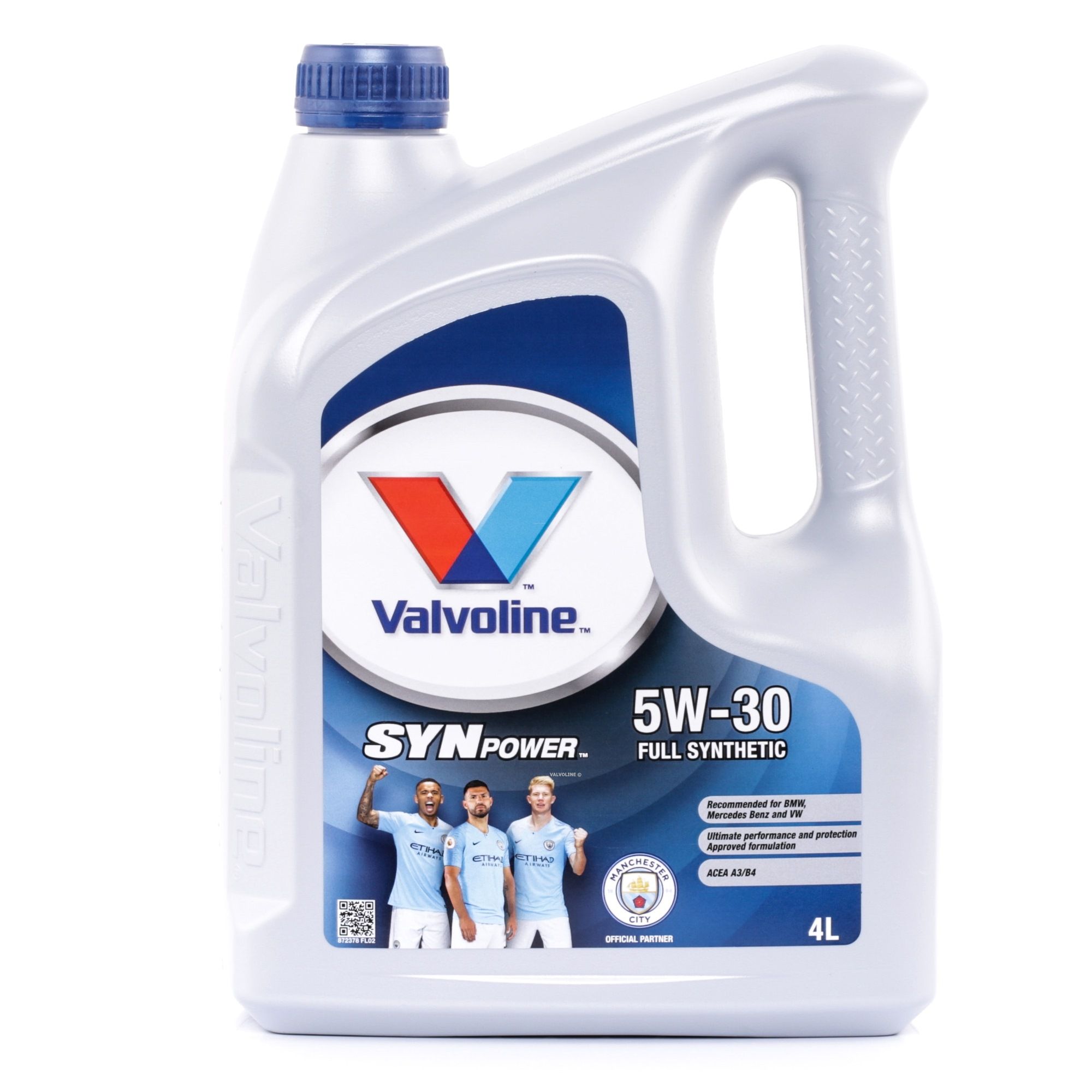
Regular maintenance is crucial for the reliability of the turbo engine. The complex Volvo V40 gasoline engines require high-quality engine oils with a specification of 5W-30 and oil change intervals of maximum 15,000 km to protect the sensitive turbo bearing components. Preventive treatment with regular cooling system flushing and timely replacement of the ignition coils every 60,000 km prevents major damage and ensures optimum engine performance throughout the vehicle's service life.
Additional common faults of the Volvo V40
Based on the experiences of Volvo V40 drivers, the following additional problems occur:
Electronic parking brake failure: occurs frequently between 50,000-80,000 km, often caused by actuator wear or software errors.
Defective xenon headlights: Burners fail after 40,000-60,000 km, ballasts show weaknesses after 80,000 km.
Problems with the power steering: Electric power steering does not work reliably from 90,000-120,000 km, often due to defective sensors.
Fuel pump in T4 engines: High pressure pump typically fails after 100,000-140,000 km, especially with direct injection engines.
Leaking shock absorbers: Front shock absorbers often show leaks and signs of wear after 60,000-80,000 km.
Defective reversing camera: Image disturbances or complete failure often occur after 70,000-100,000 km.
Problems with the infotainment system: touchscreen does not react or does not start, especially after software updates.
Volvo V40: weaknesses and strengths
Strengths
Weak points
High level of passive safety
PowerShift gearbox unreliable
Modern assistance systems
Air conditioning often defective
Sporty design
Door locks prone to wear
Good road holding
Diesel particulate filter problematic
High-quality interior
Turbocharger susceptible with gasoline engines
Extensive standard equipment
Electronics prone to faults
Heavy brakes
High repair costs
The Volvo V40 presents itself as an ambitious compact car with high safety standards, but struggles with considerable reliability problems in critical areas. The frequent faults in the automatic transmission and the air conditioning system have a significant impact on everyday usability, while the weak points in the diesel engines and electronic systems can lead to high follow-up costs. Consistent preventive maintenance and consideration of the known problem areas are essential for a satisfactory vehicle service life.
AUTODOC Bestsellers: parts at a good price
Reviews - 25
Parts Details
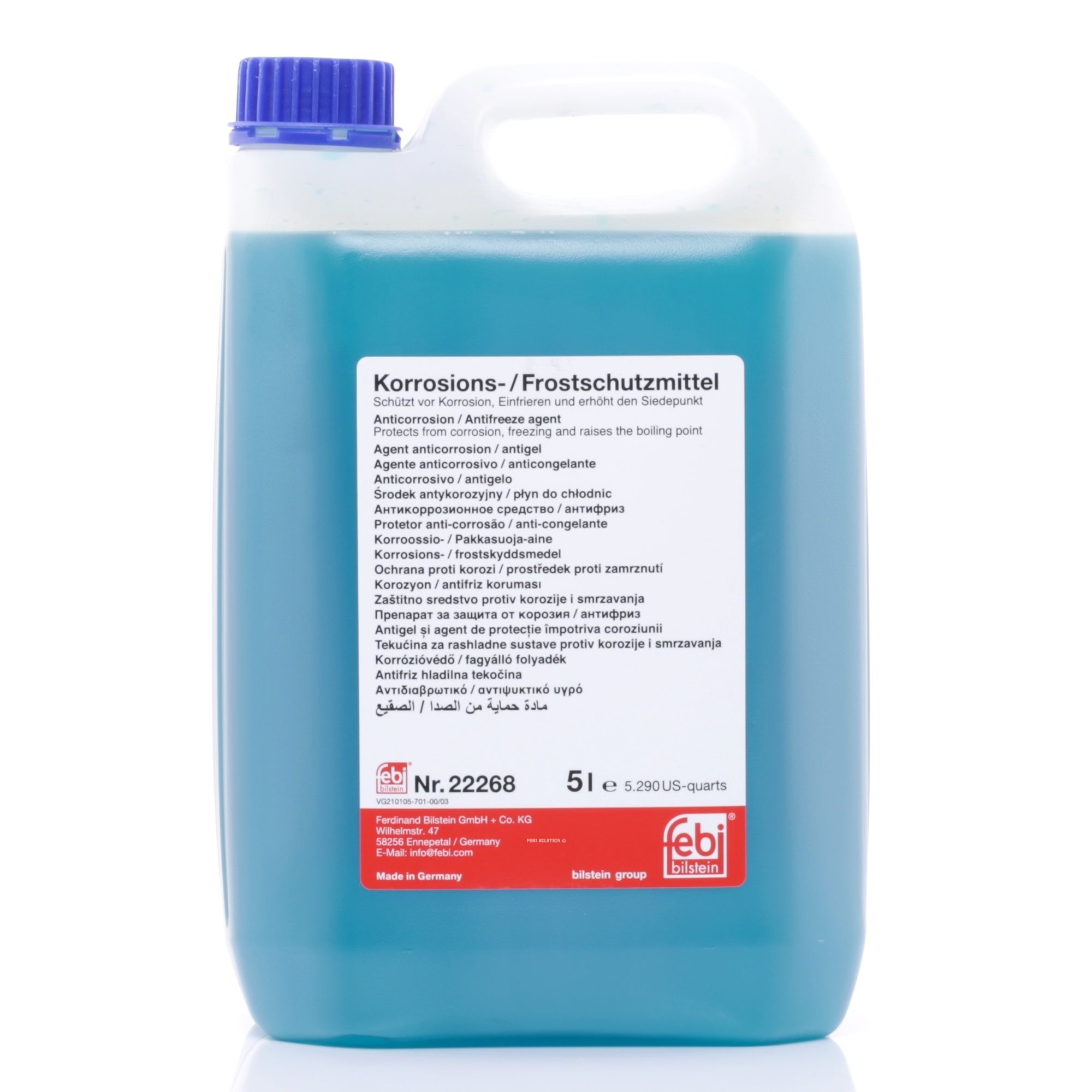
Capacity [litre]:
5
Specification:
G11
Colour:
blue
Properties:
Concentrate
Manufacturer recommendations:
MB 325.0, MAN 324 NF, MB 325.2, VAG TL-774 C


 29 October 2025