Problems with the Ford Fusion

Reliability Ford Fusion: common problems, issues symptoms and faults
- Automatic transmission problems: The automatic transmission of the Ford Fusion frequently exhibits shifting problems as early as 80,000-120,000 km. Particularly affected are the models from 2006 to 2009, where the transmission does not shift properly or does not jump into the desired gear.
- Central locking malfunctions: The central locking system does not work reliably, especially in vehicles with a mileage of 60,000 km or more. This manifests itself in irregular opening and closing of the doors or complete failure of the system.
- Air conditioning defects: The air conditioning system often shows weak points after 70,000-100,000 km, whereby the cooling performance decreases or the system fails completely. The 2008 and 2009 models are particularly affected by this problem.
- 1.4 TDCI engine problems: The 1.4 TDCI diesel engine develops typical faults as early as 90,000 km, including problems with the fuel injection system and turbocharger defects that significantly affect reliability.
Ford Fusion: Problems with the automatic transmission

The Ford Fusion's automatic transmission develops common faults that manifest as jerky gear changes, delayed shifts or complete failure. These symptoms typically occur between 80,000 and 120,000 kilometres, with models from 2006 to 2009 being particularly affected. The service life of the transmission is significantly reduced by aggressive driving, lack of maintenance or overheated transmission fluid. Breakdowns can occur suddenly when the transmission no longer shifts properly or goes into emergency mode. Complaints from drivers also include unusual noises, vibrations and increased fuel consumption. A second wave of problems often occurs between 150,000 and 180,000 kilometres, when wearing parts such as clutches and valves reach the end of their service life.
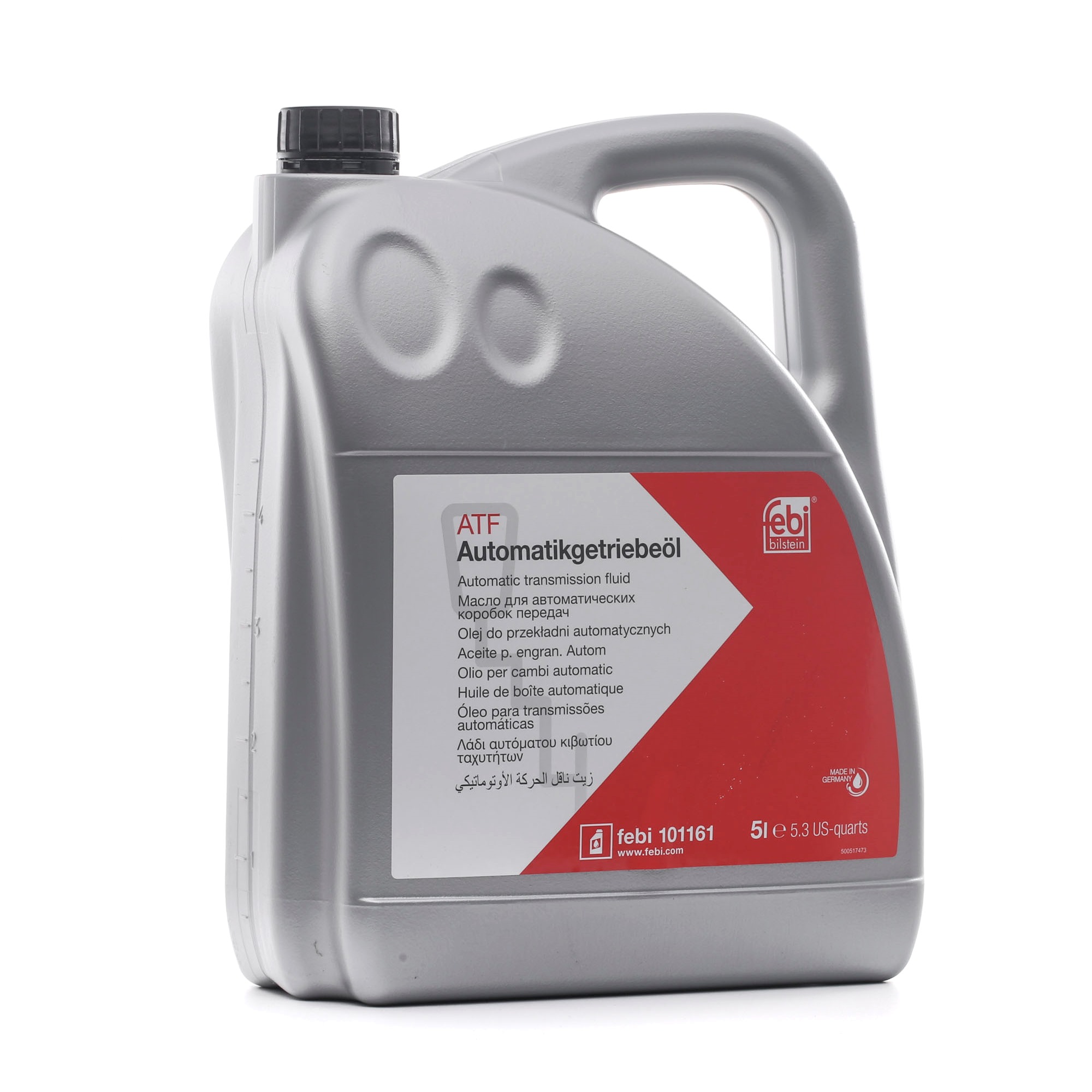
Regular maintenance is crucial for the longevity of the transmission system. The sensitive Ford Fusion automatic transmissions require an oil change with special ATF fluid every 60,000 km and regular checks of the transmission temperature. A professional diagnosis using an OBD scanner can identify fault codes such as P0700, P0750 or P0755, which indicate specific solenoid valve or clutch problems. Preventive maintenance with high-quality transmission fluids and timely replacement of transmission filters can prevent major repairs and ensure optimum shifting performance.
Ford Fusion: Problems with the central locking system
The central locking system of the Ford Fusion shows typical weak points, which manifest themselves in irregular operation of the door locks, defective remote control or complete system failure. These common faults usually occur after 60,000 km and affect both 2004 and later models up to 2009. Reliability is affected by corroded cable connections, defective actuators in the doors or problems with the control unit. Symptoms include sporadic opening of individual doors, malfunctions of the alarm system or the inability to lock the vehicle properly. Complaints also include the tailgate not opening electrically and problems with the interior lighting linked to the central locking system.
A systematic check is essential to identify the source of the fault. The complex Ford Fusion central locking systems require a thorough diagnosis of the electrical connections, actuators and control unit every 40,000 km. A professional inspection can reveal corrosion on the door contacts, defective microswitches or problems with the 12V power supply. Timely cleaning of the contacts with contact spray and the replacement of worn servomotors ensure the long-term functionality of the system.
Ford Fusion: Problems with the air conditioning system

The air conditioning system of the Ford Fusion develops characteristic faults that manifest themselves in reduced cooling performance, unusual noises or complete failure of the system. These problems occur more frequently between 70,000 and 100,000 kilometres, with the 2008 and 2009 models being particularly susceptible. Leaking condensers, defective compressors or clogged evaporators considerably reduce the service life of the air conditioning components. Breakdowns can be caused by sudden loss of refrigerant, compressor damage or electrical faults in the blower motor. Complaints also include musty odours from the air vents, uneven temperature distribution in the interior and increased fuel consumption due to a constantly running compressor. Symptoms such as misted-up windows or moisture in the vehicle interior indicate problems with the evaporator.
Professional maintenance is necessary to ensure that the air conditioning system functions optimally. The sensitive Ford Fusion air conditioning systems require annual servicing with a refrigerant check, compressor oil check and cleaning of the evaporator. A systematic inspection can identify leaks in the refrigerant circuit using UV contrast agents and assess the condition of the compressor by measuring the pressure. Regular disinfection of the evaporator and replacement of the cabin filter every 15,000 km prevent odours and ensure the air quality in the vehicle.
Ford Fusion: Problems with the 1.4 TDCI engine
The 1.4 TDCI diesel engine in the Ford Fusion has specific weaknesses that manifest themselves in the form of a loss of power, black smoke from the exhaust or unsteady idling. These common faults typically manifest themselves after 90,000 kilometres and mainly affect the fuel injection system, turbocharger and exhaust gas recirculation. Reliability is affected by clogged injection nozzles, defective high-pressure pumps or problems with the variable turbocharger. Faults can manifest themselves through fault codes such as P0087 (fuel pressure too low) or P0299 (turbocharger underpressure). Complaints also include increased fuel consumption, starting problems when the engine is cold and metallic noises from the engine compartment. Breakdowns are often caused by complete failure of the high-pressure pump or turbocharger damage that requires immediate repair.
A professional inspection is essential for the early detection of engine problems. The demanding Ford Fusion 1.4 TDCI engines require high quality engine oil with low SAPS specification every 15,000 km and regular checks of the diesel particulate filter. Professional maintenance includes checking the injection pressures, cleaning the EGR valves and checking the turbocharger geometry. The use of diesel additives to clean the injection system and regular long-distance driving to regenerate the particulate filter can significantly extend engine life.
Ford Fusion: Problems with the semi-automatic transmission
The semi-automatic transmission of the Ford Fusion, also known as Durashift EST, develops characteristic defects that manifest themselves in jerky gear changes, delayed gear changes or error messages in the display. These problems occur more frequently between 70,000 and 110,000 kilometres and particularly affect the 2006 to 2009 models. The service life of the system is impaired by defective clutch actuators, worn clutch discs or problems with the electronic control unit. Symptoms include the gearbox warning light illuminating, unusual vibrations when starting off and the inability to engage certain gears. Breakdowns can result from complete clutch failure or defects in the transmission control unit, causing the vehicle to malfunction. Complaints also relate to increased wear of the clutch due to frequent start-stop cycles in city traffic.
Regular maintenance is crucial for the longevity of the semi-automatic transmission. The complex Ford Fusion semi-automatic systems require a clutch adjustment every 60,000 km and regular inspection of the hydraulic components. A systematic check can identify wear on the clutch disc, problems with the clutch cylinders or defective sensors. Timely adjustment of the clutch parameters via the vehicle diagnostics and the use of high-quality clutch fluid ensure optimum shifting performance and prevent costly repairs.
Additional common Ford Fusion faults
Based on the experiences of Ford Fusion drivers, the following additional problems occur:
- Electronic Parking Brake Defects: Typically occur after 80,000-120,000 km, often caused by defective actuators or corrosion on the brake calipers.
- Water pump leaks: Usually manifest themselves between 100,000-140,000 km, especially in 2004 and 2006 models due to seal wear.
- Lambda sensor problems: Occur as early as 60,000 km, often due to contamination or overheating, resulting in increased fuel consumption.
- Steering gear leaks: Typically develop after 90,000-130,000 km, especially in vehicles with frequent parking manoeuvres.
- Starter motor defects: Often occur between 120,000-160,000 km, manifested by hard starting or complete failure.
- Thermostat problems: Usually show up after 80,000-110,000 km due to irregular engine temperature or overheating.
- Fuel pump wear: Typically develops between 150,000-200,000 km, especially in vehicles with frequent short journeys.

Ford Fusion: weaknesses and strengths
| Strengths |
Weak points |
| Spacious interior |
Automatic transmission problems |
| Good seating position |
Central locking defects |
| Solid workmanship |
Air conditioning failures |
| Low purchase costs |
1.4 TDCI engine weaknesses |
| Practical layout |
Semi-automatic malfunctions |
| Clear operation |
Electronics problems |
| Reliable petrol engines |
High repair costs |
The Ford Fusion proves to be a practical family car with some characteristic weaknesses, but these can be managed with regular maintenance and preventative measures. Most problems can be avoided by timely intervention and qualified workshop care, whereby the electronic systems and automatic transmission in particular require increased attention.


 25 December 2025