Problems with the VW T-Roc
Reliability VW T-Roc: common problems, issues symptoms and faults
- DSG gearbox jerking and shifting problems: The DSG gearbox exhibits jerky movements and delayed shift reactions, especially at low speeds. These symptoms often occur after 15,000-25,000 km and become more pronounced in stop-and-go traffic.
- Air conditioning not cooling properly: Many T-Roc owners report inadequate cooling performance from the air conditioning system, especially at high outside temperatures. The problem often manifests itself after 20,000-40,000 km and can be caused by defective compressors or loss of refrigerant.
- Start-Stop system not working: The automatic Start-Stop system often fails, especially in colder temperatures or after long periods of inactivity. This malfunction often occurs after only 10,000-15,000 km and impairs fuel efficiency.
- Inductive charging does not work: The wireless charging function for smartphones regularly malfunctions or only charges devices sporadically. This problem can occur within the first 5,000-10,000 km and affects different smartphone models to varying degrees.
VW T-Roc: problems with the DSG gearbox
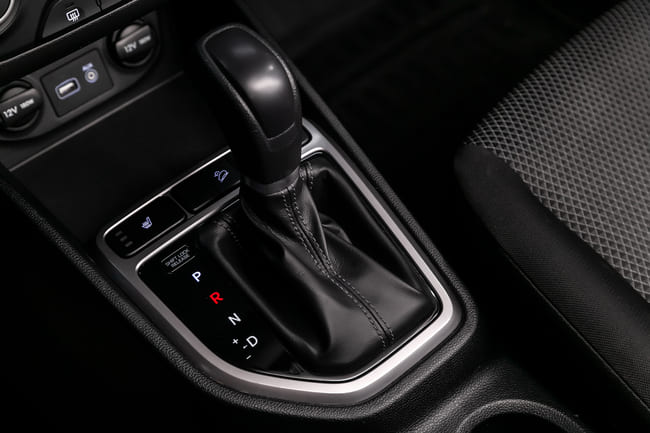
The DSG gearbox of the VW T-Roc, especially in combination with the 1.5 TSI and 2.0 TSI engine, shows characteristic weaknesses that manifest themselves in jerky shifting movements, delayed gear changes and unsteady idling. These complaints occur more frequently at low speeds, especially when starting off or in city traffic between 15,000 and 25,000 kilometers. Drivers also report hard gearshifts at higher speeds and occasional incorrect gear changes, which can significantly impair driving dynamics. The automatic transmission is more susceptible to clutch wear and control unit failures, especially in the 7-speed DSG version.
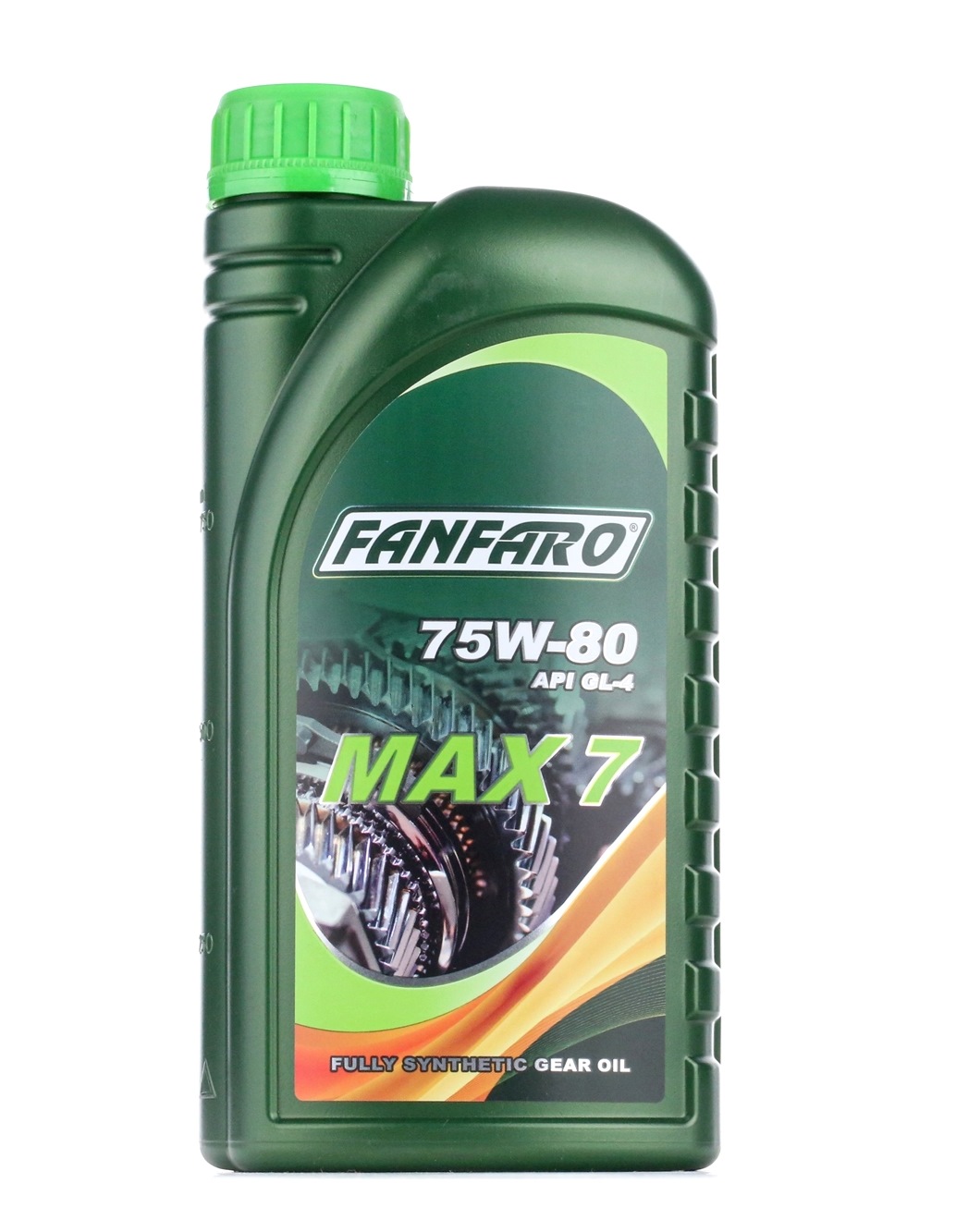
Regular maintenance is essential for the longevity of the transmission. The sensitive VW T-Roc DSG clutches require special DSG oil changes every 40,000 km and regular software updates to optimize the shift characteristics. A professional diagnosis using VCDS can reveal hidden error codes and enable preventive measures to be taken before costly repairs become necessary.
VW T-Roc: Problems with the air conditioning system
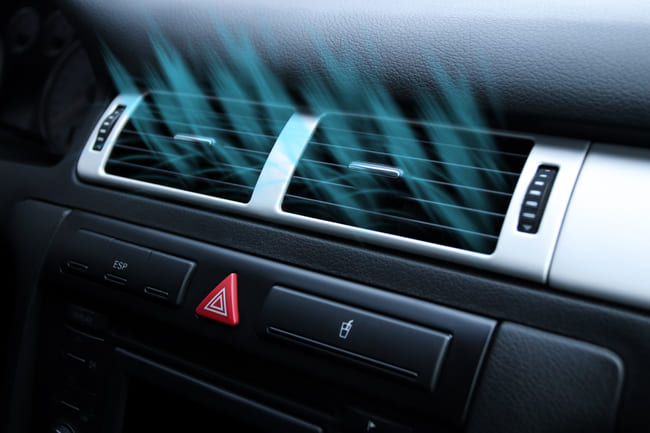
The air conditioning system of the Volkswagen T-Roc frequently exhibits faults in the form of insufficient cooling performance, especially in models with 1.0 TSI and 1.6 TDI engines. These symptoms typically manifest themselves after 20,000 to 40,000 kilometers and are manifested by weak air circulation, uneven temperature distribution and complete failure of the cooling function at high outside temperatures above 30°C. The air conditioning compressor shows an increased failure rate and the system continuously loses refrigerant due to leaking connections or defective condensers. In addition, owners report disturbing noises from the air conditioning system and musty smells, which may indicate mold growth in the evaporator.
A systematic check is necessary to detect air conditioning problems at an early stage. The complex VW T-Roc air conditioning systems require annual maintenance intervals with refrigerant checks, filter replacement and disinfection of the evaporator. A professional inspection can locate leaks and ensure the proper functioning of all components before major repairs are required.
VW T-Roc: Problems with the Start-Stop system
The Start-Stop system of the Volkswagen T-Roc, available in all engine variants from 1.0 TSI to 2.0 TSI 4Motion with 190 hp and 300 hp, exhibits recurring malfunctions that manifest themselves through complete system failures or sporadic operation. These breakdowns occur more frequently after 10,000 to 15,000 kilometers and intensify at low temperatures below 5°C or after longer periods of downtime over 24 hours. The system does not respond to the programmed activation conditions and does not start the engine automatically when the brake is released, which leads to delays in the flow of traffic. In addition, the battery management unit frequently displays error messages and the AGM battery loses its capacity prematurely, permanently disabling the entire system.
Professional maintenance is essential for the Start-Stop system to function correctly. The sophisticated Volkswagen T-Roc battery management systems require regular capacity measurements every 15,000 km and, if necessary, recalibration of the control unit. Preventive treatment of the battery terminals and regular software updates can significantly improve the reliability of the system.
VW T-Roc: Problems with the reversing camera and the emergency call system
The rear view camera of the VW T-Roc, especially in models with panoramic roof and Travel Assist, shows characteristic weaknesses due to image failures, distorted displays and complete system failures of the infotainment system. These faults often occur after 5,000 to 15,000 kilometers and are exacerbated by humidity or extreme temperature fluctuations between -15°C and +40°C. At the same time, the emergency call system (eCall) shows connection problems to the emergency call center and sporadically reports "System not available", which can significantly impair safety. In addition, inductive charging often does not work correctly and interrupts the charging process on smartphones from various manufacturers, especially on newer iPhone models and Samsung Galaxy devices.
A professional inspection is required to properly diagnose the electronic systems. The sensitive Volkswagen T-Roc camera systems require regular software updates and calibrations every 20,000 km to ensure proper function. Professional maintenance can prevent moisture damage and ensure the longevity of the electronic components.
VW T-Roc: problems with brakes and key system
The brake system of the VW T-Roc shows premature wear of the brake pads and discs, especially in the more powerful variants with 2.0 TSI and DSG gearbox. These signs of wear appear after just 25,000 to 35,000 kilometers, significantly earlier than in comparable vehicles in this class. The brake discs show cracking and uneven wear, while the brake pads wear extremely quickly during sporty driving. At the same time, the key system often fails, with the key not working or only being recognized sporadically. These problems affect both the remote control and the keyless go function and often occur after just 8,000 to 12.000 kilometers, especially with frequent use and extreme temperatures.
Regular maintenance is essential for the safety and reliability of the vehicle. The stressed T-Roc braking systems require checks every 15,000 km, including measuring disk thickness and pad thickness, while the key system requires regular battery changes and reprogramming if necessary. Preventive maintenance can prevent costly repairs and extend the life of all components.
VW T-Roc: Problems with the engine and transmission
The 1.5 TSI engine of the VW T-Roc shows characteristic weak points due to timing chain problems, rough idling and increased oil consumption, which manifest themselves particularly after 40,000 to 60,000 kilometers. The manual gearbox in manual versions tends to have sluggish shifting and synchronizer ring wear, while the diesel versions with 2.0 TDI show problems with the particulate filter and AdBlue injection. These engine and transmission faults are manifested by metallic noises from the engine compartment, increased exhaust emissions and reduced performance under full load. In addition, the engine occasionally fails to start, especially in cold temperatures below 0°C or after long periods of downtime of more than 48 hours.
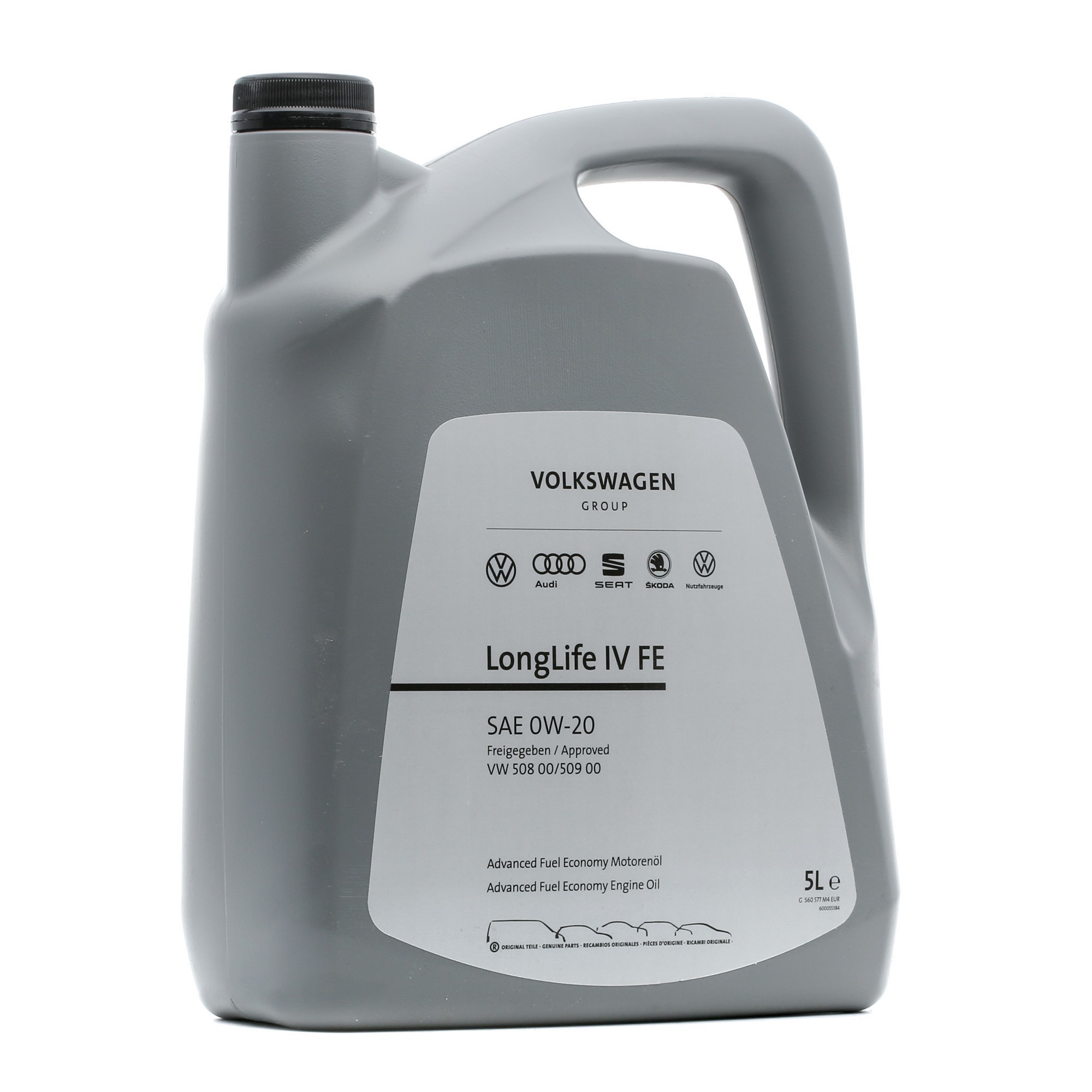
A systematic check is essential for early detection of engine and transmission problems. The complex VW T-Roc drive units require regular oil changes every 15,000 km for TSI engines and every 30,000 km for TDI variants, as well as continuous monitoring of the timing chain and transmission function. Professional maintenance can prevent serious engine damage and ensure the reliability of the entire drivetrain.
Additional common defects of the VW T-Roc
Based on the experiences of Volkswagen T-Roc drivers, the following additional problems occur:
- Panoramic roof leaks: Often occur after 25,000-40,000 km, especially with frequent use of the sliding function.
- Travel Assist not available: The driving assistance system often fails after 15,000-30,000 km, usually due to sensor calibration problems.
- Trailer hitch electronic faults: Electronic problems with the trailer hitch occur after 20,000-35,000 km, often due to corrosion of the plug connections.
- Convertible top mechanism on T-Roc Cabrio: Hydraulic problems and convertible top mechanism faults after 18,000-28,000 km, especially with frequent use.
- Fuel pump failures in 1.6 TDI: Typically occur after 80,000-100,000 km, often due to fuel quality.
- Turbocharger problems with 2.0 TSI 4Motion: Wear of the turbocharger bearings after 60,000-80,000 km, especially with a sporty driving style.
VW T-Roc problems: weak points and strengths
| Strengths |
Weak points |
| Modern design and high-quality workmanship |
DSG gearbox jerks and shifting problems |
| Good use of space and trunk volume |
Air conditioning does not cool properly |
| Extensive safety equipment |
Start-Stop system does not work |
| Efficient TSI and TDI engine range |
Inductive charging does not work |
| Versatile equipment variants |
Premature brake wear |
| Solid chassis set-up |
Key does not work reliably |
| Good price-performance ratio |
Electronic faults are more frequent |
The Volkswagen T-Roc proves to be a fundamentally attractive compact SUV with a modern design and extensive equipment, but it does have some characteristic weak points. The most frequent problems concern the DSG gearbox, the air conditioning system and various electronic systems that require regular maintenance and attention. In particular, the reliability of the assistance systems and the service life of wearing parts such as brakes show potential for improvement. However, preventive maintenance and timely intervention can successfully rectify most problems and ensure the longevity of the vehicle.


 12 September 2025 (updated)