Problems with the Ford EcoSport

Reliability Ford EcoSport: common problems, issues symptoms and faults
- Automatic transmission problems: The automatic transmission of the Ford EcoSport frequently exhibits malfunctions from as early as 40,000-60,000 km, with jerky gear changes and delays when changing gear. The 2018 and 2019 model years are particularly affected.
- 1.0 EcoBoost engine weak points: The 1.0 EcoBoost engine exhibits characteristic problems with the timing chain from as early as 80,000-120,000 km, which can lead to engine damage. In addition, turbocharger defects often occur after 100,000-150,000 km.
- Air conditioning not working: The air conditioning system of the Ford EcoSport often fails after just 30,000-50,000 km due to defective compressors or leaking refrigerant lines. Symptoms are insufficient cooling or complete failure of the cooling capacity.
- Tailgate does not open: The electric tailgate shows malfunctions as early as 20,000-40,000 km, with the opening mechanism blocking or the electronics failing. This particularly affects the higher-equipped variants from model years 2018-2020.
Ford EcoSport: Problems with the automatic transmission
The most common complaints about the Ford EcoSport concern the automatic transmission, which shows symptoms of wear even at relatively low mileages. The transmission does not shift properly, which manifests itself in jerky movements, delayed reactions and unusual noises. The 2018 and 2019 model years are particularly affected by these breakdowns, with the problems typically occurring between 40,000 and 80,000 km. The reliability of the automatic transmission is significantly reduced, which can lead to considerable repair costs. A second wave of problems often occurs around 120,000 km when the transmission oil pump fails or the control valves wear out.
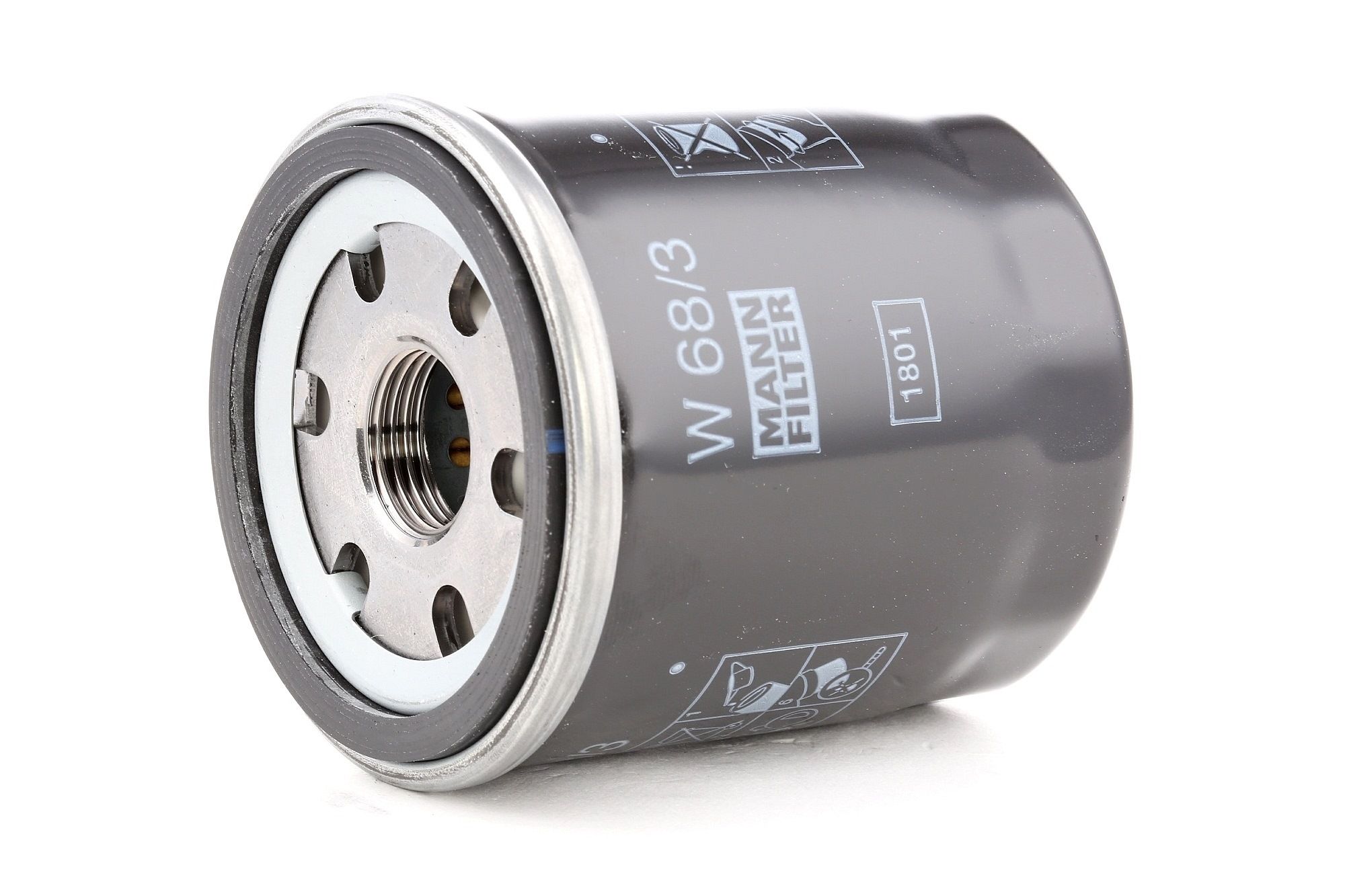
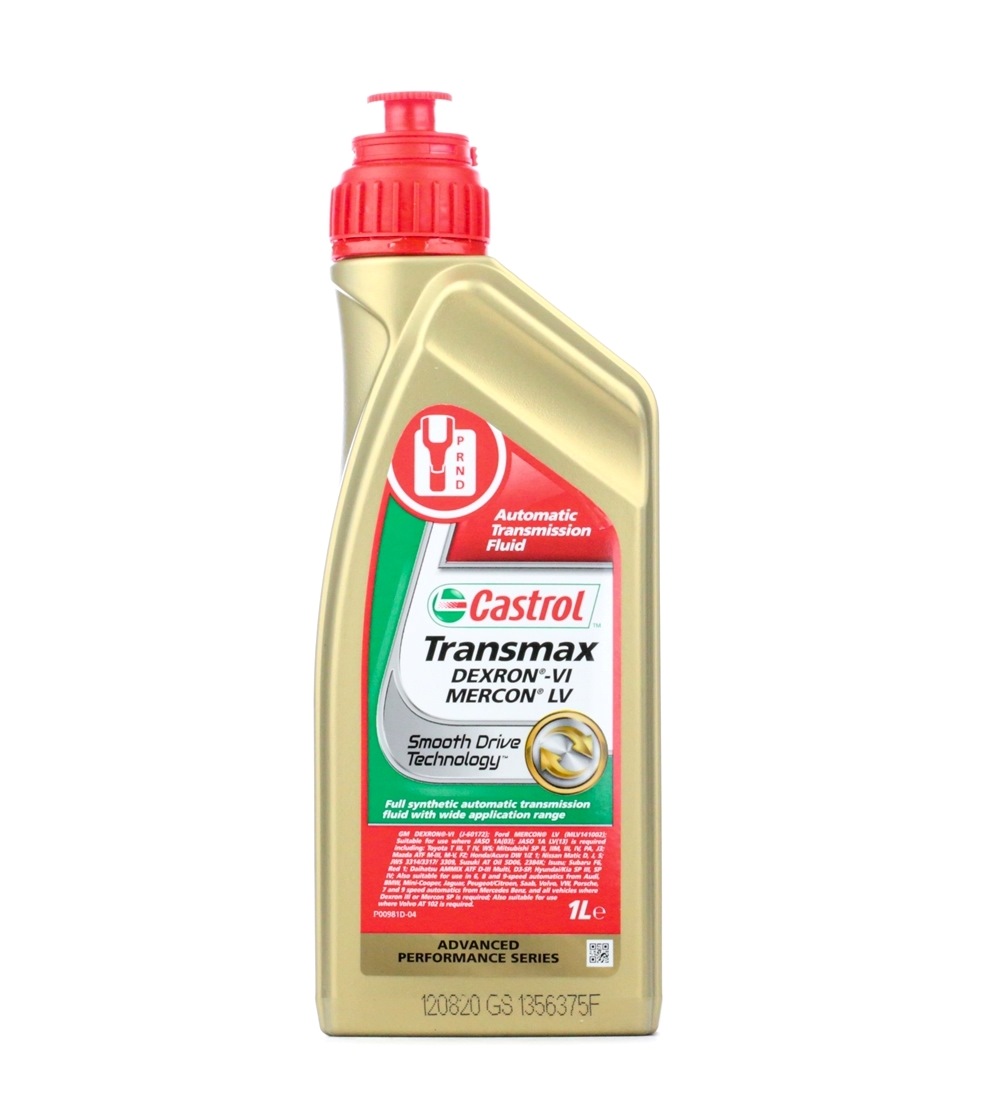
Regular maintenance is crucial for the service life of the transmission. The sensitive Ford EcoSport automatic transmission components require an oil change with special ATF oil and regular flushing of the cooling system every 60,000 km. For diagnosis, the fault codes should be read out and a test drive carried out to identify the specific faults. At the first sign of shifting problems, an immediate inspection at a specialised workshop is necessary to prevent major damage.
Ford EcoSport: Problems with the 1.0 EcoBoost engine

The 1.0 EcoBoost engine of the Ford EcoSport has several characteristic weak points, which manifest themselves in different mileage ranges. The timing chain already stretches between 80,000 and 120,000 kilometres, which leads to engine noise and, in the worst case, to engine damage. The turbocharger shows typical signs of wear after 100,000-150,000 km, with loss of power and bluish smoke from the exhaust being the first symptoms. In addition, problems with the injection valves occur between 60,000 and 90,000 km, which are noticeable through unsteady idling and increased fuel consumption. The reliability of this engine is particularly limited in the 2019 and 2020 models.
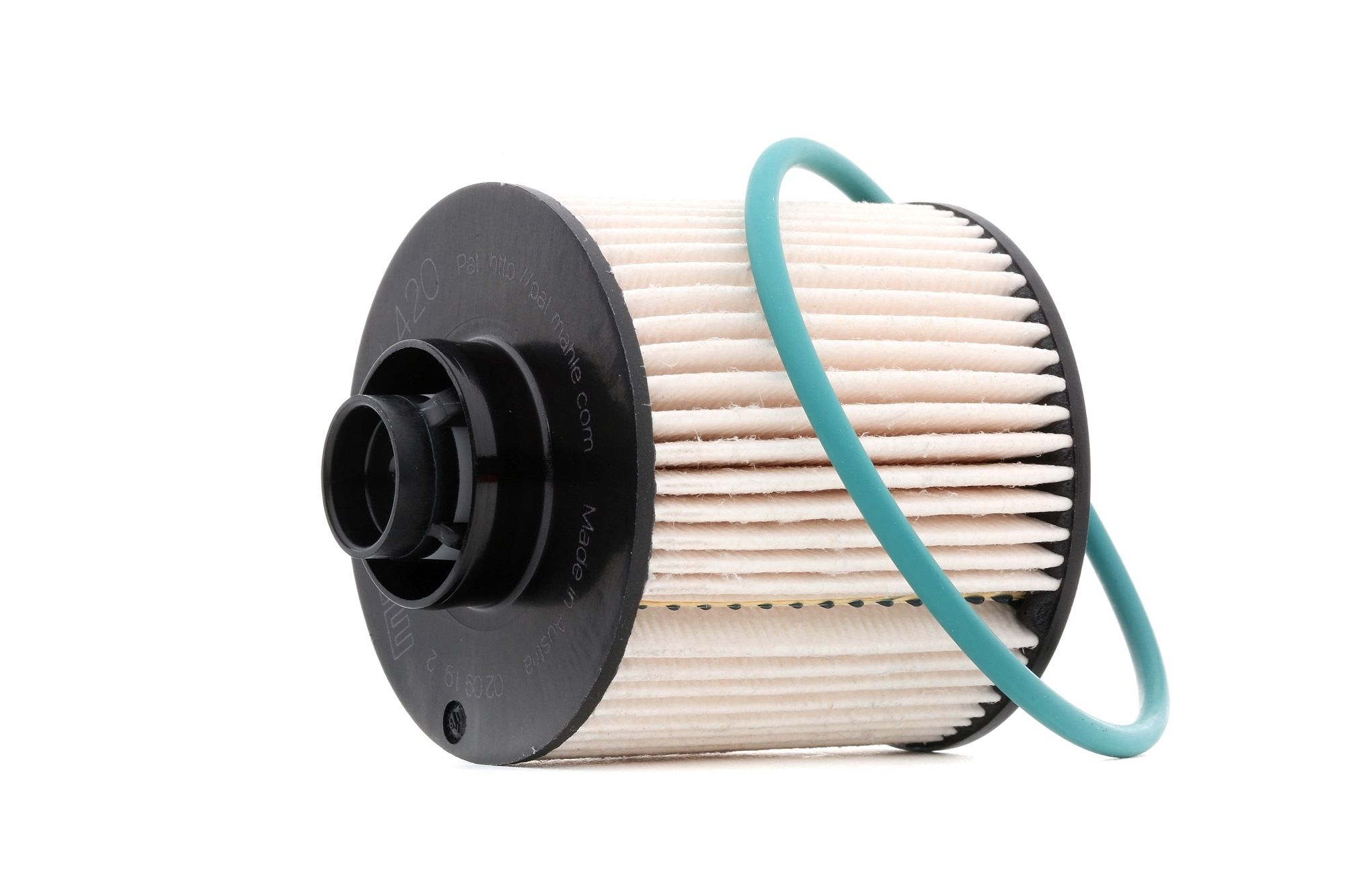
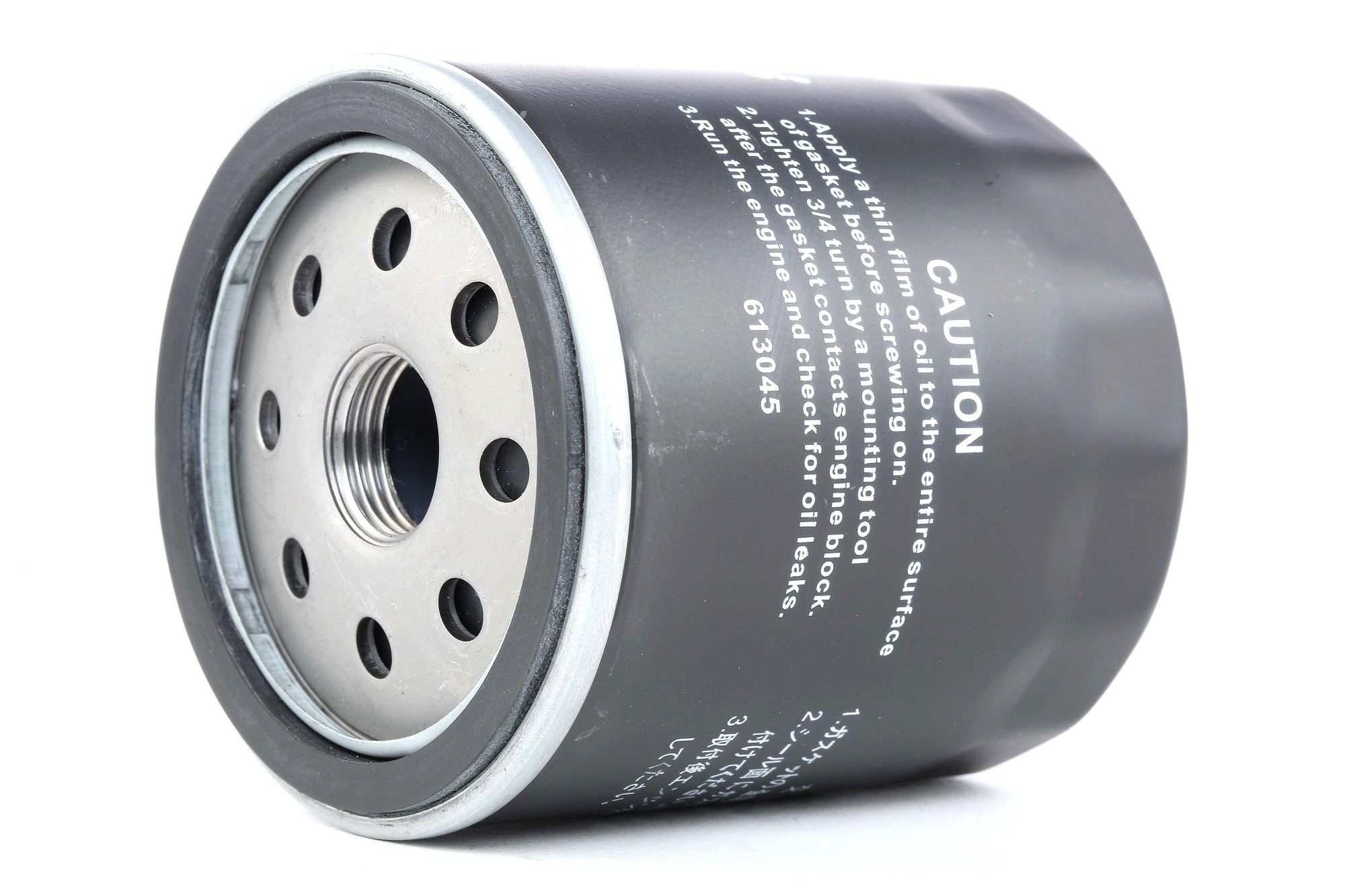
A systematic check is essential for the early detection of these defects. The precise Ford EcoSport 1.0 EcoBoost components require an inspection of the timing chain every 15,000 km and regular oil changes with high-quality 5W-20 engine oil. Diagnosis is carried out by listening to the engine noise, checking the boost pressure and analysing the exhaust gas values. Preventive maintenance with fuel additives and regular cleaning of the injection system can significantly extend the service life.
Ford EcoSport: Problems with the air conditioning system
The air conditioning system of the Ford EcoSport shows considerable faults after a relatively short period of use, with the most frequent faults occurring between 30,000 and 50,000 kilometres. The compressor often fails prematurely, resulting in loud noises and poor cooling performance. Leaking refrigerant pipes are another typical problem that leads to a continuous loss of R134a refrigerant. The air conditioning system will no longer work properly if the condenser is damaged by stone chips or corrosion. Model years 2015 and 2018 are particularly affected by these problems, with a second wave of problems often occurring around 80,000 km.
Professional maintenance is required to ensure that the system remains functional. The complex Ford EcoSport air conditioning systems require annual servicing with a leak test, refrigerant charge and disinfection of the evaporator unit. The diagnosis includes a pressure test of the system, visual inspection for leaks and functional testing of all components. Regular operation, even in winter, and replacing the cabin filter every 15,000 km can prevent many problems.
Ford EcoSport: Problems with the tailgate

The electric tailgate of the Ford EcoSport develops characteristic malfunctions that can occur as early as 20,000 km. The opening mechanism does not start, which is caused by defective microswitches, worn gas pressure springs or problems with the control electronics. The tailgate does not operate properly if the sensors are dirty or the cable connections are corroded. The higher-equipped variants from the 2018 to 2020 model years are particularly affected, with a second wave of problems often occurring between 60,000 and 80,000 km, when the gas struts reach the end of their service life.
A professional inspection is necessary to check the various components. The sensitive Ford EcoSport tailgate actuators require regular lubrication of the hinges and cleaning of the sensors every 20,000 km. Diagnosis is carried out by checking the error codes in the control unit, testing the function of the gas struts and measuring the current consumption of the motor. Preventive measures such as regular cleaning and lubrication can significantly extend the service life.
Ford EcoSport: Problems with the timing belt and battery
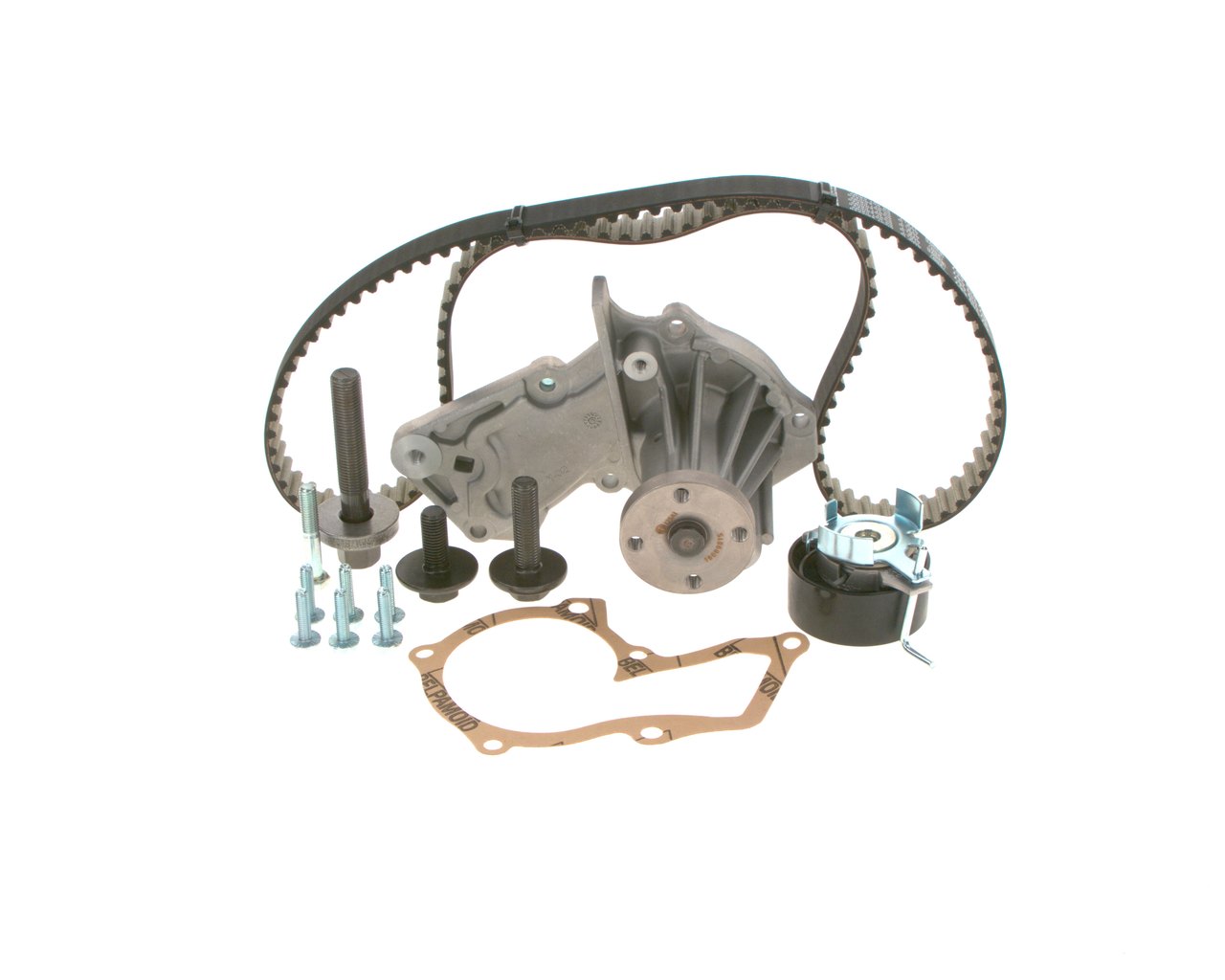
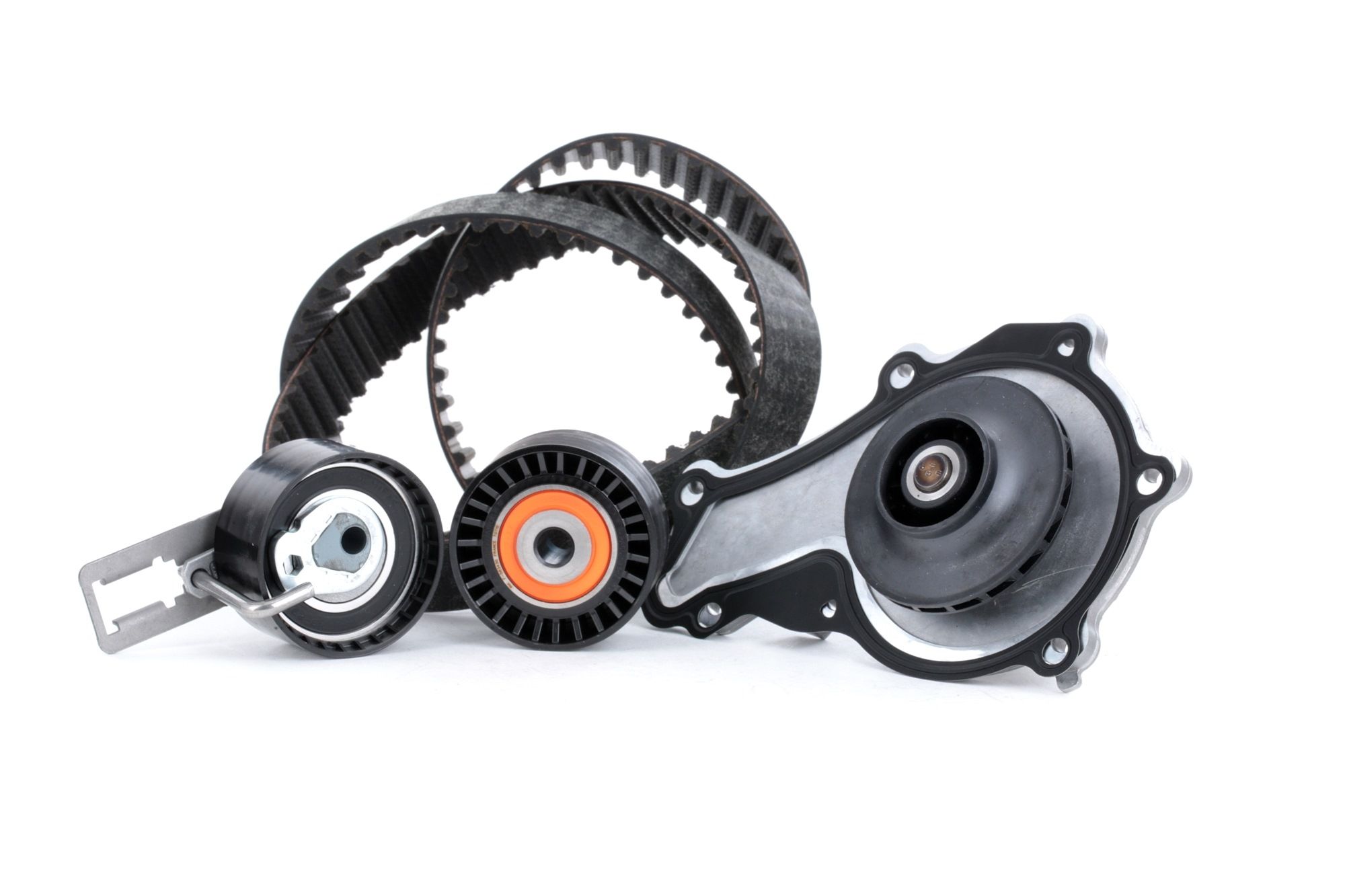
The timing belt of the Ford EcoSport shows critical signs of wear in certain engine variants, which must be taken into account. Although the 1.0 EcoBoost engine uses a timing chain, other engine variants have a timing belt that should be replaced every 160,000 kilometres or 10 years. However, premature wear often occurs after just 120,000 kilometres, especially in vehicles with high loads. The battery of the Ford EcoSport, especially in the 2015 and 2020 models, shows a reduced lifespan of only 3-4 years instead of the usual 5-6 years. Symptoms include poor starting, problems with the automatic start-stop system and electronic faults. A second wave of problems with the battery often occurs after 60,000-80,000 km, when the charge capacity decreases significantly.
Regular maintenance is essential to monitor these critical components. The Ford EcoSport timing belt and battery systems require regular visual inspections every 20,000 km and battery voltage measurements at every inspection. Diagnostics include a visual inspection of the timing belt for cracks or frayed edges and battery testing with a load tester. Preventive replacement before the critical mileage is reached and regular battery maintenance can prevent costly consequential damage.
Additional common defects of the Ford EcoSport
Based on the experiences of Ford EcoSport owners, the following additional problems occur:
- Electronic parking brake malfunctions: Frequently occurs after 50,000-70,000 km, often caused by brake pad wear or sensor failure.
- Faulty fuel pump: Typically occurs between 80,000-120,000 km, especially in vehicles with frequent short journeys.
- Problems with the power steering: Can occur as early as 40,000 km, often due to leaking seals or a defective pump.
- Shock absorber wear: Occurs prematurely after 60,000-80,000 km, especially in poor road conditions.
- Defective lambda sensors: Show up between 100,000-140,000 km, leading to increased fuel consumption.
- Problems with the exhaust gas recirculation valve: Typically occur after 90,000-130,000 km, especially in diesel engines.
- Transmission leaks: Can occur after 70,000-100,000 km, often due to worn seals.

Ford EcoSport: weaknesses and strengths
| Strengths |
Weak points |
| Compact dimensions for the city |
Automatic transmission problems |
| High seating position |
1.0 EcoBoost engine weaknesses |
| Good visibility |
Air conditioning does not work |
| Affordable price |
Tailgate does not open |
| Robust body |
Battery problems |
| Simple operation |
Timing belt wear |
| Moderate maintenance costs |
Electronic faults |
The Ford EcoSport is a practical city vehicle with a few characteristic weaknesses, which are largely avoidable with regular maintenance and preventative measures. The most common faults concern the automatic gearbox and the air conditioning system, while the 1.0 EcoBoost engine requires special attention during maintenance. Despite these problems, the vehicle offers good value for money for urban use.


 15 December 2025 (updated)