Table of Contents

 21 November 2025 (updated)
 Ford Galaxy common problems: Your complete guide

The Ford Galaxy offers excellent space, comfort, and practicality for families, but like any vehicle, it has its share of common issues. If you're a Galaxy owner or considering buying one, understanding these problems can save you time, money, and frustration. We've compiled this comprehensive guide to help you identify, understand, and address the most frequent Galaxy faults.
Most common Ford Galaxy problems by severity
Here's a quick overview of the Galaxy's most reported issues, ranked by how urgently they need attention:

| Problem | Severity | Typical repair cost | Prevention tips |
| Automatic gearbox faults | High | £1,500–3,000 | Regular oil changes, gentle driving |
| Parking sensor issues | Medium | £50–200 | Keep sensors clean, avoid impact |
| Starting problems | High | £80–300 | Battery maintenance, regular checks |
| Brake caliper/servo | High | £200–500 | Regular brake inspections |
| Windscreen wipers | Low | £15–150 | Replace fuses promptly, check motors |
| Door lock malfunctions | Medium | £100–300 | Lubricate mechanisms regularly |
Automatic gearbox troubles
The Ford Galaxy's Powershift automatic transmission has several well-documented issues that can seriously affect your driving experience. You might notice empty shifting, where gears change but don't engage properly, leaving you without power. Speed fluctuations whilst driving are another common symptom, alongside unexpected stalling.
Some owners report clutch failures that limit available gears to just 1st, 3rd, and 5th. There's often a noticeable delay between requesting a gear change and it actually happening, which can be particularly frustrating in traffic.
What to do: Have your gearbox oil changed according to Ford's schedule, drive smoothly without harsh acceleration, and seek professional diagnosis if you notice any symptoms.
Starting difficulties

Winter mornings can be particularly challenging for Galaxy owners. A weak Ford Galaxy car battery often struggles to turn the engine over, producing a characteristic grinding sound from the starter motor. In severe cases, you might only hear clicking sounds from the magnetic switch.
If your battery is fine but the engine won't start, the problem likely lies with the starter motor itself. You'll typically hear nothing when turning the key, indicating the starter or solenoid has failed. Check current Ford Galaxy starter motor price options if replacement is needed.
Sold by AUTODOC Sold by AUTODOC Sold by AUTODOC Sold by AUTODOC Sold by AUTODOC
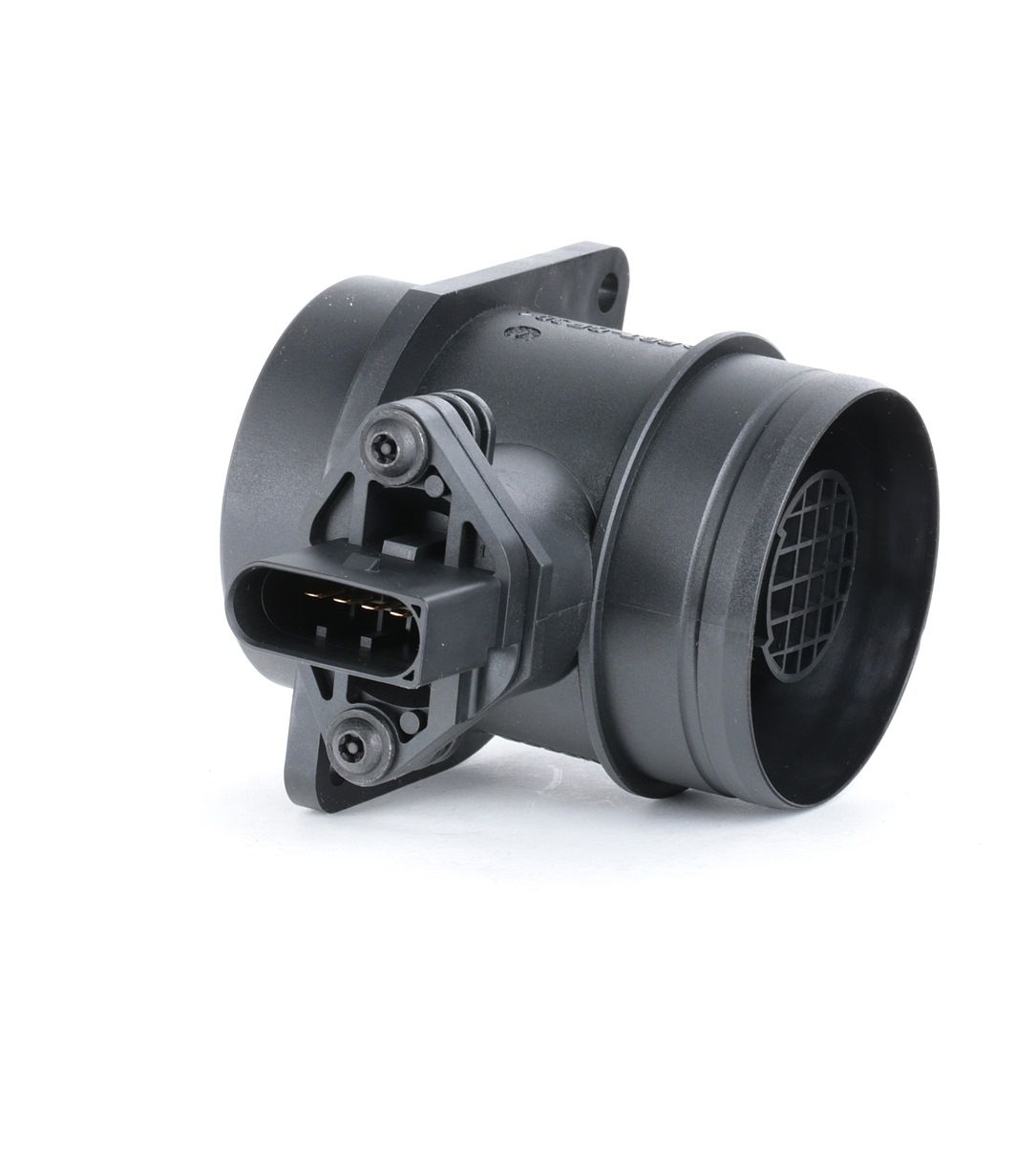 BOSCH Mass air flow sensor
Article number: 0 281 002 757
£71.99price incl. 20% VAT, excl. delivery costs
BOSCH Mass air flow sensor
Article number: 0 281 002 757
£71.99price incl. 20% VAT, excl. delivery costs
 Article number: 3 397 016 507
£8.99price incl. 20% VAT, excl. delivery costs
Article number: 3 397 016 507
£8.99price incl. 20% VAT, excl. delivery costs
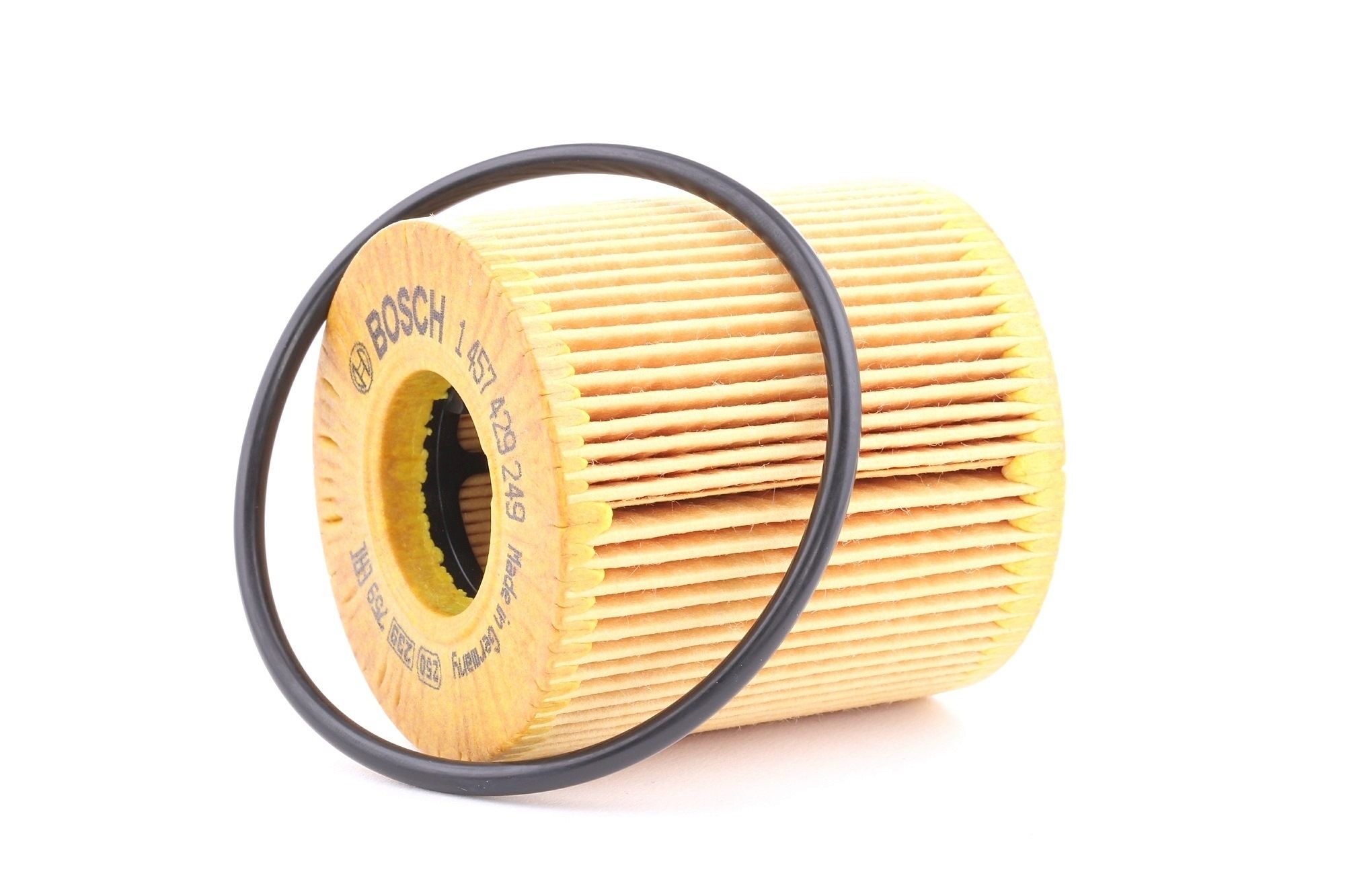 BOSCH Oil filter
Filter Insert
Article number: 1 457 429 249
£5.99price incl. 20% VAT, excl. delivery costs
-21%
BOSCH Oil filter
Filter Insert
Article number: 1 457 429 249
£5.99price incl. 20% VAT, excl. delivery costs
-21%
 Article number: 1496
compared to
RRP
£23.65
£18.49
Price per item
£73.96 / Price per 4 items
price incl. 20% VAT, excl. delivery costs
Article number: 1496
compared to
RRP
£23.65
£18.49
Price per item
£73.96 / Price per 4 items
price incl. 20% VAT, excl. delivery costs
 BOSCH Bulb
12V 10W
Article number: 1 987 301 014
£2.29
Price per set of 2 pieces
price incl. 20% VAT, excl. delivery costs
BOSCH Bulb
12V 10W
Article number: 1 987 301 014
£2.29
Price per set of 2 pieces
price incl. 20% VAT, excl. delivery costs
Warning signs:
- Slow engine cranking
- Clicking sounds when starting
- Complete silence when turning the key
- Dashboard lights dimming during starting attempts
Parking sensor problems
Many Galaxy owners report frustrating issues with their parking sensors. These problems range from false alarms and inaccurate distance readings to complete sensor failure. Damage from minor impacts, road debris, or corrosion can knock sensors out of calibration.
Electrical issues like loose connections or faulty control modules can also cause erratic behaviour. Regular cleaning and careful parking can prevent many of these problems.
Windscreen wiper failures
Galaxy wipers have a reputation for working perfectly one moment and failing the next. This sudden failure is usually caused by a blown fuse, which is relatively easy to fix yourself. Simply locate your fuse box, identify the wiper fuse, and replace it with one of the same rating.
More serious issues involve the wiper motor itself. If you hear no sound when activating the wipers, the Ford Galaxy windscreen wiper motor may have failed completely and require replacement.
Sold by AUTODOC Sold by AUTODOC Sold by AUTODOC Sold by AUTODOC Sold by AUTODOC
-28%
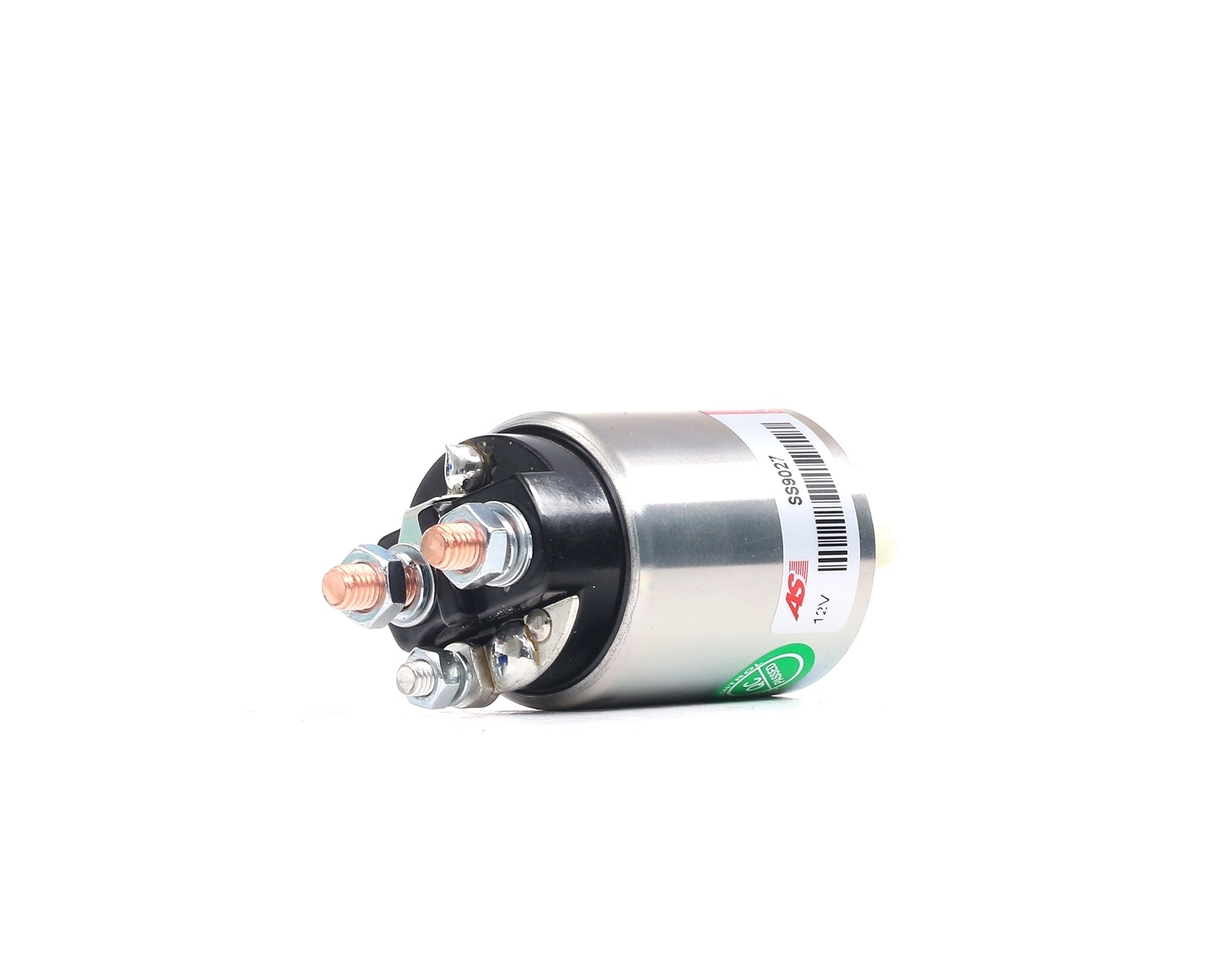 AS-PL Starter solenoid
Article number: SS9027
compared to
RRP
£32.29
£22.99price incl. 20% VAT, excl. delivery costs
-13%
AS-PL Starter solenoid
Article number: SS9027
compared to
RRP
£32.29
£22.99price incl. 20% VAT, excl. delivery costs
-13%
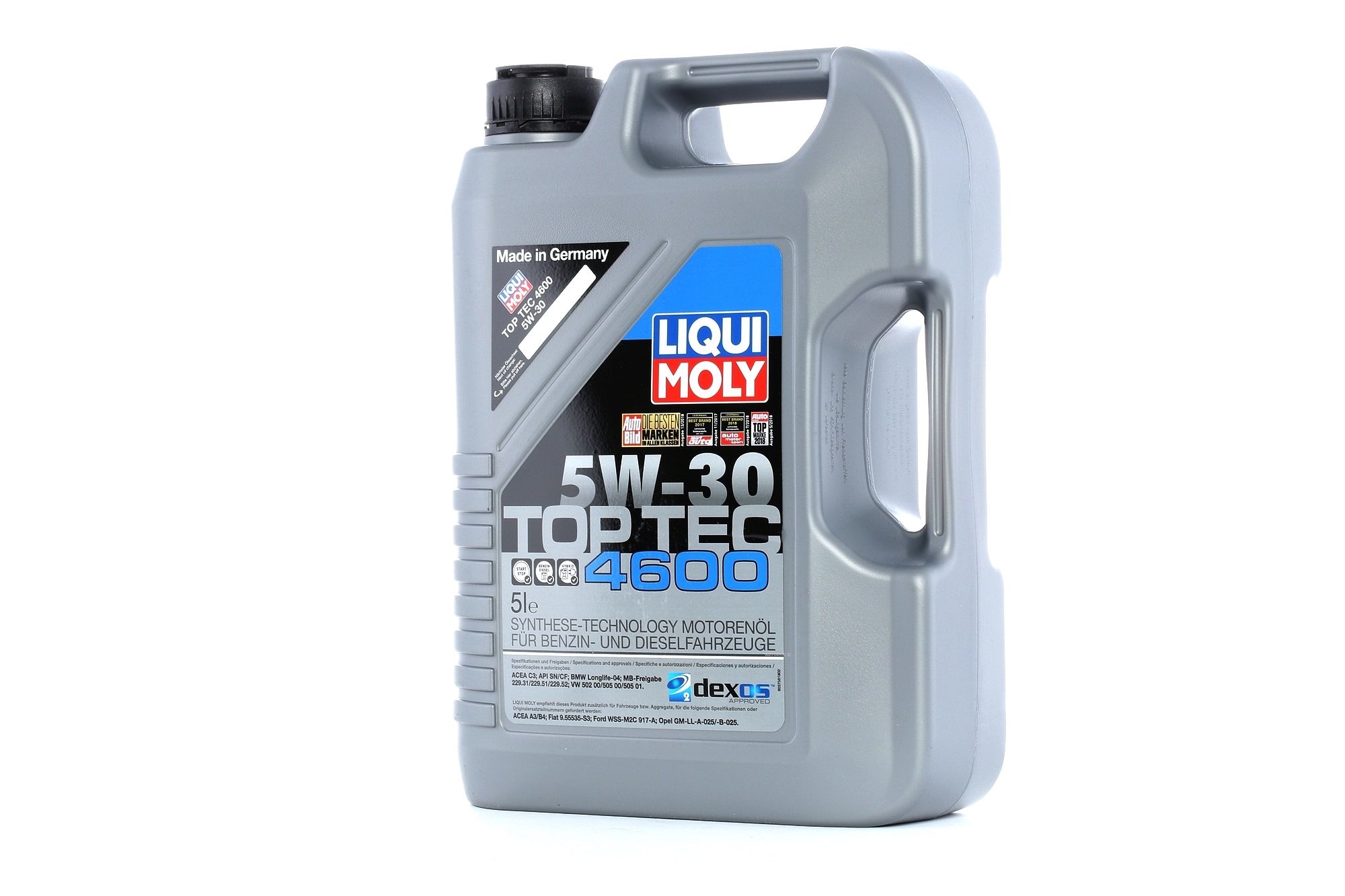
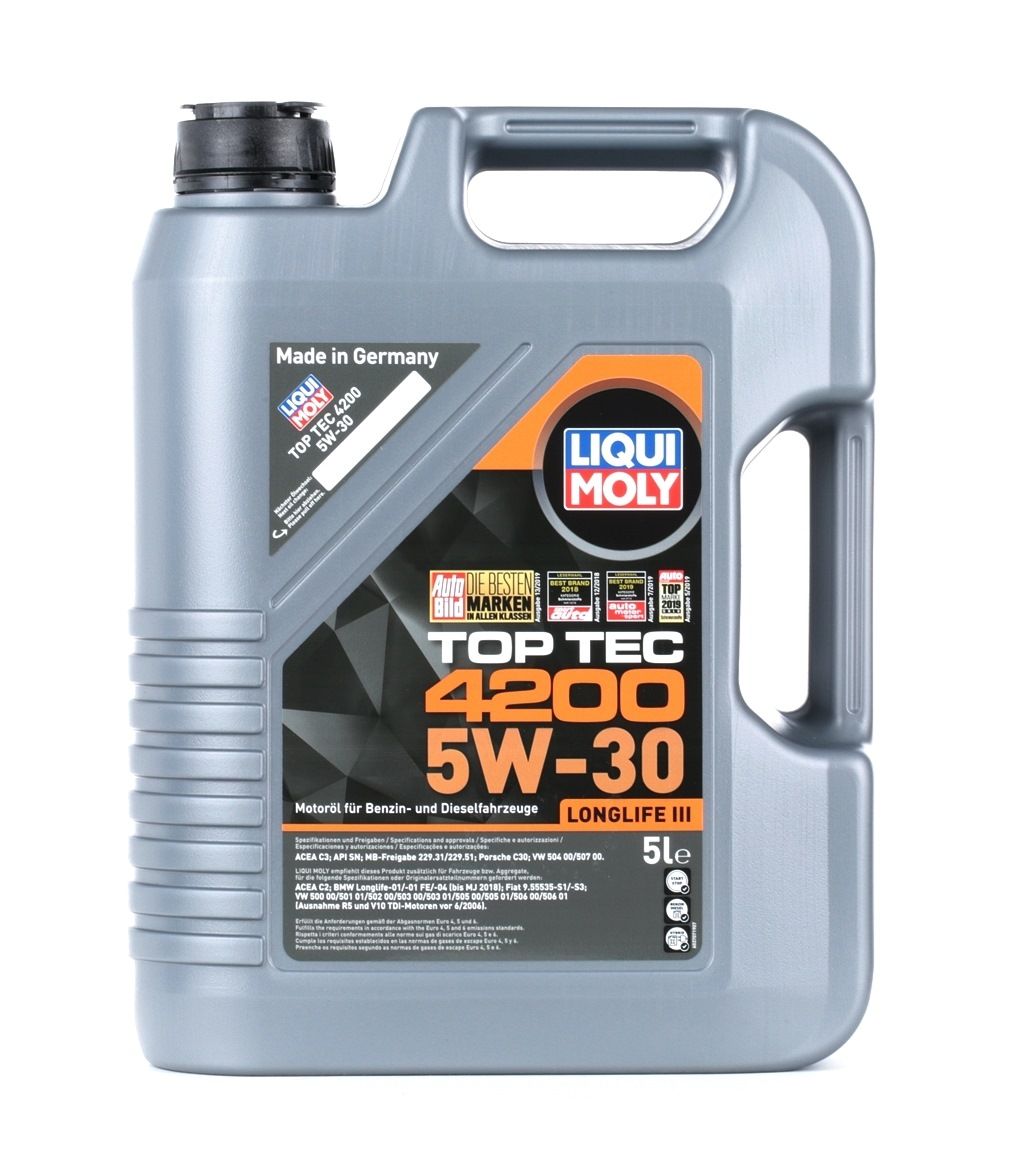 LIQUI MOLY Engine oil
5W-30, 5l
Article number: 3707
compared to
RRP
£71.35
£61.49
Price per item
£12.30
for 1 litre
price incl. 20% VAT, excl. delivery costs
-44%
LIQUI MOLY Engine oil
5W-30, 5l
Article number: 3707
compared to
RRP
£71.35
£61.49
Price per item
£12.30
for 1 litre
price incl. 20% VAT, excl. delivery costs
-44%
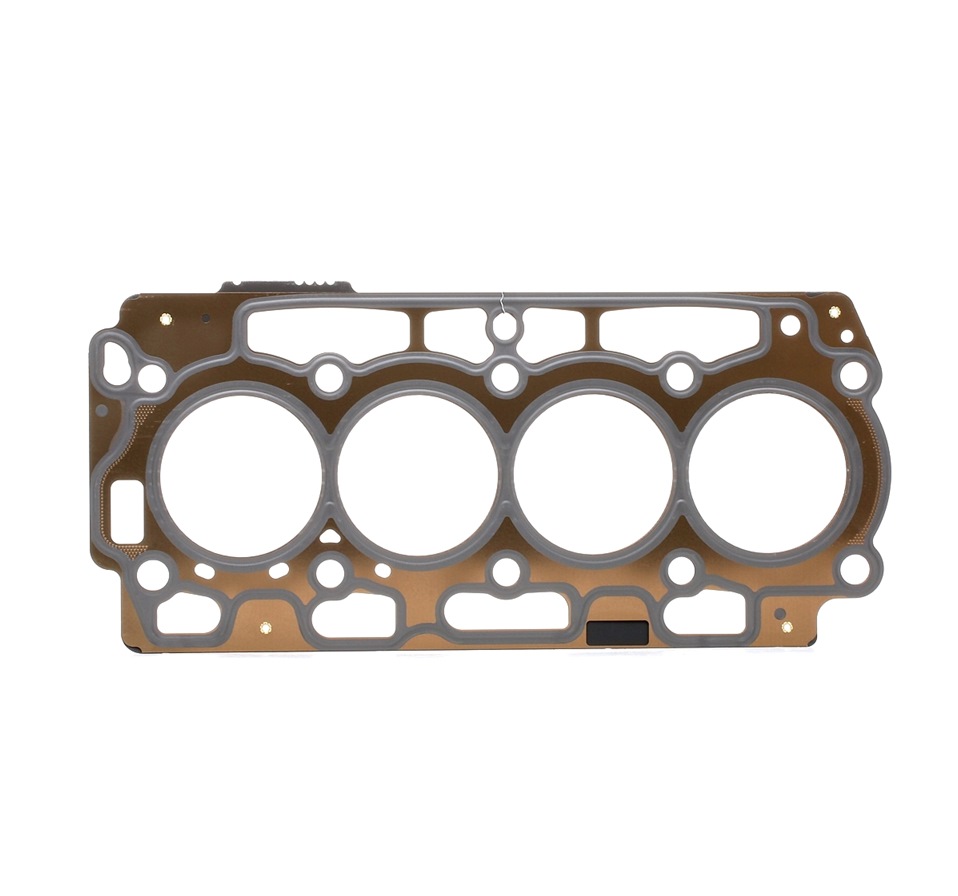 ELRING Gasket, cylinder head
1,4 mm, Ø: 76,3 mm, Multilayer Steel (MLS), Notches/Holes Number: 4
Article number: 718.341
compared to
RRP
£45.60
£25.49price incl. 20% VAT, excl. delivery costs
ELRING Gasket, cylinder head
1,4 mm, Ø: 76,3 mm, Multilayer Steel (MLS), Notches/Holes Number: 4
Article number: 718.341
compared to
RRP
£45.60
£25.49price incl. 20% VAT, excl. delivery costs
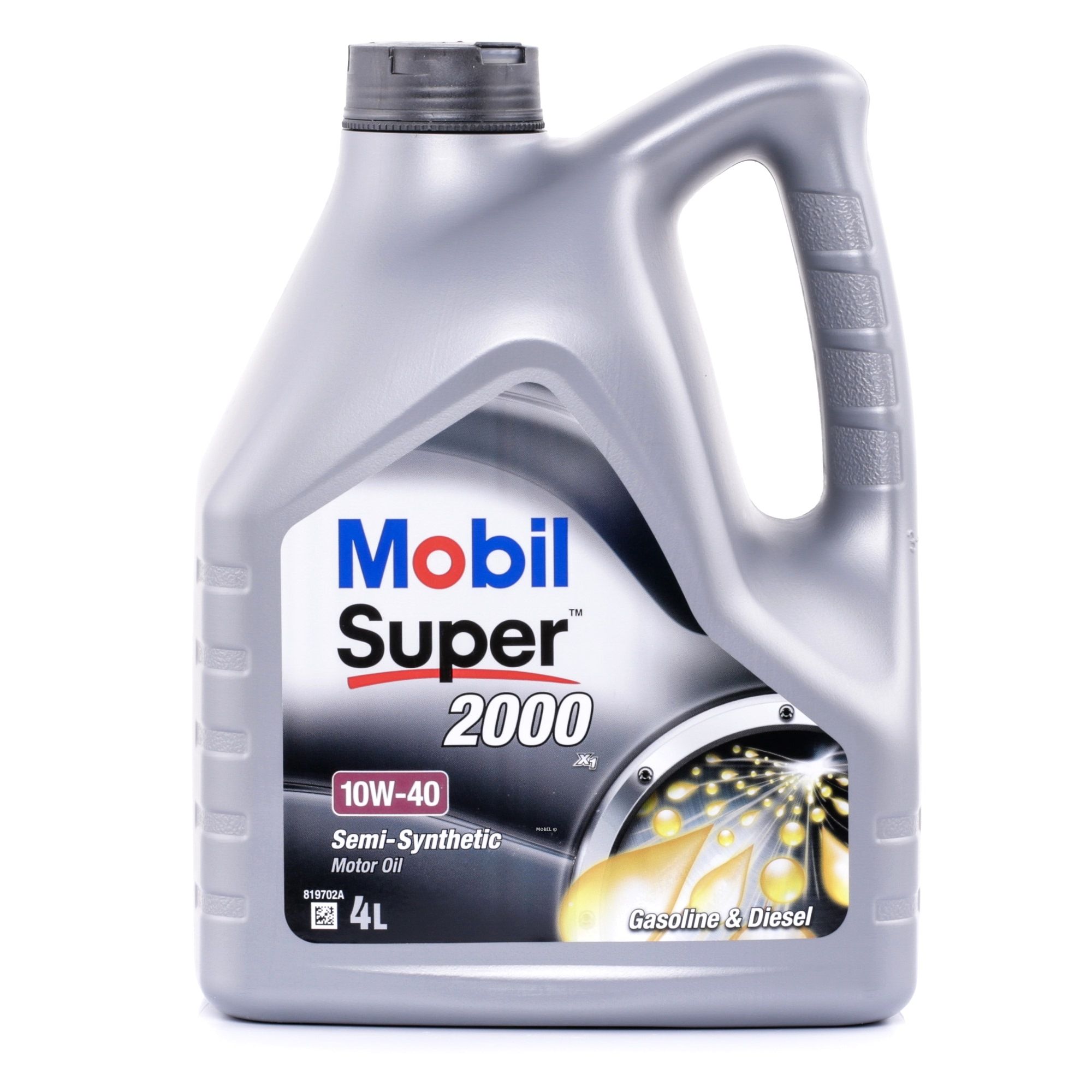 MOBIL Engine oil
10W-40, 4l, Part Synthetic Oil
Article number: 150865
£24.49
£6.12
for 1 litre
price incl. 20% VAT, excl. delivery costs
MOBIL Engine oil
10W-40, 4l, Part Synthetic Oil
Article number: 150865
£24.49
£6.12
for 1 litre
price incl. 20% VAT, excl. delivery costs
 Article number: MN8207-4
More
£23.49
£5.87
for 1 litre
price incl. 20% VAT, excl. delivery costs
Article number: MN8207-4
More
£23.49
£5.87
for 1 litre
price incl. 20% VAT, excl. delivery costs
Other common issues
Brake problems: Sticking calipers cause squealing, grinding, or pulling to one side. Servo motor issues cause inconsistent braking performance and unusual noises.
Immobiliser faults: Key fob battery problems, damaged wiring, or faulty control modules can prevent the engine from starting. Keep spare key fob batteries and ensure your keys are in good condition.
Door lock malfunctions: Power locks may stick, jam, or fail completely. Keyless entry systems can also malfunction, often due to worn actuators or obstructions in the locking mechanism.
Interior issues: Instrument cluster problems include incorrect gauge readings and warning light failures. Cruise control and panoramic roof issues can affect comfort and safety during longer journeys.
Maintenance tips for Galaxy owners
The following maintenance schedule helps prevent common Galaxy problems and extends your vehicle's lifespan:
| Service interval | Key maintenance tasks | Why it matters |
| Every 6 months | Battery check, wiper inspection | Prevents starting issues, maintains visibility |
| Every 12 months | Brake system inspection, door lock lubrication | Ensures safety, prevents expensive repairs |
| Every 18 months | Gearbox oil change, sensor cleaning | Protects transmission, maintains parking aids |
| Every 24 months | Comprehensive electrical check | Identifies issues before they become serious |
AUTODOC experts point out that consistent maintenance and quick attention to warning signs can prevent many costly repairs. Consider having Ford Galaxy spare parts readily available for common wear items like fuses, bulbs, and filters.
Frequently Asked Questions
Which Ford Galaxy model years have the most problems?
The 2006–2015 generation, particularly 2010–2013 models, tend to have more reported issues with the Powershift transmission and electrical systems.
How much should I budget for Galaxy repairs annually?
Expect to spend £300–600 per year on maintenance and repairs, depending on your vehicle's age and mileage.
Are Ford Galaxy issues under warranty?
Some transmission issues may be covered by extended warranty or goodwill programs. Check with your Ford dealer for specific coverage details.
Can I prevent automatic gearbox problems?
Yes, regular oil changes, gentle driving, and avoiding harsh acceleration can significantly extend gearbox life.
When should I seek professional help?
Contact a qualified technician immediately for brake problems, starting issues, or any safety-related concerns. Minor issues like blown fuses can often be handled yourself.
Are replacement parts expensive for the Galaxy?
Parts costs vary widely. Common items like fuses and filters are affordable, whilst major components like gearboxes can be expensive. Always compare prices from multiple suppliers.
Conclusion
The Ford Galaxy remains a practical family car despite these common issues. Most problems are manageable with proper maintenance and prompt attention. Regular servicing, careful driving, and addressing warning signs early can help you enjoy many trouble-free miles in your Galaxy.
Remember that every vehicle has its quirks, and understanding your Galaxy's potential issues puts you in control. With proper care and maintenance, your Galaxy can continue serving your family reliably for years to come.