Problems with the Opel Mokka B

Reliability Opel Mokka B: common problems, issues symptoms and faults
- Start-Stop System Malfunctions: The Start-Stop system malfunctions and frequently shuts down, especially at low temperatures or after 15,000–25,000 km. These malfunctions lead to increased fuel consumption and can be caused by faulty sensors or battery problems.
- 1.2 Turbo Engine Problems: The 1.2-liter turbo engine exhibits common problems such as loss of power and rough idling, which can occur as early as 20,000 km. Symptoms include jerky acceleration and increased oil consumption, which impairs engine reliability.
- Premature brake wear: Brakes show above-average wear after just 25,000–35,000 km, requiring more frequent than expected replacement of brake pads and discs. These weak points lead to increased maintenance costs and safety concerns.
- Lighting and electronics problems: Various lighting functions fail or operate intermittently, especially the LED headlights and taillights. These problems often occur between 10,000 and 30,000 km and can be caused by faulty control units or wiring problems.
Opel Mokka B: Problems with the Start-Stop system
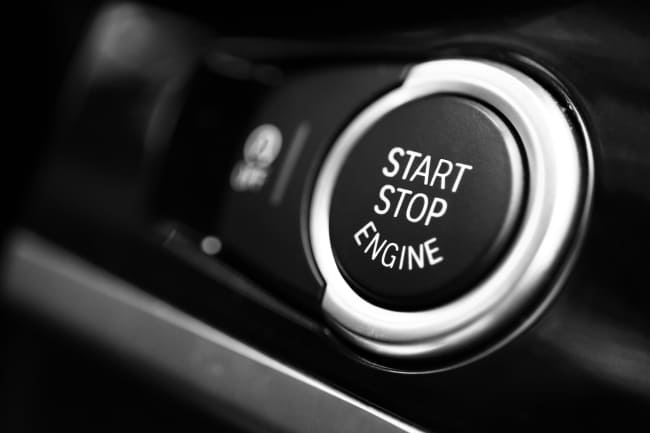
The Opel Mokka B's Start-Stop system exhibits various malfunctions, manifesting as frequent deactivation and unreliable operation. The system either fails to start properly or shuts off continuously, causing frustration for drivers. The system malfunctions particularly in cold temperatures below 5°C or after extended periods of inactivity. The service life of the Start-Stop function is reduced by frequent short trips and insufficient battery charge, with the first failures occurring as early as 15,000 km. Symptoms include the Start-Stop indicator light remaining permanently illuminated and the system automatically deactivating.
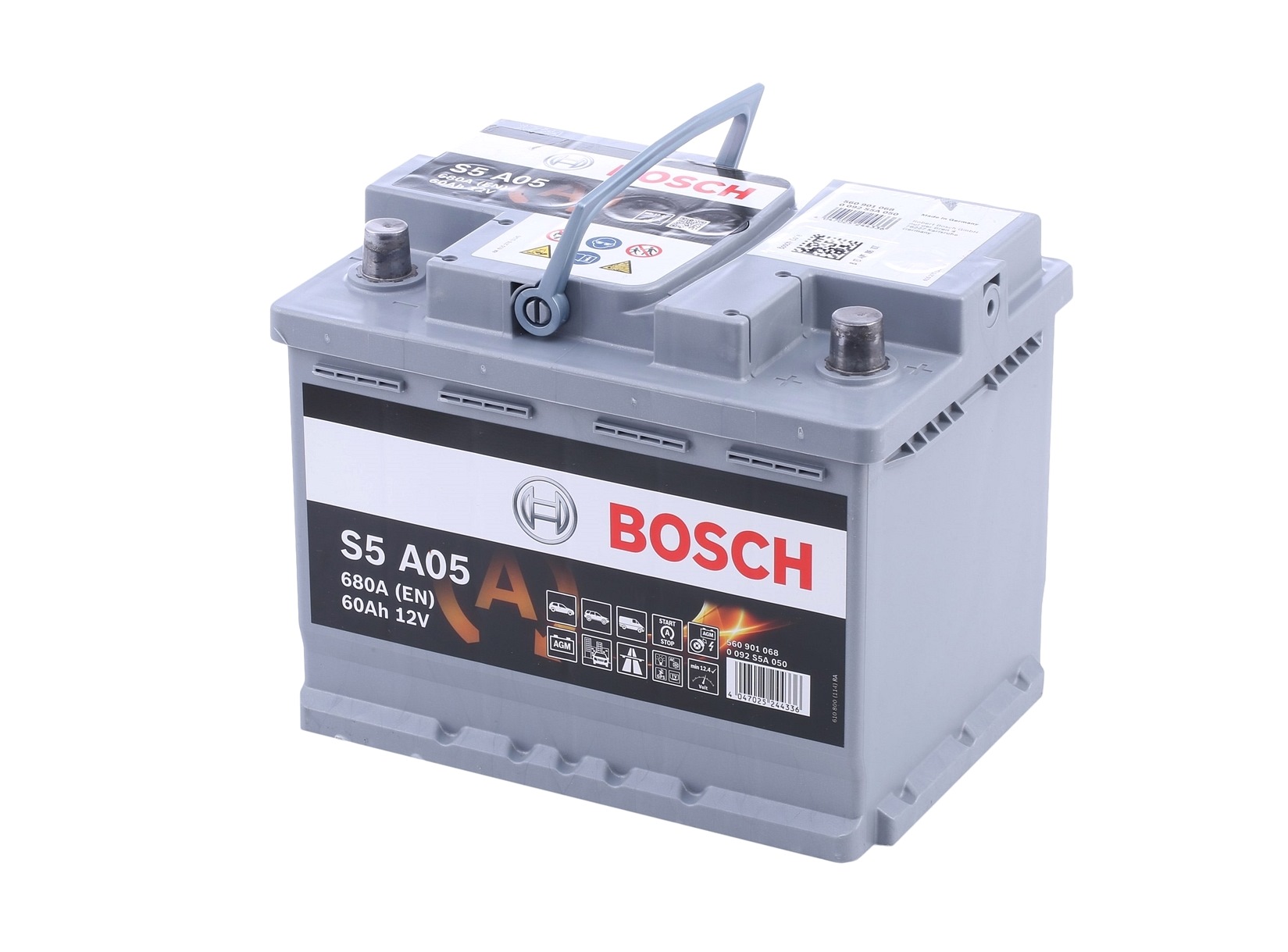
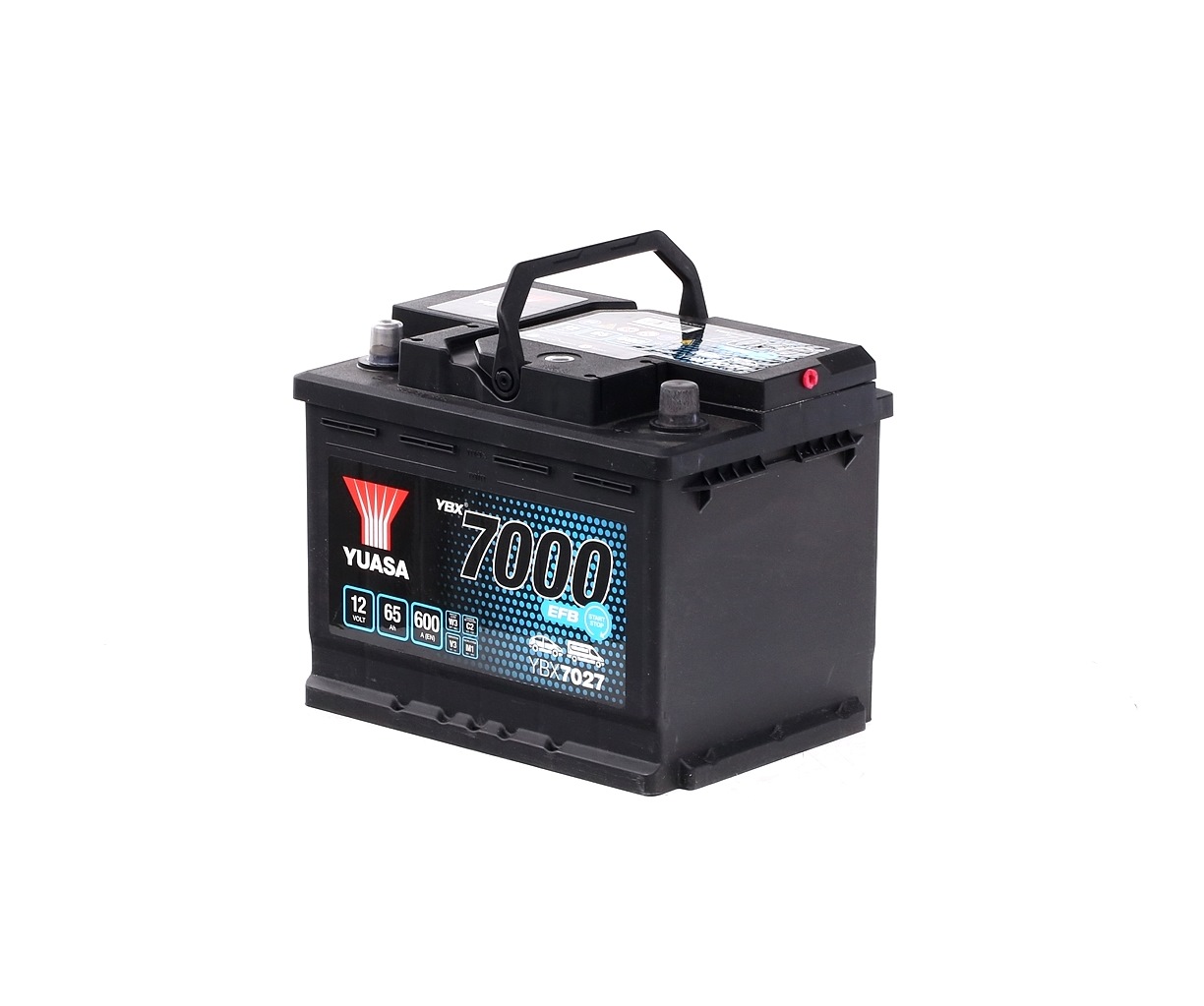
Systematic inspection is essential for proper system function. The sensitive Opel Mokka B Start-Stop components require regular battery tests and sensor calibrations every 10,000 km. Problems can often be resolved by replacing the AGM battery or cleaning the battery contacts. Diagnosis is performed via the onboard computer system, which may reveal error codes such as P0562 (vehicle electrical system voltage too low) or P0563 (vehicle electrical system voltage too high). Professional maintenance prevents major damage to the electrical system and ensures optimal function.
Opel Mokka B: Problems with the 1.2 Turbo engine
The 1.2-liter turbocharged engine in the Opel Mokka B exhibits various weak points, manifesting as loss of power, rough idling, and increased oil consumption. Common defects appear as early as 20,000 km and include faulty ignition coils, dirty injectors, and problems with the turbocharger control. The engine does not always start reliably, especially in cold temperatures, and exhibits jerky acceleration at low revs. Reliability is affected by oil loss at various seals, particularly the valve cover gasket and oil pan gasket. Symptoms include black smoke from the exhaust, engine warning lights, and unusual noises during cold starts.
A professional inspection is necessary for early detection of engine problems. The precise Opel Mokka B turbocharger components require special attention and regular oil changes every 10,000 km with high-quality 5W-30 oil. Faults can be resolved by updating the engine control unit software or replacing defective components. Diagnosis is performed using an OBD scanner, which may reveal error codes such as P0299 (turbocharger vacuum) or P0171 (fuel mixture too lean). Regular maintenance with genuine spare parts and the use of fuel additives to clean the injectors can significantly extend the engine's lifespan.
Opel Mokka B: Problems with premature brake wear

The brakes on the Opel Mokka B exhibit above-average wear, with brake pads requiring replacement after just 25,000–35,000 km. These weak points affect both the front and rear brakes, with the front axle experiencing greater wear. Symptoms include squealing noises when braking, increased stopping distances, and vibration in the steering wheel during braking maneuvers. The brake discs often show uneven wear and scoring, leading to reduced braking performance. Breakdowns can be exacerbated by aggressive driving, frequent city driving, or defective brake calipers. Brake lifespan is also affected by the vehicle's weight and electronic driver assistance systems, which intervene more frequently.
Regular maintenance is essential for safety and optimal braking performance. The Opel Mokka B brake systems require a thorough inspection of the brake pads, brake discs, and brake fluid every 15,000 km. Problems can be avoided by timely replacement of wear parts and regular brake fluid changes every two years. Diagnosis is performed by visual inspection and measuring the pad thickness, with a minimum thickness of 3 mm. Professional maintenance with original spare parts and the use of high-quality DOT 4 brake fluid ensures optimal function and extends the service life of the braking system.
Opel Mokka B: Problems with lights and electronics
The lighting systems of the Opel Mokka B exhibit various electronic problems, manifesting as failed LED headlights, defective taillights, and faulty interior lighting. Common defects occur between 10,000 and 30,000 km and include flickering headlights, permanently illuminated warning lights, and inoperative turn signals. The lights do not function reliably, especially in humid or temperature fluctuations. Symptoms include intermittent illumination, error messages on the display, and the complete failure of individual lighting functions. Reliability is affected by defective control units, corroded contacts, or faulty wiring. Breakdowns can also be caused by software problems in the onboard computer or defective light sensors.
Professional maintenance is required to diagnose and repair electronic problems. The complex Opel Mokka B lighting systems require specialized diagnostic equipment and regular software updates for optimal function. Errors can be remedied by replacing defective LED modules, cleaning the contacts, or reprogramming the control units. Diagnosis is performed using a multimeter and OBD scanner, and error codes such as U0155 (lighting control unit communication error) or B1317 (headlight control unit defective) may occur. Preventative treatment with contact spray and regular wiring checks prevent major damage and ensure road safety.
Opel Mokka B: Problems with the 1.2 timing belt
The 1.2-liter engine in the Opel Mokka B uses a timing belt, which can lead to serious engine damage if inadequately maintained. The timing belt shows signs of wear after just 60,000–80,000 km, despite the specified replacement interval of 100,000 km. Symptoms include unusual noises from the engine compartment, rough idling, and loss of power. A broken timing belt can lead to costly consequential damage due to the interference engine. Its service life is reduced by frequent short trips, extreme temperatures, and irregular maintenance. Breakdowns often occur without warning, which is why preventative maintenance is especially important.
A systematic check is essential to avoid catastrophic engine failure. The critical Opel Mokka B timing belt components require a thorough inspection every 20,000 km and preventative replacement after 80,000 km. Diagnosis is performed by visual inspection for cracks, frayed edges, or oil contamination. During maintenance, the tensioner pulley, idler pulleys, and water pump should also be replaced at the same time. A professional inspection using genuine replacement parts and correct timing adjustment ensures optimal engine performance and prevents expensive repairs.
Additional common defects of the Opel Mokka B
Based on the experiences of Opel Mokka B drivers, the following additional problems occur:
- Air conditioning failure: Often occurs after 30,000-40,000 km, often caused by defective compressors or refrigerant loss.
- Infotainment system malfunctions: System crashes and connection problems occur as early as 5,000 km, especially during software updates.
- Fuel pump problems: Defective fuel pumps can occur after 50,000-70,000 km and lead to starting problems.
- Door lock malfunctions: Electronic door locks often fail after 40,000-60,000 km, especially with frequent use.
- Windshield wiper problems: Wiper motors fail after 20,000-35,000 km, often caused by wear or moisture.
- Navigation system failures: GPS reception problems and map errors occur sporadically, regardless of mileage.
- Oil pressure sensor defects: False oil pressure warnings occur after 25,000-45,000 km and can lead to unnecessary visits to the workshop.

Opel Mokka B: Weaknesses and strengths
| Strengths |
Weak points |
| Modern design |
Start-Stop system problems |
| Good use of space |
Premature brake wear |
| Extensive standard equipment |
1.2 Turbo engine defects |
| Low CO2 emissions |
Electronic problems |
| Good value for money |
Lighting functions unreliable |
| Comfortable suspension |
Air conditioning vulnerable |
| Clear operation |
Timing belt early wear |
| Solid workmanship |
Infotainment system unstable |
The Opel Mokka B is a modern and well-equipped compact SUV with an attractive design and good use of space. However, the electronic systems and turbocharged engine require special attention and regular maintenance. Most problems can be avoided through preventative measures and timely intervention, with adherence to maintenance intervals being particularly important for the longevity of the vehicle.


 17 October 2025