Problems with the Opel Mokka X

Reliability Opel Mokka X: common problems, issues symptoms and faults
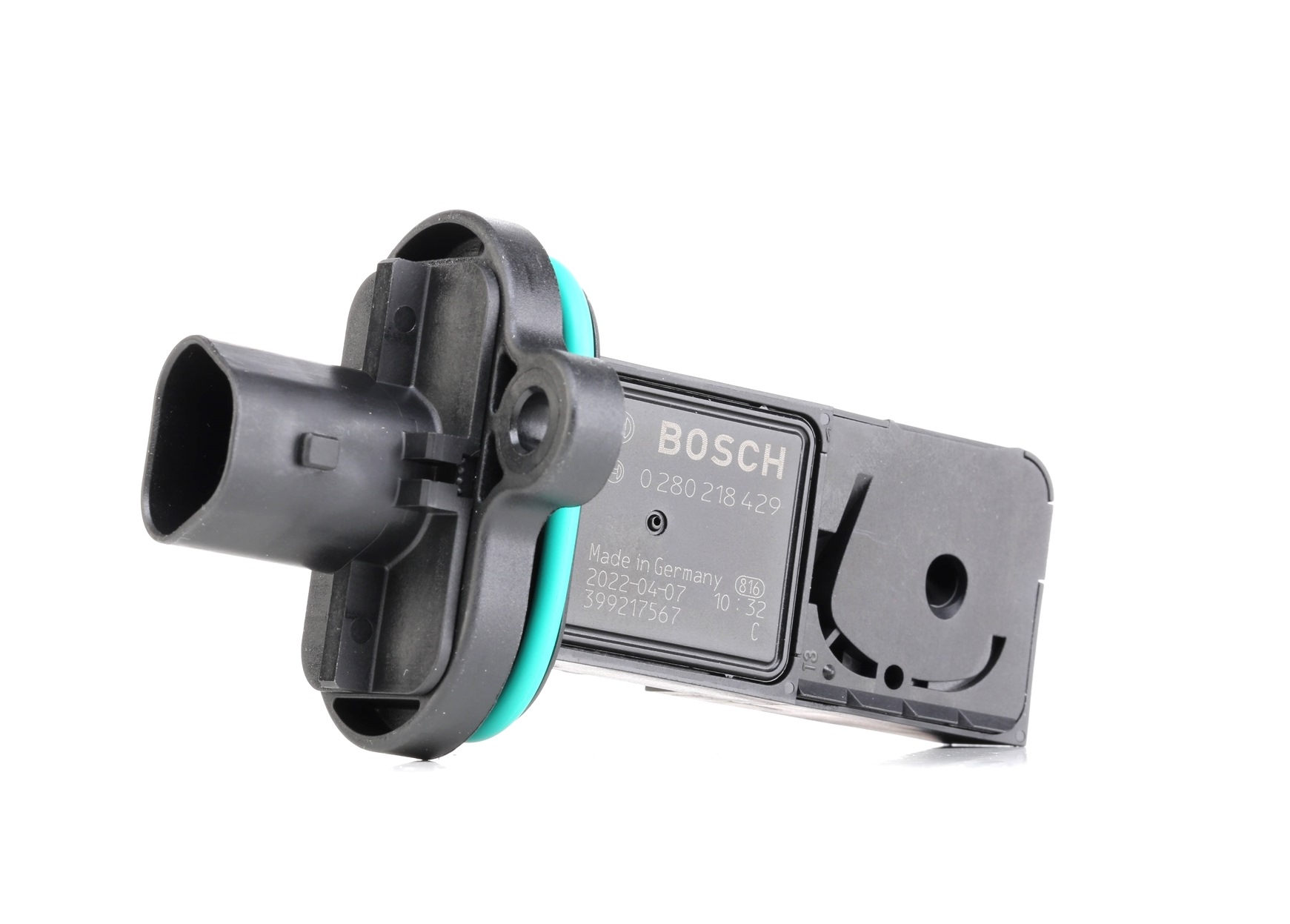
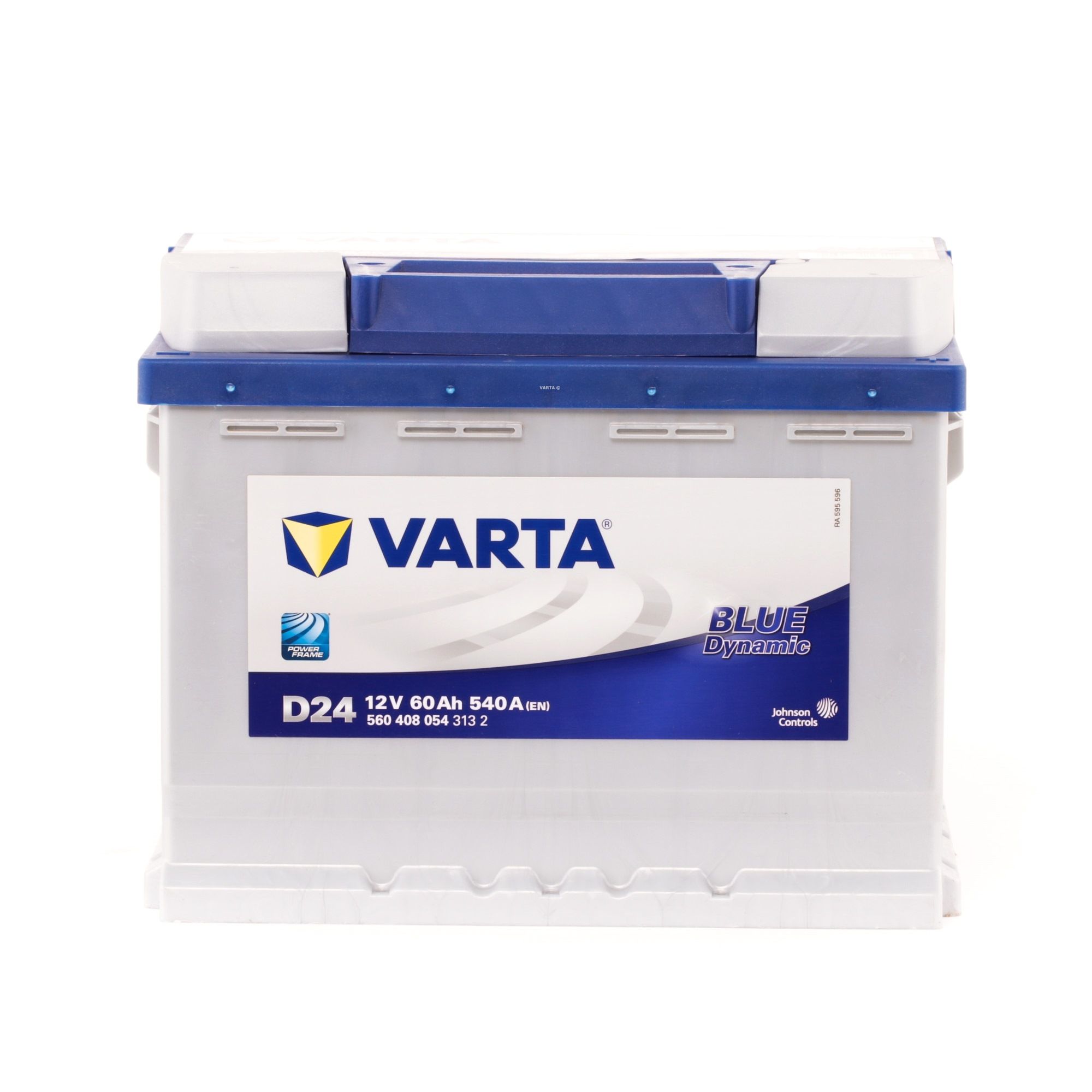
- Start-Stop System Failures: The Start-Stop system malfunctions and frequently displays error messages. These problems occur as early as 20,000–30,000 km and can be caused by defective battery sensors or software issues.
- Air conditioning isn't cooling properly: The air conditioning system loses its cooling capacity and can show problems after as little as 15,000-25,000 km. The causes are often leaking condensers or defective compressors, especially in 2018 models.
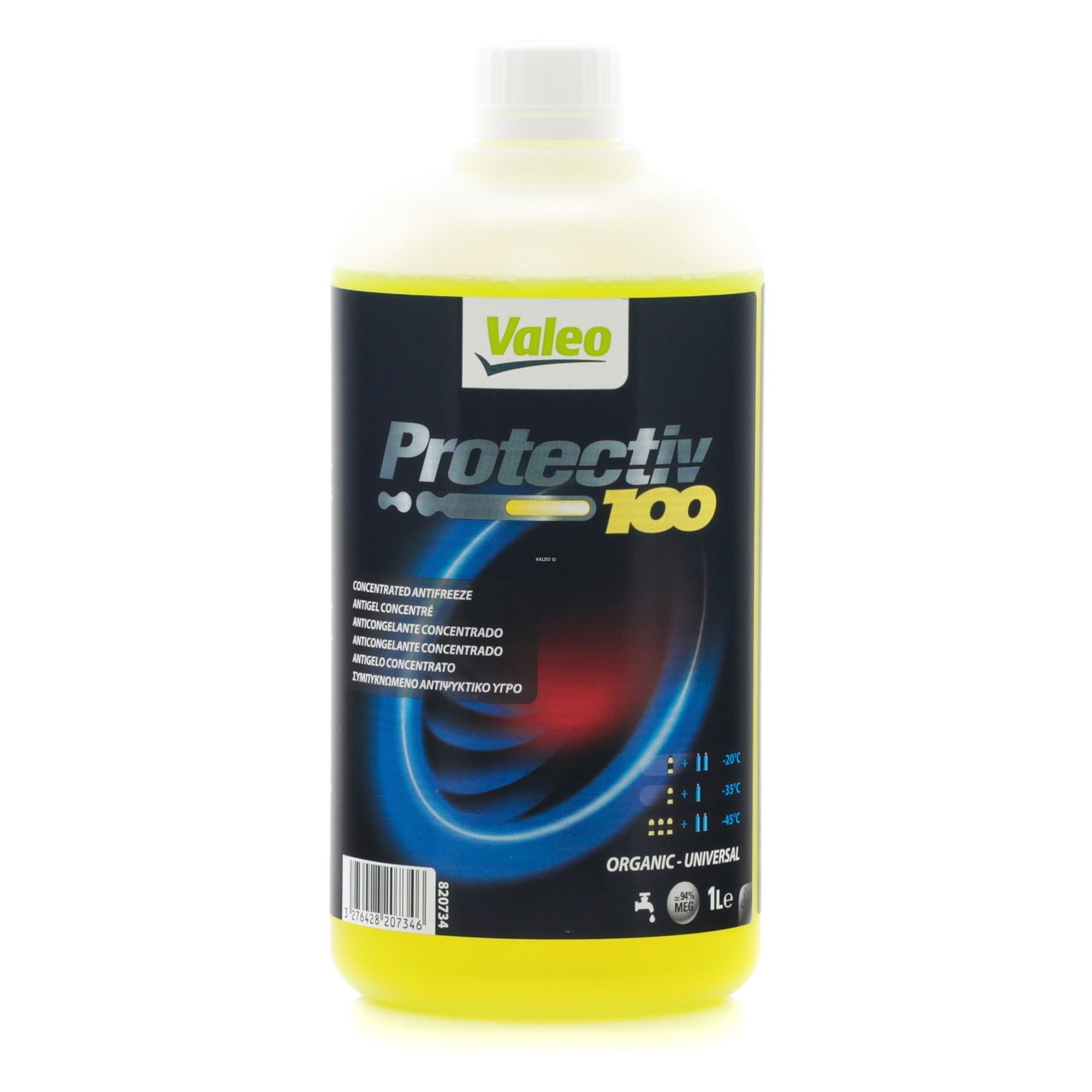
- Heating problems in winter: The heating doesn't get warm enough or fails completely. These symptoms often occur after 40,000–60,000 km and affect both diesel and gasoline variants.
- Timing chain wear on 1.4 Turbo: The 1.4 Turbo engine shows timing chain problems as early as 80,000-100,000 km, which are noticeable by rattling noises during cold starts.
Opel Mokka X: Problems with the Start-Stop system
The Opel Mokka X's Start-Stop system frequently exhibits malfunctions and failures, manifesting as various error messages and warning lights on the dashboard. Models from 2018 onwards are particularly affected, with the system ceasing to function or operating erratically after just 20,000–30,000 km. The most common symptoms are permanent system deactivation, error messages such as "Start-Stop not available," and unusual battery warnings. These malfunctions can occur in both automatic and manual transmissions and significantly impact fuel efficiency. The system's reliability is affected by various factors such as temperature, battery condition, and engine load, leading to inconsistent performance.
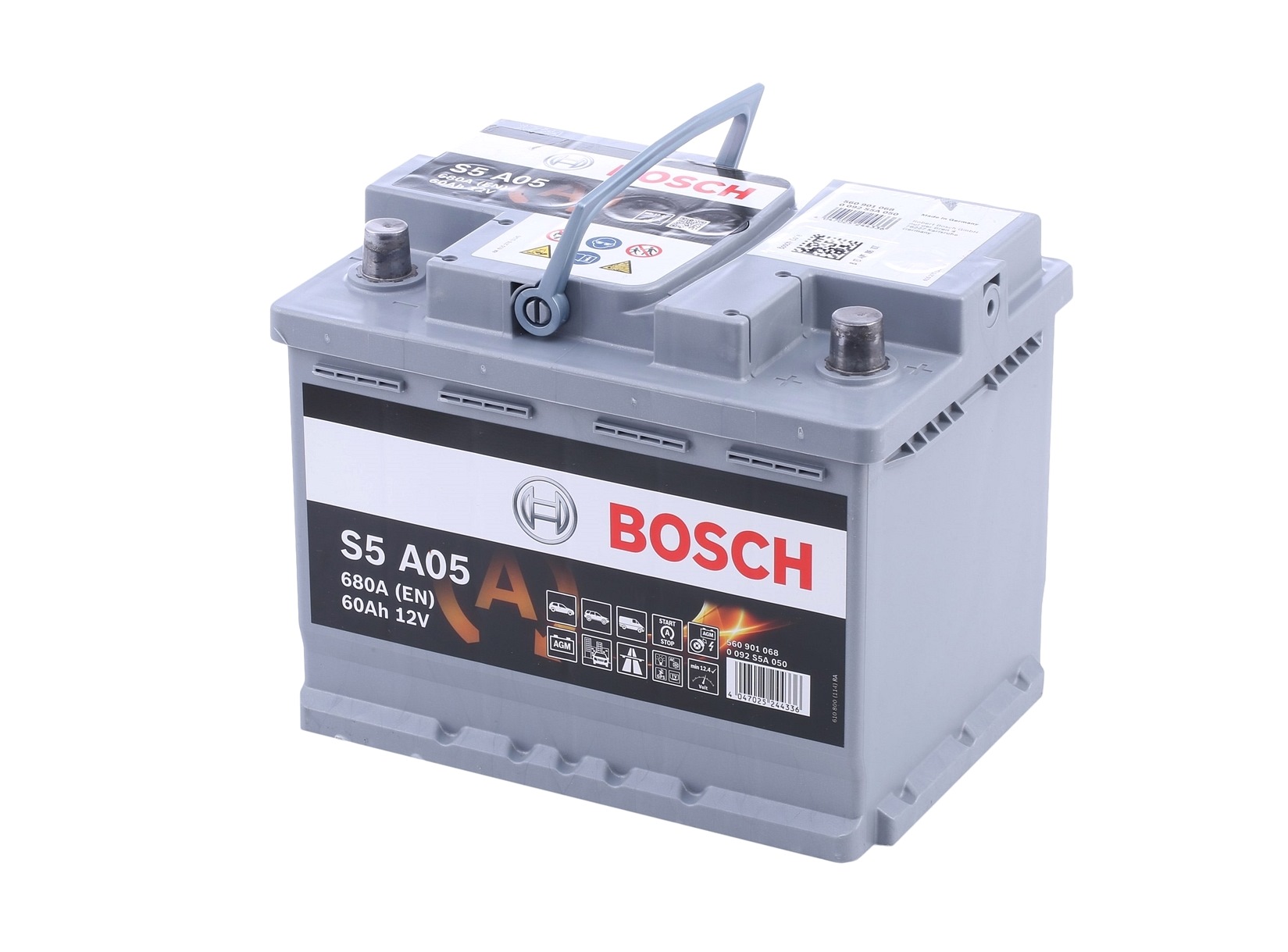
A systematic check is essential for the proper functioning of the Start-Stop system. The sensitive Opel Mokka X battery sensors require regular calibration and must be replaced every 3-4 years to ensure optimal performance. Diagnostics should include a check of the battery voltage (at least 12.4V at rest), the sensor cables, and the software version. Preventative maintenance through regular battery tests and software updates can prevent many of these problems and extend the life of the system.
Opel Mokka X: Problems with the air conditioning system does not cool
The air conditioning system in the Opel Mokka X frequently loses its cooling capacity and exhibits various faults that lead to a significant loss of comfort, especially in the summer months. These weaknesses appear even after relatively low mileage of 15,000–25,000 km and affect both the 1.4 Turbo and the 1.6 CDTi diesel. The most common symptoms are insufficient cooling, warm air from the vents, unusual noises from the compressor, and moisture buildup in the interior. The 2018 models, in particular, are increasingly experiencing problems with leaking condensers and defective expansion valves. These faults can manifest themselves as a loss of compressor performance, refrigerant loss, or electrical malfunctions in the climate control unit. The service life of the air conditioning components is further reduced by frequent temperature changes and filter contamination.
Regular maintenance is crucial for the longevity of the air conditioning system. The complex Opel Mokka X air conditioning systems require annual inspections with refrigerant level checks (R134a or R1234yf depending on the model year) and filter changes every 15,000 km. Diagnostics should include pressure measurements (low pressure: 2-3 bar, high pressure: 15-25 bar at 20°C outside temperature), leak tests, and electrical tests of the control units. Preventative measures such as regular disinfection and cabin filter replacement can prevent many of these malfunctions and ensure optimal cooling performance.
Opel Mokka X: Problems with the heating system does not heat up

The heating system in the Opel Mokka X frequently exhibits problems with insufficient heat generation or complete failure, leading to significant comfort problems, especially during the cold season. These problems typically occur after 40,000–60,000 km and affect both diesel and gasoline variants equally. The most common symptoms are cold air from the heater nozzles despite a warm engine, uneven temperature distribution in the interior, fogged-up windows, and unusual noises from the fan. All-wheel drive models are particularly affected, as their more complex cooling system has additional weak points. The causes are often defective heater valves, clogged heat exchangers, or air bubbles in the cooling system. In some vehicles, the heater only starts after longer journeys, which indicates problems with the thermostat or water pump.
A professional inspection is required to correctly diagnose heating problems. The sensitive Opel Mokka X heating components require regular cooling system flushing every 60,000 km and checking the coolant concentration (50% antifreeze). Diagnosis should include temperature measurements on the heat exchanger (inlet: 85-90°C, outlet: 70-75°C), pressure testing of the cooling system, and electrical testing of the actuators. Preventative maintenance through regular coolant changes and bleeding the system can prevent most heating problems and ensure optimal heating performance.
Opel Mokka X: Problems with the timing chain on the 1.4 Turbo
The 1.4 Turbo engine in the Opel Mokka X exhibits characteristic timing chain problems, which are noticeable as a distinct rattling noise during cold starts and a loss of power. These weak points typically appear after 80,000–100,000 km, but can also appear earlier under unfavorable operating conditions. The most common symptoms are metallic noises from the engine compartment when starting, rough idling, a loss of power, and, in severe cases, the engine check light. This becomes particularly critical when the timing chain is overstretched and affects valve timing, which can lead to engine damage. Automatic transmission variants are particularly affected due to the more frequent Start-Stop cycles. In some vehicles, the engine no longer shifts properly or is difficult to start if the timing chain is already significantly worn. The reliability of the 1.4 Turbo engine depends heavily on timely maintenance of the timing chain.
Professional maintenance is essential to prevent costly engine damage. The precise Opel Mokka X timing chain components require regular inspections every 60,000 km using special chain tension measuring devices. Diagnosis should include noise analysis at various engine speeds, chain tension measurements (target value: 2-4 mm slack), and inspection of the tensioner rails. Preventative measures such as using high-quality engine oil (5W-30 or 0W-30) with regular changes every 15,000 km can significantly extend the service life of the timing chain and prevent expensive repairs.
Opel Mokka X: Problems with the 1.6 CDTi diesel
The 1.6 CDTi diesel engine in the Opel Mokka X exhibits several characteristic weaknesses that manifest themselves during different operating phases. Problems with the diesel particulate filter (DPF) can occur as early as 30,000–50,000 km, especially in vehicles driven primarily in city traffic. The most common symptoms are reduced engine power, black smoke from the exhaust, increased fuel consumption, and error codes related to the exhaust aftertreatment system. At higher mileages, starting at 80,000–120,000 km, additional problems with the injectors and high-pressure pump occur. Some vehicles exhibit starting difficulties in cold temperatures, or the engine no longer functions properly after extended periods of inactivity. All-wheel drive variants are particularly susceptible to these problems due to the additional strain on the engine.
Systematic inspection is crucial for the longevity of the diesel engine. The complex Opel Mokka X diesel systems require regular DPF regeneration runs every 500-800 km and professional cleaning every 60,000 km. Diagnosis should include exhaust gas measurements (soot particles < 25 mg/km), pressure tests of the high-pressure pump (1600-2000 bar), and electronic tests of the injectors. Preventative maintenance through regular highway trips for DPF regeneration, the use of high-quality diesel, and AdBlue refills every 15,000 km can prevent most diesel problems and ensure optimal engine performance.
Additional common defects of the Opel Mokka X
Based on the experience of Opel Mokka X drivers, the following additional problems occur:
- Electronic parking brake malfunctions: Commonly occur after 50,000-70,000 km, often caused by brake pad wear or software problems.
- Defective rear view camera: Can occur as early as 25,000-40,000 km, often due to moisture or broken cables in the tailgate.
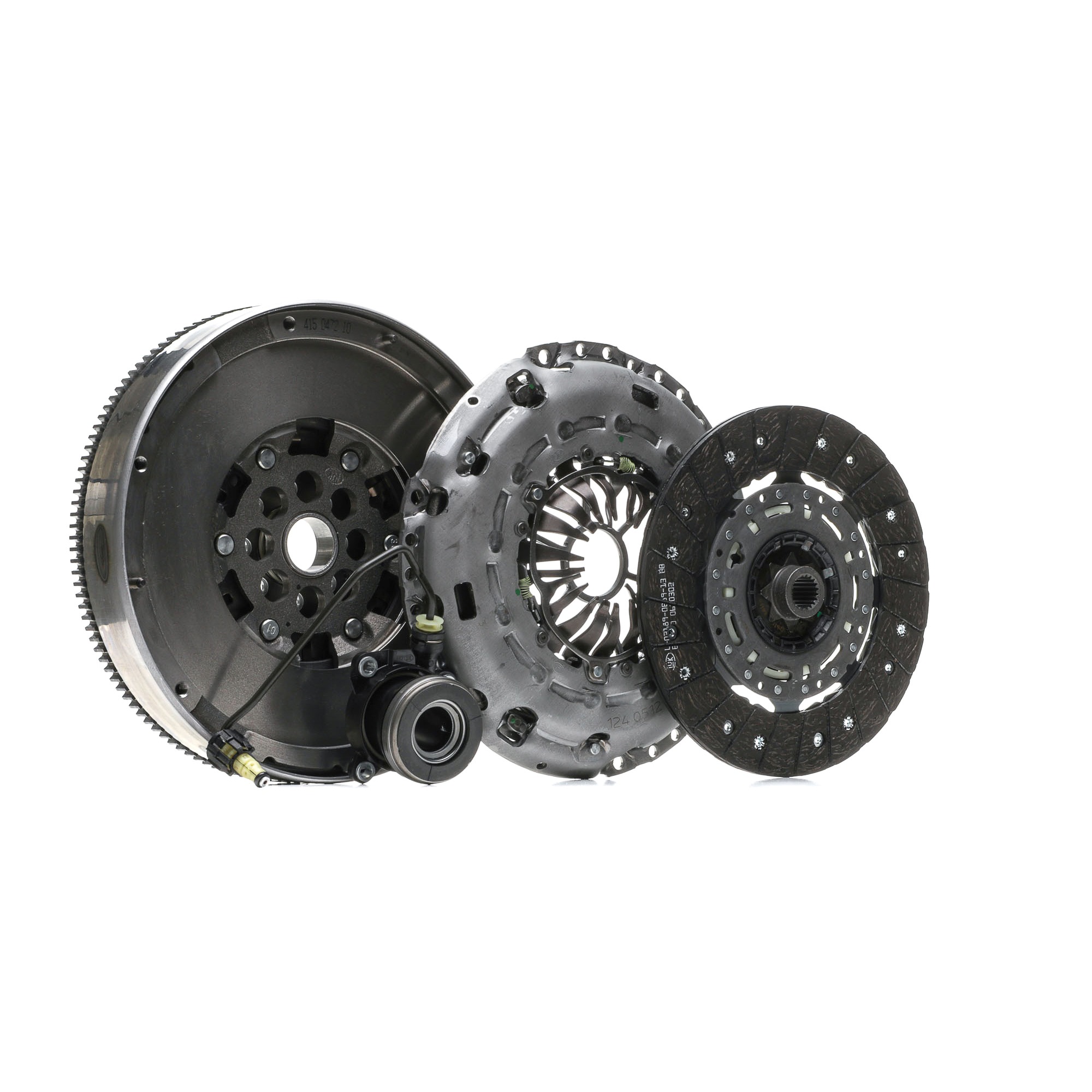
- All-wheel drive clutch problems: Typically occur after 60,000-80,000 km, especially with frequent use of all-wheel drive.
- Turbocharger wear on the 1.4 Turbo: Usually manifests itself after 100,000-140,000 km through loss of power and oil consumption.
- Automatic transmission jerking: Often occurs between 80,000-120,000 km, especially with the 6-speed automatic.
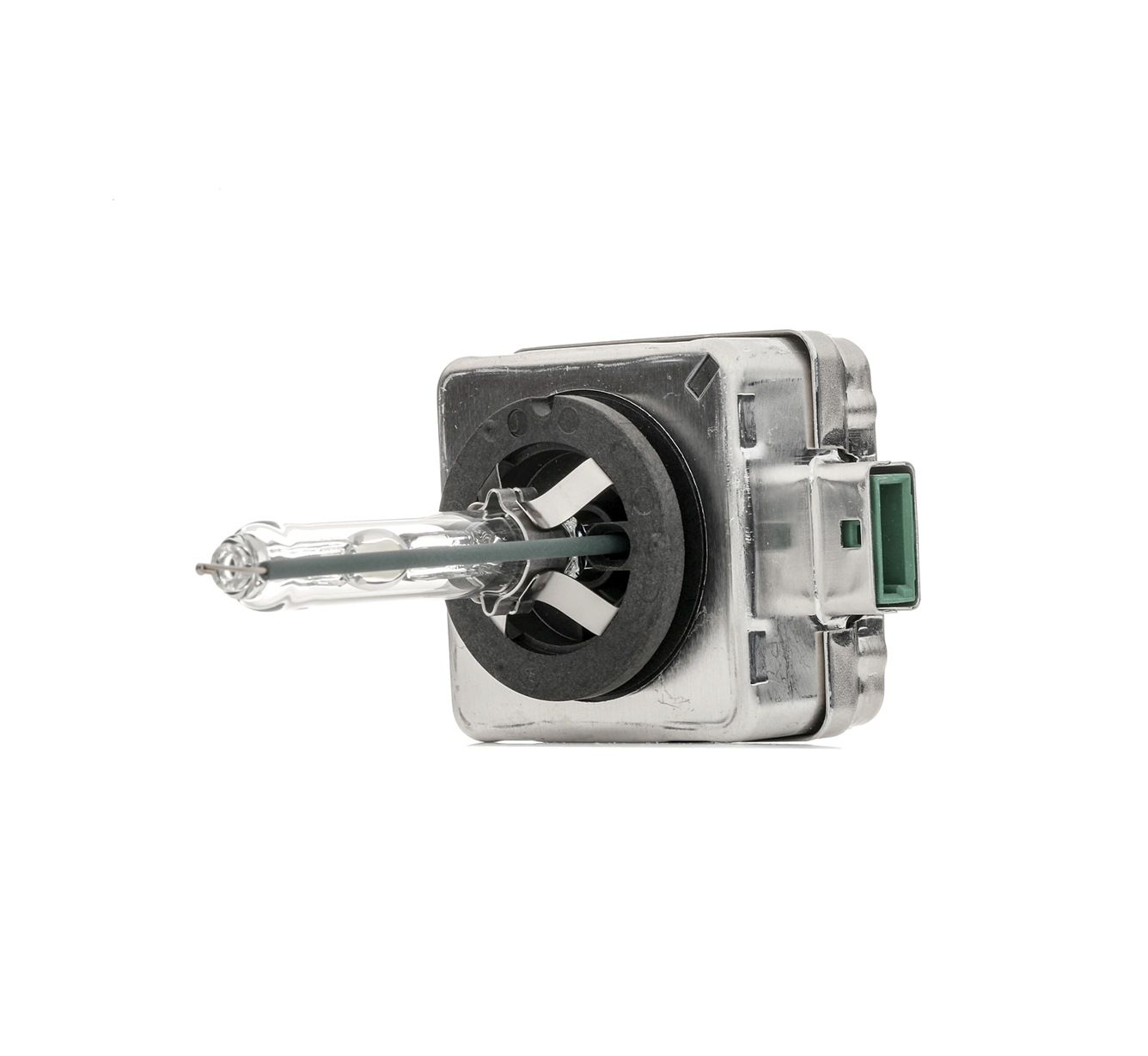
- Xenon headlight failures: Often after 40,000-60,000 km, usually due to defective ballasts or bulbs.
- Fuel pump problems: Typically become apparent after 90,000-130,000 km through starting problems or loss of power.

Opel Mokka X: Weaknesses and strengths
| Strengths |
Weak points |
| Modern look and high-quality interior |
Start-Stop system does not work reliably |
| Good seating position and visibility |
Air conditioning does not cool sufficiently |
| Solid workmanship |
Heating is not warm enough |
| Adequate space for the vehicle class |
Timing chain on the 1.4 Turbo is prone to wear |
| Modern infotainment systems |
1.6 CDTi diesel shows DPF problems |
| All-wheel drive option available |
Automatic does not always shift smoothly |
| Good value for money in the used car market |
Electronic components prone to failure |
The Opel Mokka X proves to be a fundamentally solid compact SUV with a modern design and good equipment. The most common problems center on electronic systems and specific engine components, but these are largely preventable through regular maintenance and preventative measures. Adhering to maintenance intervals and using original parts or equivalent quality components are particularly important to maintain reliability.


 18 October 2025