Reliability Peugeot 1007: common problems, issues symptoms and faults
Sliding door mechanism problems: The electric sliding doors of the Peugeot 1007 are particularly prone to malfunctions. Problems can occur from as little as 30,000 km, where the sliding door does not open or close properly. Symptoms range from slow movement to complete failure of the door mechanism.
Automatic transmission problems: The automatic transmission will not start or shifts erratically, especially on gasoline models. These problems often occur between 80,000 and 120,000 km and can be caused by defective sensors or hydraulic problems.
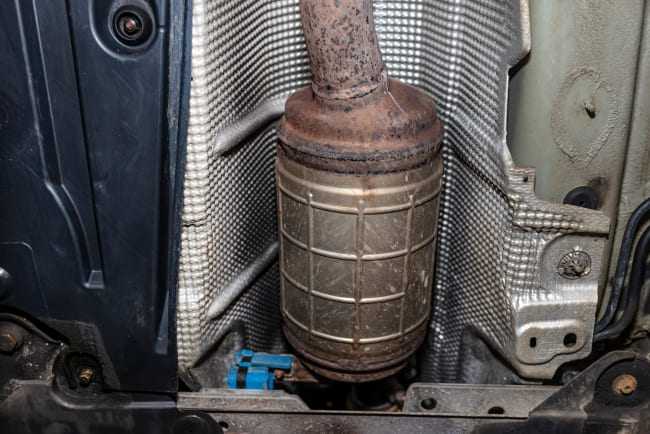
DPF blockage in diesel models: The diesel particulate filter becomes clogged, particularly on short journeys, from as little as 60,000 km. This leads to a loss of performance and increased fuel consumption, with the reliability of the diesel engine being severely impaired.
EGR valve defects: The EGR valve often fails between 70,000 and 100,000 km, leading to rough idling and loss of power. These breakdowns are a particularly well-known problem with diesel vehicles.
Peugeot 1007: Problems with the sliding doors
The characteristic sliding doors of the Peugeot 1007 are both its most distinctive feature and its biggest weakness. The sliding doors stop working properly when the electric motors or the guide rails wear out. Common symptoms are that the sliding door does not close completely, the door does not open at the push of a button or the movement is jerky and slow. These faults occur as early as 25,000 km, but increase significantly after 50,000 km. The service life of the door mechanism is considerably reduced by frequent use and exposure to the elements.
Regular maintenance is essential for the door systems to function properly. The sensitive Peugeot 1007 sliding door mechanisms require cleaning and lubrication of the guide rails and a check of the electrical connections every 15,000 km. To solve acute problems, first check the fuses and remove dirt from the door rails. In the case of persistent problems, it is often necessary to replace the door motors or the control units, which can cost between 800 and 1.500 euros.
-40%
Reviews - 20
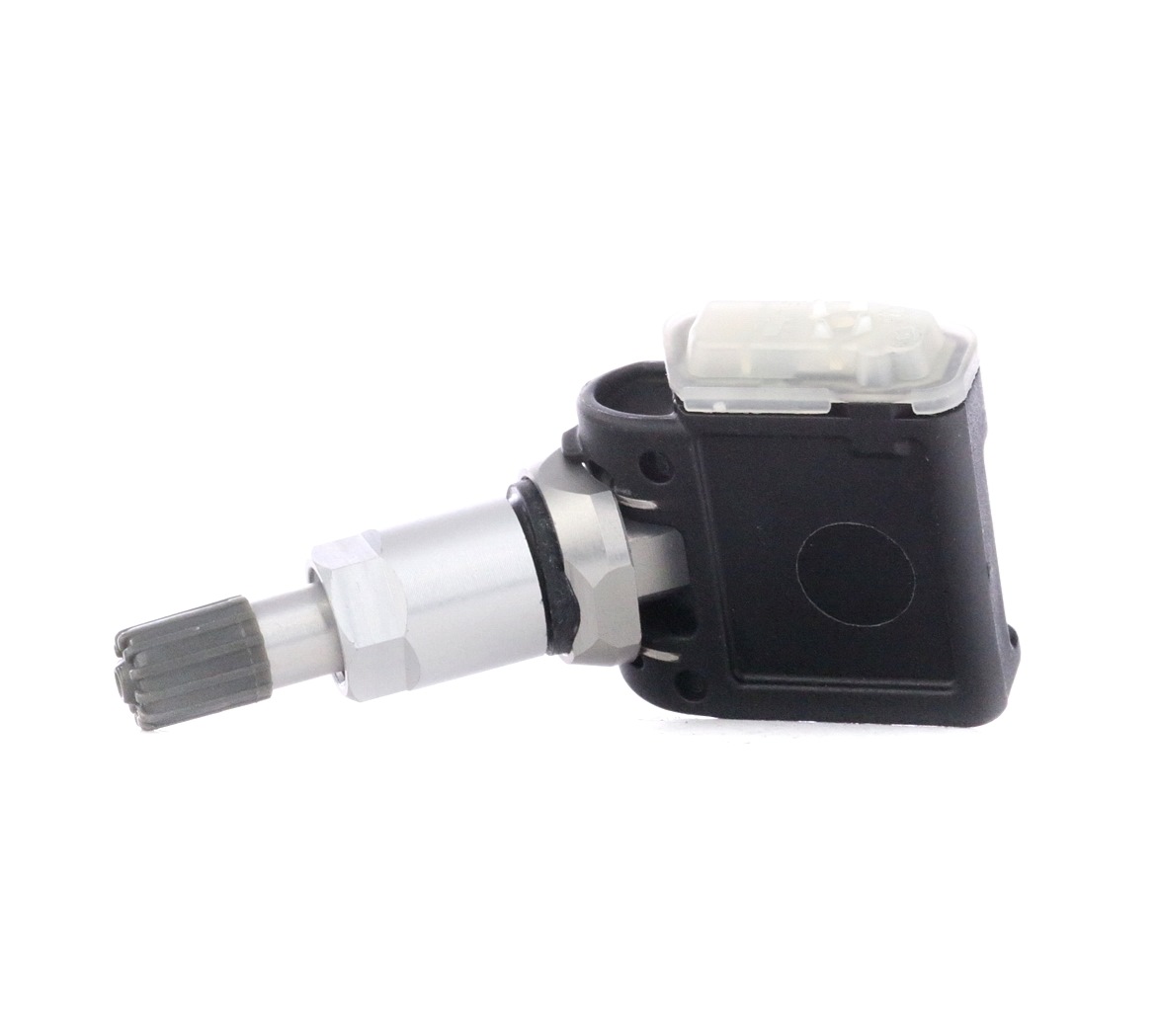
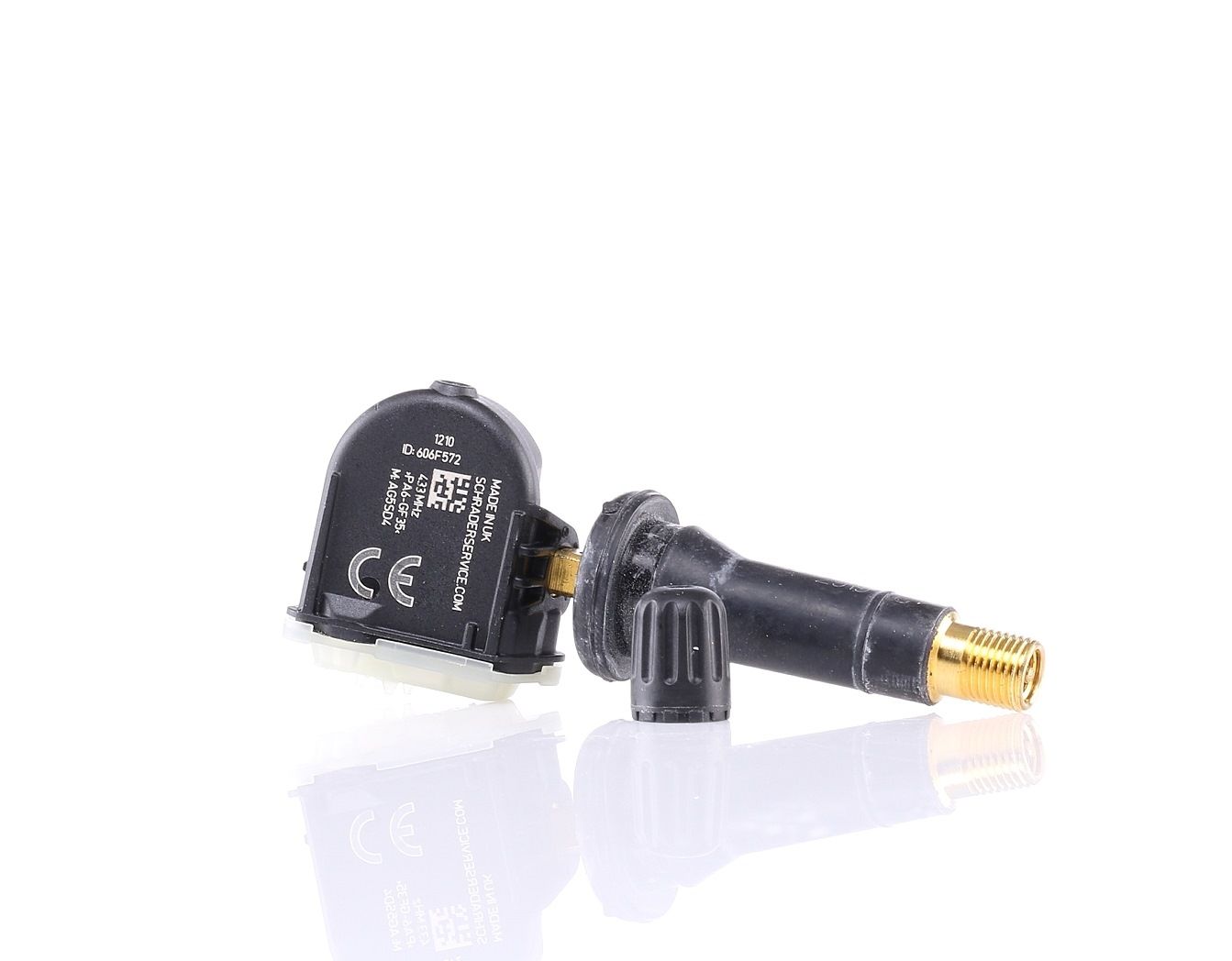
Parts Details
Supplementary Article / Supplementary Info Info 2:
with groove, with valves
Permissible maximum speed [km / h]:
250
Housing Colour:
black
Frequency Range [MHz]:
433
Valve stem material:
Aluminium
Code Letter:
3057
Tightening Torque [Nm]:
8
Mounting Type:
Bolted
Vehicle Equipment:
for vehicles with tyre-pressure monitoring system
Peugeot 1007: Problems with the automatic transmission
The automatic transmission of the Peugeot 1007 exhibits various malfunctions, which manifest themselves in irregular shifting or complete failure. The automatic transmission does not start, especially after long periods of inactivity or in cold temperatures. Typical symptoms are delayed gear engagement, jerking when changing gear or the vehicle not starting despite the electronics working. These problems usually manifest themselves between 80,000 and 120,000 km, but can occur earlier with intensive use. The most common causes are worn clutches, defective hydraulic valves or problems with the transmission control unit.
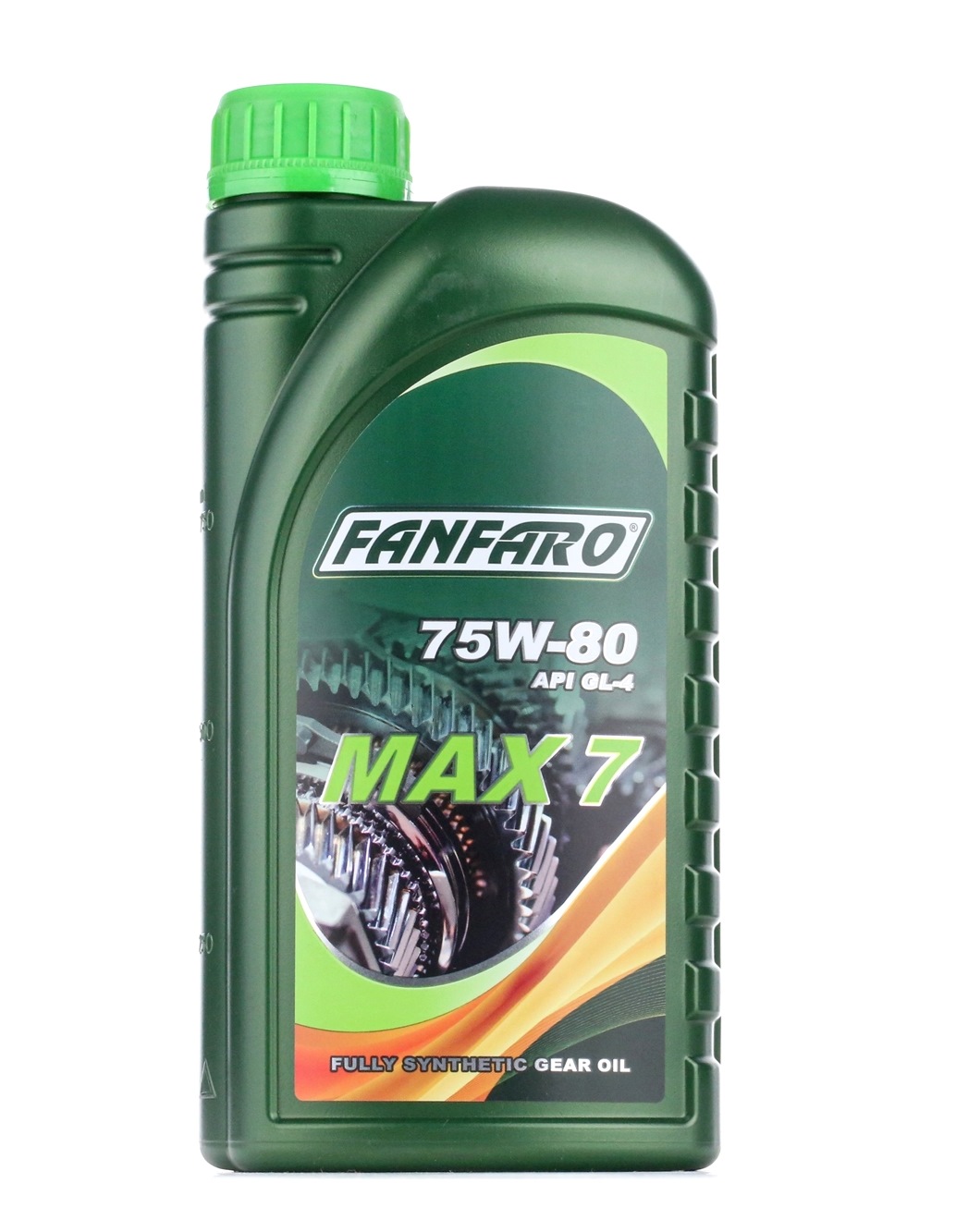
A systematic check is necessary for a correct diagnosis of transmission problems. The complex Peugeot 1007 automatic transmission systems require computerized fault diagnosis and regular oil changes every 60,000 km. At the first sign of shifting problems, the transmission oil should be checked and changed if necessary. More serious faults often require a general overhaul of the transmission or replacement of the control unit, whereby preventive maintenance can significantly extend the service life.
Peugeot 1007: Problems with the diesel particulate filter (DPF)
The diesel particulate filter of the Peugeot 1007 Diesel is prone to clogging, especially in predominantly urban driving with short distances. The system will not function properly if the DPF does not reach the required operating temperature to regenerate itself. The first signs are an illuminated engine warning light, reduced engine performance and increased fuel consumption. These problems typically occur after 60,000 km, but can occur after 40,000 km under unfavorable driving conditions. The blockage leads to a backlog of exhaust gases, which can damage the engine in the long term.
A professional inspection is necessary to assess the condition of the DPF and to initiate suitable measures. The high-maintenance Peugeot 1007 diesel particulate filters require regular regeneration runs on the highway and special cleaning procedures every 80,000 km. To solve the problem, a manual regeneration can be carried out by a workshop, whereby the vehicle is operated at high engine speed for around 30 minutes. If the blockage is severe, professional cleaning or, in extreme cases, replacement of the DPF is necessary.
Peugeot 1007: Problems with the EGR valve
The exhaust gas recirculation valve (EGR valve) of the Peugeot 1007 is a frequent source of problems, especially in diesel models. The valve carbonizes due to soot deposits and no longer starts properly, which leads to rough idling, loss of power and increased emissions. Typical symptoms are rough engine running, black smoke from the exhaust and an illuminated engine warning light. These symptoms usually occur between 70,000 and 100,000 km, with short-distance drivers being affected more frequently. The reliability of the engine is significantly affected by a defective EGR valve as it negatively affects combustion.
Professional maintenance is crucial for the longevity of the EGR system. The wear-prone Peugeot 1007 EGR valves should be cleaned and checked for proper function every 60,000 km. The solution starts with a thorough cleaning of the valve with special cleaning agents and checking the vacuum lines. In case of advanced carbonization, the EGR valve should be replaced and the intake lines should be cleaned at the same time to prevent re-clogging.
Peugeot 1007: Problems with the injectors
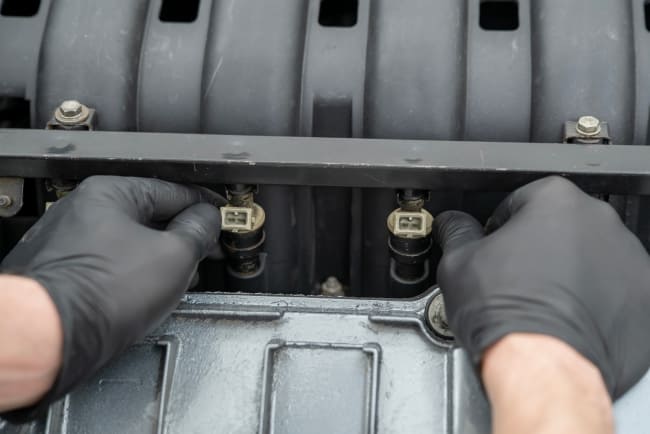
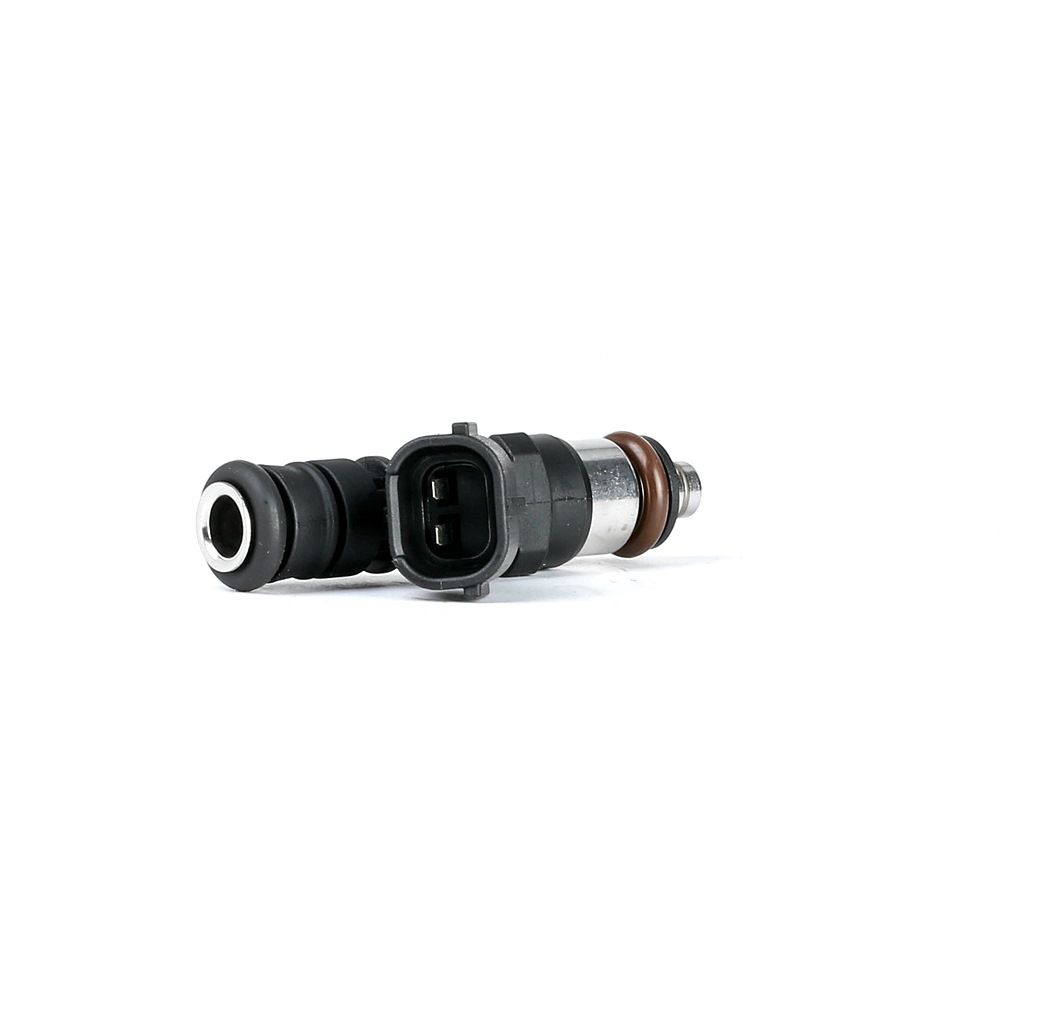
The fuel injectors in the Peugeot 1007, especially in the diesel models, are susceptible to contamination and wear. The injectors no longer function precisely if they become clogged due to poor quality fuel or lack of maintenance. Symptoms include uneven engine running, fluctuating engine speed at idle, loss of power and increased fuel consumption. These problems typically manifest themselves after 100,000 km, but can occur earlier if the fuel quality is poor. It becomes particularly critical when individual injectors fail completely and the engine only runs on three cylinders.
Regular maintenance is essential for the injection system to function optimally. The precise Peugeot 1007 injectors require cleaning with high-quality fuel additives and regular checks of the injection pressure every 30,000 km. To diagnose the problem, a computer-aided analysis is required, which measures the injection quantities and times of the individual injectors. Defective injectors must be replaced individually or as a set, whereby simultaneous cleaning of the entire fuel system is recommended.
Peugeot 1007: Problems with the dual mass flywheel
The dual mass flywheel of the Peugeot 1007 is a critical wear part, especially in the diesel models. The flywheel no longer shifts properly when the inner damper springs wear out or break. Characteristic symptoms are rattling noises when starting, vibrations when idling and difficulties when changing gear. These breakdowns typically occur between 120,000 and 180,000 km, with aggressive driving and frequent short journeys shortening the service life. A defective dual mass flywheel can also damage the clutch and lead to expensive consequential damage.
Systematic inspection is necessary for early detection of flywheel wear. The loaded Peugeot 1007 dual mass flywheels should be checked for play and noise every 60,000 km. The diagnosis is made by listening to the noise when the engine is running and a gear is engaged and by checking the flywheel play. Replacement usually only makes economic sense together with the clutch, whereby the use of original parts is crucial for longevity.
Reviews - 39
Parts Details
Capacity [litre]:
1
Product line:
Max 7
SAE viscosity grade:
75W-80
Manufacturer recommendations:
VW G 009 317, VW G 052 171, VW G 052 178, VW G 052 512, VW G 052 532, VW G 052 527, VW G 052 726, VW G 052 798, VW G 055 726, BMW MTF LT-1, BMW MTF LT-2, BMW MTF LT-3, BMW MTF LT-4, Ford WSS-M2C200-D2, MB 235.10, Nissan 999MP-MTF20P, Nissan KE91699932R, Mitsubishi MZ312644, PSA 9730 A2, PSA 9730 A8, PSA B71 2330, Toyota JWS 227
Based on the experiences of Peugeot 1007 owners, the following additional problems occur:
Power window defects: Occur frequently after 60,000 km, especially the rear window motors fail due to overloading.
Air conditioning problems: The compressor often fails between 80,000 and 120,000 km, often caused by defective magnetic clutches.
Steering gear leaks: Hydraulic oil leaks occur from 100,000 km and lead to stiff steering.
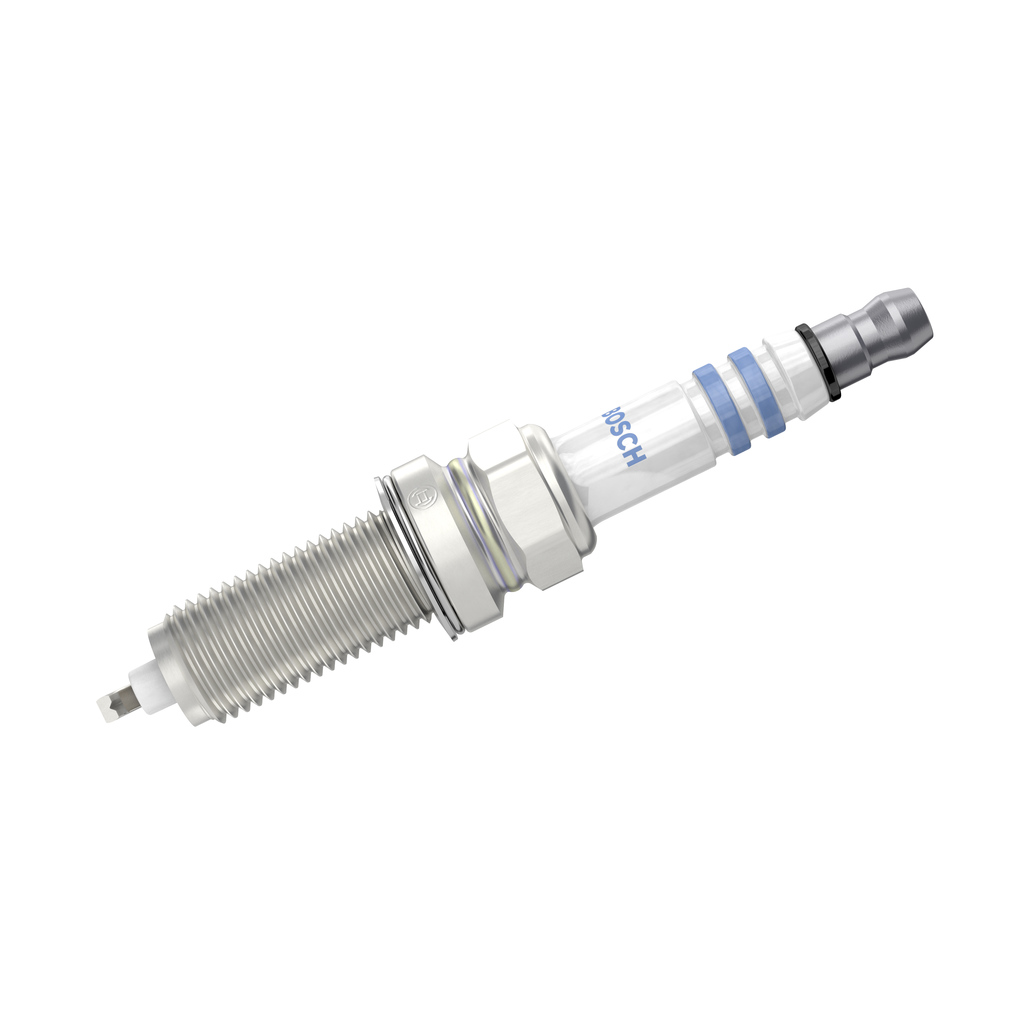
Ignition coil failures in petrol engines: Ignition coils fail between 80,000 and 120,000 km, especially in 1.4-liter engines.
Handbrake cable wear: The cables often rust or break after 100,000 km, especially in vehicles without a garage.
Shock absorber wear: Front shock absorbers often start to leak after 60,000 km, rear shock absorbers usually only after 100,000 km.
Peugeot 1007: weaknesses and strengths
Strengths
Weak points
Innovative sliding door concept
Susceptible sliding door mechanism
Compact dimensions
Problematic automatic transmission
Good space utilization
DPF clogging with diesels
Clear operation
EGR valve defects
Low acquisition costs
High repair costs
Suitable for city traffic
Injector problems
Unique design
Electrical faults
The Peugeot 1007 was an innovative attempt to redefine the concept of the city car, but brings with it some specific technical challenges. The characteristic sliding doors and complex electronics require special attention and regular maintenance. While the basic concept is quite convincing, potential buyers should consider the higher maintenance costs and specialized repair requirements. However, with the right care and timely maintenance, most problems can be avoided or at least limited in their impact.


 22 September 2025 (updated)