Problems with the Opel Astra K

Reliability Opel Astra K: common problems, issues symptoms and faults
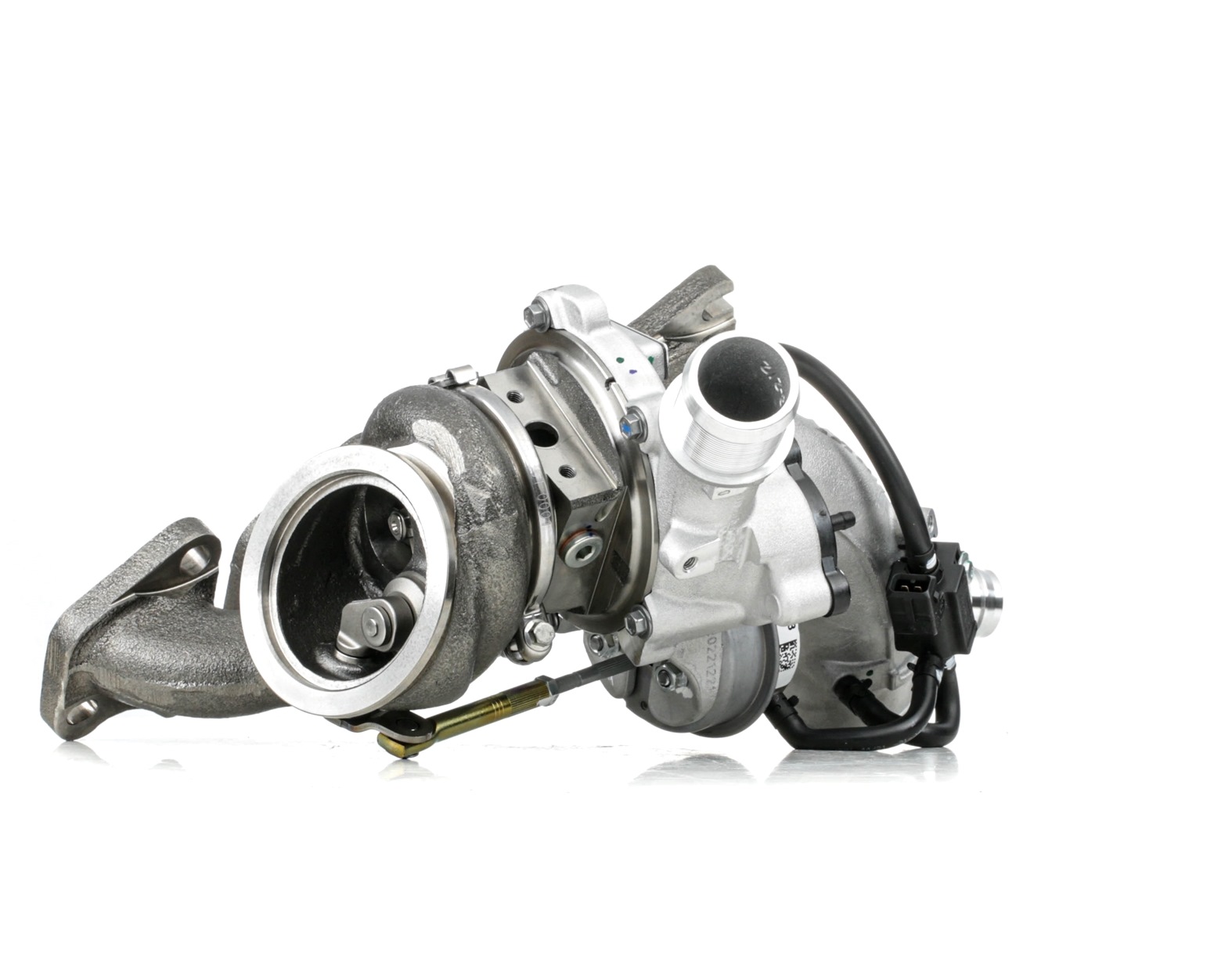
- Turbocharger problems in 1.2 Turbo and 1.4 Turbo engines: The turbocharger can show signs of wear after as little as 80,000–120,000 km, especially in the 1.2 Turbo 110 hp and 1.4 Turbo 125 hp variants. Symptoms include loss of power and a whistling noise.
- Timing chain problems in 1.4 Turbo and 1.6 CDTi engines: The timing chain can cause problems in 1.4 Turbo engines as early as 60,000 km, and in 1.6 CDTi diesel engines as early as 100,000 km. Rattling noises during cold starts are typical symptoms.
- Automatic transmission malfunctions: The automatic transmission does not shift correctly or exhibits jerky movements, especially on the 1.6 Turbo 200 HP models with 70,000 km mileage or more.
- Start-Stop system does not work: The Start-Stop system often fails on models from 2017 onwards, especially after 40,000-60,000 km, resulting in increased fuel consumption.
Opel Astra K: Problems with the 1.2 Turbo and 1.4 Turbo engine
The most common problems in the Opel Astra K affect the turbochargers in the 1.2 Turbo 110 hp, 1.2 Turbo 131 hp, and 1.4 Turbo 125 hp engines. The turbocharger often shows the first signs of wear after 80,000–120,000 km, manifesting as loss of power, increased oil consumption, and a characteristic whistling noise. In the 1.2 Turbo 145 hp and 1.4 Turbo 150 hp variants, these problems can occur earlier. The engine will not start or will not start properly if the turbocharger fails completely. These failures are especially common with intensive use or irregular maintenance.
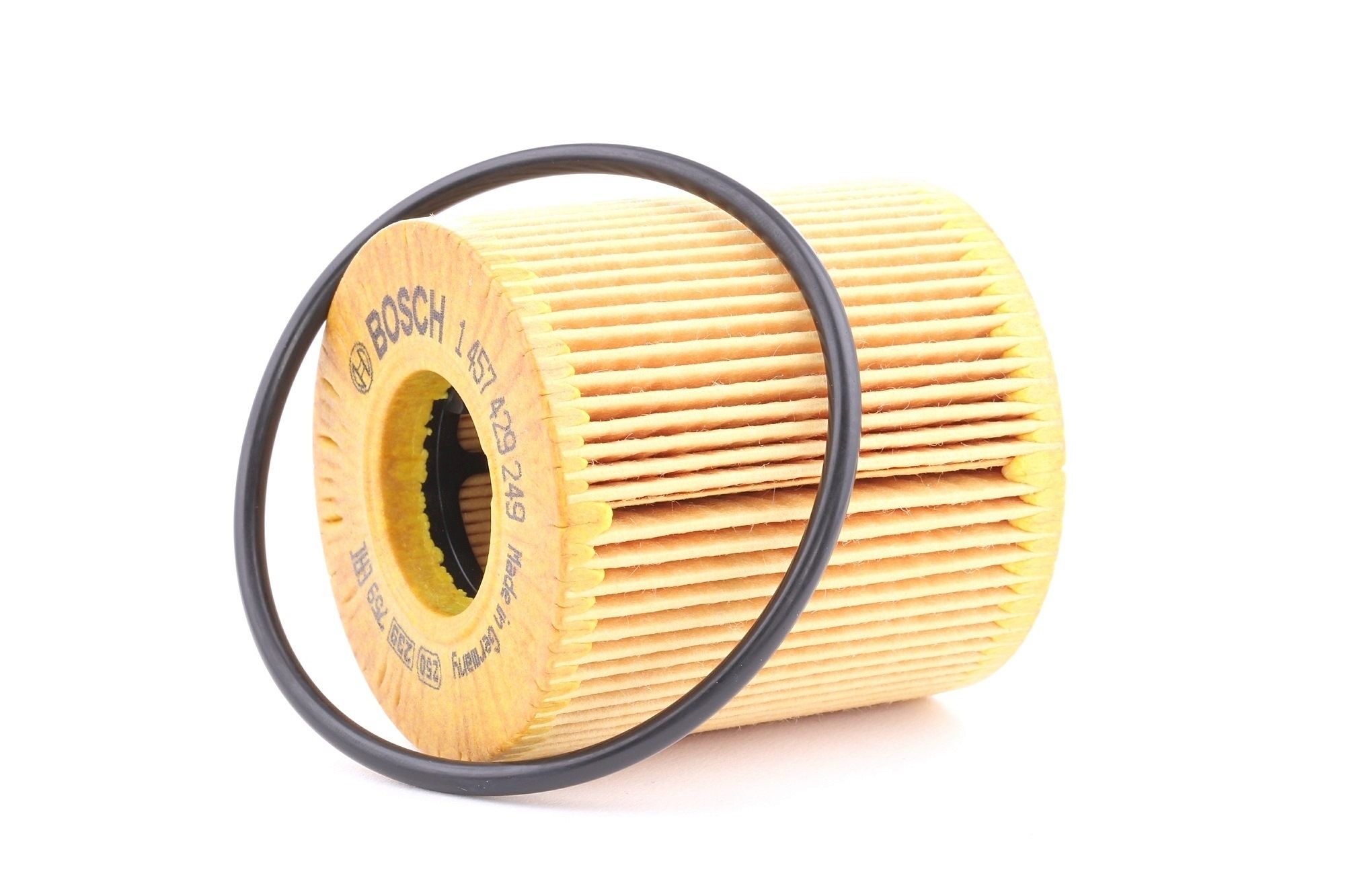
Regular maintenance is crucial for the service life of the turbocharger. The sensitive Opel Astra K turbocharger systems require high-quality engine oils and regular oil changes every 15,000 km or annually. A systematic inspection of the intercooler and intake ducts every 30,000 km can prevent subsequent damage. Turbocharger replacement should only be performed with original parts to ensure reliability.
Opel Astra K: Timing chain problems on 1.4 Turbo and 1.6 CDTi
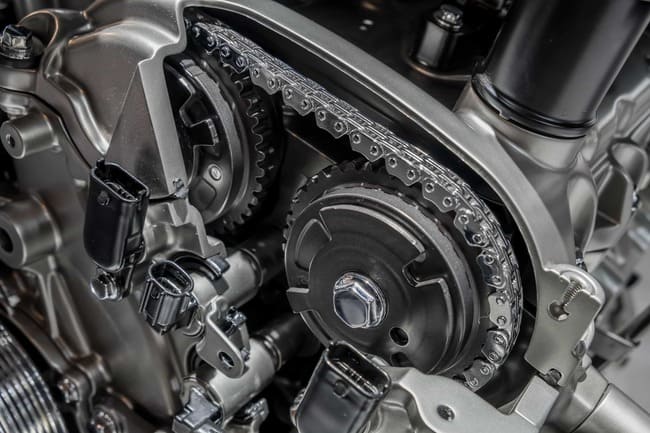
The timing chain represents a significant weak point in 1.4 Turbo timing chain engines and 1.6 CDTi diesel engines. In 1.4 Turbo engines, timing chain problems can occur as early as 60,000 km, while in the 1.6 CDTi 110 hp and 1.6 CDTi 136 hp engines, the critical point is around 100,000 km. Typical symptoms include rattling noises during cold starts, which disappear after warming up. If the timing chain stretches to an advanced level, the engine will no longer function properly and can even cause total damage. The 1.6 CDTi 95 hp variant is less affected but exhibits similar problems after higher mileage.
A professional inspection is essential for the early detection of timing chain problems. The precise Opel Astra K timing chain systems require regular checks every 40,000 km, especially for diesel engines with biturbo technology. Professional maintenance with high-quality engine oil and timely timing chain replacement can prevent costly engine damage.
Opel Astra K: Problems with the automatic transmission
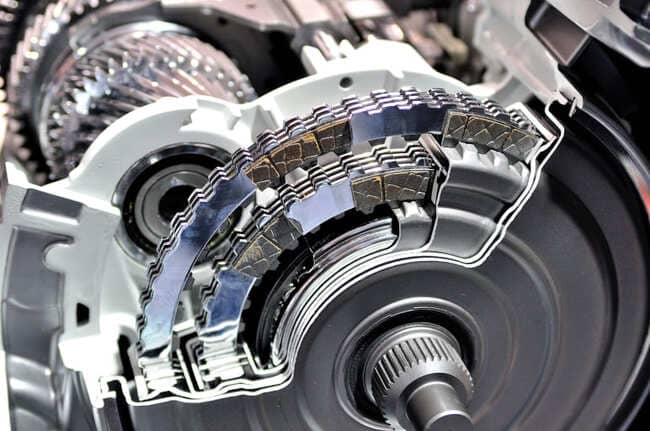
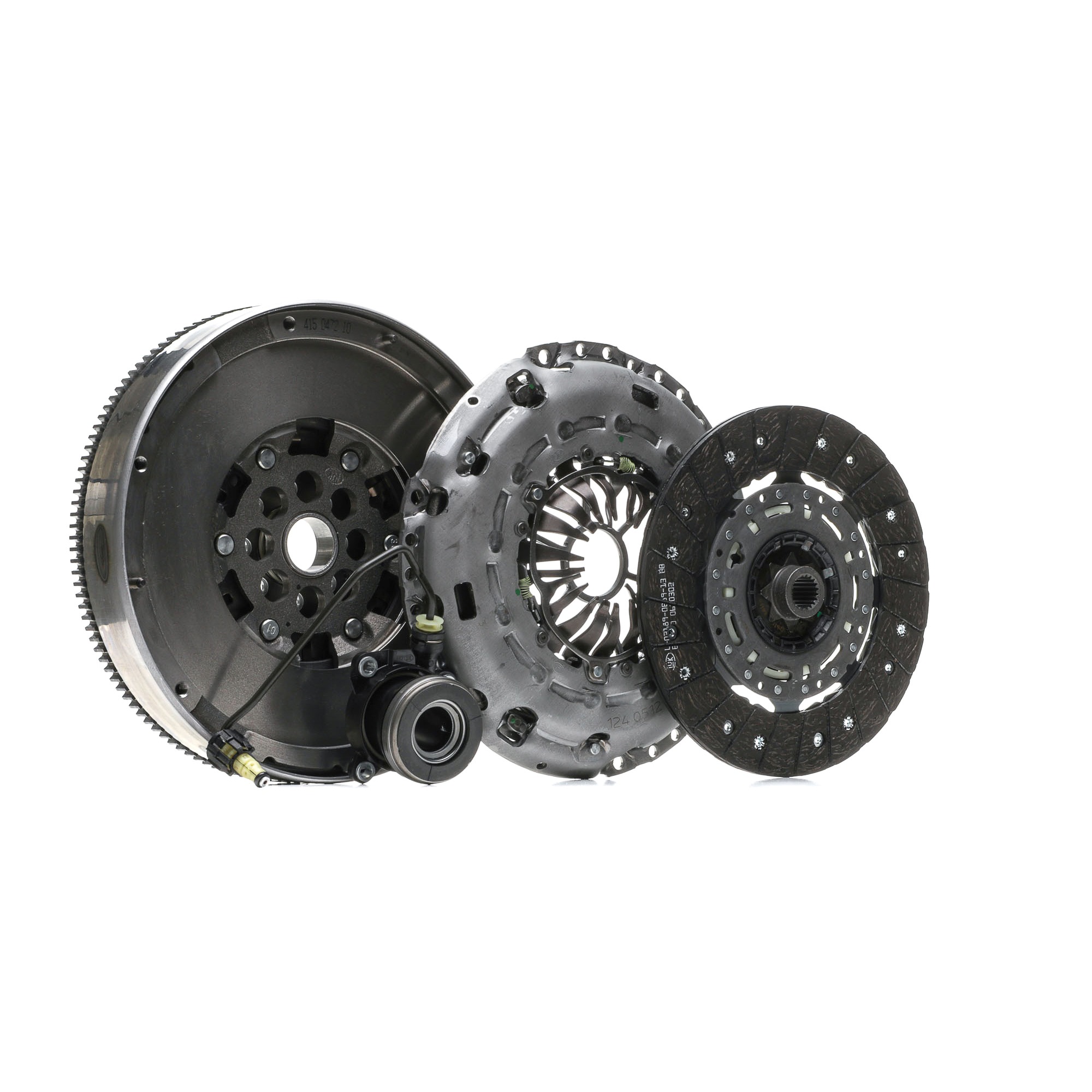
The automatic transmission in the Opel Astra K frequently exhibits defects, especially in the powerful 1.6 Turbo 200 hp models. Starting at around 70,000 km, jerky gear shifts occur, the transmission fails to engage the desired gear, or gets stuck in the limp mode. These symptoms can appear earlier in the 1.6 Biturbo diesel variants. The clutch also shows signs of wear, especially during sporty driving. Electronic errors in the control unit cause the automatic transmission to no longer function properly, and the driver complains of uneven acceleration.
A systematic check is necessary for diagnosing transmission problems. The complex Opel Astra K automatic transmission systems require special transmission fluids and software updates every 60,000 km. Regularly flushing the transmission fluid and checking the electronic control units can prevent most breakdowns and significantly extend the service life of the transmission.
Opel Astra K: Problems with the Start-Stop system and the electrical system
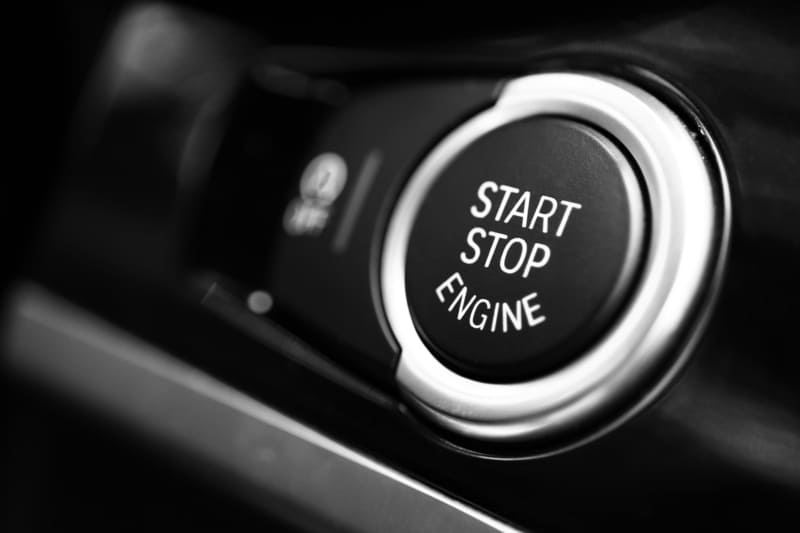
The Start-Stop system doesn't work on many Opel Astra K models, especially those built after 2017. After 40,000–60,000 km, the first errors appear, where the system doesn't activate or the engine doesn't start automatically. The battery is often the cause, but it can also be caused by faulty sensors or software issues. These issues are less common in the 2020 and 2021 facelift models, but they are not completely resolved. The power tailgate doesn't open on some models, indicating problems with the electrical connections or the control unit.
Professional maintenance is necessary for diagnosing electrical problems. The sensitive Opel Astra K Start-Stop systems require special AGM batteries and regular software updates. A professional check of the battery capacity and charging system every 30,000 km can ensure system reliability and prevent unexpected failures.
Opel Astra K: Problems with infotainment and assistance systems
The radio no longer works in many Opel Astra K models, especially after software updates or in extreme temperatures. The radio stays on permanently, which drains the battery. The LED headlights are malfunctioning, and the IntelliLux system doesn't work properly in bad weather conditions. The parking sensors often fail after 50,000 km, especially the rear sensors. These electronic problems are particularly common in the 1.0 105 hp and 1.0 Turbo models. Symptoms range from complete system failures to sporadic malfunctions.
Regular maintenance is essential for the proper functioning of the electronic systems. Modern Opel Astra K infotainment systems require regular software updates and sensor calibrations every 20,000 km. A preventative check of the wiring and connections can prevent most electronic failures and ensure the reliability of the assistance systems.
Additional common defects of the Opel Astra K
Based on the experience of Opel Astra K owners, the following additional problems occur:
- Air conditioning compressor failures: Often occur after 60,000–80,000 km, especially with intensive use in summer.
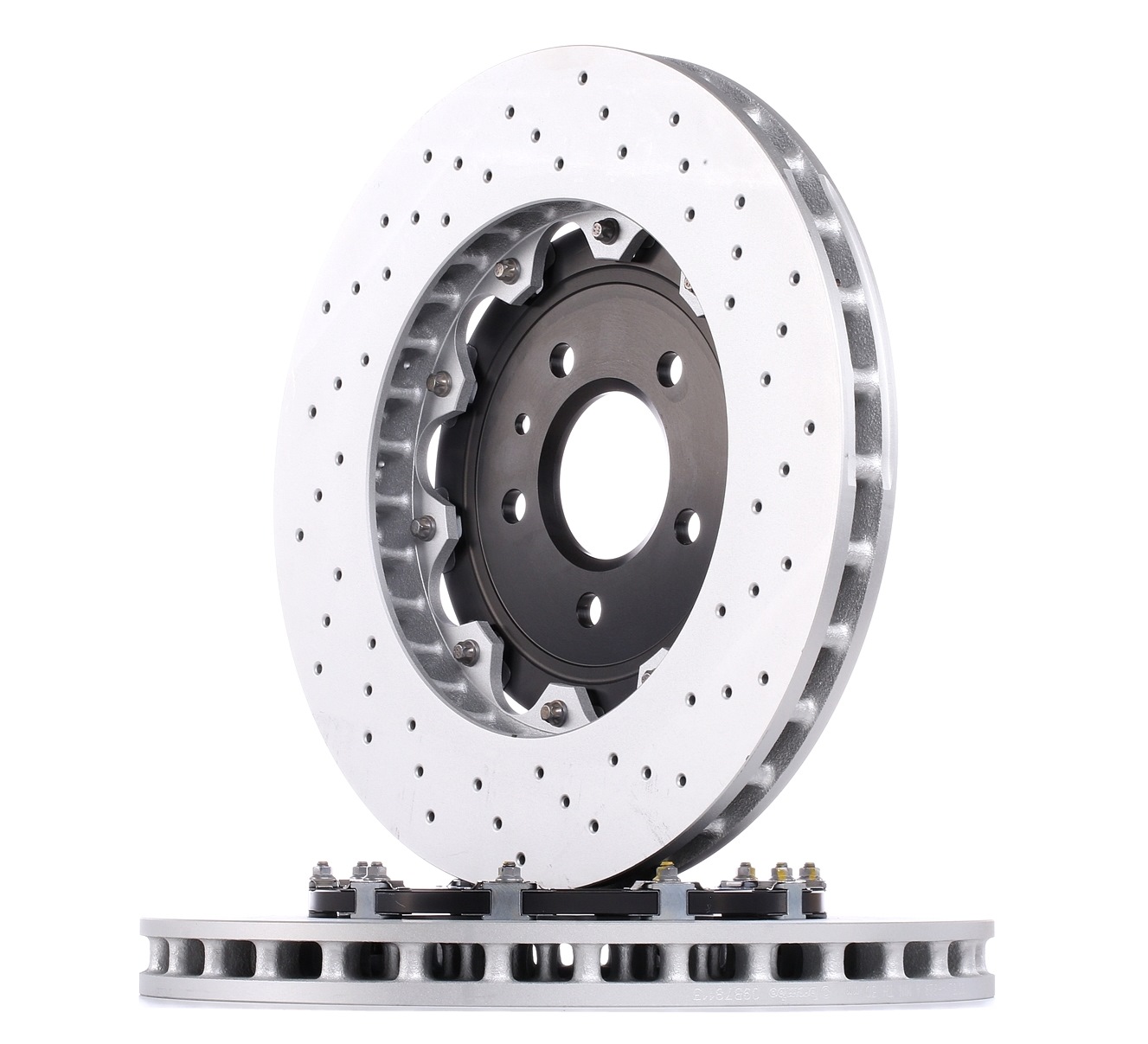
- Brake disc wear: Premature wear of the front brake discs after just 40,000-50,000 km with sporty driving.
- Fuel pump problems in diesel engines: Mainly affects 1.5 diesel and 1.6 diesel models after 120,000 km mileage.
- Defective xenon headlight ballasts: Occur in older models after 70,000-90,000 km, especially when switched on and off frequently.
- Electronic parking brake problems: Occasionally fails on models after 80,000 km, often caused by software errors.
- Leaks in the panoramic sunroof: Can occur after 3-5 years, especially in intense sunlight.
- Defective door handle sensors: Mainly affects the driver's door after 50,000-70,000 km with frequent use.

Opel Astra K: Weaknesses and strengths
| Strengths |
Weak points |
| Modern engine range with good efficiency |
Turbocharger problems at low mileage |
| High-quality interior fittings |
Timing chain wear in diesel engines |
| Good chassis tuning |
Automatic transmission jerking |
| Extensive safety equipment |
Start-Stop system failures |
| Spacious trunk |
Electronic defects |
| Low operating costs |
Infotainment problems |
| Attractive design |
Parking sensor failure |
The Opel Astra K is a modern vehicle with advanced technology, but it requires regular attention. Most weak points can be successfully remedied through consistent maintenance and timely repairs. The turbocharged engines and electronic systems, in particular, require expert attention to maximize their service life and ensure reliability.


 10 October 2025 (updated)