Reliability Ford Fiesta: common problems, issues symptoms and faults
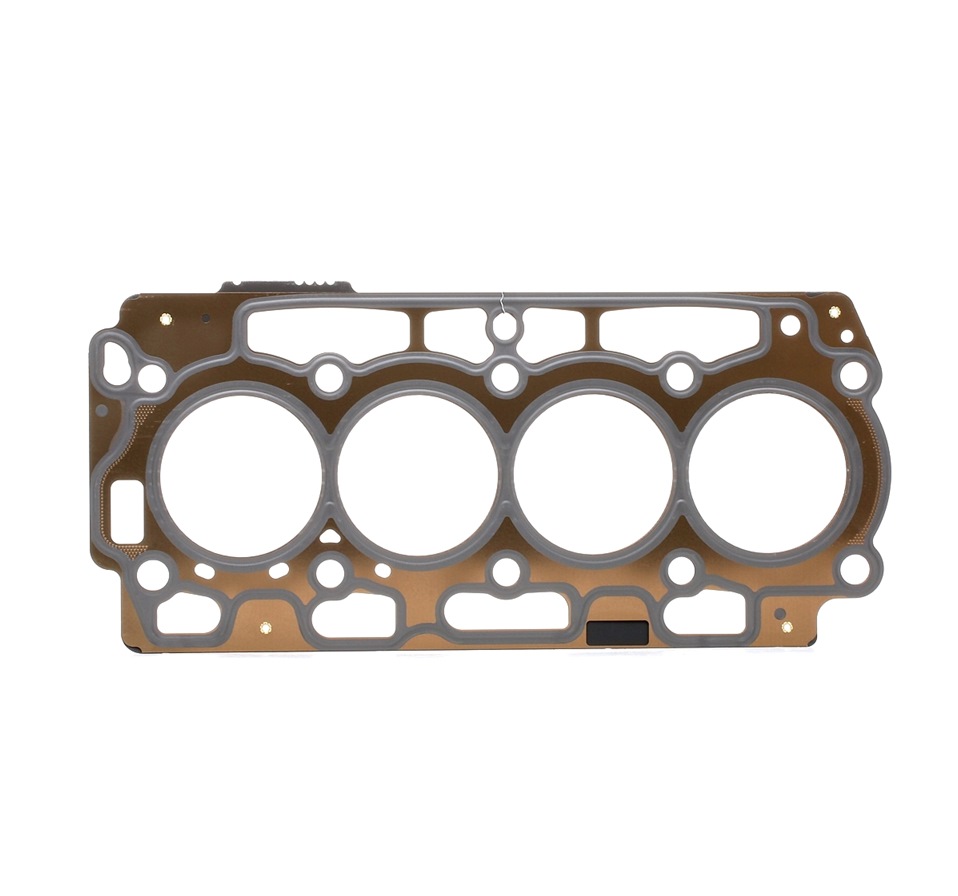
1.0 EcoBoost engine problems: The 1.0 EcoBoost engine shows weak points such as coolant loss and cylinder head gasket damage from 40,000-60,000 km. Models from 2018 onwards that are under high load are particularly affected.
Automatic transmission malfunctions: The PowerShift automatic transmission does not shift properly and shows initial symptoms such as jerky gear changes and clutch slippage from 30,000-50,000 km.
Immobiliser does not start: Electronic defects in the immobiliser often occur after 80,000-100,000 km and result in the vehicle no longer starting.
Tyre pressure sensor failures: The tyre pressure sensors begin to show malfunctions as early as 50,000-70,000 km and report incorrect pressure values or fail completely.
Ford Fiesta: Problems with the 1.0 EcoBoost engine
The 1.0 EcoBoost engine in the Ford Fiesta has various common faults, which are particularly evident in models from 2018 onwards. These weak points include coolant loss, overheating and cylinder head gasket damage, which can occur from a mileage of 40,000-60,000 km. The symptoms manifest themselves in the form of white smoke, loss of coolant without visible leaks and uneven engine running. It becomes particularly critical when the engine is under heavy load or is frequently driven in city traffic. The reliability of the 1.0 EcoBoost engine must therefore be rated as limited, with the service life depending heavily on driving behaviour and maintenance.
Regular maintenance is essential for the longevity of the EcoBoost engine. The sensitive Ford Fiesta EcoBoost components require special attention to the cooling system and cylinder head gasket, with regular checks recommended every 15,000 kilometres. A professional inspection should monitor the coolant level, the tightness of the system and the engine temperature. At the first sign of coolant loss or unusual noises, an immediate workshop diagnosis is required. Preventive maintenance with high-quality coolant and regular oil changes can prevent major damage and significantly extend engine life.
Ford Fiesta: Problems with the PowerShift automatic transmission
The Ford Fiesta's PowerShift automatic transmission exhibits characteristic breakdowns characterised by jerky gear changes and clutch slippage. These complaints occur from 30,000-50,000 kilometres and are caused by wear on the double clutch. The gearbox does not shift smoothly, shows delays when starting off and, in extreme cases, can fail completely. Vehicles that are frequently driven in stop-and-go traffic or in which the clutch overheats are particularly affected. The symptoms intensify when the transmission is warm and can lead to costly repairs if they are not recognised in time.
A systematic check is necessary to recognise transmission damage at an early stage. The complex Ford Fiesta PowerShift systems require regular software updates and clutch adjustments every 20,000-30,000 kilometres. Diagnosis is carried out using special diagnostic devices that can read out the clutch temperature and slip values. A clutch adjustment should be carried out at the first sign of shifting problems. In more serious cases, the double clutch or the entire transmission needs to be replaced. Preventive measures include gentle starting, avoiding overheating and regular maintenance intervals.
Ford Fiesta: Problems with the immobiliser
The electronic immobiliser of the Ford Fiesta frequently exhibits faults that cause the vehicle not to start or to switch off in the middle of the journey. These faults occur particularly after 80,000-100,000 kilometres and are often due to defective transponders, faulty control units or communication problems between the components. The symptoms are manifested by a flashing immobiliser indicator light, starting problems despite a functioning battery and ignition, as well as sporadic engine shutdowns. Particularly problematic are cases in which the immobiliser is activated for no apparent reason and the vehicle no longer functions properly.
Professional maintenance is crucial for the functionality of the safety systems. The sensitive Ford Fiesta immobiliser components require special diagnostic equipment and regular checks of the transponder signals. Fault diagnosis is carried out by reading out the fault codes in the engine control unit and checking the communication between the transponder and the control unit. In the event of defects, it may be necessary to replace the transponder, reprogramme the control unit or, in rare cases, replace the entire immobiliser system. Regular battery changes in the key and protection against moisture can have a preventive effect.
Reviews - 3
Parts Details
Supplementary Article / Supplementary Info:
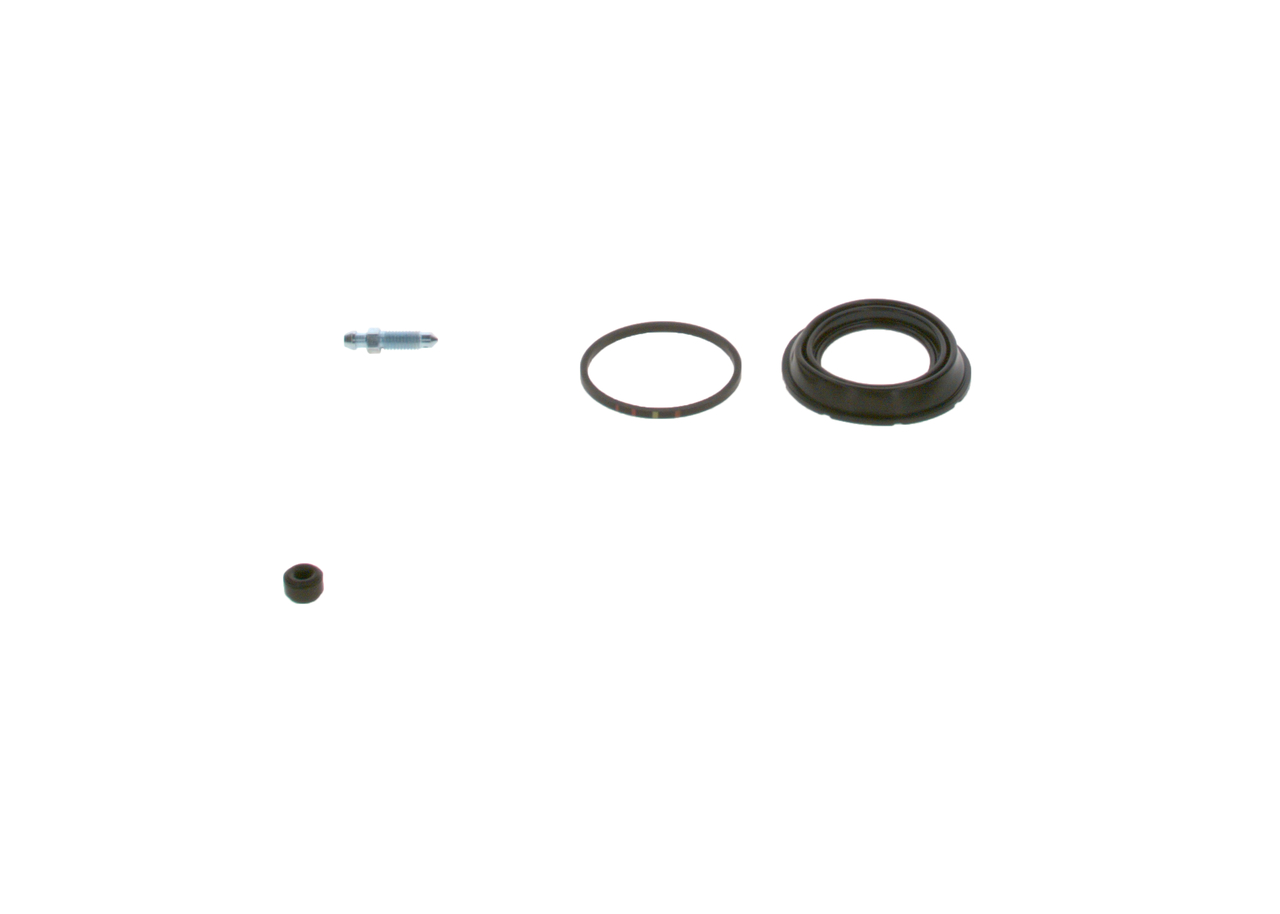
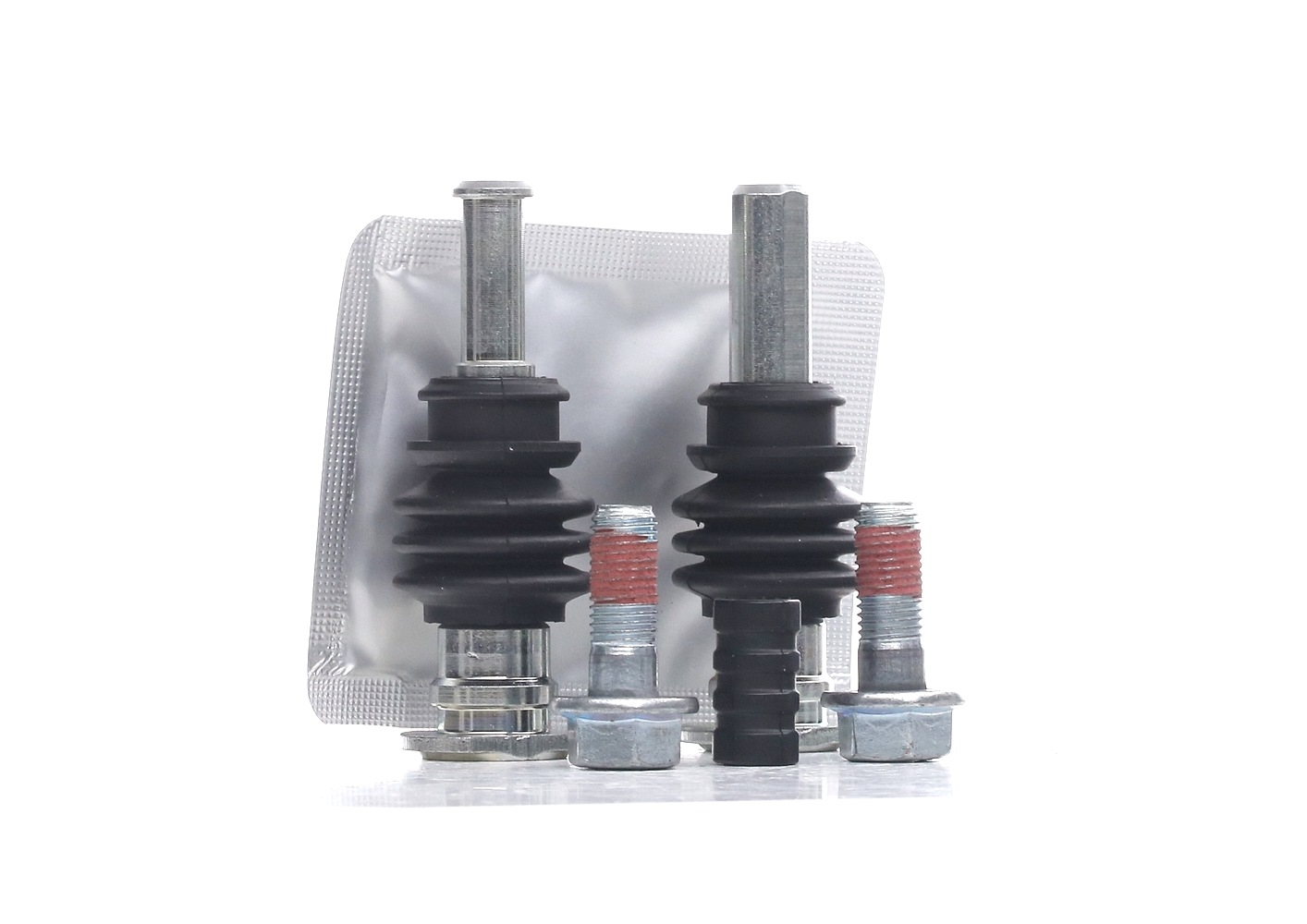
without piston
Ford Fiesta: Problems with the 1.5 TDCi diesel engine
The Ford Fiesta's 1.5 TDCi diesel engine has specific weaknesses that are particularly common in 2009 and newer models. Common faults include problems with the diesel particulate filter (DPF), which can become clogged as early as 60,000-80,000 kilometres, as well as defects in the high-pressure pump and the injection nozzles. The symptoms are characterised by reduced engine performance, black smoke from the exhaust, increased fuel consumption and activation of the engine control light. Short journeys are particularly critical, as the DPF cannot regenerate sufficiently. The service life of the engine depends heavily on the driving profile, with long journeys significantly improving reliability.
A professional inspection is essential for the maintenance of diesel technology. The complex Ford Fiesta TDCi emission control systems require regular DPF regeneration and exhaust gas recirculation valve checks every 20,000 kilometres. The diagnosis includes checking the DPF differential pressure, the exhaust gas temperatures and the injection parameters. A clogged DPF may require professional cleaning or, in the worst case, replacement. Preventive measures include regular motorway driving for DPF regeneration, use of quality diesel and AdBlue additives and strict adherence to service intervals.
Ford Fiesta: Problems with the clutch
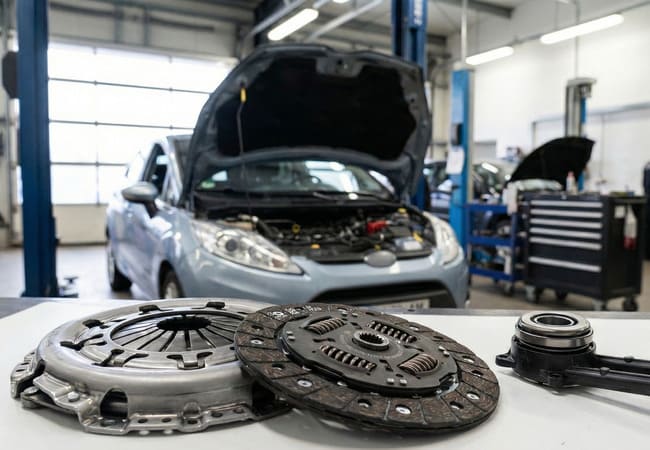
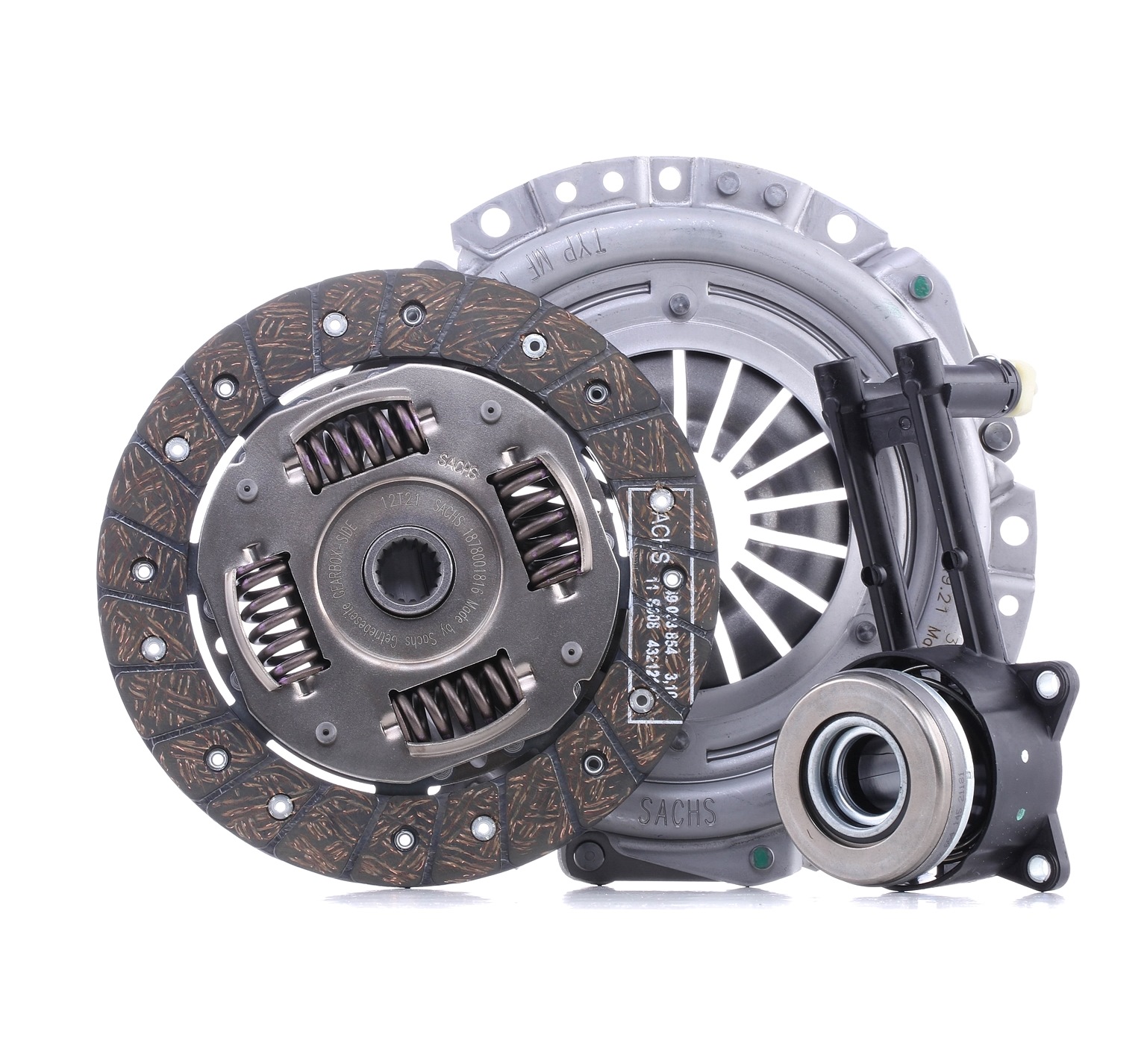
The clutch of the Ford Fiesta shows characteristic signs of wear, which can occur between 60,000-120,000 km, depending on the driving style and model. In models with a manual gearbox, the problems are characterised by sluggish gear changes, slipping clutch under load and unusual noises when changing gear. Particularly affected are vehicles from 2009, which can already show early signs of clutch failure. The symptoms intensify with frequent city driving, uphill stretches or improper operation. A typical sign is revving up without corresponding acceleration, which indicates a slipping clutch.
Regular maintenance is crucial for the longevity of the clutch components. Ford Fiesta mechanical clutch systems require regular checks of clutch play and hydraulic fluid every 30,000 kilometres. Diagnosis is carried out by checking the clutch travel, checking for leaks in the hydraulic system and functional testing under various load conditions. At the first sign of clutch slippage, an inspection should be carried out immediately, as further driving can lead to consequential damage to the flywheel. Replacing the clutch disc, pressure plate and release bearing in good time can prevent costly repairs.
Ford Fiesta: Problems with tyre pressure sensors
The tyre pressure sensors of the Ford Fiesta show frequent failures, which can occur as early as 50,000-70,000 km and manifest themselves as false pressure warnings or complete system failure. These electronic components are particularly susceptible to battery exhaustion, corrosion from road salt and mechanical damage when changing tyres. Symptoms include permanent warning lights in the dashboard, incorrect pressure values in the display or complete failure of the pressure monitoring system. It is particularly problematic for vehicles that are frequently exposed to extreme weather conditions or where tyres have been changed incorrectly.
A systematic check is necessary to ensure the functionality of the safety systems. The electronic Ford Fiesta tyre pressure sensor modules require regular battery checks and recalibration after every tyre change. Diagnosis is carried out using special TPMS diagnostic devices that can check the condition of the sensors and their battery level. Defective sensors require replacement, followed by programming and calibration of the system. Preventive measures include proper tyre fitting, protection against corrosion and regular system checks at service intervals.
Based on the experience of Ford Fiesta owners, the following additional problems occur:
Air conditioning compressor faults: Typically occur after 80,000-100,000 km, often caused by loss of refrigerant or defective seals.
Electric window regulator problems: Can occur as early as 40,000-60,000 km, often due to motor wear or defective switches.
Problems with the central locking system: Often occur after 70,000-90,000 km, particularly due to defective servomotors in the door locks.
Steering gear leaks: Premature wear of the steering gear is not uncommon, often after 60,000-80,000 km with intensive use.
Exhaust system corrosion: Often occurs after 50,000-70,000 km, especially in vehicles with frequent short journeys.
Battery problems: Weak starter batteries are common after 3-4 years or 60,000-80,000 km, especially in vehicles with many electronic consumers.
Ford Fiesta: weaknesses and strengths
Strengths
Weak points
Compact dimensions for city driving
1.0 EcoBoost engine problems
Good road holding and handling
PowerShift automatic transmission weaknesses
Modern infotainment systems
Immobiliser electronics error
Low fuel consumption
Tyre pressure sensor failures
Attractive design
Clutch wear with manual transmissions
Good value for money
1.5 TDCi DPF problems
Extensive range of equipment variants
Air conditioning defects
The Ford Fiesta proves to be a fundamentally practical city vehicle with modern technologies, but with specific weaknesses in engine and transmission components. The most frequent breakdowns concern electronic systems and wearing parts, which can be minimised by regular maintenance and an attentive driving style. Early detection of symptoms and preventive maintenance of critical components such as the EcoBoost engine and PowerShift transmission are particularly important.
Useful videos on this topic:
How to change oil filter and engine oil on FORD FIESTA JA8
How to change pollen filter / cabin filter on FORD FIESTA JA8


 12 December 2025 (updated)