Problems with the Volvo XC70

Reliability Volvo XC70: common problems, issues symptoms and faults
- Automatic transmission problems: The automatic transmission of the Volvo XC70 often shows weaknesses after 120,000-150,000 km, especially in D5 AWD models. Symptoms include jerky gear changes and shifting problems.
- AWD system breakdowns: The all-wheel drive system does not function correctly and shows faults as early as 80,000-100,000 km. The clutch units and differential gears are particularly affected.
- Tailgate does not stay up: A typical problem at higher mileages from 100,000 km. The gas pressure dampers lose their functionality and the tailgate falls down.
- Starting problems in cold temperatures: The engine does not start, especially with D5 engines after 150,000-200,000 km. Defective glow plugs or fuel pumps are often the cause.
Volvo XC70: Problems with the automatic transmission
The automatic transmission of the Volvo XC70 develops frequent faults, which manifest themselves in jerky gear changes, delayed reactions and complete failures. The D5 AWD models in particular show these weak points after 120,000-150,000 kilometers of mileage. Symptoms often begin with hard shifting between gears 2 and 3, followed by emergency program activations. In the case of advanced damage, the vehicle no longer shifts properly and stalls in one gear. The reliability of the gearbox decreases significantly after 100,000 km, whereby the service life depends heavily on the maintenance history.
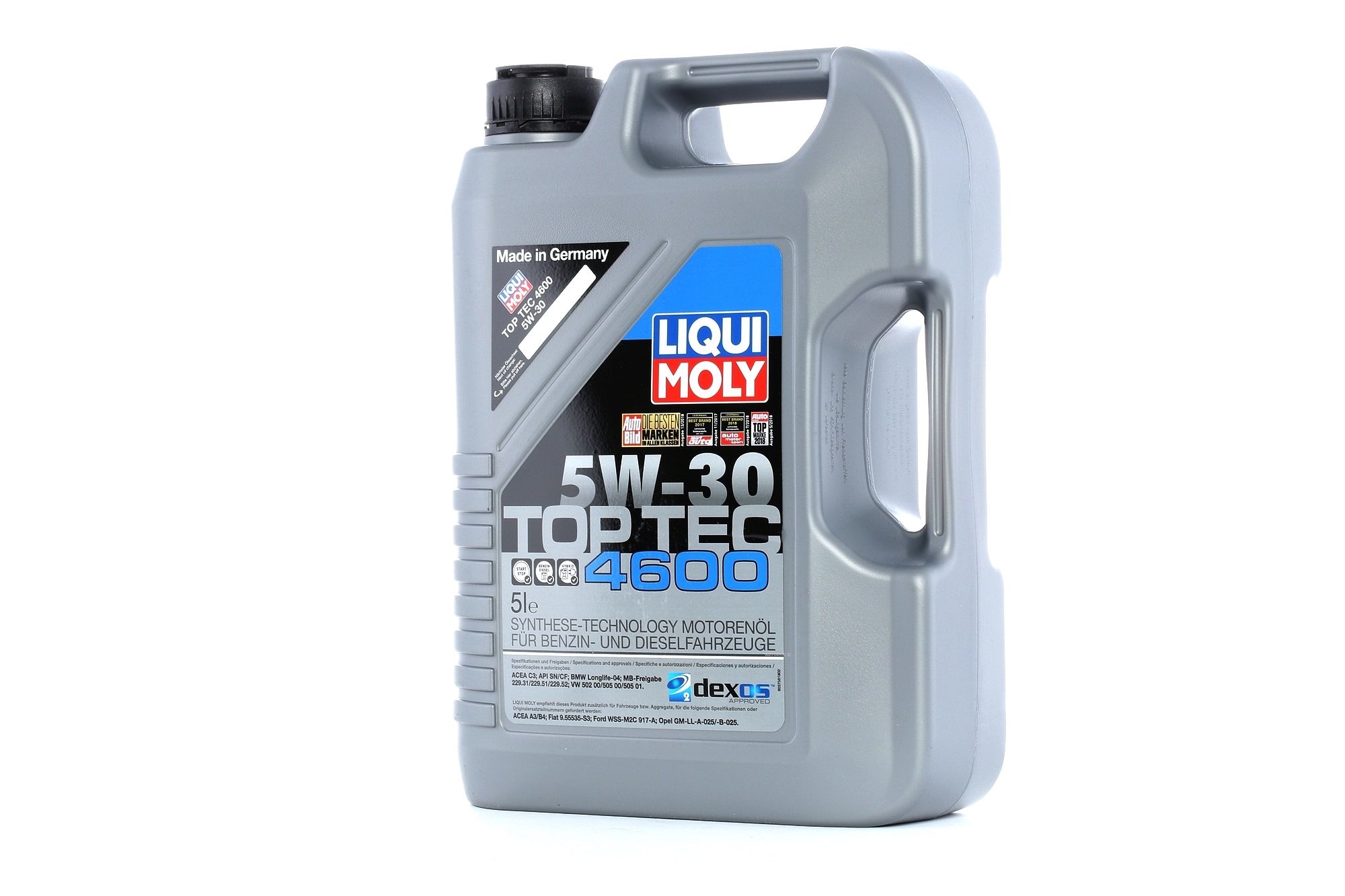
Regular maintenance is crucial for the longevity of the transmission system. The sensitive Volvo XC70 automatic transmissions require an oil change with special ATF oil and filter renewal every 60,000 km. Diagnosis is carried out via the vehicle diagnostics system, which displays specific error codes such as P0700 or P0720. Preventive maintenance can prevent major damage and ensure optimum shifting performance.
Volvo XC70: AWD system breakdowns and all-wheel drive problems

The Volvo XC70's AWD system exhibits characteristic faults that manifest themselves in uneven power distribution, vibrations when cornering and complete failures of the all-wheel drive. The complaints typically occur after 80,000-100,000 kilometers, with the Haldex clutch being particularly susceptible. Symptoms include the AWD warning light coming on, metallic noises from the rear and reduced traction in poor road conditions. The system will no longer function correctly if the electronic control unit or the hydraulic pump are defective. Breakdowns can occur as early as 60,000 km with intensive use.
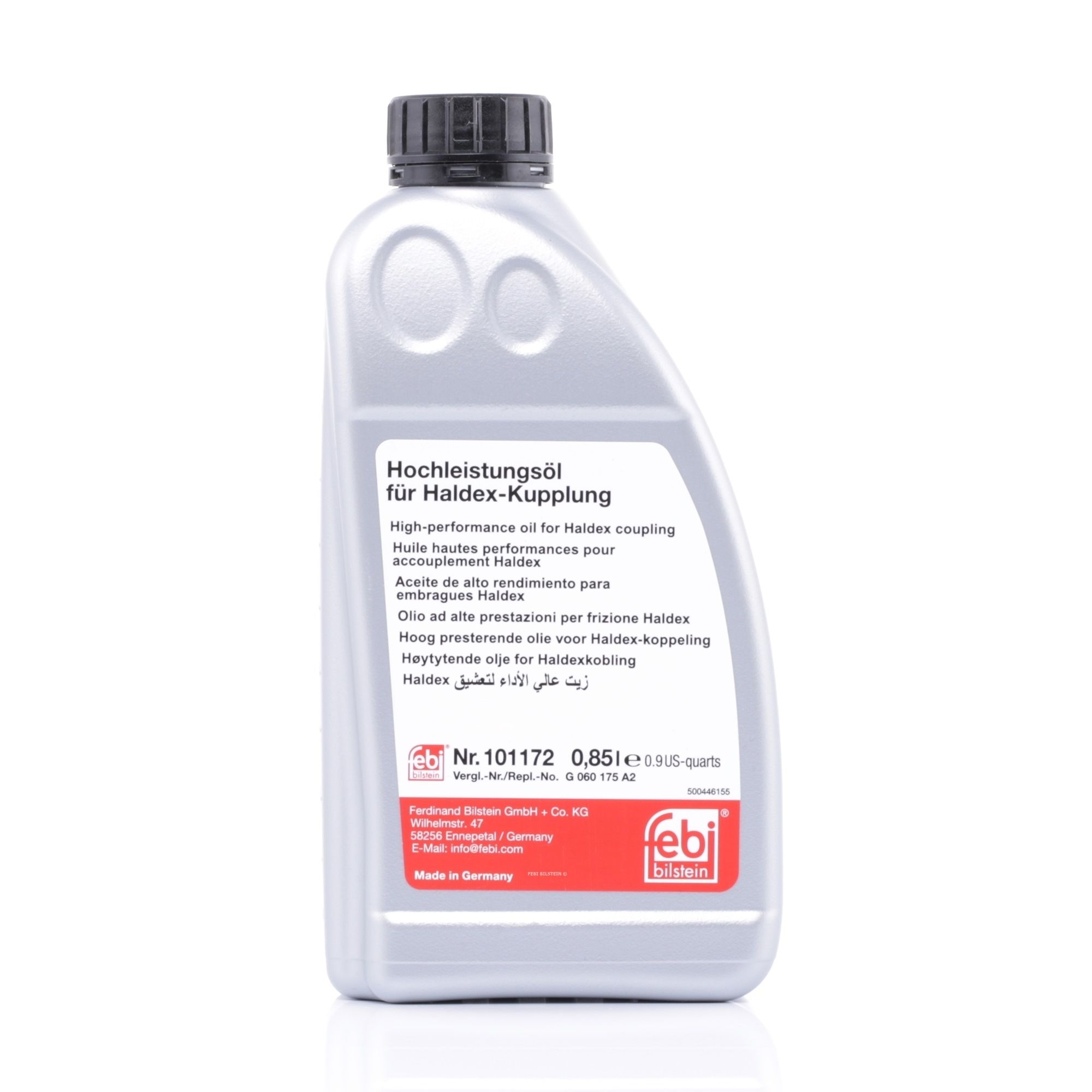
A systematic check is essential for the proper functioning of the drive system. The complex Volvo XC70 AWD components require a Haldex oil change every 40,000 km and regular system diagnostics. Repairs often involve replacing the Haldex clutch, hydraulic pump or control unit, which can cost between €1,500-3,000. Professional maintenance prevents costly consequential damage and ensures all-wheel drive functionality.
Volvo XC70: Tailgate does not stay up - gas pressure damper problems
The tailgate of the Volvo XC70 develops typical weak points after 100,000-120,000 kilometers, whereby the gas pressure dampers lose their supporting force and the tailgate no longer stays up. This problem initially manifests itself as the tailgate slowly dropping when open, later it falls down uncontrollably. The symptoms worsen in cold temperatures as the gas condenses in the dampers. After 8-10 years of operation, the system no longer functions reliably, which leads to safety risks when loading and unloading. The average service life of the original dampers is 120,000-150,000 km.
A professional inspection is required to identify defective dampers in good time. The Volvo XC70 tailgate gas pressure dampers should be replaced in pairs to ensure even support force. Diagnosis is carried out by visually checking for oil leaks and measuring the force of the dampers. Preventive replacement after 100,000 km prevents accidents and ensures comfortable use of the load compartment.
Volvo XC70: Heating does not work - air conditioning system defects
The heating system of the Volvo XC70 frequently shows defects, which are manifested by a lack of heat development, uneven temperature distribution and complete system failures. Especially after 100,000-130,000 kilometers, the heating system no longer functions properly, with defective heating valves, clogged heat exchangers or defective thermostats being the main causes. The symptoms often start with reduced heating performance at low outside temperatures and develop into complete failures. The reliability of the system decreases significantly after 8 years, and the air conditioning system can also be affected by similar problems. Electronic control units can cause problems after just 80,000 km.
Professional maintenance is crucial for the proper functioning of the air conditioning system. The complex Volvo XC70 heating systems require a cooling system flush and thermostat check every 50,000 km. Diagnostics include temperature measurements, pressure tests and electronic system tests. Timely maintenance can prevent costly repairs and ensure driving comfort in all weather conditions.
Volvo XC70: Fuel filler cap does not open - locking mechanism problems

The Volvo XC70's fuel filler cap develops mechanical weaknesses, manifested by jammed opening mechanisms and defective lock cylinders. These failures typically occur after 80,000-120,000 kilometers, especially in vehicles that are frequently exposed to extreme weather conditions. Symptoms include sluggish opening, complete blockage of the lock or uncontrolled opening while driving. Corrosion, dirt and wear on the mechanism are the main causes. The problem does not only apply to manual tank caps, but also to electric tank caps, whereby electronic components can also fail. The average service life of the cap system is 120,000-150,000 km.
Systematic inspection is important for the safety and functionality of the tank system. The Volvo XC70 tank cap mechanisms require regular cleaning and lubrication every 30,000 km to prevent corrosion and wear. Repair often involves replacing the entire cap mechanism or individual components such as springs, Bowden cables or electronic actuators. Preventive maintenance prevents emergencies at filling stations and ensures proper vehicle use.
Volvo XC70: Engine won't start - starting problems
Starting problems with the Volvo XC70 are manifested by delayed ignition, complete refusal to start and irregular engine running after starting. D5 diesel engines in particular show these weak points after 150,000-200,000 kilometers, with defective glow plugs, fuel pumps or injection nozzles being the most common causes. The symptoms worsen in cold temperatures, when the engine does not start despite a functioning battery and starter motor. Electronic control units can develop faults after just 120,000 km, leading to intermittent starting problems. The reliability of the starting system decreases significantly after 10 years of operation, and gasoline engines can also be affected by similar problems.
Regular maintenance is essential for the starting reliability of the vehicle. The sensitive Volvo XC70 injection systems require fuel filtration and system cleaning with special additives every 40,000 km. Diagnosis is carried out via compression measurements, fuel pressure tests and electronic fault memory readouts. Preventive treatment prevents costly engine damage and ensures daily mobility.
Additional common faults in the Volvo XC70
Based on the experiences of Volvo XC70 drivers, the following additional problems occur:
- Turbocharger defects in D5 engines: typically occur after 180,000-220,000 km, often caused by bearing wear or defective seals.
- Electronic parking brake problems: Can occur as early as 70,000-90,000 km, often due to brake pad wear or defective actuators.
- Xenon headlight failures: Often occur after 100,000-120,000 km, usually due to defective ballasts or burners.
- Fuel pump defects: Premature failure is not uncommon after 120,000-160,000 km, especially in D5 diesel engines.
- Steering gear leaks: Often occur after 150,000-180,000 km, especially with intensive use and frequent steering movements.
- Exhaust gas recirculation valve problems: Manifest after 100,000-140,000 km, often due to coking or mechanical defects.
- Air conditioning compressor failures: Can occur after 120,000-150,000 km, often due to seal or bearing wear.

Volvo XC70: weaknesses and strengths
| Strengths |
Weak points |
| High safety standards |
Automatic transmission problems |
| Robust body |
AWD system breakdowns |
| Large cargo area |
Electronics failures |
| Comfortable chassis |
High repair costs |
| Good off-road capability |
Complex technology |
| Reliable D5 engines |
Tailgate problems |
| High-quality workmanship |
Heating defects |
The Volvo XC70 proves to be a fundamentally robust vehicle with high safety standards, but due to its complex technology it requires regular maintenance and expert care. Most problems can be avoided through preventive measures and timely intervention. The electronic systems and the AWD system in particular require regular checks to ensure the longevity and reliability of the vehicle.


 7 October 2025 (updated)