Reliability VW Golf Up: common problems, issues symptoms and faults
Tailgate does not open: The tailgate of the VW Up can cause problems as early as 15,000-30,000 km. The electric opening mechanism often fails due to defective actuators or microswitches, resulting in the trunk not opening.
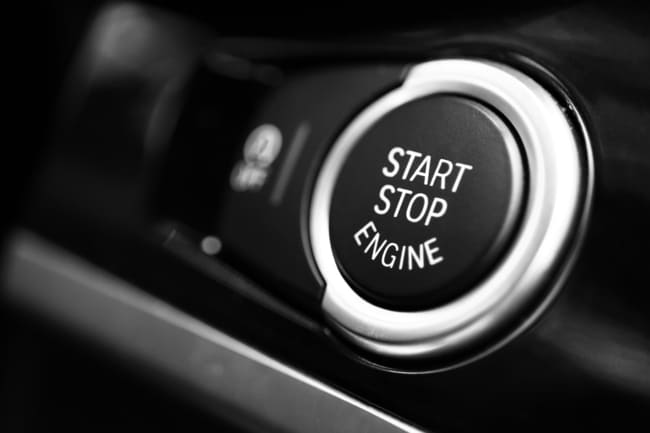
Start-stop not working: The start-stop system often shows malfunctions from 20,000-40,000 km. The battery often does not reach the required capacity or the sensors do not correctly detect the operating conditions, which keeps the system deactivated.
Air conditioning not cooling: Particularly with the 60 hp and 75 hp engines, cooling problems with the air conditioning system occur from 25,000-50,000 km. Leaks in the refrigerant circuit or defective compressors lead to reduced cooling capacity.
Central locking does not work: The central locking system can cause problems after just 10,000-25,000 km. Defective door lock drives or faults in the control unit mean that some or all doors can no longer be locked or unlocked centrally.
Volkswagen Up: Problems with the tailgate and trunk
The tailgate of the VW Up causes many owners considerable difficulties, especially when the trunk does not open. This problem often manifests itself as a defective servomotor or damaged microswitches in the closing mechanism. In most vehicles, this fault occurs between 15,000 and 30,000 kilometers, but can also occur earlier in newer models. The symptoms range from a complete failure of the electric opening mechanism to irregular operation in which the tailgate only reacts occasionally. These problems are particularly exacerbated in cold temperatures, as the mechanical components become more sluggish and the electrical connections are more susceptible to faults.
A systematic check is essential for the tailgate to function properly. The sensitive VW Up closing mechanisms require regular lubrication of the moving parts and inspection of the electrical connections every 15,000 kilometers. For diagnosis, the fuse should be checked first, followed by a measurement of the voltage at the servomotor. In the case of mechanical problems, thorough cleaning and lubrication of the hinges and the locking mechanism often helps. In more serious cases, the servomotor or the microswitches need to be replaced, which can cost between 150 and 300 euros.
VW Up: Start-Stop system problems
The VW Up's start-stop system frequently malfunctions, which is indicated by the message "Start stop not working" on the display. These problems typically occur between 20,000 and 40,000 kilometers and affect both the 60 hp and 75 hp engine variants. The system reacts particularly sensitively to the battery voltage and deactivates automatically if the starter battery does not have the required capacity of at least 12.4 volts. In addition, defective sensors for engine temperature, outside temperature or air conditioning status can affect the system. In older vehicles with over 50,000 kilometers, a weakened battery often leads to permanent problems with the start-stop system.
Regular maintenance is crucial for the reliability of the start-stop system. The sophisticated VW Up battery sensors require constant monitoring of the battery voltage and regular calibration every 20,000 kilometers. The diagnosis begins with a battery test, during which both the open-circuit voltage and the load capacity are measured. Replacing the starter battery often solves the problem, whereby an AGM battery with a capacity of at least 60 Ah is recommended. If problems persist, the temperature sensors and the air conditioning control unit should be checked.
Volkswagen Up: Air conditioning problems
The air conditioning system of the VW Up causes problems particularly in the summer months when it does not cool sufficiently or fails completely. These faults occur more frequently between 25,000 and 50,000 kilometers and affect both the manual and automatic air conditioning systems. The most common cause is a loss of refrigerant due to leaking connections or a defective condenser. The 1.0 MPI engines with 60 hp and 75 hp often exhibit reduced cooling performance, which is noticeable through warm air coming out of the nozzles. In addition, a dirty cabin air filter or a defective air conditioning compressor can significantly impair the cooling performance. After around 60,000 kilometers, the air conditioning system often requires a complete service.
A professional inspection is necessary for the air conditioning system to function optimally. The complex VW Up cooling systems require annual maintenance with a leak test and, if necessary, refrigerant refilling. The diagnosis begins with a pressure measurement in the refrigerant circuit, whereby the low pressure should be between 2-3 bar and the high pressure between 15-20 bar. A dirty cabin filter should be replaced every 15,000 kilometers, as it can significantly impair air circulation. In the event of refrigerant loss, professional leak detection with UV contrast agent is required to identify and repair leaks.
VW Up: Transmission problems
The gearbox of the Volkswagen Up exhibits various problems that occur differently depending on the variant. In the automatic version, the gearbox does not shift reliably, especially after 30,000 kilometers, which leads to initial shifting problems, while the manual gearbox often shows difficulties when engaging reverse gear. Reverse gear in particular does not engage, which is caused by worn synchronizer rings or problems with the clutch. With the 1.0 TSI-engines with 90 PS, jerky gear changes often occur, which indicate software problems or defective actuators. The automated manual gearbox (ASG) shows weaknesses particularly in stop-and-go traffic and can develop rough gearshifts from 40,000 kilometers.
Professional maintenance is essential for the longevity of the transmission. The precise VW Up shift mechanisms require regular oil changes every 60,000 kilometers and careful monitoring of clutch wear. For manual transmissions, the clutch should be checked every 80,000-120,000 kilometers, as wear can lead to shifting problems. Automatic transmissions require a special diagnosis with fault memory readout and adaptation value check. Software updates can often solve shifting problems, while mechanical defects may require the replacement of actuators or valve bodies.
-12%
Reviews - 22
Parts Details
Fitting Position:
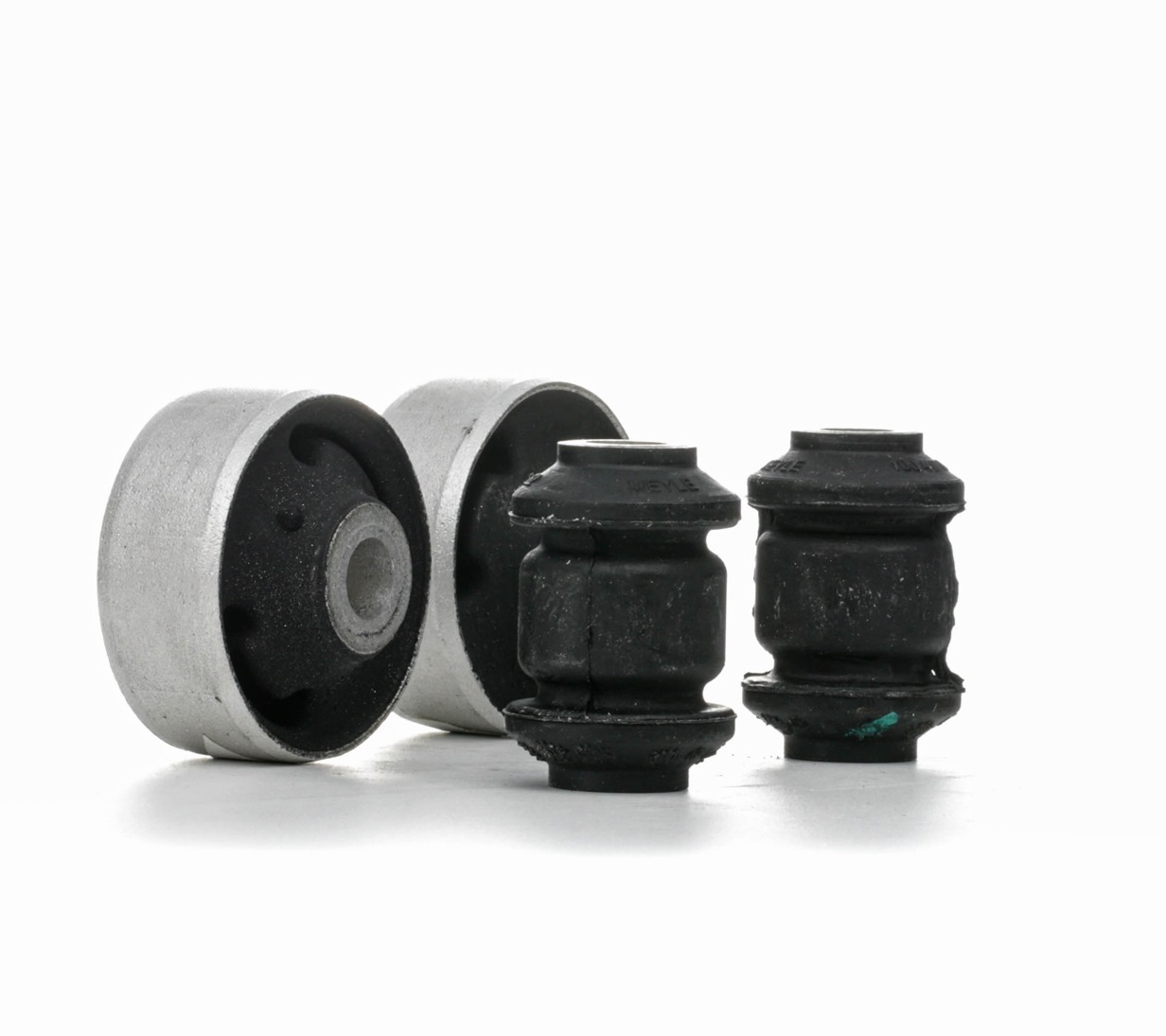
Front Axle Right, Front Axle Left
The VW Up exhibits various electrical problems that can lead to breakdowns and failures. Common complaints concern the Bluetooth system, which can develop connection problems after 25,000 kilometers, and the windscreen washer system not working properly. Particularly problematic is when the vehicle won't start or won't start, which is often caused by a weak battery or faulty starter motor. CNG variants also have problems with the gas pressure sensor, which can lead to engine malfunctions. The dipped headlights not working or the cigarette lighter not working are other common electrical faults that occur between 20,000 and 45,000 kilometers.
A systematic check is crucial for the reliability of the electrical systems. The sensitive VW Up control units require regular software updates and a check of the ground connections every 30,000 kilometers. In the event of starting problems, the battery voltage should first be measured, which should be at least 12.6 volts. Defective fuses are often the cause of individual consumer failures and can simply be replaced. Bluetooth problems can often be rectified by resetting the infotainment system or updating the software, while more complex electrical faults require professional diagnosis with appropriate measuring equipment.
Additional common faults of the Volkswagen Up
Based on the experiences of VW Up owners, the following additional problems occur:
Handbrake won't release: occurs especially in winter from 25,000-35,000 km, often caused by frozen or corroded brake cables.
Cruise control does not work: Often occurs from 30,000-50,000 km due to defective controls or sensors in the steering wheel.
Ventilation not working: Problems with the blower motor often occur between 40,000-60,000 km, usually due to worn carbon brushes.
Panoramic roof leaks: In vehicles with a panoramic roof, sealing problems can occur after 20,000 km.
Brakes squeal prematurely: Brake pads often show signs of wear after 25,000-35,000 km.
Timing chain rattles: With 1.0 TSI-engines, a rattling of the timing chain can occur from 80,000-100,000 km.
Engine starts poorly: Especially in cold temperatures from 50,000 km, often due to worn spark plugs.
VW Up problems: weaknesses and strengths
Strengths
Weak points
Compact dimensions for city traffic
Tailgate often does not open
Low maintenance costs
Start-stop system unreliable
Good maneuverability and ease of parking
Air conditioning loses power early on
Modern safety equipment
Frequent electrical problems
Economical engines
Transmission problems with automatic
Solid build quality
Central locking prone to faults
Low purchase price
Battery problems with Start-Stop
The Volkswagen Up proves to be a practical city vehicle with a few characteristic weak points, which can, however, be easily managed with regular maintenance and preventive measures. Most problems occur at predictable intervals and can be detected at an early stage through professional inspection. The electrical components and the start-stop system in particular require constant attention to ensure the reliability of the vehicle.
AUTODOC Bestsellers: parts at a good price
Reviews - 43
Parts Details
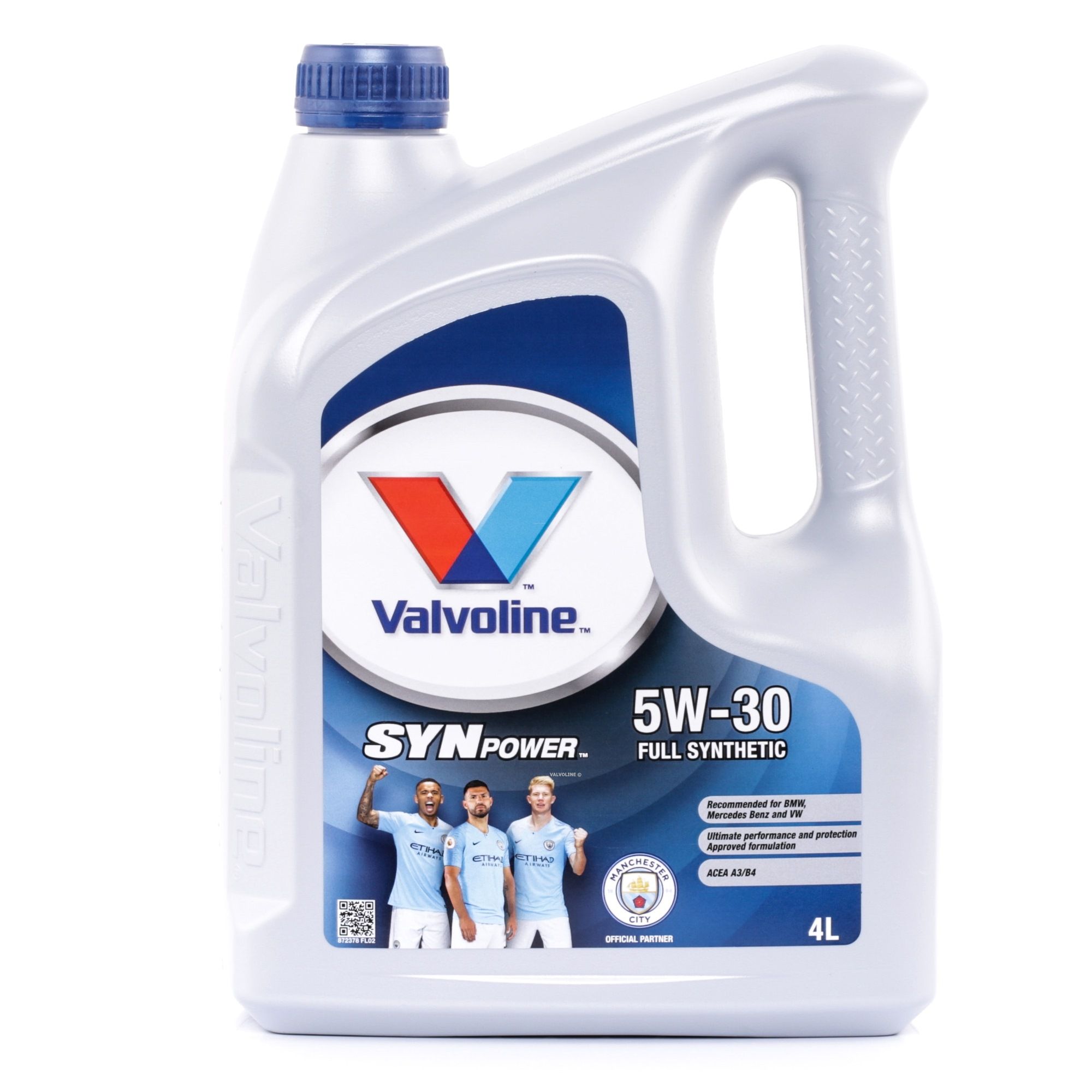
Capacity [litre]: 5
SAE viscosity grade: 5W-40
ACEA:
ACEA A3 / B4
API:
API CF, API SN
Manufacturer recommendations: Porsche A40, Renault RN0700, Renault RN0710, VW 502 00, VW 505 00, MB 229.3, GM LL-B-025, Fiat 9.55535-M2


 13 August 2025 (updated)