Table of Contents

 20 March 2025 (updated)
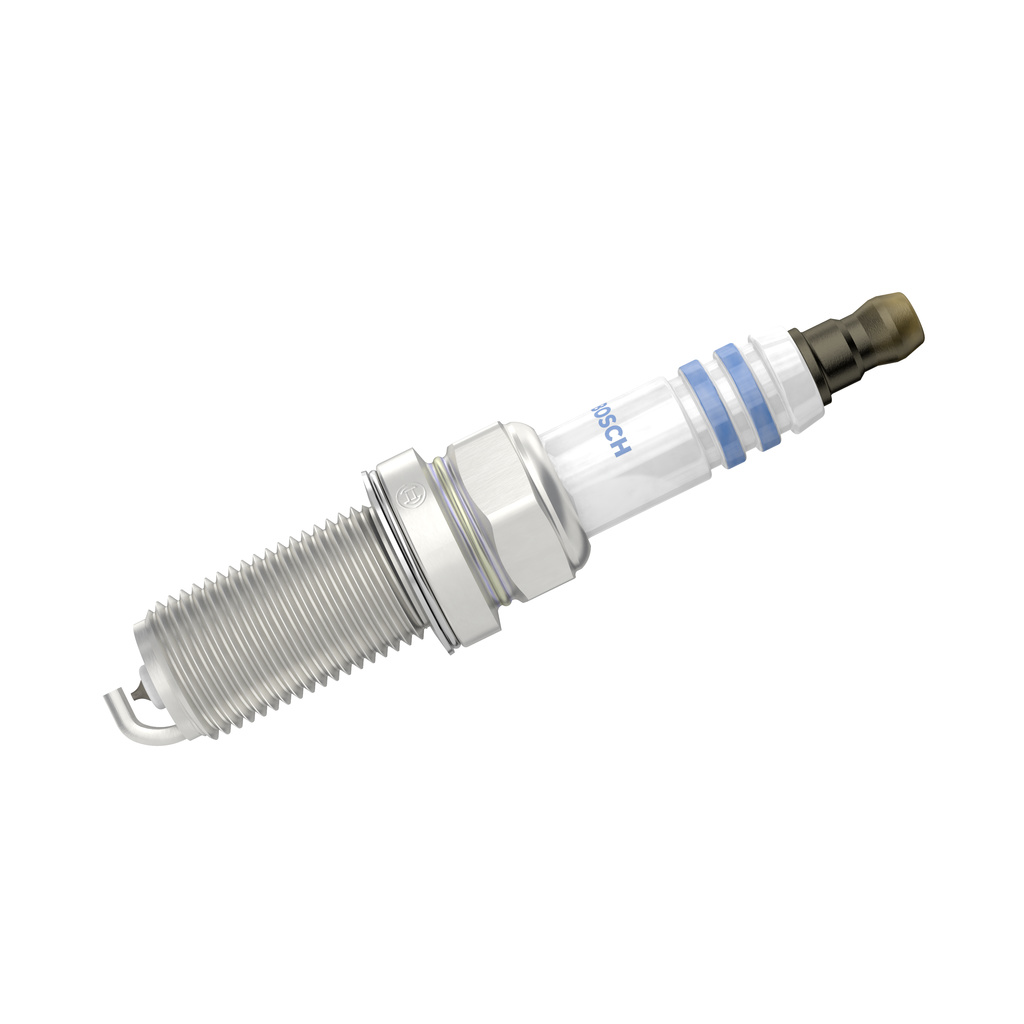
 What are spark plugs? How they work & where they are located
The spark plugs are responsible for igniting the air-fuel mixture in petrol engines, giving the car power. They generate a spark that starts combustion, ensuring smooth engine operation. Located in the cylinder head, spark plugs play a crucial role in engine performance, efficiency, and overall vehicle reliability. When they fail, the engine may misfire, lose power, or fail to start. Regular maintenance ensures optimal performance, fuel efficiency, and longevity.
What are spark plugs?
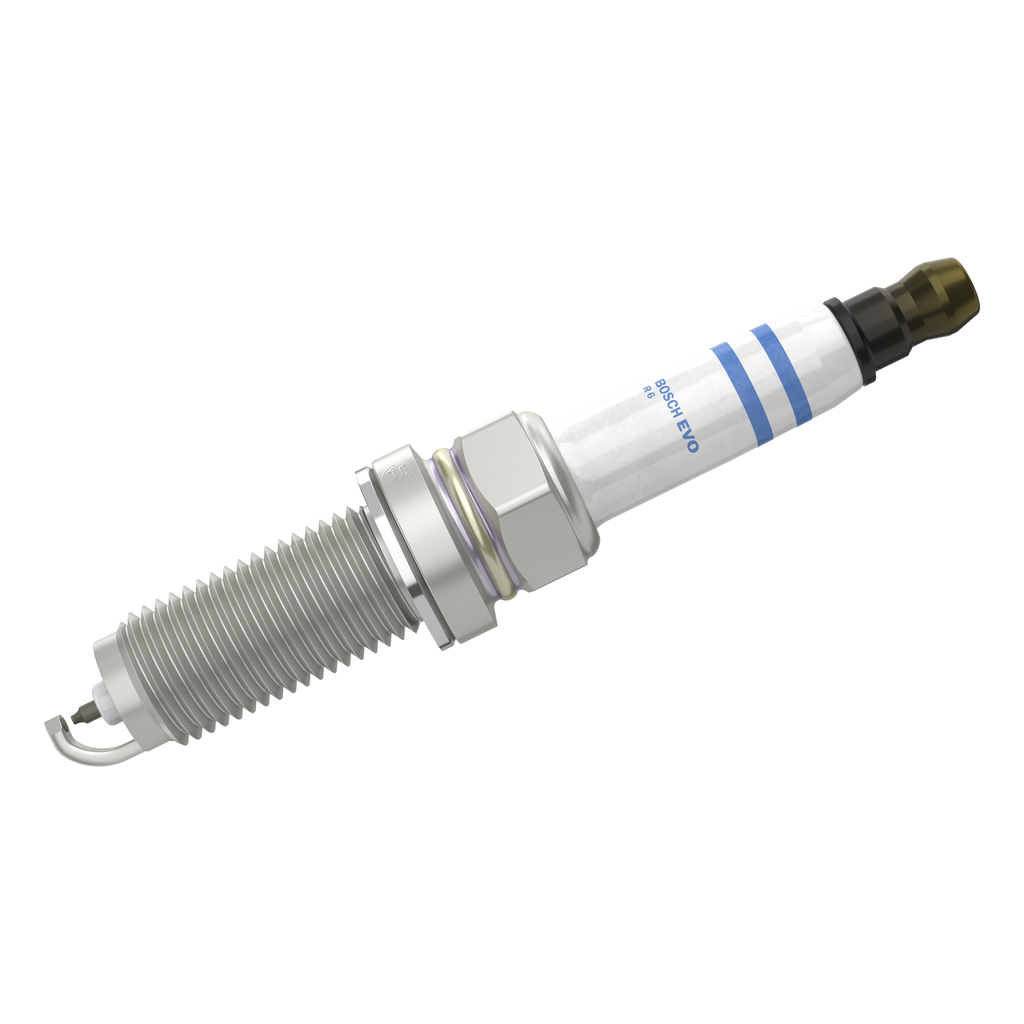
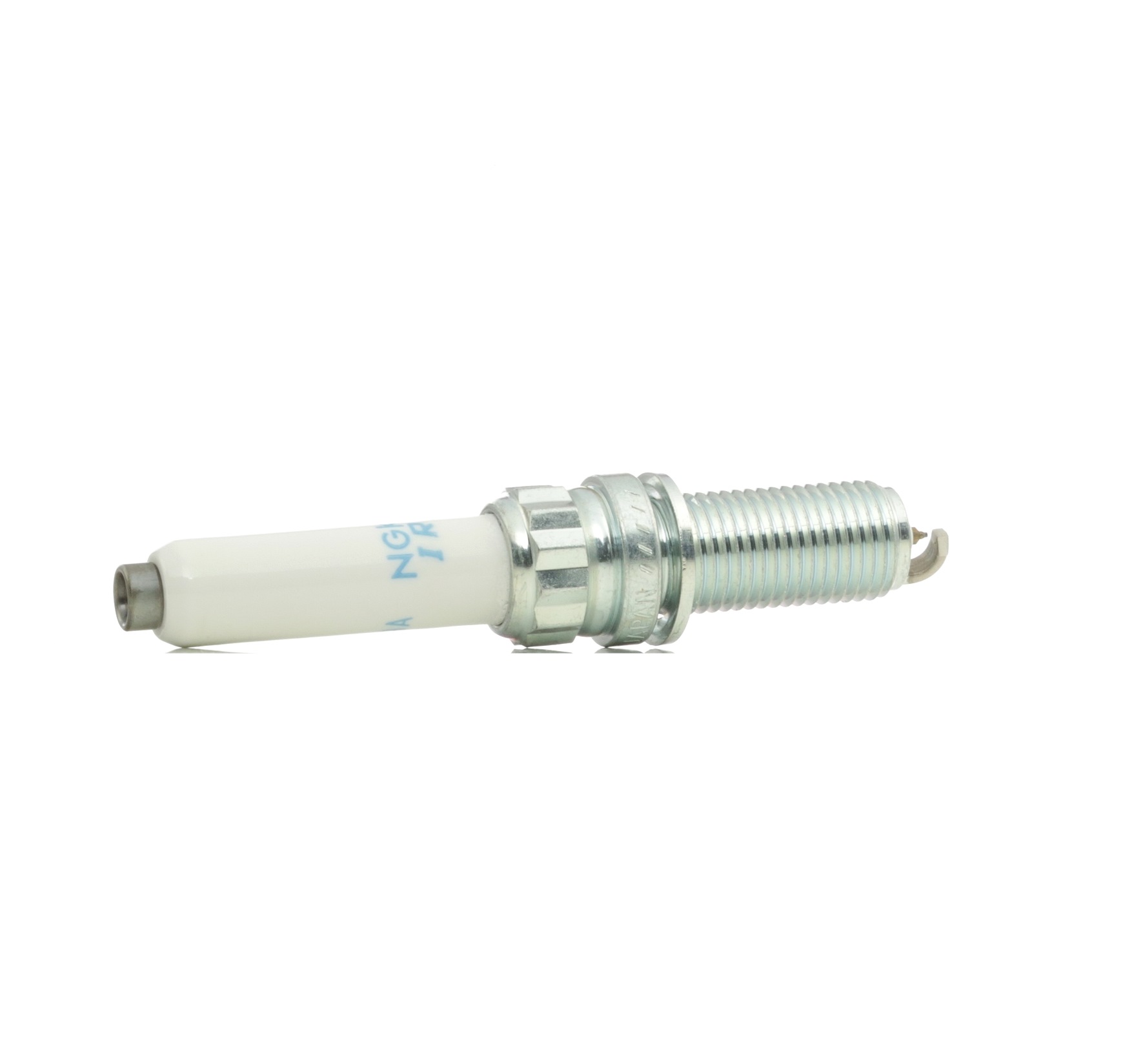
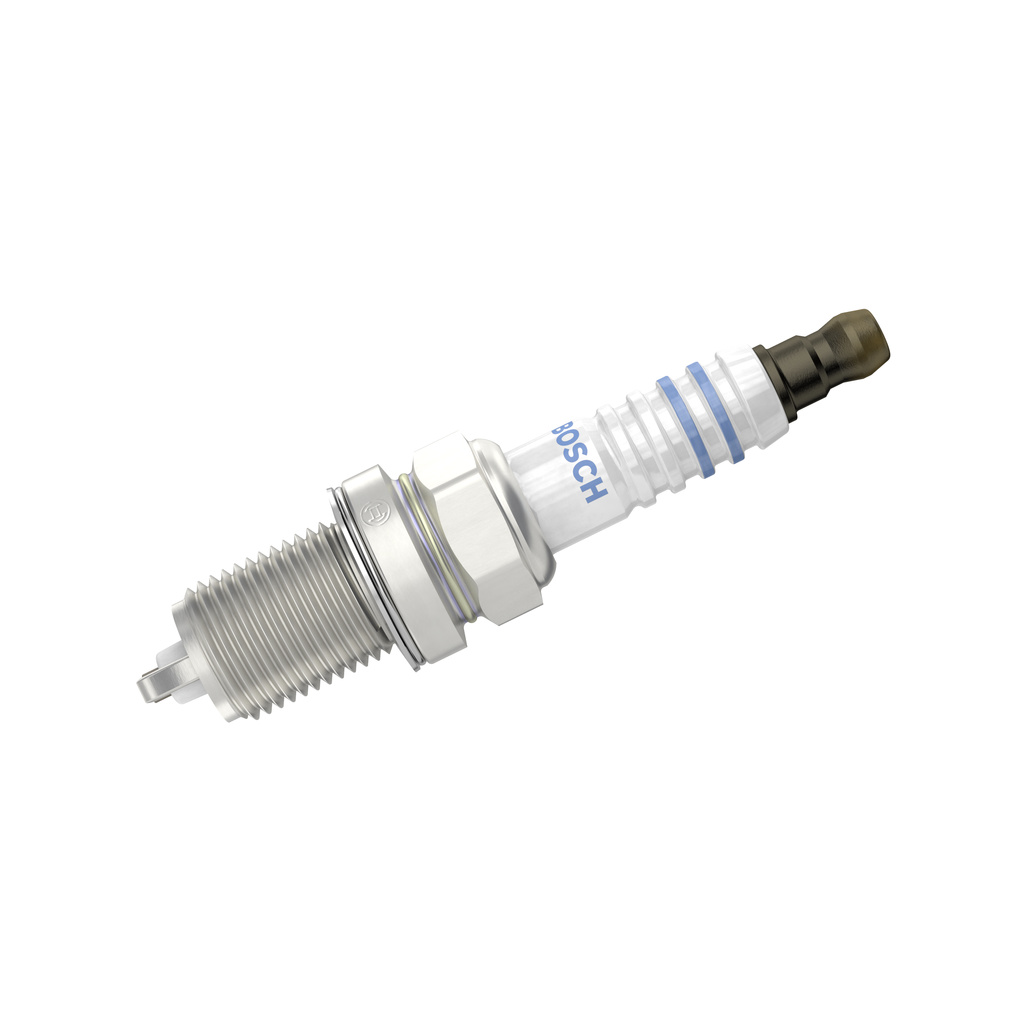
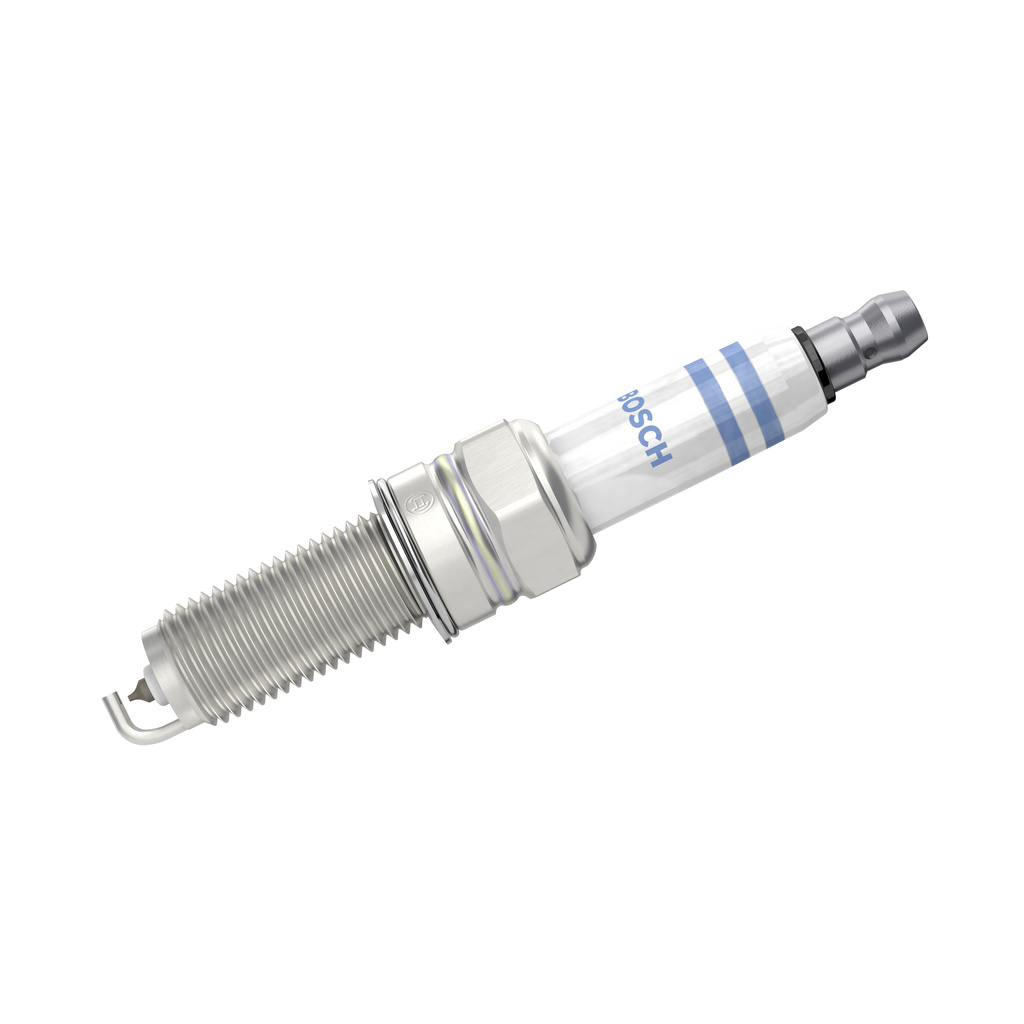
Spark plugs are small devices that are found in the engine’s cylinder head. Each cylinder has its own plug to ignite the fuel-air mixture inside. When the ignition coil sends an electrical charge to the spark plug, it jumps across a small gap between the component’s electrodes. This spark ignites the compressed fuel mixture, producing a small explosion that drives the engine’s pistons.
This process repeats thousands of times per minute, ensuring continuous engine operation. Worn or faulty spark plugs can cause misfires, reduced power, and poor fuel efficiency. If left untreated, this could cause a car breakdown.
Where are spark plugs located?
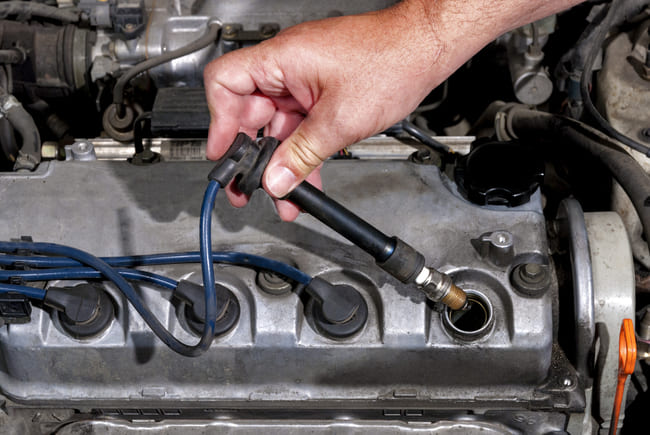
Spark plugs are located in the cylinder head of a gasoline engine, screwed into the combustion chamber. They are positioned at the top of each cylinder, allowing them to ignite the air-fuel mixture.
In most vehicles, they are accessible by removing the engine cover or car ignition coils for maintenance or replacement. However, you should check your vehicle’s repair manual for exact instructions on how to access the components.
How does a spark plug work?
When the high voltage produced by the ignition system is applied between the center and ground electrodes of the spark plug, the insulation breaks down, allowing current to flow and generating an electrical spark. This spark ignites the compressed air-fuel mixture inside the combustion chamber, creating a small explosion.
The resulting energy forces the piston downward, producing power to drive the engine. This process repeats rapidly in each cylinder, ensuring smooth engine operation.
Recommended Article
How to test a spark plug
How many spark plugs are there in a car?
Every petrol engine has one spark plug per cylinder. The larger the engine, the more ignition components there are. For example, the Ford Mustang (EcoBoost with 3.0L V6) has 6 spark plugs and a 4-cylinder Ford Focus has 4.
Sold by AUTODOC Sold by AUTODOC Sold by AUTODOC Sold by AUTODOC Sold by AUTODOC
-21%
 Article number: 1496
compared to
RRP
£23.65
£18.49
Price per item
£73.96 / Price per 4 items
price incl. 20% VAT, excl. delivery costs
-52%
Article number: 1496
compared to
RRP
£23.65
£18.49
Price per item
£73.96 / Price per 4 items
price incl. 20% VAT, excl. delivery costs
-52%
 Article number: Z332
compared to
RRP
£24.01
£11.49
Price per item
£45.96 / Price per 4 items
price incl. 20% VAT, excl. delivery costs
-12%
Article number: Z332
compared to
RRP
£24.01
£11.49
Price per item
£45.96 / Price per 4 items
price incl. 20% VAT, excl. delivery costs
-12%
 Article number: 90911
compared to
RRP
£14.79
£12.99
Price per item
£51.96 / Price per 4 items
price incl. 20% VAT, excl. delivery costs
-13%
Article number: 90911
compared to
RRP
£14.79
£12.99
Price per item
£51.96 / Price per 4 items
price incl. 20% VAT, excl. delivery costs
-13%
 Article number: 97098
compared to
RRP
£15.54
£13.49
Price per item
£53.96 / Price per 4 items
price incl. 20% VAT, excl. delivery costs
-19%
Article number: 97098
compared to
RRP
£15.54
£13.49
Price per item
£53.96 / Price per 4 items
price incl. 20% VAT, excl. delivery costs
-19%
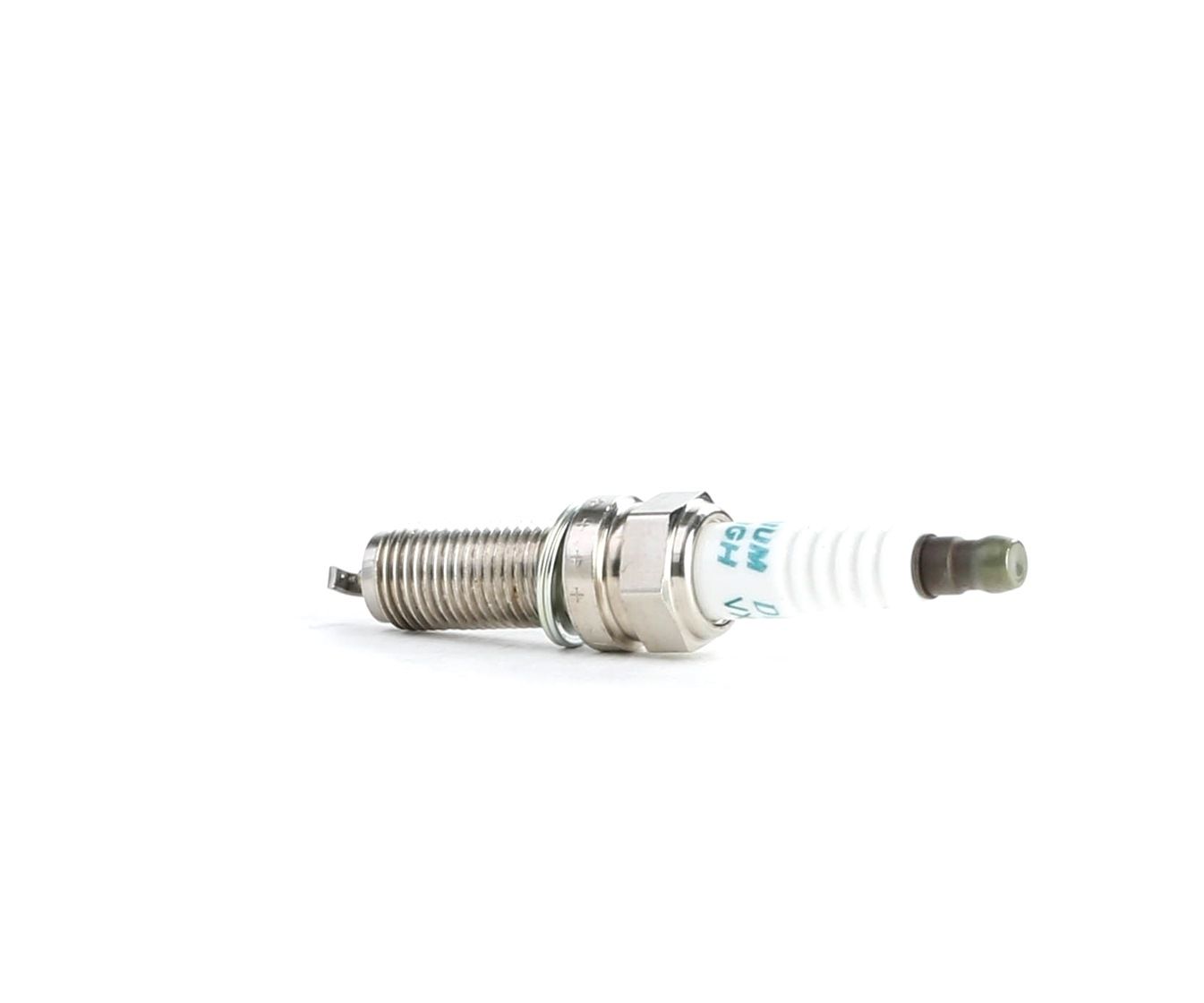
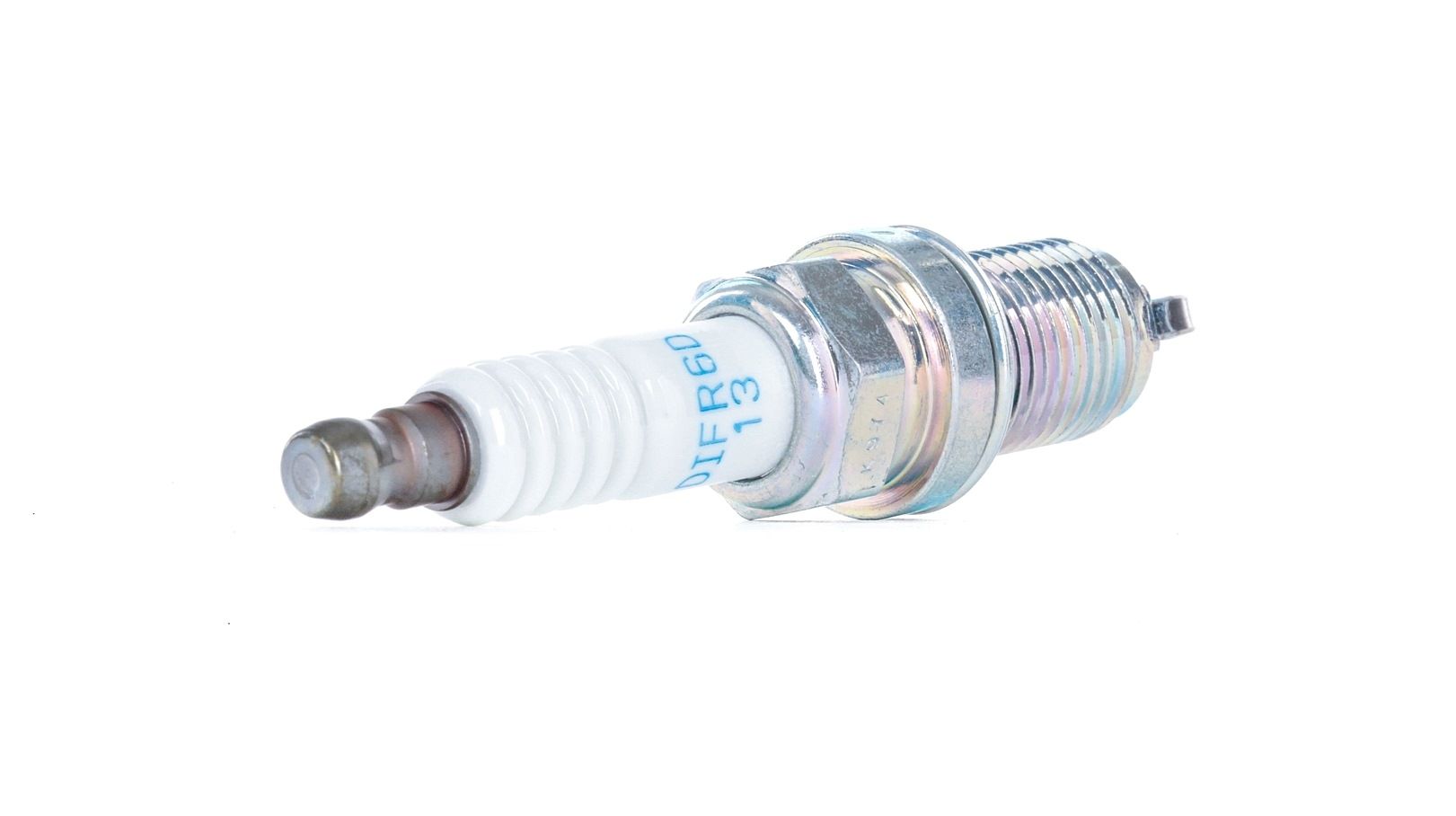
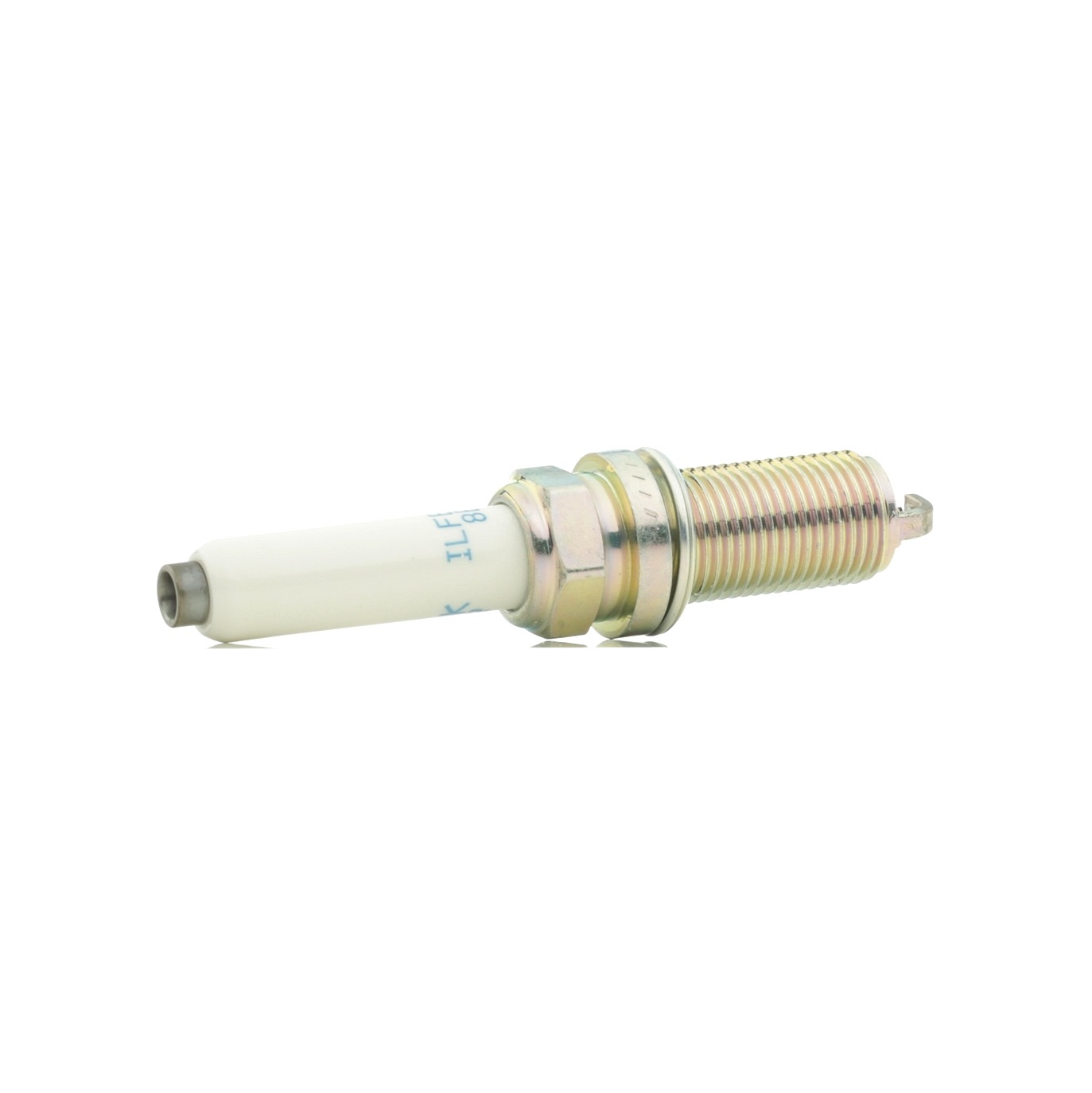 NGK Spark plug
M14 x 1,25, Spanner Size: 16 mm
Article number: 91898
compared to
RRP
£19.16
£15.49
Price per item
£61.96 / Price per 4 items
price incl. 20% VAT, excl. delivery costs
NGK Spark plug
M14 x 1,25, Spanner Size: 16 mm
Article number: 91898
compared to
RRP
£19.16
£15.49
Price per item
£61.96 / Price per 4 items
price incl. 20% VAT, excl. delivery costs
Do diesel cars have spark plugs?
Unlike petrol cars, diesel vehicles don’t use spark plugs. Instead, they rely on what is known as compression ignition. Inside the engine, air is compressed to an extremely high temperature and pressure within the cylinder, causing the fuel to ignite when injected.
This process eliminates the need for spark plugs. Diesel engines use glow plugs to help start the engine, especially in cold conditions. Glow plugs heat the air in the cylinder to assist with ignition, but they are not used in exactly the same way.
Are all spark plugs the same?
Not at all. Spark plugs have a variety of sizes, materials, heat ranges, and designs, all tailored to different engine types and performance requirements. For example, spark plugs for high-performance engines are typically made using materials like platinum or iridium for greater durability and efficiency.
Additionally, the gap between the spark plug's electrodes can vary depending on the model’s specifications. This determines the spark intensity, and if the gap is too big or too small for the vehicle, it may lead to incomplete combustion due to a weak charge.
It's essential to use the correct type of spark plug for your car to ensure optimal engine performance, fuel efficiency, and emissions control. Always consult the car owner’s manual for the manufacturer’s specifications.
What are spark plugs made of?
There are three main materials used to make spark plug electrodes: copper, platinum, and iridium. Each one has its own advantages and disadvantages.
- Copper: These are the most common spark plugs used in older/standard vehicles as they are cheap to produce and offer excellent conductivity. However, the main downside about copper parts is that they wear out more quickly than others, requiring more frequent replacement.
- Platinum: Platinum spark plugs have a platinum electrode that offers better durability and resistance to wear compared to copper. They provide a longer service life and maintain consistent performance. Platinum plugs are commonly used in modern vehicles, offering a balance of performance and longevity, improving fuel efficiency and reducing emissions.
- Iridium: Made with an iridium-tipped electrode, these parts offer superior durability and high-performance efficiency. The material’s high melting point allows them to withstand extreme temperatures, resulting in a lifespan of up to 100,000 miles or more and better fuel efficiency. However, iridium plugs are also the most expensive of the three and not suitable for every budget.
How often to change spark plugs
Based on the car model and type of spark plugs, the replacement interval should be somewhere between 30,000 and 150,000 miles. Copper plugs have the shortest lifespan, usually lasting 30,000 to 50,000 miles whereas iridium plugs last over 100,000 miles.
The age of the vehicle may have an impact as older cars typically collect more soot more rapidly. The service life will also depend on how well the vehicle is maintained, operating conditions, and the fuel quality.
Recommended Article
TOP 5 best spark plugs
Spark plug prices
Here is a price comparison of spark plugs for various popular car models in the UK. The table lists the recommended spark plug type for each vehicle, the price per plug, the number of plugs required, and the total cost for a full replacement. This information helps car owners make informed decisions when purchasing spark plugs for routine maintenance.
| Car Model | Recommended Spark Plug | Price per Plug | Number of Plugs | Total Cost |
| Ford Fiesta | NGK BPR5ES | £3.17 | 4 | £12.68 |
| Vauxhall Corsa | Bosch 0 242 235 663 | £3.37 | 4 | £13.48 |
| Volkswagen Golf | NGK BPR6ES | £3.08 | 4 | £12.32 |
| Nissan Qashqai | Denso K20TT | £4.19 | 4 | £16.76 |
| Mini Cooper | NGK 93231 | £13.82 | 4 | £55.28 |
| BMW 3 Series | NGK 1675 | £11.98 | 6 | £71.88 |
| Audi A3 | Bosch 0 242 235 668 | £3.74 | 4 | £14.96 |
| Toyota Yaris | Denso IK20TT | £12.65 | 4 | £50.60 |
| Hyundai Tucson | Bosch 0 242 235 666 | £2.49 | 4 | £9.96 |
| Kia Sportage | NGK 97098 | £13.38 | 4 | £53.52 |
Top products related to this topic: