Table of Contents

 1 July 2025 (updated)
 What is a car blind spot mirror and where should you put it?
Every year, cyclists and pedestrians are seriously injured or killed because a driver failed to see them in their blind spot when turning or changing lanes. The danger of this is particularly high at junctions and intersections, where lorries and buses often collide with vulnerable road users.
In this article, experts at AUTODOC explain exactly what blind spots are, how to minimise them, and the role blind spot mirrors can play in improving road safety for everyone.
What is the blind spot?
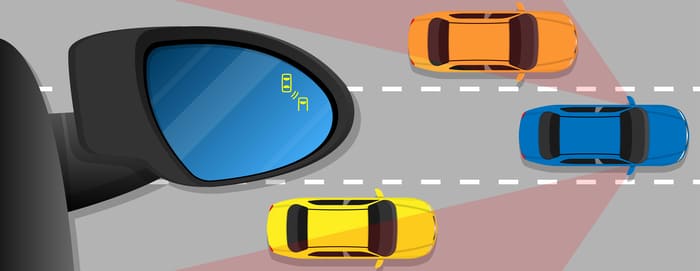
A blind spot is any zone around a vehicle that cannot be seen using regular mirrors. These spots are found directly behind, in front of, and especially along the sides of the vehicle. Even with a full set of mirrors, blind spots remain due to obstructions like roof pillars, headrests, and the physical limitations of mirror angles.
For drivers of large vehicles such as lorries and buses, the blind spot on the passenger side is particularly dangerous. A pedestrian or cyclist riding alongside can remain entirely hidden from view, often with tragic consequences. Car drivers, too, encounter blind spots due to wide roof pillars and the positioning of car seats, especially when turning or changing lanes.
Why the placement of mirrors matters
Standard exterior mirrors, namely the left and right car wing mirrors, only offer a limited view of adjacent lanes. While helpful, they often fail to show approaching cyclists or smaller vehicles riding alongside. To compensate for this gap, ensuring all mirrors are properly adjusted before setting off is essential. Proper mirror positioning helps minimise the size of the blind spot and allows you to avoid obstacles when parking or manoeuvring.
Interior reflections are just as important. The interior rear view mirror provides a wide view of the road behind the car but does not cover the areas just off the rear corners — another reason blind spot mirrors are so effective when placed correctly.
Sold by AUTODOC Sold by AUTODOC Sold by AUTODOC Sold by AUTODOC Sold by AUTODOC
-10%
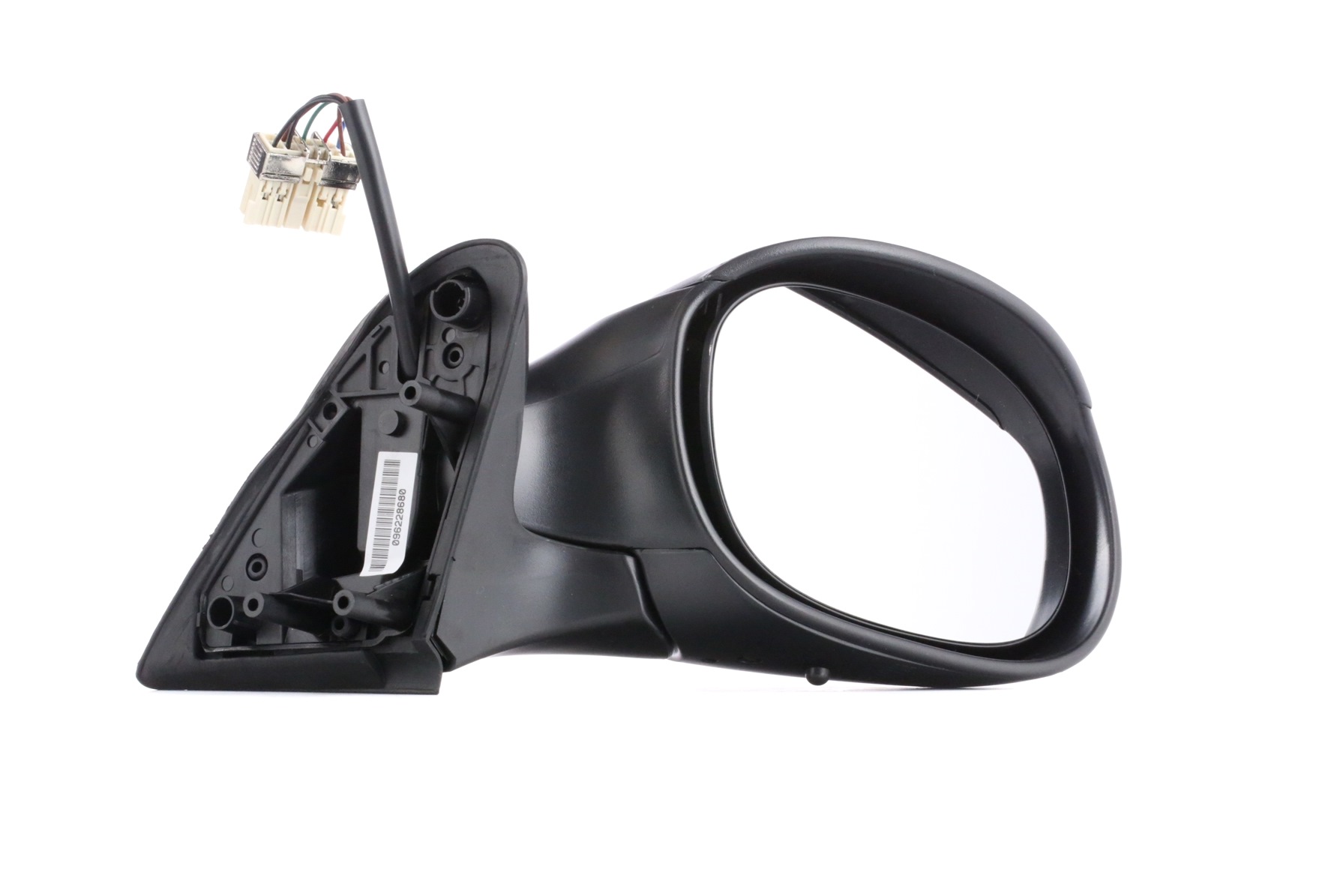
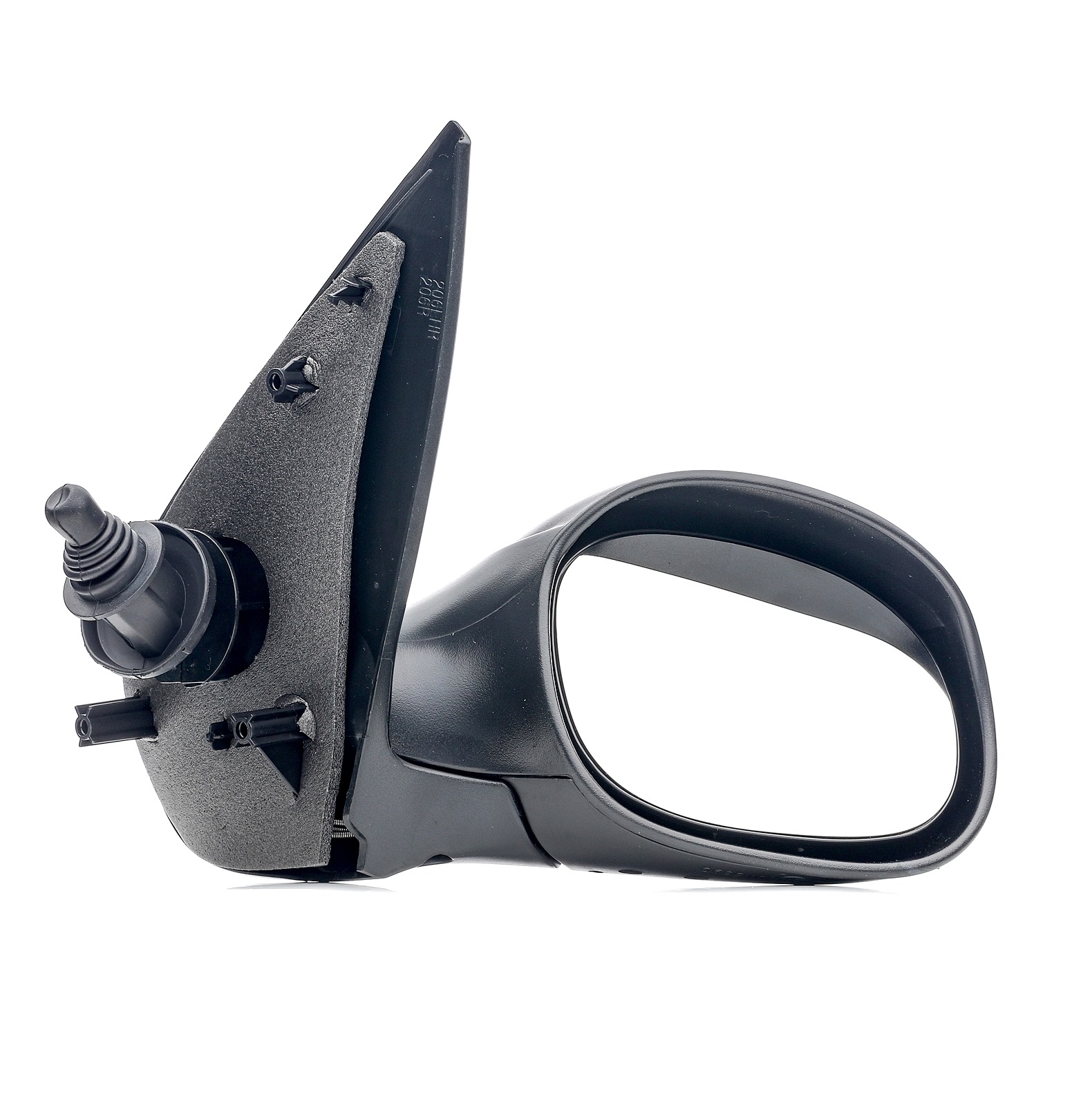
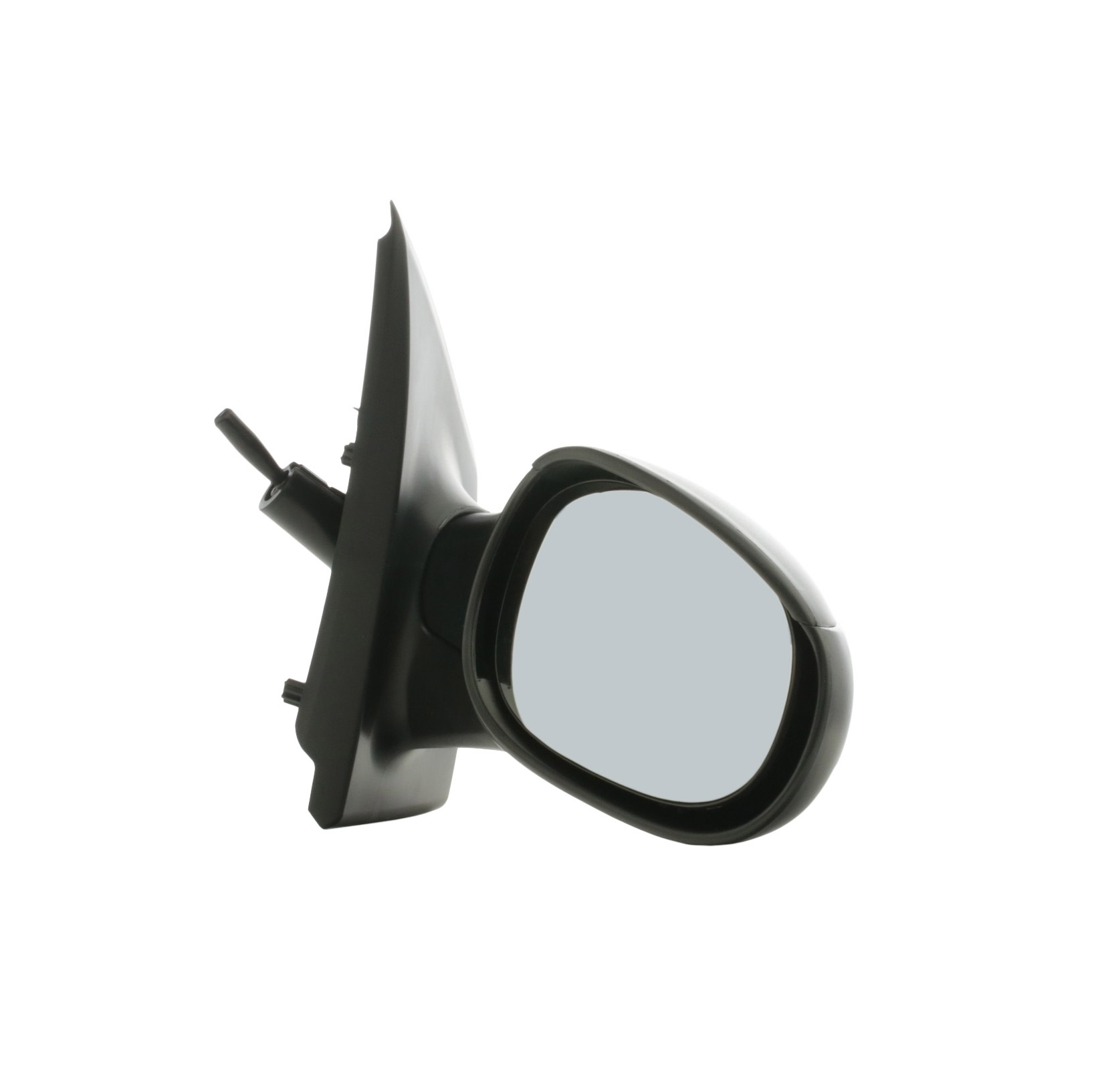 ALKAR Wing mirror
Right, Control: cable pull, Convex, for left-hand drive vehicles, for right-hand drive vehicles
Article number: 6165853
compared to
RRP
£30.67
£27.49price incl. 20% VAT, excl. delivery costs
ALKAR Wing mirror
Right, Control: cable pull, Convex, for left-hand drive vehicles, for right-hand drive vehicles
Article number: 6165853
compared to
RRP
£30.67
£27.49price incl. 20% VAT, excl. delivery costs
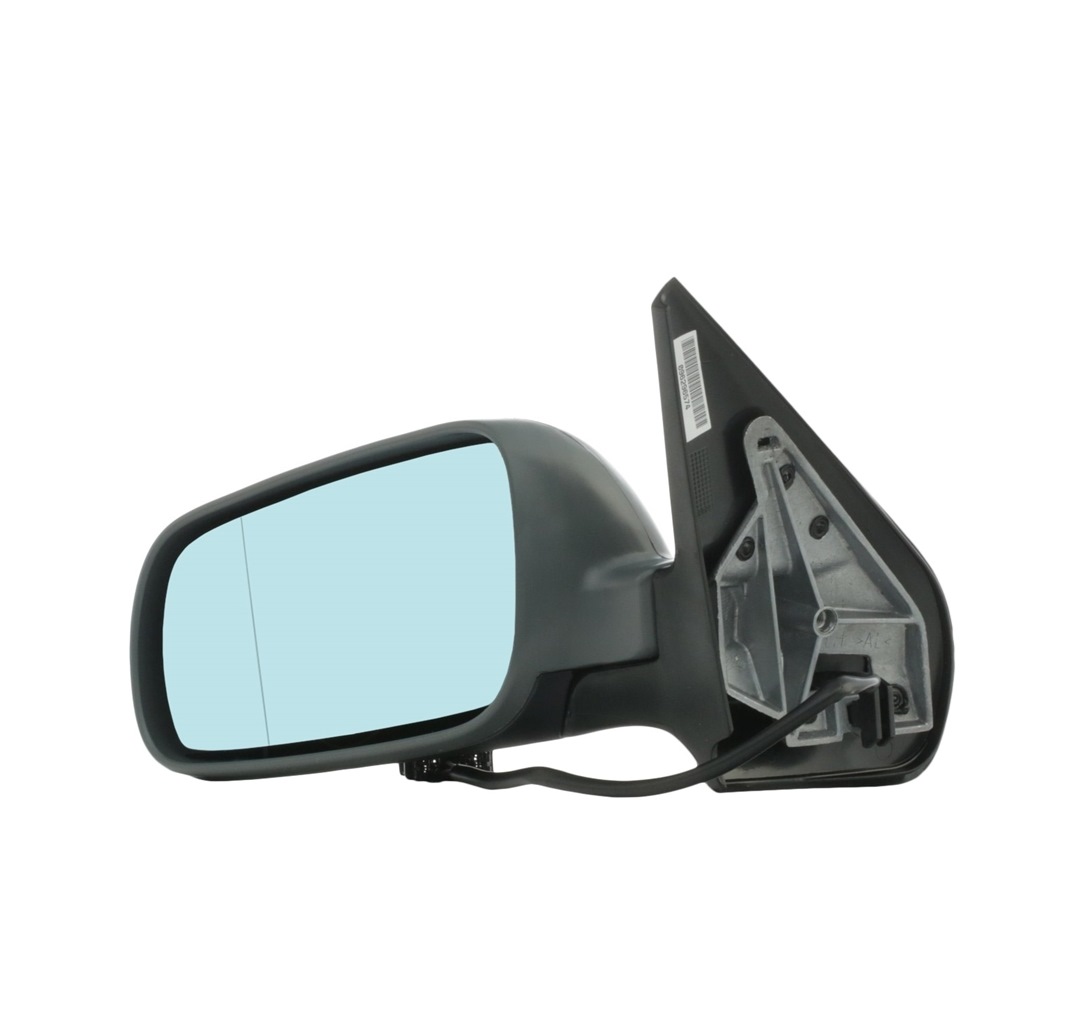
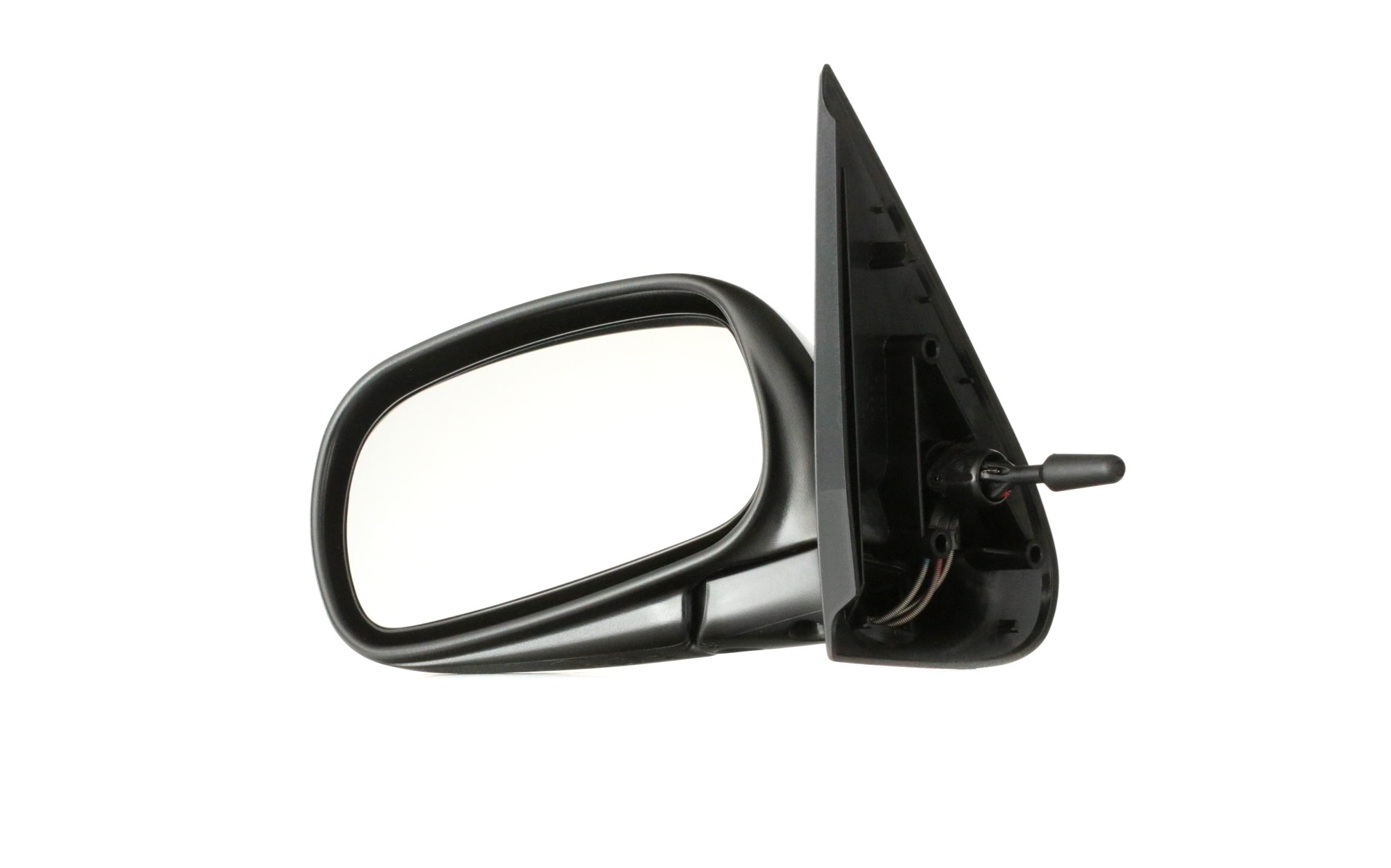
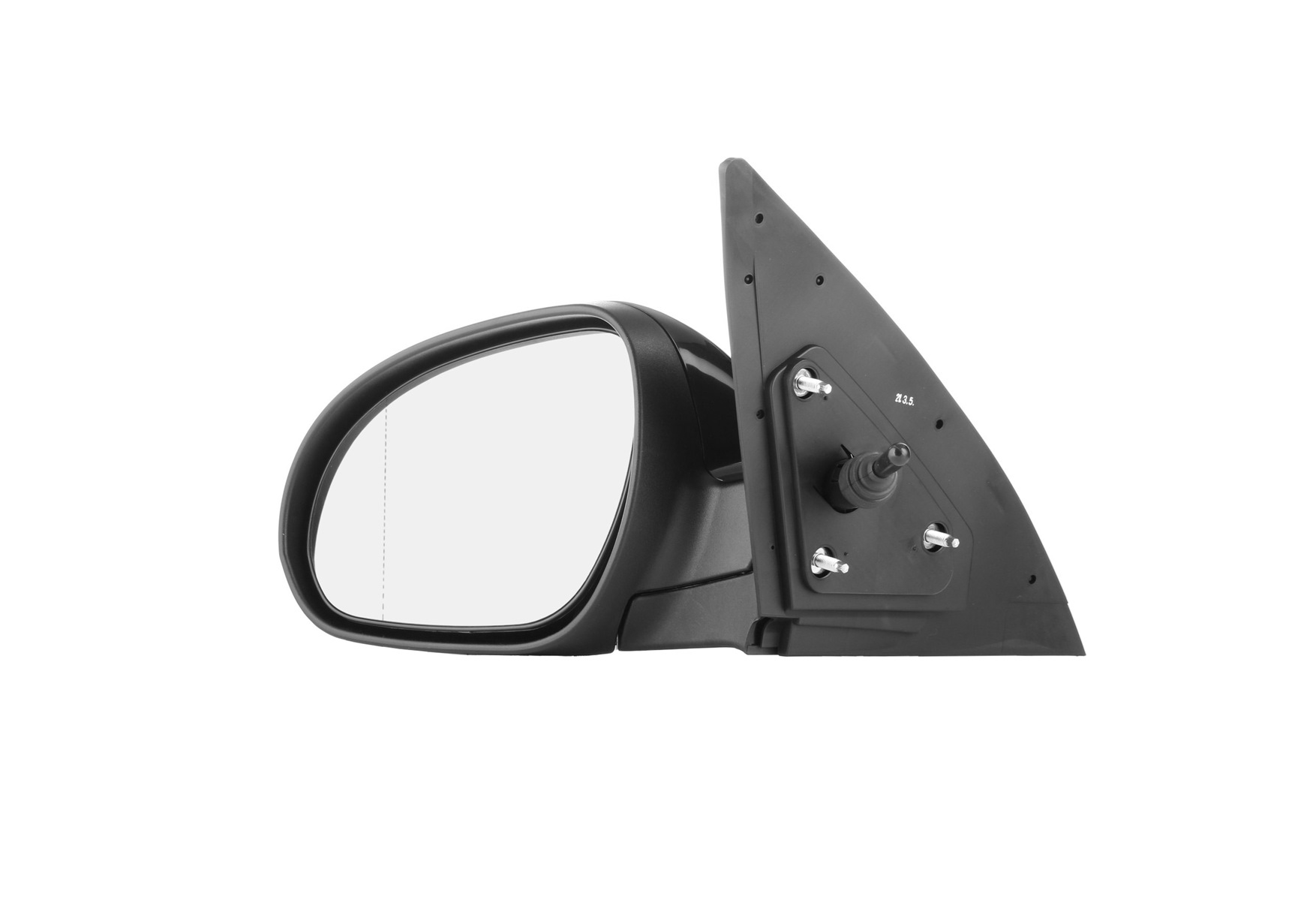 ABAKUS Wing mirror
Left, Smooth, Aspherical, Control: cable pull, for left-hand drive vehicles
Article number: 1513M03
£34.99price incl. 20% VAT, excl. delivery costs
-37%
ABAKUS Wing mirror
Left, Smooth, Aspherical, Control: cable pull, for left-hand drive vehicles
Article number: 1513M03
£34.99price incl. 20% VAT, excl. delivery costs
-37%
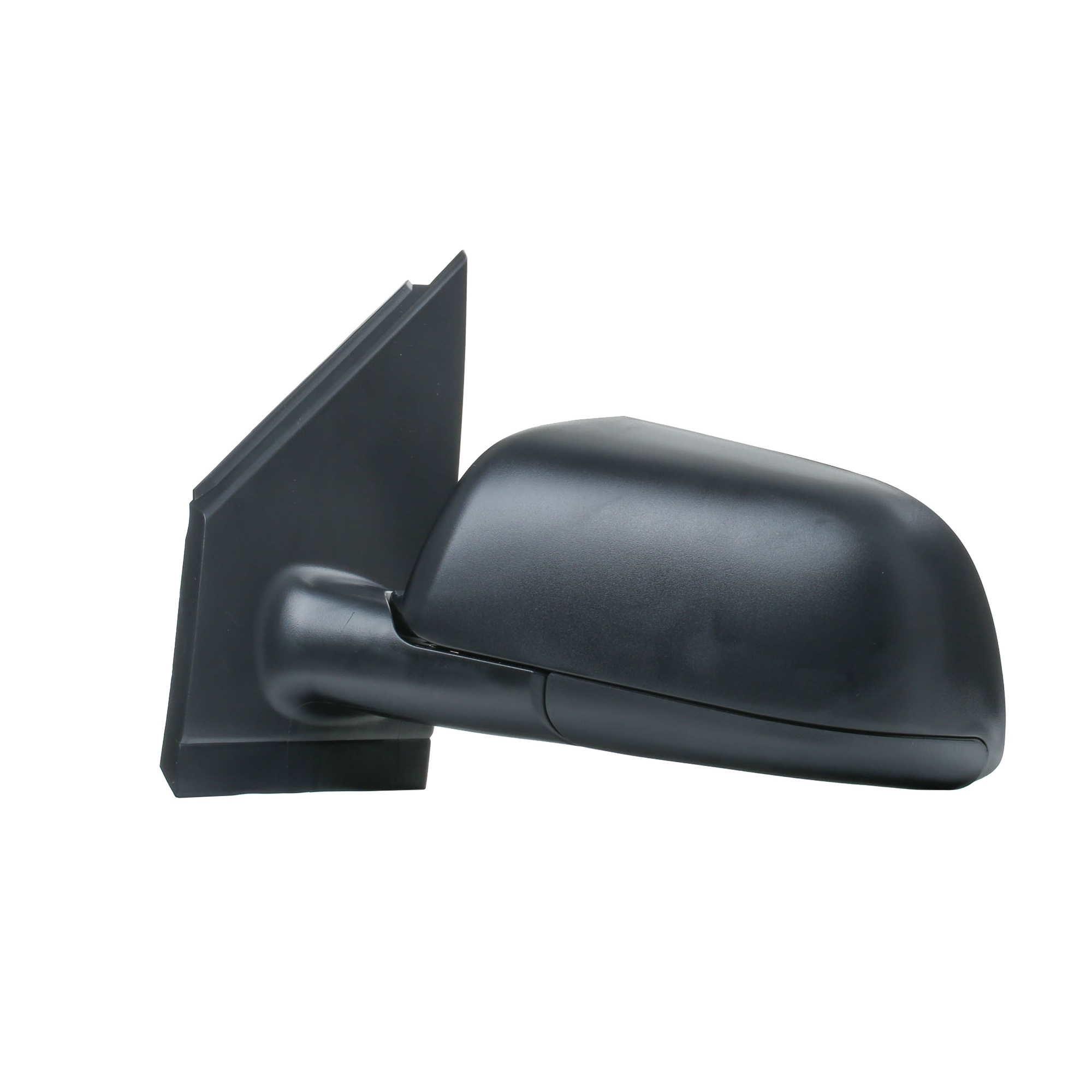
 ALKAR Cover, outside mirror
Left, primed
Article number: 6341394
compared to
RRP
£16.75
£10.49price incl. 20% VAT, excl. delivery costs
ALKAR Cover, outside mirror
Left, primed
Article number: 6341394
compared to
RRP
£16.75
£10.49price incl. 20% VAT, excl. delivery costs
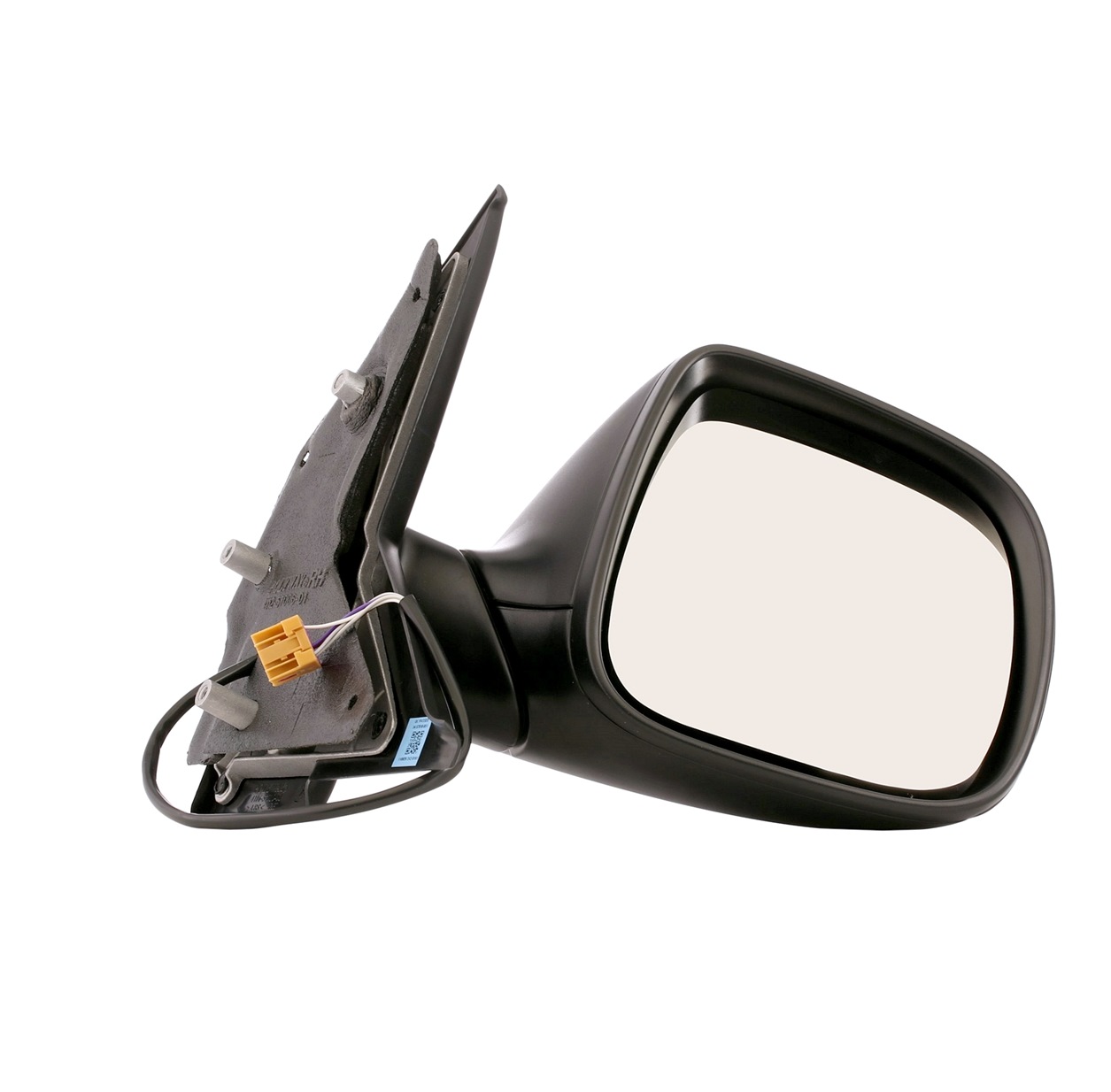
 Article number: MER-MR-004
£12.49price incl. 20% VAT, excl. delivery costs
Article number: MER-MR-004
£12.49price incl. 20% VAT, excl. delivery costs
 TYC Cover, outside mirror
Left, primed
Article number: 338-0042-2
£25.49price incl. 20% VAT, excl. delivery costs
TYC Cover, outside mirror
Left, primed
Article number: 338-0042-2
£25.49price incl. 20% VAT, excl. delivery costs
What is a car blind spot mirror?
A car blind spot mirror is a small, convex mirror that attaches to the standard side mirror to expand the driver's field of vision. These mirrors are inexpensive, easy to install, and can reduce the blind zone significantly, especially when merging, turning, or changing lanes. They’re particularly valuable for urban driving where interactions with cyclists and pedestrians are frequent.
When choosing a blind spot mirror, drivers should consider whether they want a fixed or adjustable model. Fixed mirrors offer a wide view, while adjustable ones can be angled to suit the driver’s height and seating position. Some modern vehicles integrate this feature directly into their mirror housings.
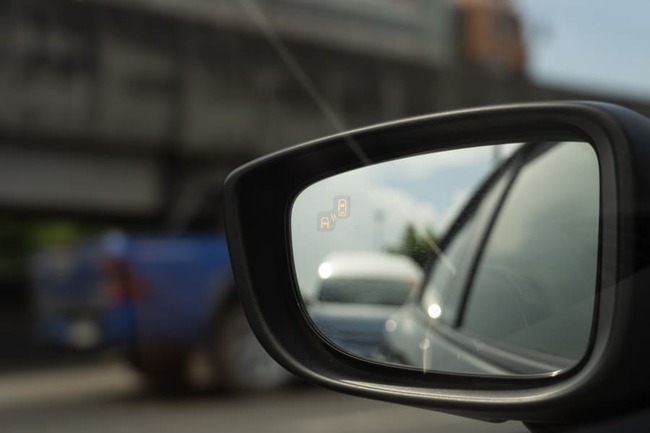
Where should you place a blind spot mirror?
For optimal effectiveness, place the blind spot mirror in the upper outer corner of the side mirror furthest from the vehicle. This placement offers the widest additional field of vision without obstructing the main reflection. However, placement can be adjusted depending on the driver’s seating position and personal preference.
Make sure both mirrors are clean and properly aligned. Take a few moments to test the view while parked; check that you can see objects in the adjacent lane and spot pedestrians or cyclists approaching from behind. If visibility is limited, reposition the mirror accordingly.
Blind Spot Detection (BSD)
Many modern vehicles are now equipped with Blind Spot Detection (BSD) systems. These use ultrasonic sensors located in the side mirrors or rear bumpers to detect approaching vehicles or objects within vehicle blind spot zones. When a vehicle enters the blind spot, the system triggers a visual warning on the mirror, often in the form of a red triangle.
If the driver attempts to change lanes and activates the indicator, an additional acoustic signal may sound. In some cases, car safety systems, such as the Electronic Stability Control (ESC), intervene by tightening the seatbelt or applying the brakes to avoid a collision or protect the driver when an accident is imminent. While BSD is highly effective, you should ALWAYS check mirrors and look over your shoulder before turning or switching lanes.
Sold by AUTODOC Sold by AUTODOC Sold by AUTODOC Sold by AUTODOC Sold by AUTODOC
 Article number: 9202985
£43.49price incl. 20% VAT, excl. delivery costs
Article number: 9202985
£43.49price incl. 20% VAT, excl. delivery costs
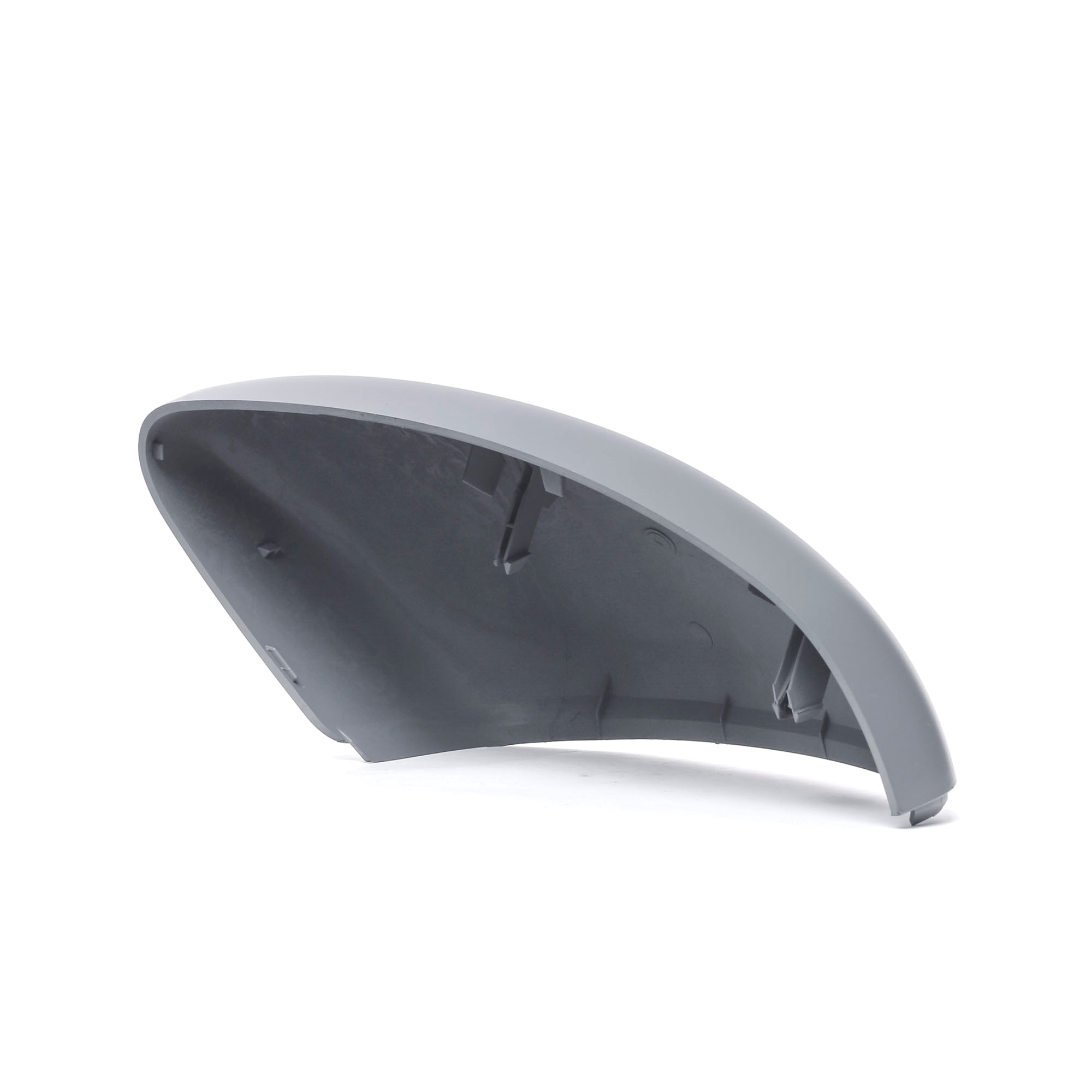 TYC Cover, outside mirror
Left, primed
Article number: 326-0114-2
£15.49price incl. 20% VAT, excl. delivery costs
-65%
TYC Cover, outside mirror
Left, primed
Article number: 326-0114-2
£15.49price incl. 20% VAT, excl. delivery costs
-65%
 Article number: 6432948
compared to
RRP
£34.26
£11.99price incl. 20% VAT, excl. delivery costs
-34%
Article number: 6432948
compared to
RRP
£34.26
£11.99price incl. 20% VAT, excl. delivery costs
-34%
 Article number: 6127407
compared to
RRP
£73.02
£47.99price incl. 20% VAT, excl. delivery costs
Article number: 6127407
compared to
RRP
£73.02
£47.99price incl. 20% VAT, excl. delivery costs
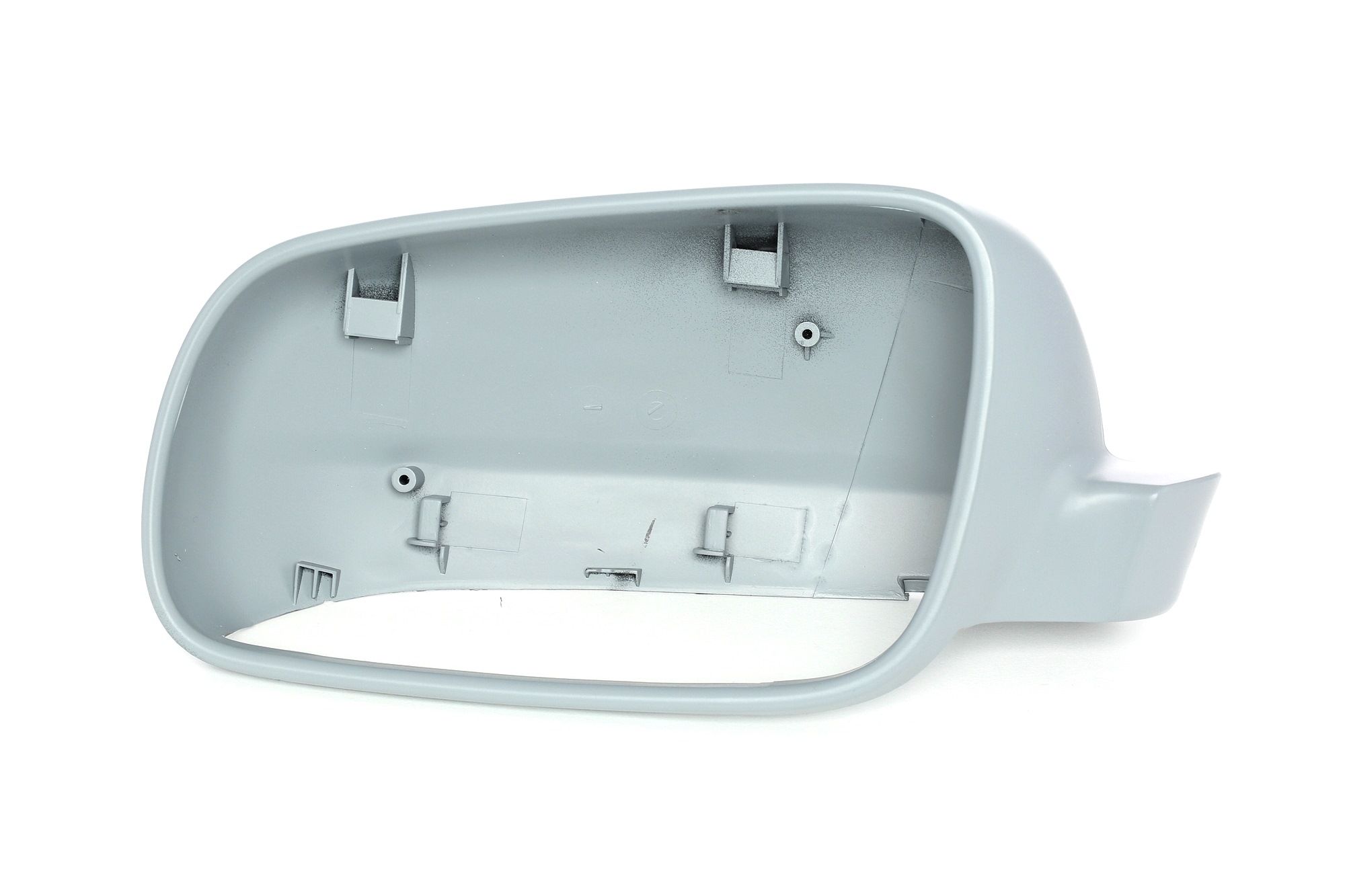 TYC Cover, outside mirror
Left, primed, for large mirror housing
Article number: 337-0038-2
£12.49price incl. 20% VAT, excl. delivery costs
TYC Cover, outside mirror
Left, primed, for large mirror housing
Article number: 337-0038-2
£12.49price incl. 20% VAT, excl. delivery costs
Tips to reduce blind spot-related accidents
To improve road safety and reduce the risk of accidents caused by blind spots, follow these best practices:
- Always check all mirrors, including your blind spot mirror, before changing lanes, overtaking, or turning.
- Look over your shoulder as an added precaution, even if your mirrors and BSD system appear clear.
- Anticipate pedestrian and cyclist paths, especially at intersections, cycle lanes, and pedestrian crossings.
- Use your mirrors effectively before exiting the vehicle. A quick glance over your shoulder can prevent “dooring” accidents with passing cyclists.
- Ask for help when parking or manoeuvring in tight spaces – another set of eyes can make all the difference.
- Install and test your blind spot mirror properly, making sure it complements your existing mirror view rather than distorting or duplicating it.
Conclusion
Blind spots remain a critical safety issue in everyday driving, especially in urban settings. While no system is foolproof, the combination of properly adjusted mirrors, blind spot mirrors, and cautious habits significantly reduces the risk of accidents. Regardless of your experience, understanding and managing blind spots is a vital part of responsible driving.
A useful video on this topic:
How to replace side mirror glass
Top products related to this topic: