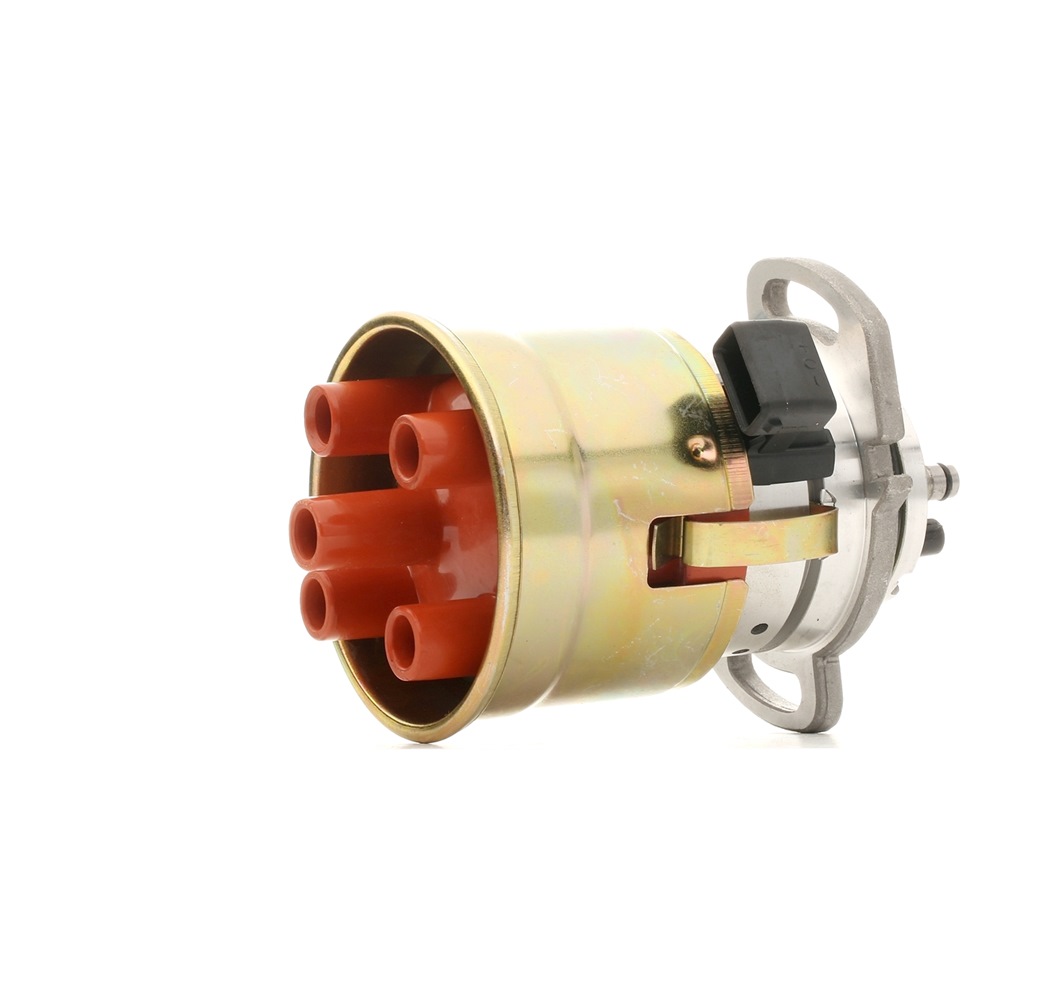
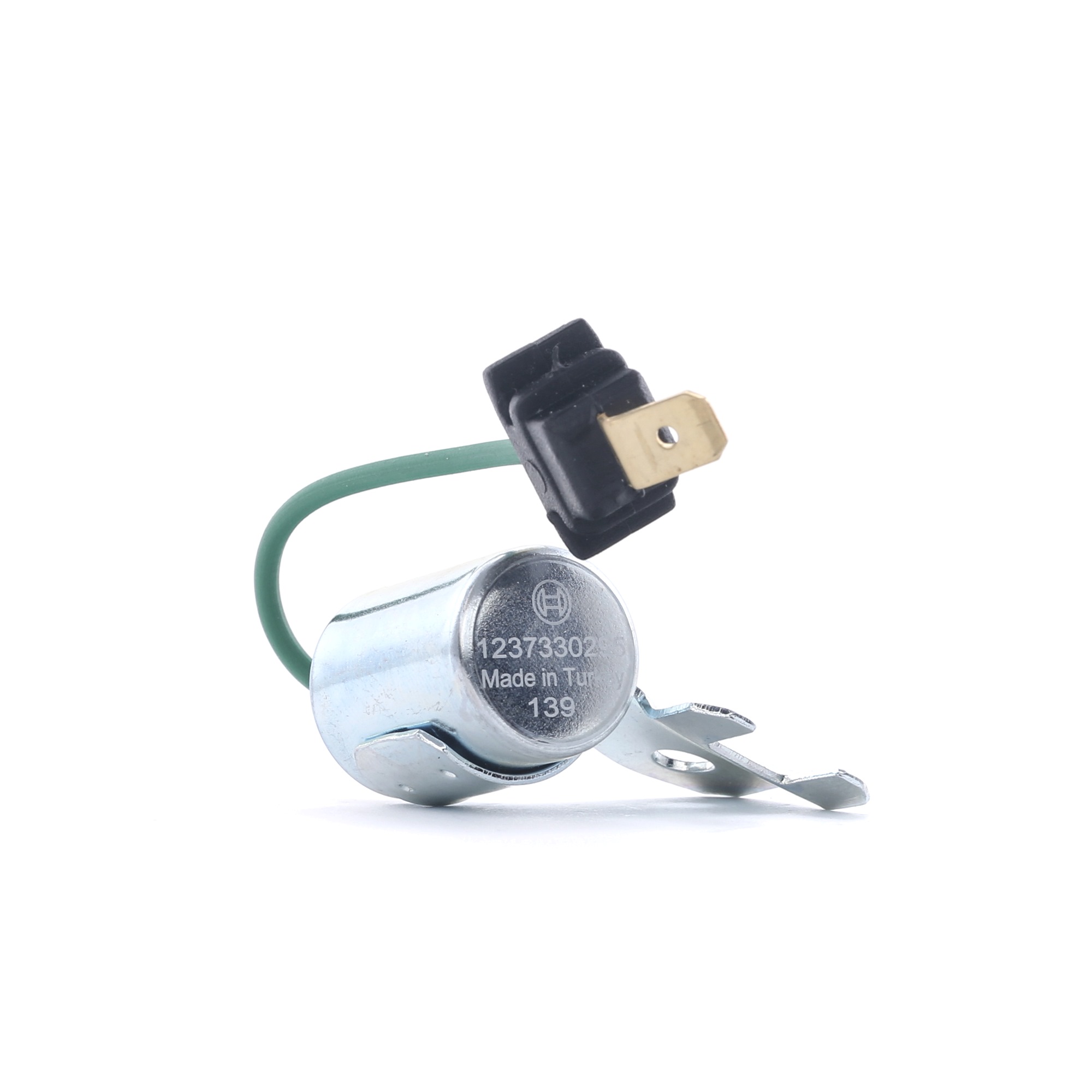
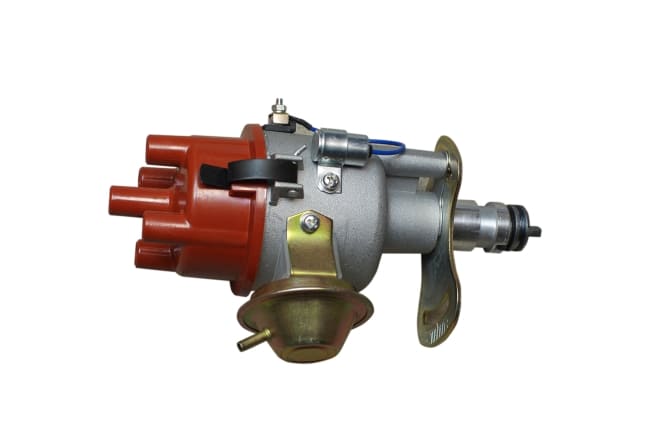
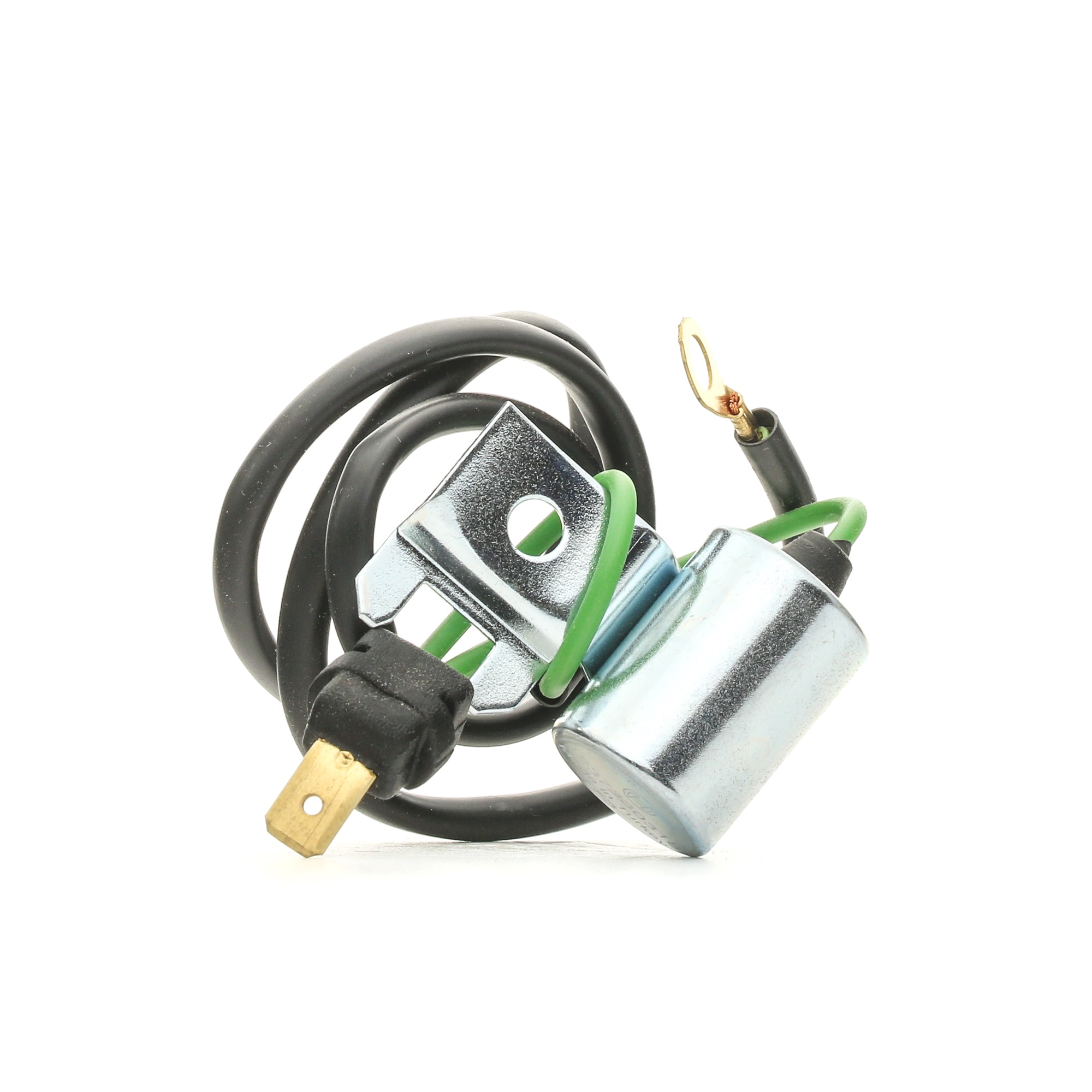
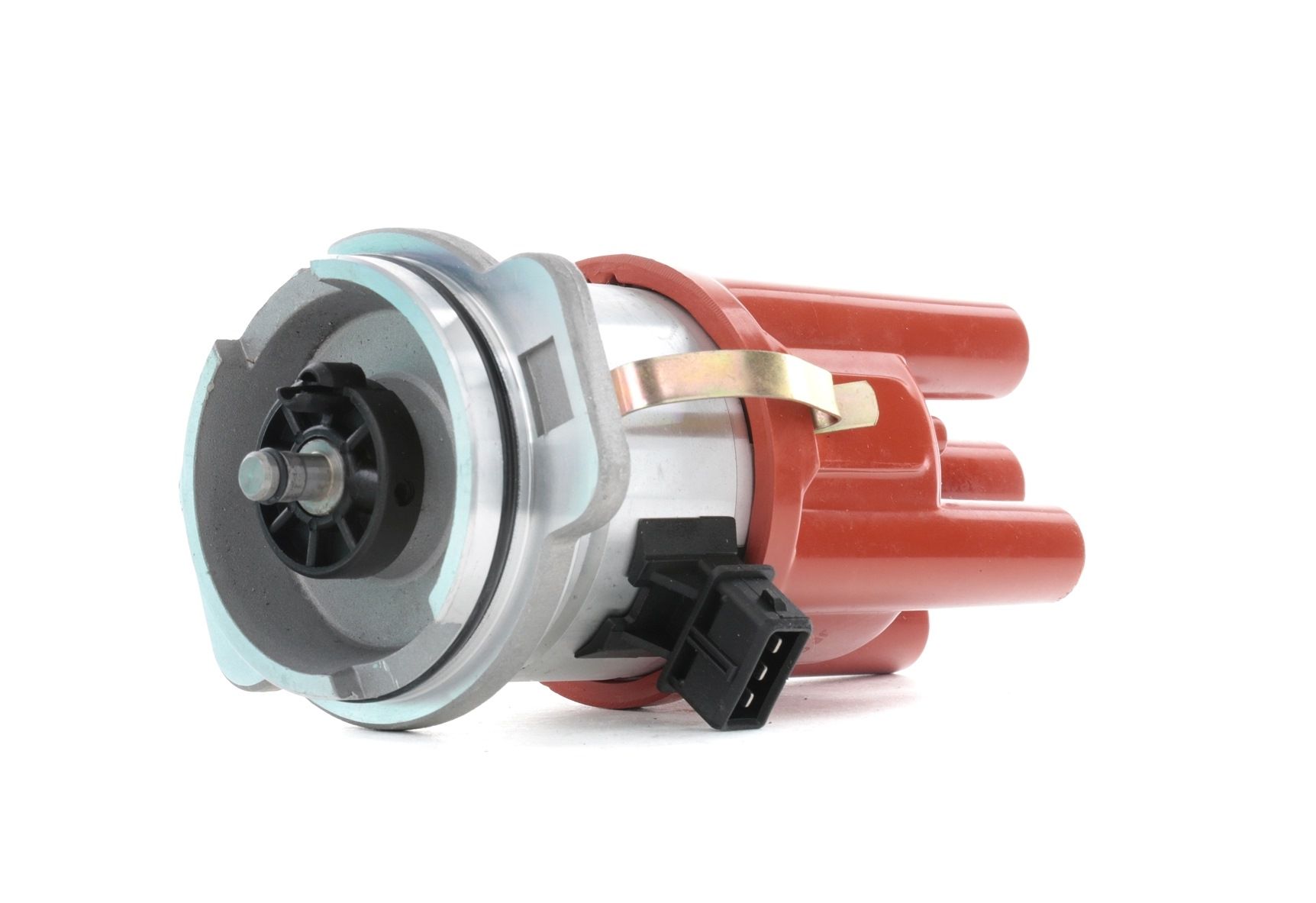
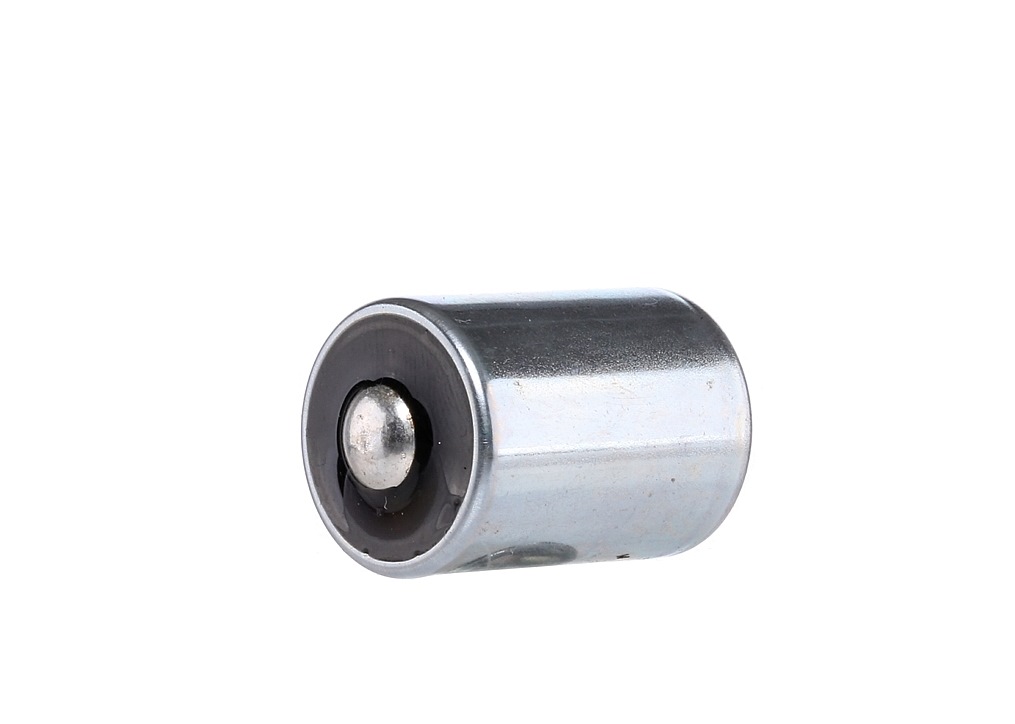
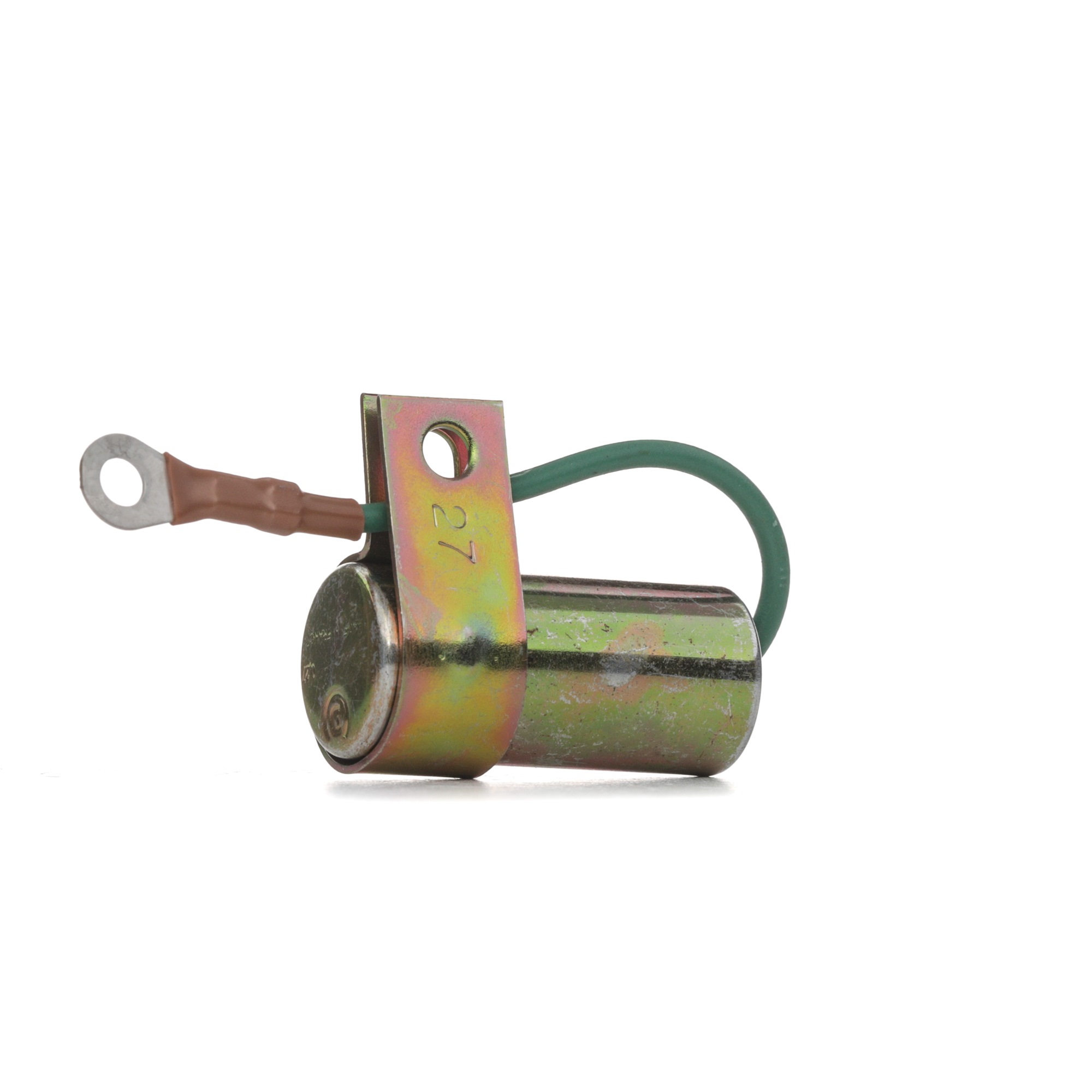
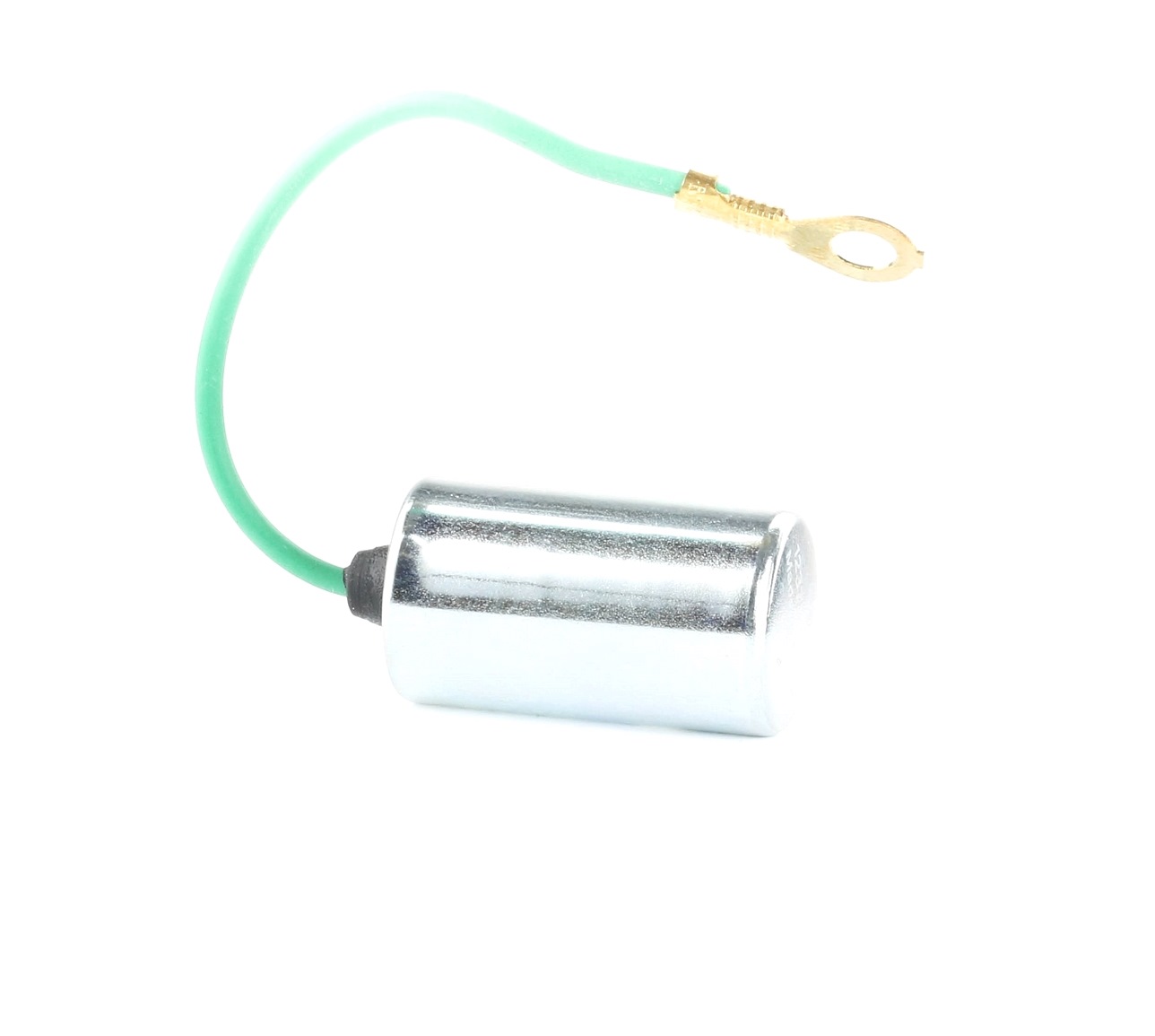
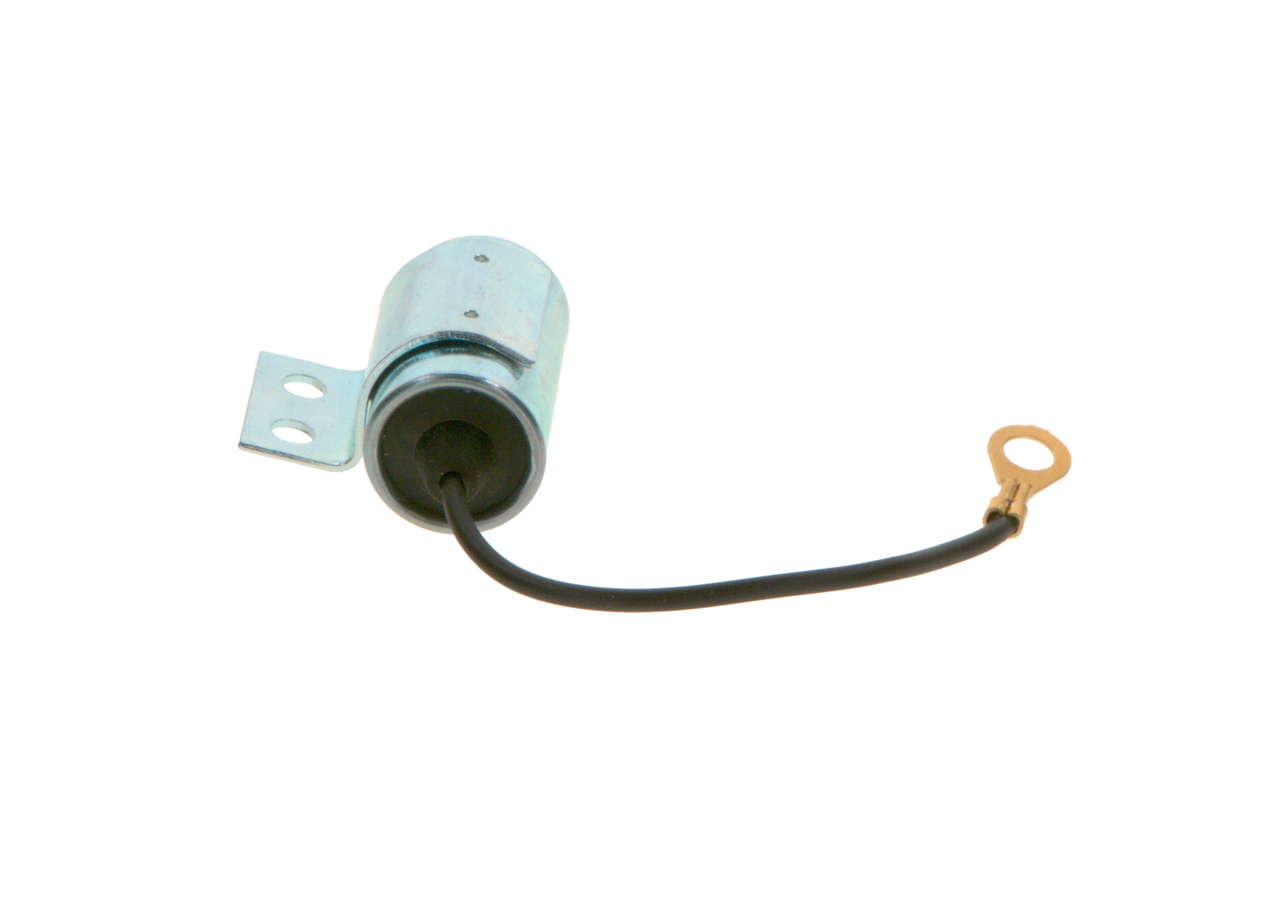
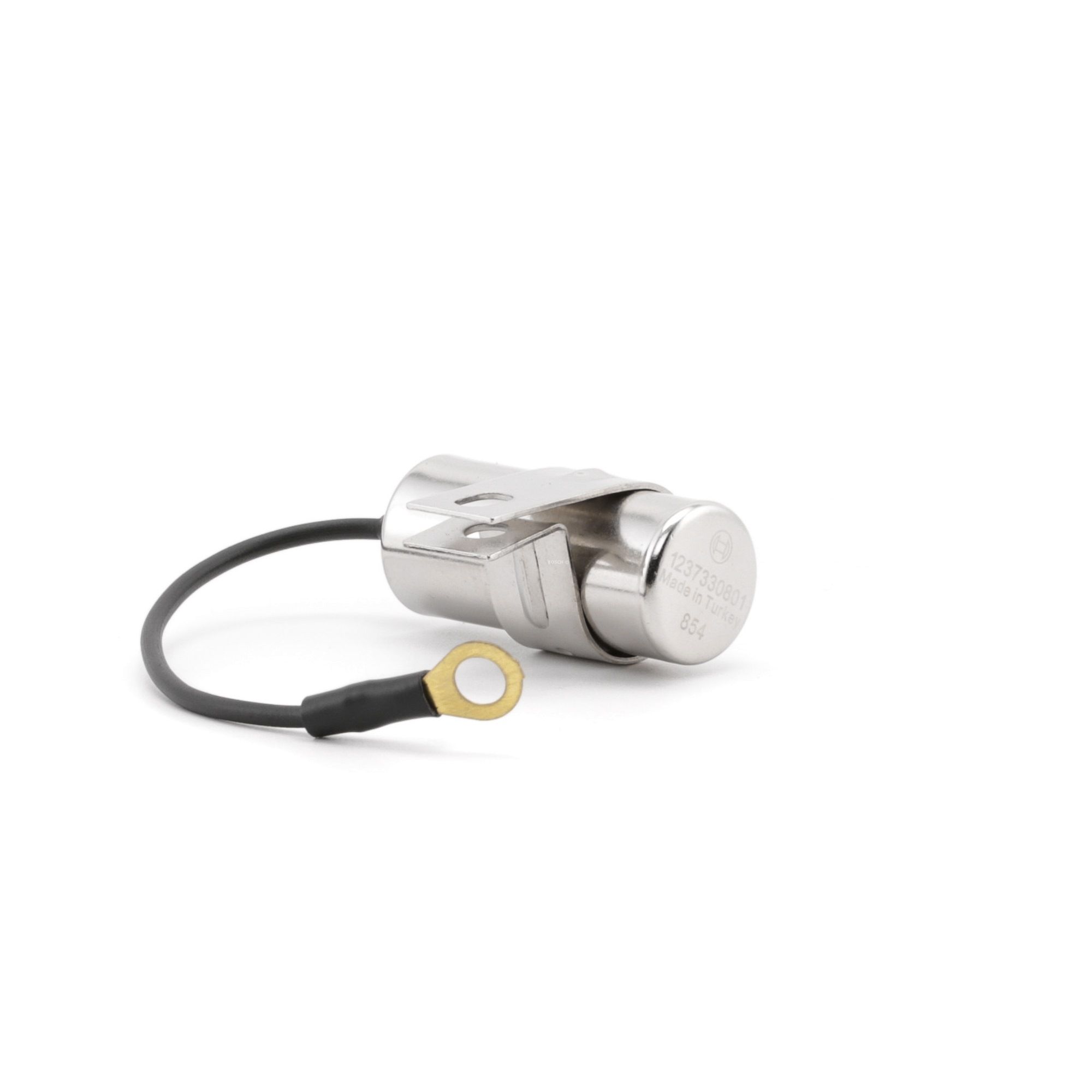
A car distributor plays a key role in the ignition system of older vehicles. Its job is to send high-voltage electricity from the ignition coil to each spark plug at exactly the right time. This timing is essential for your engine to run smoothly and efficiently. You’ll typically find distributors in vehicles built before the mid-1990s, where they help ensure the engine fires in the correct sequence.
What is a car distributor, and how does it work?
A car distributor consists of a rotating shaft (the distributor rotor), which is housed within a protective cap. High voltage from the ignition coil enters through the central terminal and travels to the rotor. From there, it is distributed to individual spark plugs via ignition leads. The rotor spins in sync with the engine to ensure that each cylinder fires at the optimal moment.
Key components include:
Distributor cap (protective housing)
Rotor arm (rotating contact)
Points or electronic trigger
Advance mechanisms
Signs that your distributor needs replacing
Watch for these common symptoms indicating distributor problems:
Symptom category
Warning signs
Severity
Engine performance
Rough idling or irregular engine rhythm
Moderate
Difficulty starting, especially when cold
Moderate
Engine misfiring during acceleration
High
Sudden stalling whilst driving
High
Reduced fuel economy
Low
Visual indicators
Cracks or carbon tracking on distributor cap
High
Corroded or burnt contacts inside cap
Moderate
Oil or moisture inside distributor
High
Worn rotor arm with excessive burning
Moderate
Electrical issues
Intermittent spark or complete ignition failure
High
Engine backfiring through exhaust
High
Poor performance at high RPM
Moderate
When should you replace your distributor?
Although there are general mileage guidelines, it is important to watch out for signs of wear. Here’s a rough idea of when parts typically need replacing:
Distributor cap: every 25,000–50,000 miles
Rotor arm: around every 50,000 miles
Complete distributor (if needed): between 80,000 and 100,000 miles.
Bear in mind that these figures are only approximate. If your vehicle is subject to harsh driving conditions or extreme temperatures, or if it hasn't been well maintained, wear may occur sooner. Pay attention to how your engine runs, and don't hesitate to inspect or replace components early if necessary.
Over time, the contact points inside the distributor can wear down. Each spark burns away a tiny bit of metal, leaving behind an oxide layer that interferes with electrical flow. This can lead to weaker sparks and noticeable drops in engine performance.
Moisture getting inside
If the distributor cap develops cracks, moisture can seep in. When that happens, the electrical current may jump to the wrong places, causing misfires. This issue is especially common in damp climates, like the often rainy conditions in the UK.
Mechanical wear and tear
The distributor is constantly exposed to heat and engine vibrations. These forces gradually take a toll, especially on the plastic cap, which can become brittle and crack over time.
DIY distributor cap replacement
Replacing a distributor cap yourself is a manageable task if you have the right tools and a bit of patience. Here’s what you’ll need to get started:
Tools required:
A basic screwdriver set
Masking tape
A marker pen
The masking tape and marker will help you label the spark plug wires before removing them, so you can reconnect everything in the correct order. This step is key to keeping your engine running smoothly after the replacement.
Step-by-step process:
Preparation: Ensure the engine is cool and disconnect the battery
Locate the distributor: Follow ignition leads from spark plugs - they converge at the distributor cap
Mark lead positions: Use tape to label each ignition lead's position before removal
Remove the old cap: Unclip or unscrew the distributor cap (typically two clips or screws)
Transfer leads: Move each lead to the corresponding position on your new distributor cap immediately to maintain firing order
Install and test: Secure the new cap and start the engine
AUTODOC expert advice: Always work with the engine switched off and battery disconnected when handling ignition components.
Professional vs DIY replacement
Replacing a distributor cap is usually a straightforward task, especially if you’re comfortable working with your car’s electrical system. However, if you’re unsure or don’t have the necessary tools, it may be best to let a professional handle it. A qualified mechanic can not only install the new part but also inspect related components and verify that your engine’s timing is correctly set for optimal performance.
Professional replacement typically costs between £50 and £150, including labour. The final price can vary depending on your vehicle’s make and model, as well as local garage rates.
Choosing quality replacement parts
When it comes to replacing your distributor or its components, choosing quality parts such as a Bosch distributor is essential for long-term reliability and performance. Trusted brands like Bosch are known for precise engineering and dependable operation. That said, many high-quality aftermarket options are also available.
What to look for:
Make sure the part fits your vehicle’s make, model, and year
Select OEM (Original Equipment Manufacturer) or equivalent quality
Consider replacing the rotor arm at the same time for best results
Check that the terminal layout matches your current distributor
Distributor parts are widely available through both online and local suppliers. Just be sure to double-check compatibility before you buy car distributor parts to avoid installation issues later.
With a little routine care, you can help your distributor last longer and perform more reliably. Here are some simple but effective practices:
Keep the engine bay clean and dry to reduce moisture and dirt buildup
Replace air filters regularly to prevent dust and debris from reaching sensitive components
Fix oil leaks right away, since oil can damage electrical parts over time
Inspect the distributor cap during routine services to catch cracks or wear early
Make sure your engine timing is properly set to avoid unnecessary stress on the ignition system
Taking these steps can really help keep your ignition system in good shape and your engine running smoothly.
Modern alternative: distributorless systems
Since the mid-1990s, most vehicles have moved away from mechanical distributors in favour of distributorless ignition systems (DIS) or individual coil packs. These modern setups rely on electronic control modules to manage spark timing, offering greater precision and reliability. If your newer vehicle is having ignition issues, the cause is more likely to be found in components such as coil packs, spark plugs, or sensors rather than a distributor.
Frequently Asked Questions
Can I drive with a faulty distributor?
You might be able to drive for a short time, but it’s not recommended. A faulty distributor can lead to engine misfires, reduced fuel efficiency, and even long-term damage. It’s best to replace any faulty parts as soon as possible.
How long does it take to replace a distributor?
Replacing just the distributor cap usually takes between 15 and 30 minutes. If you’re replacing the entire distributor, expect the job to take about 1 to 2 hours.
Will installing a new distributor improve performance?
Yes. Replacing worn distributor components helps ensure accurate spark delivery, which can lead to smoother engine operation and better overall efficiency.
Conclusion
Understanding your vehicle’s distributor system is important if you own an older model. By inspecting it regularly and replacing worn parts promptly, you can avoid costly repairs and keep the engine running smoothly. If anything seems unclear, seek advice from a qualified automotive technician for an accurate diagnosis and repair.
Keep in mind that this guidance applies mainly to cars built before the mid-1990s; newer models use different ignition technologies.


 5 September 2025 (updated)