
Table of Contents

 15 December 2025 (updated)
 Tyre Valves: Types, Leak Symptoms, and Replacement Costs
A faulty valve might not be visible at a glance, yet it can slowly deflate your tyres, wear down your tread, and even throw off your fuel economy without warning. In this article, we’ll explore what tyre valves actually do, how to spot when something’s gone wrong, the different types found on modern vehicles, and what it’ll cost to fix or replace them.
Whether you're battling slow leaks or just want smoother drives, it all starts with a part no bigger than your finger.
Sold by AUTODOC Sold by AUTODOC Sold by AUTODOC Sold by AUTODOC Sold by AUTODOC
 Article number: NE00564
£0.99
Price per item
£3.96 / Price per 4 items
price incl. 20% VAT, excl. delivery costs
Article number: NE00564
£0.99
Price per item
£3.96 / Price per 4 items
price incl. 20% VAT, excl. delivery costs
 Article number: 9-529910
£33.99
Price per set of 100 pieces
price incl. 20% VAT, excl. delivery costs
Article number: 9-529910
£33.99
Price per set of 100 pieces
price incl. 20% VAT, excl. delivery costs
 Article number: 9-512512
£8.99
Price per item
price incl. 20% VAT, excl. delivery costs
Article number: 9-512512
£8.99
Price per item
price incl. 20% VAT, excl. delivery costs
 Article number: 9-512553
£3.99
Price per item
price incl. 20% VAT, excl. delivery costs
Article number: 9-512553
£3.99
Price per item
price incl. 20% VAT, excl. delivery costs
 Article number: 9-512573
£6.99
Price per item
price incl. 20% VAT, excl. delivery costs
Article number: 9-512573
£6.99
Price per item
price incl. 20% VAT, excl. delivery costs
What does a tyre valve do?
A tyre valve is the small component attached to the rim that allows you to add or release air from the tyres. It holds the air inside the tyre using an internal spring-loaded mechanism and a sealing core. Most valves are made of rubber for flexibility, but over time they deteriorate due to exposure to the elements, road debris, and constant movement.
Cracked or worn-out valves can cause slow leaks, reduced tyre pressure, contamination, and in some cases, complete deflation. That’s why it’s essential to check them regularly.
Are tyre valve caps important?
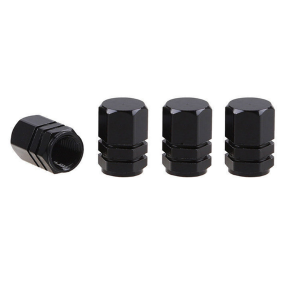
Absolutely. While they can easily be overlooked, car tyre valve caps serve as an extra seal, protecting the valve from dirt, dust, and moisture. Without a cap, debris can enter the valve, potentially compromising its seal and leading to slow leaks. So, make sure not to lose your caps when you pump up your tyres!
Valve caps are inexpensive, easy to replace, and provide an extra layer of defence, particularly in winter or off-road conditions.
Types of car tyre valves
Different vehicles and applications may use different valve types. Here are the most common ones for cars today:
Schrader valve (standard valve)
Also known as the “American valve,” this is the most widely used type for passenger cars. Its components include:
- A threaded metal body
- A spring-loaded core
- A protective cap
- A rubber or metal housing
Schrader valves are typically durable, easy to use, and compatible with most standard tyre inflators.
TPMS valve (Tyre Pressure Monitoring System)
Increasingly found on newer vehicles, TPMS valves have built-in electronic sensors that measure tyre pressure in real time. If the air pressure drops or spikes unexpectedly, a warning light should appear on your dashboard.
The only downside to this is that replacements can be more expensive due to their integrated sensors. Make sure to check your monitoring system’s requirements as some use ABS/speed sensors or sensors at the rim to monitor inflation.
You can learn more about the tyre pressure monitoring system and the warning light in the video below:
How to tell if your tyre valve is leaking
Detecting a valve leak early can help prevent more serious issues, including flat tyres and blowouts. Here are four simple ways to check:
1. Listen for hissing noises
A soft hissing noise near the valve stem often means air is escaping through it. This is a clear indication of a leak.
2. Try the bubble method
Mix a small amount of washing-up liquid with water and spray it over the valve stem (after removing the cap). If bubbles form, you’ve got a leak.
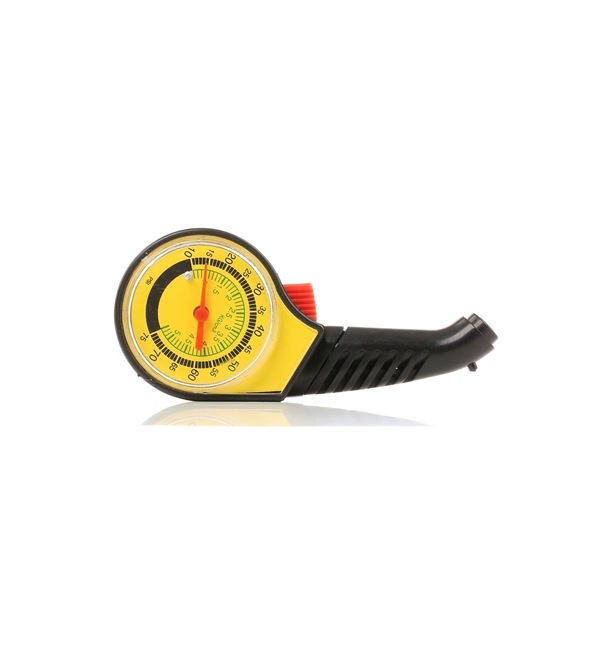
3. Use a tyre pressure gauge
Check each tyre using a reliable car tyre pressure gauge and compare the reading to your vehicle’s recommended PSI. If one tyre has a noticeably lower reading and no obvious puncture, the valve may be to blame.
4. The DIY method
No tools? Wet your finger and apply a bit of saliva over the valve. It’s not glamorous, but any bubbling is a sign of a leak.
How much does a tyre valve replacement cost?
Replacing a standard tyre valve is quick, easy, and affordable. In the UK:
- Garage/installation cost: around £10 per tyre – usually included in the price of a tyre replacement.
- DIY cost: less than £10 for a full set, provided you have the right tools and skills.
If your tyres deflate after replacing the valves, reinflate them at home with an air compressor for your car. It’s a handy tool for maintaining tyre pressure regularly without having to go to a petrol station and avoiding fuel inefficiency.
Maintenance tips to extend the valve lifespan
- AUTODOC experts recommend monthly inspections for cracks or deformation.
- Keep valve caps on to block dirt and moisture.
- Check the tyre pressures regularly, especially before long drives or seasonal temperature changes.
- Try not to hit kerbs or damage the rims as this could impact your tyres, leading to cracks and leaks.
- Replace the valves if your tyres are losing pressure but there’s no visible puncture.
On a final note…
Though small and inexpensive, tyre valves are vital to your vehicle's performance and safety. Regular checks and timely replacements can prevent breakdowns and keep your tyres in top condition.
Whether you're driving a modern car with TPMS or a classic with standard Schrader valves, keep them clean, sealed, and functioning. Don’t forget to replace worn-out valve caps, use a reliable pressure gauge, and keep an air compressor handy to stay road-ready.
Sold by AUTODOC Sold by AUTODOC Sold by AUTODOC Sold by AUTODOC Sold by AUTODOC
 Article number: 9-512583
£8.29
Price per item
price incl. 20% VAT, excl. delivery costs
Article number: 9-512583
£8.29
Price per item
price incl. 20% VAT, excl. delivery costs
 Article number: 9-521515
£67.99
Price per set of 100 pieces
price incl. 20% VAT, excl. delivery costs
Article number: 9-521515
£67.99
Price per set of 100 pieces
price incl. 20% VAT, excl. delivery costs
 Article number: 952PL
£12.99
Price per set of 2 pieces
price incl. 20% VAT, excl. delivery costs
Article number: 952PL
£12.99
Price per set of 2 pieces
price incl. 20% VAT, excl. delivery costs
 Article number: 9-529950
£35.49
Price per set of 100 pieces
price incl. 20% VAT, excl. delivery costs
Article number: 9-529950
£35.49
Price per set of 100 pieces
price incl. 20% VAT, excl. delivery costs
 Article number: 9-522018
£40.99
Price per set of 100 pieces
price incl. 20% VAT, excl. delivery costs
Article number: 9-522018
£40.99
Price per set of 100 pieces
price incl. 20% VAT, excl. delivery costs
Frequently Asked Questions (FAQ)
Can I drive with a leaking tyre valve?
Driving with a leaking valve is risky. Even a slow leak can reduce grip, increase braking distance, and damage the tyre. Get it inspected or replaced as soon as possible.
Do tyre valves have expiry dates?
No official expiry date exists, but most rubber valves need to be replaced every 4 to 6 years – normally at the same time as a tyre replacement.
Are metal valve stems better than rubber ones?
Metal stems are more durable and heat-resistant, often used in performance or heavy-duty vehicles. However, they’re also more expensive and can corrode if left without a cap.
Top products related to this topic:


