
Table of Contents
 25 November 2025 (updated)
 Idle control valve: function, symptoms, and replacement cost
What does the idle control valve do?

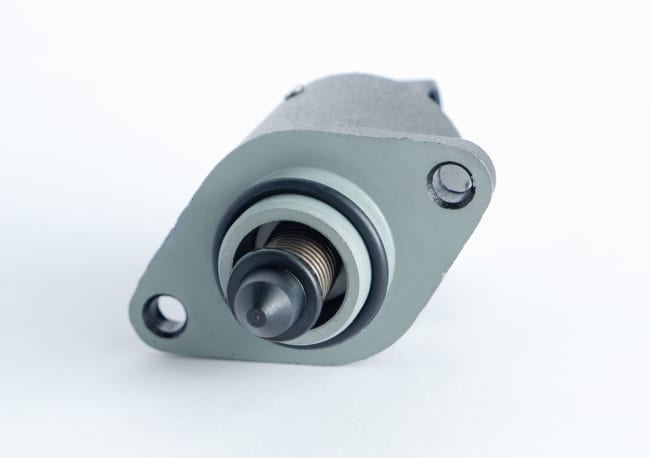
In case you aren’t familiar with the term, idling is when the engine is left running but the car stays still. To keep the engine running smoothly at a steady speed during these moments, your vehicle relies on a component known as the idle air control (IAC) valve. The idle air control (IAC) valve plays a key role in ensuring that the engine idles smoothly and at a consistent RPM. It is located on the car throttle body, which regulates the amount of air flowing into the engine for combustion and, consequently, the speed of the motor. The more you press on the accelerator pedal, the more air the throttle releases into the intake manifold, increasing the engine power. Releasing the pedal will reduce the airflow and RPM. When idling, the IAC valve essentially takes over, supplying enough air to keep the motor running stably and prevent stalling.
Sold by AUTODOC Sold by AUTODOC Sold by AUTODOC Sold by AUTODOC Sold by AUTODOC
 Article number: 95SKV951
£26.49price incl. 20% VAT, excl. delivery costs
-61%
Article number: 95SKV951
£26.49price incl. 20% VAT, excl. delivery costs
-61%
 Article number: 6NW 358 189-011
compared to
RRP
£36.04
£13.99price incl. 20% VAT, excl. delivery costs
Article number: 6NW 358 189-011
compared to
RRP
£36.04
£13.99price incl. 20% VAT, excl. delivery costs
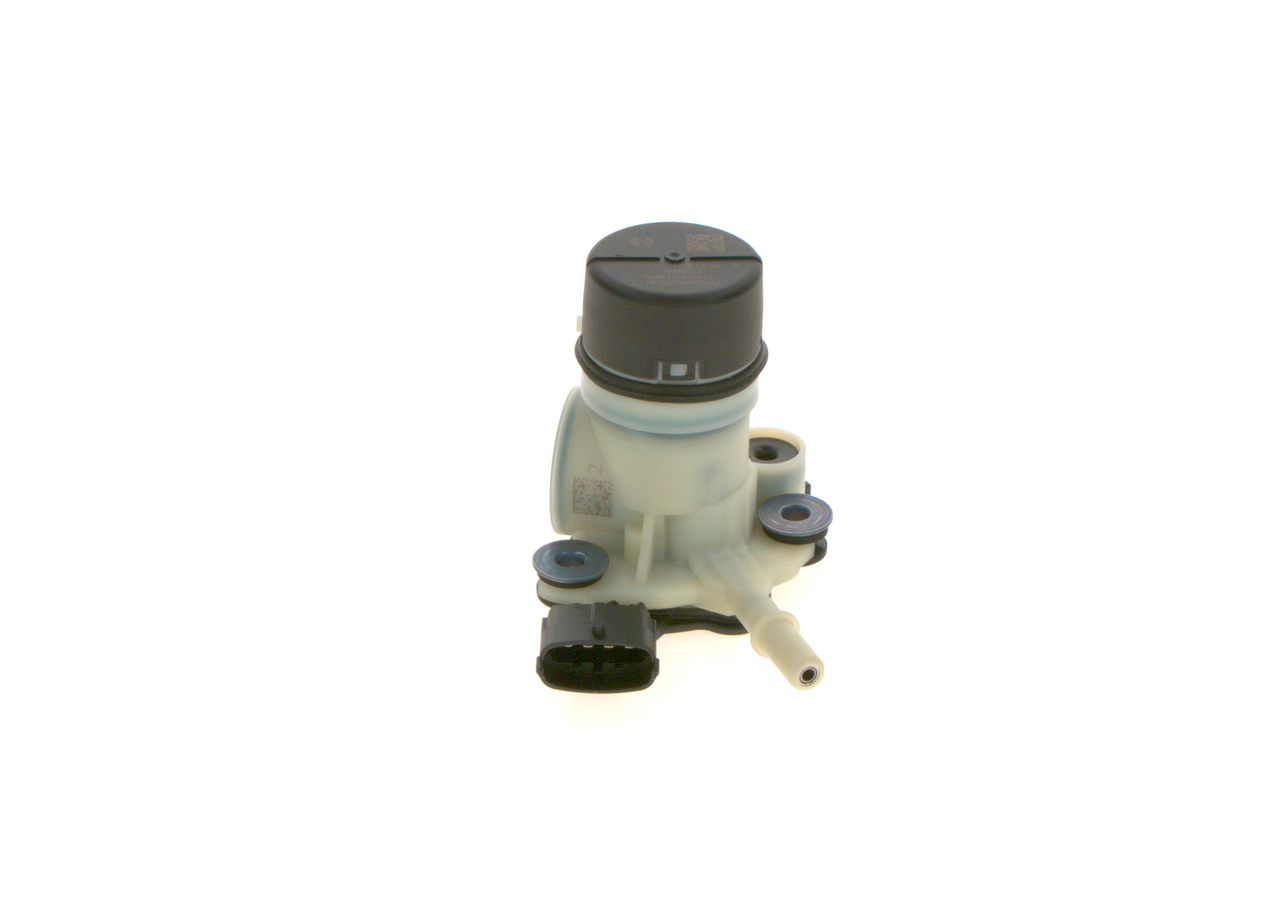 BOSCH Adjusting Potentiometer, idle mixture
Article number: F 01C 600 328
£412.50price incl. 20% VAT, free delivery
BOSCH Adjusting Potentiometer, idle mixture
Article number: F 01C 600 328
£412.50price incl. 20% VAT, free delivery
 BOSCH Adjusting Potentiometer, idle mixture
Article number: F 01C 600 073
£11.99price incl. 20% VAT, excl. delivery costs
-62%
BOSCH Adjusting Potentiometer, idle mixture
Article number: F 01C 600 073
£11.99price incl. 20% VAT, excl. delivery costs
-62%
 Article number: 6NW 358 189-001
compared to
RRP
£36.04
£13.49price incl. 20% VAT, excl. delivery costs
Article number: 6NW 358 189-001
compared to
RRP
£36.04
£13.49price incl. 20% VAT, excl. delivery costs
Causes of idle control valve problems
Over time, the idle air control valve may develop faults due to contamination, electrical issues, or other system failures. Here are the most common causes:
Build up of dirt or grime
One of the most common causes of idling problems is a clogged IAC valve. Over time, carbon deposits and contaminants can build up around the component, obstructing or blocking it completely. This often occurs as a result of using poor-quality fuel or poor maintenance. It may be possible to fix the fault by cleaning the component using a suitable intake system or throttle body cleaner.
Electrical problems
There is always a possibility that the issue has been caused by a poor electrical connection, particularly in older vehicles. For example, loose or corroded connectors and faults such as short circuits can stop the idle speed control valve from operating properly.
Vacuum leaks
If there is a fault when idling, it could also be the result of a leak. A vacuum leak can cause excess air to be sucked into the system, bypassing the valve and affecting the air-fuel mixture. This causes the RPM to increase and decrease erratically. The valve itself could be leaking or the culprit may be a worn or broken seal or damaged hose, for example. Rough idling can also occur due to faulty spark plugs, filters and car fuel injectors. It is therefore necessary to check the other parts of a car fuel system.
Other fuel and ignition system issues
Sometimes, symptoms like rough idling or stalling may not be caused by the IAC valve at all. Faulty spark plugs, clogged air filters, or dirty fuel injectors can also mimic valve-related problems. That’s why it is important to inspect the full fuel and ignition system before replacing any parts.
Symptoms of a faulty idle air control valve
Rough idling & fluctuating RPM
The idle air control valve (IAC) is responsible for maintaining a steady idle speed, so when it starts to malfunction, the engine may idle roughly or inconsistently. You might notice the RPM rising and falling erratically, or the engine vibrating or shaking more than usual. These fluctuations often occur because the valve is not regulating airflow correctly, resulting in an imbalanced air-fuel mixture. While a faulty IAC is a common cause, issues with spark plugs, fuel injectors, or vacuum leaks may also be responsible, making a full diagnostic inspection essential.
Engine stalling
If there isn’t enough air flowing through the valve, the engine won’t have the power to run and may stall suddenly during idling. Moreover, it can stall when the vehicle is stopped or idling with added strain, such as when the air conditioning or headlights are on.
Check engine light comes on
When the engine control unit (ECU) detects irregularities in idling or air intake, it may trigger the check engine light. In such cases, scanning the car’s onboard diagnostics (OBD) using a diagnostic tool can help identify the fault code linked to the IAC valve or associated components. Alternatively, a professional technician can run a detailed scan and suggest appropriate repairs.
How much does it cost to replace an idle control valve
In the UK, the total cost of replacing an idle air control valve can vary significantly depending on your car’s make, model, and the labour rates charged by your mechanic. Here's what to expect:
| Service type | Estimated cost |
| DIY replacement (part only) | £12 – £150 |
| Professional replacement | £80 – £500+ (parts + labour) |
Sold by AUTODOC Sold by AUTODOC Sold by AUTODOC Sold by AUTODOC Sold by AUTODOC
 Article number: EPP-ME-022
£18.99price incl. 20% VAT, excl. delivery costs
Article number: EPP-ME-022
£18.99price incl. 20% VAT, excl. delivery costs
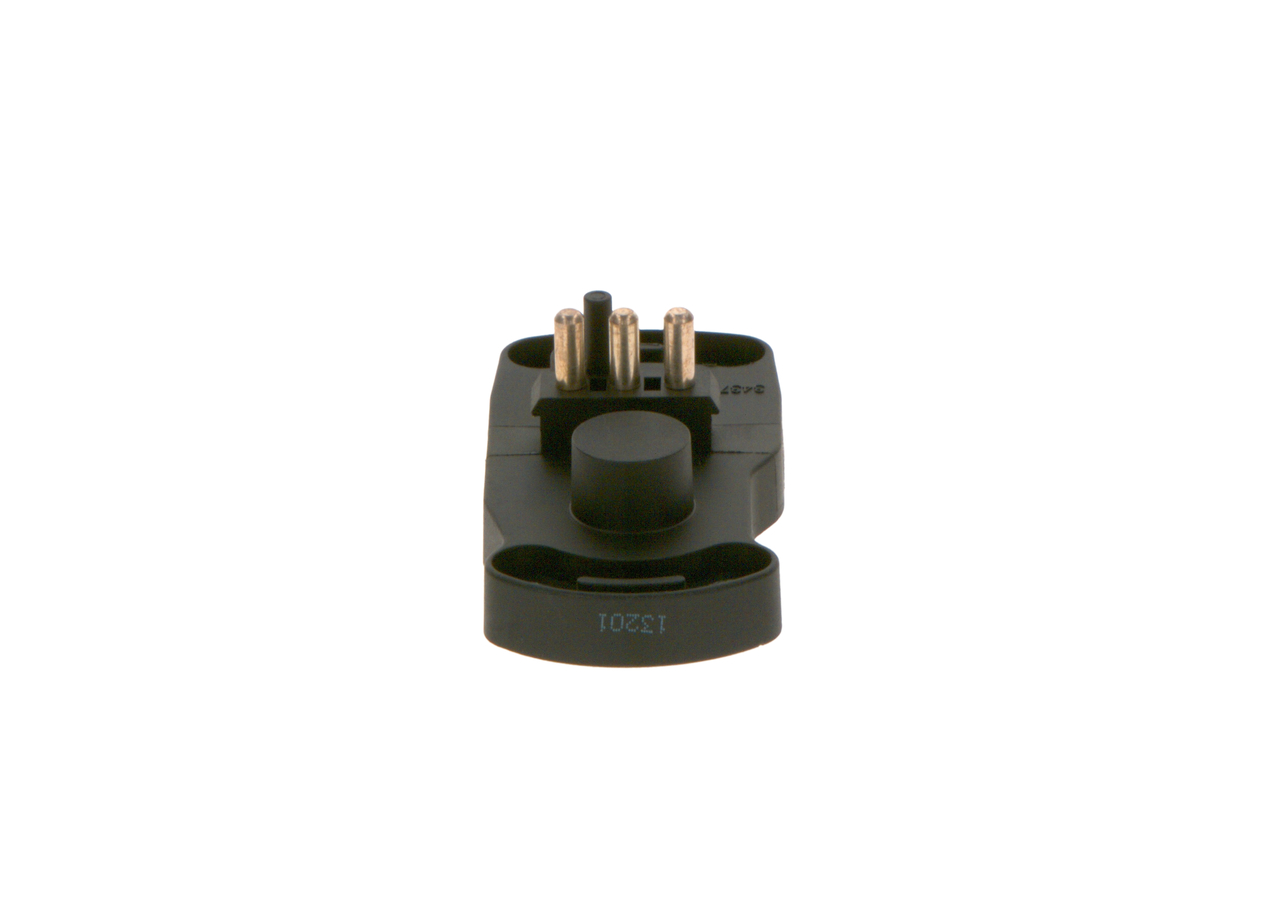 BOSCH Adjusting Potentiometer, idle mixture
Article number: F 026 T03 021
£224.50price incl. 20% VAT, free delivery
BOSCH Adjusting Potentiometer, idle mixture
Article number: F 026 T03 021
£224.50price incl. 20% VAT, free delivery
 Article number: 0 280 101 012
£87.99price incl. 20% VAT, excl. delivery costs
Article number: 0 280 101 012
£87.99price incl. 20% VAT, excl. delivery costs
 Article number: 1 467 217 345
£132.99price incl. 20% VAT, excl. delivery costs
Article number: 1 467 217 345
£132.99price incl. 20% VAT, excl. delivery costs
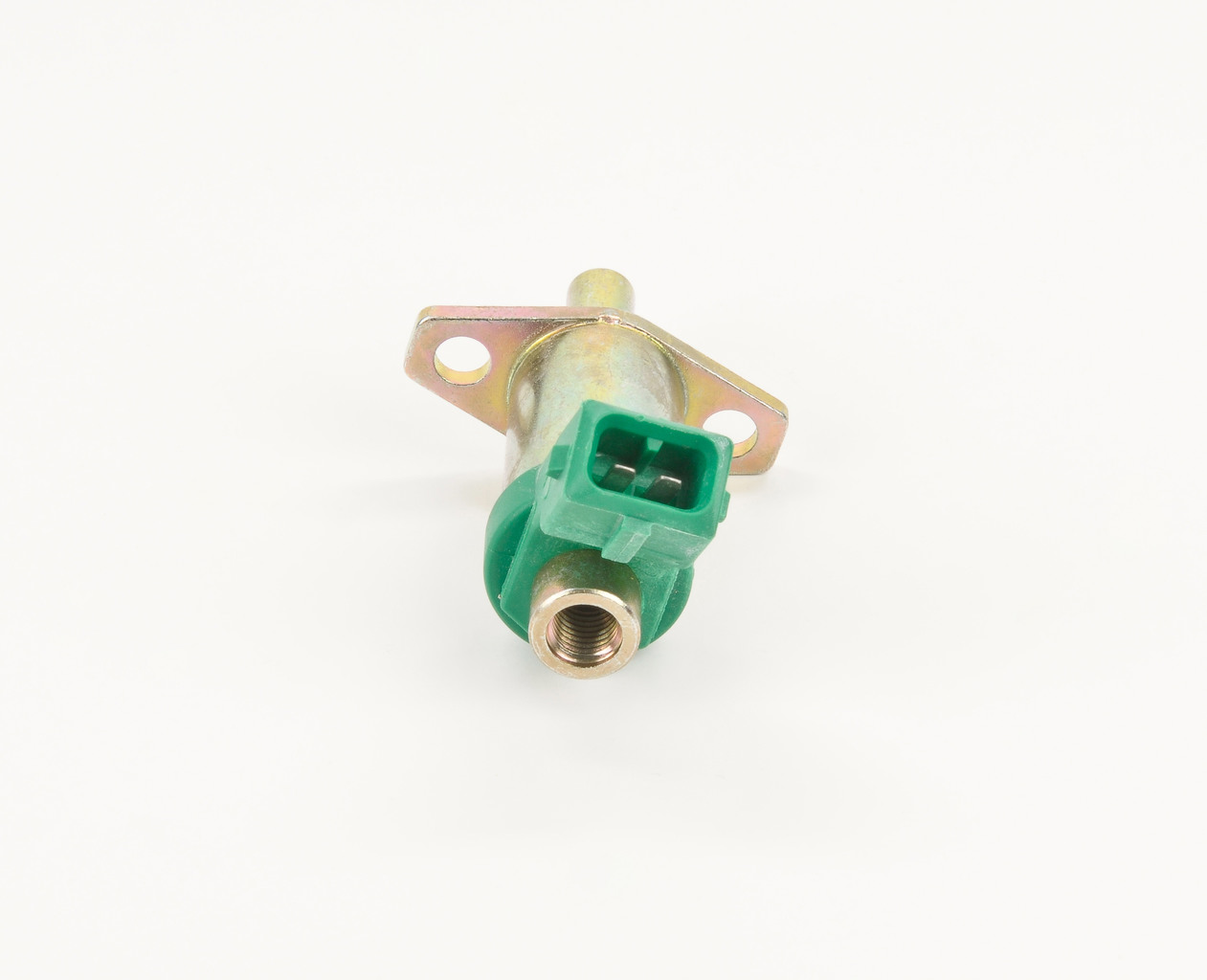 BOSCH Cold-start Valve
Article number: 0 280 170 425
£177.99price incl. 20% VAT, free delivery
BOSCH Cold-start Valve
Article number: 0 280 170 425
£177.99price incl. 20% VAT, free delivery
Pro tip:
To find the right part online more easily:
- Enter your car’s make, model, and generation (e.g. Ford Fiesta MK6 idle control valve) into the search field.
- Alternatively, use your vehicle’s VIN (Vehicle Identification Number) for precise matching, especially on sites like AUTODOC or manufacturer-specific platforms.
Maintenance tip:
Cleaning the valve regularly as part of your intake or throttle body service can prolong its lifespan and help you avoid early replacement costs.
Frequently Asked Questions
What are the symptoms of a bad idle air control valve?
Common signs include rough idling, fluctuating RPM, engine stalling at idle, and the check engine light turning on. You may also notice vibrations or poor engine performance when the car is stopped.
Can I drive with a faulty idle control valve?
Yes, but it’s not recommended. While the car may still run, a faulty valve can cause erratic idling and stalling, especially in stop-start traffic. This can affect safety and lead to further engine issues.
How much does it cost to replace an idle control valve in the UK?
Prices range from £12 to nearly £500, depending on the vehicle make and model. Labour costs may also apply if a mechanic carries out the work.
How do I know if my idle control valve needs cleaning or replacement?
If the valve is clogged with carbon build-up, cleaning it may solve the problem. However, if the symptoms persist after cleaning, the valve may need to be replaced.
Can a bad idle control valve affect fuel consumption?
Yes. A malfunctioning valve can disrupt the air-fuel mixture, causing the engine to work harder than necessary and consume more fuel, especially during idling.
Conclusion
The idle air control valve may be small, but its role in maintaining a smooth and consistent engine idle is crucial. A faulty IAC valve can lead to a range of symptoms, from rough idling and engine stalling to increased fuel consumption and warning lights on your dashboard. Fortunately, many of these issues are preventable with routine checks and basic maintenance, such as cleaning the component and ensuring the air intake system is free from leaks or carbon build-up.
Whether you're dealing with minor idling problems or a more serious engine fault, it's important to diagnose the issue early to avoid costlier repairs down the line. Replacing a malfunctioning idle control valve is generally affordable, especially if caught early, and parts are widely available online. For the best results, always consult your vehicle’s manual and consider seeking professional advice if you’re unsure.
Top products related to this topic:


