Correct Tyre Pressure: Chart, Checking Pressures, and Tyre Inflation
Ever had a flat tyre or lost control of the wheels? Driving with too little or too much tyre pressure is not only dangerous, but it can cost you more in fuel. Maintaining the correct tyre pressure will help you stay safe, save money, and maintain your car tyres for longer. In this guide, we’ll explore how to check your tyre pressure, use a tyre pressure chart, and properly inflate your tyres.
What should my tyre pressure be?
Each car model and version has its own specific tyre pressure requirements, however, recommended pressures usually range between 30 and 35 PSI (2.07 and 2.41 bar). Tyre pressures can vary depending on the tyre design and size, vehicle weight, and performance needs.To find the exact recommendations for your vehicle, you can either refer to the owner’s manual or locate the information sticker on the driver’s side door jamb or fuel filler flap.
Generally speaking, the heavier the vehicle is and the heavier its load, the more air pressure is required. For example, the tyre pressures for lorries and buses are significantly higher, ranging from 80 to 120 PSI (5.52 to 8.37 bar). However, it may also depend on the terrain as, when driving offroad, many 4x4 drivers are recommended to lower the PSI slightly to increase the tyre contact area on uneven and muddy surfaces.
Tyre pressure chart
This table represents the average pressure ranges for different categories of passenger vehicles. Please bear in mind that you should always check the manufacturer’s exact specifications.
| Vehicle type |
Average pressure range |
| SUV/crossover |
35 to 40 PSI (2.41–2.76 bar) |
| Compact cars |
30 to 35 PSI (2.07–2.41 bar) |
| Midsize cars |
32 to 40 PSI (2.21–2.76 bar) |
| Large cars |
35 to 44 PSI (2.41–3.03 bar) |
| Van/caravan |
35 to 65 (2.41–4.48 bar) |
Winter tyres – pressure
A drop of 10 degrees celsius or more will likely result in a drop in pressure by about 1–2 PSI. Make sure to check the pressure at least once a month. It is also recommended to inflate your winter tyres outdoors at the ambient temperature for consistency and accuracy. If you normally keep your car parked indoors, you can leave it outside for a few minutes so that the tyres reach the right temperature before inflation.
Summer tyres – pressure
The same principle applies in warm conditions, except that the pressure increases as the temperature rises. For most cars, the recommended tyre pressure stays between 30 and 35 PSI during summer. Before you take a trip on an extremely hot day, you should check that the pressure is not too high. Overinflated tyres reduce the tyre’s contact patch with the road, leading to uneven wear, reduced stability, and a higher risk of blowouts.
All-season tyres – pressure
The tyre pressure for all-season tyres depends on your vehicle’s manufacturer recommendations, typically ranging from 30 to 35 PSI for standard cars. Proper inflation ensures safety, fuel efficiency, and optimal tyre performance in varying weather conditions.
Always check the pressure when tyres are cold and adjust based on the vehicle’s load or driving conditions if necessary. Over- or underinflated tyres can reduce grip, cause uneven wear, and compromise safety. Refer to the vehicle manual or information sticker for guidance.
When should the tyre pressure be checked?
You should check your tyre pressure at least once a month and before long trips to maintain safety and optimal performance. It’s best to measure the pressure when tyres are cold, ideally in the morning or after the car has been parked for a few hours, since driving heats the tyres and can give inaccurate readings.
Additionally, check it after significant temperature changes as both hot and cold weather can cause pressure fluctuations. If your vehicle feels unstable, handling seems off, or if the tyres look flat or unevenly worn, check the pressure gauge readings.
How to check tyre pressure
To measure the air pressure, follow these simple steps:
- Refer to your vehicle manual or tyre placard (inside the driver’s door or fuel flap) for the exact recommended pressures for your vehicle model.
- Check the pressure while the tyres are cold, ideally after the car has been stationary for a few hours.
- Remove the valve cap on the tyre.
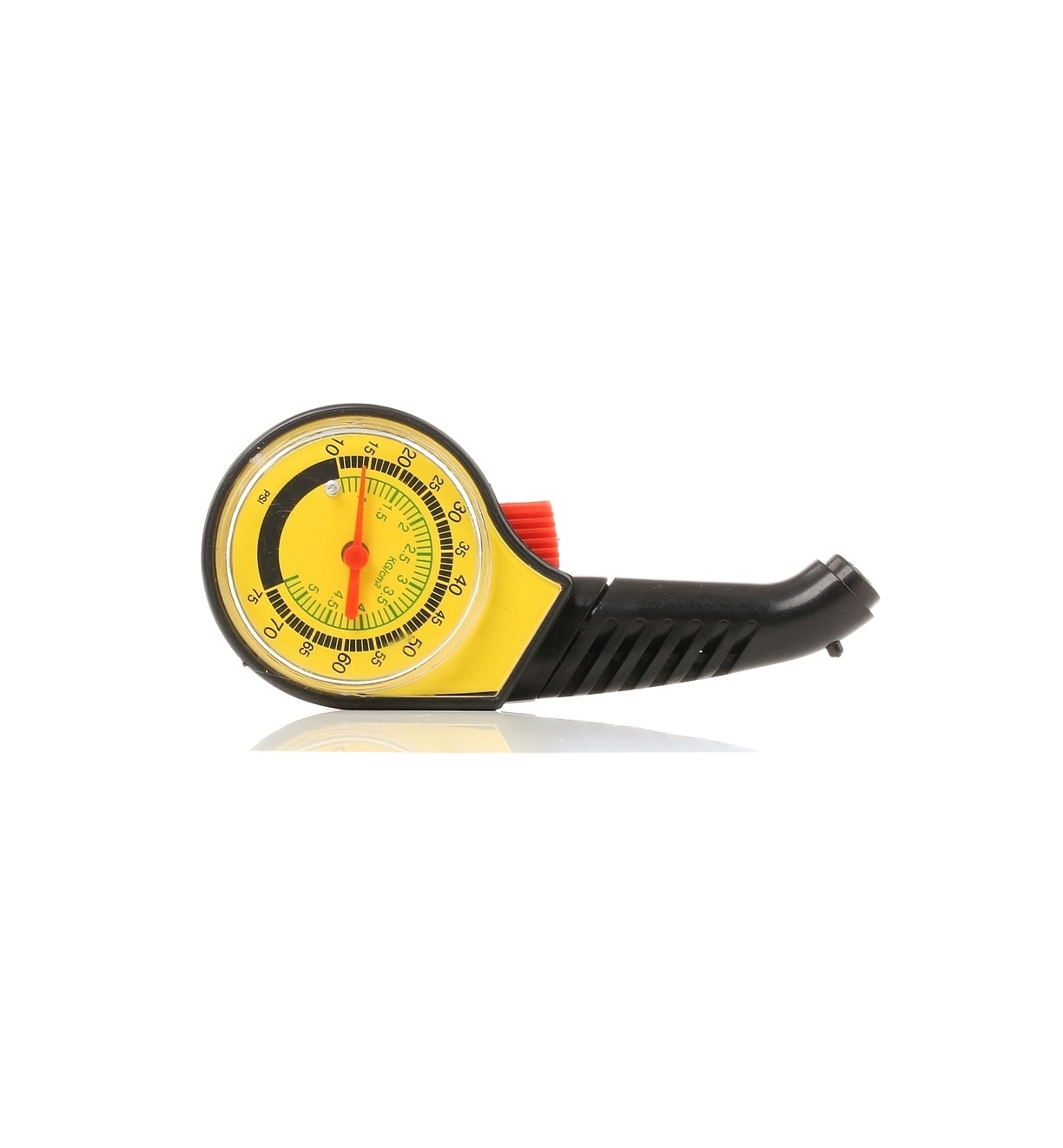
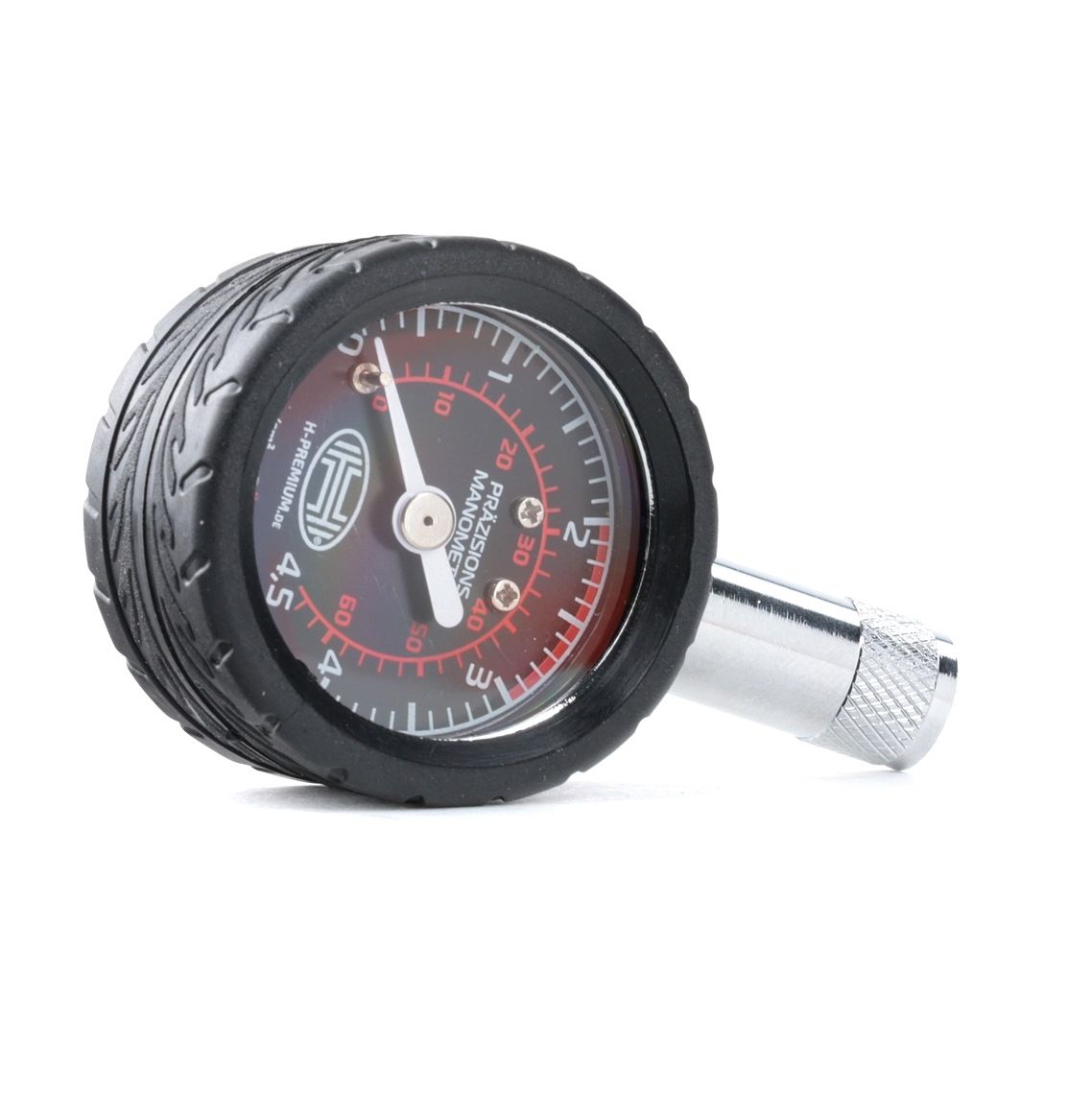
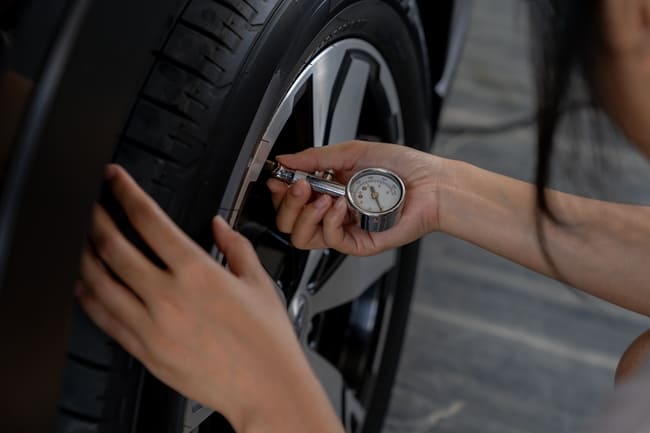
- Attach the tyre pressure gauge onto the valve stem until the reading is consistent.
- Compare the readings with the recommended values. If they’re lower, add more air, if they’re too high, release some air.
- Disconnect the gauge and reattach valve cap securely.
When should you increase the pressure in your tyres so that it's above the normal level?
You should increase the pressure above the normal level in the following situations:
- When car load is heavier than normal, i.e. you’re transporting extra passengers or cargo, a higher pressure helps the tyres handle the added weight.
- When towing trailers or heavy attachments, such as racks, to prevent sagging.
Always follow the vehicle manufacturer’s recommendations for adjusted pressures, typically found in the owner’s manual or on the tyre placard. Avoid overinflation to maintain stability and handling performance.

Low tyre pressure: consequences
Underinflation increases the contact area with the road, causing uneven tread wear and reducing the tyre lifespan. It also generates more heat, increasing the risk of blowouts. Handling and braking performance are compromised, particularly in wet conditions, leading to reduced traction and less efficient braking.
Low pressure also causes you to consume more fuel due to a higher rolling resistance. Additionally, driving with underinflated tyres may damage the sidewalls beyond repair. Regularly checking and maintaining the pressure levels prevents these issues and ensures a safer, smoother driving experience.
Tyre Pressure Monitoring System: how does it help?
A TPMS uses sensors to monitor tyre pressure in real-time. When it detects a drop of around 6 PSI, a warning light is triggered on the dashboard. Some manufacturers programme their systems to activate the warning light for smaller pressure decreases, offering enhanced safety and peace of mind.
Early detection allows drivers to address issues promptly, reducing the risks of under or overinflated tyres, such as poor handling, increased wear, or blowouts. By maintaining optimal pressure levels, the TPMS improves overall vehicle safety, fuel economy, and tyre longevity.
How to inflate tyres by yourself
To add more air to the tyres, you’ll first need to remove the valve cap on the first wheel that you’re working on. Once it has been removed, you can attach an air pump to the tyre valve and start the pump.
In most cases, you’ll need to add air little by little to avoid overinflation. Keep monitoring the PSI/bar readings on the device. Once the optimal pressure is reached, carefully remove the pump and reattach the cap. Repeat the steps on the other tyres.
What you need to inflate a car tyre
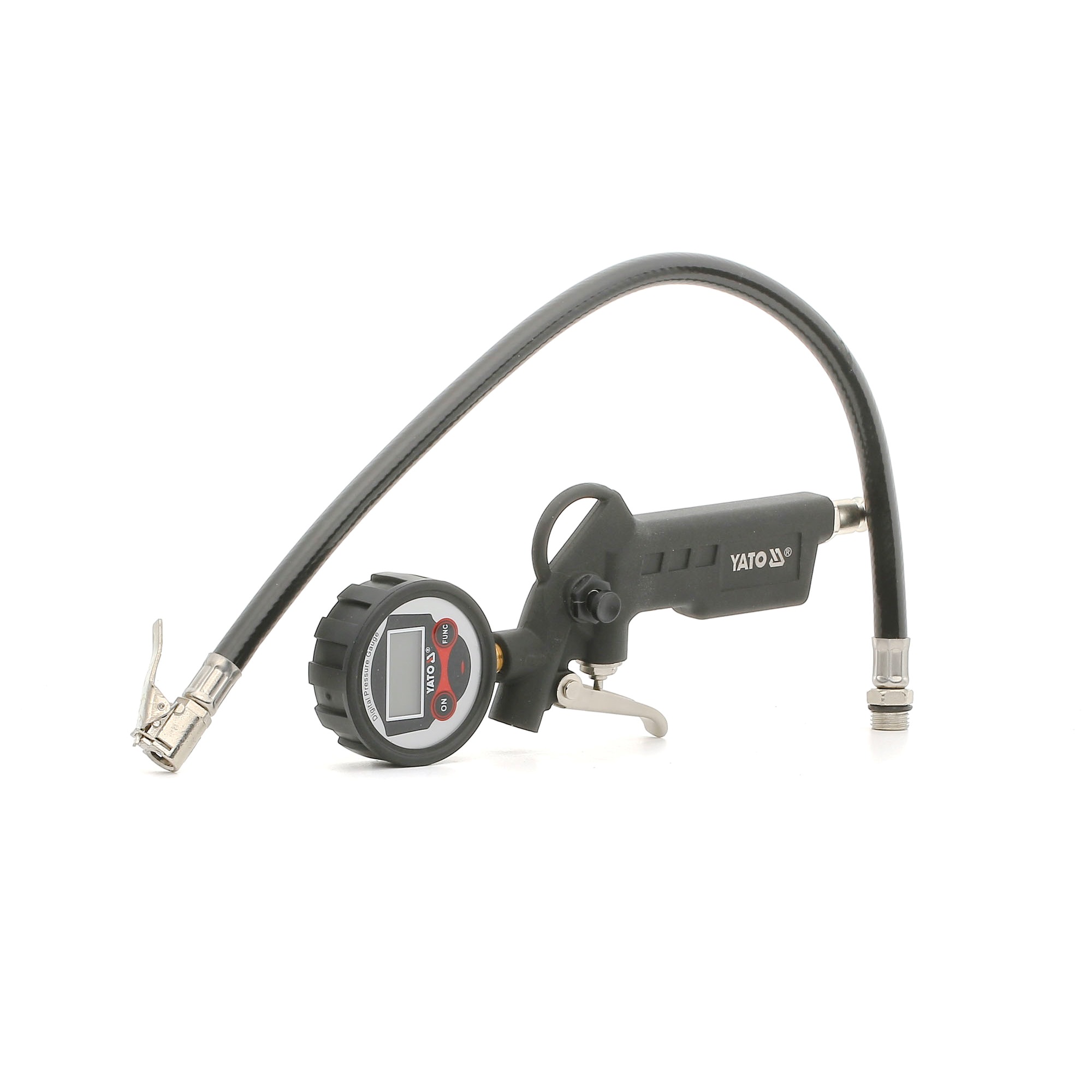
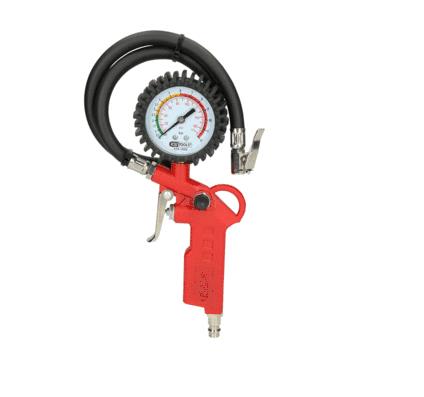
To inflate a car tyre yourself, you’ll need an air pump or a portable inflator with a pressure gauge, as well as knowledge of the manufacturer’s tyre specifications found in the owner’s manual or on the information sticker in the car.
Don’t forget to remove the valve cap first. Attach the inflator’s nozzle securely to the valve. Use the gauge to inflate to the correct PSI. Finally, check for leaks, reattach the valve cap, and store the tools for future use.
Top products related to this topic:


 9 January 2026 (updated)