Reliability VW Passat CC: common problems, issues symptoms and faults
DSG-gearbox problems: The DSG-gearbox does not shift properly or does not start, especially in models from 2008 onwards. These symptoms often occur between 80,000-120,000 km and can be caused by defective mechatronic units or clutch wear.
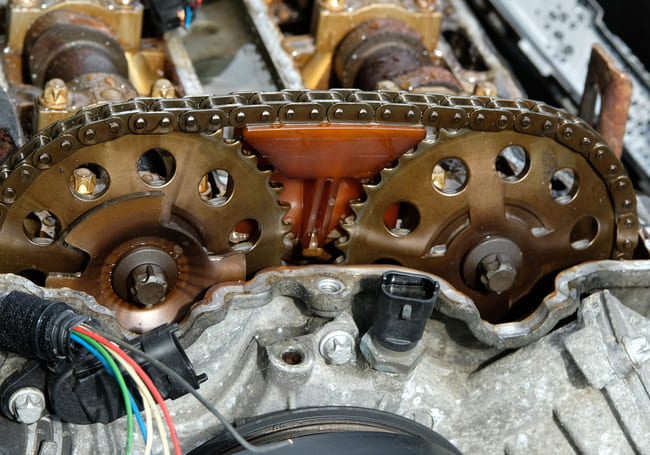
Timing chain 3.6 V6 engine: The 3.6 timing chain can show signs of wear from 100,000 km, leading to engine noise and, in the worst case, engine damage. The 3.6 V6 engines from 2010 are particularly affected.
Panoramic roof does not open: The panoramic roof no longer works properly, usually due to defective motors or blocked guide rails. These faults often occur after 60,000-80,000 km and mainly affect models from 2013 onwards.
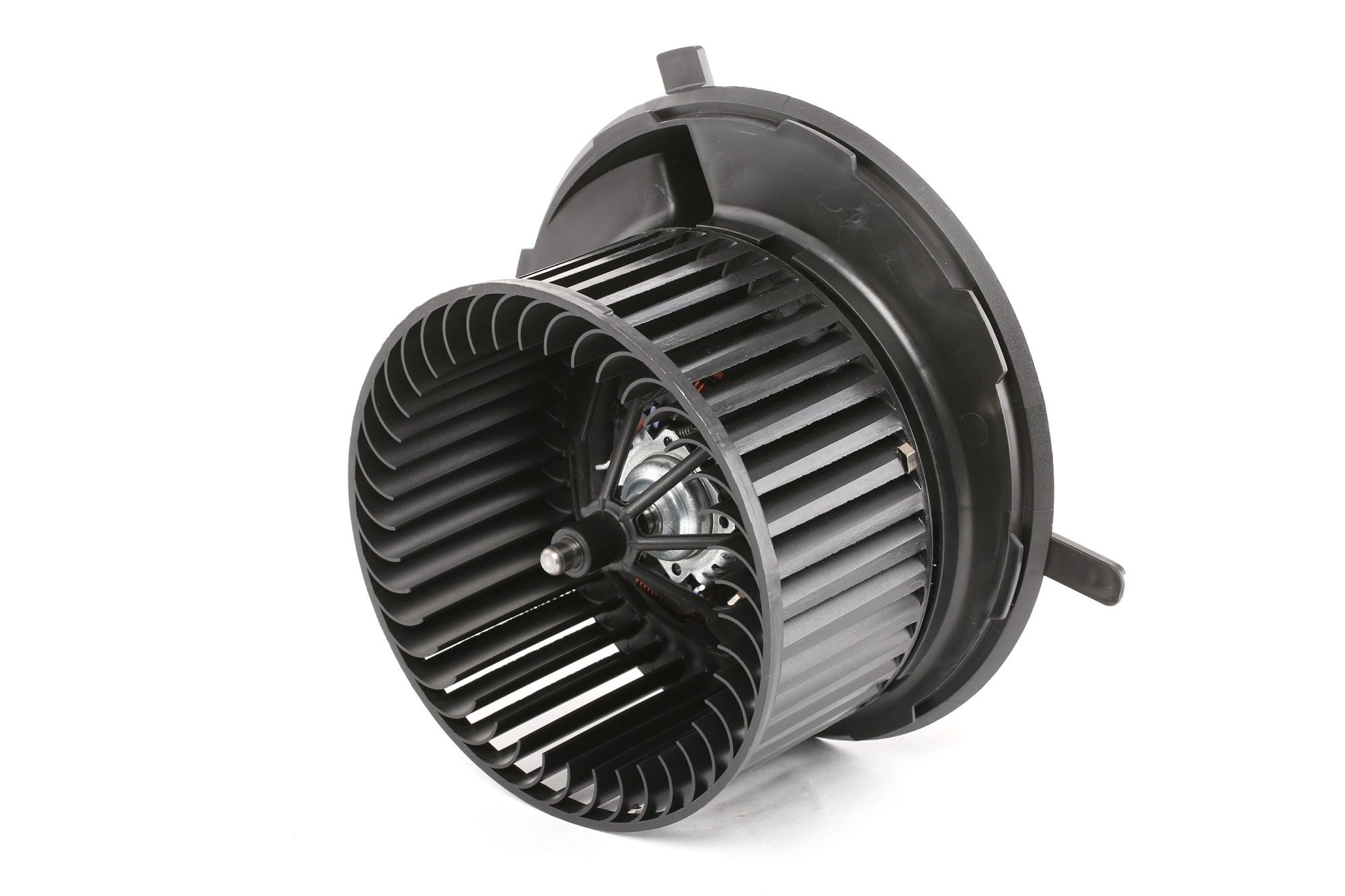
Air conditioning not cooling: The air conditioning system loses its cooling capacity due to leaking condensers or defective compressors. These complaints typically manifest themselves after 70,000-100,000 km mileage.
Volkswagen Passat CC: Problems with the DSG-gearbox
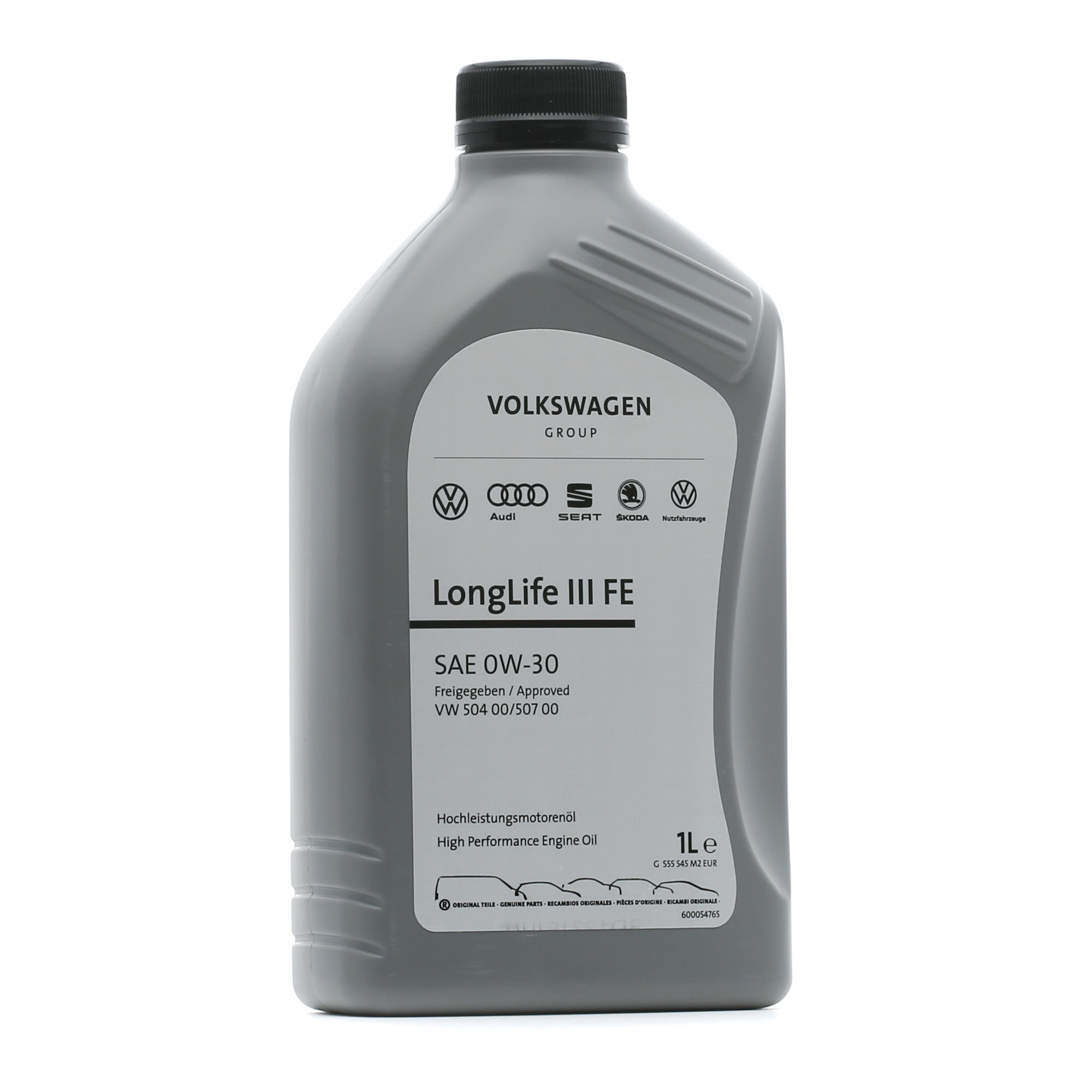
The DSG-gearbox in the VW Passat CC frequently exhibits faults, which manifest themselves in jerky gear changes, delays when changing gear or complete failure. The 7-speed DSG-gearboxes in conjunction with the 1.8 TSI 160 PS and 2.0 TSI 200 PS engines are particularly affected. The symptoms usually occur between 80,000 and 120,000 km, but can also occur earlier with intensive use. Typical faults are defective mechatronic units, worn clutches or problems with the transmission control unit. The reliability of the DSG-transmission is heavily dependent on maintenance, with the transmission oil being changed every 60,000 km.
Regular maintenance is crucial for the service life of the transmission. The sensitive VW Passat CC DSG-gearbox requires special attention to oil quality and regular software updates. Diagnosis is carried out by reading the fault memory, with codes such as P17BF (clutch adaptation) or P189C (mechatronics error) frequently occurring. Preventive maintenance with high-quality DSG oil and regular flushing can prevent major repairs.
VW Passat CC: Problems with the 3.6 timing chain
The 3.6 timing chain of the VW Passat CC shows signs of wear from a mileage of 100,000 km, which leads to characteristic rattling noises during cold starts. The 3.6 V6 engine, especially in the 2008-2010 model years, is susceptible to timing chain problems due to insufficient lubrication of the chain tensioners. The symptoms start with slight noises and can develop into serious engine damage if the chain jumps or breaks. Typical signs are metallic noises from the engine compartment, especially during cold starts, as well as error messages from the engine control unit. The service life of the timing chain depends heavily on the oil quality and the replacement intervals, with synthetic engine oil recommended every 15,000 km.
A systematic check is essential for the timely detection of timing chain problems. The precise VW Passat CC 3.6 timing chains require regular checks of chain tension and oil pressure to prevent premature wear. Diagnosis is carried out by visually inspecting the chain, measuring the chain tension and checking the chain tensioners. Preventive maintenance with high-quality engine oil and regular checks of the chain tensioners can significantly extend the service life.
Volkswagen Passat CC: Problems with the panoramic roof
The panoramic roof of the VW Passat CC no longer opens properly, which is mainly caused by defective drive motors or blocked guide rails. Models from 2013 onwards in particular show these weak points after 60,000-80,000 km mileage. The most common complaints are a completely blocked roof, one-sided opening or closing, as well as unusual noises during operation. The causes can be dirty guide rails, defective microswitches, failed motors or problems with the control unit. The faults often manifest themselves through error codes in the comfort control unit, whereby diagnosis requires special VW software. Typical problems occur after long periods of inactivity or at extreme temperatures.
A professional inspection is required for proper maintenance of the complex panoramic roof system. The VW Passat CC panoramic roof mechanisms require regular cleaning of the guide rails and lubrication of the moving parts every 20,000 km. The repair usually involves replacing the drive motors, cleaning the rails or reprogramming the control unit. Preventive maintenance with special lubricants and regular functional checks can prevent costly repairs.
Reviews - 71
Parts Details
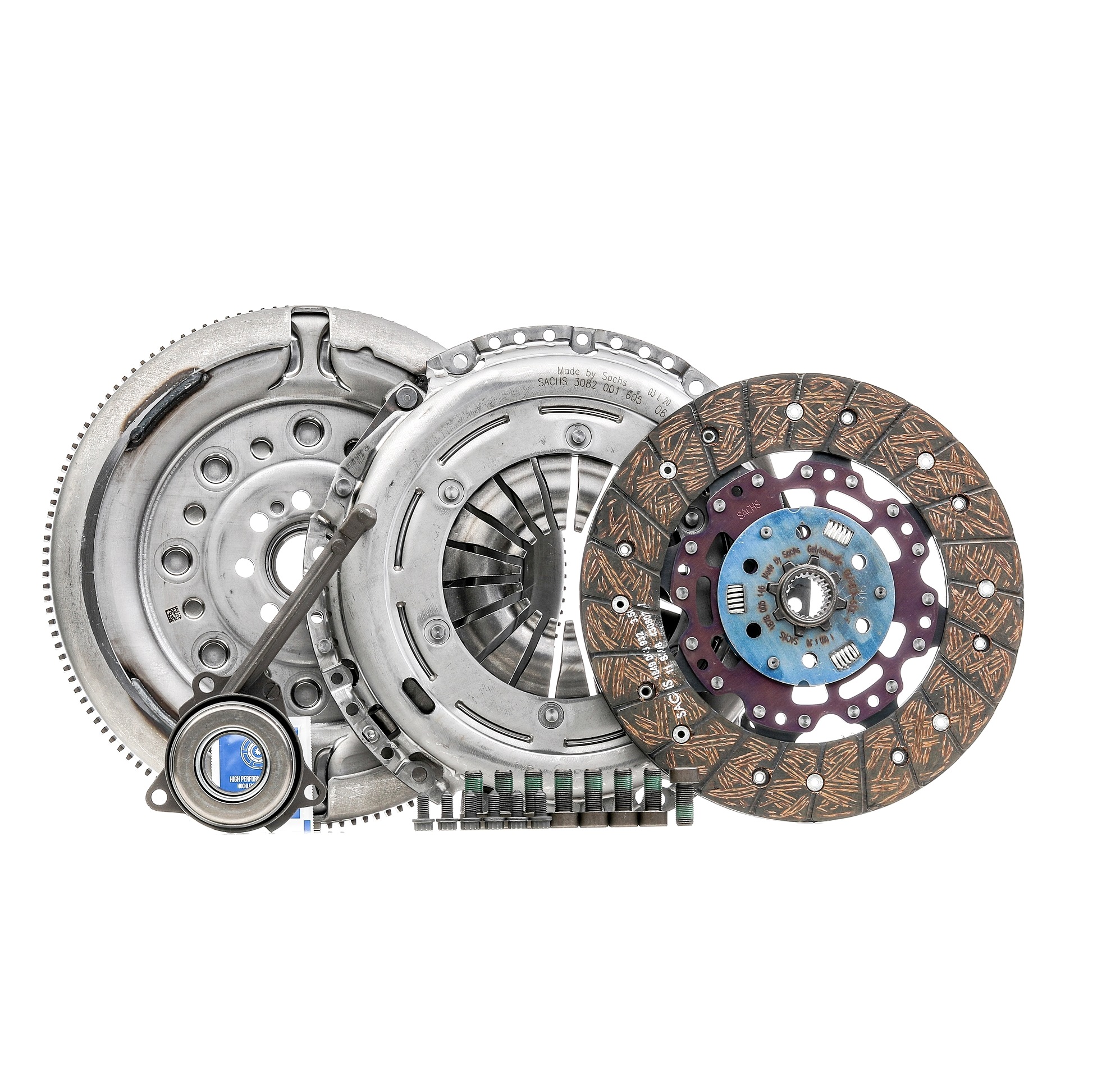
Supplementary Article / Supplementary Info: with central slave cylinder, without pilot bearing
Supplementary Article / Supplementary Info Info 2: with flywheel, with screw set, Requires special tools for mounting, Dual-mass flywheel with friction control plate
Product line:
RepSet DMF
Adjustment:
with automatic adjustment
Number of teeth (finding the max. clearance angle):
7
VW Passat CC: Problems with the air conditioning system
The air conditioning system of the VW Passat CC no longer cools sufficiently, which is mainly caused by leaking condensers, defective compressors or problems with the refrigerant circuit. These breakdowns typically occur after 70,000-100,000 km and affect all engine variants, including 1.8 TSI, 2.0 TSI and 2.0 TDI 140 PS models. Common symptoms include reduced cooling capacity, warm air coming out of the nozzles, unusual noises or complete failure of the air conditioning system. The causes range from loss of refrigerant due to leaking pipes to defective electrical components such as the air conditioning compressor or the evaporator. The condensers are particularly susceptible and can be damaged by stone chips or corrosion.
Professional maintenance is essential for the proper functioning of the air conditioning system. The VW Passat CC air conditioning components require regular leak tests and refrigerant checks every 2-3 years. Diagnosis is carried out by measuring the pressure in the refrigerant circuit, visually checking for leaks and electronically checking the control units. Preventive maintenance with antibacterial cleaners and regular filter changes can significantly extend the service life of the system.
Volkswagen Passat CC: problems with the trunk
The trunk cannot be opened, which is caused by defective locking cylinders, failed electric locking or problems with the tailgate control. These malfunctions often occur in models from 2008 onwards and are manifested by complete blocking of the tailgate or irregular opening behavior. Typical causes are worn locking mechanisms, defective actuators in the electric locking system or problems with the microswitches in the locking system. The symptoms can range from occasional dropouts to complete blockage, with the remote control often also no longer working. These problems occur particularly frequently at low temperatures or after long periods of inactivity.
A systematic check is necessary to identify the defective components in the trunk system. The VW Passat CC trunk mechanisms require regular lubrication of the moving parts and inspection of the electrical connections. The repair usually involves replacing the locking cylinder, the electrical actuators or reprogramming the comfort control. Preventive maintenance with suitable lubricants and regular functional checks can prevent breakdowns.
VW Passat CC: Problems with the 2.0 TDI engine
The 2.0 TDI engine of the VW Passat CC, both in the 140 hp and 170 hp variants, has specific weak points which mainly manifest themselves in problems with exhaust gas recirculation, the particulate filter and the high-pressure pump. These engines are generally reliable, but are susceptible to coking of the intake manifold and problems with the EGR valve after 80,000-120,000 km. Typical symptoms are reduced performance, increased consumption, black smoke from the exhaust or the engine control light coming on. The 2.0 TDI 170 PS engine also shows problems with the injection nozzles, which can become clogged due to poor quality fuel. The service life of these components depends heavily on driving style and fuel quality.
Regular maintenance is crucial for the longevity of the diesel engine. The VW Passat CC 2.0 TDI engines require regular cleaning of the EGR valve and inspection of the particulate filter every 30,000 km. Diagnosis is carried out by reading out the error codes, measuring the exhaust gas values and visually inspecting the air intake. Preventive maintenance with high-quality fuel additives and regular highway driving can prevent most problems.
Additional common faults of the Volkswagen Passat CC
Based on the experiences of VW Passat CC drivers, the following additional problems occur:
Faulty water pump: typically occurs after 100,000-150,000 km, especially with 1.8 TSI and 2.0 TSI engines due to wear and tear on the seals.
Problems with the electric parking brake: Can occur as early as 50,000 km, often due to defective actuators or calcification of the brake pads.
Xenon headlight failure: Often occurs after 60,000-80,000 km, usually due to defective ballasts or burners.
Leaks in the turbocharger: mainly affect the 2.0 TSI engines after 80,000-120,000 km due to wear of the seals.
Problems with the engine mounts: Often become apparent after 70,000-100,000 km due to vibrations and noises, especially in the 3.6 V6 engine.
Defective lambda sensors: Regularly occur after 80,000-120,000 km and lead to increased fuel consumption and exhaust problems.
Failure of the automatic air conditioning sensors: Can be defective after 40,000 km, leading to irregular temperature control.
Supplementary Article / Supplementary Info: with central slave cylinder, with clutch pressure plate, with dual-mass flywheel, with flywheel screws, with pressure plate screws
Supplementary Article / Supplementary Info Info 2: with clutch disc
The Volkswagen Passat CC proves to be a stylish and well-equipped vehicle, but it has specific weak points that require regular attention. Most problems can be avoided through preventive maintenance and timely intervention. The DSG-gearbox and complex electronic systems in particular require expert care to ensure long-term reliability. Careful maintenance according to the manufacturer's specifications is essential for the longevity of this sophisticated vehicle.
Useful videos on this topic:
How to change pollen filter on VW PASSAT CC 1 TUTORIAL
How to change rear wheel bearing on VW PASSAT CC 1 TUTORIAL
AUTODOC Bestsellers: parts at a good price
Reviews - 86
Parts Details
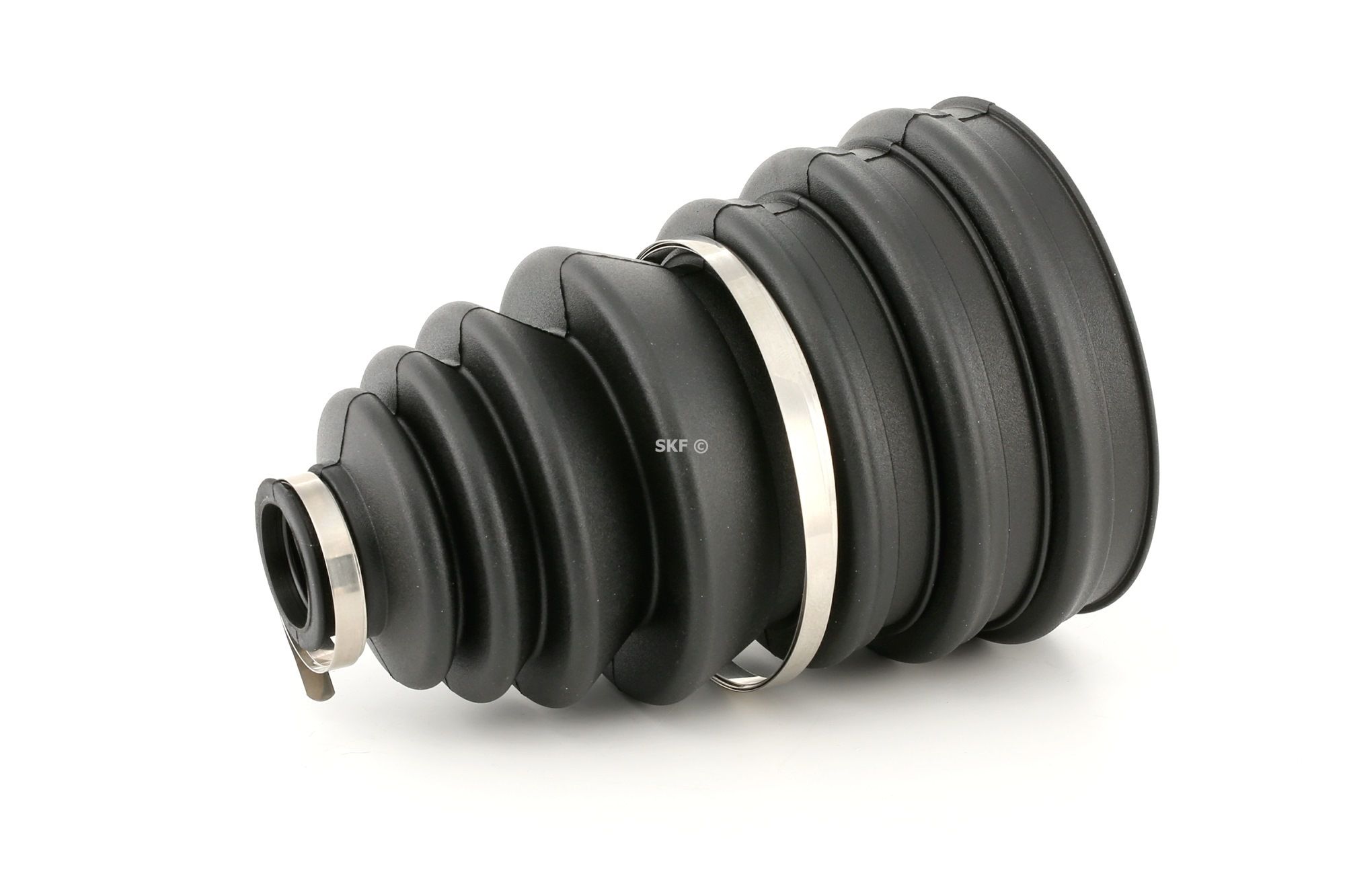
Height: 146
Inner Diameter 2 [mm]: 22, 86
Joint Type:
Universal Joint
Supplementary Article / Supplementary Info Info 2:
with clamps


 19 August 2025