Reliability Volvo V70: common problems, issues symptoms and faults
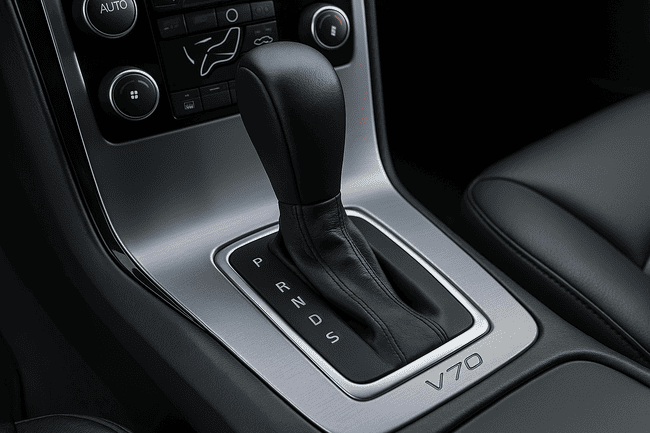
Automatic transmission problems in AWD models: The automatic transmission often shows symptoms such as jerky gear changes or complete failure, especially in AWD variants after 120,000-150,000 km. The service life is drastically reduced by irregular oil changes.
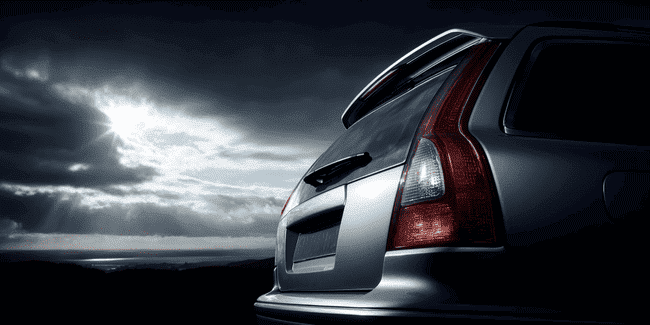
Electric tailgate not working: The electric tailgate often fails after 80,000-100,000 km due to defective motors or sensors. Breakdowns are particularly frequent at temperatures below -10°C as the mechanism freezes.
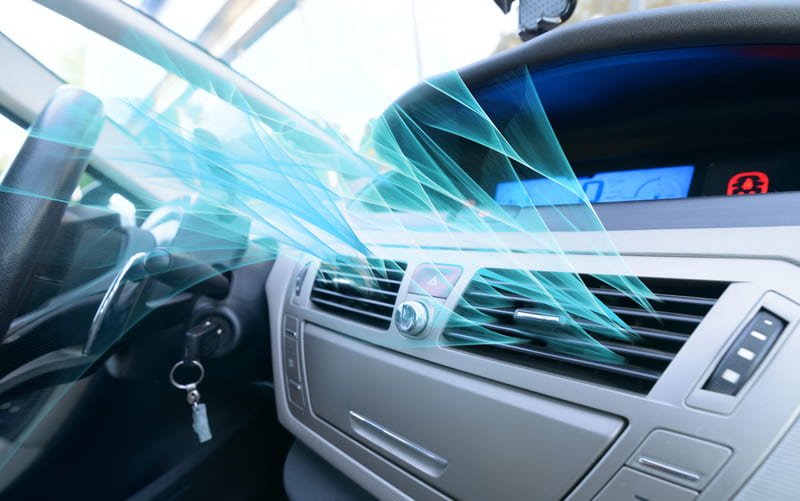
Air conditioning system not switching properly: The air conditioning system shows weaknesses in the temperature control and compressor, typically after 100,000-120,000 km. Symptoms are uneven cooling or complete loss of cooling capacity.
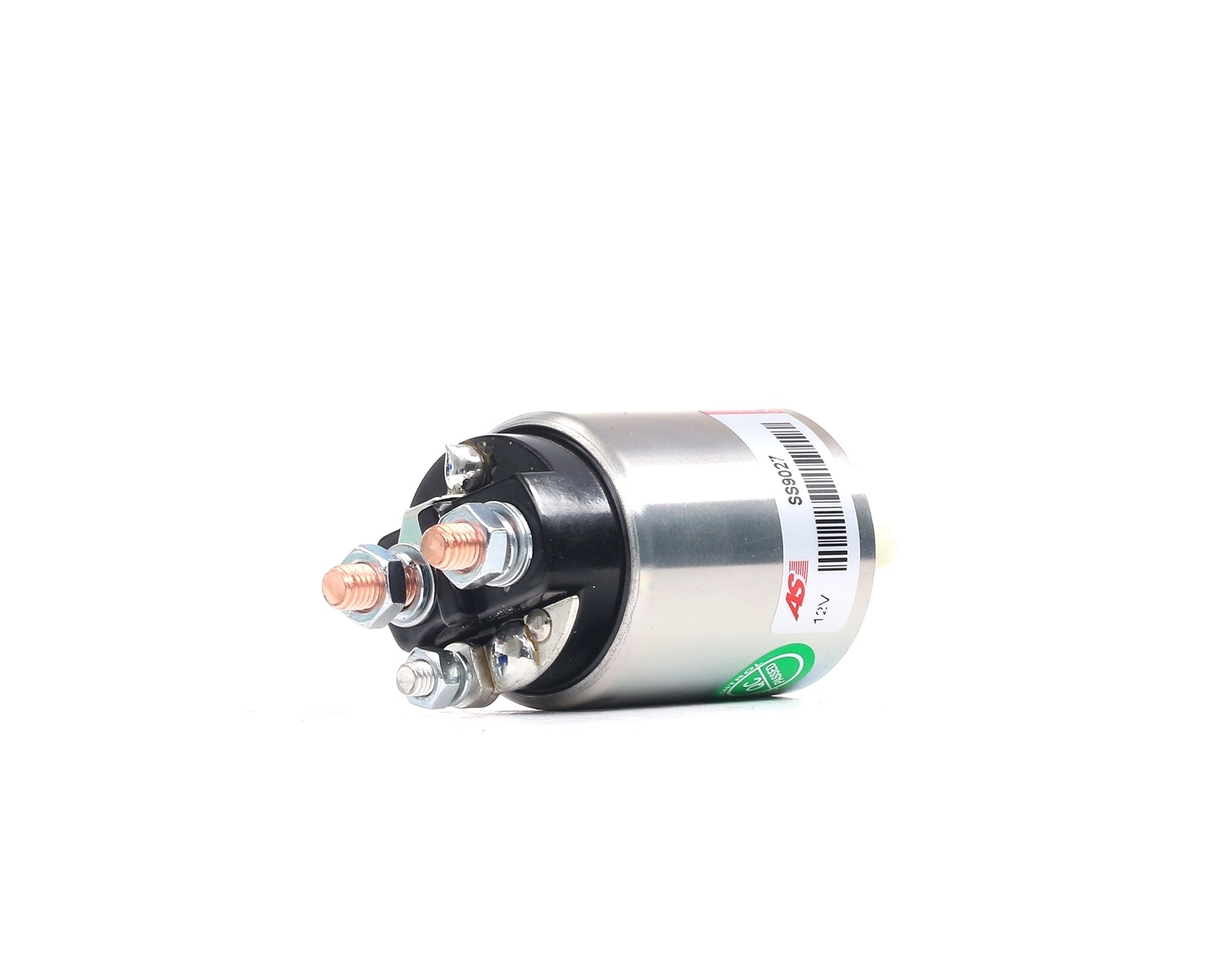
D5 engine does not start: Especially the D5 163 hp and D5 185 hp engines show starting problems due to defective glow plugs or fuel pumps, mainly after 150,000-180,000 km mileage.
Volvo V70: Problems with the automatic transmission
The automatic transmission of the Volvo V70 shows frequent faults, especially in AWD models, which manifest themselves in jerky gear changes, delayed gear changes or complete failure. The reliability of the transmission is strongly influenced by regular maintenance, with an oil change recommended every 60,000 km. If maintenance is neglected, the first problems occur as early as 120,000 km, while well-maintained transmissions often function without problems for over 200,000 km. The T5 and 2.5T models are particularly susceptible to gearbox damage due to their higher engine output. Symptoms such as grinding noises or the gearbox no longer shifting into certain gears indicate advanced wear.
A systematic check is essential for the early detection of transmission problems. The complex Volvo V70 automatic transmissions require special diagnostic equipment for fault analysis and regular flushing of the transmission oil every 60,000 km. Professional maintenance with original transmission oil can significantly extend the service life and avoid costly repairs.
Volvo V70: Problems with the electric tailgate
The Volvo V70's electric tailgate often develops faults that manifest themselves in slow opening, sudden stopping or complete failure. Especially at low temperatures below -10°C, the system does not function reliably, as the motors and sensors are affected by moisture and cold. The weak points are mainly in the lift motors and the position sensors, which lose their reliability after 80,000-100,000 km. Typical symptoms are uneven movements of the flap or error messages on the display. The breakdowns often occur spontaneously and can lead to safety problems if the flap opens unexpectedly while driving.
Regular maintenance is crucial for the functionality of the system. The sensitive Volvo V70 tailgate mechanisms require regular lubrication of the hinges and inspection of the electrical connections every 20,000 km. Preventive treatment of the contacts with contact spray can prevent premature failure and extend the life of the system.
Volvo V70: Problems with the air conditioning system
The air conditioning system in the Volvo V70 has various weak points, which manifest themselves in uneven temperature distribution, poor cooling performance or complete failure. The compressor often fails after 100,000-120,000 km, especially in models with intensive use of the air conditioning system. Symptoms such as warm air from the nozzles, unusual noises or moisture in the interior indicate defective components. The automatic climate control does not switch correctly between the different modes, which leads to a loss of comfort. With D4 and D5 engines, problems can also occur with the air conditioning compressor, which wears out prematurely due to engine vibrations.
Professional maintenance is required to maintain the function of the air conditioning system. The Volvo V70 air conditioning systems require disinfection and checking of the refrigerant level every 30,000 km and replacement of the cabin filter every 60,000 km. Timely maintenance prevents costly repairs and ensures optimum driving comfort.
The D5 diesel engines of the Volvo V70, especially the 163 hp, 185 hp and 215 hp variants, develop characteristic problems that mainly manifest themselves in starting problems. The engine does not start, especially at cold temperatures below 0°C, which is often due to defective glow plugs or a weak fuel pump. After 150,000-180,000 km, complaints relating to the injection system become more frequent, with the high-pressure pump and injectors losing their reliability. Symptoms such as rough idling, black smoke from the exhaust or reduced performance indicate problems in the fuel system. The service life of D5 engines depends heavily on the quality of the diesel fuel used and the regularity of maintenance.
A professional inspection is essential for diagnosing D5 engine problems. The complex Volvo V70 D5 injection systems require a fuel filter check every 20,000 km and regular cleaning with diesel additives. Preventive maintenance with high-quality engine oil every 15,000 km can significantly extend the life of the engine and avoid costly repairs to the common rail system.
The petrol engines of the Volvo V70, especially the 2.4 petrol 140 hp and T5 variants, show specific weak points that manifest themselves at different stages of their life. At low mileages of around 60,000-80,000 km, problems often occur with the ignition coils, leading to engine misfiring and poor running quality. The 2.0D models develop problems with the timing chain after 120,000-150,000 km, which is noticeable through rattling noises during cold starts. The turbocharged T5 engine is particularly prone to turbocharger damage after 150,000 km, with symptoms such as loss of power and bluish smoke. The reliability of gasoline engines is strongly influenced by the quality of the fuel used and compliance with maintenance intervals.
A systematic check is crucial for engine health. Volvo V70 gasoline engines require an oil change with high-quality engine oil every 15,000 km and spark plug replacement every 60,000 km. A regular inspection of the timing chain on models over 100,000 km can prevent costly engine damage and ensure optimum performance.
Volvo V70: Problems with D4 diesel engines
The D4 engine with 181 hp in the Volvo V70 shows characteristic problems that mainly affect the exhaust gas recirculation system and the diesel particulate filter. After 100,000-130,000 km, the EGR flap no longer functions properly, resulting in increased emissions and reduced engine performance. The diesel particulate filter often clogs in vehicles that are mainly driven in city traffic, as the required regeneration cycles are not achieved. Typical symptoms are warning lights on the dashboard, reduced performance and increased fuel consumption. The life of the D4 engine is strongly influenced by driving style, with regular highway driving contributing to the regeneration of the particulate filter. Breakdowns often occur unexpectedly when the system switches to emergency mode.
Regular maintenance is essential for D4 engine care. The Volvo V70 D4 exhaust systems require professional cleaning and inspection of the DPF every 30,000 km, as well as regular highway driving for natural regeneration. Preventive treatment with DPF cleaners can prevent premature clogging and extend system life.
Based on the experiences of Volvo V70 drivers, we present you with an overview of additional possible weak points:
Defective xenon headlights: frequently occur after 80,000-100,000 km, often caused by defective ballasts or burners.
Problems with the power steering: Can occur as early as 120,000 km, often due to leaks or defective pumps.
Parking brake malfunctions: Particularly in AWD models after 100,000-130,000 km, often due to brake pad wear.
Differential leaks: Typically after 150,000-180,000 km on AWD models due to seal wear.
Problems with the engine mounts: Often occur after 120,000-150,000 km, especially in T5 and 2.5T models with higher engine power.
Defective ABS sensors: Can occur after 60,000-80,000 km, often due to corrosion or mechanical damage.
Volvo V70: weaknesses and strengths
Strengths
Weak points
High safety standards
Automatic transmission problems
Comfortable suspension
Electric tailgate
Large trunk
Air conditioning shortcomings
Solid workmanship
D5 engine starting problems
Good road holding
High repair costs
Reliable brakes
Electronic faults
Durable bodywork
Turbocharger wear
The Volvo V70 proves to be a fundamentally reliable vehicle with high safety standards, but it requires regular and professional maintenance. The most common problems concern complex systems such as the automatic transmission and the diesel engines, which can, however, achieve a long service life with proper care. It is particularly important to observe the maintenance intervals and use original parts in order to minimize the characteristic weak points and ensure the longevity of the vehicle.
Useful videos on this topic:
How to change wipers blades / window wipers VOLVO V70 2 (SW)
How to change oil filter and engine oil on VOLVO V70 2 (SW)
Manufacturer recommendations:
VW G 009 317, VW G 052 171, VW G 052 178, VW G 052 512, VW G 052 532, VW G 052 527, VW G 052 726, VW G 052 798, VW G 055 726, BMW MTF LT-1, BMW MTF LT-2, BMW MTF LT-3, BMW MTF LT-4, Ford WSS-M2C200-D2, MB 235.10, Nissan 999MP-MTF20P, Nissan KE91699932R, Mitsubishi MZ312644, PSA 9730 A2, PSA 9730 A8, PSA B71 2330, Toyota JWS 227


 21 October 2025 (updated)