Table of Contents

 6 August 2025
 How to unclog a catalytic converter: simple methods that actually work
A clogged catalytic converter can lead to poor engine performance, reduced fuel efficiency and increased emissions. Fortunately, there are several practical methods to help clear blockages and restore your vehicle's performance. This guide explores what really works when it comes to cleaning a catalytic converter, including both at-home solutions and professional options.
Can you clean a catalytic converter?
Yes, a car catalytic converter can often be cleaned, depending on the severity and type of clog. Light to moderate carbon build-up may be cleared using car fuel additives or a professional cleaning service, which helps restore proper exhaust flow. However, if the converter is heavily blocked or physically damaged, cleaning may not be effective. In such cases, replacement is usually the only option. Early signs of clogging should be addressed promptly to avoid costly repairs.
How to unblock a catalytic converter
Clearing a clogged catalytic converter can be done in two key ways: through professional off-vehicle cleaning or DIY methods that leave the unit in place. In a garage setting, technicians may remove the converter and clean it using specialised chemicals or ultrasonic equipment. At home, drivers might try fuel additives such as catalytic converter cleaners designed to clean the system, sustained high-speed driving to raise exhaust temperatures, or fixing underlying issues like misfires. The best approach depends on how severe the blockage is and what caused it.
Sold by AUTODOC Sold by AUTODOC Sold by AUTODOC Sold by AUTODOC Sold by AUTODOC
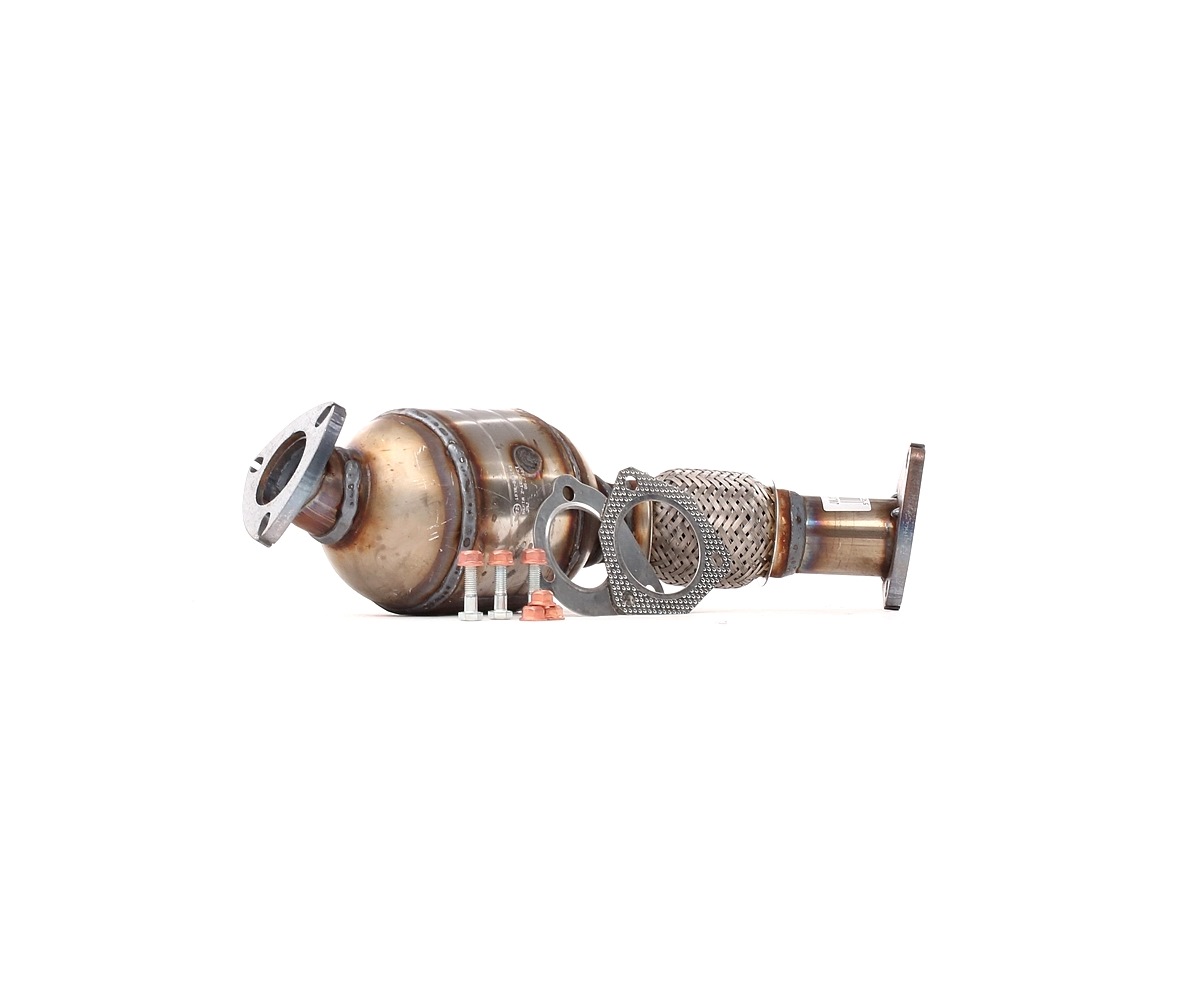 JMJ Catalytic converter
AVB/ AWX/ AVF
Article number: 1080002
£136.49price incl. 20% VAT, excl. delivery costs
JMJ Catalytic converter
AVB/ AWX/ AVF
Article number: 1080002
£136.49price incl. 20% VAT, excl. delivery costs
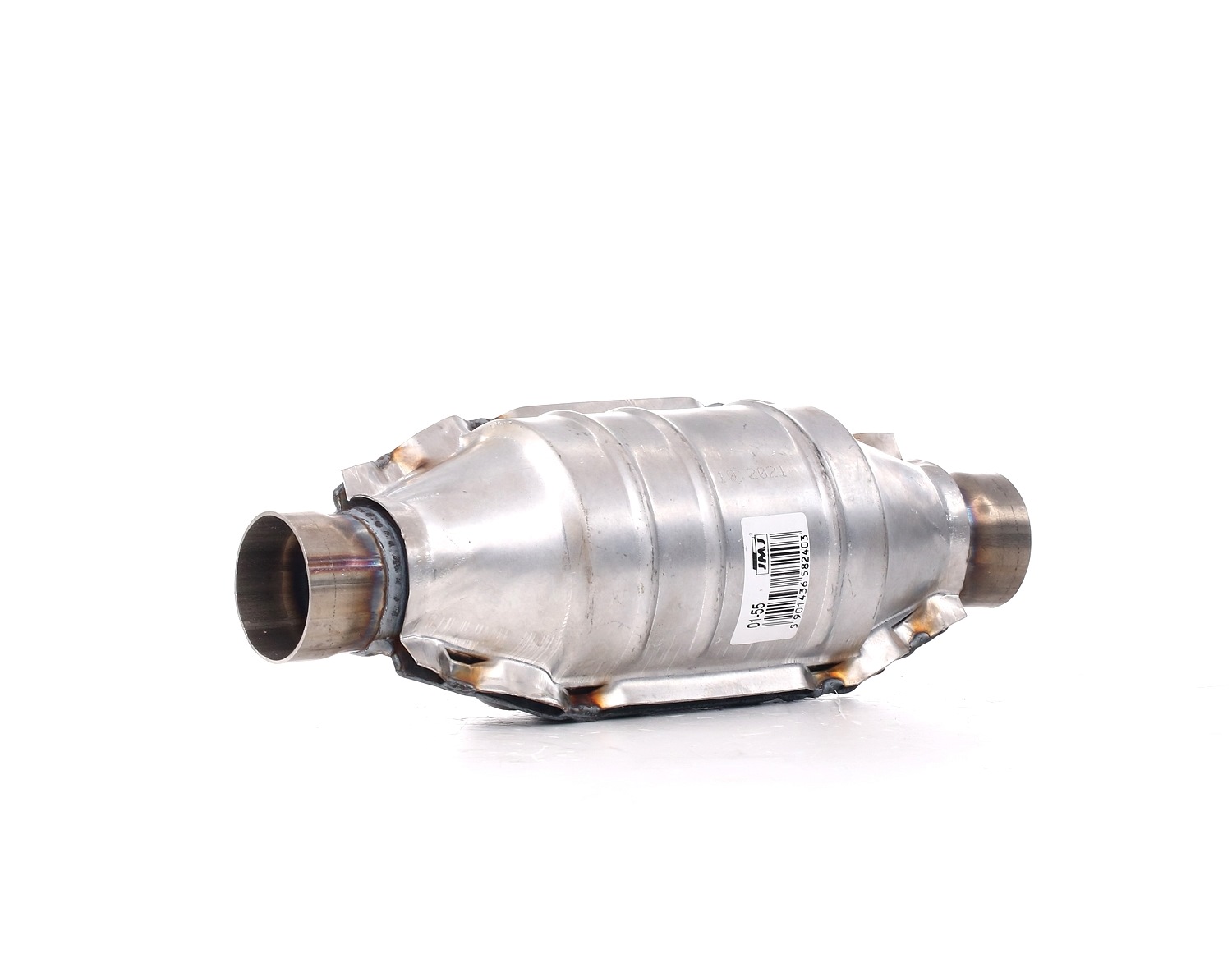 JMJ Catalytic Converter, universal
Euro 2, Ceramic, 55 mm, 1800 cm³, round
Article number: 01-55
£63.49price incl. 20% VAT, excl. delivery costs
JMJ Catalytic Converter, universal
Euro 2, Ceramic, 55 mm, 1800 cm³, round
Article number: 01-55
£63.49price incl. 20% VAT, excl. delivery costs
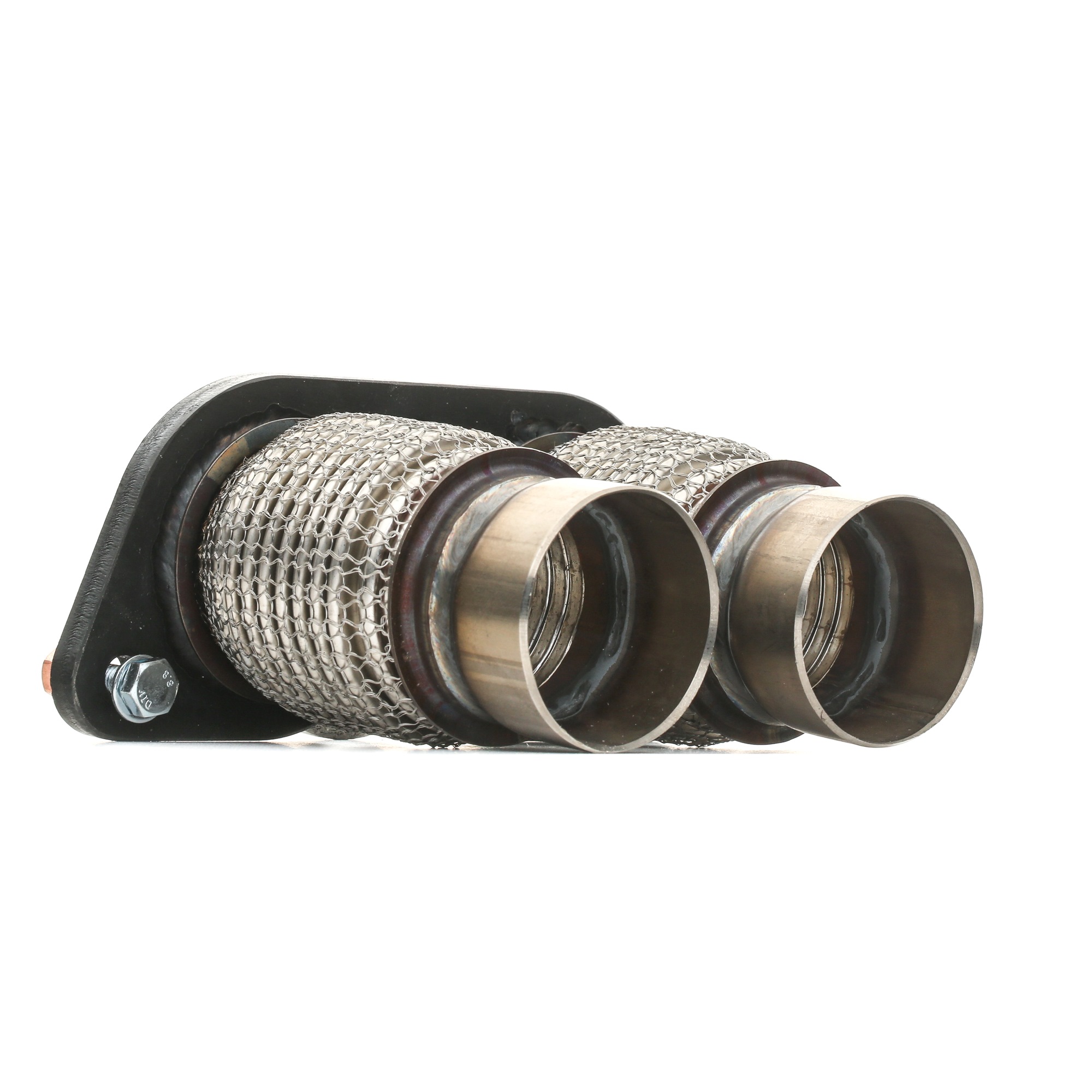 FA1 Repair Pipe, catalytic converter
Front
Article number: KF100015
£87.49price incl. 20% VAT, excl. delivery costs
FA1 Repair Pipe, catalytic converter
Front
Article number: KF100015
£87.49price incl. 20% VAT, excl. delivery costs
 Article number: PGR-188
£9.99price incl. 20% VAT, excl. delivery costs
Article number: PGR-188
£9.99price incl. 20% VAT, excl. delivery costs
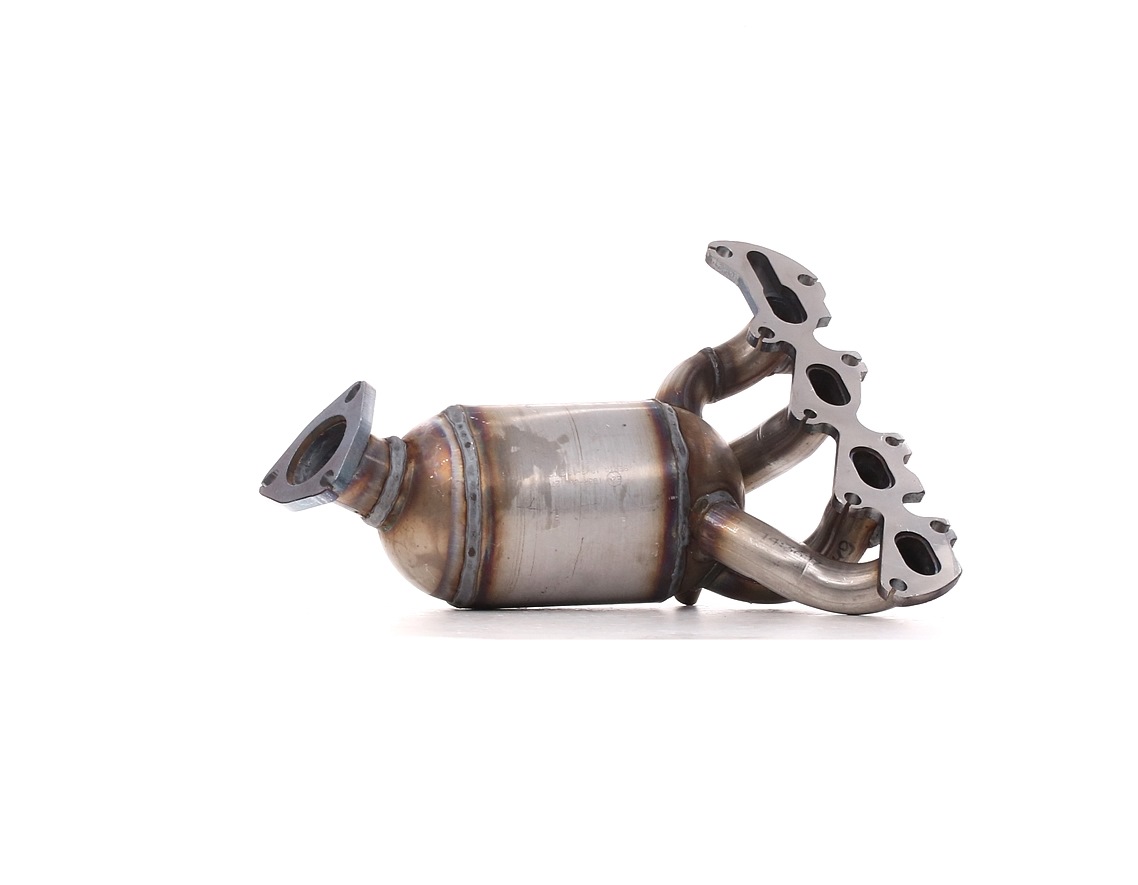 JMJ Catalytic converter
Length: 400 mm
Article number: 1091019
£283.50price incl. 20% VAT, free delivery
JMJ Catalytic converter
Length: 400 mm
Article number: 1091019
£283.50price incl. 20% VAT, free delivery
How to clean a catalytic converter without removing it
There are several effective ways to clean a catalytic converter without taking it off the vehicle, particularly when dealing with light to moderate carbon build-up:
- Fuel additives – Special cleaning products added to the fuel tank can help break down carbon deposits as the engine runs.
- High-rev motorway driving – Driving at sustained high speeds increases exhaust temperatures, which may help burn off built-up residue.
- Routine engine maintenance – Replacing car spark plugs, fixing ignition issues and using clean fuel all contribute to more efficient combustion and help prevent further clogging.
Can a catalytic converter unclog itself?
In some cases, a catalytic converter can partially clear itself, but this depends on the cause and severity of the blockage. If the issue is due to minor carbon build-up, sustained high-temperature driving may burn off the deposits naturally. This process is sometimes referred to as a passive regeneration. However, more serious clogs caused by oil, coolant contamination or a failing engine are unlikely to resolve on their own. Regular maintenance and prompt attention to warning signs are essential to prevent lasting damage.
How to clean a catalytic converter by driving
Cleaning a catalytic converter by driving involves raising the exhaust temperature to burn off carbon deposits. This is often called an “Italian tune-up” and works best for mild build-up. To do this, drive on a clear motorway at sustained high speeds and engine revs, ideally keeping the RPMs above 3,000 for at least 15 to 30 minutes. This increases the heat within the exhaust system, helping to break down soot and residue. It’s important that the engine is in good condition before attempting this method to avoid worsening any underlying issues.
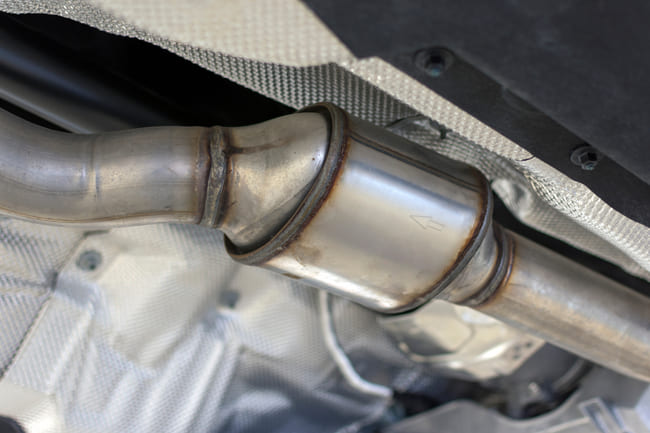
Do catalytic converter cleaners work?
Catalytic converter cleaners can be effective for light carbon build-up, especially when used as a preventative measure or at the first signs of clogging. These additives are poured into the fuel tank and work by cleaning the fuel system and exhaust components as the engine runs. Results may vary depending on the product, the condition of the converter and how regularly the vehicle is maintained. While they won’t fix severe blockages or physical damage, they can help restore efficiency and reduce emissions in mildly affected systems.
How to use a catalytic converter cleaner
Using a catalytic converter cleaner is straightforward, but following the correct steps ensures better results. Here’s how to apply it safely and effectively:
- Choose a suitable product – Select a cleaner compatible with your vehicle’s engine type (petrol or diesel).
- Check fuel levels – Most cleaners require a nearly empty tank to ensure proper concentration when mixed with fuel.
- Add the cleaner – Pour the recommended amount into the fuel tank before refuelling.
- Fill up with fuel – Add the required amount of fuel as instructed on the product label.
- Drive the vehicle – Drive at motorway speeds for 15 to 30 minutes to raise exhaust temperatures and allow the cleaner to work through the system.
- Repeat if needed – For best results, use the product as part of regular maintenance.
Where do you put the catalytic converter cleaner?
Catalytic converter cleaner is typically added directly into the fuel tank. Before doing so, ensure the tank is between one-quarter and half full, as this helps the cleaner mix thoroughly with the fuel and increases its effectiveness. Once poured in, fill up the tank with the amount of fuel specified on the product label. The cleaner then works its way through the fuel system and into the exhaust during normal driving. Always follow the manufacturer’s instructions for proper use and dosage.
Sold by AUTODOC Sold by AUTODOC Sold by AUTODOC Sold by AUTODOC Sold by AUTODOC
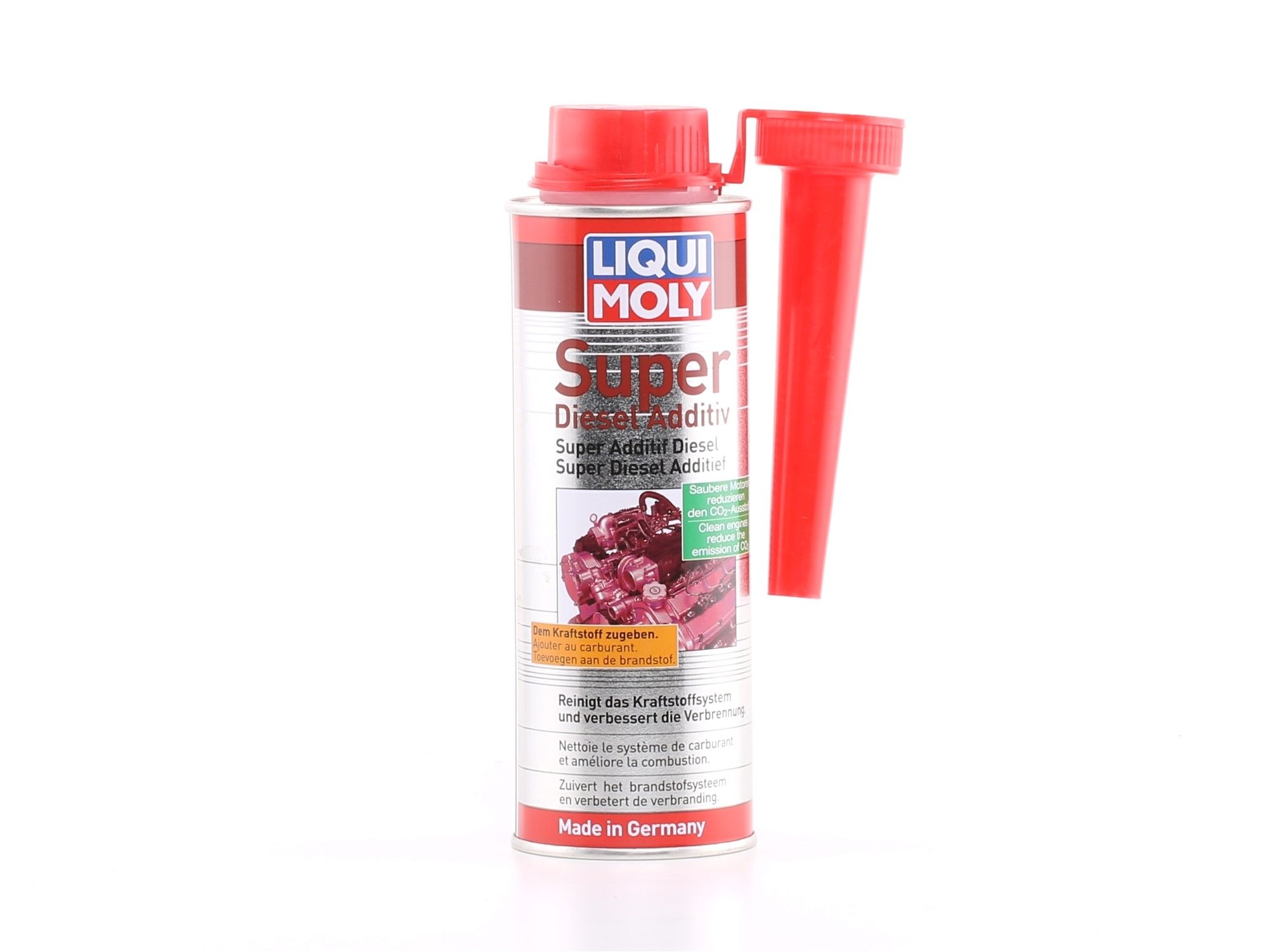 LIQUI MOLY Fuel Additive
Diesel, 250ml, Tin
Article number: 5120
More
£10.99
£43.96
for 1 litre
price incl. 20% VAT, excl. delivery costs
LIQUI MOLY Fuel Additive
Diesel, 250ml, Tin
Article number: 5120
More
£10.99
£43.96
for 1 litre
price incl. 20% VAT, excl. delivery costs
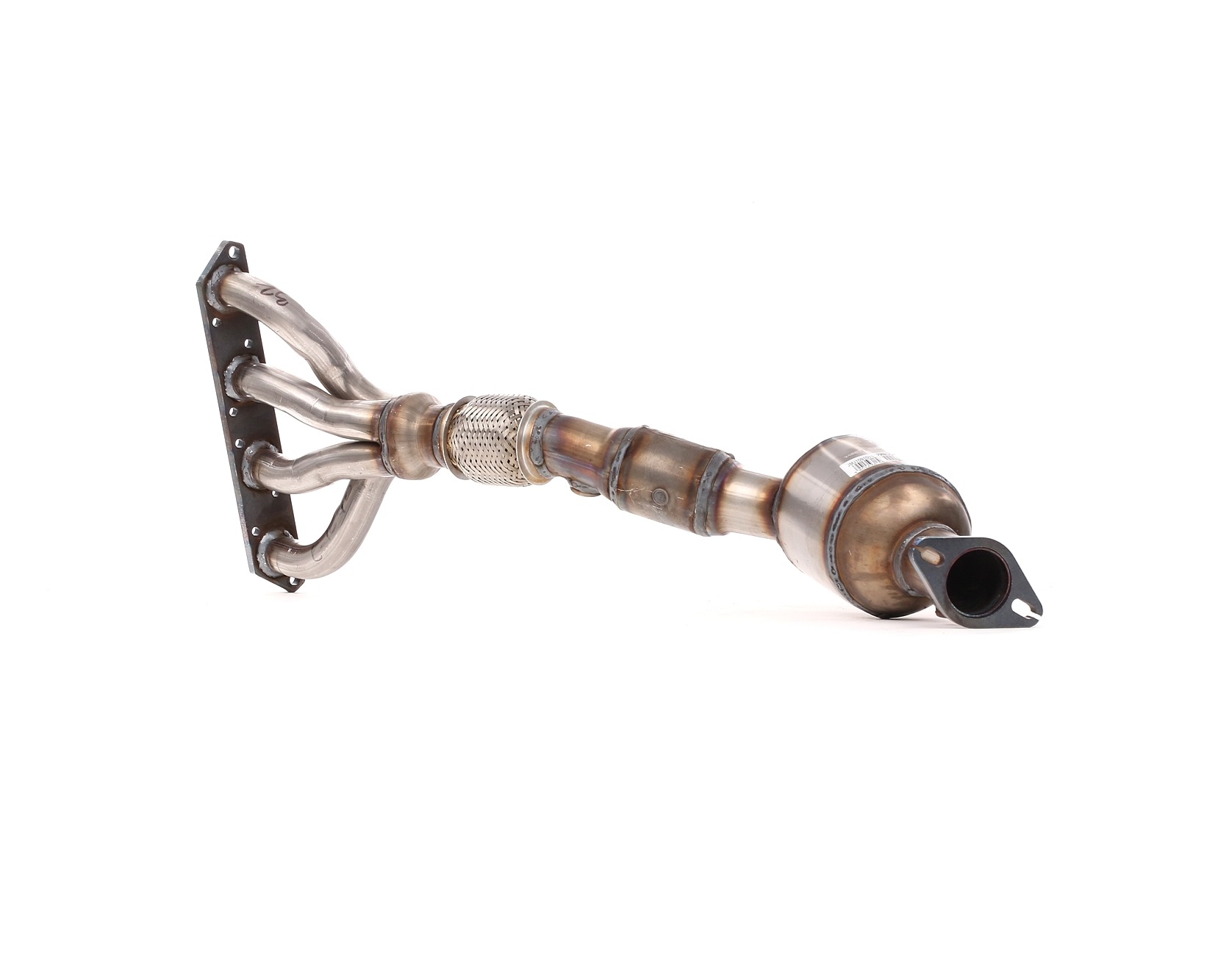 JMJ Catalytic converter
R50/ R52/ R53, Length: 860 mm
Article number: 1091011
£240.50price incl. 20% VAT, free delivery
JMJ Catalytic converter
R50/ R52/ R53, Length: 860 mm
Article number: 1091011
£240.50price incl. 20% VAT, free delivery
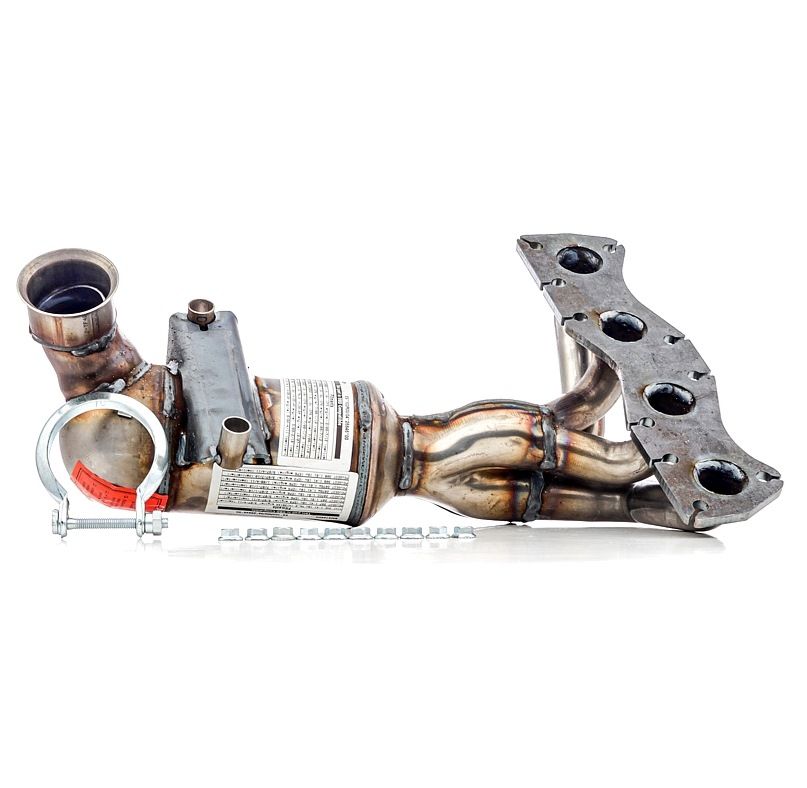 BM CATALYSTS Catalytic converter
Euro 4, E9-103R, Ceramic, Non-approved
Article number: BM91480H
£254.50price incl. 20% VAT, free delivery
BM CATALYSTS Catalytic converter
Euro 4, E9-103R, Ceramic, Non-approved
Article number: BM91480H
£254.50price incl. 20% VAT, free delivery
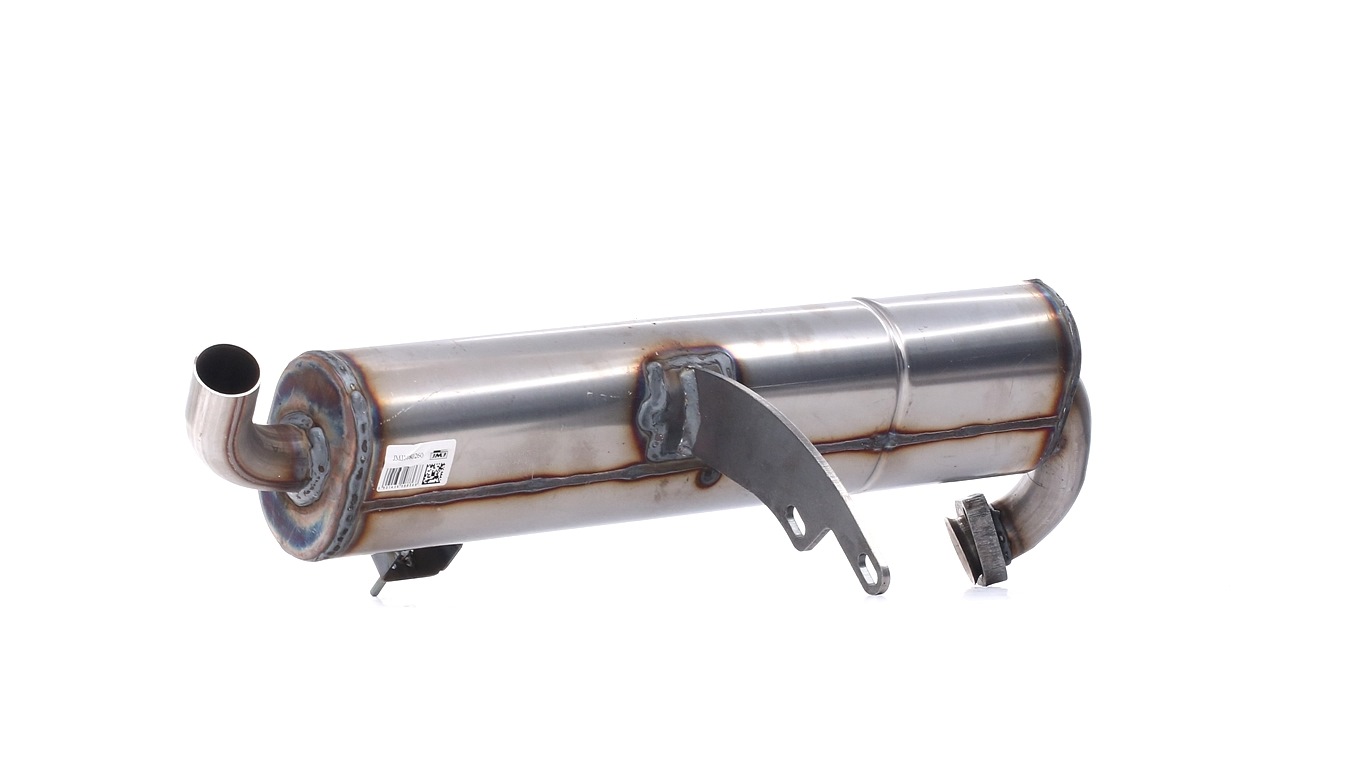 JMJ Catalytic converter
OM 660 DE 8LA
Article number: 1080260
£165.49price incl. 20% VAT, free delivery
JMJ Catalytic converter
OM 660 DE 8LA
Article number: 1080260
£165.49price incl. 20% VAT, free delivery
 Article number: 1581
More
£7.29
£58.32
for 1 litre
price incl. 20% VAT, excl. delivery costs
Article number: 1581
More
£7.29
£58.32
for 1 litre
price incl. 20% VAT, excl. delivery costs
How long does a catalytic converter cleaner take to work?
Most catalytic converter cleaners start working once they enter the fuel system, but noticeable results typically require 20 to 30 minutes of steady driving at moderate to high engine speeds. For best effect, follow the instructions on the product and ensure the engine is fully warmed up.
How to clean a catalytic converter with WD-40
Cleaning a catalytic converter with WD-40 penetrating oil is a widely shared tip online, but it is neither effective nor advisable. WD-40 is intended as a lubricant and moisture displacer, not a cleaner for internal engine or exhaust components. It cannot break down carbon deposits and may even worsen the problem by leaving residue or posing a fire risk under high temperatures. Spraying it into the exhaust system can cause further damage or sensor issues. For safe and reliable results, stick to cleaners specifically formulated for catalytic converters.
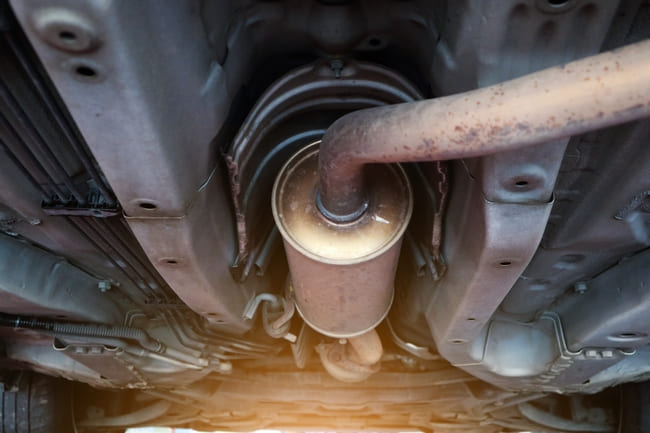
How much does it cost to clean a catalytic converter?
Catalytic converter cleaning cost varies depending on the chosen method. Using fuel additives is the most affordable option, usually costing between £10 and £25 per bottle. Professional catalytic converter cleaning, which involves removing the unit and using specialised tools or chemicals, can range from £80 to £250, depending on the vehicle and workshop rates. It's important to note that if the converter is too damaged or blocked, cleaning may not be enough. If cleaning does not resolve the issue, a full replacement may be necessary, which is significantly more expensive.
FAQ
Can you drill holes in a catalytic converter to unclog it?
Drilling holes in a catalytic converter is not a safe or effective way to clear a blockage. It compromises the unit’s function, increases harmful emissions and may cause your vehicle to fail its MOT or emissions test. In many countries, this kind of tampering is illegal and can lead to fines.
What can you use to clean your catalytic converter?
You can use fuel additives designed for catalytic converter cleaning, drive at sustained high speeds to burn off deposits, or opt for professional chemical or ultrasonic cleaning services.
Will catalytic converter cleaner fix P0420?
Catalytic converter cleaner might help clear a P0420 code if the issue is due to light carbon build-up. However, it will not fix a damaged or deteriorating converter, and the warning is likely to return unless the underlying problem is properly diagnosed and resolved.
Can you clean a catalytic converter with water?
Cleaning a catalytic converter with water is not advisable. Water cannot effectively break down carbon deposits and may damage internal components if not completely dried. Residual moisture can also cause rust or sensor issues. It is safer to use products specifically made for catalytic converter cleaning.
A useful video on this topic:
Handy tips to diagnose a faulty catalytic converter in your car
Top products related to this topic: