Problems with the VW Golf

Reliability VW Golf: common problems, issues symptoms and faults
- DSG gearbox faults: The direct-shift gearbox shows frequent complaints with various engine variants, especially with 1.4 TSI and 2.0 TDI engines. Typical symptoms are jerky shifting and transmission failure between 80.000-120.000 km.
- TSI timing chain damage: The 1.4 TSI and 1.2 TSI engines suffer from timing chain problems, which can occur as early as 60.000 km. Wear leads to engine damage and high repair costs.
- Turbocharger defects: Particularly in GTI 2.0 TSI and GTD 184 PS variants, turbocharger damage occurs between 100.000-150.000 km. The service life is shortened by aggressive driving and irregular maintenance.
- Electronic problems: Frequent breakdowns due to defective sensors and control units affect all model variants. Key not recognized, Bluetooth not working and radio no longer coming on are typical faults after 50.000 km.
VW Golf: Problems with the DSG gearbox

The direct-shift gearbox (DSG) of the VW Golf shows recurring weak points in various engine variants, which manifest themselves in jerky shifting, gear failure and irregular gear changes. Vehicles with 1.4 TSI, 1.6 TDI and 2.0 TDI engines are particularly affected, with the first symptoms appearing between 60.000 and 80.000 km. The reliability of the DSG gearbox is significantly impaired by frequent short journeys and inadequate maintenance. A second problem period appears between 120.000 and 150.000 km when the clutches and actuators fail due to wear. The most common complaints include shifting problems in stop-and-go traffic and complete transmission failure.
A systematic check is essential for the early detection of DSG problems. The sensitive VW Golf DSG control units require regular software updates and transmission fluid flushes every 40.000 km. A professional diagnosis with specialized diagnostic equipment can identify faults in the actuators and clutches before more costly damage occurs.
VW Golf: Problems with TSI timing chains
The TSI engines of the VW Golf, especially the 1.4 TSI and 1.2 TSI variants, suffer from premature timing chain wear, which can lead to serious engine damage after just 60.000 km. The timing chain does not function properly if the chain tensioners fail or the chain itself is overstretched. Typical symptoms are rattling noises when starting from cold, uneven engine running and, in the worst case, piston damage due to valve contact. These problems occur particularly frequently in the 1.4 TSI 2009 variant, as the early production years had design weaknesses. The service life of the timing chain is significantly reduced by aggressive driving, longer oil change intervals and short journeys.
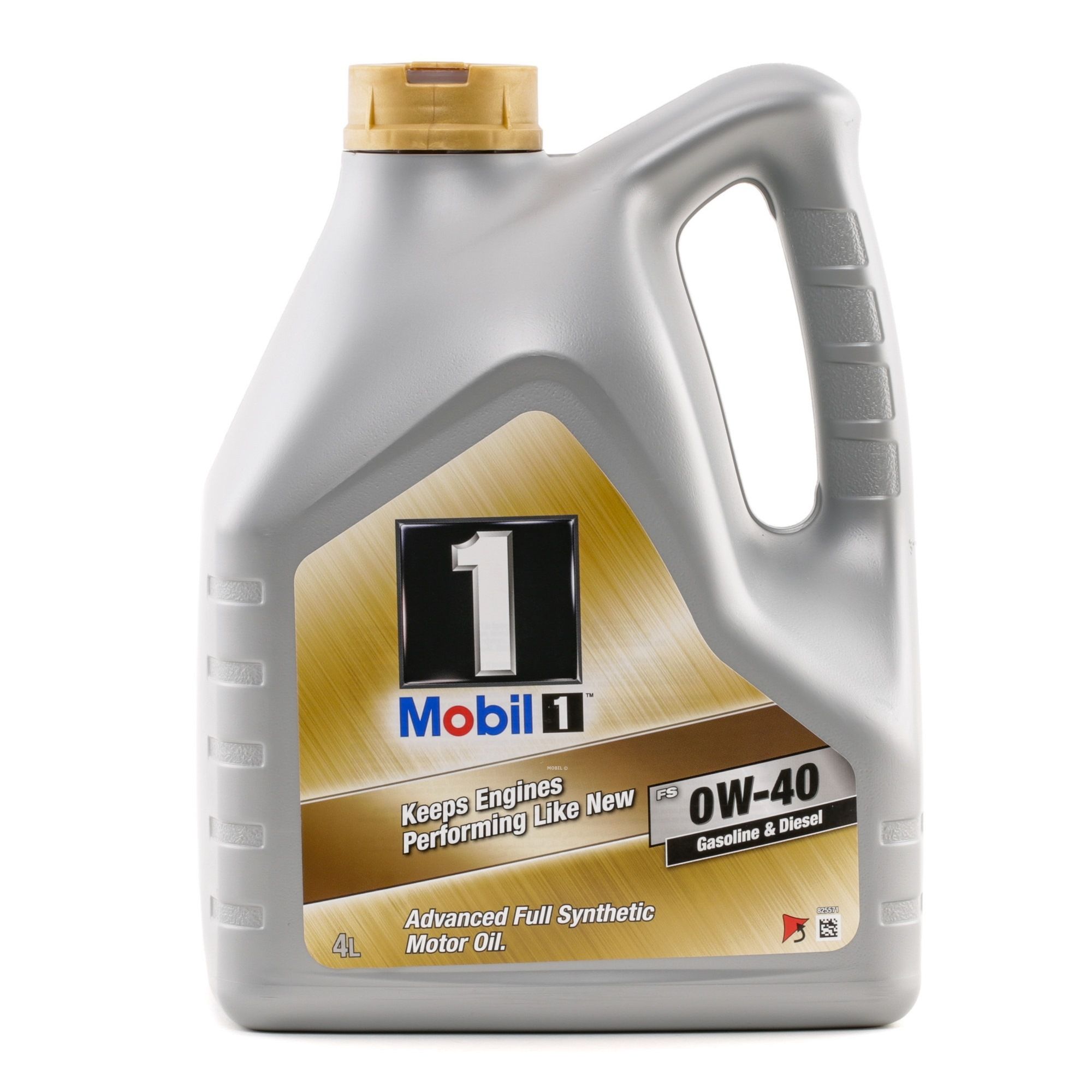
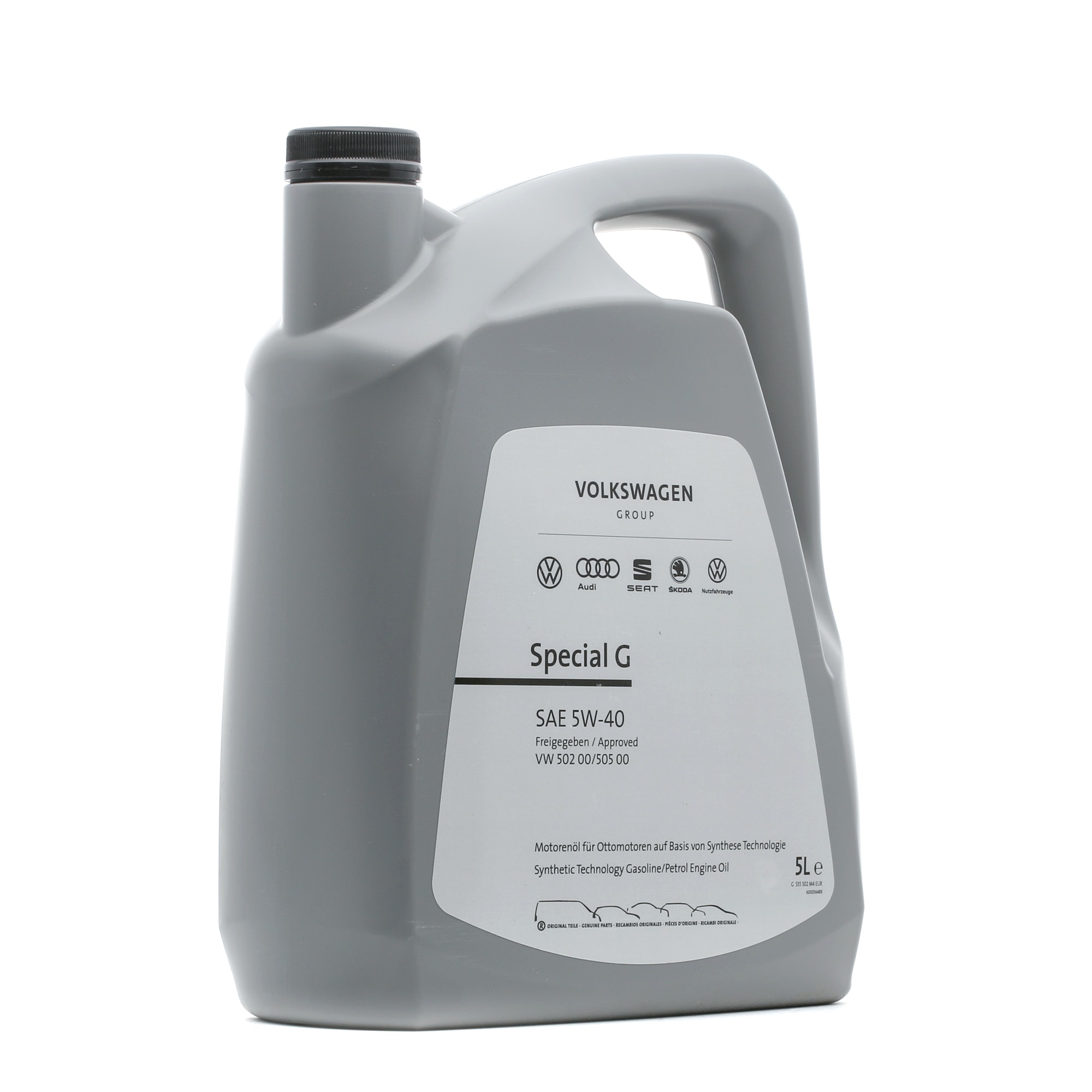
Regular maintenance is crucial for the longevity of TSI engines. The critical VW Golf TSI timing chains require careful monitoring of engine noise and regular oil changes every 10.000 km instead of the manufacturer's recommended 15,000 km. Preventive maintenance with high-quality engine oils and observance of service intervals can prevent costly engine damage.
VW Golf: Problems with turbochargers
The turbocharger in various VW Golf variants, especially in the GTI 2.0 TSI and GTD 184 PS, exhibits characteristic weak points, which are manifested by a loss of power, bluish exhaust smoke and whistling noises. The first problems typically occur between 100.000 and 120.000 km when the bearings wear out or the seals start to leak. With aggressive driving and inadequate maintenance, turbocharger damage can occur earlier. A second critical period is between 150.000 and 180.000 km, when the mechanical components fail due to age. The most common faults include defective wastegate actuators, worn turbine wheels and leaking oil lines leading to complete turbocharger failures.
A professional inspection is required to detect and repair turbocharger damage at an early stage. The precise VW Golf turbocharger systems require regular inspections of the charging lines, oil changes every 10.000 km and an appropriate warm-up and cool-down phase. Professional maintenance with genuine parts and the use of high-quality engine oils can significantly extend the service life of the turbocharger.
VW Golf: Problems with the electronics
The electronic systems of the VW Golf exhibit a variety of faults that manifest themselves through various symptoms: key not recognized, bluetooth not working, radio no longer coming on and various sensor failures. These problems often occur as early as 40.000 km and affect all model variants from the basic equipment to the GTE. The comfort control units, door control units and the infotainment system are particularly susceptible and can fail due to moisture, temperature fluctuations or software errors. The most common complaints include total failure of the electronics, malfunctions of the central locking system and problems with keyless access. In older models between 80.000 and 100.000 km, breakdowns due to corroded plug connections and ageing control units are more frequent.
Professional maintenance is essential to ensure the functionality of the complex electronics. The sensitive VW Golf control units require regular software updates and checks of the electrical connections in order to avoid failures. Systematic diagnostics with manufacturer-specific diagnostic equipment can uncover hidden faults and prevent costly repairs.
VW Golf: Problems with air conditioning and heating

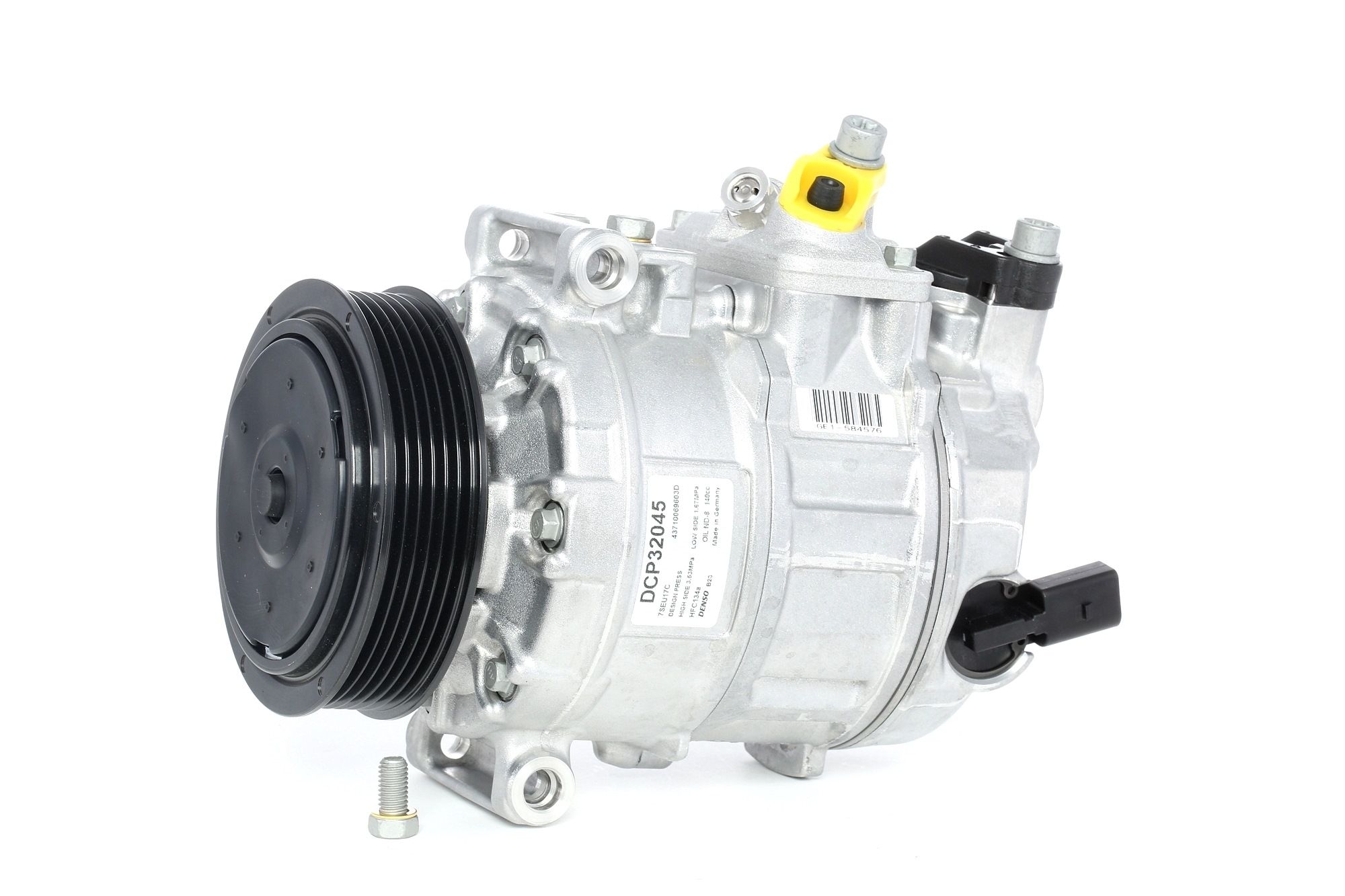
The air conditioning system of the VW Golf exhibits recurring problems, mainly manifested by "air conditioning does not cool" and "heater does not heat". These faults occur particularly frequently in vehicles over 60.000 km and affect both older and newer model variants. The air conditioning compressor, the condensers and the heating valves are the most frequent causes of problems, with refrigerant loss and defective actuators being among the typical weak points. In the 1.6 FSI and 1.0 TSI variants, problems also occur with the electronic air conditioning control units. The service life of the air conditioning components is considerably reduced by infrequent use, lack of maintenance and aggressive temperature fluctuations. Between 100.000 and 120.000 km, blower motor and heater resistor failures become more frequent.
Regular maintenance is crucial for the functionality of the air conditioning system. The complex VW Golf air conditioning systems require annual checks of the refrigerant level, cleaning of the condensers and inspection of the servomotors. Preventive maintenance with regular use of the air conditioning system, even in winter, can prevent premature breakdowns and ensure optimum function.
VW Golf: Problems with mechanical components
Mechanical components of the VW Golf show various weak points, which become noticeable through characteristic symptoms: clutch pedal does not return, trunk does not close, trunk does not open, hood does not close and fuel filler cap does not open. These problems mainly occur between 70.000 and 90.000 km and particularly affect the moving parts and locking mechanisms. The clutch hydraulics in manual gearboxes show signs of wear, while the electrical locking systems fail due to corroded contacts and worn motors. In the 1.4 80 hp and 1.6 petrol versions, problems with the Bowden cables and mechanical locking mechanisms have also been documented. The vehicle will not start if the starter battery or the starter motor fail, which is particularly common in older models with 100.000 km or more.
A systematic check is necessary for the proper functioning of all mechanical systems. The moving VW Golf locking mechanisms require regular lubrication and adjustment to ensure proper functioning. Professional maintenance with original spare parts and proper adjustment can prevent premature failures and ensure the reliability of the vehicle.
Additional common VW Golf faults
Based on the experience of VW Golf drivers, the following additional problems occur:
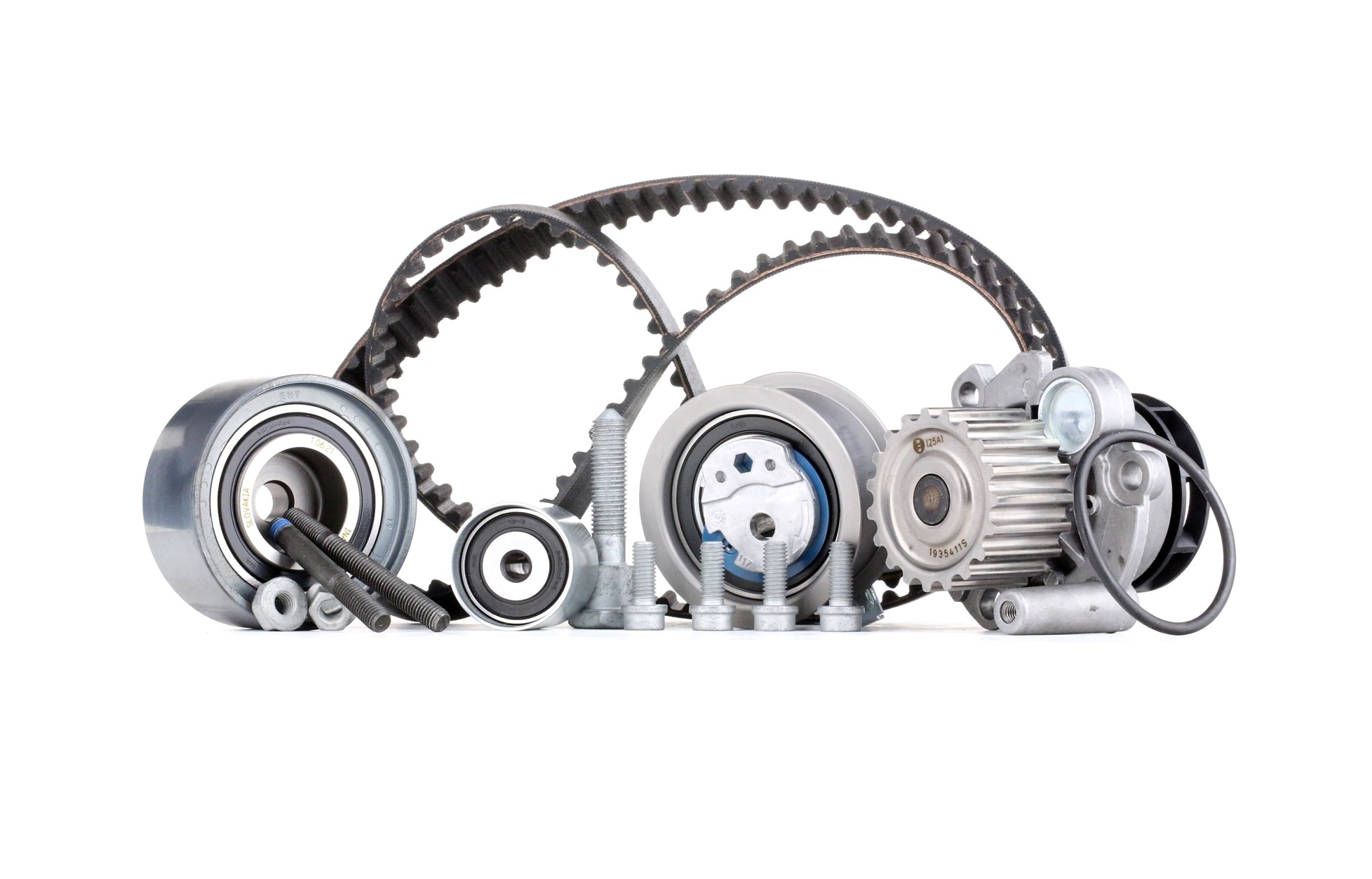
- Water pump defects in 1.6 TDI: Typically occur between 120.000-140.000 km, lead to cooling system failure
- Glow plug problems in diesel engines: Frequent from 80.000 km, especially with GTD variants in winter
- Fuel pump failure in 1.5 TSI: Documented between 60.000-80.000 km, leads to starting problems
- Xenon headlight control units: Defects from 90.000 km, especially in GTI models
- Particulate filter problems with 2.0 TDI: Blockage as early as 40.000 km on short journeys
- Steering gear leaks: Occur between 100.000-120.000 km, affect all variants
- Window regulator motors: Failures from 70.000 km, particularly at the left rear
- ABS sensors: Corrosion-related failures from 60.000 km, lead to brake assist problems

VW Golf: weak points and strengths
| Strengths |
Weak points |
| Diverse engine range |
DSG gearbox problems |
| Good workmanship |
TSI timing chain damage |
| High resale value |
Turbocharger defects |
| Extensive dealer network |
Electronic faults |
| Proven platform |
Air conditioning problems |
| Good space |
High repair costs |
| Modern assistance systems |
Mechanical wear parts |
Despite its known weaknesses, the VW Golf remains a popular vehicle with fundamentally sound technology. Most problems can be avoided or at least their effects limited by regular maintenance and timely intervention. It is particularly important to observe the service intervals and to use original parts for repairs in order to ensure the longevity and reliability of the vehicle.

 3 October 2025 (updated)