Problems with the Audi A4 B9

Reliability Audi A4 B9: common problems, issues symptoms and faults
- AdBlue system malfunctions: The AdBlue system starts to show symptoms such as error messages and reduced performance as early as 30,000-50,000 km. The 2.0 TDI 150 PS and 2.0 TDI 190 PS are particularly affected by these problems, which manifest themselves in the form of blocked lines and defective sensors.
- S-Tronic automatic transmission problems: The dual-clutch transmission typically develops shifting problems between 60,000-80,000 km, manifested by jerky gear changes and clutch grinding. These breakdowns often lead to costly repairs and significantly impair reliability.
- Particulate filter clogging: The diesel particulate filter often clogs between 40,000-70,000 km, especially on short journeys. Symptoms include reduced engine performance and increased fuel consumption, affecting the life of the engine.
- Air conditioning malfunctions: The air conditioning system begins to show signs of weakness after only 20,000-40,000 km due to defective compressors and leaking refrigerant lines. These complaints lead to inadequate cooling performance and high repair costs.
Audi A4 B9: Problems with the AdBlue system
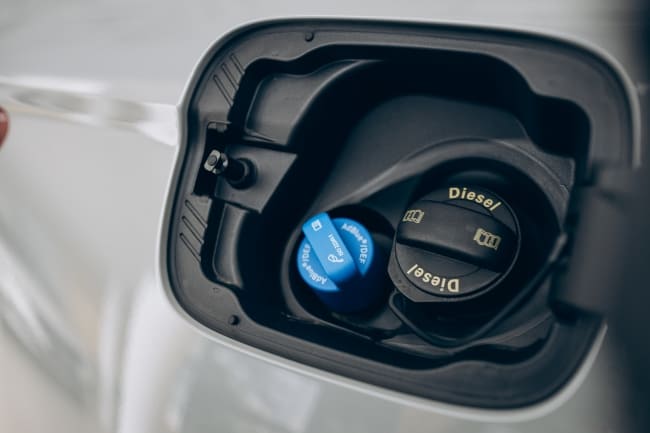
The AdBlue system in the Audi A4 B9 frequently malfunctions, particularly in the 2.0 TDI 150 PS and 2.0 TDI 190 PS diesel engines, which manifests itself in various error messages in the instrument cluster. The symptoms range from "Check AdBlue system" to drastic warnings about engine start blocks after a certain number of kilometres. These common faults typically occur between 30,000 and 80,000 kilometres and can be caused by both clogged AdBlue lines and defective NOx sensors. The tank cap of the AdBlue tank can also leak, leading to crystallisation and other problems. The reliability of the entire exhaust gas aftertreatment system is significantly impaired as a result and the vehicle will no longer start if the warnings are ignored.
Regular maintenance is essential for the proper functioning of the exhaust aftertreatment system. The sensitive Audi A4 B9 AdBlue components require special attention during maintenance, especially the regular inspection of the lines and sensors every 15,000 kilometres. Using high quality AdBlue and avoiding contamination can prevent many of these problems and significantly extend the life of the system.
Audi A4 B9: Problems with the S-Tronic automatic transmission

The S-Tronic dual-clutch transmission of the Audi A4 B9 develops characteristic weaknesses that manifest themselves in jerky gear changes, delayed gear changes and unusual noises. These faults occur particularly frequently between 60,000 and 100,000 kilometres and initially manifest themselves as slight jerking when starting off or changing gear. The automatic transmission no longer shifts smoothly and shows symptoms such as clutch grinding or complete failure of individual gears. The breakdowns can have both mechanical and electronic causes, with the mechatronic unit being particularly susceptible to defects. In the case of advanced problems, the transmission no longer functions properly and can lead to costly repairs that often require the replacement of the entire clutch unit.
An expert inspection is required to recognise early signs of transmission problems. The precise Audi A4 B9 S-Tronic transmission parts require regular oil changes every 60,000 kilometres and careful monitoring of the operating temperature. A professional diagnosis with special Audi software can reveal hidden fault codes and enable preventive measures to be taken before major damage occurs.
Audi A4 B9: Problems with the particulate filter
The diesel particulate filter (DPF) of the Audi A4 B9 is prone to clogging, especially on frequent short journeys and at low operating temperatures. These complaints are manifested by reduced engine performance, increased fuel consumption and characteristic warning messages in the instrument cluster. The particulate filter typically becomes clogged between 40,000 and 70,000 kilometres, although vehicles with predominantly urban operation are affected earlier. The symptoms often begin with occasional regeneration cycles, which are noticeable through increased engine speed and temperature. If the filter is too dirty, automatic regeneration no longer works and error messages appear. In advanced cases, the vehicle will no longer start properly or will exhibit significantly reduced performance, which considerably impairs the reliability of the engine.
A systematic check is necessary to assess the condition of the particulate filter. The Audi A4 B9 particulate filter systems require regular motorway journeys of at least 20 minutes every 500 kilometres to ensure complete regeneration. Preventive maintenance with special cleaning additives and regular long-distance driving can extend the service life of the filter to over 150,000 kilometres.
Audi A4 B9: Problems with the air conditioning system
The air conditioning system of the Audi A4 B9 shows various weak points, which can manifest themselves in insufficient cooling capacity, unusual noises and complete failure. These common faults occur between 20,000 and 60,000 kilometres and affect both the compressor and the refrigerant lines. The symptoms often start with reduced cooling capacity and can develop into complete cooling failure. Leaking condensers and defective expansion valves lead to refrigerant loss, while clogged cabin filters impair air circulation. In severe cases, the air conditioning system stops working and requires costly repairs. Frequent use and extreme temperatures put additional strain on the reliability of the system, leading to premature component wear.
Professional maintenance is crucial for the longevity of the air conditioning system. The complex Audi A4 B9 air conditioning components require annual checks of the refrigerant level and regular replacement of the cabin filters every 15,000 kilometres. Preventive disinfection of the evaporator and checking all seals can prevent many problems and ensure that the system functions optimally.
Audi A4 B9: Problems with the drive shaft and the Bluetooth system
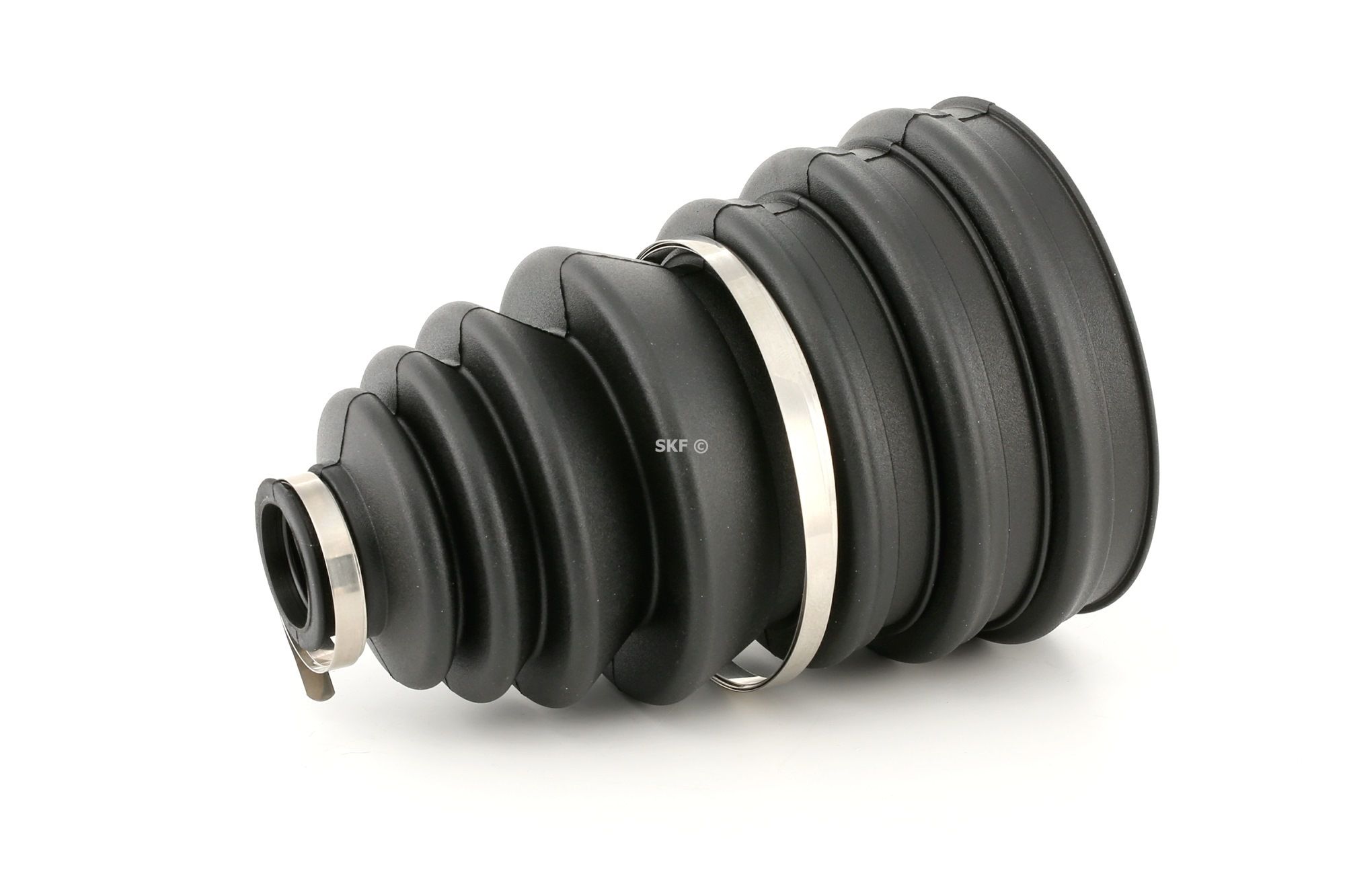
The drive shaft of the Audi A4 B9 develops characteristic noises and vibrations that occur particularly when cornering and accelerating. These breakdowns typically manifest themselves between 80,000 and 120,000 kilometres through clicking or cracking noises from the front wheels. The symptoms are caused by worn joints or damaged boots, which lead to lubrication problems. At the same time, the Bluetooth system shows frequent disconnections and compatibility problems with modern smartphones. These faults manifest themselves in interrupted phone calls, music streaming problems and difficulties with device pairing. The complaints affect both the hardware and the software components of the infotainment system and can significantly impair the user experience.
Regular maintenance is essential for the proper functioning of both systems. The Audi A4 B9 drive shaft joints require regular checks of the boots and timely replacement at the first sign of damage every 60,000 kilometres. The Bluetooth system requires regular software updates and occasional resets of the connection settings to ensure optimum compatibility and reliability.
Additional common faults of the Audi A4 B9
Based on the experience of Audi A4 B9 drivers, the following additional problems occur:
- LED headlight condensation: often occurs between 25,000-45,000 km, caused by faulty air vents and seals.
- Power window problems: Typically develop after 50,000-70,000 km due to worn motors or faulty switches.
- Fuel pump high pressure defects: Occur especially in petrol engines between 60,000-90,000 km, leading to starting problems and loss of power.
- Navigation system GPS reception problems: Often manifest after 30,000-50,000 km due to software conflicts or antenna defects.
- Turbocharger wear: Mainly affects the 2.0 TDI 190 PS between 100,000-140,000 km due to oil contamination or overheating.
- Front brake squeal: Occurs after 15,000-25,000 km, often caused by brake pad quality or disc deformation.

Audi A4 B9: weak points and strengths
| Strengths |
Weak points |
| High-quality workmanship |
AdBlue system problems |
| Modern assistance systems |
S-Tronic transmission susceptibility |
| Comfortable ride quality |
Particle filter blockage |
| Good engine range |
Air conditioning defects |
| Elegant design |
Electronic faults |
| Solid road holding |
High repair costs |
| Good resale value |
Bluetooth connectivity issues |
The Audi A4 B9 proves to be a technically sophisticated vehicle with modern systems which, however, require regular maintenance and expert care. Most problems can be avoided through preventive measures and timely intervention. The exhaust aftertreatment systems and electronic components in particular require attentive care in order to guarantee the characteristic Audi quality and longevity.


 5 December 2025 (updated)