Reliability VW Passat: common problems, issues symptoms and faults
DSG-gearbox problems: The DSG-gearbox often shows weak points in various engine versions such as the 1.4 TSI 122 PS and 2.0 TDI 150 PS. Typical symptoms are jerky gear changes and gearbox damage from 80,000-120,000 km mileage.
Turbocharger defects in TSI-engines: The 1.5 TSI and 1.8 TSI 160 PS in particular suffer from premature turbocharger wear. These breakdowns usually occur between 100,000-150,000 km and are manifested by a loss of power and bluish smoke.
Timing chain problems: The 1.8 TSI timing chain starts to show signs of wear at 60,000 km. It becomes particularly critical at 120,000-180,000 km, when the timing chain no longer jumps correctly and engine damage is imminent.
Central locking system does not open: Electronic faults in the central locking system often occur in vehicles 5-8 years old and older. The emergency key does not always work reliably, which leads to considerable complaints from drivers.
Reviews - 79
Parts Details
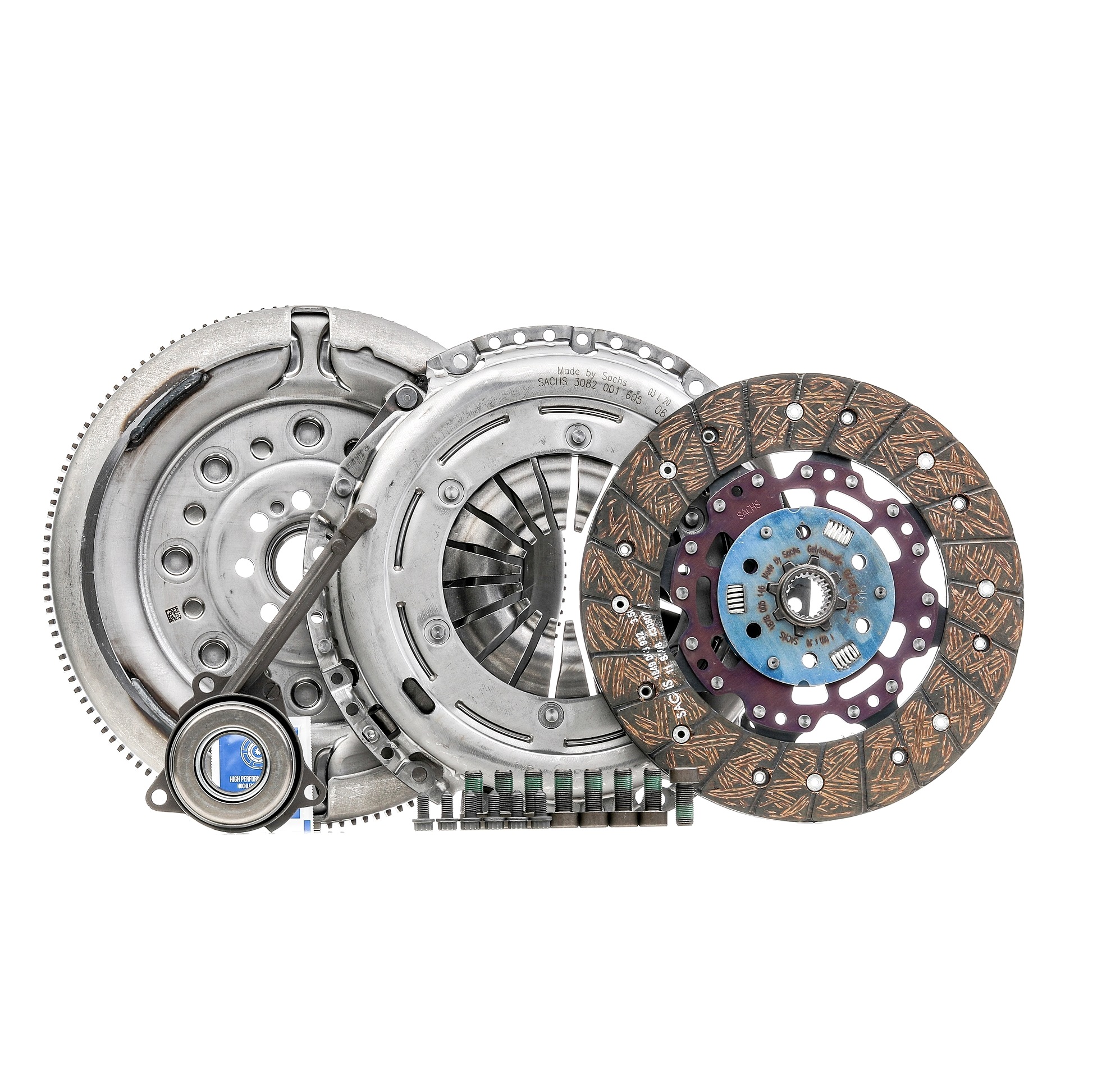
Supplementary Article / Supplementary Info: with central slave cylinder, without pilot bearing
Supplementary Article / Supplementary Info Info 2: with flywheel, with screw set, Requires special tools for mounting, Dual-mass flywheel with friction control plate
Product line:
LuK RepSet DMF
Adjustment:
with automatic adjustment
Number of teeth (finding the max. clearance angle):
7
Supplementary Article / Supplementary Info: without pilot bearing
Supplementary Article / Supplementary Info Info 2: with clutch release bearing, with flywheel, with screw set, Requires special tools for mounting, Dual-mass flywheel with friction control plate
Product line:
LuK RepSet DMF
Adjustment:
with automatic adjustment
Number of teeth (finding the max. clearance angle):
7
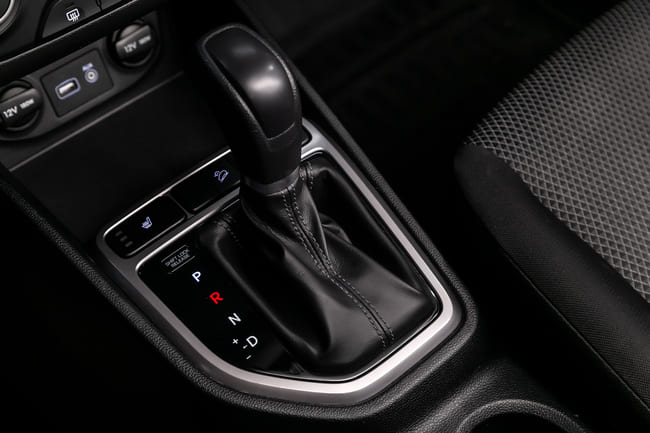
The DSG-gearbox of the VW Passat shows considerable weaknesses in various engine versions such as the 1.4 TSI 150 PS, 2.0 TDI 190 PS and 1.5 TSI DSG. These automatic transmission problems manifest themselves in jerky gear changes, delayed gear changes and complete transmission failures. Vehicles with a high mileage of 80,000 km or more are particularly affected, with a second wave of problems occurring between 150,000-200,000 km. The symptoms range from slight jerking when starting off to complete gearbox damage that makes the vehicle undriveable.
Regular maintenance is crucial for the longevity of the gearbox. The sensitive VW Passat DSG control units require an oil change with special DSG oil and regular software updates every 40,000 km. A professional diagnosis with VAG-COM can detect problems at an early stage before costly repairs become necessary. Preventive measures such as gentle starting and avoiding stop-and-go traffic can significantly extend the service life.
VW Passat: Problems with turbochargers in TSI-engines
The TSI-engines of the VW Passat, in particular the 1.8 TSI 179 PS, 2.0 TSI 190 PS and 2.0 TSI 220 PS, suffer from premature turbocharger wear. These weak points are manifested by a loss of power, increased oil consumption and characteristic bluish smoke from the exhaust. The first signs often appear between 80,000-120,000 km, while serious defects usually occur between 130,000-180,000 km. The 2.0 TSI 280 PS in particular shows earlier signs of wear due to its high output. The reliability of turbochargers is further impaired by aggressive driving and irregular maintenance.
A systematic check is essential for the early detection of turbocharger problems. The precise VW Passat turbocharger systems require high-quality engine oil with correct viscosity values and change intervals of maximum 15,000 km. A professional inspection should regularly check the intercooler, intake lines and oil supply. Preventive measures such as running the engine after long journeys can significantly extend the service life of the turbocharger.
Volkswagen Passat: Problems with the timing chain in TSI-engines
The 1.8 TSI timing chain of the VW Passat shows the first signs of wear after 60,000 km, which are noticeable in the form of rattling during cold starts. These frequent faults particularly affect vehicles built between 2007 and 2015 and can lead to serious engine damage. The critical phase is between 120,000-180,000 km, when the timing chain jumps or breaks. Symptoms include metallic noises from the engine compartment, unsteady idling and, in the worst case, complete engine damage due to piston/valve collision. The service life of the timing chain is negatively affected by short journeys and frequent cold starts.
A professional inspection is required to detect timing chain problems at an early stage. The VW Passat timing chain systems require regular checks of the chain tension and oil pressure every 30,000 km. Professional maintenance with high-quality 5W-30 engine oil and correct change intervals can extend the service life considerably. At the first sign of chain rattling, a workshop should be visited immediately, as the entire timing chain, including tensioners and guide rails, will need to be replaced.
VW Passat: Problems with the central locking system
The central locking system does not open in many VW Passat models, especially in vehicles with a service life of 5-8 years or more. These electronic faults affect both older models with the 2.0 TDI 140 PS and newer variants with 4Motion drive. Typical symptoms are the complete failure of the remote control, individual doors that do not switch, and the fact that the emergency key does not work reliably. The problems usually occur in phases - the first faults occur after 3-5 years, a second wave between 8-12 years of vehicle age. The door lock actuators and the central control unit of the comfort control system are particularly affected.
Professional maintenance is crucial for the functionality of the central locking system. The complex VW Passat central locking systems require regular diagnostics with fault memory readout and functional testing of all actuators. A systematic check of the door contacts, microswitches and cable connections every 2-3 years can prevent costly failures. At the first sign of malfunction, the door locks should be cleaned and lubricated before a complete replacement of the servomotors becomes necessary.
Volkswagen Passat: Problems with the air conditioning system
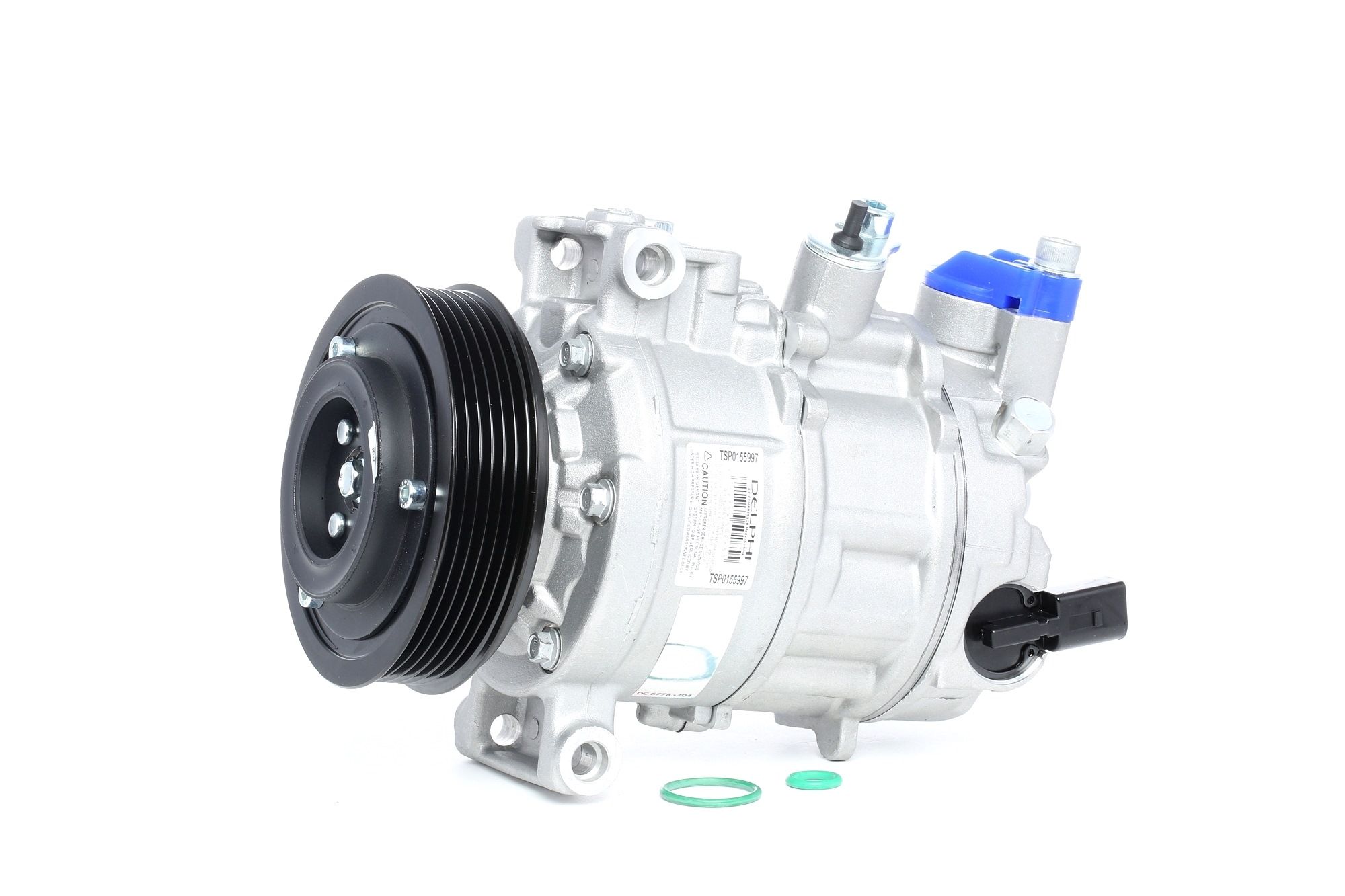
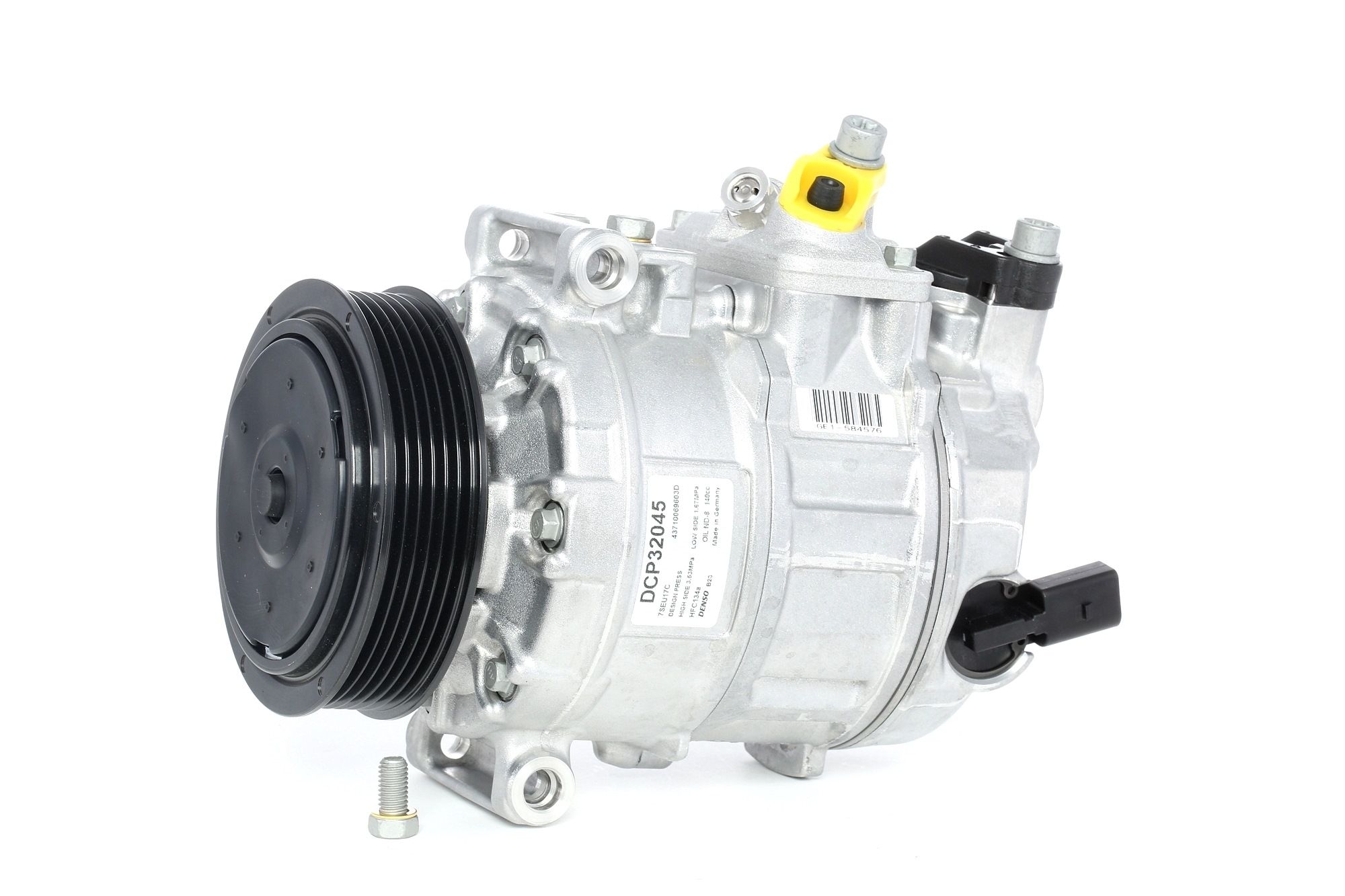
The air conditioning system does not cool in many VW Passat models with different engines such as the 1.6 TDI 120 PS, 2.0 TDI 170 PS and 2.5 TDI V6. These weak points are manifested by diminishing cooling performance, warm air despite the air conditioning system being switched on and increased operating noise. The first problems often occur after 4-6 years, with a second wave of problems appearing between 8-12 years of vehicle age. Defective air conditioning compressors, leaking condensers and clogged cabin filters are particularly common. The reliability of the air conditioning system is further impaired by infrequent use and lack of maintenance. Vehicles with panoramic roofs show earlier air conditioning problems due to the higher heat load.
Regular maintenance is essential for the air conditioning system to function optimally. The VW Passat air conditioning systems require a professional inspection with refrigerant check and disinfection of the evaporator every 2-3 years. A systematic inspection should check the compressor, condenser and all lines for leaks. Preventive measures such as regular filter changes every 15,000 km and year-round use of the air conditioning system can significantly extend its service life and avoid costly repairs.
VW Passat: Problems with electronic systems
Electronic systems in the VW Passat exhibit various faults that occur particularly in modern equipment variants. The radio does not come on, Bluetooth does not connect and Lane Assist is not available are common complaints from drivers. These faults affect both diesel variants such as the 2.0 TDI Biturbo and 239 PS diesel as well as petrol models such as the 2.0 FSI 150 PS. Electronic problems often manifest themselves in waves - first faults after 2-4 years, more severe problems between 6-10 years of vehicle age. In particular, the electric trailer coupling does not work reliably and the electric tailgate does not open on many vehicles. The main user function also shows frequent malfunctions, and Bluetooth cannot be switched on with various infotainment systems.
A systematic check is required to diagnose electronic problems. The complex VW Passat electronic systems require regular software updates and fault code readouts with professional diagnostic equipment. A professional inspection should check all control units, cable connections and fuses. Preventive measures such as moisture protection, regular battery checks and careful handling of electronic components can significantly improve the reliability of the systems.
Additional common Volkswagen Passat faults
Based on the experiences of VW Passat drivers, the following additional problems occur:
Trunk does not open: often occurs from 80,000-120,000 km, often caused by defective lock cylinders or actuators
Clutch pedal does not come back: mainly affects manual gearbox variants from 100,000-150,000 km, usually due to worn clutch master cylinder
Heater does not heat up: Particularly occurs in older TDI engines from 120,000 km, often due to defective thermostats or heater heat exchangers
Does not start immobilizer: Electronic problem in vehicles from 5-8 years old, often due to defective remote control keys or control units
Biturbo diesel problems: Specific weak points of the 2.0 TDI Biturbo from 80,000 km due to turbocharger wear and EGR valve coking
3.6 V6 timing chain problems: Affects the 3.6 V6 engine from 150,000 km with characteristic rattling noises
1.4 TSI Ecofuel gas line leaks: Special problems of the natural gas variant from 60,000 km due to ageing of the gas lines
2.8 V6 4Motion all-wheel drive problems: Haldex clutch shows wear from 120,000 km with all-wheel drive failure
Reviews - 56
Parts Details
Manufacturer Restriction: Delphi
Compressor ID: 6SE14
Compressor Oil: PAG 46
Belt Pulley Ø [mm]: 110
Supplementary Article / Supplementary Info Info 2:
with PAG compressor oil
Based on owner feedback, these additional technical problems occur regularly and require expert attention.
VW Passat problems: weak points and strengths
Strengths
Weak points
Large trunk and interior space
DSG-gearbox problems
Good road holding and ride comfort
Turbocharger wear with TSI
Modern safety equipment
Timing chain problems
Wide range of engines
Electronic faults
Solid workmanship
Air conditioning defects
Low maintenance costs with TDI
Central locking failures
Good price-performance ratio
High repair costs
The VW Passat proves to be a fundamentally solid vehicle with good driving characteristics and practical qualities. The most common problems concern the DSG-gearbox, turbochargers in TSI-engines and electronic systems. Regular maintenance and timely intervention at the first symptoms can successfully rectify most weak points. It is particularly important to observe the maintenance intervals and use original parts for repairs to ensure the longevity of the vehicle.
Supplementary Article / Supplementary Info: with central slave cylinder, with clutch pressure plate, with dual-mass flywheel, with flywheel screws, with pressure plate screws
Supplementary Article / Supplementary Info Info 2: with clutch disc


 20 November 2025 (updated)