Reliability BMW X3: common problems, issues symptoms and faults
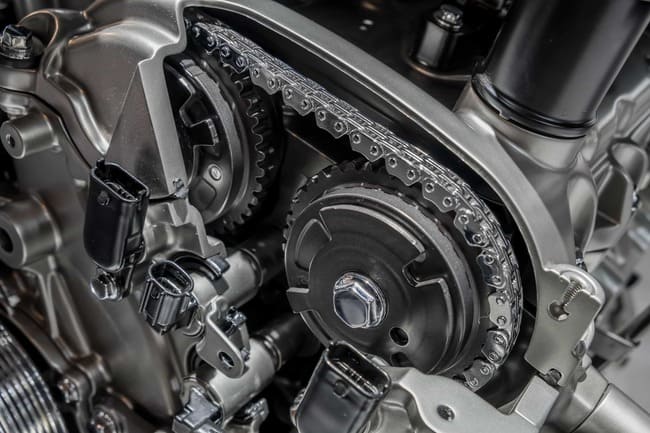
Timing chain problems in 2.0 petrol models: The timing chain can cause problems after just 80,000-120,000 km, especially in the xDrive20i and M40i models. Symptoms include rattling when starting from cold and loss of power.
Electric tailgate not working: The electric tailgate often malfunctions after 60,000 km, especially on xDrive30d and M40d models. The system does not start or does not switch properly.
Bluetooth connection problems: The Bluetooth system often exhibits disconnections, which can occur after as little as 20,000-40,000 km. The reliability of the wireless connection is impaired.
Hybrid battery problems: Hybrid models can experience battery problems after as little as 100,000-150,000 km, resulting in reduced electric ranges and breakdowns.
BMW X3: Problems with the timing chain in the 2.0 petrol engine and M40i
The timing chain in BMW X3 models with a 2.0 petrol engine and M40i shows frequent faults, which become noticeable through characteristic symptoms. Rattling at cold start is one of the first signs of a worn timing chain, followed by loss of power and uneven engine running. In the xDrive20i models, this problem typically occurs between 80,000 and 120,000 kilometres, while in the more powerful M40i variants, the first symptoms can occur as early as 60,000 kilometres. The service life of the timing chain is significantly reduced by aggressive driving and irregular oil changes, leading to premature breakdowns and costly repairs.
Regular maintenance is essential for the longevity of the timing chain. The sensitive BMW X3 timing chain tensioners require high-quality engine oils and change intervals of no more than 15,000 km to ensure optimum lubrication. At the first symptoms such as rattling, a professional inspection should be carried out immediately, as a complete timing chain replacement including tensioner and guide rails may be necessary. Preventive maintenance with regular oil analyses can prevent major damage and ensure the reliability of the engine.
The electric tailgate of the BMW X3 frequently malfunctions, especially in xDrive30d and M40d models. The system does not work reliably and does not always start, which manifests itself in jerky opening or complete failure. These weak points typically occur from a mileage of 60,000 km and can be caused by defective gas struts, worn electric motors or faulty control units. In the 3.0 diesel variants, additional problems with the microswitches have been documented, which can occur after just 40,000 km. The symptoms range from slow opening to complete failure of the electrical assistance, which makes operation considerably more difficult.
A systematic check is required to identify the cause of the malfunctions. The complex BMW X3 tailgate drives require regular calibration and lubrication of the mechanical components every 30,000 km. The gas struts in particular should be checked for leaks, as they are largely responsible for proper functioning. A professional diagnosis can differentiate between software problems and mechanical defects, thus avoiding unnecessary repairs.
BMW X3: Problems with the 2.0 diesel xDrive20d
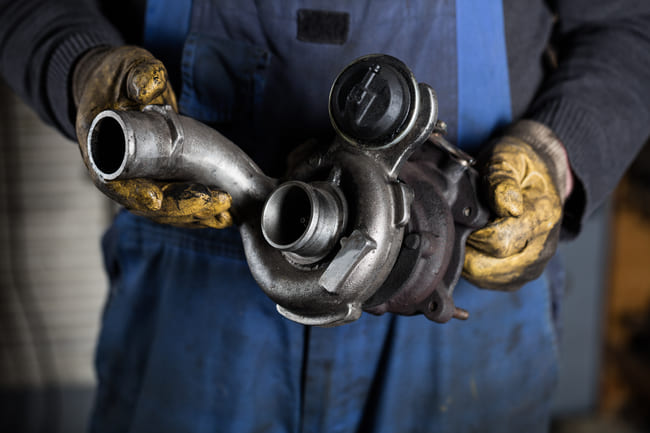
The 2.0 diesel in the BMW X3 xDrive20d shows various typical weak points that can affect reliability. Particularly common are problems with the diesel particulate filter, which can become clogged after just 80,000 kilometres, and faults in the common-rail injection system. The system does not switch properly to regeneration mode, which leads to a loss of power and increased fuel consumption. In many xDrive20d models, there are also problems with exhaust gas recirculation, characterised by black smoke and jerky engine running. The service life of the turbocharger is also limited and can show signs of wear after just 120,000 kilometres of intensive use.
A professional inspection is essential for the proper functioning of the diesel engine. The demanding BMW X3 xDrive20d injection systems require only high-quality diesel and regular addition of additives for system cleaning every 20,000 km. Regular long-distance driving for DPF regeneration is particularly important to avoid blockages. Preventive maintenance with replacement of the fuel filters every 60,000 km and regular checks of the injection nozzles can prevent costly repairs.
Reviews - 86
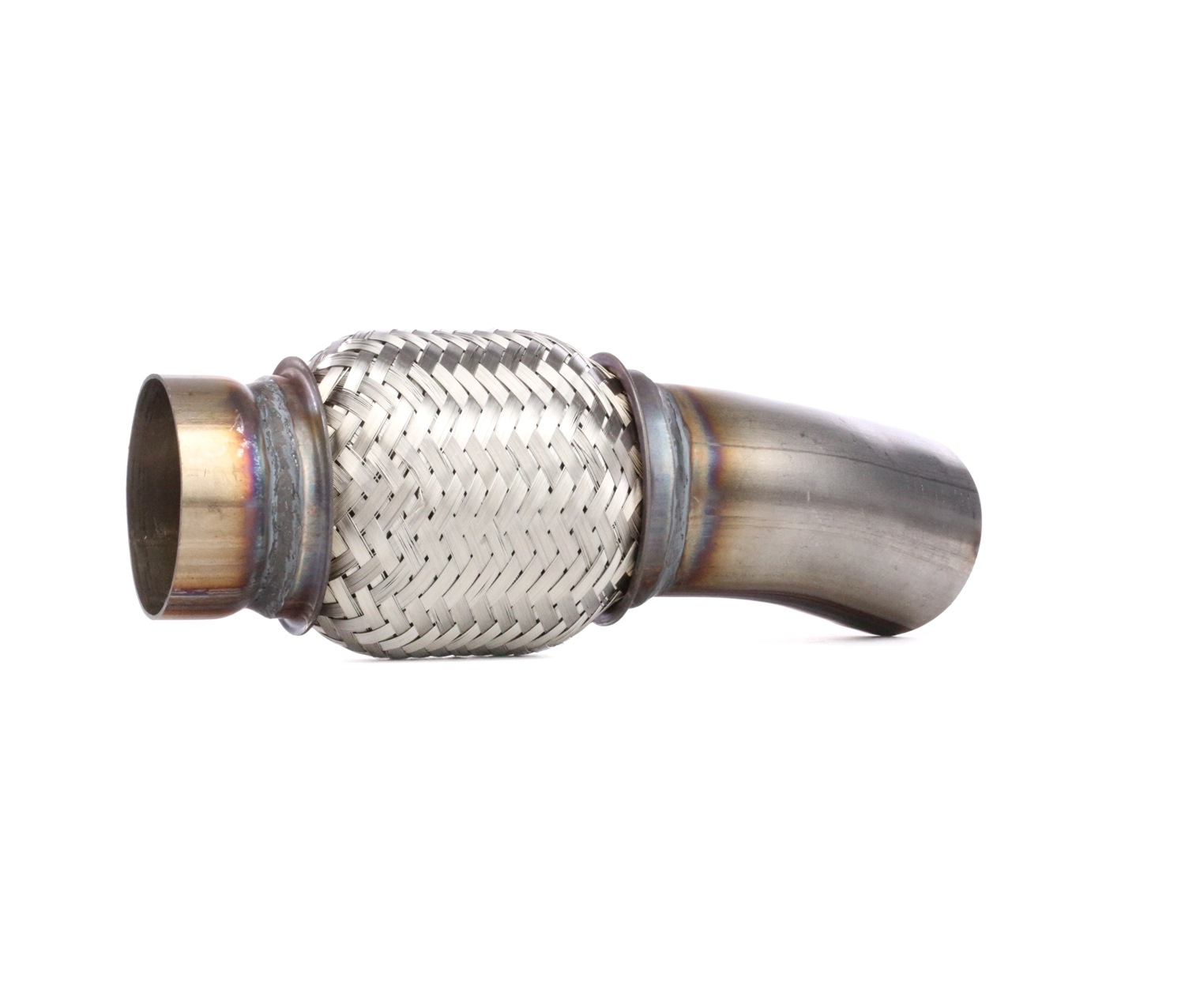
Parts Details
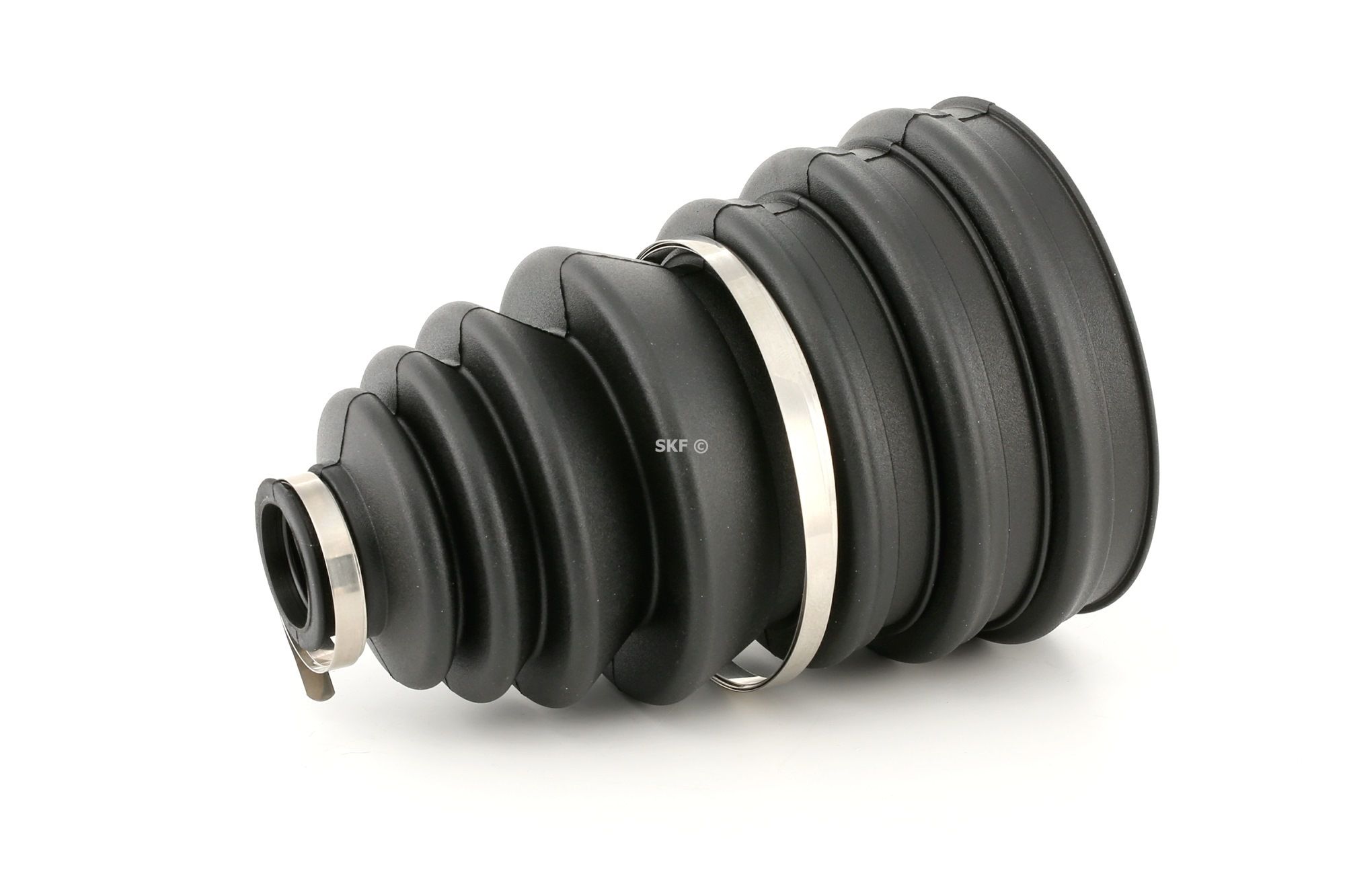
Height [mm]: 146
Inner Diameter 2 [mm]: 22, 86
Joint Type:
Universal Joint
Supplementary Article / Supplementary Info Info 2:
with clamps
Manufacturer recommendations:
VW G 009 317, VW G 052 171, VW G 052 178, VW G 052 512, VW G 052 532, VW G 052 527, VW G 052 726, VW G 052 798, VW G 055 726, BMW MTF LT-1, BMW MTF LT-2, BMW MTF LT-3, BMW MTF LT-4, Ford WSS-M2C200-D2, MB 235.10, Nissan 999MP-MTF20P, Nissan KE91699932R, Mitsubishi MZ312644, PSA 9730 A2, PSA 9730 A8, PSA B71 2330, Toyota JWS 227
BMW X3: Problems with the 3.0 diesel and xDrive30d
The 3.0 diesel in the BMW X3, especially in the xDrive30d variant, has specific faults that affect long-term reliability. Typical problems include leaks in the high-pressure pump, which can occur after just 100,000 kilometres, and wear in the injection nozzles. The system will not function optimally if the fuel quality is inferior or if maintenance intervals are exceeded. In M40d models, additional problems have been documented with the variable turbocharger, which can show defects after just 80,000 km if driven aggressively. Symptoms range from rough idling to complete loss of power, which can bring the vehicle to a standstill.
Professional maintenance is crucial for the longevity of the 3.0 diesel engine. The precise BMW X3 xDrive30d high-pressure systems require only premium diesel and special additives for system cleaning every 15,000 km. Regularly checking the fuel system for leaks and checking the injection nozzles by means of flow measurement is particularly critical. Preventive treatment with high-quality fuel additives can significantly extend the service life of the system and avoid costly repairs.
BMW X3: Problems with Bluetooth and infotainment system
The Bluetooth system in the BMW X3 exhibits various malfunctions, which occur particularly in newer models with extended infotainment. The connection is not stable and frequently breaks down, which manifests itself in disconnections during phone calls or audio streaming. These problems can occur after just 20,000-40,000 kilometres and are often caused by software. Similar complaints have been documented with various engine variants, including the M40i and xDrive30d. The system does not always start automatically and does not switch reliably between different devices. The symptoms often worsen in extreme temperatures or after the vehicle has been stationary for a long time.
A systematic check is necessary to differentiate between hardware and software problems. The complex BMW X3 infotainment systems require regular software updates and occasional system resets to optimise the Bluetooth connection. It is particularly important to check the aerial and internal cabling, as mechanical damage can affect signal quality. A professional diagnosis can identify faulty modules and restore full functionality through targeted updates or hardware replacement.
BMW X3: Problems with hybrid systems
The hybrid variants of the BMW X3 have specific weaknesses that affect the electrical components and their integration. Common defects include battery degradation, which leads to reduced electric ranges after only 100,000-150,000 km. The system does not function optimally if the high-voltage battery loses its capacity or individual cell modules fail. In addition, problems occur with the power electronics, which manifest themselves in error messages on the display and reduced system performance. The symptoms can range from reduced electric range to complete system failures that put the vehicle into emergency mode. Breakdowns caused by hybrid system faults are particularly annoying as they often require specialised diagnostic tools.
Regular maintenance is essential for the reliability of the hybrid components. The sensitive BMW X3 hybrid systems require special cooling circuits and regular checks of the high-voltage components every 20,000 kilometres. It is particularly important to monitor the battery temperature and ensure optimum charging conditions through regular full charges. A professional inspection can recognise signs of wear at an early stage and extend the service life of the hybrid system through preventive measures.
Additional common defects of the BMW X3
Based on the experiences of BMW X3 drivers, the following additional problems occur:
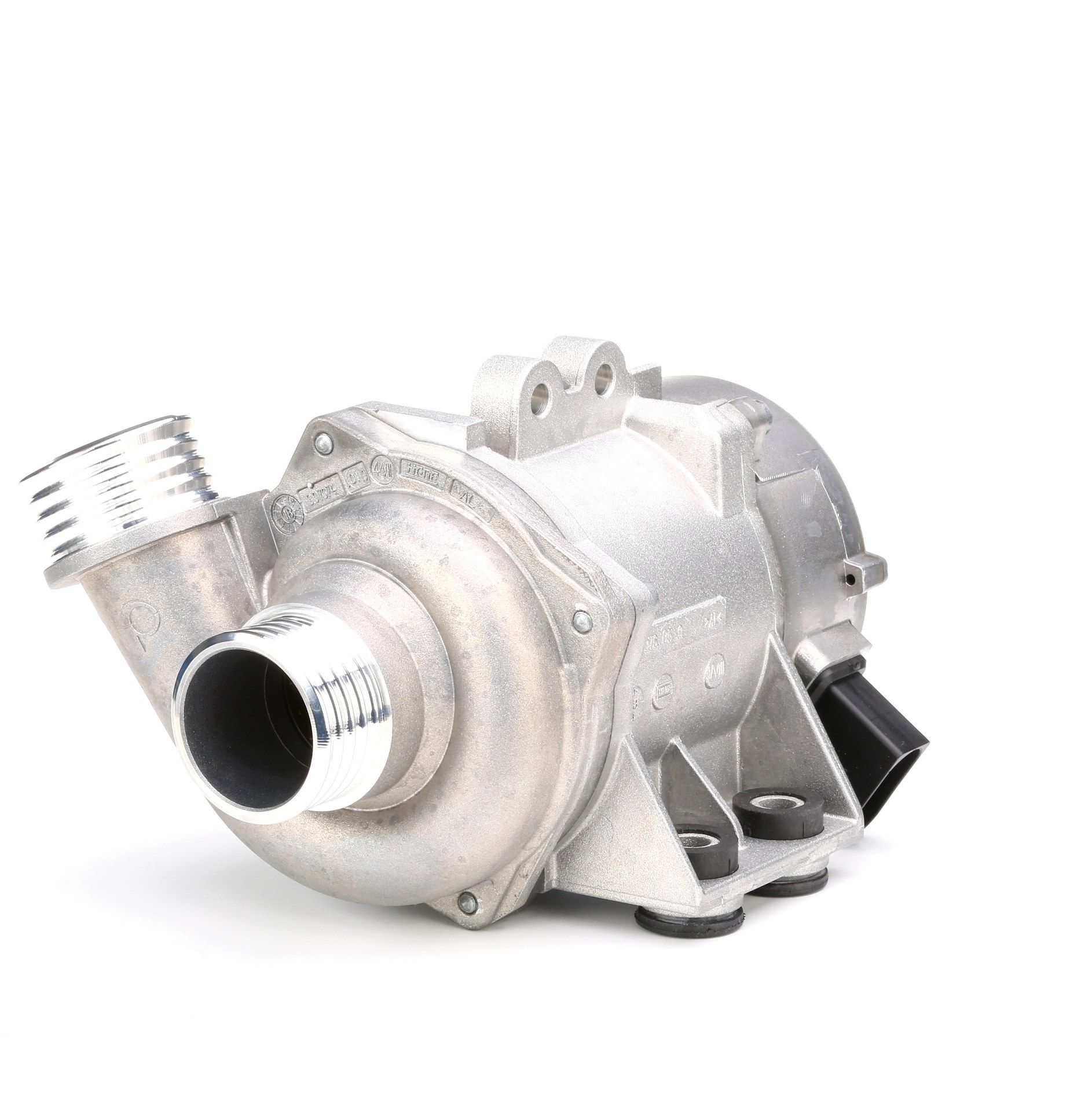
Water pump defects: Typically occur after 120,000-150,000 km, especially in 2.0 and 3.0 diesel engines
Air conditioning compressor problems: Can occur after 80,000 km, often due to wear of the internal seals
Xenon headlight failures: Problems with ballasts from 60,000-100,000 km, especially with frequent use
Air suspension leaks: In appropriately equipped models after 100,000-130,000 km due to ageing of the rubber bellows
Fuel pump defects: Occur after 150,000-200,000 km in petrol engines, less frequently in diesels
Thermostat problems: Particularly in older 2.0 petrol models after 80,000-120,000 km
Brake problems: Premature wear of the brake discs after 40,000-60,000 km with a sporty driving style
BMW X3: weaknesses and strengths
Strengths
Weak points
High build quality
Timing chain problems with petrol engines
Strong engine performance
Electric tailgate failures
Good driving behaviour
Bluetooth connectivity issues
Comprehensive safety package
Hybrid battery issues
High resale value
DPF blockages with diesels
Comfortable equipment
High repair costs
Reliable all-wheel drive technology
Complex electronics
The BMW X3 proves to be a technically sophisticated vehicle that offers good reliability when properly maintained. The most common problems can be avoided through preventive measures and regular inspections. It is particularly important to observe the maintenance intervals and use high-quality operating fluids to ensure the service life of the complex systems. Most weak points are known and can be effectively rectified by experienced workshops.
Useful videos on this topic:
How to change Engine Oil and oil filter on BMW X3 E83
How to change front wiper blades on BMW X3 E83
AUTODOC Bestsellers: parts at a good price
Reviews - 48
Parts Details
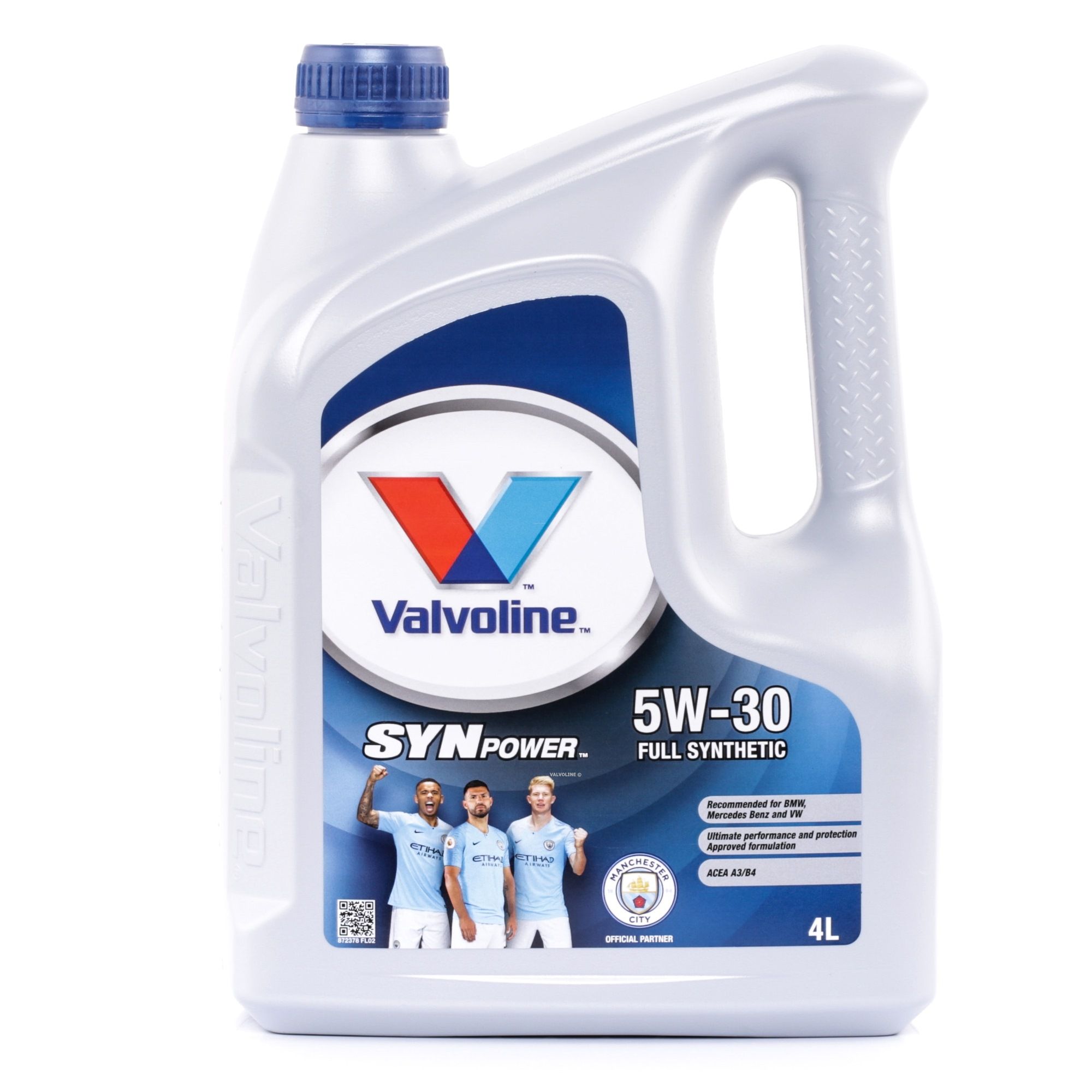
Capacity [litre]: 4
SAE viscosity grade: 5W-30
ACEA:
ACEA A3 / B4
API:
API SL, API CF
Manufacturer recommendations: BMW Longlife-01, MB 229.5, VW 502 00, VW 505 00, MB 229.3, MB 226.5, Renault RN0700, Renault RN0710, Fiat 9.55535-G1

 26 November 2025 (updated)