Reliability Opel Corsa D: common problems, issues symptoms and faults
Timing chain in 1.2 and 1.4 engines: The timing chain can show signs of wear as early as 60,000-80,000 km, especially in the 1.4 87 hp and 1.2 engines. Typical symptoms include rattling noises during cold starts and reduced engine performance.
Heating problems: The heating system doesn't heat up in many Corsa D models, often caused by faulty thermostats or clogged heater pipes. These problems often occur after 50,000-70,000 km.
Central locking system not working: Electronic malfunctions in the central locking system are typical weak points that can occur as early as 30,000 km. The door locking mechanisms and the control unit are particularly affected.
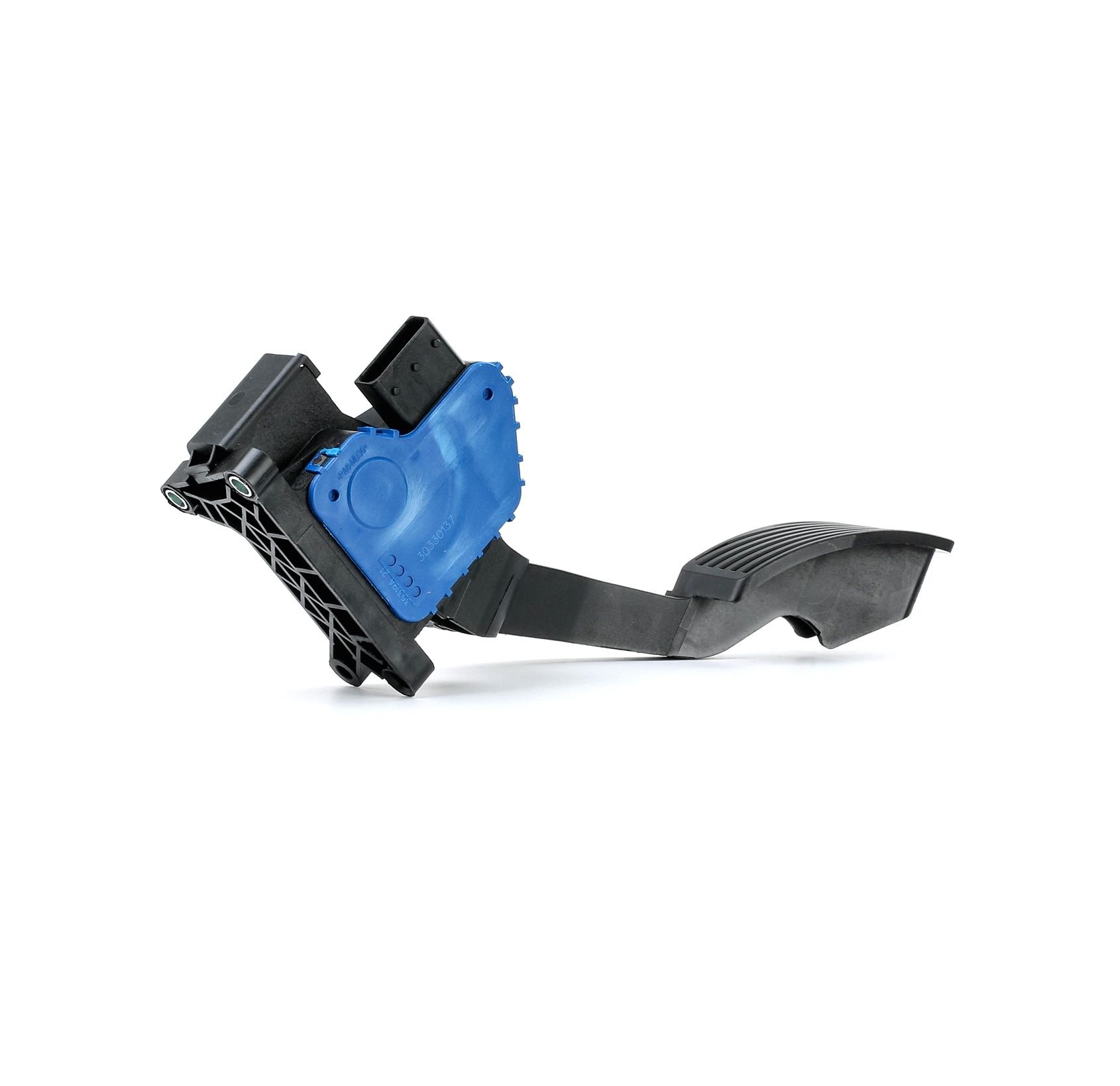
Throttle valve on the 1.2 86 hp engine: The throttle valve can become dirty or defective after 80,000 km, which leads to irregular idling and the symptom “does not pull when accelerating”.
Opel Corsa D: Timing chain problems on 1.2 and 1.4 engines
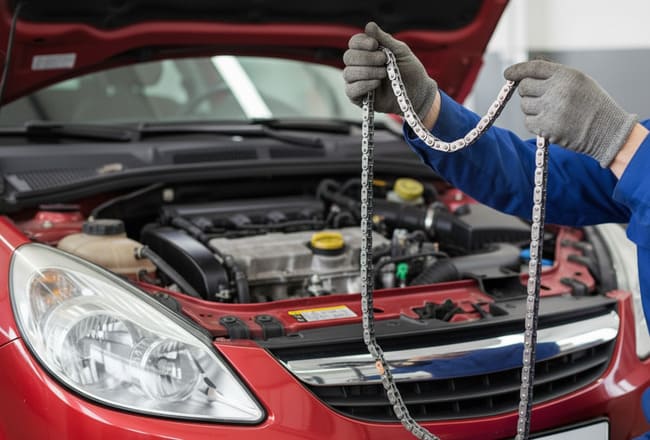
Timing chain problems are among the most common and costly weak points in the Opel Corsa D, especially in the 1.2 69 hp, 1.2 80 hp, 1.4 87 hp, and 1.4 90 hp engines. The 1.4 87 hp timing chain often shows signs of wear as early as 60,000–80,000 km, while the first symptoms of the 1.2 timing chain usually appear between 80,000–100,000 km. Typical signs include a metallic rattle during cold starts, erratic engine running, and reduced power. With advanced wear, the timing chain can jump, leading to serious engine damage. The service life of the timing chain is significantly reduced by irregular oil changes, low-quality engine oil, or frequent short journeys.
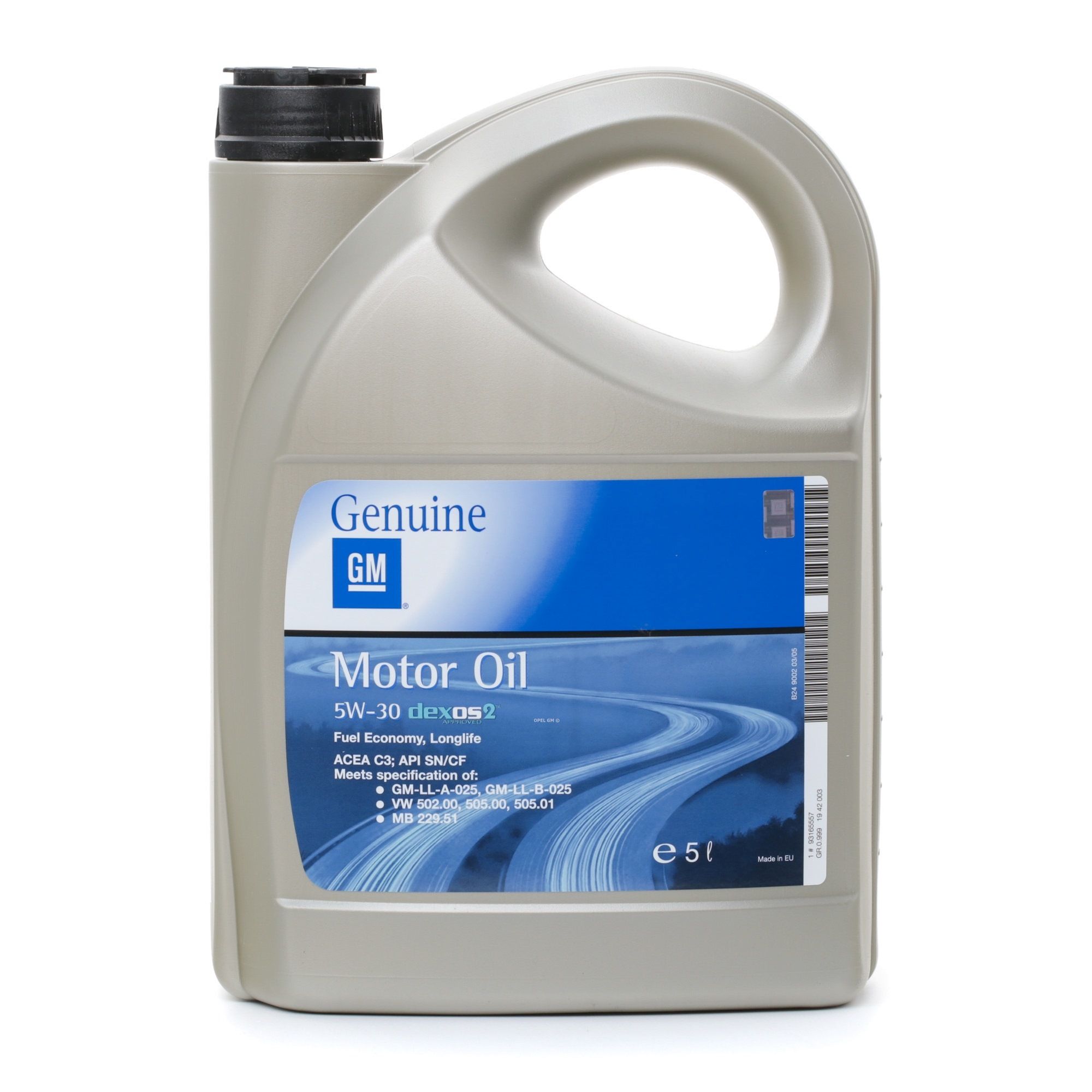
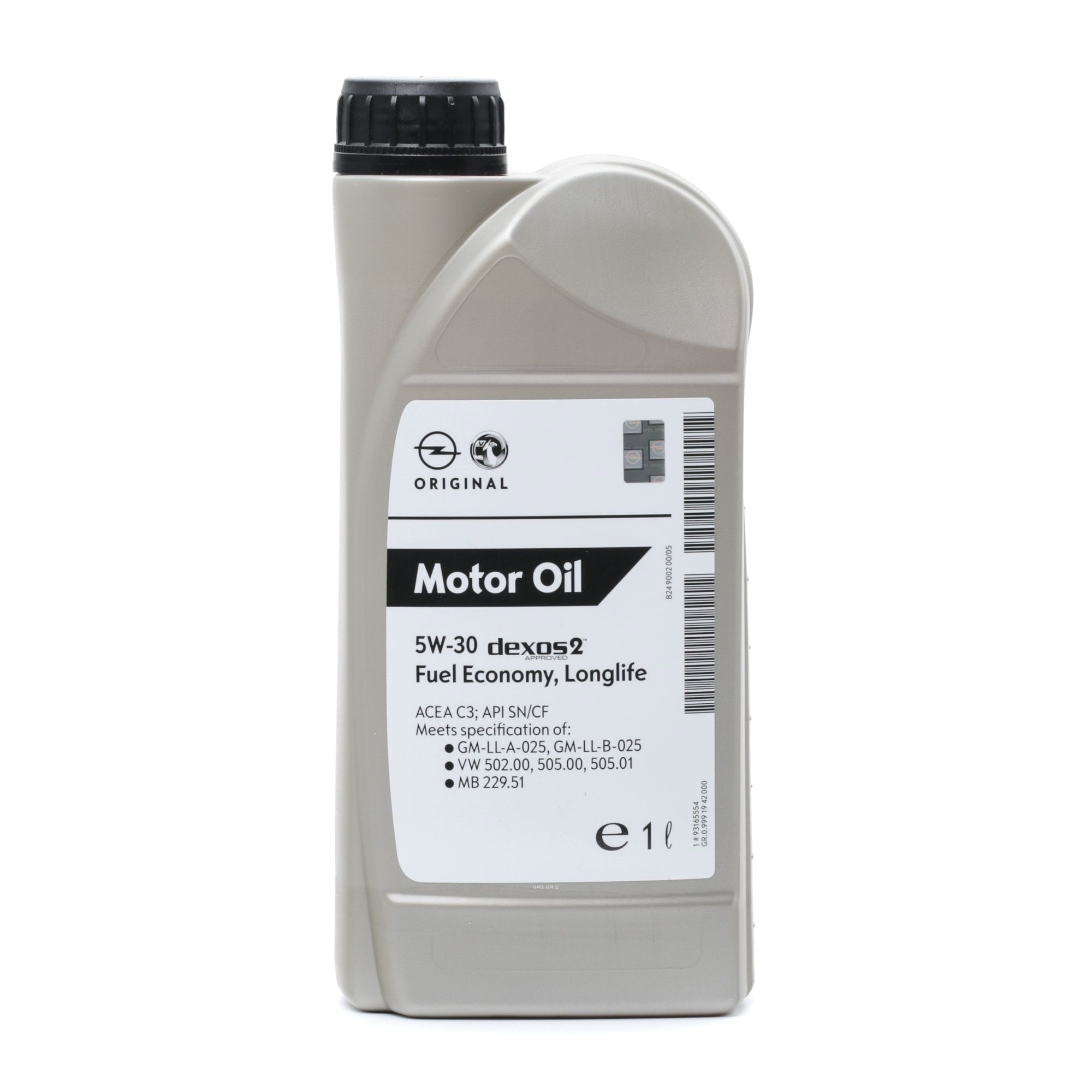
Regular maintenance is essential for the longevity of the timing chain. The sensitive Opel Corsa D timing chains require oil change intervals of no more than 15,000 km and the use of a specified 5W-30 engine oil. A professional diagnostic using an endoscope can assess the condition of the timing chain; stretching of more than 4-5 links requires replacement. Preventative replacement of the timing chain, including tensioners and guides, between 100,000 and 120,000 km prevents expensive consequential damage to the 1.4 or 1.2 engine.
Opel Corsa D: Problems with the heater and fan
The most common problems with the Opel Corsa D concern the heating system, with the heater not heating up or the fan not working being typical breakdowns. These problems usually manifest between 50,000 and 70,000 km and can have various causes. A faulty thermostat prevents the engine from reaching the optimal operating temperature and thus from providing sufficient heat for the heater. Clogged heater pipes or a faulty heat exchanger can also cause the heater to remain cold. In the blower, the series resistor or the blower motor itself is often defective, which manifests itself in inaccurate fan speeds or complete failure. The reliability of the heating system is limited, especially in vehicles with high mileage.
A systematic inspection is required to identify the exact cause. The Opel Corsa D heating components require regular cooling system flushing every 60,000 km and a coolant level check. For fan problems, the fuses and series resistor should be checked first before replacing the fan motor. A professional inspection can locate the defective components through temperature measurements and flow tests.
-40%
Reviews - 20
Parts Details
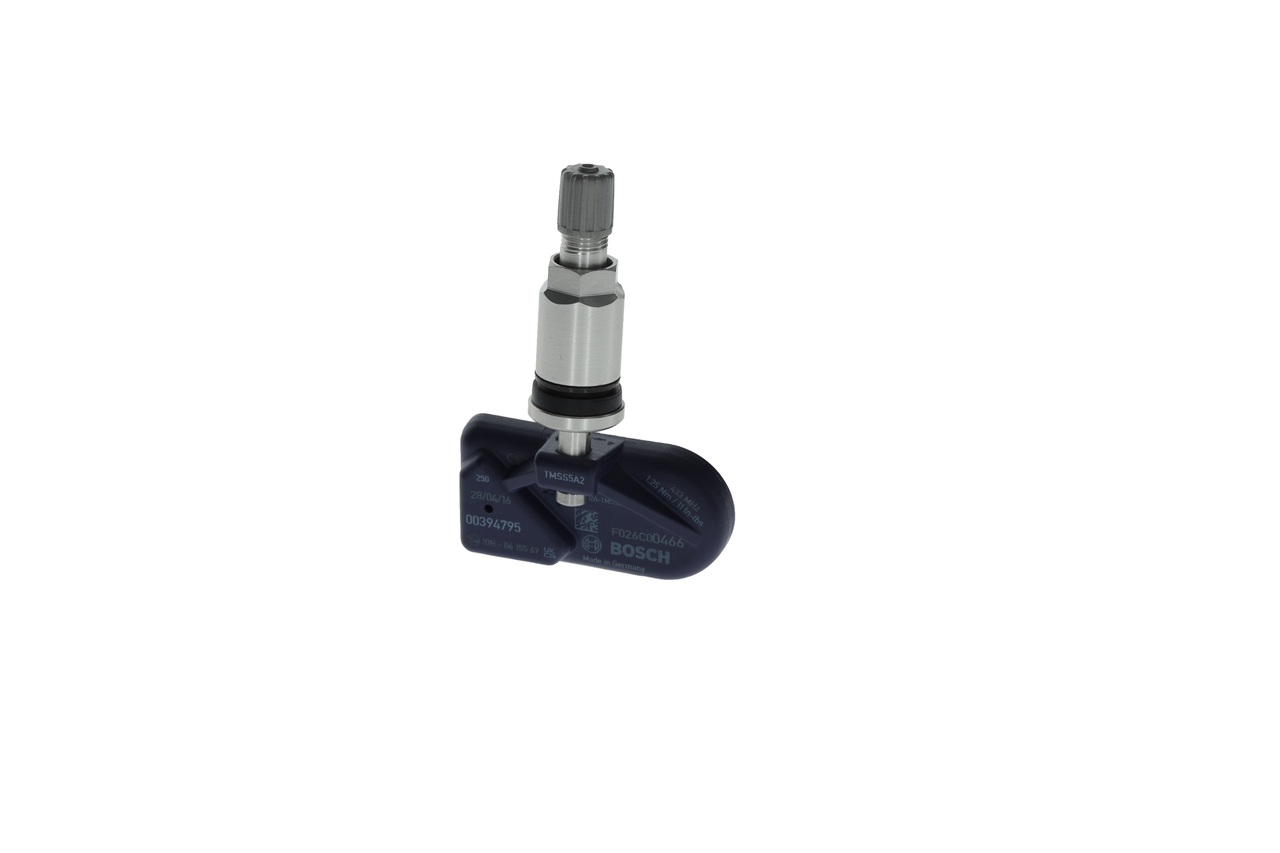
Supplementary Article / Supplementary Info Info 2:
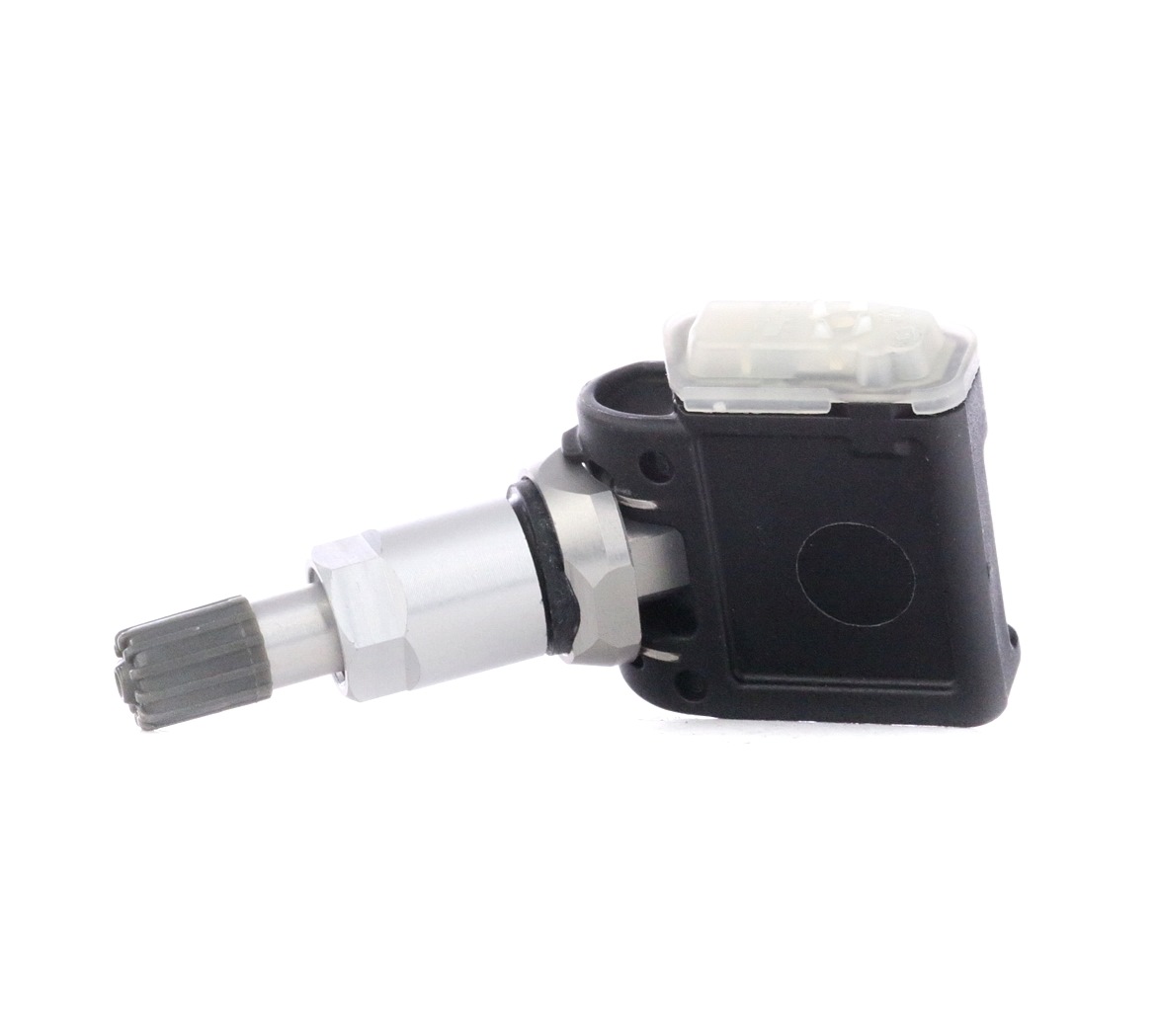
with groove, with valves
Permissible maximum speed [km / h]:
250
Housing Colour:
black
Frequency Range [MHz]:
433
Valve stem material:
Aluminium
Code Letter:
3057
Tightening Torque [Nm]:
8
Mounting Type:
Bolted
Vehicle Equipment:
for vehicles with tyre-pressure monitoring system
Opel Corsa D: Problems with the central locking and door mechanisms
The central locking system is not working and is one of the electronic weak points in the Opel Corsa D, which can occur as early as 30,000-40,000 km. These errors manifest themselves as unreliable locking and unlocking, with individual doors not responding or the entire system failing. Common causes are defective door locking motors, corroded cable connections, or a faulty central locking control unit. It is particularly problematic when the trunk does not open or a door does not open from the inside or outside. The symptoms often worsen in cold or damp conditions, which indicates corrosion in the door panels. The service life of the locking mechanisms is reduced by frequent use and weather influences.
Professional maintenance is necessary for systematic troubleshooting of the vehicle electrical system. The Opel Corsa D central locking modules require diagnosis with a suitable diagnostic tool to read error codes and identify faulty components. Cleaning the contacts and lubricating the mechanical parts often helps, while electrical defects require replacing the actuators or control unit. Preventative measures include regularly treating the door seals and hinges with suitable care products.
Opel Corsa D: Problems with the throttle valve and engine control
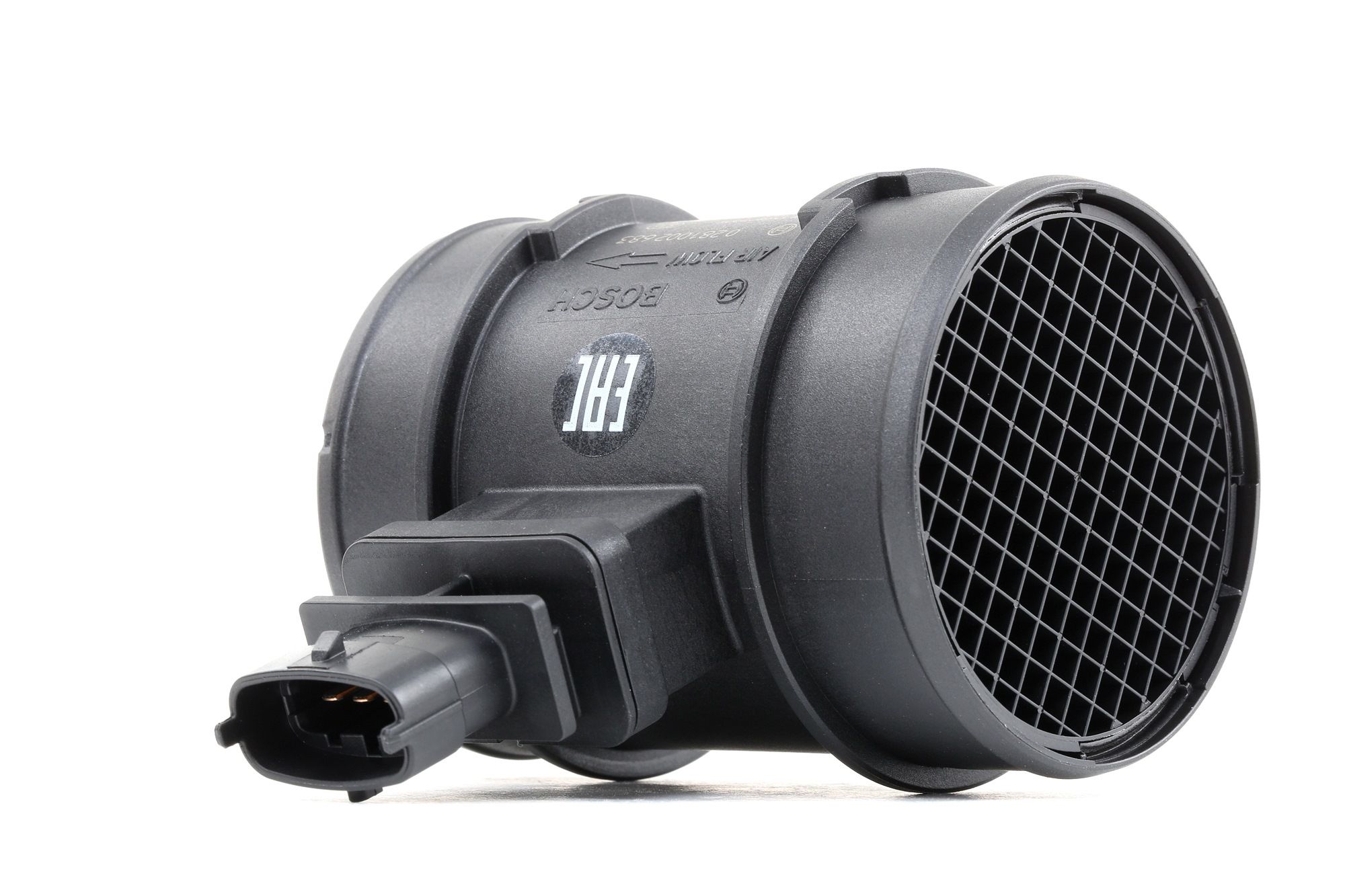
The throttle body is a known weak point, especially in the 1.2 86 hp engine and other gasoline engines found in the Corsa D. Typical symptoms include irregular idling, the vehicle lacks acceleration, or the engine won't start. These problems usually occur between 80,000 and 120,000 km and are caused by contamination or wear of the electronic throttle body. The lambda sensor can also be affected, leading to increased emissions and poor engine performance. Automatic models can also experience shifting problems if the engine management system is malfunctioning. Modern engine electronics are susceptible to contamination from low-quality fuel or infrequent motorway driving.
A professional inspection is essential for correctly diagnosing engine control problems. The Opel Corsa D throttle bodies require regular cleaning with special throttle body cleaners every 60,000-80,000 km to remove deposits. The lambda sensor readings should be checked every 100,000 km; sluggish response times indicate wear. Using high-quality fuel and regular highway driving can significantly extend the lifespan of the engine electronics.
Opel Corsa D: Problems with starter and immobilizer
Starting problems are one of the most frustrating breakdowns in the Opel Corsa D, where the vehicle either won't start or the starter motor won't turn. These symptoms can have various causes and occur most frequently between 60,000 and 100,000 km. A common problem is the immobilizer; if the vehicle won't start, it's related to the immobilizer, often caused by a defective transponder key or a faulty control unit. The starter motor can suffer mechanical wear, with typical signs being clicking noises during startup or complete failure. In smaller engines like the 1.0 60 hp, weak batteries or corroded ground cables are also common causes of starting problems. The reliability of the starter system decreases with age and mileage, especially in vehicles with frequent cold starts.
A systematic check is required to distinguish between electrical and mechanical defects. The Opel Corsa D starter systems require regular checks of battery voltage, cable connections, and ground points to ensure reliable starts. Immobilizer problems can often be resolved by reprogramming the keys or resetting the control unit. Preventative maintenance includes cleaning the battery terminals and checking the starter current draw every 50,000 km.
Based on the experience of Opel Corsa D owners, the following additional problems occur:
Air conditioning does not cool: Often occurs after 70,000-90,000 km, usually caused by refrigerant loss or defective compressors.
Speedometer not working: Instrument cluster problems often manifest between 80,000-120,000 km, especially the speedometer display and fuel gauge.
Seat cannot be folded down: Mechanical defects in the seat adjustment occur from 60,000 km, often due to worn Bowden cables.
Rear seat won't fold down: Similar problems as with the front seats, usually after 50,000-80,000 km.
Fuel cap does not open: Mechanism can jam after 40,000 km, often due to corrosion or defective Bowden cables.
Horn doesn't work: Electrical problems occur sporadically, usually due to corroded contacts in the steering wheel.
Cruise control does not work: On models with the appropriate equipment, starting at 60,000 km, often due to defective sensors.
Radio no longer turns on: Electronic problems can occur after just 30,000-50,000 km.
Transmission problems in automatic models: Shifting problems often manifest between 100,000-150,000 km.
Opel Corsa D: Weaknesses and strengths
Strengths
Weak points
Compact dimensions for city traffic
Timing chain problems with 1.2 and 1.4 engines
Good value for money
Heating and fan defects
Low maintenance costs with proper maintenance
Central locking failures
Various engines available
Throttle valve contamination
Modern equipment options
Electronic interference
Handy handling
Starter and immobilizer problems
Sufficient space for small cars
Air conditioning defects
The Opel Corsa D is a typical small car with good basic characteristics, but specific weak points that require regular attention. The most common defects affect the timing chain, the heating system, and electronic components. With preventative maintenance and timely correction of known problems, reliability can be significantly improved. Regular oil changes for the timing chain and systematic checks of the electronic systems are particularly important.
Useful videos on this topic:
How to change wipers blades / window wipers OPEL CORSA D
How to change oil filter and engine oil on OPEL CORSA D


 16 October 2025 (updated)