Who Invented Windshield Wipers? The History Behind This Essential Car Feature
Mary Anderson, an Alabama woman and real estate developer, holds the distinction of creating the first practical windscreen-clearing system. In 1903, she received a United States patent for a hand-operated device that allowed drivers to clear rain and snow without opening their vehicle's windows. This innovation addressed a critical safety issue for early 20th-century motorists and laid the foundation for what would become an essential car feature in automobiles worldwide.
Anderson's breakthrough came after witnessing trolley drivers in the Big Apple struggling with poor visibility during a snowy day. Her window cleaner design used a rubber blade controlled by a lever inside the car. Though initially met with scepticism regarding such commercial value, this mechanism laid the foundation for modern automotive safety systems that we rely on today when learning how to change wiper blades or maintaining our vehicles.
The technology became standard equipment decades later as motoring grew in popularity. Early adopters faced challenges with manual operation, but subsequent improvements introduced automated functionality. Anderson's original concept remains recognisable in today's vehicles, where drivers need to understand different types of wiper blades available for optimal performance.
Origins and Early Innovations
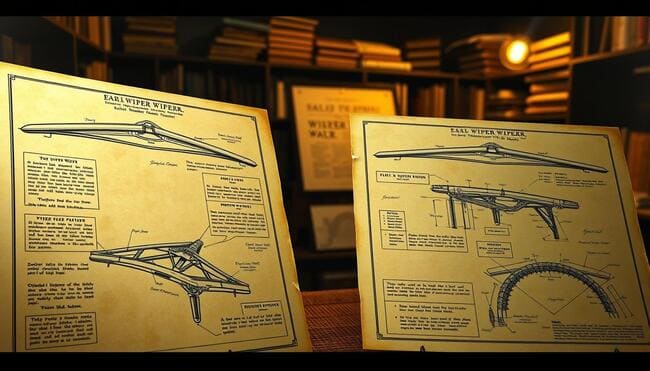
Seven years before Mary Anderson's famous patent application, George J. Capewell secured a pioneering design for vehicle window maintenance. His 1896 Hartford, Connecticut filing described a locomotive cab window cleaner suited for "rapidly-moving vehicles" – a clear precursor to modern solutions.
The year 1903 witnessed an explosion of innovation as three inventors independently filed patents for similar mechanisms. Robert Douglass proposed a single wiper system with a vertical design, while Irish engineer James Henry Apjohn patented a dual-function design. His Apparatus for Cleaning Carriage, Motor Car and other Windows could employ brushes or rubber blades, operated manually or via motor power.
This surge coincided with motorised transport's rapid expansion. Early drivers faced critical visibility challenges during poor weather, creating urgent demand for practical window cleaner devices. Though these inventors received limited commercial success, their concepts established core principles still used today:
- Interchangeable cleaning surfaces (brushes vs rubber)
- Multiple power sources (manual vs automated)
- Universal window applications
Patent records show how competing approaches addressed shared technical hurdles. Where Capewell focused on high-speed vehicles, later designs prioritised driver accessibility. This period of concentrated experimentation laid crucial groundwork for automotive safety standards that the vast majority of modern vehicles now rely upon.
How Windshield Wipers were Invented?
A winter journey through New York City in 1903 sparked a transportation revolution. Observing a trolley operator repeatedly opening his window to clear sleet, Mary Anderson recognised the urgent need for safer visibility solutions. Her inheritance-funded trip became the catalyst for automotive history's most impactful safety feature.

Anderson's device addressed two critical challenges: exterior cleaning efficiency and interior control accessibility. The design featured a rubber squeegee connected to a spring-loaded wiper arm, operated via a hand lever beside the steering column. This counterbalanced system maintained constant pressure on the glass surface - a principle still used in modern vehicles to provide a clear view.
"Window cleaning device for electric cars and other vehicles... removable for fair weather conditions"
The 1903 United States Patent No. 743,801, which can be viewed on Google Patents, outlined three revolutionary elements:
- Interchangeable blades for different weather conditions
- Mechanical linkage transmitting interior commands
- Durable materials resisting extreme temperatures
Despite initial industry scepticism, Anderson's persistence secured legal protection for her intellectual property through the U.S. Trademark Office. Automotive manufacturers later adopted modified versions as enclosed vehicles became standard. The National Inventors Hall of Fame finally honoured her contribution in 2011, cementing Anderson's status as an automotive safety pioneer.
Technological Progress and Modern Adaptations
Automatic cleaning systems emerged as automobiles became faster and more enclosed. Charlotte Bridgewood's 1917 electric storm cleaner introduced rollers instead of blades, marking the first self-operating design. This innovation addressed growing demands for hands-free operation in an era of expanding road networks.
Key developments transformed wiper functionality over subsequent decades:
| Year |
Innovation |
Impact |
| 1923 |
Raymond Anderson's intermittent mechanism |
Enabled adjustable wiping intervals |
| 1963 |
Robert Kearns' intermittent wiper system |
Improved response to varying rainfall |
| 1922 |
Cadillac's standard equipment adoption |
Set industry-wide safety benchmarks |
By 1913, mass vehicle production necessitated standardised wipers. Manufacturers shifted from optional extras to integrated safety features. Cadillac's 1922 decision cemented this approach, influencing global automotive standards. In November of that year, major automakers began to acknowledge receipt of orders specifying factory-installed wipers.
Kearns showed that the human eye naturally blinks at varying intervals, inspiring his intermittent wiper system that would later be installed in millions of vehicles. His legal battles with Ford resulted in a recent favor from courts, establishing important precedents for inventors' rights.
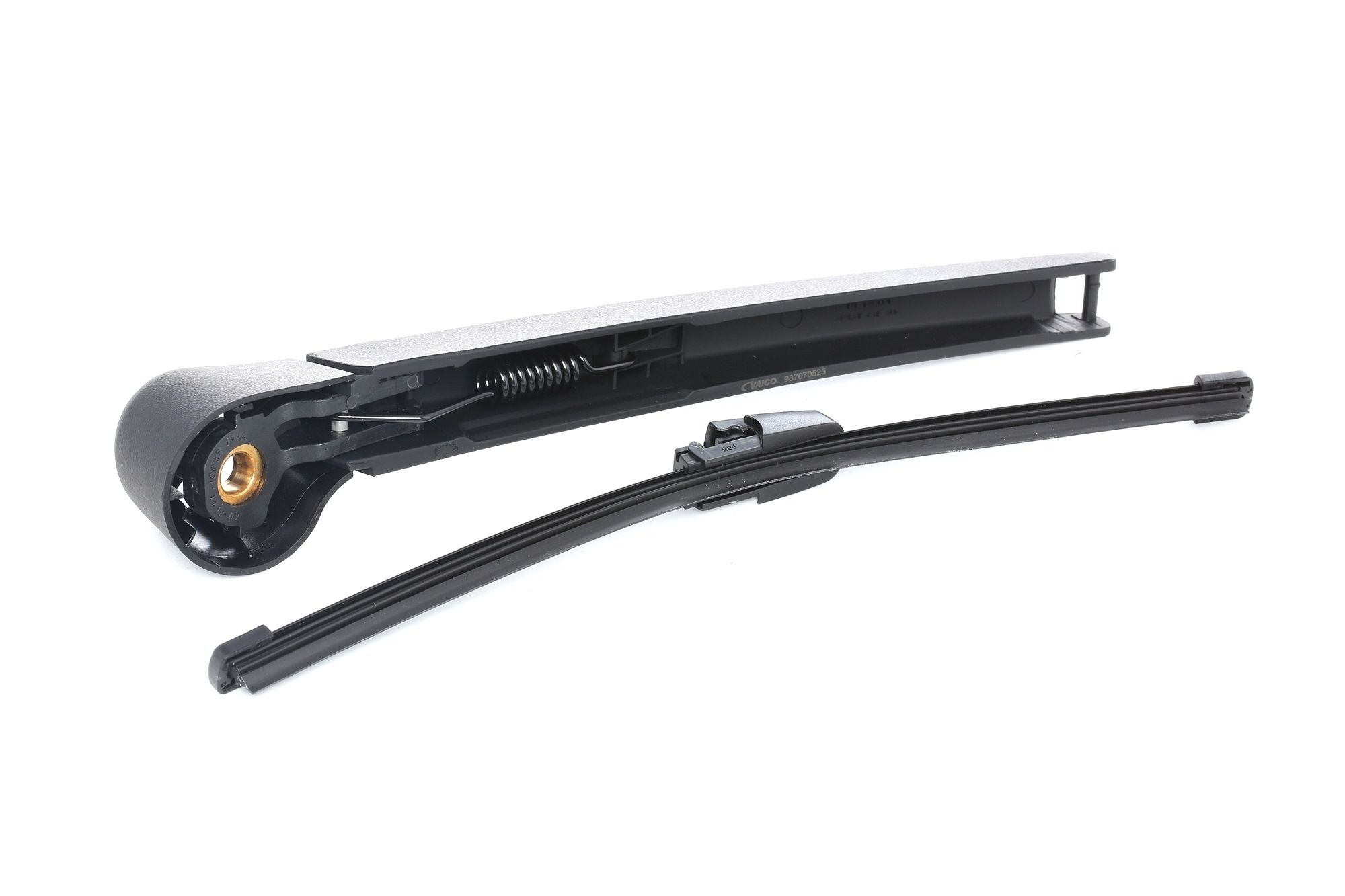
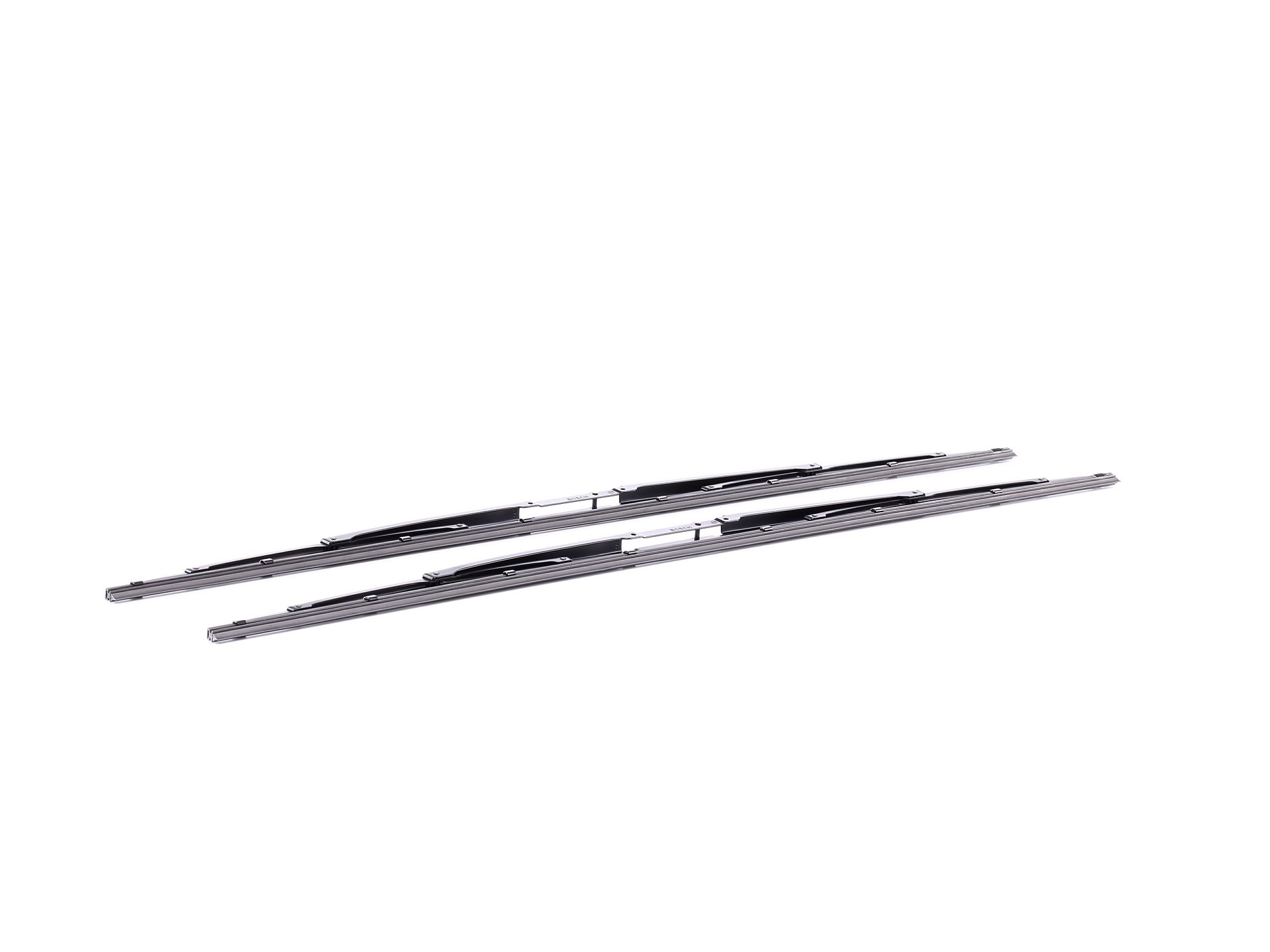
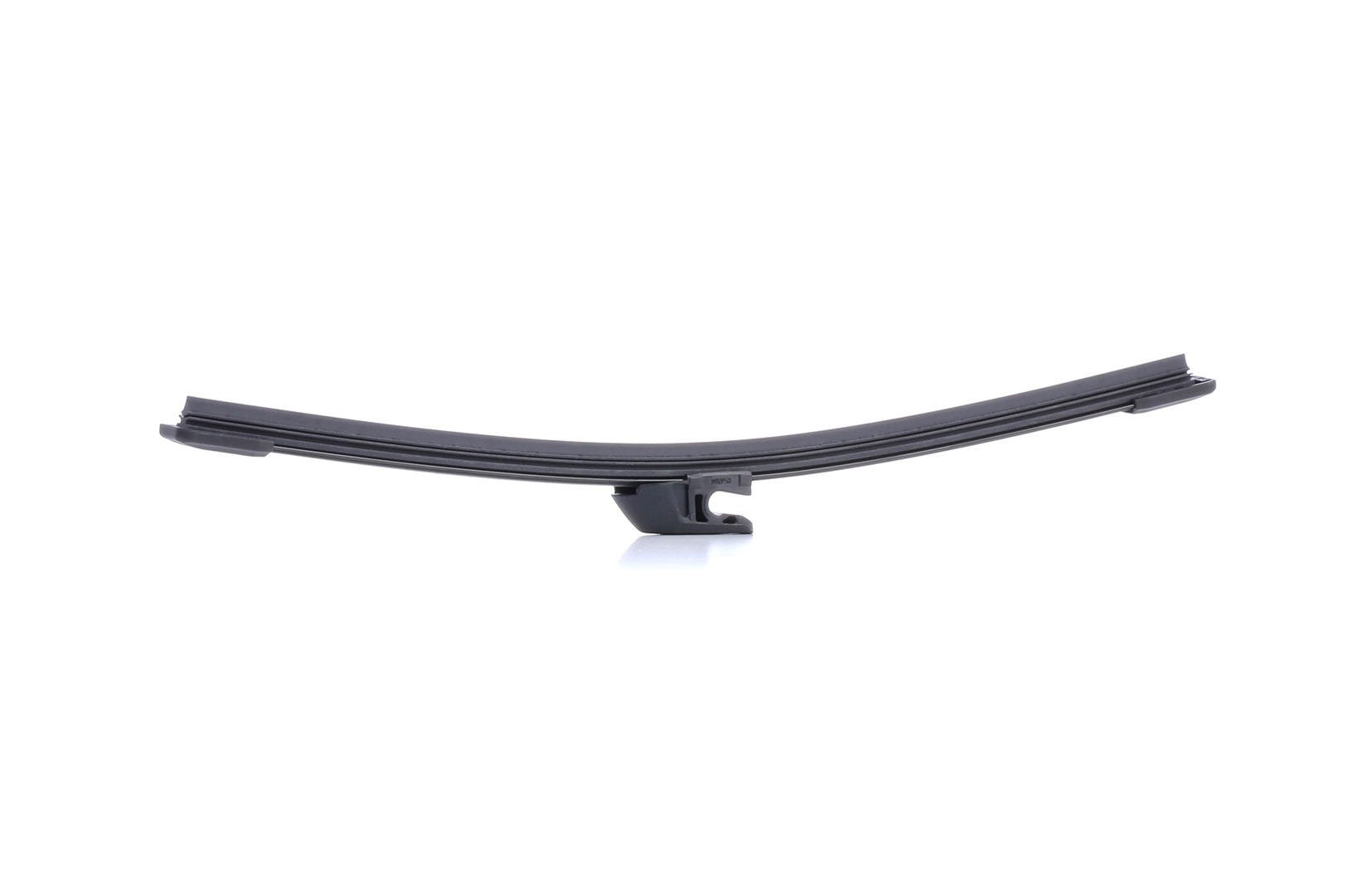
Modern systems employ diverse geometries for optimal performance. Most cars use radial arms with pivoting blades, while Volvo and Mercedes-Benz models feature opposing-motion designs. Companies like Trico began to manufacture specialised systems for commercial vehicles that often incorporate pantograph designs for larger windscreens. Today's drivers can choose from various options including hybrid wiper blades that combine traditional and beam blade technologies.
Contemporary technologies demonstrate how early patents laid foundations for adaptive solutions. From snow-resistant materials to rain-sensing automation, continuous refinement ensures drivers maintain clear visibility in challenging conditions. Modern vehicles also feature rear wiper blades for improved visibility, something Anderson's original design didn't address. Anderson's great great niece has noted in interviews how proud the family remains of this lasting contribution to automotive safety.
For example, the Continental now produces advanced wiper systems that would amaze Anderson, incorporating sensors that detect rainfall intensity and adjust wiper speed accordingly. These systems demonstrate how her simple mechanical concept has grown into sophisticated safety technology.
Maintenance, Care and Practical Use
Regular upkeep ensures windscreen wipers maintain optimal performance. Drivers should inspect blades monthly for cracks or uneven edges, particularly before seasonal weather changes. Proper care prevents streaking and preserves visibility during rain or frost.
Understanding when to replace wiper blades helps maintain the safety standards that Anderson's invention was designed to provide. Modern blades combine natural and synthetic materials for durability, though they operate at a relatively slow speed compared to other automotive components.
This table compares common rubber types:
| Material |
Best For |
Lifespan |
Limitations |
| Natural Rubber |
Cold climates |
6-12 months |
Prone to UV damage |
| EPDM Rubber |
Year-round use |
12-24 months |
Stiffens in freezing temps |
Replace blades when:
UK MOT tests require fully functional wipers without damaged edges, and understanding can a car fail mot on wiper blades helps drivers avoid test failures. Drivers can learn how to clean wiper blades with white vinegar to remove road grime. Avoid using household cleaners – they accelerate rubber degradation.
When experiencing issues like noise, drivers can learn how to stop wiper blades squeaking before considering replacement. If problems persist, understanding how to fix wiper blades can help resolve common issues without immediate replacement.
For those looking to purchase quality replacements, a wide selection of windscreen wiper blades ensures drivers can find suitable options for their vehicles. Popular brands include Bosch, and drivers often wonder about bosch vs valeo wiper blades when making purchasing decisions.
Conclusion
Automotive safety transformed dramatically through persistent problem-solving. Mary Anderson's 1903 invention sparked a century of refinement, proving that simple concepts can change transport forever. Her hand-operated mechanism set benchmarks for subsequent inventors, bridging manual operations with today's automated systems.
Modern vehicles benefit from materials and sensors unimaginable to early pioneers. Rain-responsive technology and heated blades demonstrate how core principles adapt to new challenges. These advancements maintain Anderson's original goal: unobstructed vision in adverse conditions.
From rubber squeegees to aerodynamic arms, each iteration reflects changing driver needs. As motoring progresses, this essential feature continues saving lives worldwide. Anderson's legacy endures in every swipe that clears a windscreen – a testament to innovation's lasting impact on road safety.
FAQ
What problem did Mary Anderson's invention solve?
Anderson's 1903 patent addressed poor visibility during rain or snow. Drivers previously relied on manual methods like stopping to wipe windows. Her lever-operated rubber blade allowed safer travel in adverse weather without exiting the vehicle.
How did early wiper systems differ from modern ones?
Original designs required manual operation via interior levers. Modern versions use electric motors and sensors. Automatic features like rain-sensing technology and adjustable speeds emerged decades after Anderson's foundational patent.
When did windscreen wipers become standard car equipment?
Adoption was gradual. Cadillac introduced factory-fitted wipers in 1922, but many vehicles lacked them until the 1960s. Safety regulations later mandated their inclusion, influenced by Anderson's initial concept.
Why was Mary Anderson's patent initially rejected by manufacturers?
Companies doubted its practicality, claiming manual operation distracted drivers. Scepticism about female inventors also played a role. The automotive industry only recognised its value after her patent expired in 1920.
Why did Mary Anderson lose her patent?
Anderson lost her patent rights because patents in 1903 only lasted 17 years from the date of issue. Her patent expired in 1920, just as the automotive industry began to recognise the commercial value of windscreen wipers. This timing meant she couldn't profit from the widespread adoption of her invention that occurred in the 1920s and beyond.
What materials were used in early wiper blades?
Anderson's prototype used rubber strips attached to a spring-loaded arm. Later iterations incorporated nylon and synthetic compounds for durability. Modern blades often combine silicone and steel frameworks for all-weather performance.
How did Robert Kearns contribute to wiper technology?
Kearns patented intermittent wipers in 1964, allowing adjustable swipe intervals. His legal battles with Ford and Chrysler highlighted patent disputes in automotive innovation, though Anderson's mechanical design remained the core concept.


 12 November 2025 (updated)