
Table of Contents

 12 November 2025 (updated)
 The Different Types of Wiper Blades
Understanding the different types of wiper blades is crucial for maintaining clear visibility and safe driving conditions. The three main types of wiper blades are conventional, flat (beam), and hybrid designs, each offering unique benefits for specific driving needs and vehicle requirements. Whether you're dealing with heavy rain, snow, or routine maintenance, choosing the right windscreen wiper blades can significantly impact your driving safety.
When purchasing new wiper blades from any wiper blade box, you'll encounter various technologies designed for different performance needs. This guide covers everything you need to know about wiper blade variations to help you select the most suitable option for your vehicle.
Types of Wiper Blades Overview
The wiper blade market offers several distinct designs, each engineered for specific performance requirements. Standard wiper blades are the most common type of wiper blade and are often attached to vehicles using a hook shape wiper arm fitting. Understanding these wiper blades explained helps drivers make informed decisions about upgrades and replacements.
Recommended Article
What are windshield wipers?
Many drivers wonder whether wiper blades universal options work as well as specific fit alternatives. While universal designs offer convenience, vehicle-specific blades typically provide better performance due to precise engineering for particular windscreen curvatures.
Conventional Wiper Blades (Standard Wipers)
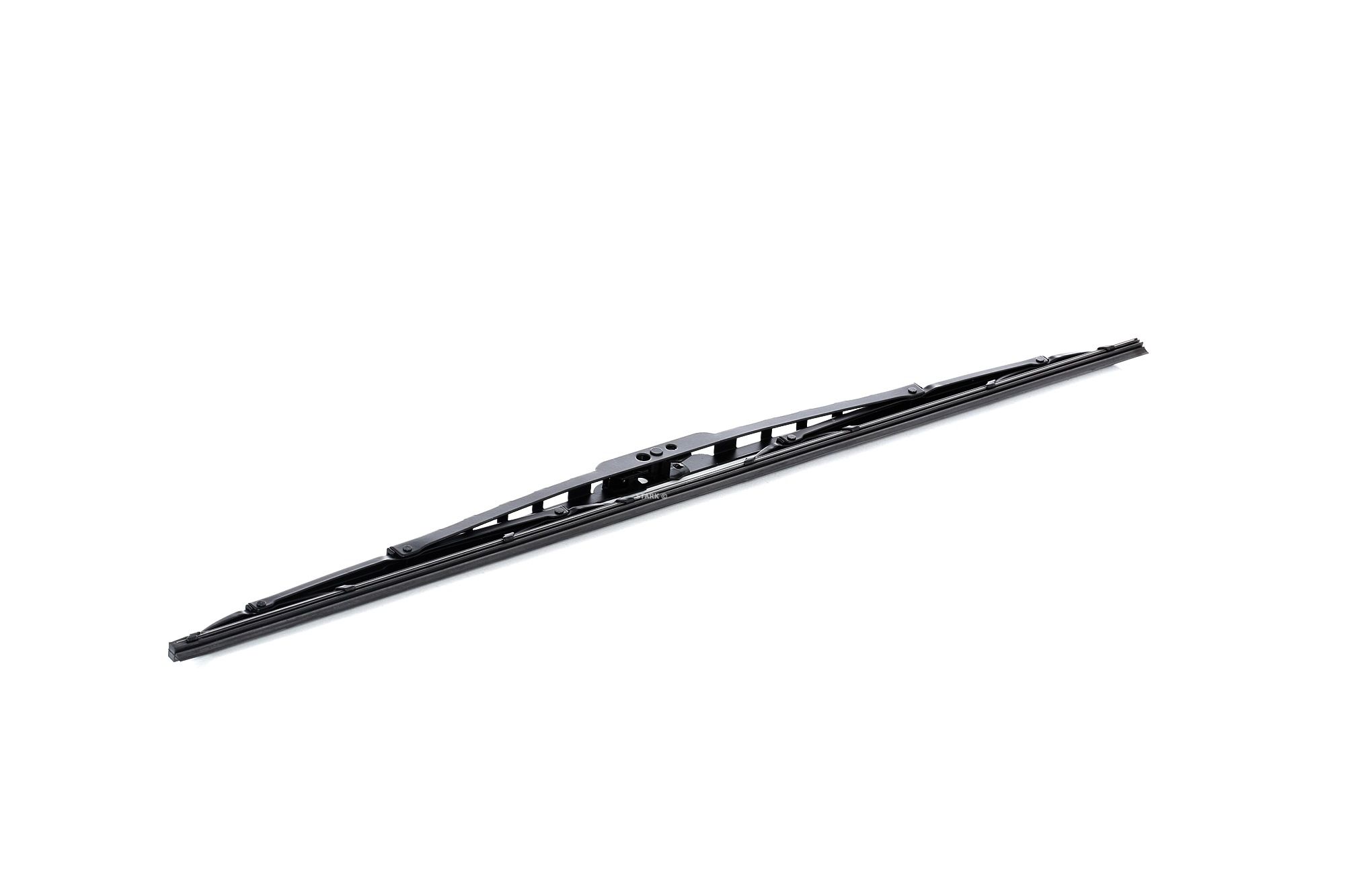
Conventional wiper blades feature an articulated plastic frame with multiple pivot points that distribute pressure along the rubber wiping element. These traditional designs use a metal frame structure with several pressure points that help the blade maintain contact with the windscreen surface.
The conventional wiper includes a metal holder supporting the rubber blade through various articulation points. This metal frame allows the blade to follow curved windscreen contours, though performance varies depending on windscreen curvature. A small rubber strip attached to the frame does the actual cleaning work.
Standard blades typically connect through a hook shaped wiper arm fitting, making them compatible with many older vehicles. The articulated plastic frame can collect ice and debris, affecting performance in harsh weather conditions.
Tip: Check your car owner's manual to confirm the correct conventional wiper blade size before purchasing. Using the wrong length can result in poor visibility and potential damage to your windscreen or wiper motor.
Flat Wiper Blades (Beam Wipers)
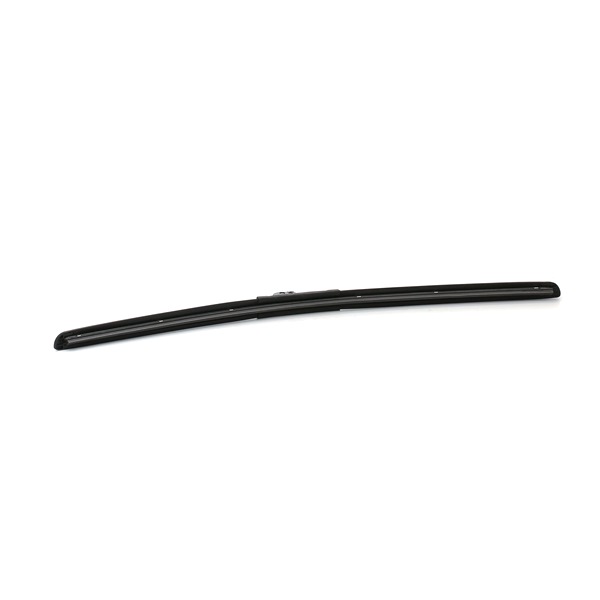
Flat wiper blades represent modern windscreen cleaning technology. These blades feature a tensioned metal strip running within the rubber structure, applying constant pressure along the entire length. This design creates a flatter aerodynamic shape that reduces wind noise and air resistance.
Unlike conventional wipers, flat wipers don't have a metal 'coat hanger' shaped frame. The tensioned metal strip provides consistent pressure distribution, resulting in better wiping motion across the complete blade. A steel sub-structure maintains blade integrity while the small rubber strip performs the cleaning action.
Consider a flat wiper blade upgrade if you experience:
- Excessive wind noise at highway speeds
- Uneven cleaning patterns
- Ice buildup on conventional frames
- Desire for modern appearance
| Feature | Conventional Blades | Flat Blades |
|---|---|---|
| Wind noise | Higher | Lower |
| Pressure distribution | Multiple points | Constant along length |
| Ice resistance | Poor | Good |
| Aerodynamics | Basic | Optimized |
Hybrid Wiper Blades
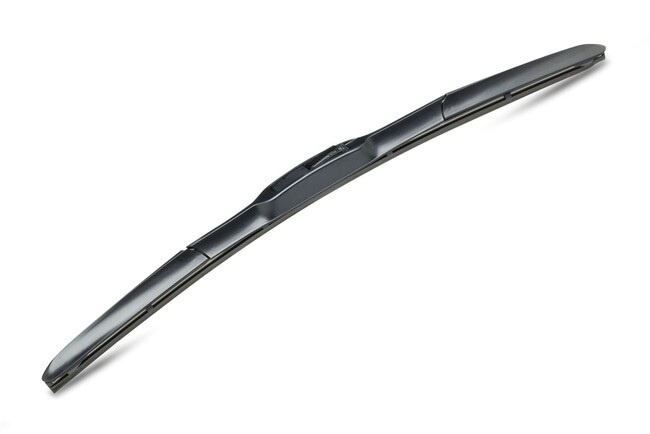
Hybrid wiper blades combine the aerodynamic shape of a flat blade with solid construction of a conventional wiper. These modern blades incorporate an integrated spoiler providing both aerodynamic benefits and structural support. Hybrid wipers are designed to retrofit onto vehicles that originally came with conventional wipers.
The hybrid design includes elements from both technologies. The metal frame provides structural integrity while the integrated spoiler creates aerodynamic properties. This results in constant down force and improved performance compared to basic conventional designs.
Hybrid designs offer:
- Reduced wind lift at highway speeds
- Compatibility with existing hook-style wiper arms
- Better snow and ice shedding
- Quieter operation than standard frames
Special Wiper Blades
Winter wiper blades feature reinforced rubber compounds and protective boots preventing ice accumulation. These maintain flexibility in sub-zero conditions better than standard rubber compounds.
Silicone wiper blades apply a water-repellent coating to the windshield, causing rain to bead up and roll off. Silicone wiper blades are more resistant to extreme temperatures and UV light, lasting up to twice as long as standard rubber blades.
Rear wipers often require different specifications than front blades, using special fitting adaptors rather than standard hook fittings.
Choosing the Right Wiper Blade
Selecting appropriate windscreen wipers involves several considerations beyond blade length. Vehicle compatibility, climate conditions, and budget all influence the optimal choice. Understanding these factors helps ensure you get the best wiper blades for your situation.
Compatibility and Vehicle Fit
Proper fitment requires determining your vehicle's wiper arm type and blade length requirements. Most vehicles use specific fit wiper blades matching factory specifications. Your car owner's manual provides reliable information about correct sizes and fitting types. For detailed guidance on sizing, check our comprehensive guide on what size wiper blades for my car.
Modern vehicles often use complex attachment systems beyond traditional hooks. Some employ pinch tab connections, side pin fittings, or other specialized methods. Understanding your requirements prevents compatibility issues and ensures you get the right blade quickly.
When upgrading technologies, verify new blades provide adequate pressure along the entire length. Some windscreen curvatures work better with specific blade types.
Quality Standards and Material Differences
Material quality significantly impacts performance and durability. Premium rubber compounds resist UV degradation and maintain flexibility in extreme temperatures. Manufacturing precision influences how well blades conform to windscreen surfaces.
| Quality Factor | Premium Blades | Budget Blades |
|---|---|---|
| Rubber compound | Advanced UV-resistant | Basic rubber |
| Expected lifespan | 12-18 months | 6-9 months |
| Performance consistency | Excellent | Variable |
Tip: Clean your wiper blades regularly with hot soapy water and a damp cloth to remove debris. This simple maintenance can extend blade life significantly.
Comparing Wiper Blade Brands
According to our AUTODOC specialists who handle thousands of installations annually, premium brands consistently deliver better long-term value despite higher initial costs. "We regularly see quality differences between premium and budget options," notes our technical team. "Customers investing in quality blades experience fewer replacement cycles and better satisfaction."
When selecting brands, consider:
- Vehicle compatibility and original equipment specifications
- Local climate conditions and seasonal requirements
- Warranty coverage and customer support
- Long-term cost including replacement frequency
Summary
Choosing the right wiper blades involves understanding conventional, flat, and hybrid designs. Each offers distinct advantages depending on vehicle requirements and performance expectations. Conventional blades work for basic needs, while flat blades provide superior aerodynamics and consistent pressure.
Hybrid wipers offer compromise between traditional compatibility and modern performance. Specialized options address specific conditions. Proper fitment, quality materials, and regular maintenance significantly impact performance regardless of blade type.
If you notice performance issues, learn about how to fix wiper blades before considering replacement. When it's time to change wiper blades, consider your specific needs and vehicle compatibility. Investing in quality blades appropriate for your situation provides better visibility, safety, and long-term value.
Frequently Asked Questions
What type of wiper blades are best?
The best wiper blades depend on specific vehicles and driving conditions. Premium hybrid blades offer excellent performance with less air resistance and smooth and quiet movement for most applications.
Are flat wiper blades better?
Flat wiper blades provide superior aerodynamics with less wind noise compared to conventional designs. Their internal metal strip ensures consistent pressure along the length of the blade for better cleaning performance.
Which is better, silicone or rubber wiper blades?
Silicone blades last longer and resist temperature extremes better than rubber alternatives. However, they cost more initially. Standard rubber deteriorates faster but offers good value for pinch tab wiper blades applications and original equipment replacements.
How do I know my wiper blade size?
Check your vehicle manual or existing wiper blade numbers on the old blade. Many rear blades use different sizes than front wipers. Some curved wipers require specific measurements for proper fit.
Do hybrid wiper blades work on all cars?
Most hybrid blades retrofit onto standard hook fittings, though some specific vehicles with uniquely shaped spoilers may need special adaptors. The integrated spoiler runs along the blade providing aerodynamic benefits for various applications.