Table of Contents
 20 February 2025
 Bulge in tyre: causes, symptoms, and how dangerous it is
Should you be concerned about an ugly lump in your tyre? Absolutely. Typically caused by internal damage or manufacturing defects, tyre bulges compromise the structural integrity of your tyres. This article delves into the causes, warning signs, and dangers of tyre bulges, helping you stay safe on the road while avoiding costly repairs or accidents.
What is a tyre bulge?
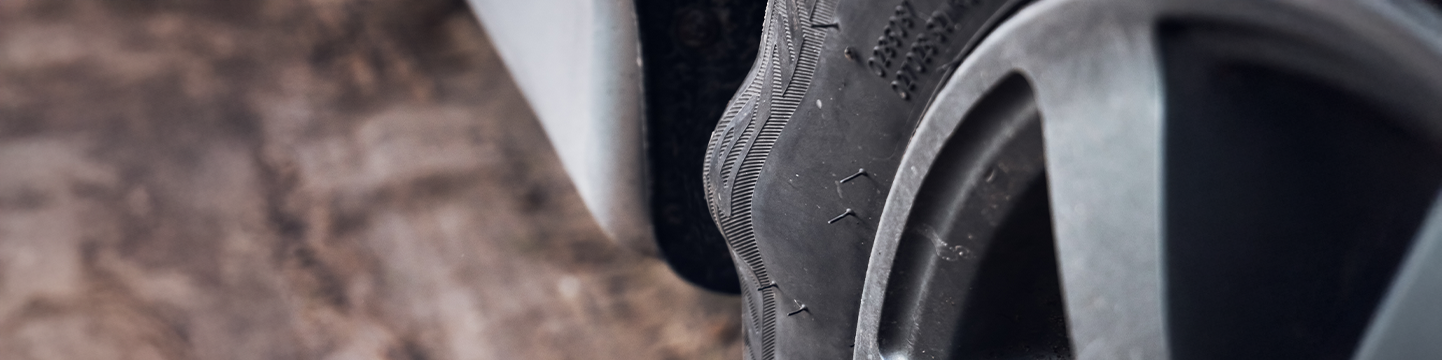
A bulge in the tyre wall is a visible protrusion that forms on the side of the tyre, resembling an air bubble or an egg-like shape. It often occurs when the internal structure, such as the cords or plies, is damaged due to impacts, overloading, or manufacturing defects. This weakens the sidewall, allowing air pressure to push outward, creating the bulge.
Driving with a bulge in the sidewall is dangerous, as it compromises the structural integrity and increases the risk of a blowout. Immediate inspection and replacement are crucial to ensure safety. Safe driving habits and regular maintenance can help prevent these issues in the future.
Recommended Article
Nail in tyre repair: puncture repair costs and what to do for tyre damage
What causes tyre bulges?
A bulge or lump in the sidewall typically forms due to internal damage to the tyre’s structure. This can occur in the following ways:
- Hitting potholes, kerbs, or sharp objects, which can rupture the internal cords or plies, weakening the tyre wall.
- Overloading the vehicle can also stress the tyre, leading to structural failure and the formation of a bulge.
- Manufacturing defects, although less common, may result in a lump or bulge appearing shortly after installation.
- Driving on underinflated or overinflated tyres increases the likelihood of damage to the sidewall. These issues compromise the tyre’s integrity, making it more prone to blowouts.
Regular inspection, proper inflation, and avoiding sudden impacts help reduce the risk of developing a bulge in the tyre wall.
Sold by AUTODOC Sold by AUTODOC Sold by AUTODOC Sold by AUTODOC Sold by AUTODOC
Cooper COBRAGT

 Article number


 B
74 dB
£136.99
Price per item
£547.96 / Price per 4 items
price incl. 20% VAT, free delivery
-20%
Michelin Pilot Sport 4 S
B
74 dB
£136.99
Price per item
£547.96 / Price per 4 items
price incl. 20% VAT, free delivery
-20%
Michelin Pilot Sport 4 S

 Article number

 B
71 dB
compared to
RRP
£241.45
£191.49
Price per item
£765.96 / Price per 4 items
price incl. 20% VAT, free delivery
Rotalla Ice-Plus S210
B
71 dB
compared to
RRP
£241.45
£191.49
Price per item
£765.96 / Price per 4 items
price incl. 20% VAT, free delivery
Rotalla Ice-Plus S210

 Article number
B
71 dB
Article number
B
71 dB
 £47.49
Price per item
£189.96 / Price per 4 items
price incl. 20% VAT, free delivery
Rotalla Setula 4 Season RA03
£47.49
Price per item
£189.96 / Price per 4 items
price incl. 20% VAT, free delivery
Rotalla Setula 4 Season RA03
 Article number
B
72 dB
£57.49
Price per item
£229.96 / Price per 4 items
price incl. 20% VAT, free delivery
Minerva AS Master
Article number
B
72 dB
£57.49
Price per item
£229.96 / Price per 4 items
price incl. 20% VAT, free delivery
Minerva AS Master

 Article number
 B
71 dB
£74.99
Price per item
£299.96 / Price per 4 items
price incl. 20% VAT, free delivery
B
71 dB
£74.99
Price per item
£299.96 / Price per 4 items
price incl. 20% VAT, free delivery
Tyre bulge symptoms
Aside from the visible bulge in the side of the tyre, you may also notice the following symptoms:
- - Excessive vibrations when driving
- Visible signs of cracking
- Wobbling wheels when driving, particularly at high speeds
- Low tyre pressure
- Deterioration in steering performance/loss of control
- Reduced traction
Is a bulge in a tyre dangerous?
Yes, similar to other forms of tyre damage, these bulges pose a hazard due to the increased risk of a tyre blowout or flat tyre. If the tyres are unstable, you may lose control over the vehicle. It is best to install new tyres on the affected axle as soon as possible before you start driving again.
How long can I drive with a bulge in my tyre?
It is recommended to avoid driving at all until the damaged tyre is replaced, however large or small the lump is. If it is absolutely necessary to drive then you should only do so at low speeds until you reach a safe area where you can pull over. Then you can switch it for the spare tyre and drive till you reach the nearest garage/mechanic. Delaying replacement risks serious accidents and compromises your safety and that of others on the road.
Recommended Article
Tyre blowout: what to do, prevention tips, and solutions
Can you fix bubbles in a tyre?
No, unfortunately, it is not possible or advisable to attempt to repair the sidewall and remove the bubbles due to the internal structural damage that occurs. In other words, the tyre is too far gone and it isn’t worth the risk.
Thankfully, bubbles/bulges don’t usually occur that often as most high-quality car tyres are able to withstand high stress throughout their service life provided that they are maintained. To prevent bulging from happening, maintain the proper tyre pressures, avoid overloading your car, and drive mindfully.
Top products related to this topic: